Key Takeaways
- Top landing pages convert at 30-60%+, far above the 6.6% median conversion rate across all industries.
- Reducing form fields dramatically boosts conversions; one company saw 120% more conversions cutting fields from 11 to 4.
- Long-form landing pages can outperform short ones; MarketingExperiments found they generated 220% more leads.
- Deep audience understanding drives exceptional results - onX GPS achieved 61.15% conversion against an 18.1% industry average.
- High-contrast CTAs, strategic social proof, fast load times, and minimal friction appear across all top-performing pages.
Best Landing Page Examples (Updated for 2026)
The eyes are the window to the soul, and the landing page is the eyes of the conversion funnel. It's the make or break moment. You've captured the reader's attention. You've hooked them in with your ad. Now you have to nail the sale, and to do that, you need the best possible landing page.
Now, out of necessity, every business for every product is going to have a unique landing page. You can't very well create a one-page landing page for everything you sell, unless you're selling everything in one large bundle. You can't copy a landing page from another business, either. Even without duplicate content issues, you aren't selling the same product, your sales funnel isn't the same, so it just doesn't work.
Still, you can learn a lot from existing, high-converting landing pages. Unbounce's analysis of 41,000 landing pages with 464 million visitors found a median conversion rate of just 6.6% across all industries - but the best pages are pulling 30%, 40%, even 60%+. The gap between average and excellent is enormous, and it comes down to execution.
Here are some of the best landing page examples from around the web, and more importantly, what you can steal from each of them.
Unbounce
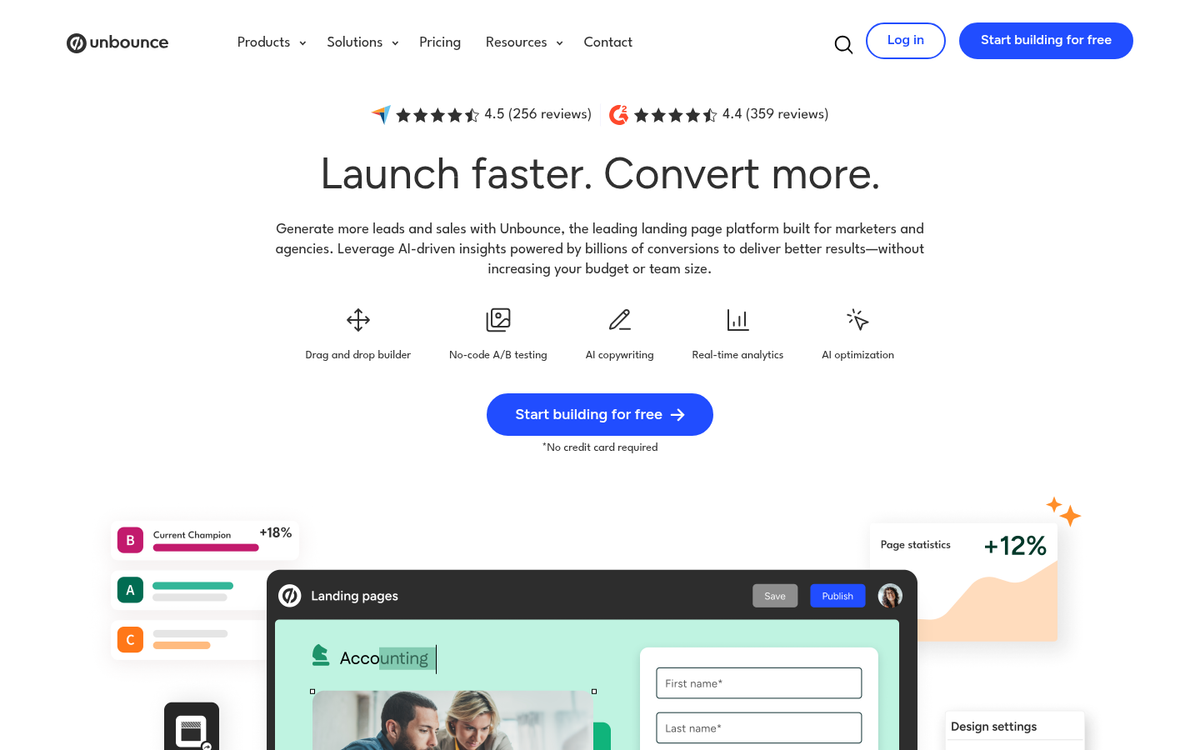
Obviously enough, the company that literally wrote the book on landing page optimization has one of the best landing pages around. It's really easy to see exactly what you need to be doing to convert. You get clear, benefit-driven headlines, social proof baked in throughout, and CTAs that don't make you hunt for them. Unbounce's own research confirmed that their featured high-converting pages all achieved at least a 30% conversion rate with a minimum of 500 visitors - so when they tell you what works, they're speaking from serious data. Worth studying closely if you want to increase the sales from your landing page.
Dropbox Business
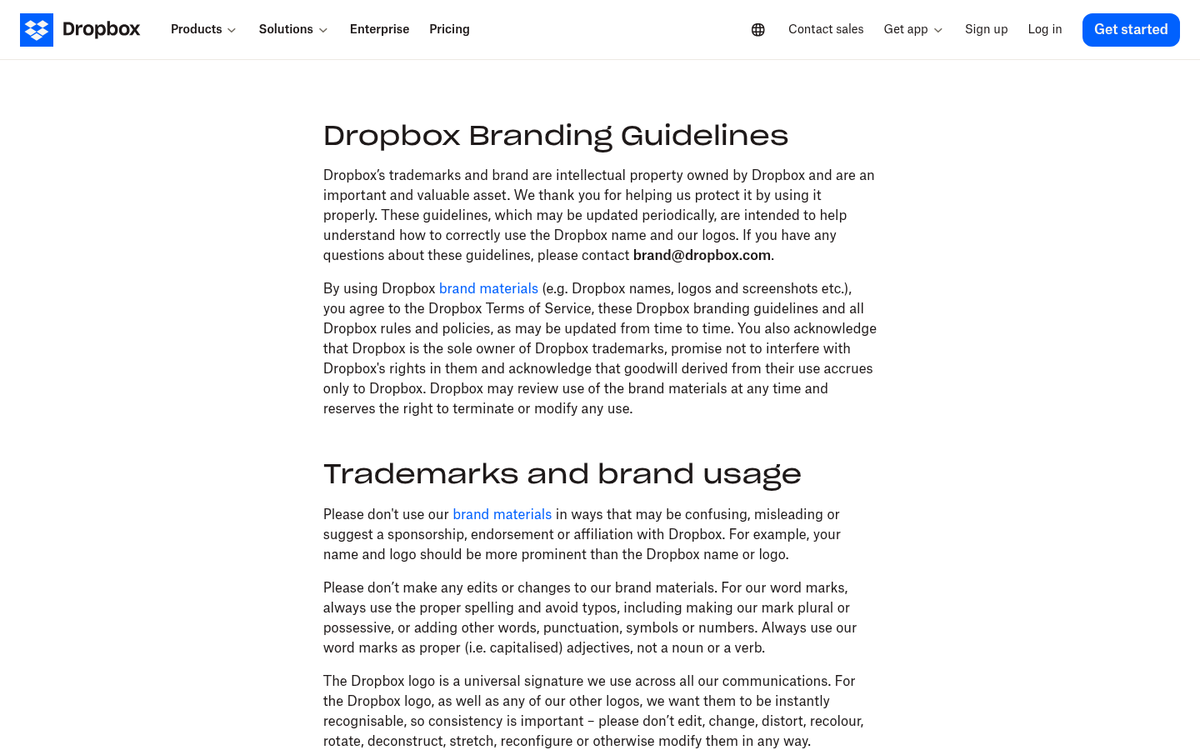
Dropbox has always done the basics well: clean design, compelling copy, and a frictionless sign-up flow. What still stands out is their customer logo bar. It's not skewed toward one industry or company size - you've got a range of recognizable names, so nearly every visitor sees something familiar. The logos are also clean and legible at small sizes, which sounds like a minor detail until you see how many companies get this wrong with muddy, indecipherable marks. Trust signals only work if people can actually read them.
Basecamp

Basecamp's landing page has evolved over the years but has never lost its personality. They've leaned hard into plainspoken, no-nonsense copy that cuts through the noise. Where most SaaS pages bury you in feature lists, Basecamp leads with outcomes. Their long-form approach works, too - MarketingExperiments found that long landing pages generated 220% more leads than short ones in direct tests, which runs counter to the "keep it short" advice you'll hear everywhere. Basecamp proves that if your copy earns every scroll, length is an asset - though if you're wondering why so many people hate landing pages in the first place, the answer usually comes down to copy that doesn't earn that trust.
Hootsuite

You've got your graphical banner, check. You've got your high-contrast CTA button, check. You've got your graphical and textual illustrations of what you get. You've got a second CTA for anyone convinced by that section. You've got logos, a detailed benefits comparison table, and then yet another CTA at the end for anyone who needed all of that to get there. It's a masterclass in layered persuasion - giving skeptical visitors every reason to convert before they leave.
QuickBase
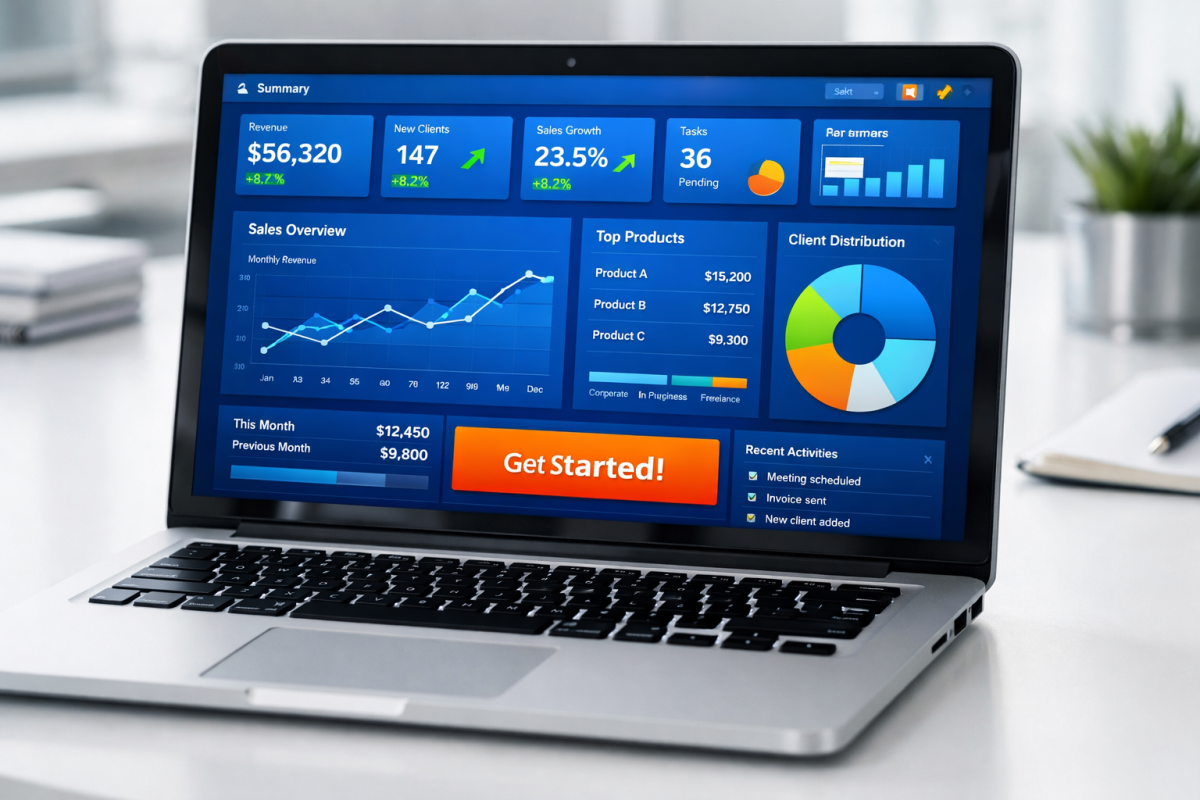
The rotating banner graphic could easily be a distraction, but every image is carefully chosen to keep the CTA front and center. The blue and orange contrast on the call-to-action button means it never gets lost regardless of which image is showing. Full-color logos with real quotes from recognizable companies make the social proof feel earned rather than decorative. It's a small thing, but a quote attributed to a real person at a real company beats a generic five-star graphic every time.
The onX GPS Hunting App Landing Page
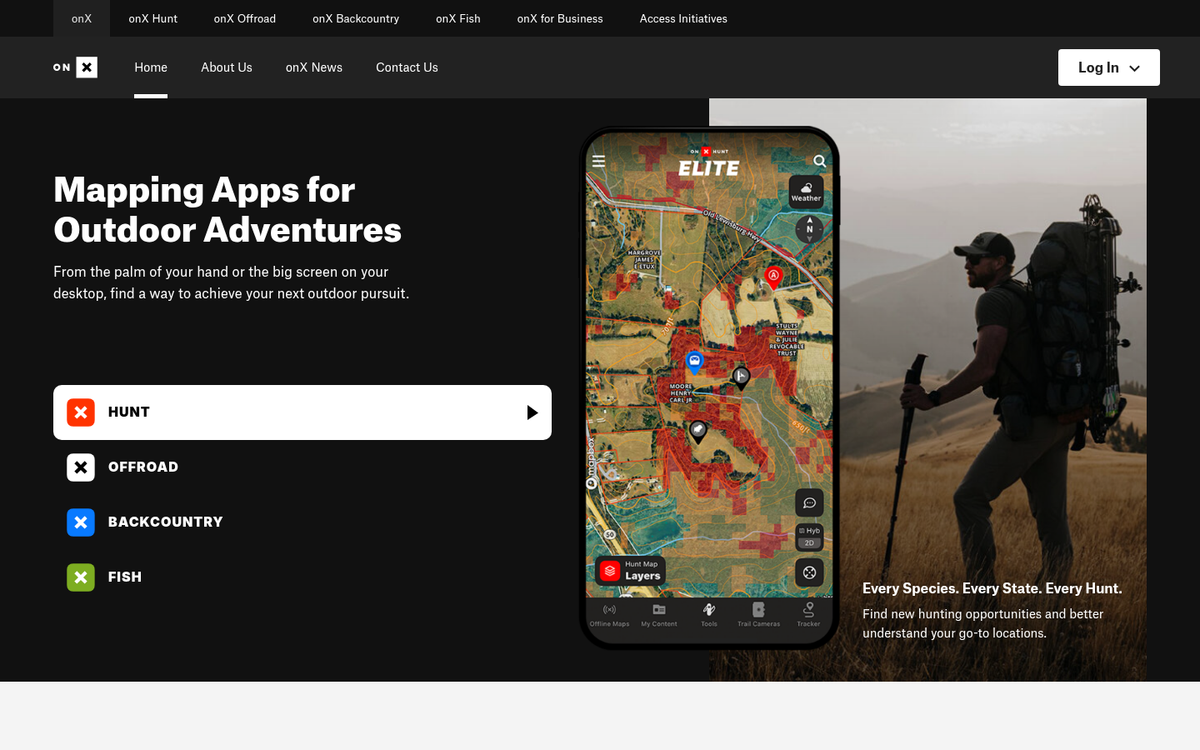
This one deserves a mention because the results are hard to argue with. Unbounce highlighted the onX GPS Hunting App as achieving a 61.15% conversion rate - against an 18.1% industry average for Media and Entertainment. That's not a rounding error, that's a fundamentally different approach to the page. The lesson: deep audience understanding, highly specific messaging, and a frictionless conversion path can produce results that feel almost unrealistic. Know exactly who you're talking to and build the page around them.
Ooba Home Loans
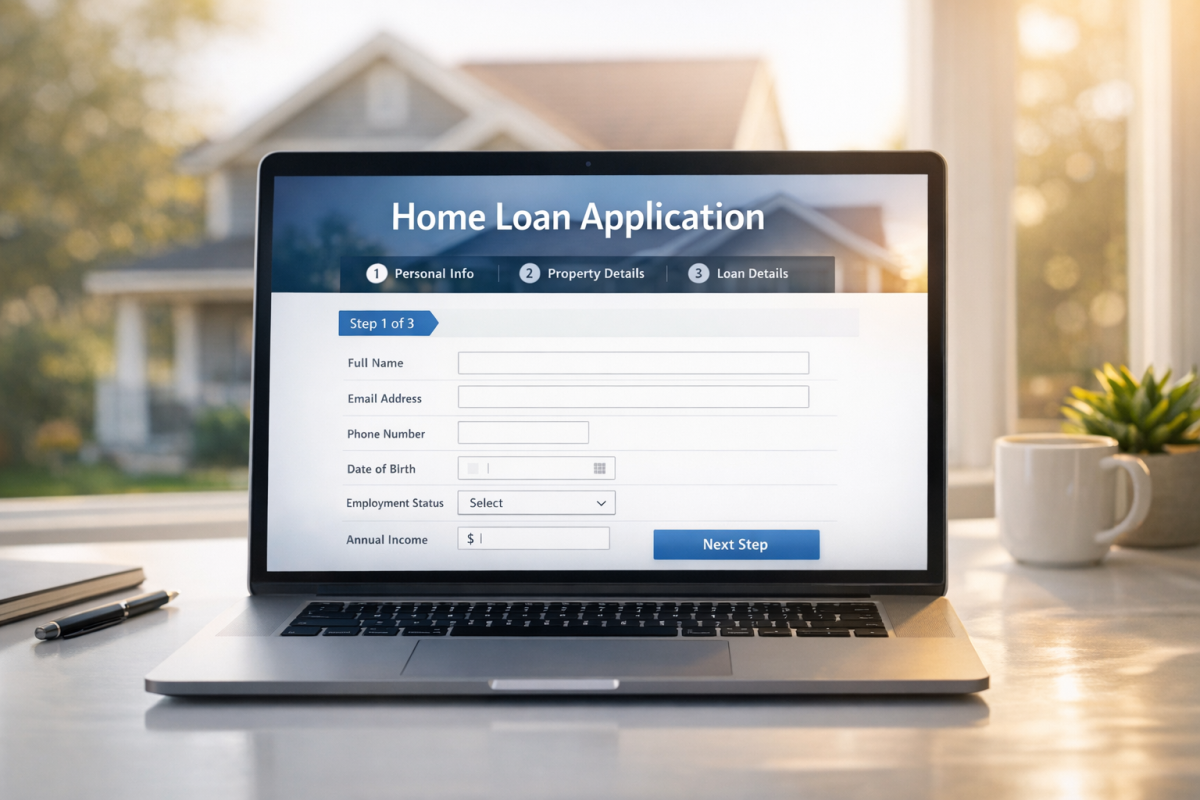
Ooba's landing page achieved a 35.57% conversion rate against a 15.8% average for finance pages - a category where trust is everything and friction kills conversions fast. What makes it work is the combination of clear value proposition, minimal form fields, and credibility signals placed exactly where doubt tends to creep in. Speaking of form fields: one company documented a 120% increase in conversions simply by reducing their form from 11 fields to 4. Ooba's page reflects that philosophy - ask for what you actually need, nothing more. If you're building something similar, exploring excellent WordPress plugins to create landing pages can help you get the structure right from the start, while learning how to increase opt-in rates on your squeeze pages offers practical guidance on minimizing friction and maximizing form completions.
Web Profits
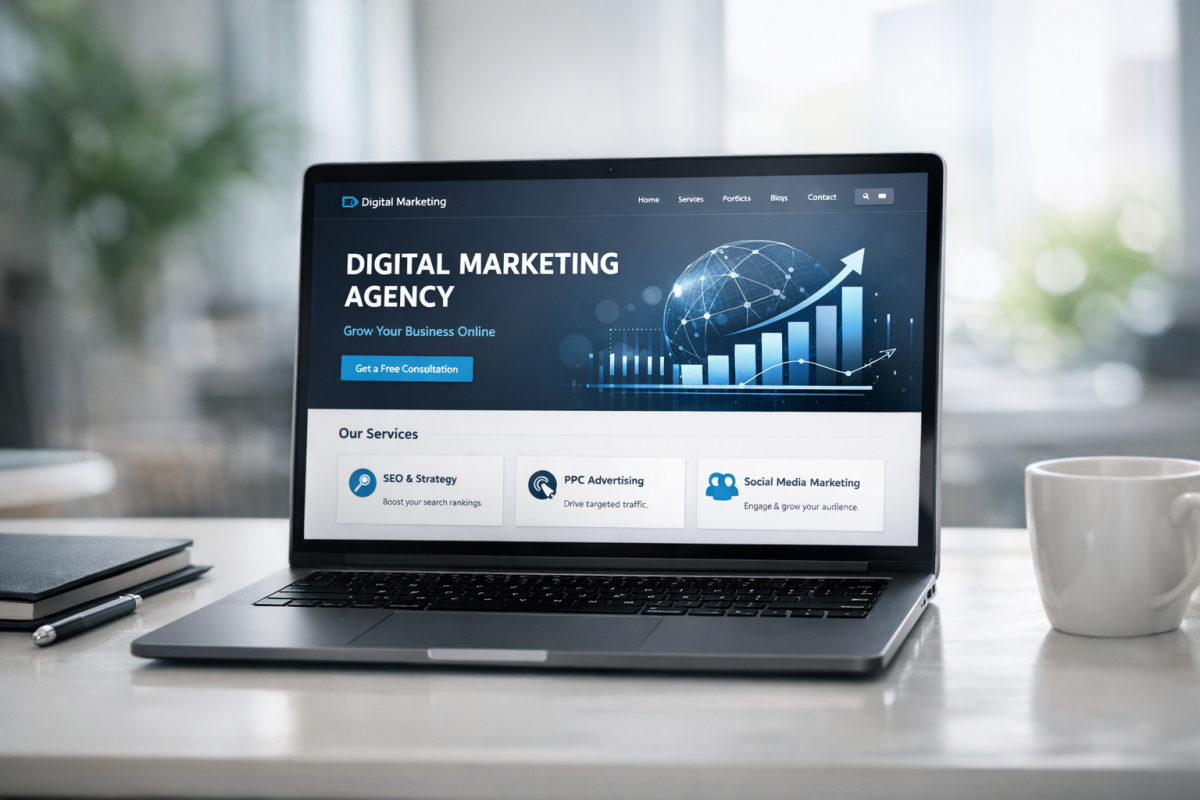
If you arrive at this page already knowing what you want, you're front-loaded with everything you need to convert. If you're new, you can scroll and get a genuinely useful explanation of what they do and why it matters. The second CTA at the bottom of the page is a small touch that pays off - not everyone converts at the top, and giving a second opportunity costs nothing.
Inbound Emotion
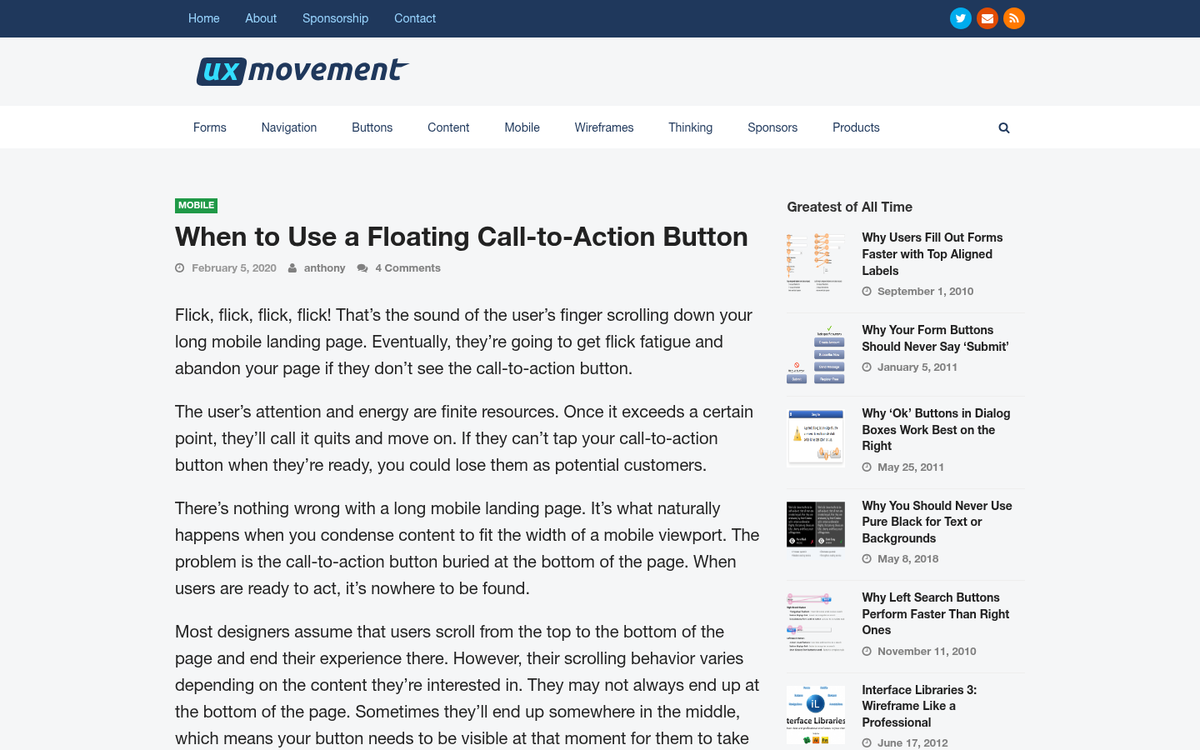
The site is in Spanish, but language barriers aside, it has one feature more landing pages should steal: a floating CTA form. Scroll wherever you want - the form follows you. It's always present, never intrusive, and ready to capture the conversion the moment a visitor decides they're in. Given that page load speed already costs 7% of conversions per additional second of delay, removing friction wherever possible is non-negotiable. A persistent, always-visible CTA is one of the easiest wins available.
What These Pages Have in Common
Across all of these examples, a few principles keep showing up:
- High-contrast CTA buttons that are impossible to miss
- Social proof placed where doubt naturally arises
- Minimal form fields - ask for less, get more
- Fast load times - every second of delay costs conversions
- Layered copy that converts the quick skimmers and the deep readers alike
- Specific audience targeting rather than trying to speak to everyone
None of these are secrets. The gap between knowing them and actually executing on them is where most landing pages fall apart. Study these examples, identify what your current page is missing, and close that gap.