





To succeed in affiliate marketing, you need people to click your links. Without passing through a link with your affiliate tag, any action a user takes is valueless to you. With that tag, though, it's a whole other story. What you need to do, then, is find places where you can share your affiliate links to get traffic.
Keep in mind that the best way to promote affiliate products is typically through your own website. All of these ideas are supplemental at best. Always check the terms of service for any site to make sure affiliate links aren't against their rules before you post. The last thing you need is to be blocked from a site where you otherwise have good standing.
Key Takeaways
- Your own website should be the primary affiliate marketing hub; all other platforms are supplemental distribution channels.
- Always verify each platform's terms of service before posting affiliate links to avoid account bans or removal.
- Authenticity consistently outperforms overt promotion across platforms like TikTok, Reddit, and forums.
- Email lists and podcasts offer high ROI because audiences are already warm, engaged, and trusting of recommendations.
- Niche-specific platforms like Goodreads, Ravelry, and Discord can connect affiliates with highly targeted, passionate communities.
1. A Facebook Page
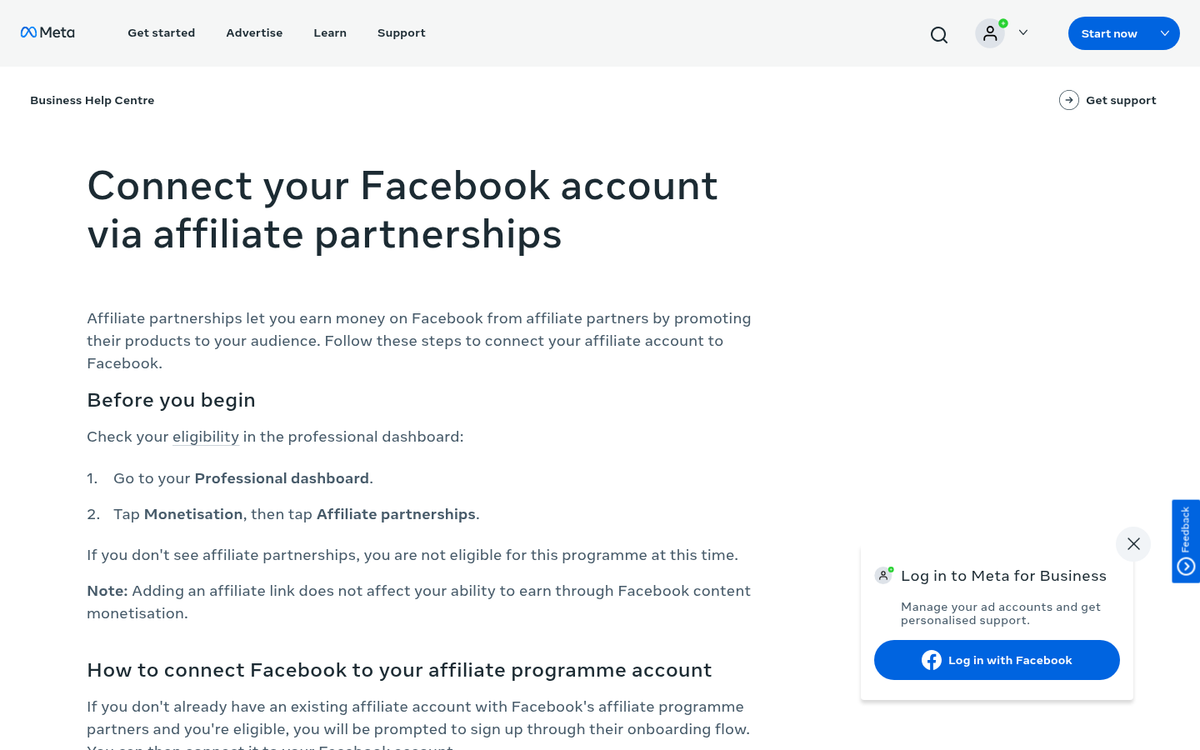
A Facebook business page may not seem the right step for an affiliate marketer in the early stages of business, but it's perfect once you've built a website, a small community, a mailing list and a brand.
2. Your Facebook Profile
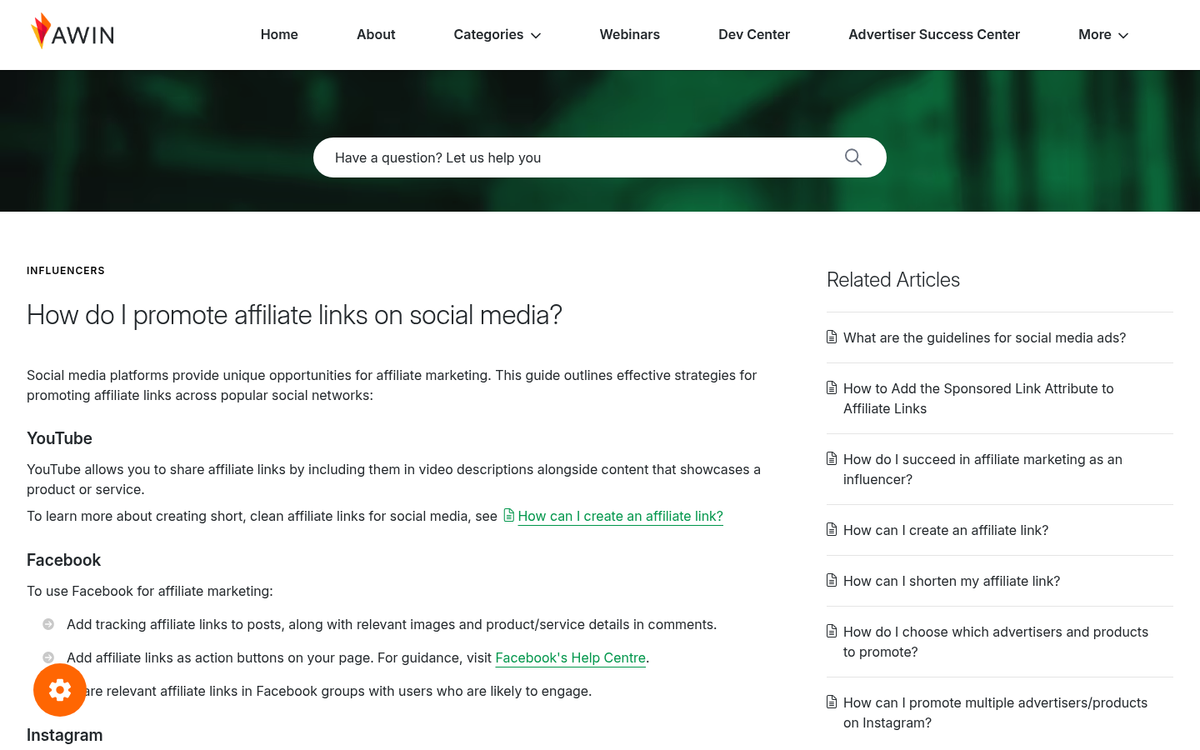
There's no reason not to post your affiliate link on your Facebook profile. If you stand by the offers you're selling, get friends and family to buy them.
3. Facebook Groups
Facebook groups are probably the least effective of the places you can market on Facebook, largely because many are inactive or oversaturated with spam. Still, a few active, well-moderated groups exist and can be good places to share affiliate links when done tastefully and in context.
4. X (Twitter) Hashtag Conversations
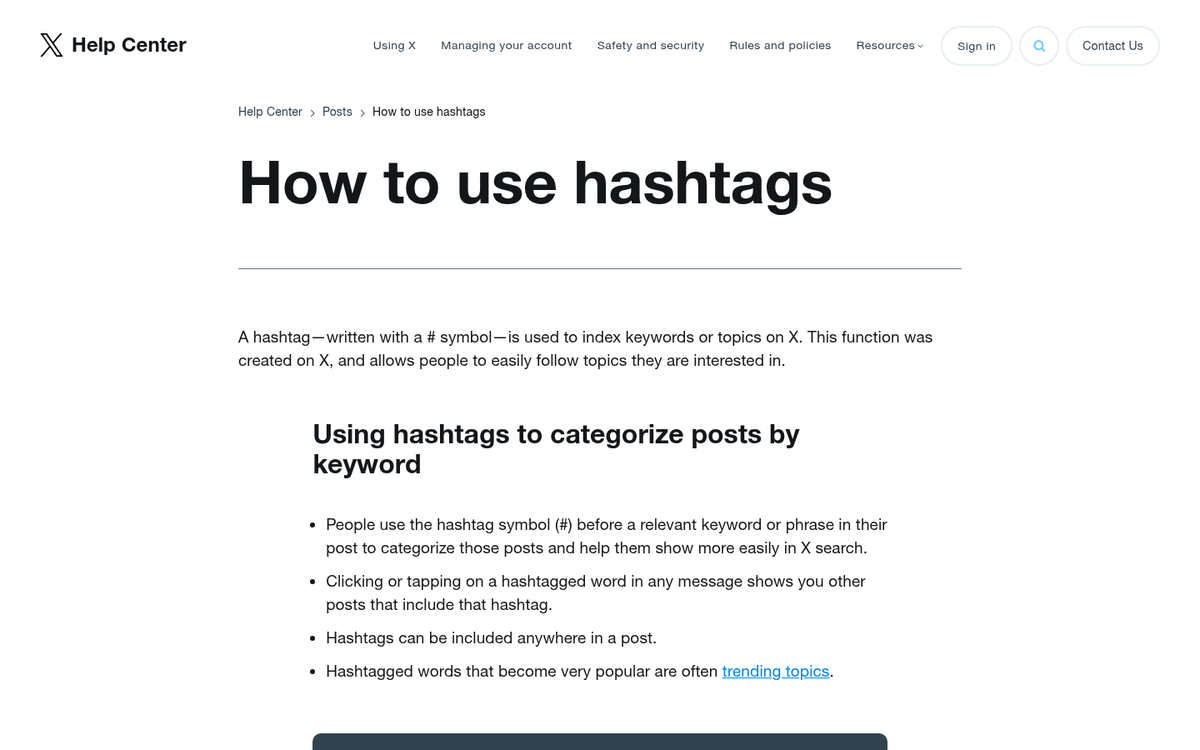
Formerly known as Twitter, X remains a fast-moving platform where hashtags help surface your content to interested audiences. Do your research, find relevant hashtags in your niche, and participate genuinely in conversations before dropping links. With X's evolving algorithm, engagement-first posts tend to perform better than bare promotional links.
5. Pinterest Pins
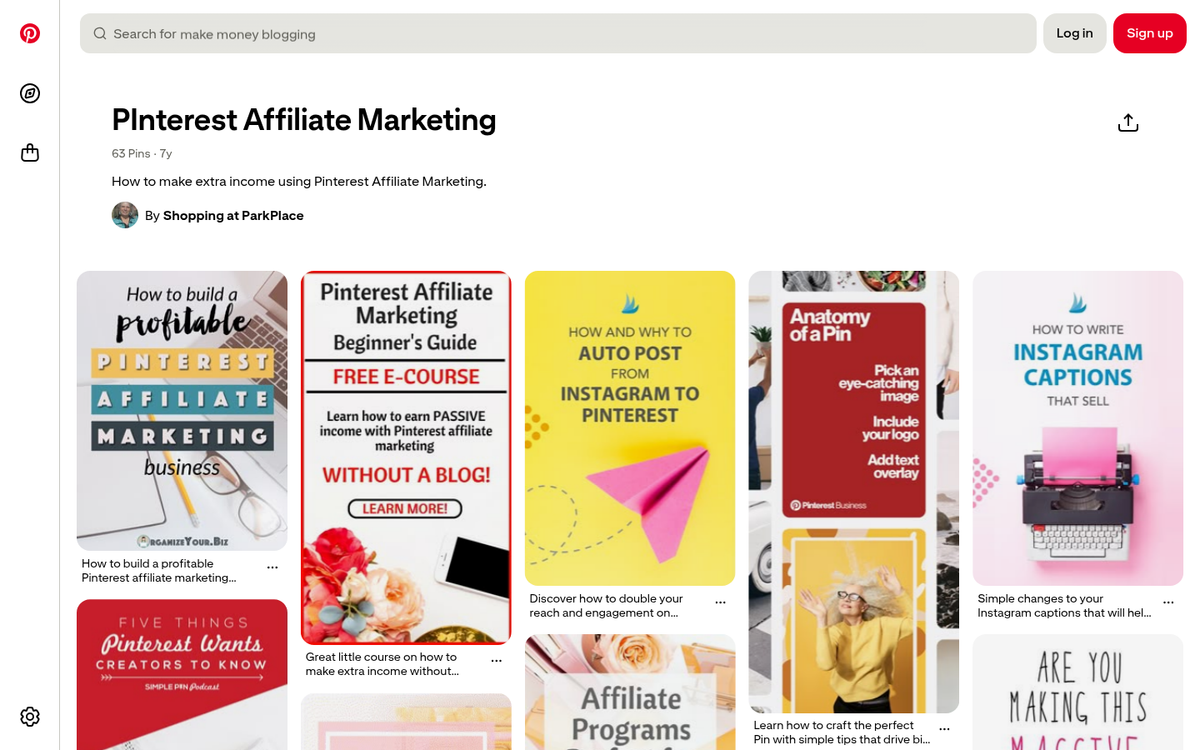
Pinterest continues to be a powerhouse for affiliate marketers, particularly in niches like home decor, fashion, food, and DIY. Pinterest now allows direct affiliate links on pins, making it one of the more affiliate-friendly platforms available. Create eye-catching, vertical images and write keyword-rich descriptions to maximize reach.
6. Instagram Photos and Reels
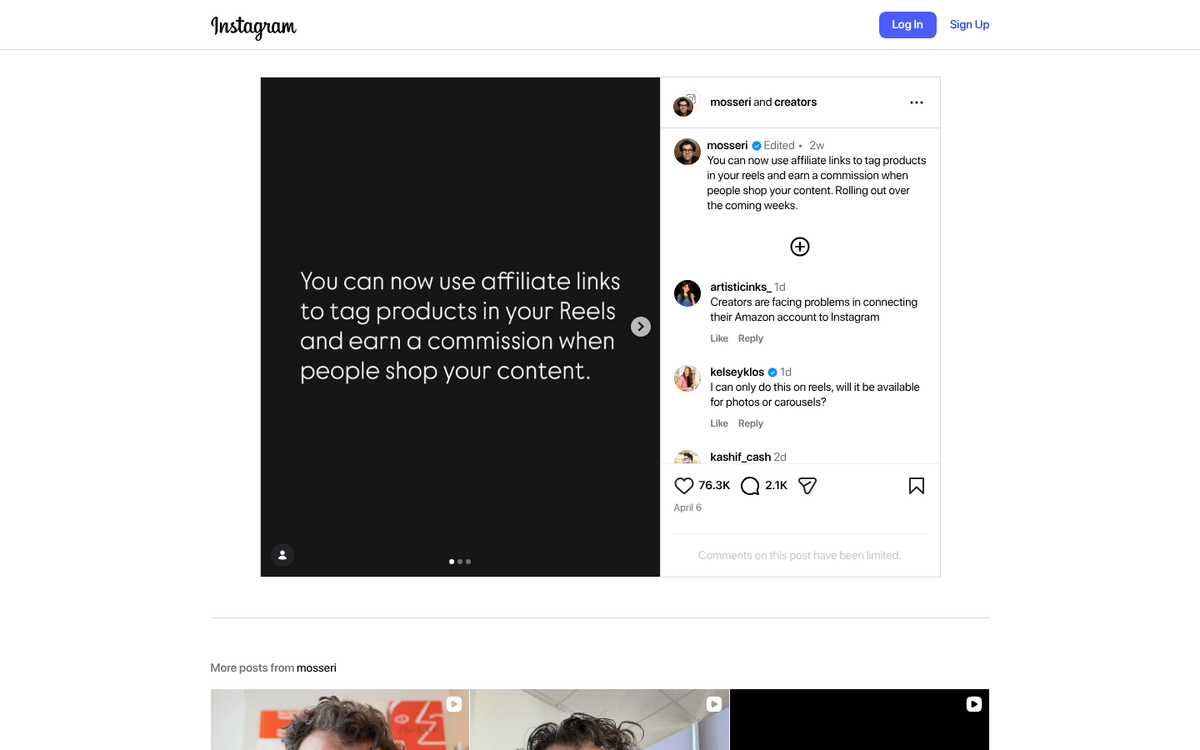
Instagram remains highly relevant in 2026, with Reels continuing to drive the most organic reach. You can place affiliate links directly in your bio, use link stickers in Stories, and leverage the platform's shopping features. Short-form video content consistently outperforms static images, so consider mixing both formats for best results.
7. TikTok Videos

TikTok is one of the most powerful platforms for affiliate marketing in 2026. Short, engaging videos that demonstrate or review a product can go viral quickly and drive enormous traffic. TikTok Shop has made the platform even more affiliate-friendly, with built-in tools for creators to earn commissions directly through the app. Authenticity is key - overt sales pitches tend to underperform compared to genuine recommendations.
8. YouTube Videos
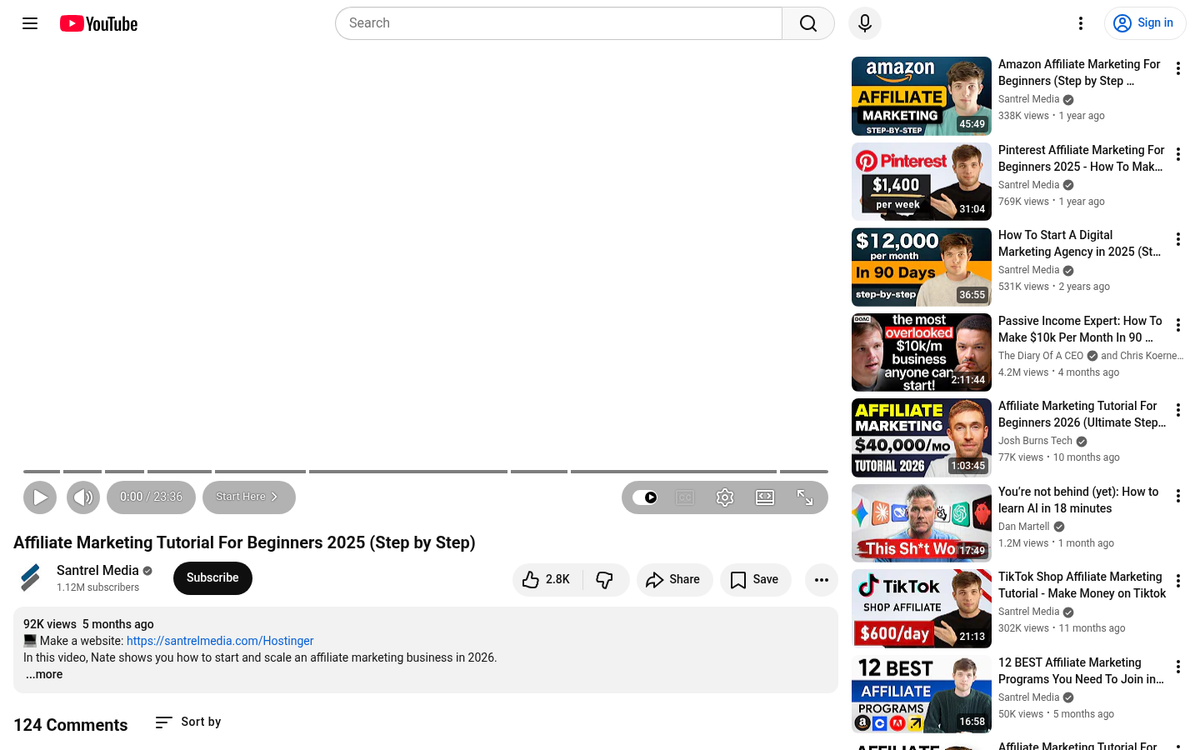
Do a quick YouTube search for your offer and you'll likely find a sea of uninspired, templated videos all trying to promote the same thing. Make something genuinely better - a thorough review, a tutorial, or a comparison - and you'll stand out quickly. YouTube remains one of the highest-converting platforms for affiliate marketing, especially for considered purchases. You might also consider paid services to promote your YouTube video and expand your reach. Always disclose your affiliate relationship in the description.
9. YouTube Shorts
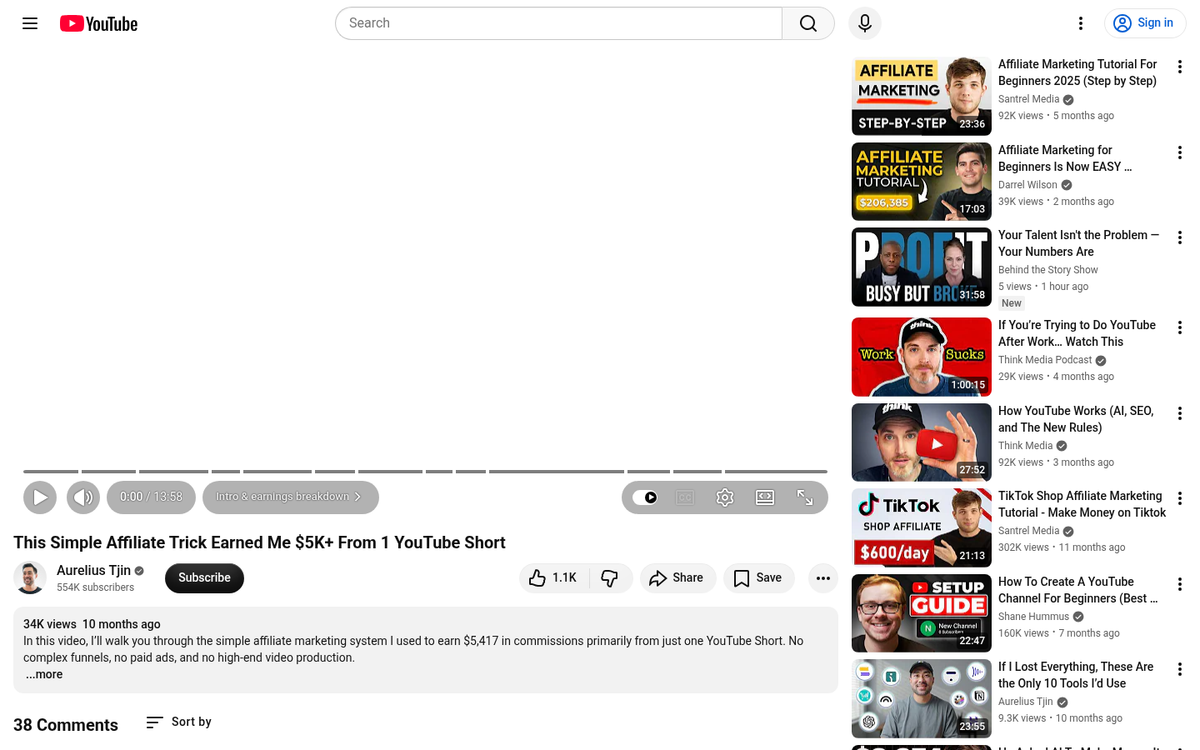
YouTube Shorts has matured significantly and now rivals TikTok for short-form video reach. You can use Shorts to tease longer reviews, highlight a product benefit, or drive viewers to your full-length video where affiliate links live in the description. It's a great way to reach new audiences who might not find your main channel otherwise.
10. Vimeo Videos

Any video that you create and host on YouTube, you can host on Vimeo as well. Vimeo tends to attract a more professional, design-oriented audience, making it better suited for higher-end or creative product niches.
11. LinkedIn Posts
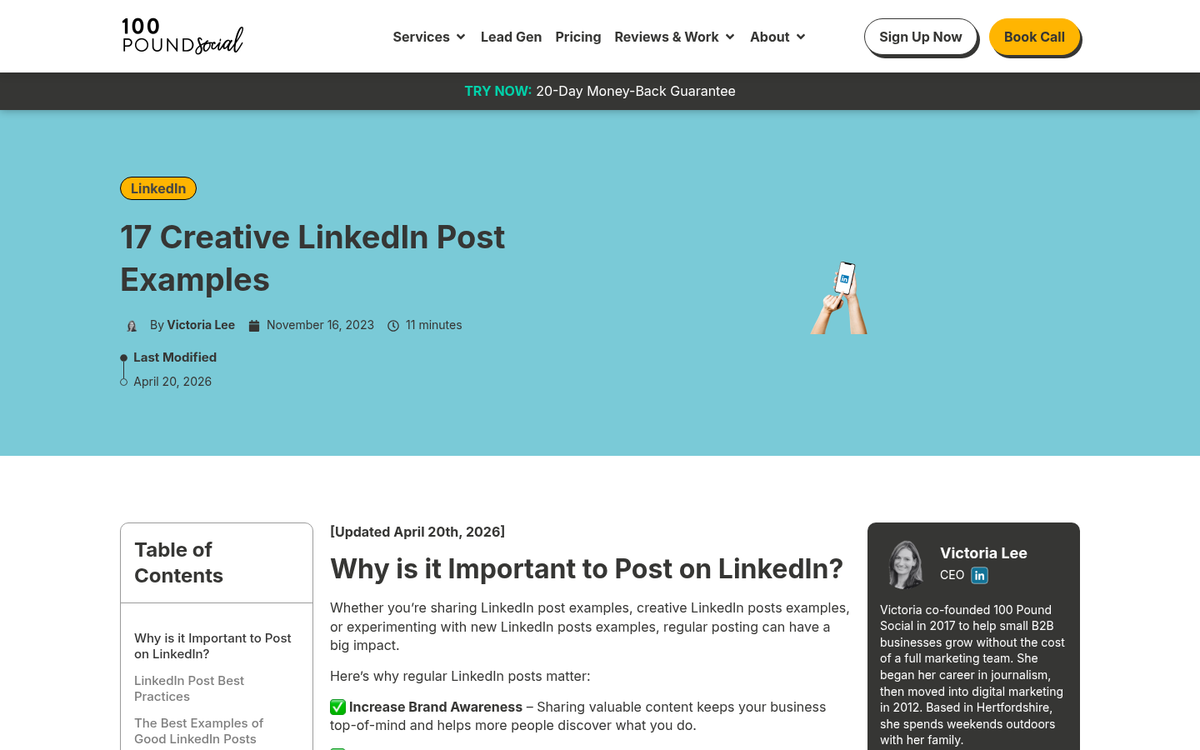
LinkedIn is excellent for professionals, and its organic reach remains stronger than most other major platforms as of 2026. It's especially effective for marketing B2B tools, software, professional development courses, and career-related services. Long-form posts and personal stories tend to perform particularly well.
12. LinkedIn Groups

LinkedIn groups can give you access to a focused professional audience in a specific industry. While they're less active than they once were, the right group in your niche can still be a valuable place to share insights alongside relevant affiliate recommendations. For more on leveraging LinkedIn, see 3 ways to properly use LinkedIn for traffic generation.
13. Relevant Forums

Industry-related forums remain a solid way to embed yourself in a community. Once there, work links to your blog posts and site into your most educational contributions. Include a link in your profile and signature, and avoid shoehorning links into every post - goodwill among forum users is worth more than a few extra clicks.
14. Review Sites
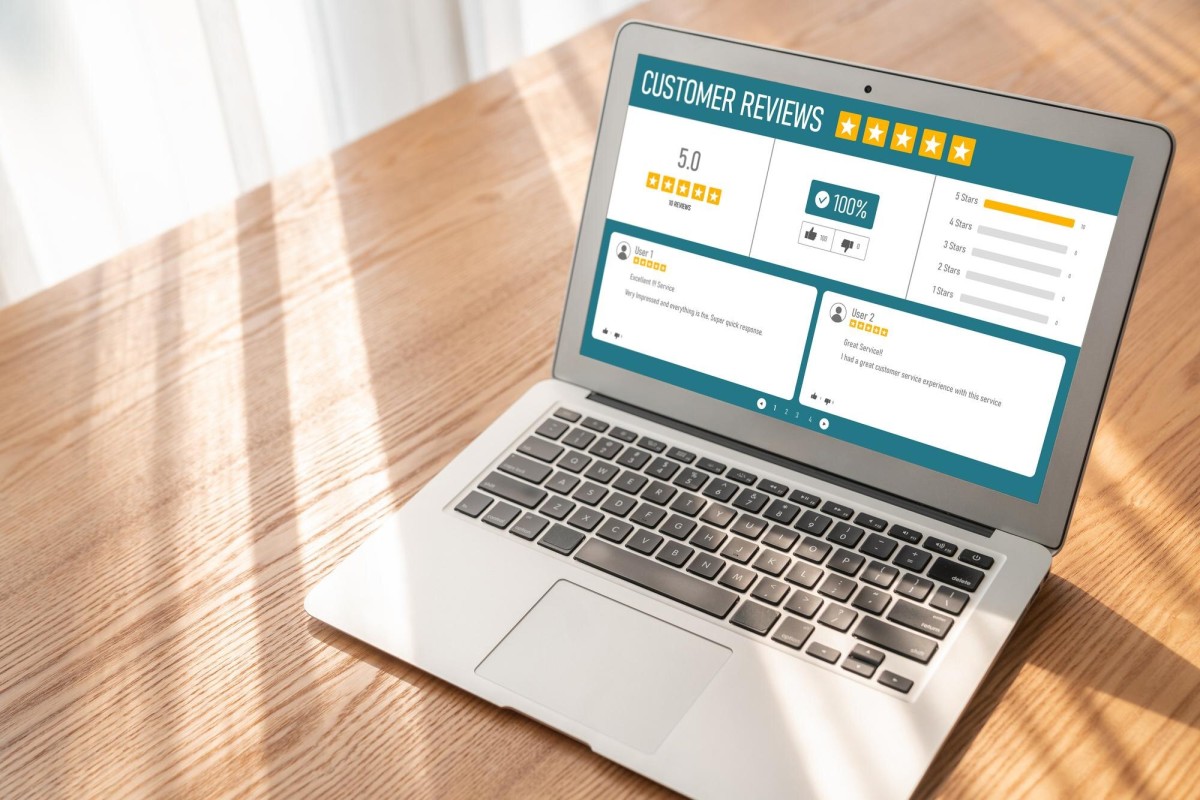
One of the best affiliate site models is a dedicated review site where products are compared and contrasted, each with its own affiliate link. You can also find review sites others have built and contribute thoughtful comments, though be aware that most high-quality blogs moderate comments heavily and may strip out links.
15. Blog Posts

Build a blog on your site. You don't need to post constantly - quality beats quantity - but consistent publishing helps with SEO and gives you something valuable to link to beyond a direct offer page. In 2026, with AI-generated content flooding the web, well-researched, genuinely helpful content stands out more than ever.
16. Blog Comments
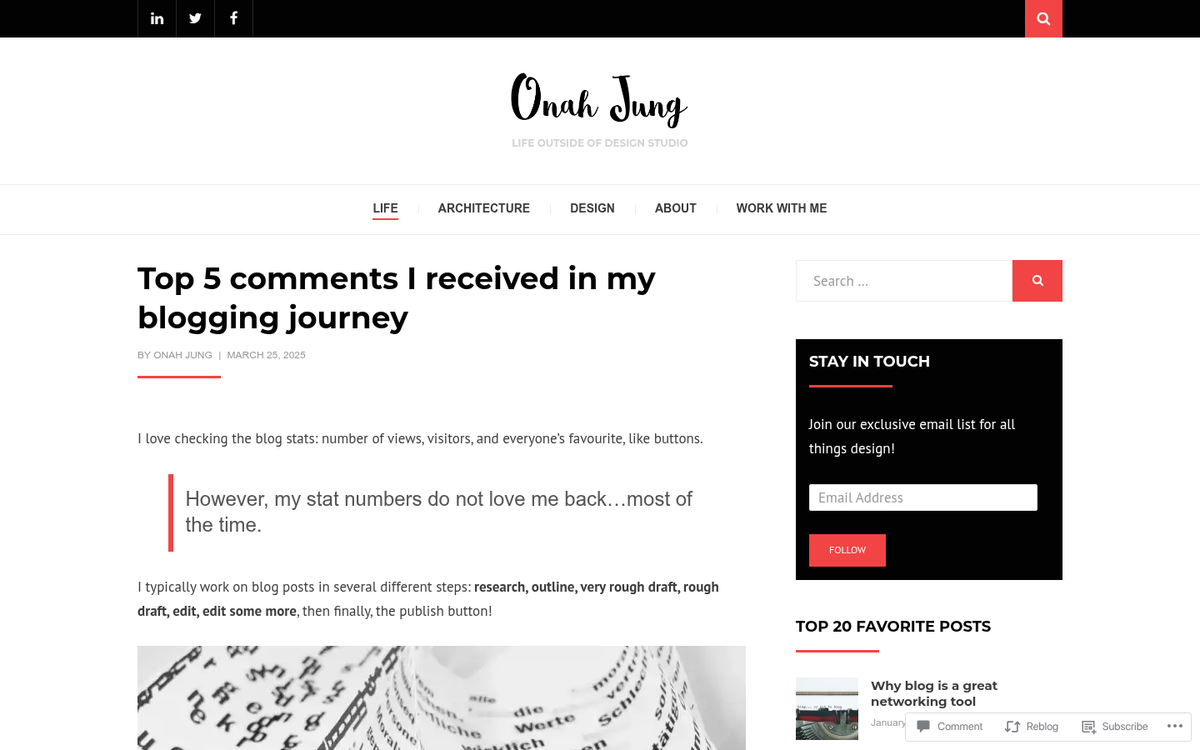
By providing valuable and insightful comments on blog posts, you can work in a link to a post on your site. Avoid using affiliate links directly in comments, as these look like spam and are often caught by spam filters. Focus on adding real value to the conversation first.
17. Reddit Communities

Reddit can be a powerful traffic source, but you have to earn it. Most subreddits will downvote or remove blatant self-promotion immediately. The key is to be a genuine, consistent contributor to relevant communities. When your affiliate offer naturally fits a conversation, share it - but let your track record of helpful posts do the heavy lifting.
18. Quora Answers
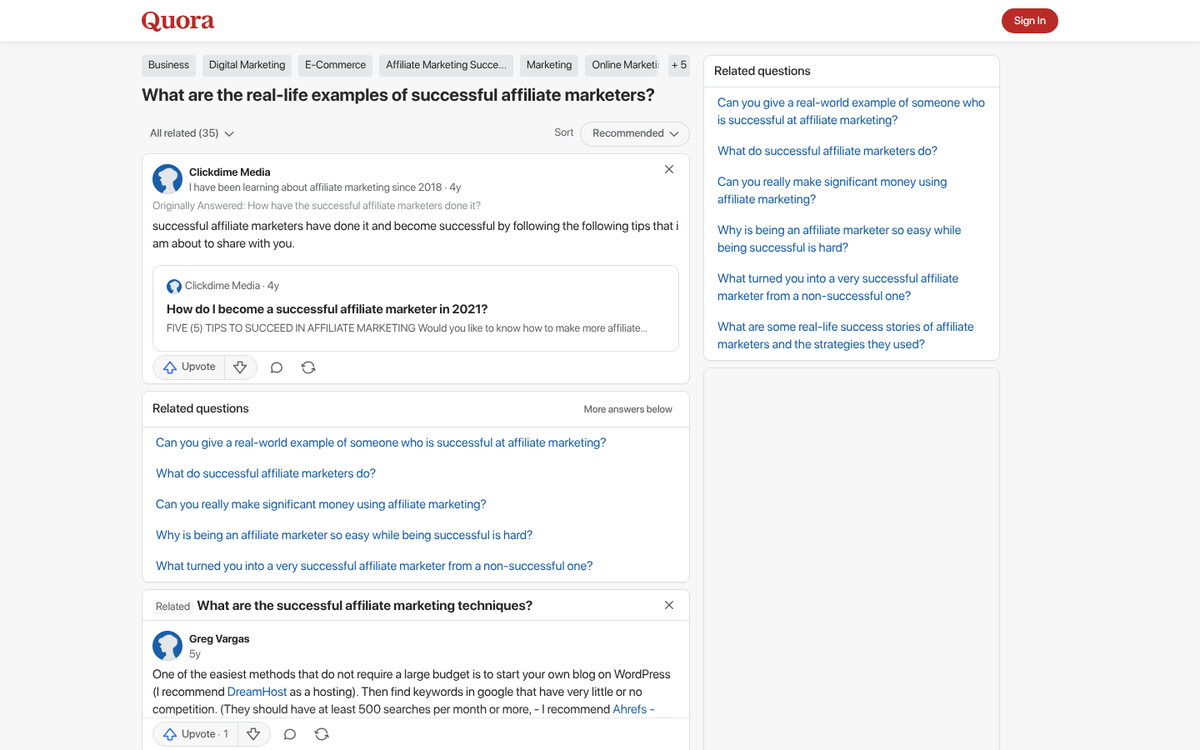
Quora remains the leading Q&A platform and a strong source of affiliate traffic when used correctly. Build a reputation as a knowledgeable voice in your niche by consistently providing detailed, helpful answers. When relevant, link to your affiliate site as a resource. Quora answers also tend to rank well in search engines, giving your content an extended lifespan.
19. Craigslist Ads
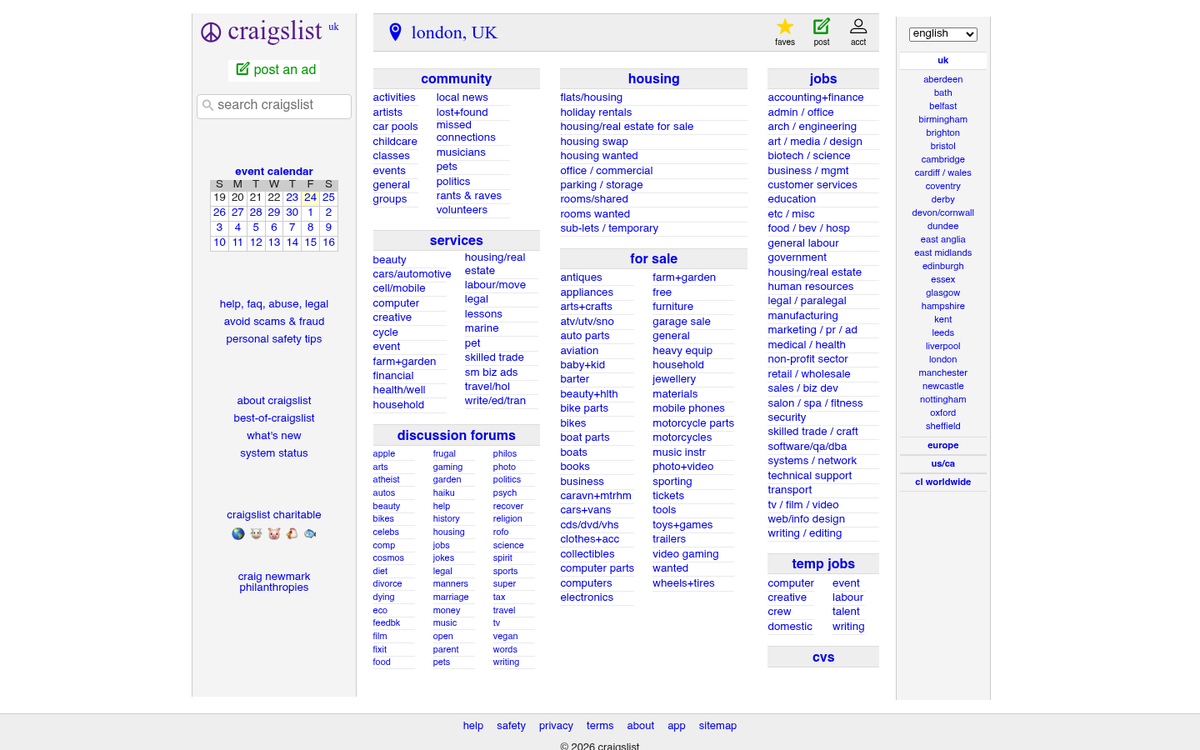
Craigslist has a policy that removes ads including affiliate links. Use your website as a filter instead - drive users to your site first, where your affiliate links live. Craigslist has declined in relevance over the years but can still work for locally-oriented or general consumer offers.
20. Free Ebooks
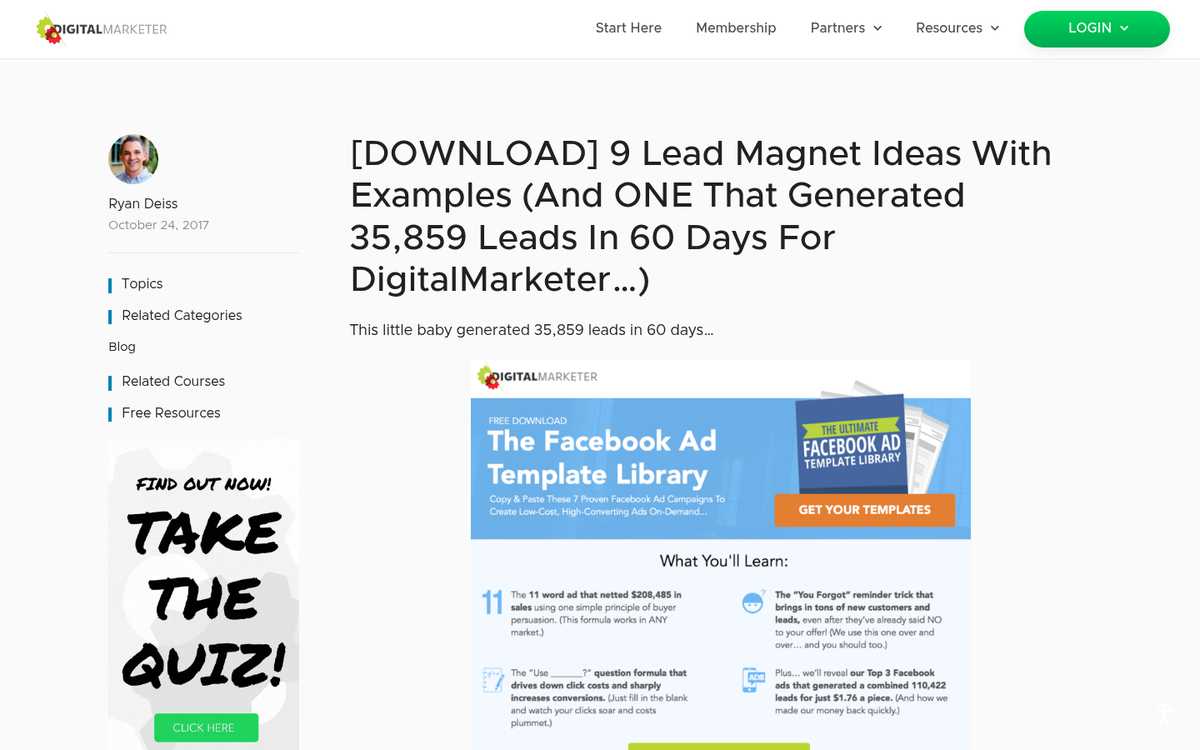
By offering free ebooks on your site, you provide value and build goodwill with your audience. When the content is genuinely useful, readers are far more receptive to the affiliate recommendations woven throughout. This approach also works well as a lead magnet to grow your mailing list, which studies show can significantly boost conversions.
21. Ebooks on Amazon

Amazon Kindle Direct Publishing lets you self-publish ebooks at any price point, including free. A well-written ebook in your niche can drive a steady stream of readers toward your affiliate recommendations long after it's published. Just be sure to check Amazon's terms around affiliate links within Kindle content, as these rules have evolved over time.
22. LinkedIn Newsletter
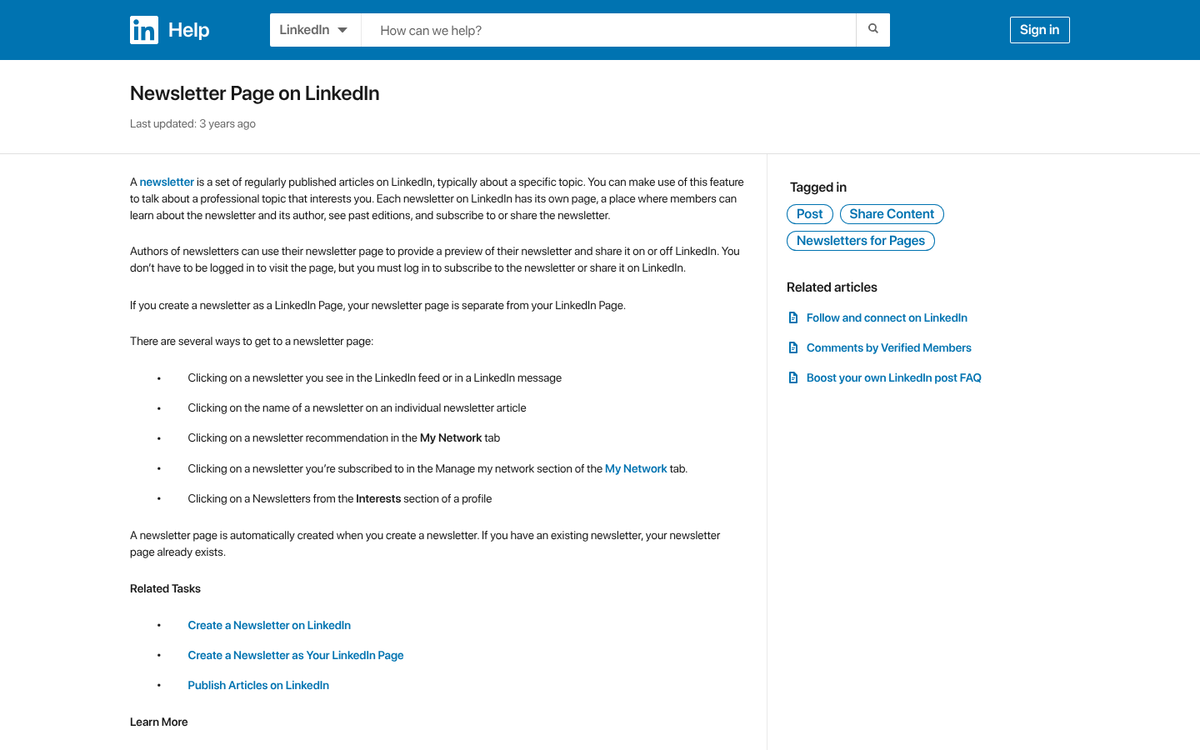
LinkedIn's built-in newsletter feature lets you publish long-form content directly to your followers and subscribers, with the added benefit of LinkedIn notifying them of new issues. For professional or B2B niches, this is one of the most underutilized affiliate channels available in 2026.
23. Substack
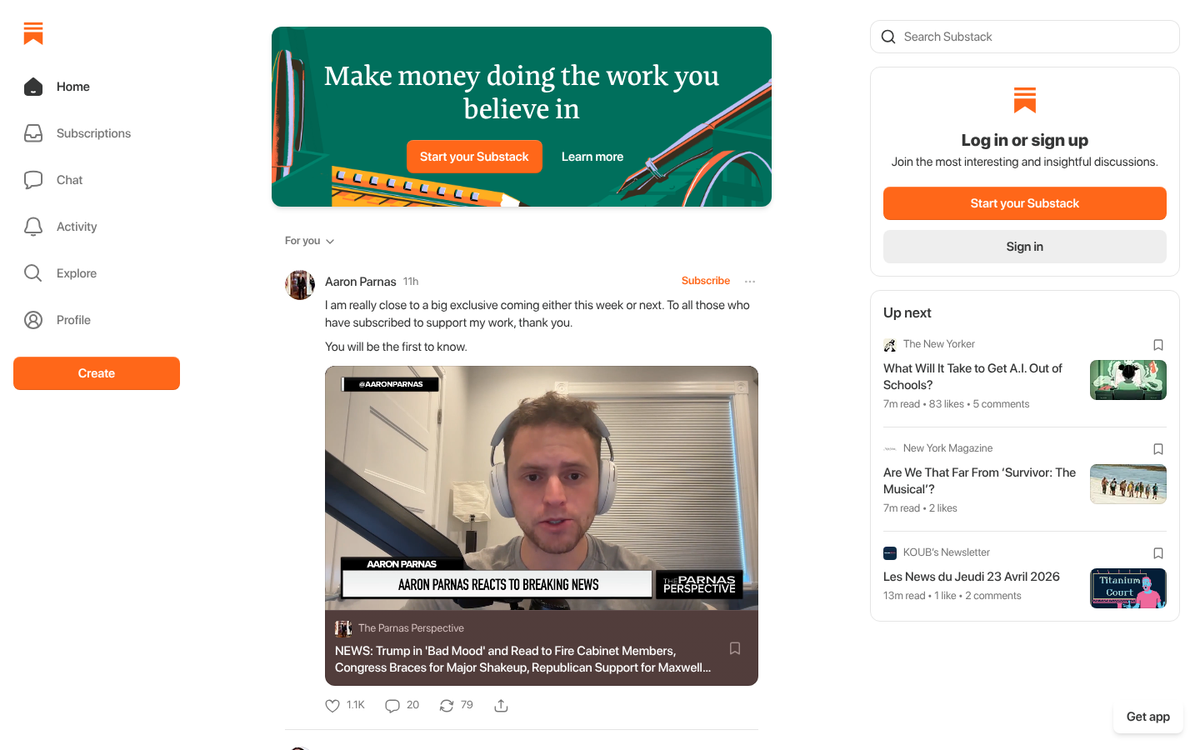
Substack has grown enormously and is now one of the most valuable platforms for content creators who want to build an audience around a newsletter. You can publish free content with affiliate links embedded, or use a freemium model where free issues drive traffic and paid tiers offer premium content. The engaged, opt-in nature of Substack readers makes for strong conversion potential, especially if you set up an automated weekly email newsletter to keep your audience coming back consistently.
24. Facebook Ads
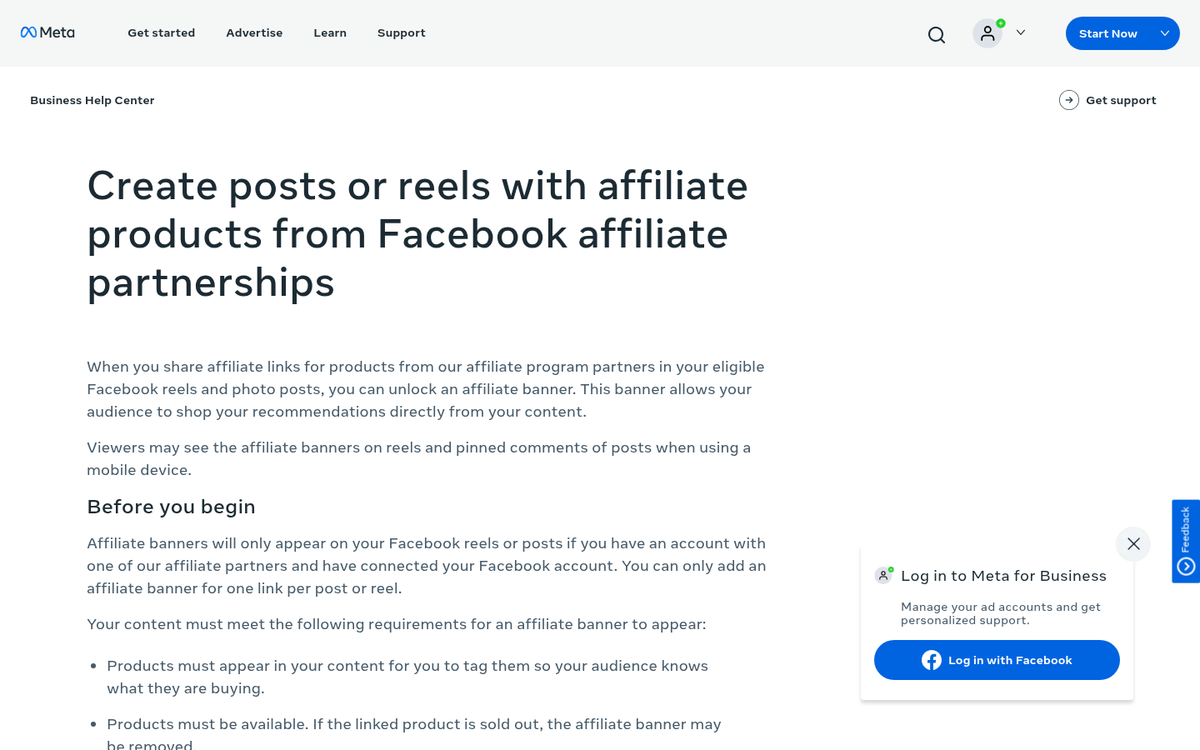
Facebook ads allow affiliate links, though it's typically more effective and compliant to link to your own landing page or blog post first. Facebook's audience targeting remains sophisticated, and the platform continues to be one of the most cost-effective paid channels for affiliate marketers who know their audience.
25. Google Ads
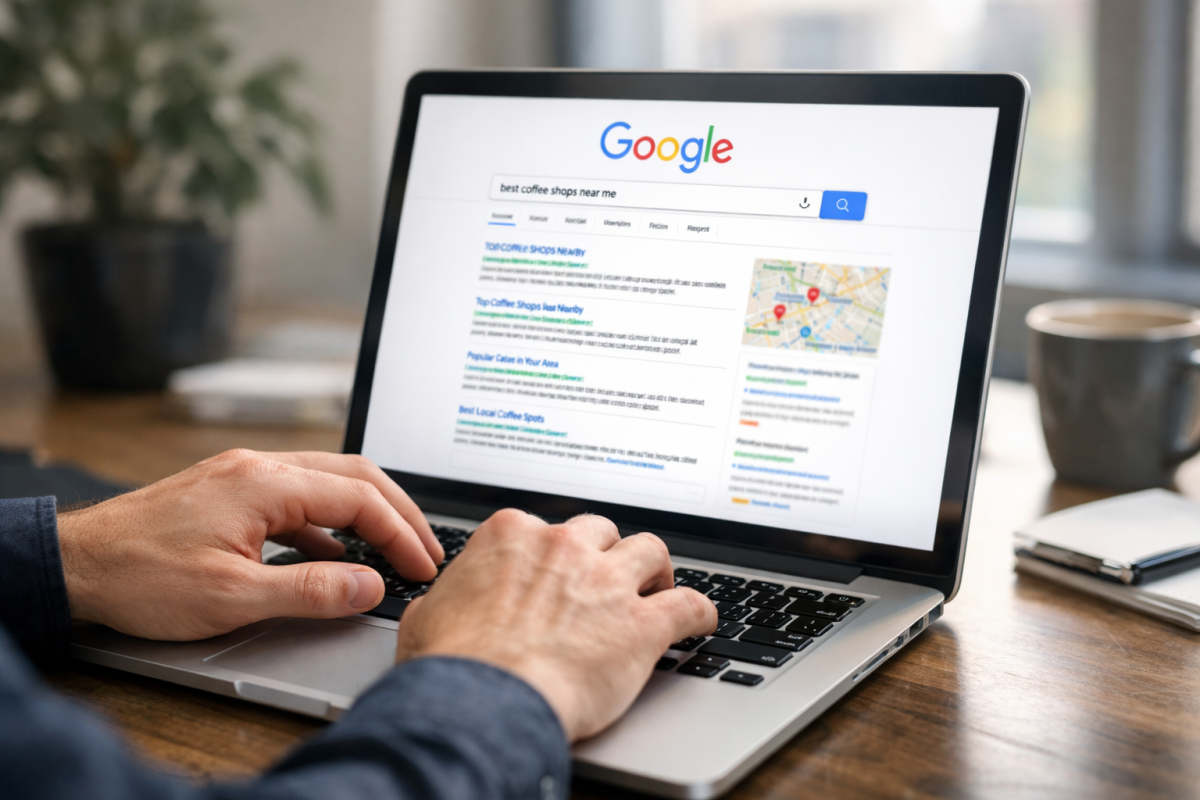
Google Ads offers massive reach, particularly through search intent targeting, which makes it valuable for affiliate marketers. Google itself doesn't ban affiliate links outright, but many individual affiliate programs prohibit affiliates from bidding on their brand keywords or running paid search campaigns - check your program's terms carefully before spending.
26. Microsoft (Bing) Ads
Bing Ads - now part of Microsoft Advertising - reaches a smaller but often older, higher-income demographic compared to Google. Competition is generally lower, which can mean cheaper clicks in certain niches. Worth testing if you're already running Google campaigns.
27. A Mailing List
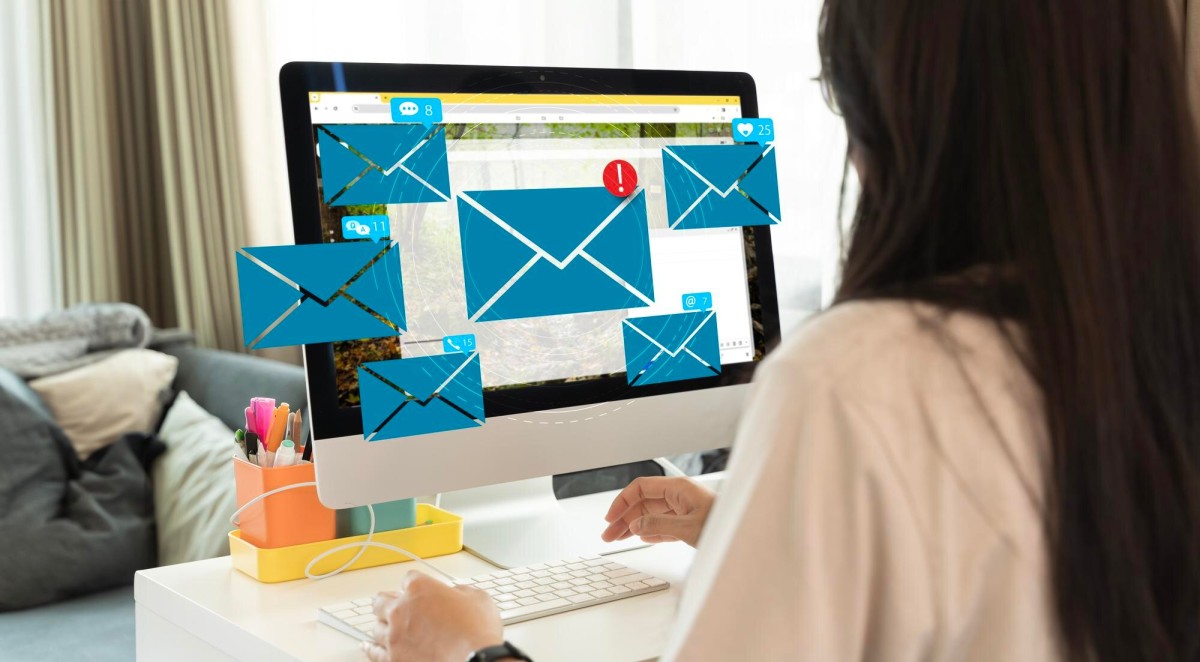
Building your own mailing list remains one of the highest-ROI strategies in affiliate marketing. People who opt in to hear from you are already warm leads. Provide genuine value in every email and weave affiliate recommendations in naturally, and your list becomes a compounding asset over time.
28. Sponsored Newsletter Mentions
Many newsletter creators - on platforms like Substack, Beehiiv, and independent email lists - sell sponsored mentions or dedicated send slots. If you find a newsletter with an audience that matches your niche, a well-placed mention can drive highly targeted traffic to your affiliate offers.
29. BuySellAds
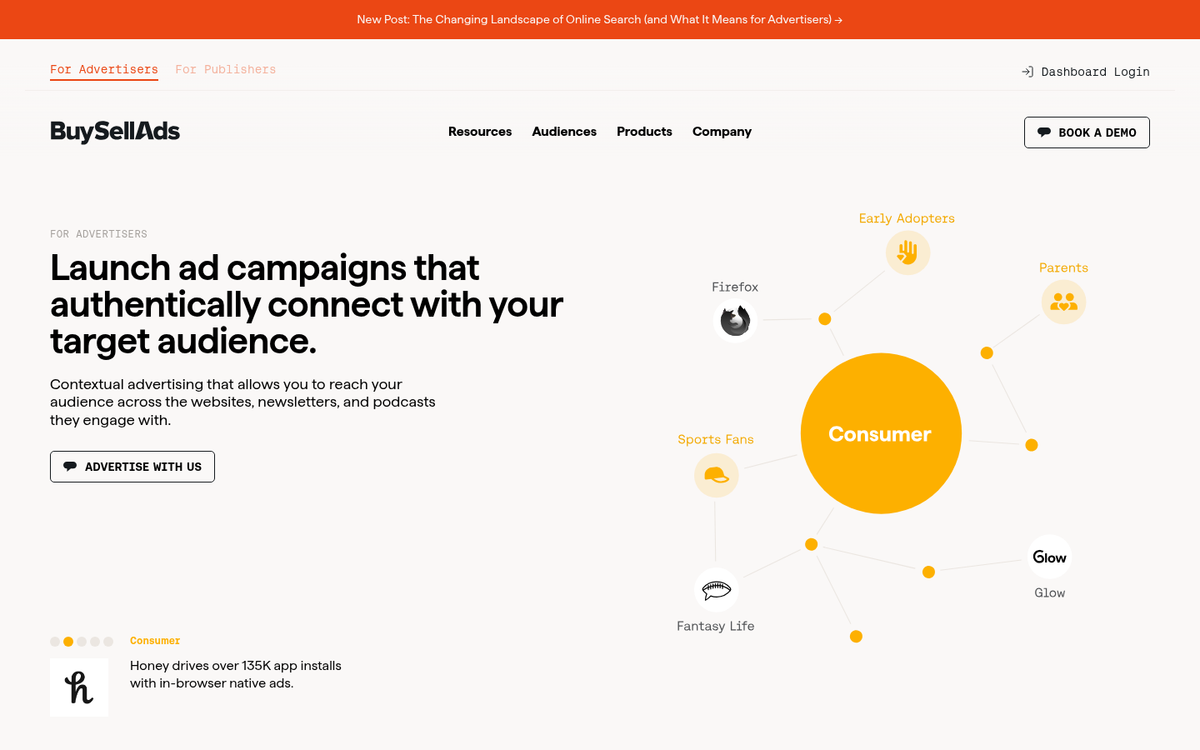
BuySellAds is a marketplace connecting advertisers with publishers across a range of niche sites and newsletters. It's one of the more accessible options for placing display or newsletter ads outside of the Google and Meta ecosystems, and can be particularly useful for reaching niche technical or creative audiences.
30. Slideshare / LinkedIn Presentations
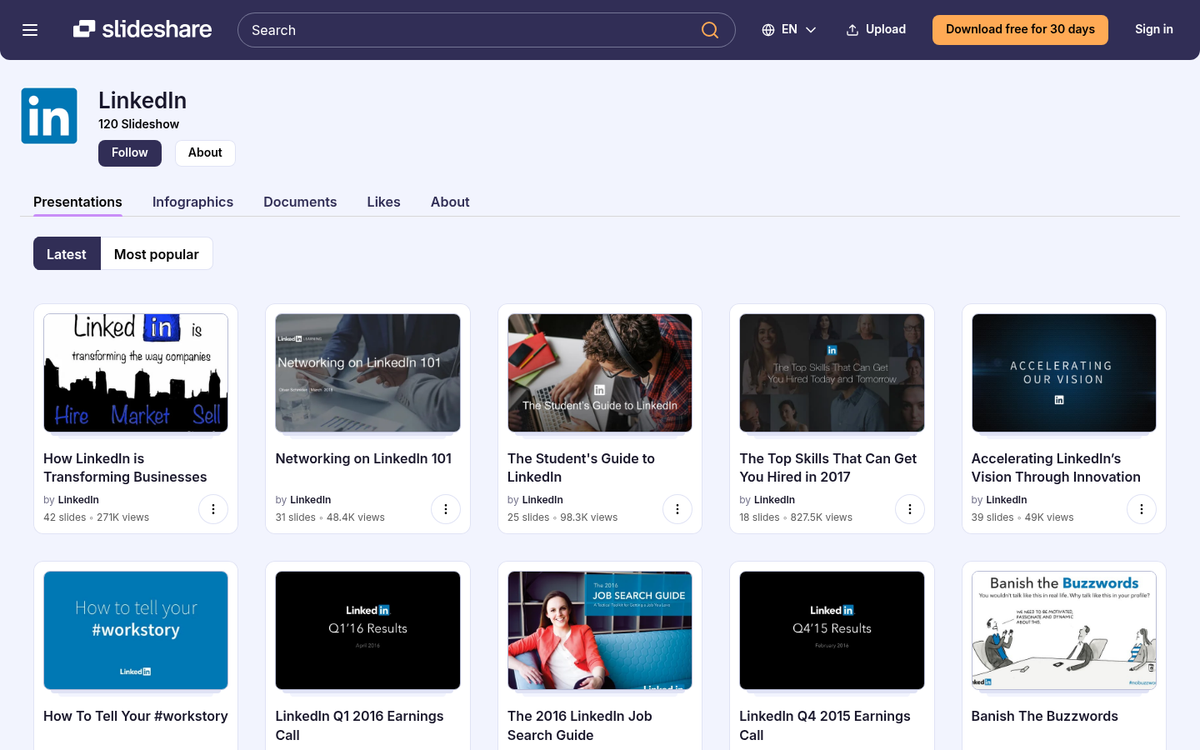
SlideShare, now owned by LinkedIn and integrated more tightly into the platform, lets you share presentation-style content with a professional audience. Informative slide decks that genuinely educate your audience can include links back to your site or affiliate resources, and they benefit from LinkedIn's search and discovery tools.
31. Multiple Landing Pages

Creating more than one landing page for your offers isn't competing against yourself - it's smart SEO. Each page can be optimized for a different angle, keyword cluster, or audience segment, giving you more entry points into your funnel from organic search.
32. YouTube Comments
YouTube comments can be an underrated source of exposure. Finding older, relevant videos in your niche and leaving genuinely helpful comments - with your affiliate link or site mentioned naturally - can continue generating clicks long after you post. Focus on adding value rather than just dropping links.
33. Article and Content Syndication
Publishing original content across multiple platforms - Medium, LinkedIn Articles, and niche publications - can expand your reach and build backlinks. Always link back to your main site where your affiliate content lives, and avoid duplicating content verbatim across too many platforms to stay in Google's good graces.
34. Traffic Exchanges

Traffic exchanges allow you to place a landing page in rotation and earn views by viewing other sites. Conversion rates tend to be low since the traffic isn't targeted, but a well-optimized squeeze page can still capture leads. Think of it as a supplemental tactic rather than a primary strategy.
35. Niche Community Platforms

Beyond the major social networks, dozens of niche-specific platforms exist where passionate communities gather. A few notable examples still active in 2026:
- Goodreads - For readers and writers; great for Amazon affiliate links and book-adjacent products.
- Ravelry - A large, active community for knitters and crocheters; ideal for yarn and craft supply affiliates.
- Untappd - Beer culture and homebrewing; useful for related product affiliates.
- Dribbble - Designers showcasing work; relevant for design tools, software, and creative resources.
- Athlinks - Endurance athletes and race tracking; great for fitness and gear affiliates.
- Nextdoor - Hyper-local community network; works best for locally relevant or home-focused offers.
- AllRecipes - Recipe community; ideal for kitchen tools, ingredients, and cooking-related affiliates.
- Dogster / Catster - Pet-focused communities; excellent for pet product affiliates.
36. Discord Servers

Discord has grown well beyond its gaming roots and now hosts active communities around virtually every niche imaginable - finance, fitness, tech, creative arts, and more. Joining and contributing to relevant servers can give you access to highly engaged audiences. Some server owners also allow paid promotions. Always read server rules carefully before sharing any links.
37. Podcasts

Starting a podcast - or being a guest on established ones - is one of the more underutilized affiliate marketing channels. A dedicated listener base is highly trusting of host recommendations, and verbal calls-to-action paired with a custom affiliate URL or coupon code can convert extremely well, even without a clickable link. podcast listener base trust levels and engagement rates make this channel particularly compelling for affiliate marketers.
38. Threads
Meta's Threads platform, launched in 2023, has matured into a genuine content-sharing network with hundreds of millions of active users as of 2026. It functions similarly to X and rewards conversational, text-based posts. Building an audience here around your niche and sharing affiliate-related content is increasingly viable, particularly given its seamless integration with Instagram.



9 responses
Thoughtful replies only - we moderate for spam, AI slop, and off-topic rants.
Thanks for this great resource!
Wow, this is quite a list. Very helpful. Thank you for putting it together.
This is an amazing article. I want to implement my marketing right away using these tips.
That's an exhaustive list. Agree that you have to be careful with this tactic. Don't wanna get banned ...
There's another lesser known way of sharing affiliate links, and that's offline. You have to shorten the link somehow, or rename it completely of course. But it definitely works because offline traffic tends to be good quality. Most suited to local, or at least country specific programs for obvious reasons.
If you do this with Amazon, though, that is against their ToS and they will take you off their program.
Awesome! Your information and details is one of the BEST I've found online as a resource. A wealth of GOOD sources to look into. Thanks for taking the time to put this all in one location for all of us out looking for the golden ticket to spur our business-Traffic. :O)
Great list. Thank you.
Hi, I am glad I ran into this list, I knew about a lot of these websites already which I'm working on but there was a lot more that maybe I spaced out or have not heard of it I really appreciate you putting this together.
Hey Leo, thanks so much for stopping by and leaving a comment! It's great to hear that the list was helpful, even if just to remind you of a few platforms you may have overlooked. That's exactly why we put it together - sometimes we all need a refresher! The key is to start with the channels you're already comfortable with and gradually expand from there. Wishing you lots of success with your affiliate marketing journey! Feel free to come back if you have any questions.