Everyone loves the idea of viral; at least, everyone who isn't talking about diseases. Viral content has the potential to draw 1,000% of your usual traffic to your site in an astonishingly short amount of time. Sites have been known to crumble under the weight of the sudden publicity. Conversions skyrocket simply based on volume, and the wealth of analytics data allows you to deeply optimize your site for future surges.
Of course, viral suffers from the fickle nature of the group mind. You may be viral one day for absolutely no reason at all, and a month later, everyone has forgotten your name. Viral isn't something you can rely on... or is it?
Think of viral traffic as a thunderstorm, a bolt of lightning. You can't sit inside and will the storm to strike your store. You can't even go out and shout at the clouds, hoping they retaliate. You can, however, grab a metal pole and climb the tallest structure around.
Key Takeaways
- Make content effortlessly shareable across platforms; friction kills the chain reaction viral traffic depends on.
- Content that triggers emotional reactions, especially practical and relatable material, is significantly more likely to spread.
- Avoid paywalls, complexity, and demands; barriers to access or understanding directly limit viral potential.
- Video and strong visuals dramatically boost reach, with consumer internet video traffic hitting 82% by end of 2025.
- Going viral requires a purpose and consistent follow-up; without a plan, traffic spikes waste server costs and opportunities.
DO: Make your content as easy to share as possible.
The key to good viral content is the ability for users to click a single button to show it to their friends. The harder it is to share, the less likely people are going to share it, and your volume of shares goes down. Considering viral traffic is all about a chain reaction in sharing, this is deadly. As a baseline, make sure your content is optimized for sharing across X, Instagram, Facebook, TikTok, and wherever else your audience lives in 2026.
DON'T: Restrict access to the content you want to go viral.

Nothing you put behind a members-only gate is going to go viral. Don't put a barrier between your users and your content. They will bounce and you will have nothing to show for it. This applies equally to aggressive pop-ups, cookie walls, and paywalls that intercept users before they've even seen what you're offering.
DO: Create content that appeals to an emotion in some way.

How much of the content you consume daily elicits a reaction beyond a mild "huh"? Chances are, very little. You want to be creating content that elicits some kind of reaction from your users. It can be positive, it can be negative, it can be anywhere in between, as long as it's a reaction. Research from Dr. Jonah Berger found that highly practical articles are 34% more likely to go viral, so emotional resonance combined with genuine usefulness is a powerful combination.
DON'T: Assume the way to appeal to emotion is through controversy.
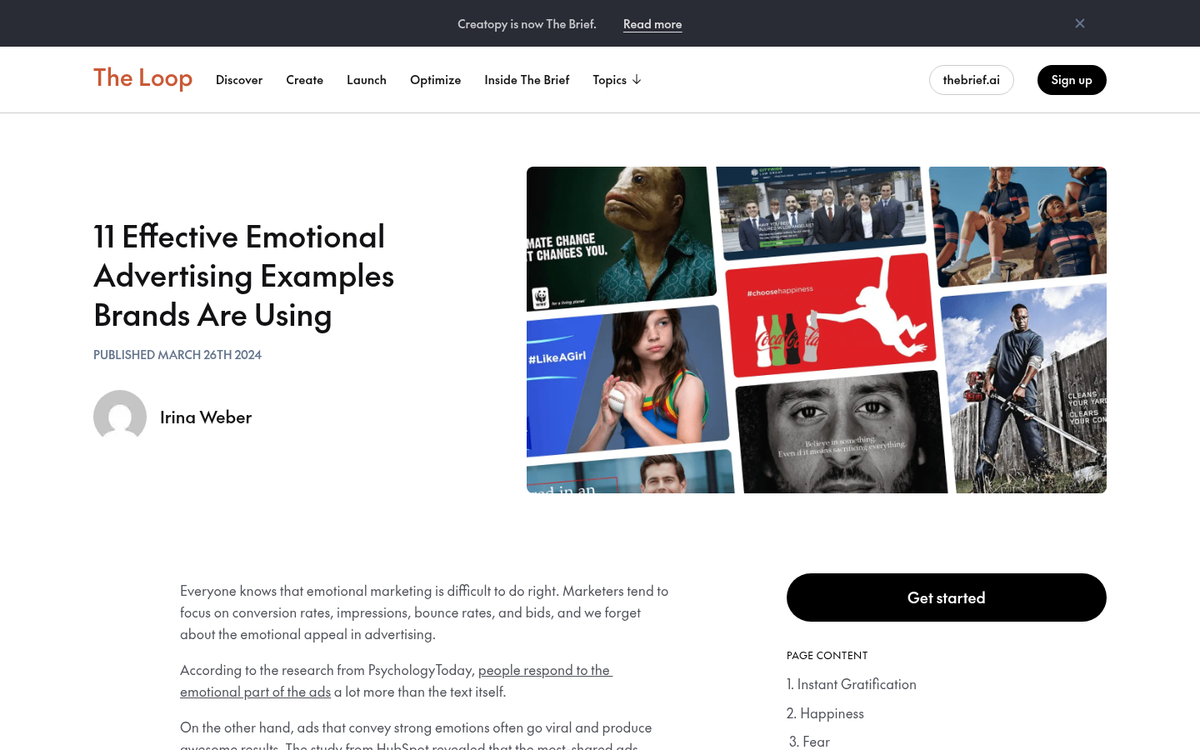
Note how the most sustainably viral content tends to tap into emotions everyone can agree on. It's better to write about something unilaterally relatable than something deeply divisive. That said, Fractl research published in the Harvard Business Review found that conflict-driven themes earned 23% more comments, so a healthy tension in your content can work - just don't confuse tension with trolling.
DO: Create content based around numbered lists and quizzes.
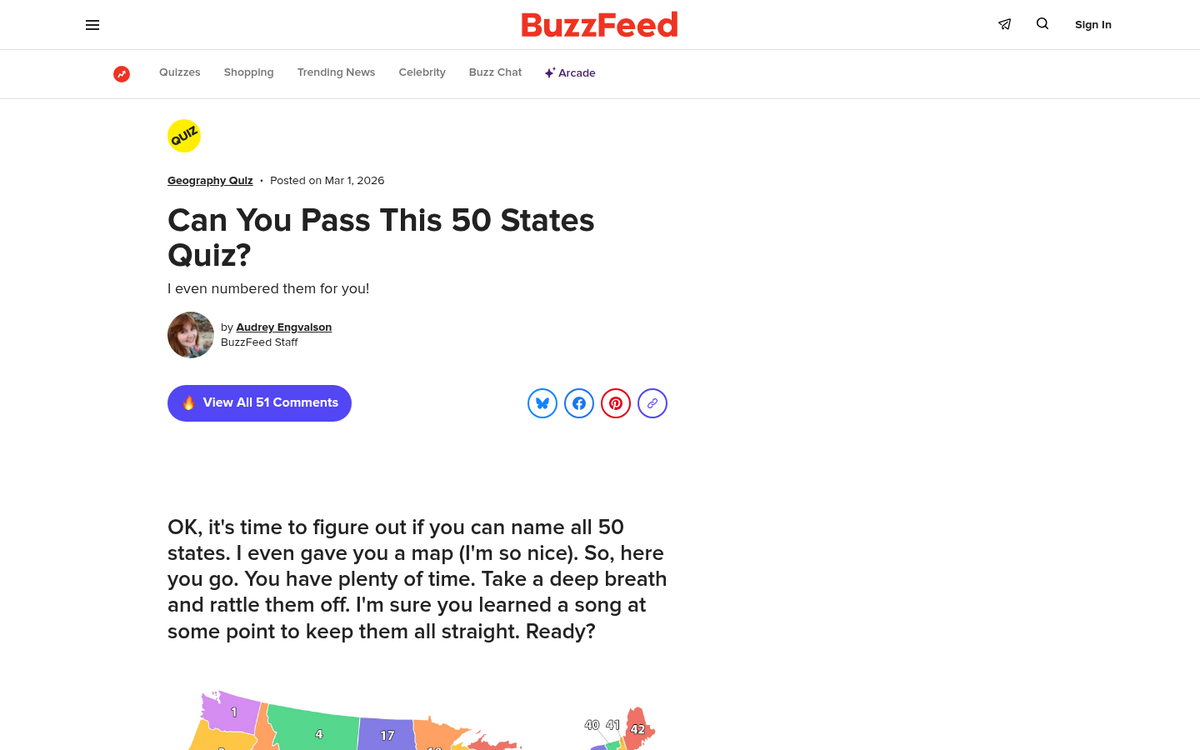
Numbered lists remain an effective way to organize content because they set clear expectations for the reader. But don't overlook quizzes - analysis of 100 million articles by Neil Patel found that 8 of the top 10 most shared articles in 2014 were quizzes, and interactive content has only grown in popularity since. If you haven't experimented with interactive formats yet, 2026 is a good time to start.
DON'T: Try to make something as complex as you can.

Undue complexity in your headlines and your articles makes them more intellectually challenging to parse and understand. Intellectual challenge is a barrier to entry. Additional barriers restrict your ability to go viral - that's why some of the most viral content is also some of the most straightforward material you've ever read. It's compelling, but it's not exactly complex. If you want tips on writing headlines that actually work, keeping things simple is where most experts start.
DO: Experiment with vivid and unusual language.
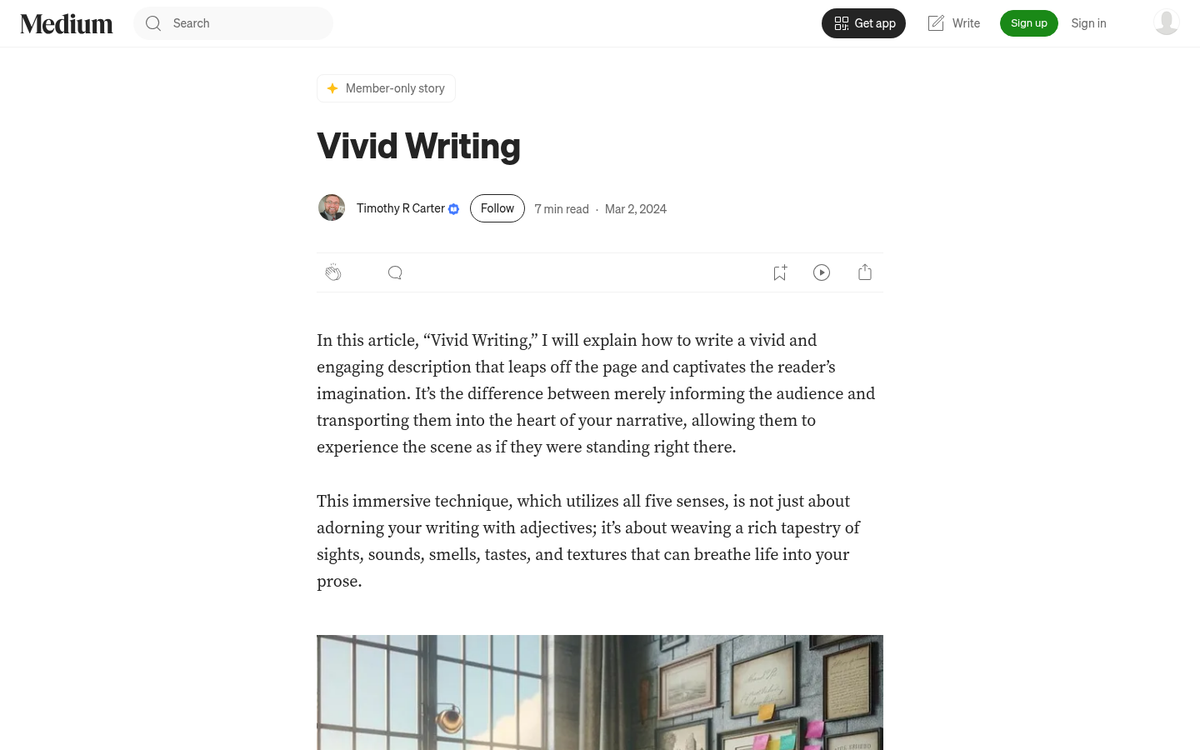
Don't say "pretty eyes," say "mesmerizing eyes." Pick a descriptor you want to use and find the most evocative, hyperbolic version of the word you can. In an era of AI-generated content flooding every channel, distinctly human and surprising word choices stand out more than ever.
DON'T: Make demands with your content language.

When you tell a user that they "have to share this" or "must repost" your content, you're giving them orders. Most people don't like being ordered around by strangers, and they'll quietly scroll past when you try. Let the content do the work.
DO: Establish your viral attempt with a purpose.

Having your content go viral is one thing, but what are you doing with that traffic? If the answer is "nothing," all you're doing is running up server costs. Figure out how to leverage that influx of traffic to grow your brand awareness, gather analytics data, or drive sales. HubSpot reports that 68% of marketers say generating consistent engagement is their biggest challenge - which means having a plan to convert viral attention into lasting audience growth is what separates smart brands from one-hit wonders.
DON'T: Be a one-hit wonder on the digital stage.

Going viral is not the end of the road; it's one step in a long journey. Once one piece of content goes viral, it's easier to keep the ball rolling, because many of those users will check back to see if you publish anything else they like. If you drop off the map, they will too. Keep yourself motivated to keep publishing so your new audience has reasons to stick around.
DO: Keep up the user engagement, despite the volume.

Users comment on viral content. It's no different than users commenting on your content normally, and you should treat it as such. In 2026, that also means monitoring replies and shares across multiple platforms simultaneously - not just your blog comments section. Consider it practice for when that volume is the norm for your extremely successful business.
DON'T: Allow negative comments to grind you down.
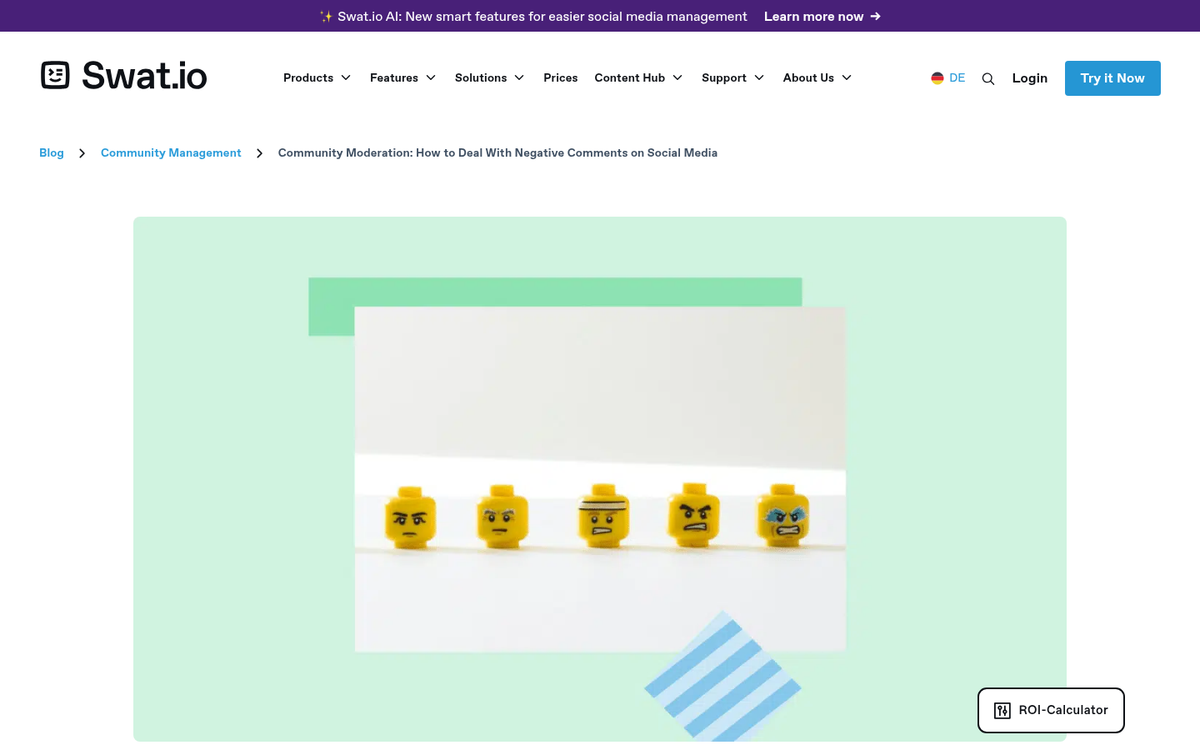
There will always be haters, contrarians, and devil's advocates in any group. These people leave negative comments just to stress you out and wear you down. Don't let them get to you. Deal with them as necessary, either by ignoring them, deleting them, or taking any potentially valid criticism to heart. At viral scale, this becomes even more important - have a moderation plan ready before the wave hits.
DO: Piggyback on trending topics.

Trends mean people are already paying attention to the topic. If you can get a foothold in that wave of traffic, you have an easier time riding it to the top. In 2026, trend cycles move faster than ever across X, TikTok, and Threads - which means your window to act is shorter, but the upside is just as significant when you time it right.
DON'T: Attempt to newsjack a tragedy for personal gain.
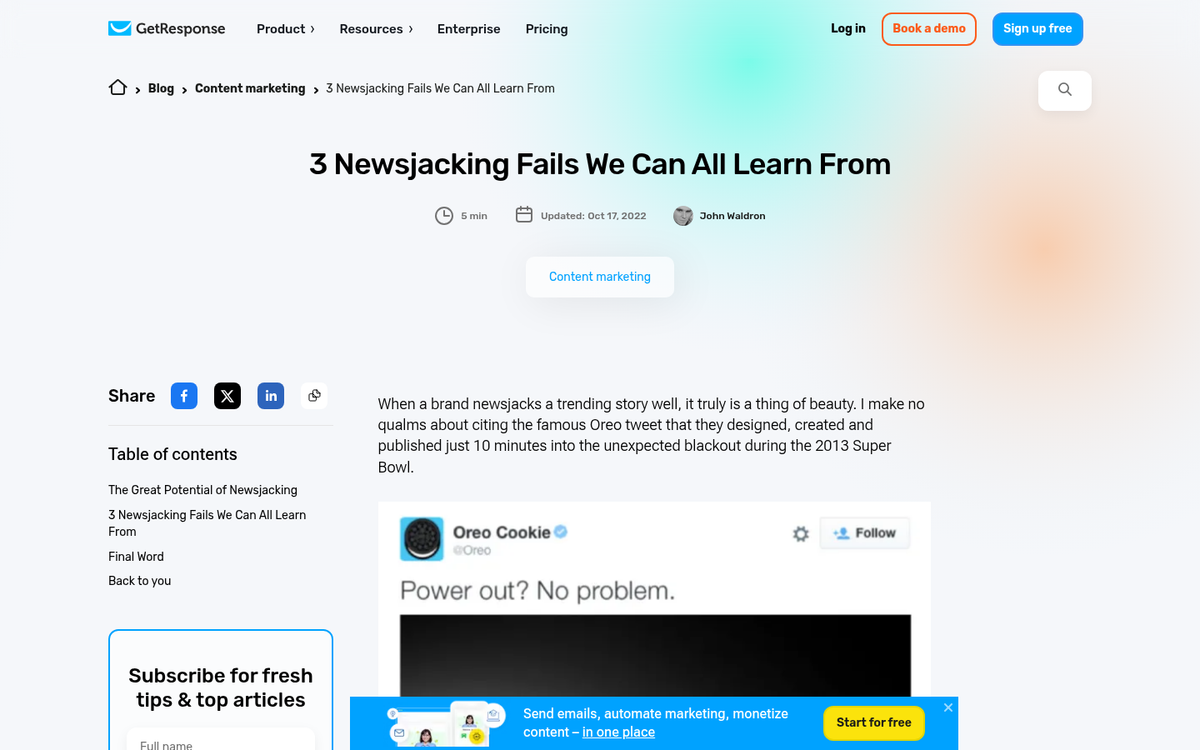
Tragedies draw a lot of attention, but trying to capitalize on that attention leads to severe negative backlash - and in today's social media environment, that backlash travels just as fast as the original viral content did. If you're going to engage with a tragedy at all, do it for genuine humanitarian reasons, and only when it's clearly authentic to your brand's values.
DO: Lead with video and strong visuals whenever possible.
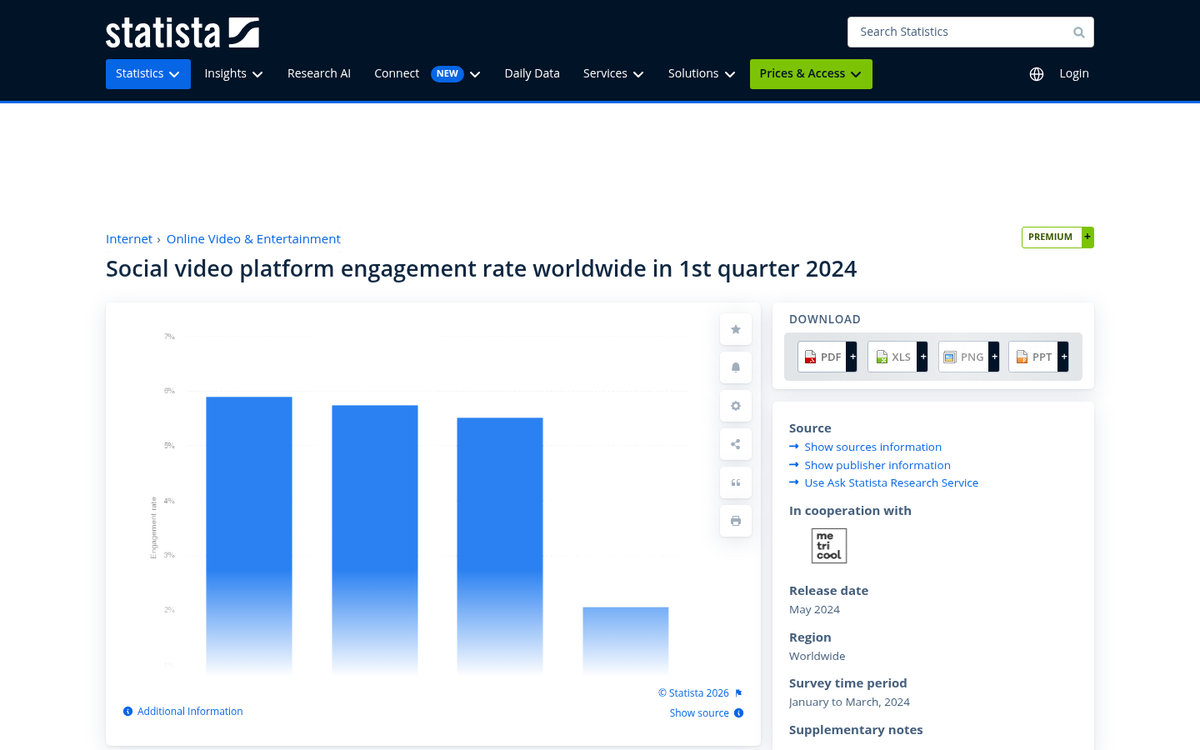
Colorful visuals make people 80% more likely to read a piece of content, according to Xerox research, and posts with images get 35% more engagement on X. More importantly, video now dominates - consumer internet traffic from video reached 82% by the end of 2025 according to Personify. If you aren't leading with video in your viral content strategy in 2026, you're leaving significant reach on the table. Short-form video in particular, across TikTok, Instagram Reels, and YouTube Shorts, remains one of the most reliable vehicles for content to spread rapidly.
DON'T: Recycle content you lifted from someone else.

If you're doing what another creator already did, at least have the decency to do it better. Audiences in 2026 have seen every format recycled dozens of times - the only thing that genuinely cuts through is a fresh angle, an original voice, or a perspective they haven't encountered before. Repackaging someone else's viral moment rarely produces a second one.
DO: Create as much viral potential as possible.

Each post you create is a chance to go viral, or when you do go viral, a chance for a chain reaction of even more viral content. Keep producing content with the objective of reaching new audiences on a regular basis. Don't give up because it doesn't work right away.
DON'T: Attempt to artificially start a viral explosion.
No matter how hard you try, you won't be able to manufacture the viral chain yourself. Fake accounts, spamming your links, buying engagement, and other such techniques will earn you a penalty, a ban, or simply a laugh. Audiences and platforms are both far more sophisticated at detecting artificial amplification than they were even a few years ago. You look desperate, and that's what everyone remembers.