It's easy to get free traffic directed at your website, if you know where to go. You just need to keep one thing in mind: the balance between time and money. Think of a see-saw. On one side, you have time; on the other, money. If you want to decrease the money you spend, you'll end up increasing the cost in time. Conversely, to cut down on time, you can spend more money. Free traffic can be very useful, but it may take you some time to harvest. And with only 22% of website traffic coming from people typing URLs directly into their browser, according to Shopify, the rest has to come from somewhere - and that's exactly what this list is for.
Key Takeaways
- Free traffic costs time instead of money - the more you save on spending, the more time investment is required.
- Social media platforms like TikTok and LinkedIn offer strong organic reach, but require consistent, high-quality content to be effective.
- Multimedia formats like short-form video, podcasts, and infographics expand reach beyond blogging and drive compounding traffic over time.
- Email lists and organic SEO are reliable owned channels that deliver steady traffic without dependence on algorithms or platforms.
- Building community through forums, blog comments, referrals, and gamification turns casual visitors into loyal, returning audiences.
Social Media
Social media sites exemplify the see-saw; they can be very potent for bringing in traffic, but they require commitment and dedication. You can't throw up a profile and expect it to work; you need to maintain that profile and keep an active community growing. More than half of B2B content marketers say it's a challenge to consistently create the right content for their audience - so don't underestimate how much work this takes.
1. Facebook
Facebook remains one of the largest and most established social networks for driving traffic. Its organic reach has declined significantly over the years, but a well-managed page with consistent posting, community engagement, and the occasional boosted post can still be a meaningful traffic driver. Facebook Groups in particular have become a powerful way to build niche communities around your brand.
2. X (formerly Twitter)
X has gone through significant changes since Elon Musk's acquisition in 2022, including the introduction of paid verification tiers and ongoing shifts in how content is distributed. Despite the turbulence, an active and well-maintained presence can still drive traffic - especially in fast-moving niches like tech, finance, and news. Be strategic with your posting frequency and lean into threads for longer-form engagement.
3. Instagram
Instagram remains one of the most engaged social platforms, but the game has shifted. Reels now dominate reach, and static image posts have far less organic visibility than they once did. If you want traction in 2026, short-form video is your best bet. The creative barrier to entry is real, but the payoff for brands that clear it is significant.
4. TikTok
TikTok has cemented itself as one of the most powerful organic reach platforms available. Short-form video content can go viral with minimal followers, making it one of the few places where a brand-new account can still break through without paying to play. If your audience skews younger or you can create entertaining content, TikTok deserves a serious spot in your strategy.
5. Reddit
Reddit remains one of the internet's largest and most influential discussion platforms. It has strict rules about self-promotion, and communities can be unforgiving if you violate them. But if you participate authentically and add genuine value, Reddit can send remarkably high-quality traffic. In 2023, Reddit also began appearing more prominently in Google search results, making it even more relevant to your overall visibility. If you're curious whether paid options are worth exploring, see how effective Reddit ads are at driving traffic.
6. LinkedIn
LinkedIn isn't just for job networking. In 2026, it's one of the best organic reach platforms available for B2B brands and professionals. LinkedIn's own best practices suggest posting at least four times per week to stay visible. Use it as a sub-blog, share original insights, and engage with others in your industry. The algorithm rewards consistency and genuine engagement over promotional content.
7. Pinterest
Pinterest remains a strong traffic driver, particularly for lifestyle, food, home, fashion, and DIY niches. Pins have a long shelf life compared to posts on other platforms, meaning content you create today can continue sending traffic months or even years later. Use keyword-rich descriptions and link every pin back to a relevant page on your site. For more on maximizing this channel, check out these ways to drive traffic from Pinterest to your site.
8. YouTube
YouTube is in a class of its own. Google Sites, which includes YouTube, reaches approximately 258 million U.S. viewers according to Statista, and digital video advertising spend is projected to approach $90 billion by 2028. But you don't need ad spend to benefit - an organic YouTube presence builds long-term compounding traffic. All you need is a decent camera, a decent microphone, and a consistent publishing schedule. If you do want to explore paid promotion, there's a solid list of paid services to promote a YouTube video worth reviewing.
Multimedia
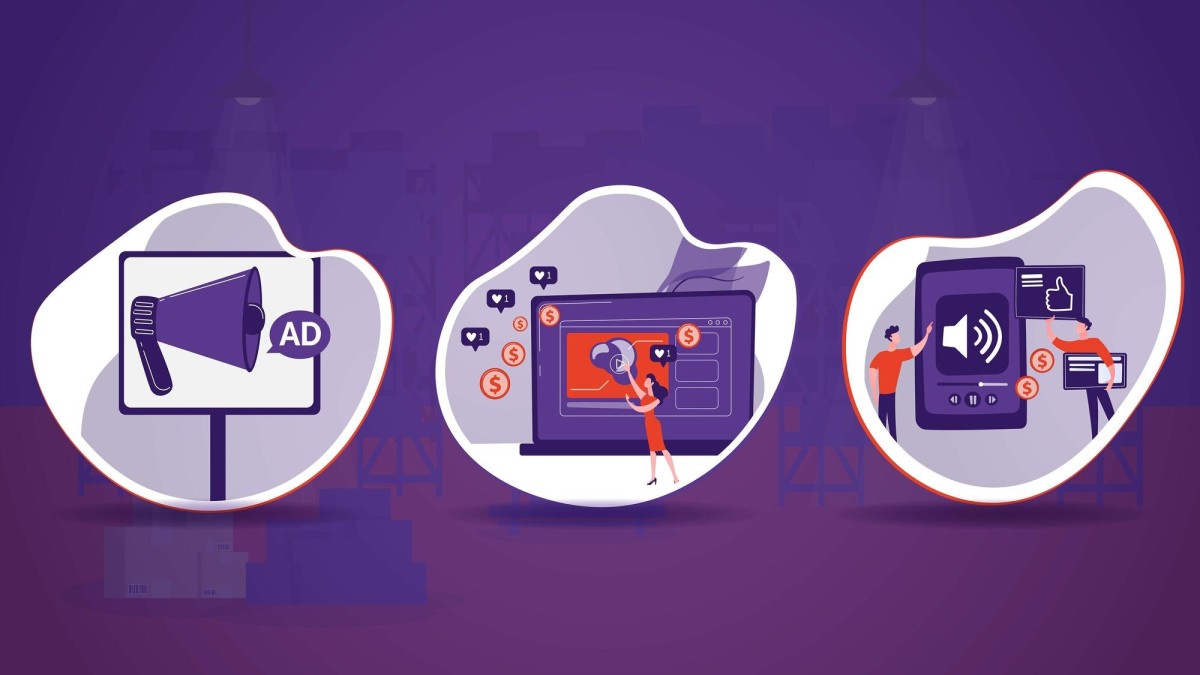
Images, videos, podcasts, infographics - the web is full of visual and audio content. It's worth investing in an alternative media channel to stand out. Blogs are still valuable, but they're no longer enough on their own.
9. Infographics
Infographics remain a compelling way to present data without the dry, static feel of a table or chart. A well-designed infographic gets shared across social platforms, embedded in other blogs, and can earn you backlinks organically. Focus on trending topics with a data angle and make sure your branding is visible throughout.
10. Short-Form Video
Beyond YouTube, short-form video across TikTok, Instagram Reels, and YouTube Shorts has become one of the highest-leverage content formats available. The barrier to entry is lower than ever - a smartphone and good lighting can take you a long way. If you're not experimenting with short-form video in 2026, you're leaving significant organic reach on the table.
11. Podcasting
Podcasting has matured into a mainstream content channel. Take a blog post and convert it into an audio script, record it, and distribute it across Spotify, Apple Podcasts, and Amazon Music. A podcast builds a loyal audience over time and introduces your brand to people who may never read a blog post. Many listeners become highly engaged followers.
12. Amazon Kindle Direct
Whenever you have an ebook to share, you have a choice: sell it directly through your site, give it away to your mailing list, or publish it on Amazon. Amazon is a legitimate source of traffic and credibility, and a well-positioned ebook can introduce your brand to readers who would never have found you otherwise.
The Side Door

Sometimes the direct method gets you the results you want; sometimes you need to go in through the side door. These methods make use of channels and opportunities that aren't as obvious as posting on social media.
13. Guest Posting
Guest posting on reputable sites in your niche spreads your name, byline, and links across the web. In 2026, quality matters more than ever - a single guest post on a well-trafficked, authoritative site is worth more than a dozen posts on low-quality blogs. Focus on publications your target audience actually reads.
14. Blog Comments
Commenting on other blogs with genuine expertise is a great way to become part of your blogging community. Keep your comments thoughtful and substantive - add to the conversation rather than just dropping a link. Your profile and name become recognizable over time, and curious readers will follow you back to your site.
15. Email Lists
There are dozens of ways to build a mailing list, and it remains one of the most reliable owned channels available. Leverage it to bring interested subscribers back to your site, and make it easy for them to refer friends. Unlike social media platforms, you own your email list - no algorithm can take it away from you.
16. Social Contests and Giveaways
A well-run contest can generate a burst of attention, but make sure it attracts the right audience. A giveaway that's only loosely connected to your niche will bring in followers who disappear the moment the contest ends. Tie your contest to something genuinely relevant to your brand and your ideal reader.
17. Off-Site Profiles and Directories
Sites like Yelp, Google Business Profile, and other industry directories give you additional touchpoints across the web. Claim your profiles, fill them out completely, and keep them updated. Any time someone finds one of those listings, there's a chance they'll click through to your site.
18. HARO and Journalist Platforms
Help A Reporter Out (now operating under the Connectively platform after a rebrand) connects sources with journalists. Responding to relevant queries can earn you press mentions, backlinks, and credibility. You can also establish yourself as a go-to expert in your industry by pitching your own commentary to journalists proactively.
Discussions

A community is a group of like-minded people having ongoing conversations. Getting involved in those conversations - wherever they happen - is a proven way to draw people back to your site.
19. Industry Forums and Communities
Niche forums and communities are still active in many industries. Links from forums aren't the most powerful for SEO, but a genuinely helpful post in the right community can refer highly targeted visitors. Discord servers have also become a significant hub for niche communities and are worth exploring in 2026.
20. LinkedIn Groups
LinkedIn Groups remain useful discussion spaces filtered by subject and industry. Find the groups your audience participates in, contribute meaningfully, and your profile - and your site - will get noticed.
21. Quora
Quora continues to be a surprisingly effective traffic driver. Well-written answers to popular questions can accumulate views for years, especially when those questions rank in Google. Find questions in your niche, write thorough answers, and include a relevant link back to your site where it genuinely adds value.
Passive Presence
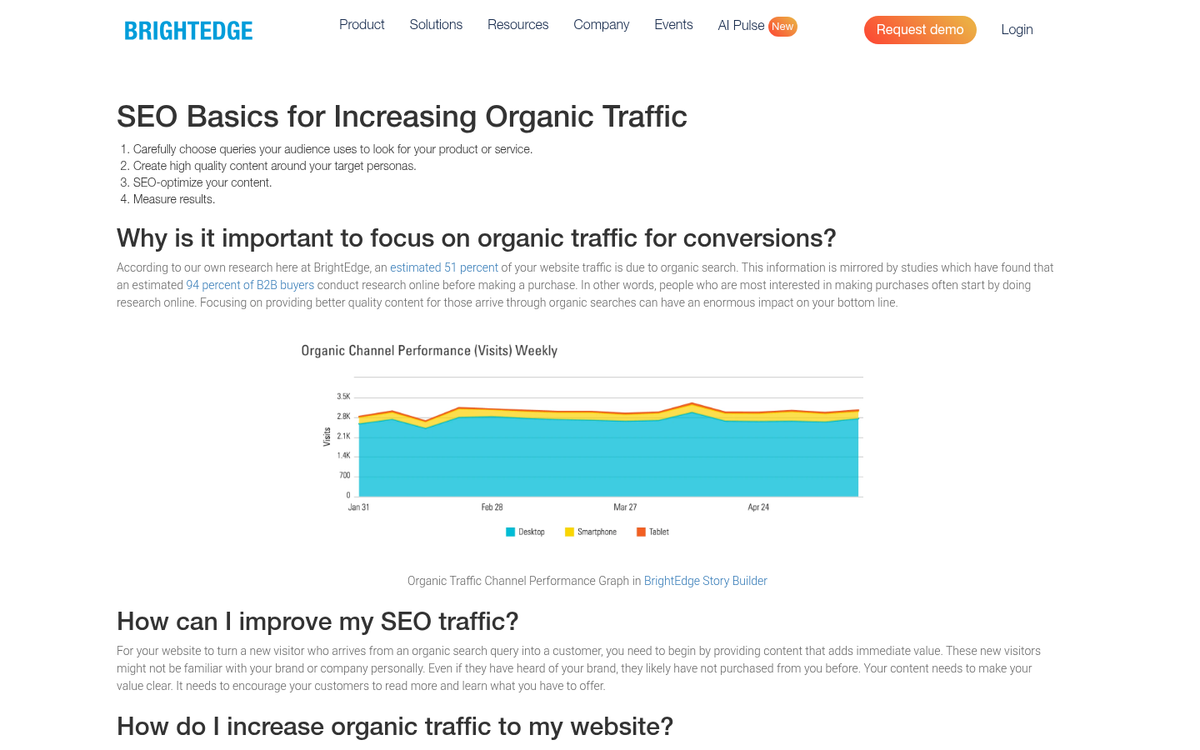
Free traffic for a low time investment? Sign me up.
22. Email Signatures
Every email you send is an opportunity. Add your URL to your email signature and make it clickable. It takes two minutes to set up and works passively from that point forward.
23. Business Cards and Physical Touchpoints
A physical business card with your URL still has value in 2026, particularly at in-person events, conferences, and networking meetups. You can also add a QR code that links directly to your site or a specific landing page.
24. Organic SEO
SEO is an industry of its own, but even basic on-page optimization makes a meaningful difference. Use relevant keywords naturally, optimize your titles and meta descriptions, make sure your site loads quickly, and earn links from reputable sources. Getting the fundamentals right will improve your visibility in Google results and drive steady, compounding traffic over time.
Build a Community
Can't find an active subreddit or Discord for your niche? Build your own.
25. Your Own Forum or Discord
Setting up a discussion space - whether it's a traditional forum, a Discord server, or a community platform like Circle or Skool - gives your audience a home base. Foster the discussion, participate actively, and you'll become the hub your industry turns to for conversation and news.
26. Your Blog Community
Build a group of readers who comment on your posts and engage with each other. Respond to comments, ask questions, and make people feel heard. A loyal commenting community signals trust and keeps people coming back regularly.
27. Gamified User Participation
Set up a system where user actions - comments, shares, referrals - earn them points, badges, or other recognition on your site. Done well, this kind of gamification turns casual visitors into active, invested community members.
28. User Referrals
Word of mouth is still one of the most powerful traffic drivers available, and you can actively encourage it. Give your existing readers an incentive to refer others - whether that's exclusive content, early access, or something else of genuine value. A well-structured referral program can turn a small audience into a much larger one over time.