





Key Takeaways
- Sharing blog posts across 50+ platforms-including social media, syndication sites, and niche communities-dramatically expands content reach.
- Content syndication on platforms like Medium and LinkedIn won't hurt SEO if canonical URLs or Google's duplicate content guidelines are followed.
- Niche-specific platforms like DZone, BizSugar, and ManageWP deliver highly targeted audiences more valuable than broad general traffic.
- Email newsletters and email signatures remain high-ROI promotion tools that drive reliable traffic without depending on algorithms.
- Paid advertising via Google, Meta, and Reddit Ads can accelerate reach, especially when organic traffic is limited early on.
Once you've written a new blog post, the real fun begins. It's time to tell everyone about it! I've compiled a giant list of places you can share or syndicate your post once you're done with it. Some are obvious, some are niche, and some you've never heard of before. Explore them all and figure out which ones fit!
Social Media Sites
These are the core social media platforms and are mostly obvious options. Some are going to need you to adapt your content to fit their format, and that's okay. Multimedia versions of your content help it reach a wider audience. With over 1.8 billion websites on the internet, blog marketing matters more than ever - don't skip these.
- Facebook - If you don't have a Facebook page up and ready to go, you have a lot to learn about content promotion. Schedule a post with your new blog post, complete with a custom image, and make sure to follow up on any comments. Facebook Groups are also worth exploring - find active ones in your niche and share your content when it's genuinely relevant.
- X (formerly Twitter) - Still a viable platform for content promotion, especially in tech, marketing, media, and politics. You can post your link multiple times in a day as long as you spread it out across several hours. Use relevant hashtags, engage with replies, and re-post in the days following publication to squeeze out additional reach.
- Instagram - Instagram remains one of the highest-engagement platforms available. Since you can't include clickable links in standard posts, use your bio link strategically - tools like Linktree let you point followers to multiple posts at once. Stories and Reels can also be used to tease your blog content and drive traffic.
- Pinterest - Pinterest is a powerful, often underestimated traffic driver, particularly for lifestyle, food, DIY, home decor, fashion, and wellness niches. Create vertical pin graphics for each blog post and link them directly to your article. Pinterest functions more like a visual search engine than a social network, meaning pins can drive traffic for months or even years.
- LinkedIn - LinkedIn has evolved well beyond job networking. Publishing native articles directly on LinkedIn is a strong strategy - according to Search Engine Journal, Google does not flag republished posts on LinkedIn as duplicate content, so you can syndicate your full blog post there without penalty. It's particularly effective for B2B, marketing, finance, and professional services content.
- YouTube - Convert your blog post into a video and post it to YouTube. Videos are easy to embed and share, and you can include a link to your blog post in the description so it's always visible. YouTube Shorts are also worth using to create a 60-second teaser that drives viewers to the full post. As an added bonus, native video uploads to Facebook outperform YouTube link shares there, so consider uploading separately to each platform.
- TikTok - TikTok has become one of the most powerful content discovery platforms in the world, particularly for audiences under 35. Short-form video summaries of your blog posts can go viral and drive significant traffic. Include your blog link in your bio and reference it in your videos.
- Threads - Meta's text-based platform launched in 2023 and has grown into a legitimate channel for sharing links, opinions, and blog content. If you already have an Instagram following, Threads makes it easy to cross-post and build an audience quickly.
- Tumblr - Still active and still useful for certain niches, particularly pop culture, art, fandom, and humor. It caters to a younger, creatively-minded audience. If your content can be adapted to fit the platform's tone, it can still generate meaningful traffic.
- Imgur - Imgur sits at the intersection of image sharing and community voting, similar to a visual Reddit. Post a compelling image from your blog post with a short write-up and link. It's not ideal for every niche, but for the right content it can drive a surprising amount of traffic.
Foreign Social Networks

These social networks have little to no following in the United States, but are dominant in regions across Europe, Asia, and Latin America. If your business is widespread or you have an actual presence in a foreign market, it's worth recognizing which platforms your audience actually uses.
- VK (VKontakte) - One of the largest social networks in the world by user count, VK dominates Russia and has a strong presence in Eastern Europe and Central Asia. If you have any audience in that region, VK is non-negotiable.
- WeChat - Dominant in China with over a billion active users, WeChat functions as a social network, messaging app, and content platform rolled into one. If you're targeting a Chinese-speaking audience anywhere in the world, WeChat is essential.
- Line - Hugely popular in Japan, Thailand, Taiwan, and Indonesia, Line supports content sharing, news feeds, and brand accounts. A strong choice if your blog targets Southeast Asian or East Asian markets.
- Badoo - Popular in parts of Western Europe and Latin America, Badoo leans toward social discovery and chat, which makes it a more creative marketing challenge, but it does have an active user base in certain regions.
- MiGente - A Spanish-language social platform popular with Latin American communities. If your content is available in Spanish or targets a Latino audience, this is worth exploring.
Social Bookmarking & Content Discovery Sites
Social bookmarking differs from social networking because the sites are built around curation instead of interaction. You submit a link and conversation develops around it. Submit your link, connect with the community, and follow up on any conversation for a real traffic boost.
- Reddit - Reddit is one of the most powerful content discovery platforms in existence, with over 330 million active users and thousands of topic-specific communities called subreddits. Find the subreddits relevant to your niche, become a genuine participant in those communities, and follow the 80:20 rule: post links to third-party content 80% of the time, and keep self-promotion to no more than 20%. Redditors are quick to call out pure self-promotion, so authenticity matters enormously here.
- Quora - Quora is a Q&A platform where people ask questions and experts provide answers. Search for questions your blog post answers, then write a helpful response and reference your post as a resource. Done well, this builds genuine authority in your niche and drives consistent long-tail traffic over time.
- Mix - Mix is the successor to StumbleUpon, relaunched as a personalized content discovery platform. You can submit your posts to relevant collections and reach users who are actively looking for new content to read in your niche.
- Digg - Digg has gone through numerous reinventions since its heyday but still exists as a curated news and content aggregator. It's a shadow of its former self in terms of community interaction, but it still passes decent traffic for posts that make the cut.
- Flipboard - Flipboard is a content curation platform that lets users build magazine-style feeds. You can create your own Flipboard magazine, add your blog posts to it, and reach readers who follow topics related to your niche. It's particularly effective for news, lifestyle, and technology content.
- Pocket - Around since 2007, Pocket is a read-it-later app with a built-in discovery feature. Getting your content surfaced in Pocket's recommendations can drive significant passive traffic. Make sure your content is well-formatted and easy to read on mobile to take full advantage.
- Slashdot - One of the oldest tech news communities on the internet, Slashdot still has a loyal following of engineers, developers, and technology enthusiasts. If your content covers tech, open source, science, or IT security, it's worth submitting.
Content Syndication & Publishing Platforms

Syndicating your content on respected platforms can dramatically expand your reach. The key is picking quality places with real audiences and staying away from low-quality directories that could hurt your SEO.
- Medium - Medium is one of the best syndication platforms available. You can republish your full blog post using the canonical URL feature, which tells search engines the original source is your site. This protects you from duplicate content issues while putting your writing in front of Medium's large built-in audience. It's particularly strong for technology, entrepreneurship, self-improvement, and culture content. If you're weighing your options, see how Steemit compares to Medium as a publishing platform.
- Vocal Media - Vocal hosts a network of niche communities covering everything from technology and business to food, gaming, and wellness. With 9 million monthly readers visiting the platform, it's a legitimate syndication destination with real built-in traffic potential.
- Scoop.it - Scoop.it allows anyone to become a content curator, building a topical magazine of curated posts. Add your own content alongside other great industry content to position yourself as a go-to resource in your niche. If you want to do this correctly, read up on how to create legal and ethical curated content.
- Business2Community - A large user-submitted directory covering all things business, marketing, management, and entrepreneurship. It doesn't restrict itself to small business content, making it broadly useful for anyone writing about professional topics.
- EZineArticles - One of the older article syndication platforms still in operation. While it's no longer the powerhouse it once was, it still indexes well and can bring in a trickle of ongoing traffic for the right niches. Pairing it with an RSS aggregator strategy can further boost your reach.
- Blog Engage - A curated blog content aggregator where posts are sorted by community upvotes. Build a following on the platform and your submissions will consistently reach the top of the feed.
Personal Resources
Every business owner has personal channels and resources to use. You might not have all of these, but some you can build. Take stock of what you already have and add new channels over time.
- Email Newsletter - With over 4 billion email users worldwide, email remains one of the highest-ROI marketing channels available. A weekly or monthly newsletter linking to your best recent posts keeps your audience engaged and drives reliable repeat traffic without depending on any algorithm.
- Email Signature - A simple but effective tactic. Add your latest blog post or a curated resource to your email signature and update it weekly. Every email you send becomes a passive promotion opportunity.
- Industry Roundup Blogs - Many industries have blogs that publish weekly roundups of great content. Find the writers behind those posts and build relationships with them. Getting featured in a roundup can bring in a wave of highly targeted traffic from readers who are already interested in your niche.
- Industry Blogs & Newsletters - Identify non-competing blogs and newsletters in your space and network with their authors. Getting your content referenced or featured - even briefly - in a respected industry publication can be more valuable than dozens of social shares.
- LinkedIn Groups - LinkedIn Groups are smaller than they once were but can still be valuable for B2B niches. Join active groups, follow their rules, and share your content when it genuinely adds value to an ongoing conversation.
- Online Communities & Forums - Discord servers, Slack communities, Facebook Groups, and niche forums are all viable channels for sharing content with a targeted audience. The key is to be a genuine contributor first and a promoter second. Community members can tell the difference instantly.
- Podcasts - Converting your blog posts into podcast episodes opens up your content to audiences who prefer to listen rather than read. Once you have episodes recorded, you can distribute them across Spotify, Apple Podcasts, Amazon Music, and dozens of other aggregators. Even a simple solo episode where you talk through your blog post can perform well.
- Guest Posting on Major Publications - Securing a contributor position at publications like Forbes, Entrepreneur, Inc., or a respected industry trade site allows you to reference your own content as a source or resource. Beyond the direct traffic benefit, the brand authority that comes from being published in major outlets is invaluable.
Advertising
Paid promotion isn't for everyone. But it can dramatically accelerate the reach of your best content - especially when you're just starting out and organic reach is limited.
- Google Ads - Google's advertising network gives you access to an enormous audience across search results and the display network. Search ads are particularly effective for content targeting high-intent keywords. Start with a small budget, test your targeting carefully, and scale what works.
- Meta Ads (Facebook & Instagram) - Meta's advertising platform remains one of the most sophisticated targeting systems available. You can reach highly specific audiences based on interests, behaviors, demographics, and lookalike audiences built from your existing readers. Boosting high-performing posts is a good low-risk entry point.
- Reddit Ads - Reddit's advertising platform allows you to target specific subreddits, which means you can put your content directly in front of niche communities that are already interested in your topic. Cost-per-click is often lower than Google or Meta, and the audience is highly engaged.
- Content Discovery Networks - Platforms like Outbrain and Taboola distribute your content as sponsored recommendations on major news sites and media properties. They work best for broad interest content and can generate significant volume, though quality of traffic can vary. Always set strict budgets and monitor engagement metrics closely.
Specialized Curators
These platforms are built for niches, and if your content falls into one of these categories, they can be among your most valuable promotion channels. This is only a small sample - always do your own research to find the best curators in your industry.
- DZone (Developer & Tech Content) - A well-respected platform for web developers, software engineers, DevOps professionals, and programmers. Content is sorted by community upvotes, and building a following here can make your posts consistently rank at the top of the feed.
- BizSugar (Small Business) - A community-driven content hub focused on small business, entrepreneurship, and startup topics. Posts are voted on by the community, and engagement from fellow small business owners tends to be genuine and high quality.
- GrowthHackers (Growth & Marketing) - A community platform for marketers, growth professionals, and startup founders. If your content covers SEO, content marketing, conversion optimization, or growth strategy, this is one of the best places to share it.
- ManageWP.org (WordPress) - A dedicated content curator for posts about WordPress development, management, plugins, themes, and migrations. If you write about anything WordPress-related, this platform has a ready-made audience for your content.
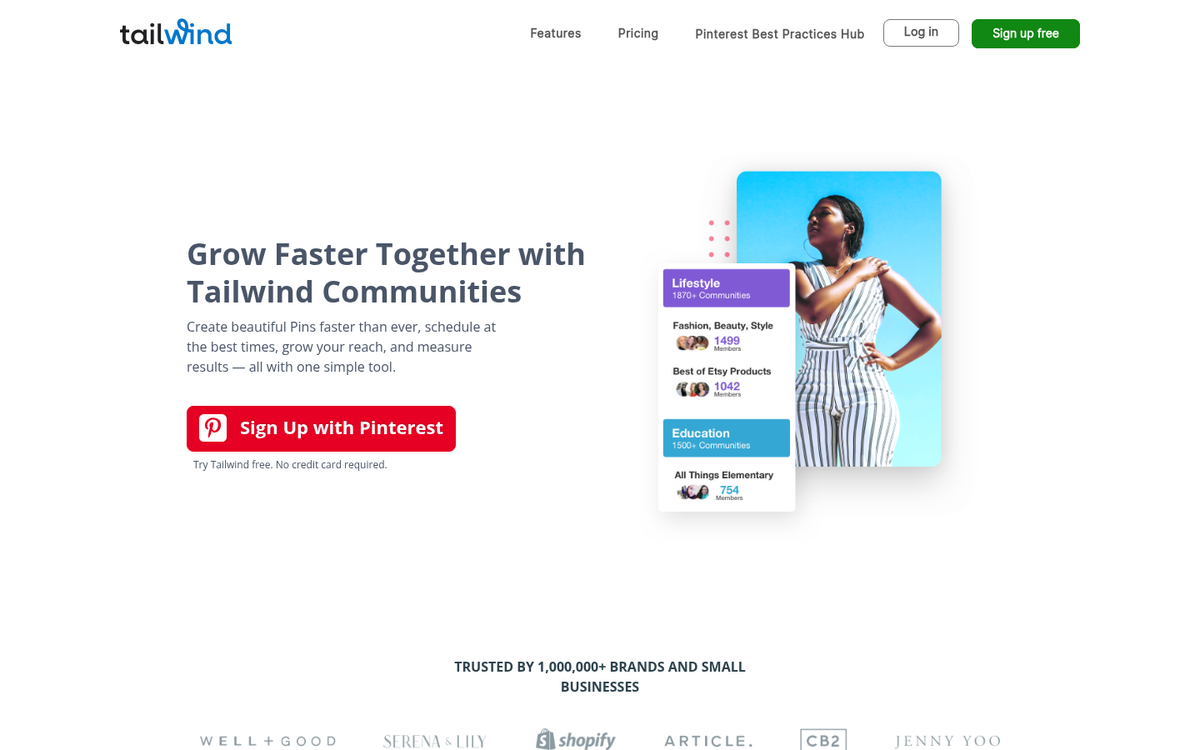
- Tailwind Communities (Pinterest & Instagram) - Tailwind is a scheduling tool for Pinterest and Instagram that includes a community feature allowing creators to share each other's content. Free accounts can join up to 5 tribes, making it an accessible way to amplify your reach within relevant niches, particularly for visual content.
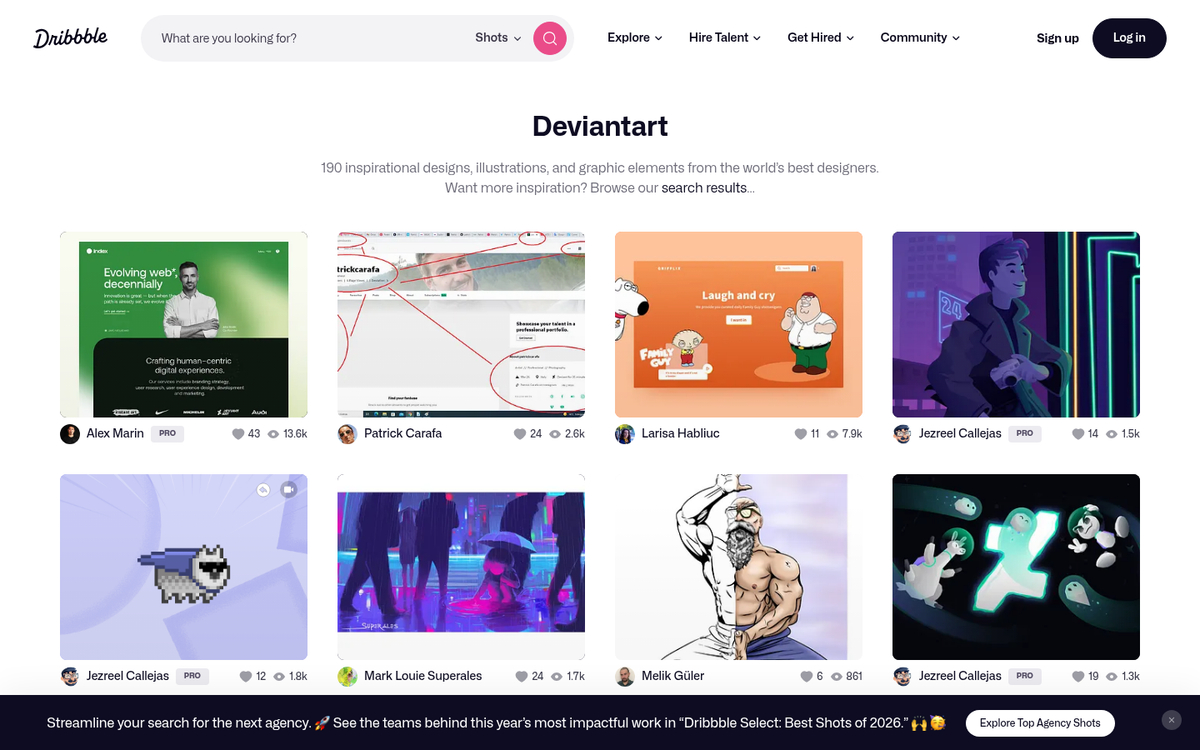
- DeviantArt (Art & Design) - DA has undergone several evolutions but remains a significant platform for artists, graphic designers, illustrators, and digital creators. If your blog covers art, design, or visual creativity, building a presence here is worth the effort.
- Dribb

3 responses
Thoughtful replies only - we moderate for spam, AI slop, and off-topic rants.
Nice article and good resources for blog marketing
Thanks ProTexting! It's tough to break away to promote blog posts individually but it's well worth it.
well great places to share blog posts. thanks