





Advertising that pays by the view - or by the thousand views, as it happens - is rarely worth the screen real estate it takes up. Clicks are where it's at; conversions even more so. Obviously, then, you want to do everything you can to maximize the number of people clicking through your ads. You can't just go out and buy clicks; the abuse will get you removed from the ad program. Your best bet is to study and streamline every aspect of your ads. Here's how.
Key Takeaways
- Video ads generate 85% more click-throughs than static ads, making video a high-impact format worth prioritizing.
- Ad placement significantly affects performance; Google search ads average 7.11% CTR versus just 0.46% for display ads.
- Relevance is critical - ads matching your audience's interests, like affiliate links tied to your content niche, convert far better.
- Split-test images and copy separately, never simultaneously, so you can accurately identify which change improved or hurt performance.
- Time-sensitive, discounted offers to return visitors can significantly boost conversions by leveraging fear of missing a deal.
Better Images

This only applies to ads that involve images, of course. What guidelines can you follow to make sure your images are the best they can be?
- Pick images of the right shape and size. If you're using a vertical sidebar, don't put a screen-stretching horizontal picture in the space. If you're using a top bar banner, don't use something tall enough that it breaks your navigation structure. Don't use images that are too small, as blown up to full size they'll look fuzzy or pixelated.
- If your image involves a human subject, pick someone who looks happy. Emotional appeal is key with human figures, and smiling people attract the most attention, particularly women.
- Pick a color that stands out from your navigation without being eye-searingly clashing. If you have a primarily blue color scheme, an orange ad might fit in well.
- Use pictures that illustrate what the user is getting, value-wise, out of the advertised product. This might be an enticing picture of a product, or someone happily using the product, or even just text that explains what they'd be missing if they don't click.
- Consider using video where your ad placements support it. Research from Bannerflow found that video in ads resulted in 85% more click-throughs compared to static ads - a significant uplift that's hard to ignore.
Split-test different images with subsets of incoming visitors to best determine which images work. Sometimes, a simple color change can make all the difference. Sometimes you need a whole new creative format entirely.
Better Copy
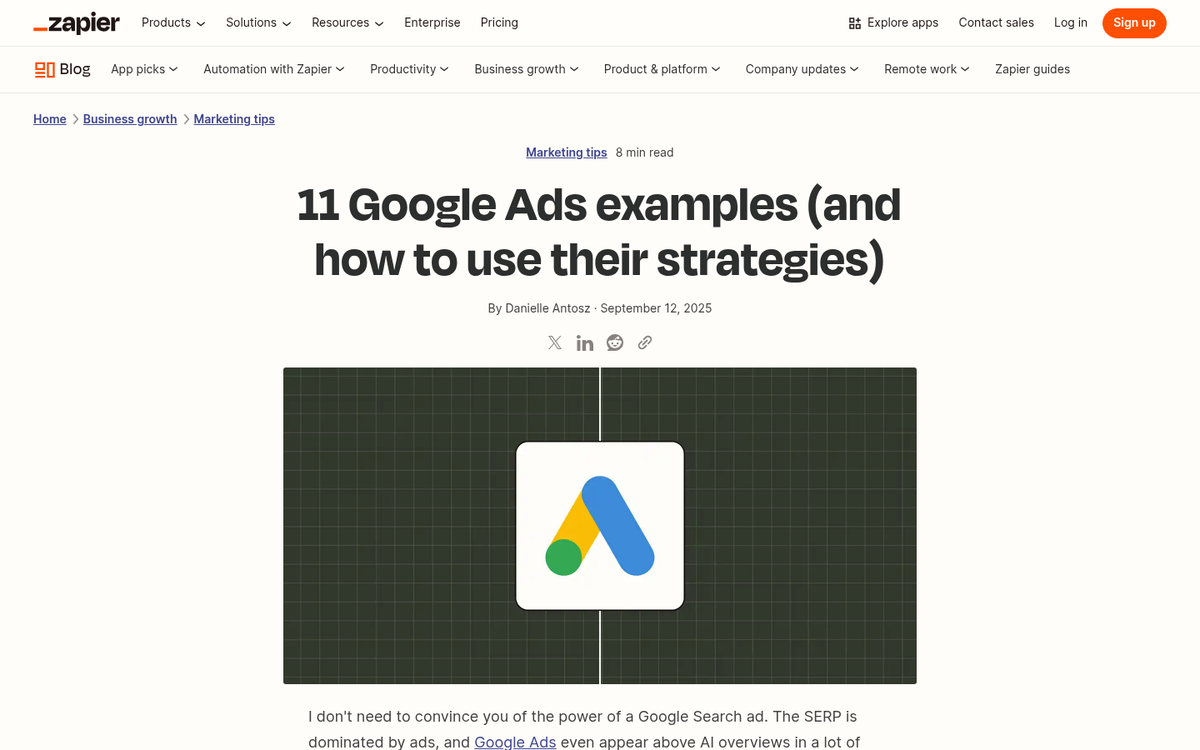
This applies to both text and graphical ads, assuming the graphical ads come with accompanying text. You have limited space - often fewer than 20 words in display formats - to make your ad stand out. Here are some tips for optimizing your copy.
- Perform research to see what your competitors are saying. Likewise, perform research to see what other people advertising the same products are saying. You can take ideas from their ad copy.
- Come up with something that sets your product or your affiliate apart from the rest, and present that as a unique selling point.
- Include a pressing call to action that virtually forces users to click. Avoid guilt trips; instead, focus on benefits and value.
Change up your copy periodically, and test it the same way you would images. Just don't test both changes at once! If you do, you won't know which change was the one that had the beneficial or detrimental effect.
Better Positioning

Where, on your page, are your ads positioned? Sidebar ads are some of the most easily ignored, lowest-converting ads available. Top header ads can be lucrative, but they can also look spammy. Ads in your footer are easily ignored, because they're below the fold. Ads in your text need to be differentiated from non-ad links, and ads that disrupt the text need to be carefully positioned to avoid disrupting the user's thoughts.
It's also worth knowing what you're working with in terms of benchmarks. WordStream reports the average Google Ads CTR across all industries sits at around 3.17% for search and just 0.46% for display - a stark difference that underscores why placement and format matter so much. Search ads in the top position average a 7.11% CTR, while those further down the page can drop below 1%. Position matters enormously. If you're seeing high clicks but low earnings, your ad placement may be a contributing factor worth investigating.
Every placement has a drawback, and your audience may respond differently than other audiences on other sites. All you can do is test different positions and figure out what works best.
Better Content

What are you advertising? The content of your ads - the product you're selling - makes a difference. If you're a blog about home repairs, running ads for a travel agency is unlikely to provide the conversions you want. On the other hand, affiliate links to relevant tools or materials might perform much better.
The key here is relevance. You need to sell something, or post affiliate links to something, or accept ads to something that is relevant to your audience. You should avoid the biggest spammy ad categories and instead sell something you yourself would be interested in buying. In fact, some of the best affiliates are those you link to in reviews because you honestly love the product.
Better Traffic

How targeted is your traffic? Where is it coming from? If you bring in better traffic, and more of it, they'll be more interested in your ads both from a personal interest standpoint and from a "support the site I love" standpoint.
To this end, you need to focus your content on bringing in more people, specifically more people interested in the stuff you're advertising. Write related content, like reviews, guides and tutorials. Write content angled at the people who would use those tools or products.
You can buy targeted traffic, but that traffic needs to be focused. Clickfarm traffic does you no good, because the people or bots coming to visit aren't doing anything meaningful with your ads. For that matter, if they do click your ads, you risk program removal if your traffic purchase is detected.
It's also worth thinking about where your audience consumes content in 2026. Social platforms have shifted significantly. Creator-led content on platforms like Instagram, for example, has shown dramatically higher engagement - a 2025 Zebracat study found that Instagram Reels featuring creator content hit a 38% CTR, far above static alternatives. If social is part of your traffic mix, format and creator authenticity matter more than ever.
Better Landing Pages
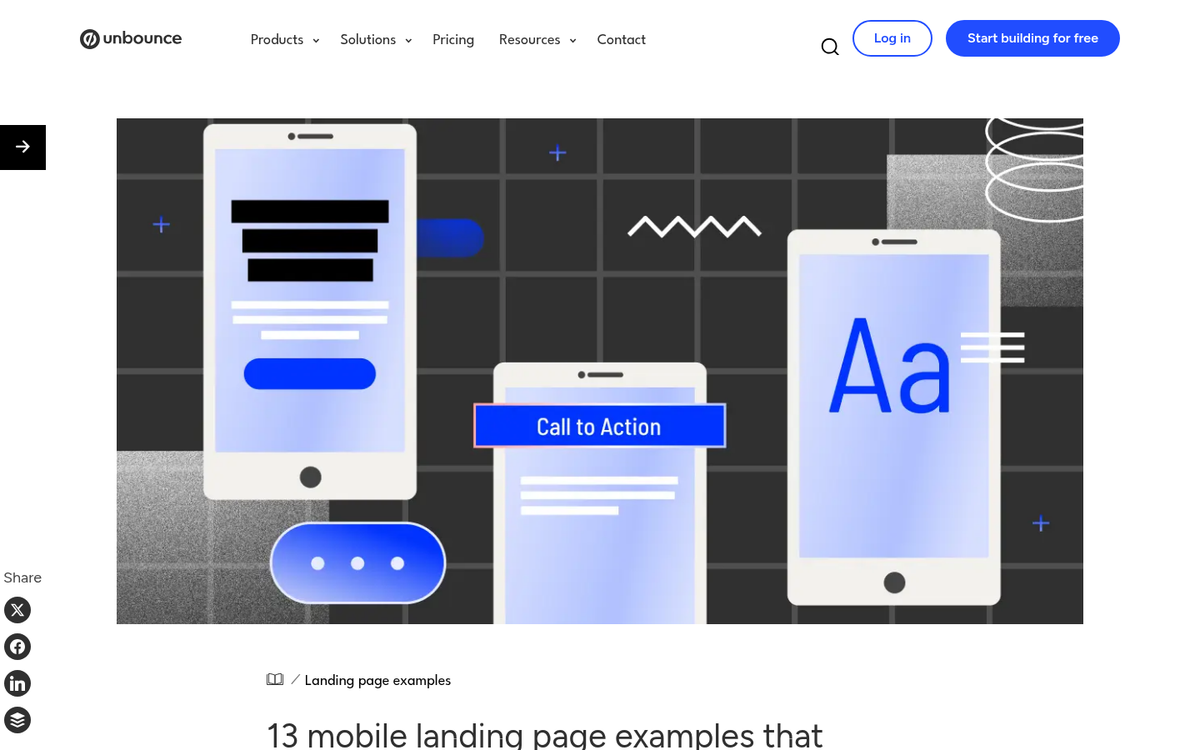
Okay, so optimizing your landing pages is a bit out of range for this article. Your landing page doesn't increase clicks, but it can make more of those clicks turn into conversions. Part of the problem, particularly with affiliate links, is that you don't control the landing page. If you do control it, however, do your best to optimize it. And make sure it's mobile-friendly - with the majority of web traffic now coming from mobile devices, a poor mobile experience will bleed conversions regardless of how strong your ad CTR is.
Better Offers
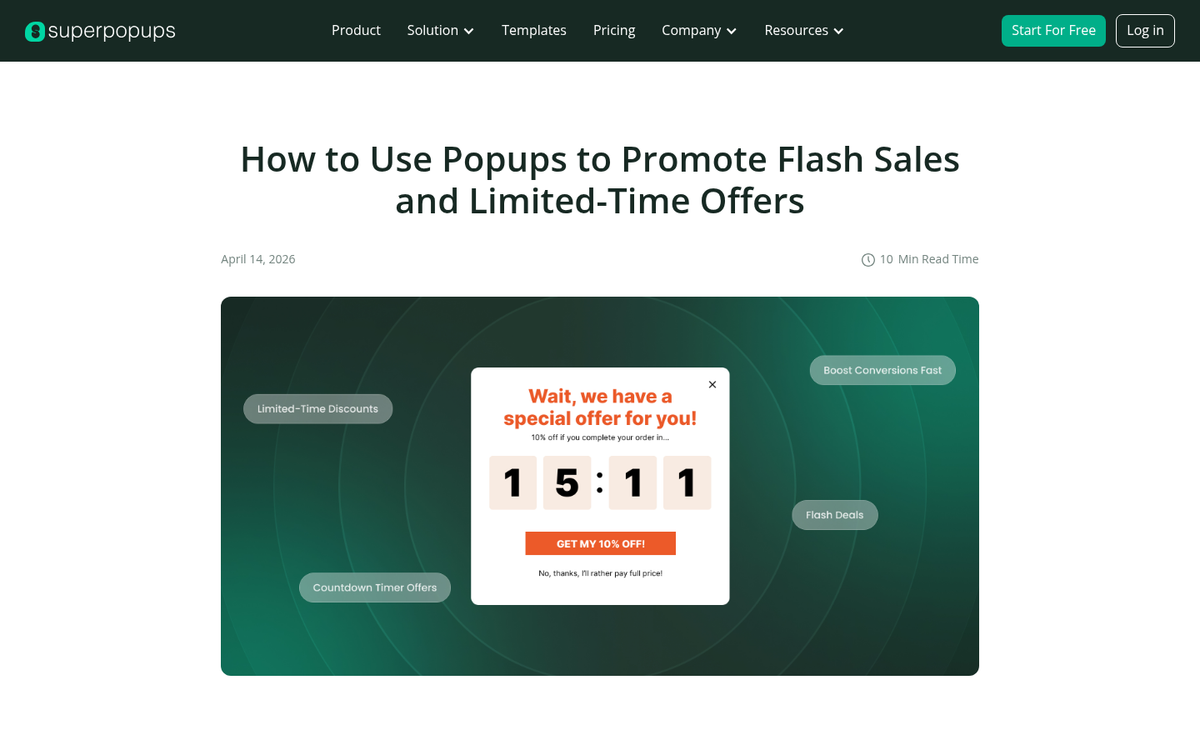
If you're selling products of your own, or have some control over the deals you offer on your site, you might consider making those deals better. If you're selling an ebook for $10, and you get 1,000 purchases, you've made $10,000. On the other hand, if you reduce the price to $5, you might get 2,500 purchases, which gets you $12,500. It's up to you to test different offers and figure out what converts at the highest rates, while maximizing your profits.
One trick you can use here is the time-sensitive offer, particularly if you're using remarketing in some way. Offer a product to a user, and if they don't bite, track the next time they come by. This second visit, offer them the product at a one-time discounted price. You'll get a lot of conversions simply based on people who don't want to miss a good deal.

1 response
Thoughtful replies only - we moderate for spam, AI slop, and off-topic rants.
Do you know if this will hurt my earning CPC at all? I'm trying not to set off Google's "smart pricing" algorithm by getting too many low quality clicks....