





Key Takeaways
- Start marketing before your book launches using countdowns, cover reveals, teaser content, and lined-up interviews for release day.
- BookBub deals, promo sites like Freebooksy, and author newsletters remain top-rated promotional channels worth real budget investment.
- Produce an audiobook version early, as audiobooks are growing over 26% annually and represent a significant untapped opportunity.
- For indie authors, pricing between $2.99-$9.99 performs best; free eBooks maximize downloads and list growth but sacrifice direct revenue.
- Keep your eBook updated regularly and repurpose its content into blog posts, videos, and social graphics to extend its life cycle.
Market More
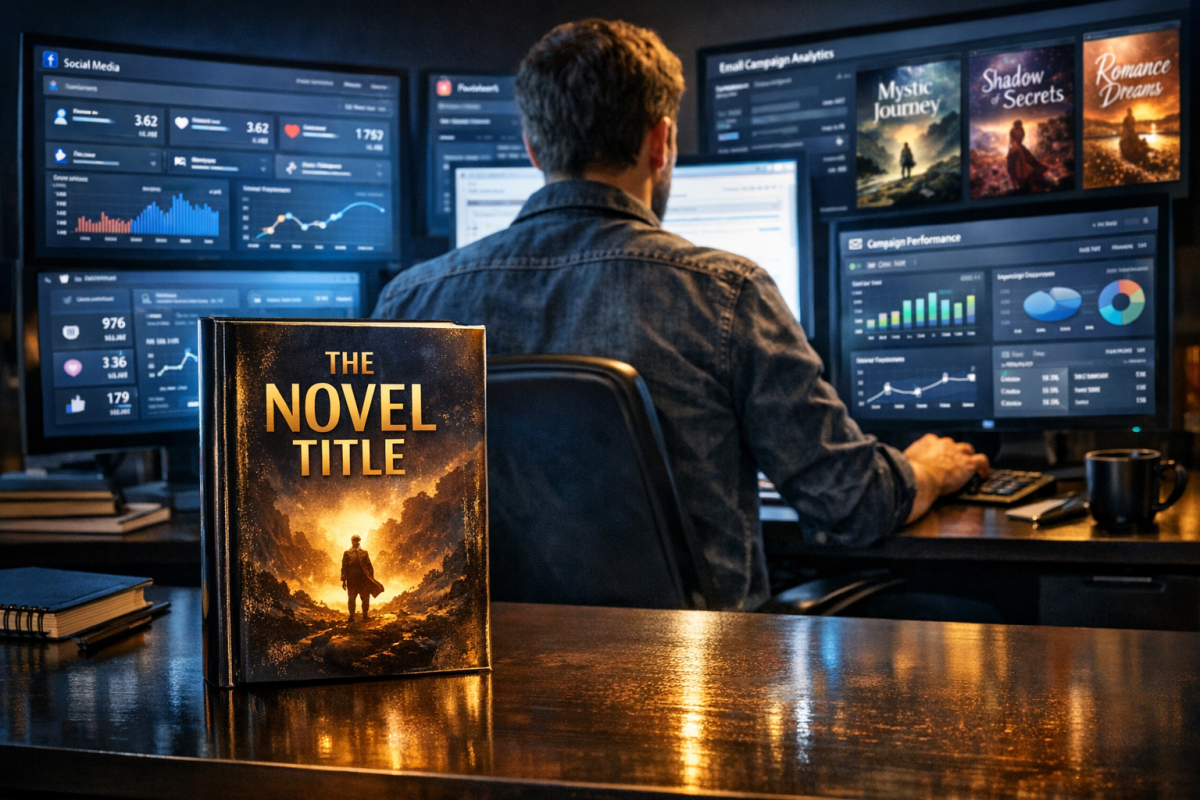
Marketing is the key to success, though you probably already know as much. When you're marketing a book, you want to market it on its own merits, not just as "hey, a new book from this guy you know from the blog!"
If you're just starting to write your book, start marketing now. Build up the hype as much as you can before you're even ready to publish. Just make sure you're actually going to finish the book - all too often I see people get entrenched in big writing projects, only to never bring them to fruition. Countdowns, cover reveals, and teaser content on social media are easy ways to build anticipation.
You should also line up interviews and guest posts for the week of your book's release. Any time you send out a preview copy, ask the reader to write a review and schedule it for launch day. Link to these reviews from your social media accounts. Send out press releases to niche and industry blogs and publications, along with preview copies for anyone with an audience who might be interested.
In 2026, BookBub deals remain one of the highest-rated promotional tactics among indie authors, followed closely by promo sites like Freebooksy and Bargain Booksy, and author newsletters. If you're serious about moving copies, these channels deserve a real budget and real attention - not an afterthought.
You might also consider an excerpt as a free, no-strings-attached preview. It's like how Amazon offers a "look inside" feature. You could even split-test different excerpts to see which ones result in more conversions.
Making a Great Book
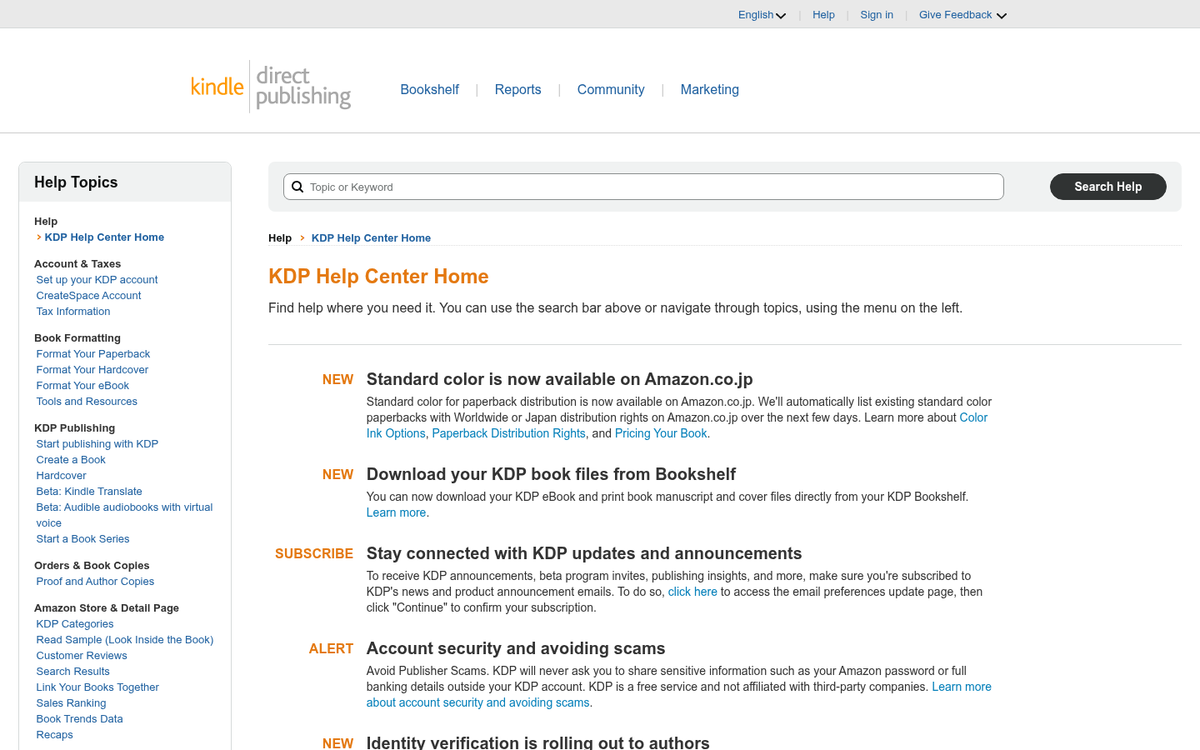
There's a lot that goes into making a great eBook, but you need to make sure you cover all the bases. A better eBook means more people will want to check it out on its own merits, and more people will talk about it because it was genuinely good. Make it good enough and people will be citing information from it for months or even years to come.
- Make sure your cover is interesting. If you're making a marketing book or something of the sort, it's hard to spice up a few pie charts and make it look exciting. For cover design, Fiverr still has surprisingly talented designers at reasonable prices, but platforms like 99designs or even AI-assisted tools like Midjourney (with a human touch) are now solid options worth exploring.
- Include imagery in the book. Nothing is worse than trying to read a long digital book with nothing but wall-to-wall text. Break it up. Charts, illustrations, screenshots - whatever fits. A reader who stays engaged is a reader who finishes the book and recommends it.
- Offer additional content within the book. Surprise readers toward the end with a special coupon code, a bonus resource, or exclusive access to something. Some people will convert just to get that extra value once they hear about it.
As for content, survey your audience over the course of weeks or months. Ask questions and collate the answers. Figure out what problems matter most to your readers, and consider which ones you can solve with a detailed eBook. When you find a genuine need and can provide the solution, you have a ready-made audience.
You might discover that a large chunk of your topic is already covered across your existing blog posts. Resist the temptation to just copy them wholesale. Cover the same subjects with the same information, but dig deeper and go into more detail than you ever could in a single post.
How long should it be? The data still suggests that shorter, focused eBooks tend to outperform bloated ones. You don't need to write a 50,000-word tome. That said, don't go so short that you're not delivering real value - if your subject requires depth, give it depth. Match the length to what the reader actually needs to walk away satisfied. There are other reasons your eBook might underperform that are worth understanding before you publish.
Don't forget that your eBook is a marketing channel in itself. It needs a well-crafted call to action, ideally woven throughout the book rather than buried as an easily ignored final page.
Think Multi-Format From the Start
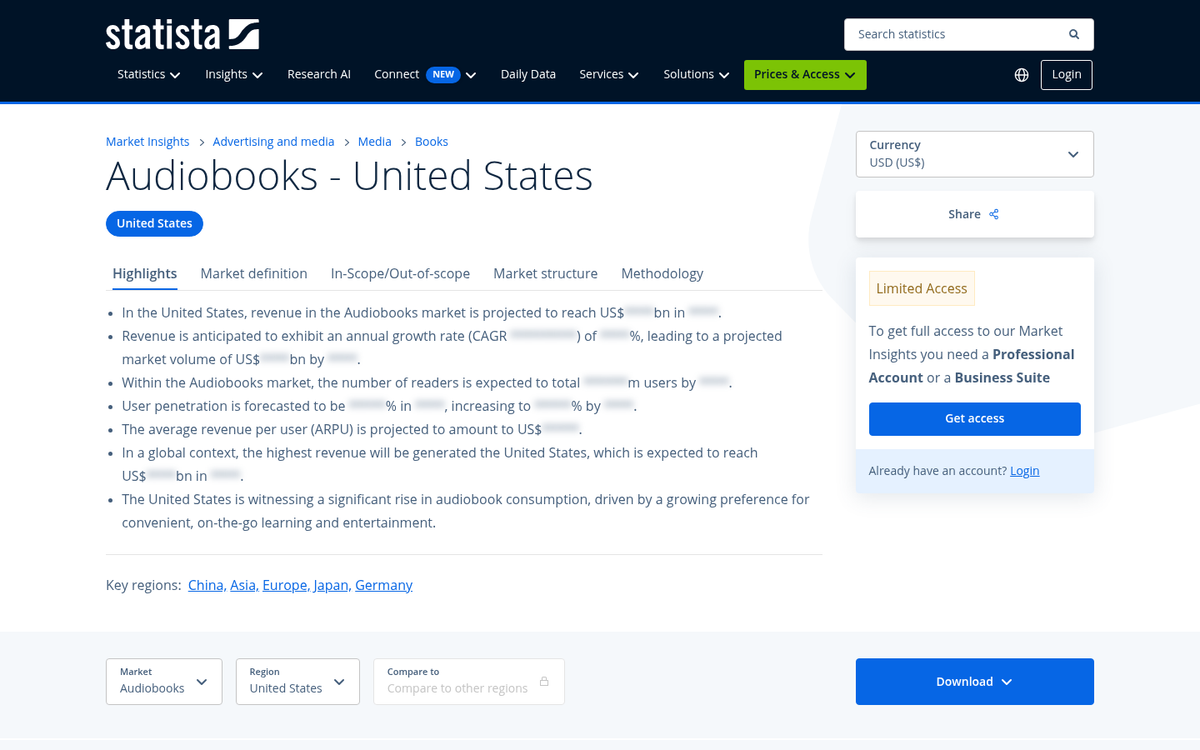
One of the biggest shifts since the early days of eBook marketing is the explosion of audio content. Audiobooks are now growing at over 26% annually - that's not a trend you can afford to ignore. If your eBook contains information that translates well to audio, consider producing an audiobook version from the start rather than treating it as an afterthought later.
Similarly, Amazon Kindle still dominates, accounting for over 70% of eReaders sold globally. If you're publishing for sale, optimizing for Kindle and enrolling in KDP Select is worth serious consideration - Amazon paid out over $61 million in KDP Select royalties in a single month in 2025 alone. Independent authors now account for roughly 35% of all eBook sales in the US, meaning the self-publishing route is not only viable - it's mainstream.
The eBook Life Cycle
Putting the book out is only the first step. Once it's live, keep the momentum going. Write a series of blog posts covering aspects of the book in lighter detail and point readers toward the full book for more. Repurpose sections into short-form video content or a podcast episode. Turn key data points or frameworks into shareable graphics for social media.
Most importantly, keep your eBook updated. If you've chosen a subject that evolves over time - marketing, SEO, AI tools, business strategy - you have a built-in reason to revisit and refresh it every year. When you have an audience that already loves your book and signed up to your mailing list to get it, that same list is your warmest possible audience for the next updated edition.
A Note on Pricing
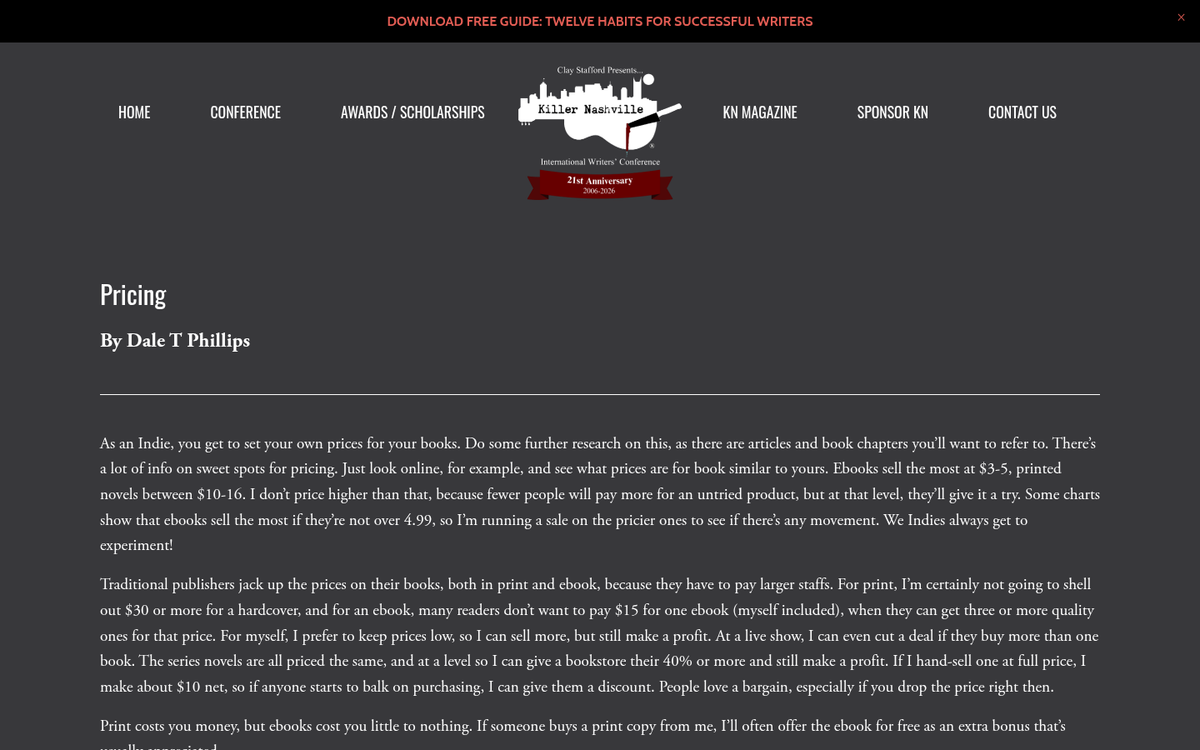
Pricing your eBook, if you're trying to sell it, is still a tricky proposition. You may have written a long, powerful masterpiece, but that doesn't automatically mean people will pay a premium for it. Reputation and audience trust matter enormously here.
The data continues to support lower price points for indie and first-time authors. The sweet spot for most non-fiction eBooks tends to sit in the $2.99 to $9.99 range, with $2.99 being a particularly strong entry point - it qualifies for Amazon's 70% royalty tier while still feeling like a low-risk purchase to the buyer. If you're unsure where to start, this guide on how much to charge for your eBook breaks down the decision well.
Free remains the most powerful price for driving downloads and list growth. A free eBook will almost always outperform a paid one in raw volume. The real question is what you're optimizing for - email subscribers, brand authority, or direct revenue. Your pricing strategy should follow that answer.
If you're not selling the book but using it as a lead magnet, don't treat the "free" framing as an excuse to deliver something mediocre. The quality of your free eBook is often the first real impression a new subscriber gets of your work. Make it count - and consider selling it through WordPress once you're ready to monetize it directly.


6 responses
Thoughtful replies only - we moderate for spam, AI slop, and off-topic rants.
Nicely framed !
Besides writing a master piece if you keep in your mind that how you're going to present your book ,it will be beneficial .Simple things like #Good cover for your book is of great importance.I love the way you have described graph ,Kenny.Such an innovative way to make writers understand pricing ,that could be a challenge for writers like me.
Thanks for sharing Kenny!
You're absolutely right, Reeta! A compelling cover is often the first thing that draws readers in, so it's definitely worth investing time and effort into getting it right. And yes, pricing can be tricky for many writers - finding that sweet spot takes some experimenting. So glad the graph helped make it clearer! Thanks for your thoughtful input and kind words!
I still remember when I published my last book how difficult it was for me to market my own book.
I started searching for some help on google and then I found your article, it is the best one I have ever read. It guided me a lot in my book marketing journey.
Thank you for making things easier for a young author for me.
Hey Pulkit! That's so wonderful to hear - congratulations on publishing your book! Marketing your own work as a young author can definitely feel overwhelming at first, so we're really glad the article helped guide you through that journey. Keep pushing forward with your writing and marketing efforts. The fact that you're actively seeking help and learning already puts you ahead of the curve. Wishing you tons of success with your book! 📚
Hi Kenny!
For a writer like me this blog is like a treasure. I struggle with sales and other marketing concepts in books.However your article has given me a clear idea, specially graphical representation has made this blog more engaging.Thanks for sharing!
Hi Reeta! Thank you so much for the kind words - that truly means a lot to us! We're thrilled the article resonated with you, especially since navigating sales and marketing as a writer can feel overwhelming at times. We put extra effort into the visuals to make things easier to digest, so glad they helped! Keep writing, and don't hesitate to reach out if you have any questions. 😊