





It's easy to wonder why so many marketers are writing eBooks. What's the difference between a 2,000-word eBook and a 2,000-word blog post? For many, there isn't one. The content is largely the same. The writer is the same. The insights are the same. What makes eBooks so special, then?
The reality is that eBooks often tend to include either more content or deeper content. Instead of a 2,000-word eBook, it might be 12,000 words. Or, it might still be 2,000 words, but it might dig much deeper into the content at hand, trusting the reader to have read the content it was based on. Where blog posts are beginner and intermediate, eBooks are intermediate and advanced.
Of course, there's also the gate. In order to successfully market with an eBook, it needs to be gated. You can't just post a plain link to it and get nothing in return; there's no reason to make it an eBook instead of a blog post then. The gate gets you, as a marketer, something out of your book. You might be selling it for a small fee, or you might be requiring a survey answered, or you might require an email opt-in. The user, then, sees that you're not just giving away your content, so it must be more valuable than your normal blog posts. More perceived value = more actual value.
Convinced? I am. Now that you've written your eBook - You can pause here and go write one, I'll wait - here are a bunch of good strategies to market it.
Key Takeaways
- Gating your eBook-via email opt-in, fee, or survey-increases perceived value and gives marketers something measurable in return.
- Podcast appearances and HARO connections can drive significant eBook awareness by positioning you as an industry authority.
- Micro-influencers with niche, engaged audiences can outperform paid ads when given advance copies and asked for honest mentions.
- Consistent pricing and offers across platforms is essential-conflicting terms erode trust and split conversions.
- Quality matters most: professional covers, clean formatting, and original insights separate eBooks from basic blog posts.
1. Hold a Contest

Everyone loves a good contest. Not many people will want to enter a contest for a chance to win your eBook, though. Not unless the book is normally priced exceptionally high and thus has a very high value. Instead, hold a contest to give away something of more value, like a relevant product, service subscription, or exclusive access to a tool or community. Give the top runners-up copies of your book, or just give everyone who enters the book as a consolation prize.
The biggest problem with this method is that you're not getting extremely targeted, interested readers. You have to be careful with the prize you give out as part of your contest, to keep your users as focused as possible.
2. Interviews and Podcast Appearances
There's a well-known service called Help A Reporter Out, or HARO, which connects sources with journalists. When you're marketing an eBook, you can register as an authority in your industry. When a reporter wants to run a story about your industry, they can come to you as a resource, and you can work in a reference to your eBook for added publicity. It's surprisingly effective.
Beyond HARO, consider pitching yourself as a guest on industry podcasts. Podcasting has grown enormously, and a well-placed guest appearance can drive significant awareness and downloads for your eBook. Listeners who find value in the conversation are primed to want more of your insights, and pairing that with smart strategies to maximize your eBook downloads can make a real difference.
3. Reddit Promotion
Reddit remains a massive social platform built around link sharing, discussion, and community discovery. Members are notoriously skeptical of overt self-promotion, but there are still smart ways to generate genuine interest in your eBook.
- /r/books. You can engage in this community and discuss your book. Don't be too promotional, particularly if you're selling the book. Instead, use your position as an author to talk about the process of writing and the ideas behind it.
- /r/AMA and /r/IAmA. Ask Me Anything threads are a great format for informal Q&A. If you have a genuinely interesting perspective on your industry or are a recognized name, hosting one of these can drive real engagement and curiosity about your work.
- Niche subreddits. Don't overlook topic-specific communities relevant to your eBook's subject matter. A well-timed, valuable contribution to a niche subreddit will often outperform a post in a general forum.
4. Reviews
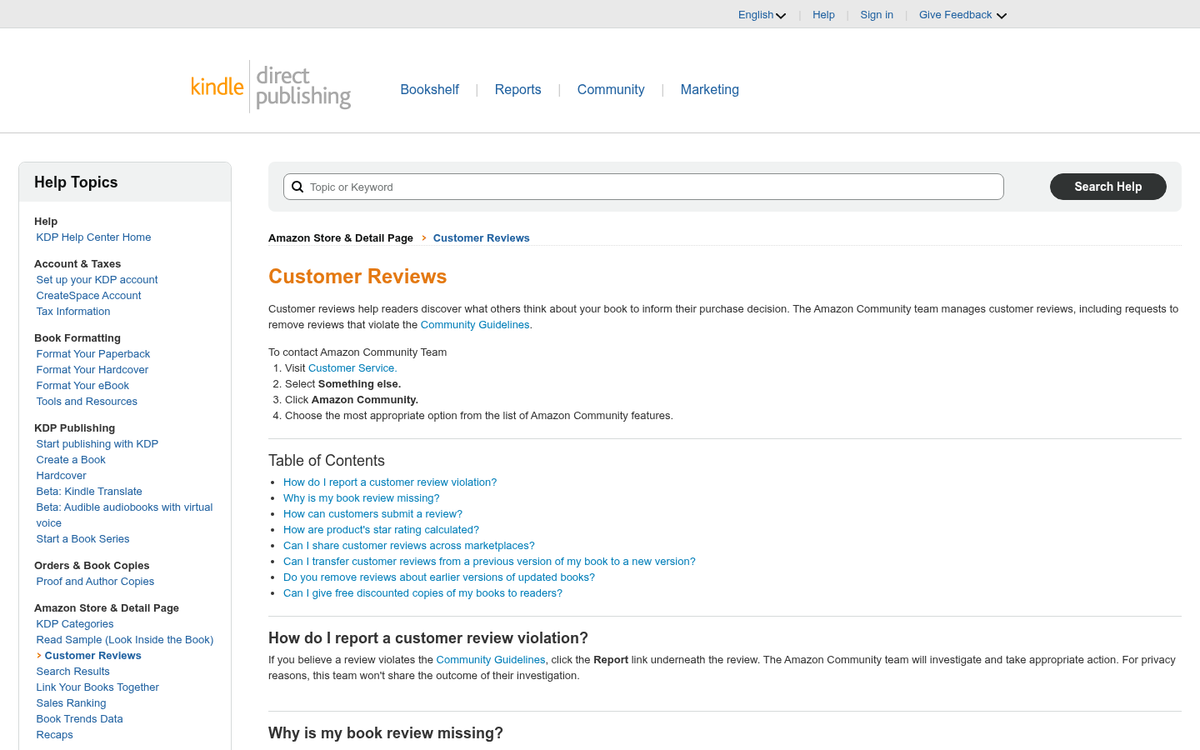
Every time someone leaves a review of your book, a few things happen. One, you get social proof that someone read and liked your book. Two, you get content to use to further promote your book. Three, you have someone who liked your book enough to leave a review, and that person can often be encouraged to share it further just by being acknowledged. You can also use platforms and communities designed to connect authors with early readers and reviewers to build up your review base before a wider launch. If you sell on Amazon, check out our tips on ways to get more reviews on your Amazon products and how to solicit Amazon customers for 5 star reviews.
5. Influencer and Creator Outreach

Build a list of influential content creators, industry voices, and niche newsletter authors particularly relevant to your topic. These don't have to be household names - micro-influencers with highly engaged audiences in your specific niche can be even more effective than large generalist accounts.
Reach out via email, social DMs, or contact forms. Tell them you appreciate their work and offer them an advance copy. Ask for their honest feedback and, if they find value in it, a mention to their audience.
Many won't respond, but those who do can deliver outsized results. A single mention in a respected industry newsletter or LinkedIn post from the right person can generate more downloads than a week of paid ads. If you need to scale your efforts, learn how to do bulk influencer outreach on a budget.
6. Social Media and Short-Form Video
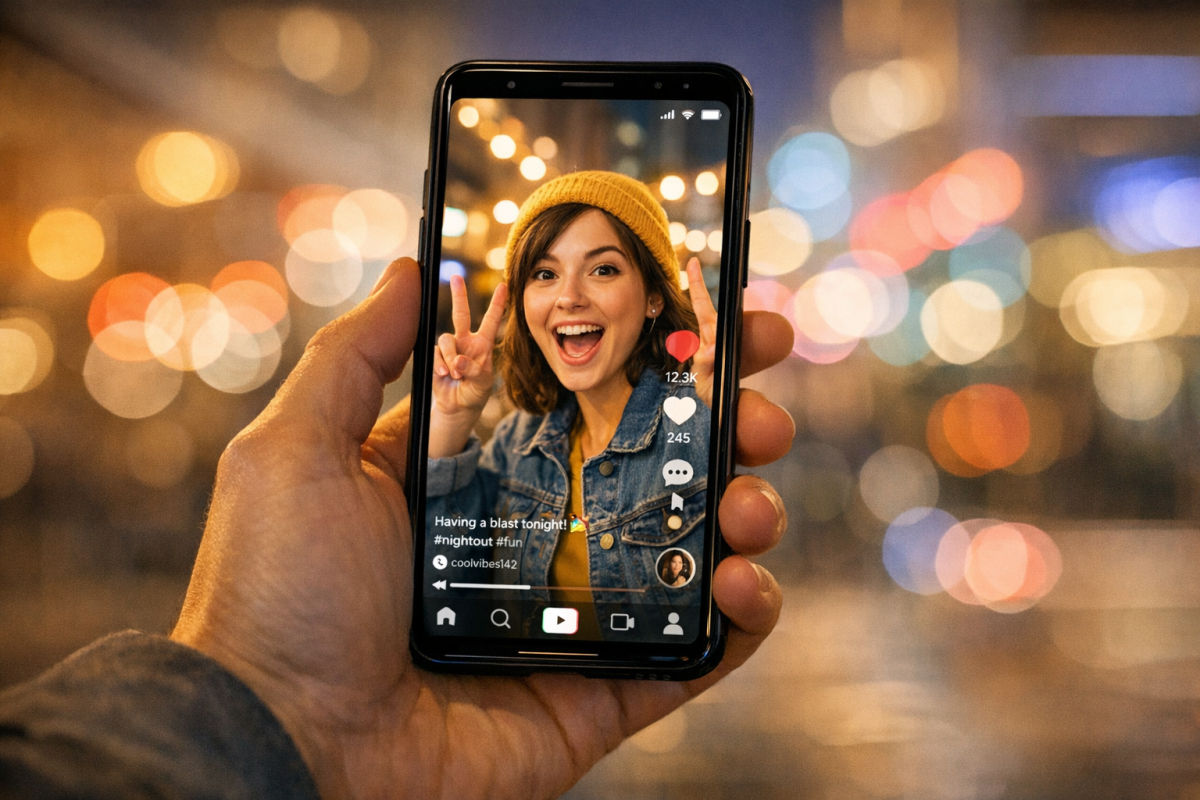
Social media remains one of the most cost-effective ways to reach a large audience, but the tactics have evolved. Simply posting a link and hoping for clicks is no longer enough. In 2026, short-form video content on platforms like TikTok, Instagram Reels, and YouTube Shorts is one of the most powerful ways to tease your eBook and drive downloads.
Consider creating short videos that highlight a key insight, surprising statistic, or compelling argument from your eBook. Build anticipation in the days before launch with teaser content, then post a clear call to action when it goes live. LinkedIn remains particularly strong for B2B eBooks, where long-form posts and document carousels consistently generate strong organic reach.
7. Think Like Your Audience

One of the keys to successful marketing is to build detailed audience personas and use those to guide your copy and advertising. This applies just as much to eBook marketing as to anything else. Use personas to shape the content itself, the landing page copy, your paid targeting criteria, and how you frame the eBook's value in every promotional channel you use.
8. Update Older Books to Promote Newer Books

When you write a new book, you can send out an updated version of your old book with a page promoting your new release, or include an "also by this author" section at the beginning. You can also take the opportunity to refresh outdated information in your older titles to keep them relevant and worth recommending.
9. Tag and Categorize Strategically
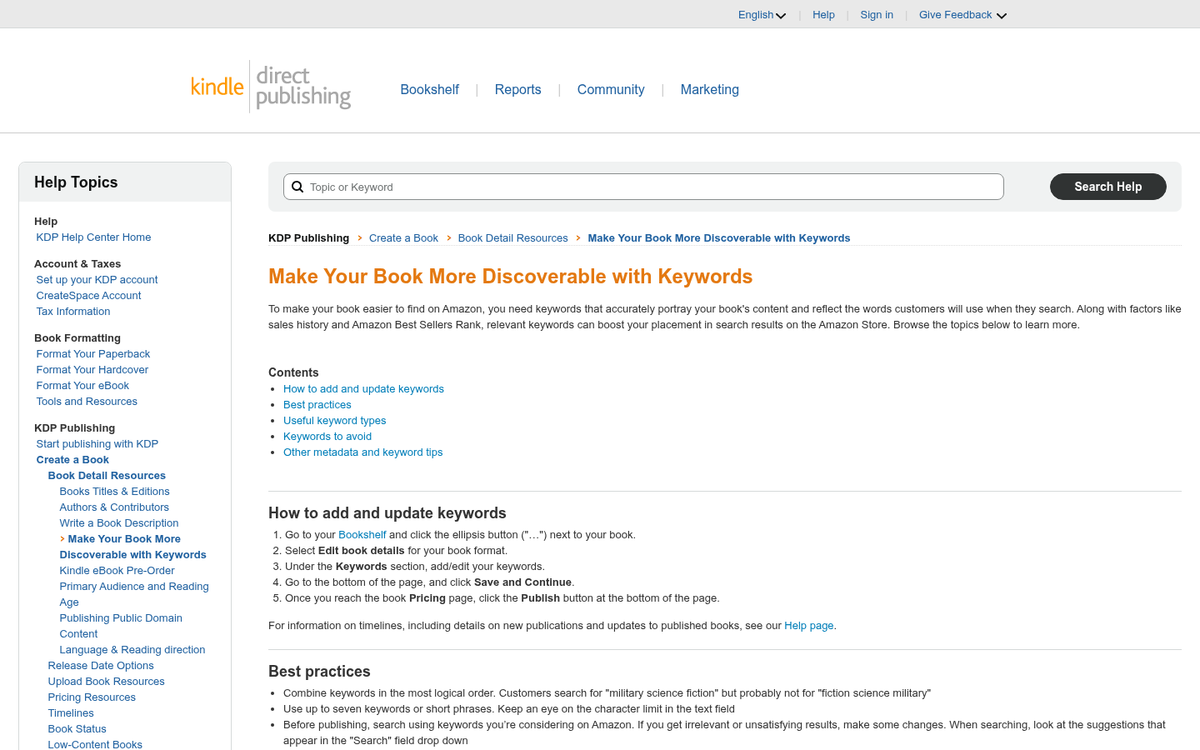
If your eBook is available on platforms like Amazon, you'll want to invest real thought into your categories and keywords. Think of them like SEO keywords, but remember that the terms people use when searching for books are often quite different from the terms they'd type into Google. Choosing the right subcategories on Amazon in particular can dramatically improve your visibility, since it affects where you appear in bestseller lists and browse results.
10. Keep Your Offer Consistent

Don't split your conversions across platforms with conflicting pricing or requirements. If you're selling your eBook for a set price, keep it consistent everywhere it's listed. If you're offering it as a free lead magnet in exchange for an email opt-in, don't simultaneously sell it elsewhere at a premium - the inconsistency will erode trust. Pick your primary objective for each eBook and align every channel behind it.
11. Make Your Book Good
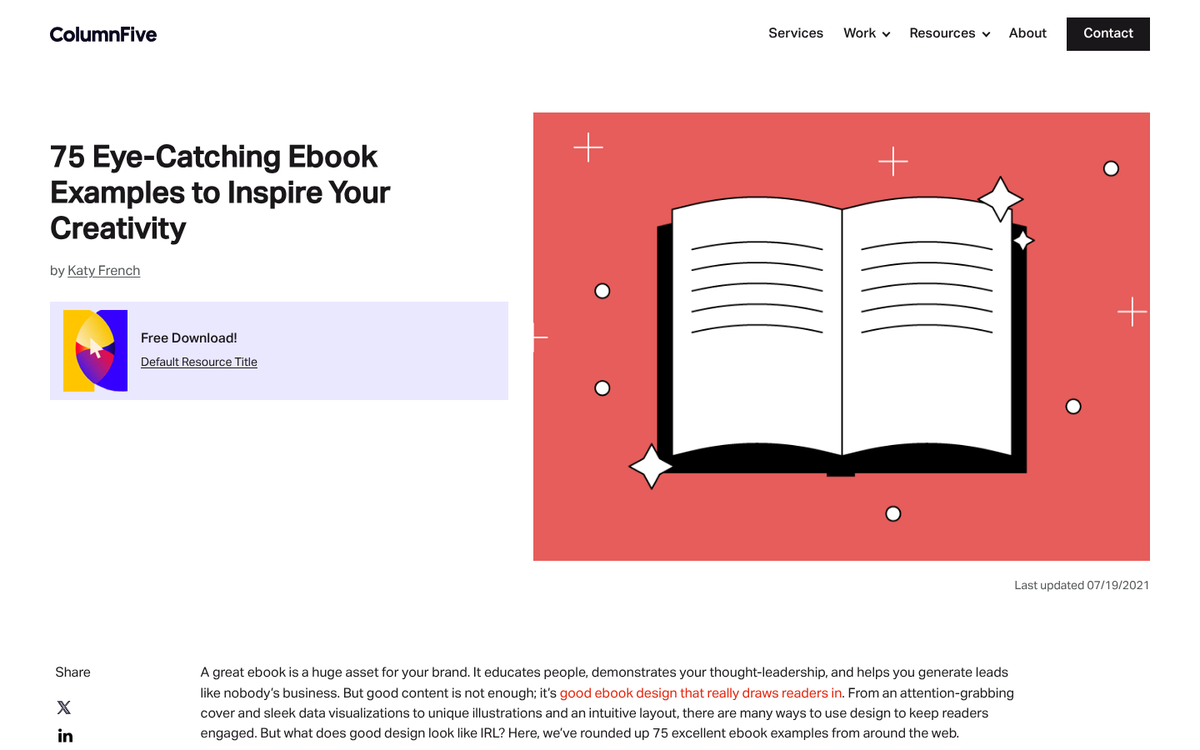
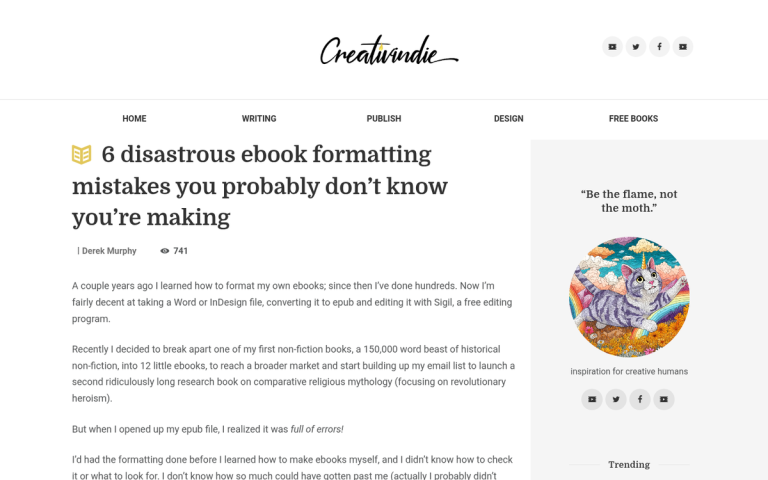
You can have the best marketing in the world, but none of it matters if the book itself doesn't deliver. You need a professional, visually appealing cover. You need clean formatting and a file type that works across devices. You need copy that's free of errors and easy to read. You need data, charts, and original insights that give readers something they couldn't get from a basic blog post. Treat it like the premium content asset it's supposed to be.
12. Start the Sequel
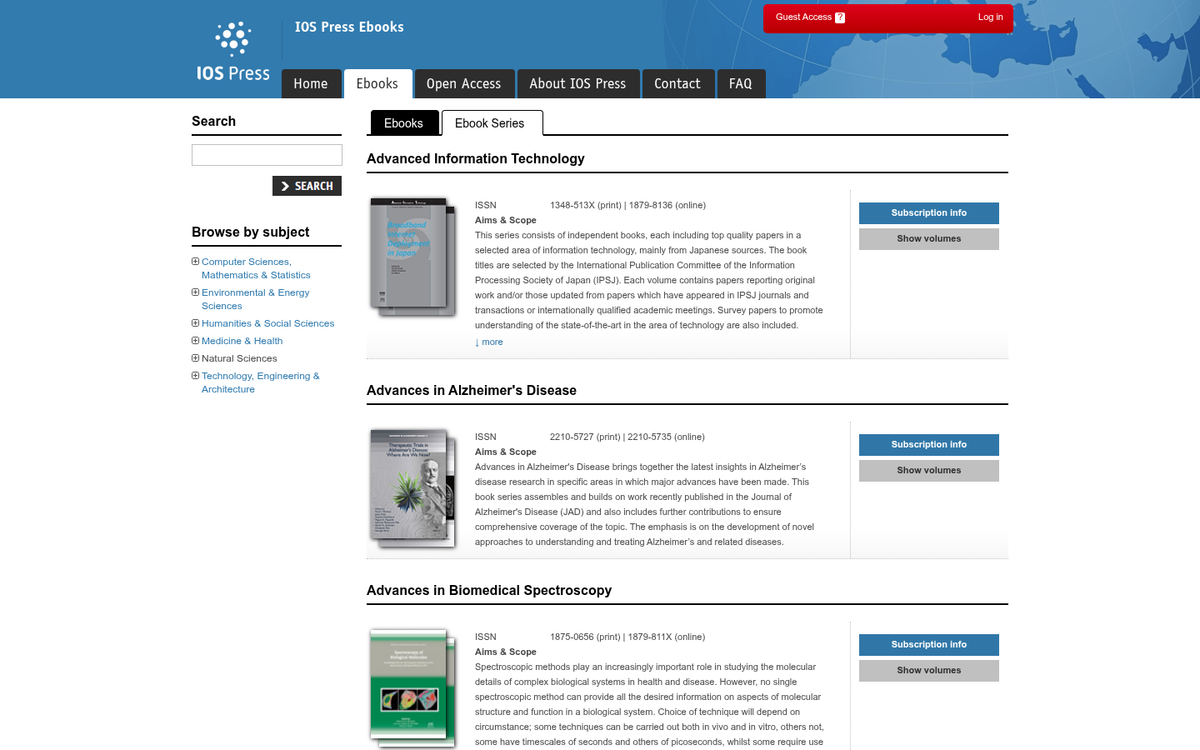
There's no time to rest once your book is live. Start compiling material for a follow-up, an updated edition, or a companion piece that expands on a specific chapter or idea. You can build out an entire content ecosystem around a single core eBook - supplemental guides, checklists, video walkthroughs, and more. Always be creating; the shelf life of any single eBook is short, but a well-developed series can compound in value over time.


1 response
Thoughtful replies only - we moderate for spam, AI slop, and off-topic rants.
Quite valuable James