





Key Takeaways
- KDP Select exclusivity can dramatically boost sales; one author saw 600% increased paid sales after a 24-hour free promotion.
- Price between $2.99-$9.99 to earn 70% royalties; $3.99-$7.99 balances perceived value with purchase accessibility.
- Professional covers ($50-$150) and early legitimate reviews significantly improve conversion rates and Amazon search visibility.
- BookTok, pre-launch ARCs, and a 48-hour launch push create early algorithm momentum that compounds over time.
- Track every promotion's results; publishing is cumulative, and each launch should inform and improve the next.
How to Succeed With Amazon Kindle Publishing in 2026
Amazon's Kindle publishing is not the only ebook publishing game in town. Barnes & Noble's Nook Press remains a genuine competitor, and their ability to transition high-selling ebooks into physical releases has kept them relevant. You can also set up your own storefront and cut out the middleman entirely, keeping more of every sale. But Amazon is still the best starting point for most authors, and it's not particularly close.
The reason is simple: Amazon has the traffic, the infrastructure, and the discovery engine. Their recommendation algorithms, search visibility, and review systems work together in a way no other platform has fully replicated. Their affiliate program lets you earn a bit more on your own referrals, and when someone clicks your link and buys anything else on Amazon, you get a cut of that too. They're also straightforward to get up and running.
That said, there are millions of ebooks on Amazon, with more arriving every single day. To succeed, you need to stand out from the crowd, and that means putting in effort well beyond just hitting publish. You can absolutely become a top seller. You just need to do the work.
I've done the research, and I'm here to show you how to tweak your submissions, promote your book, and generally succeed through Amazon's Kindle publishing.
Before we begin, I'm going to assume you've already handled the writing part. I'm not going to lecture you about formatting, graphics, or topic selection. That's on you. I'm here to help you make the actual publication a success.
1. Consider Exclusivity

Kindle Direct Publishing has a program called KDP Select. It allows Kindle Unlimited subscribers to read your book as part of their membership, similar to a streaming library. Those readers don't pay per book, but Amazon pools subscription revenue and pays authors based on pages read. Regular Amazon customers can still purchase your book outright, and you retain the ability to run free or discounted promotions.
The catch is exclusivity. If you enroll in KDP Select, you cannot sell the book anywhere else - not on Barnes & Noble, not through Smashwords or Draft2Digital, not even on your own website. It must be sold solely through Amazon for the 90-day enrollment period.
The data suggests this trade-off is often worth it. Author Tristan King chose exclusivity, ran a 24-hour free promotion, and saw over 400 downloads in that single day - more than he had sold in the previous six weeks combined. In the week following the promotion, sales jumped by 600%, with 30 paid sales recorded between February 15-28. His total downloads for February, free and paid combined, hit 513. Overall, his sales increased by roughly six times after going the KDP Select route.
That's a compelling reason to consider it. Whether broader platform availability outweighs those numbers is a decision only you can make based on your existing audience and distribution strategy.
2. Price Strategically From Day One
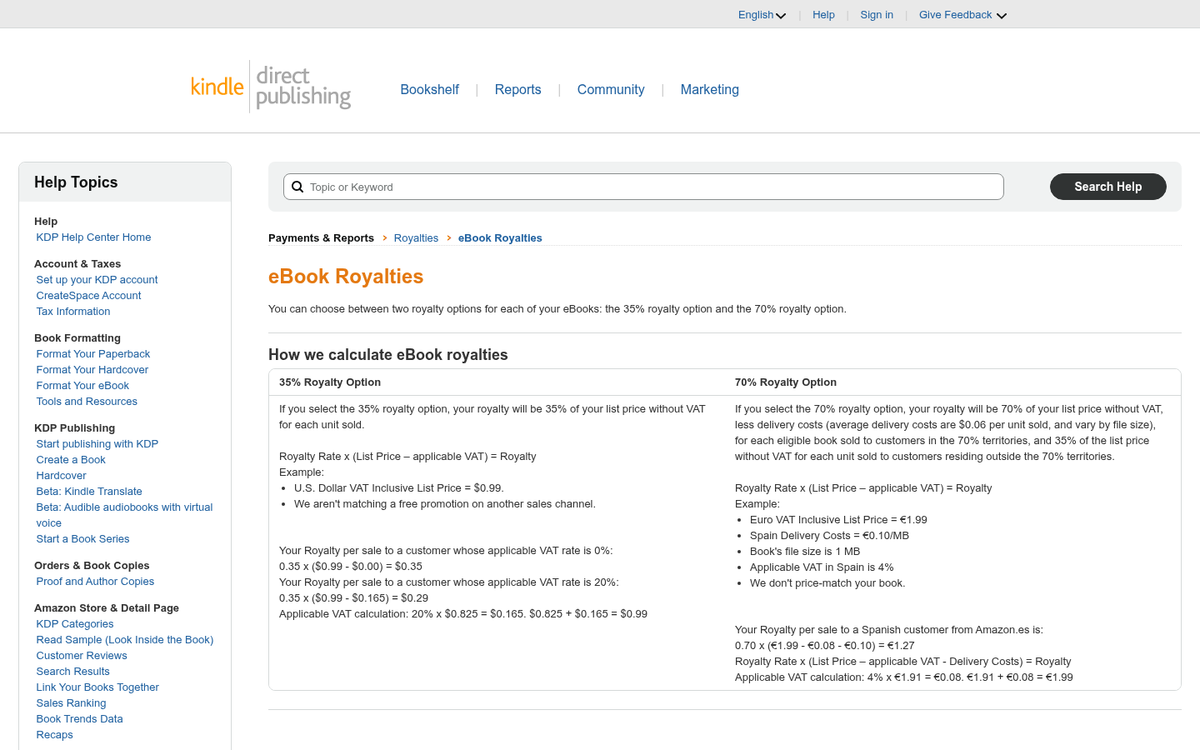
KDP's royalty structure is straightforward but worth understanding before you set your price. The 70% royalty tier is available for books priced between $2.99 and $9.99. Price outside that range - either lower or higher - and you drop to a 35% royalty, which applies to prices between $0.99 and $200.
Most successful indie authors aim for the 70% window. Tristan King priced his book at $7.99 before his free promotion, which sits comfortably in that range. For most non-fiction ebooks, $3.99 to $7.99 tends to be the sweet spot: high enough to signal value, low enough to reduce purchase hesitation. If you're struggling with sales, there are several reasons your eBook might not be getting enough sales beyond just pricing.
If you're launching a series or building an audience, consider pricing the first book at $0.99 or making it permafree to drive volume. Just know that you'll be in the 35% royalty tier, so the goal there is discoverability and list-building, not revenue on that specific title.
3. Get a Professional Cover

I get it. Graphic designers aren't cheap. But skipping a professional cover is one of the most common and costly mistakes new authors make. A self-assembled cover signals to browsers exactly what it is, and it gets scrolled past.
Here's the good news: a professional cover doesn't have to be expensive. Fiverr and Reedsy both have designers who specialize specifically in book covers and know the genre conventions cold. You're not going to get away with the base $5 tier, but you can get a genuinely strong cover for $50-$150, which you make back quickly with even modest sales. If you want to drive more eyes to your listing in the first place, it's worth learning how to increase your Fiverr sales as well.
For reference, KDP's current cover image guidelines are available directly on the KDP help page. Most experienced designers will already know the specs, but verify before you finalize anything. A self-assembled cover signals to browsers exactly what it is, and it gets scrolled past.
4. Hype the Book Before Publication
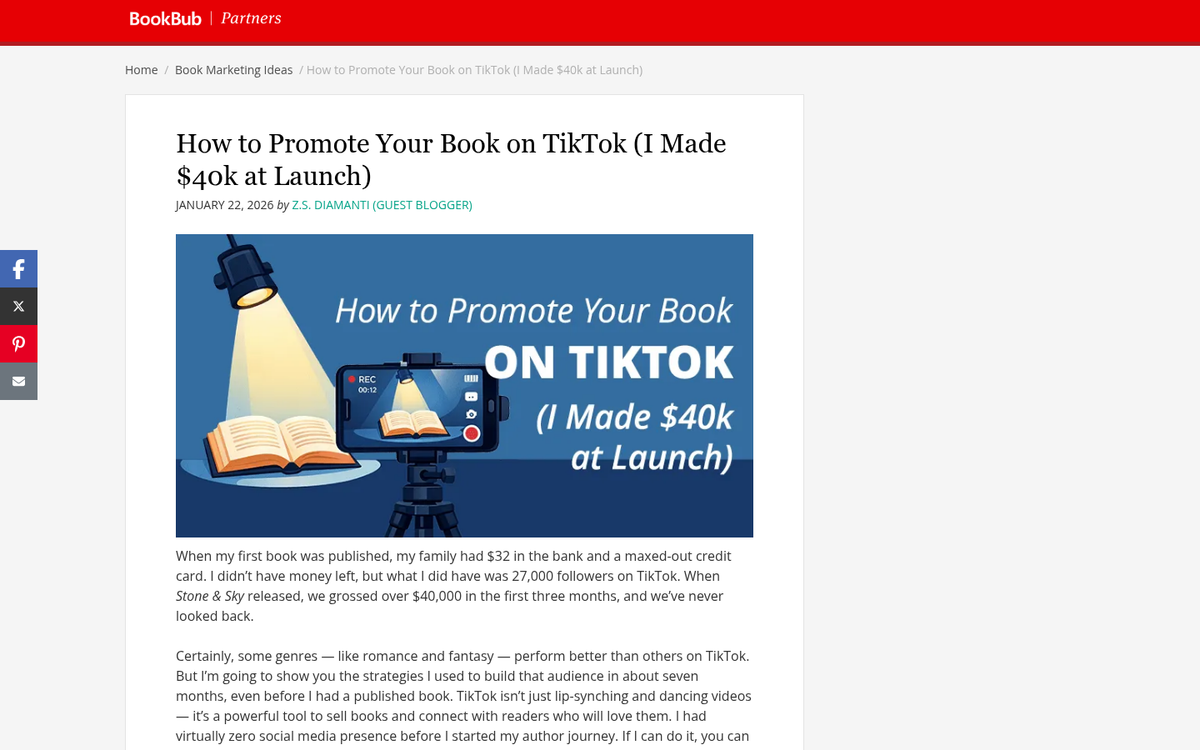
A pre-launch promotion sequence is surprisingly easy to build and makes a significant difference on launch day. Start by dropping hints that you're working on a book. When you publish blog posts or social content that touches on topics in the book, mention that you're going deeper on that subject in the book itself.
As publication approaches, start building more deliberate hype. Send advance reader copies (ARCs) to influencers and ask for their honest feedback. Share positive quotes when you get them. Use a landing page to capture email addresses from people who want to be notified at launch. Short-form video on TikTok and Instagram Reels has become one of the most effective pre-launch tools for authors - BookTok in particular has an audience that genuinely moves units.
On launch day, email your list, notify your influencer contacts, post across your social channels, and push as hard as you can in that first 48-hour window. Early momentum feeds the algorithm.
5. Get Legitimate Reviews Early

Reviews remain one of the most important ranking and conversion factors on Amazon. A book with a handful of strong, credible reviews converts dramatically better than one with none.
The most effective strategy is to send advance copies to a handful of trusted readers or influencers before launch, with an explicit ask that they post a review when the book goes live. This gives you social proof from the first day your book is available.
What you absolutely should not do is buy reviews. Amazon has become increasingly aggressive about detecting and removing fake reviews, and the penalties - including account suspension - are severe. Beyond the risk, most readers can spot purchased reviews instantly. Overly enthusiastic language, reviews posted the day of launch from accounts with no history, disconnects between the review and the actual content - these red flags destroy trust in all your reviews, including the legitimate ones. If you want to build your review count the right way, there are legitimate ways to get more reviews on your Amazon products without risking your account.
6. Consider a Free Launch Window
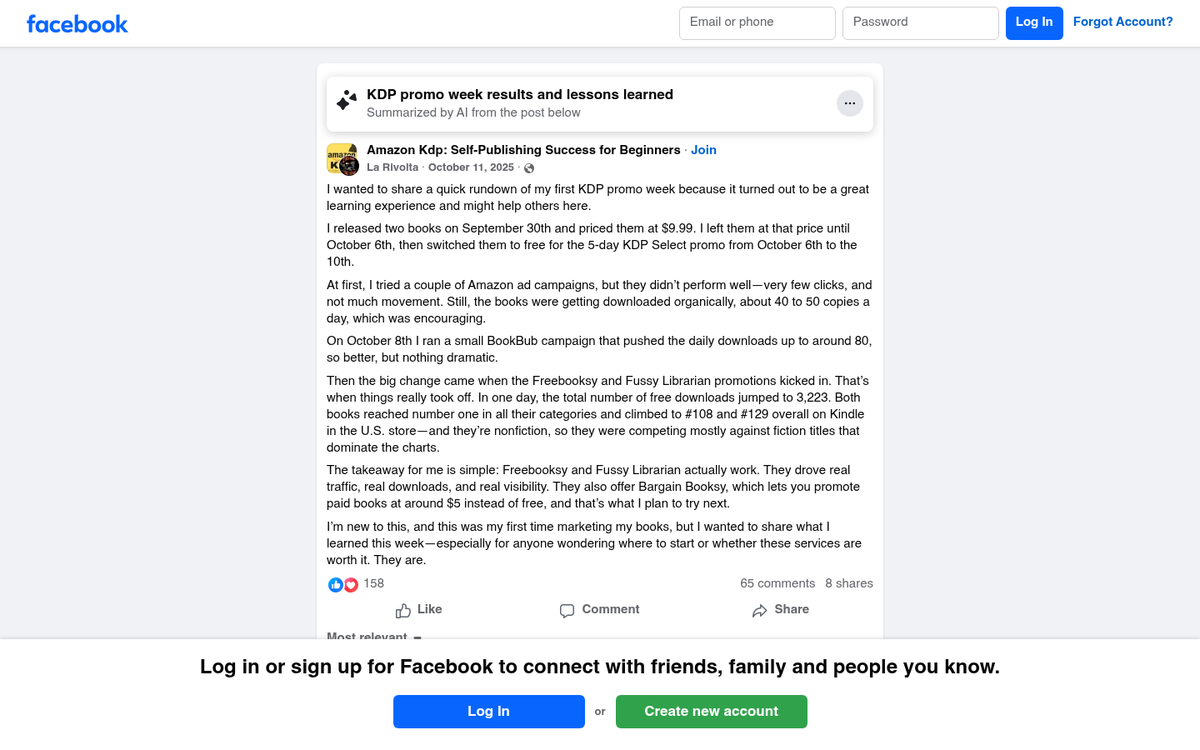
One strategy that has proven effective, especially for first-time authors, is offering the book for free for the first 24 hours after publication. Promote this window in advance so people know it's coming. The volume of downloads you can generate in that window creates early momentum, jump-starts your review count, and signals activity to Amazon's algorithm.
The numbers back this up: Tristan King's 24-hour free promotion generated more downloads than six weeks of regular sales had. The week after the promotion, paid sales increased by 600%.
Once you've published multiple books, consider setting an older title to permafree to serve as a permanent entry point to your catalog. Make sure it's genuinely good - it's the first impression for a lot of new readers. To get the word out, you might also look into paid promotion services or explore techniques to promote a sale on your website during your launch window.
7. Hold Content Contests
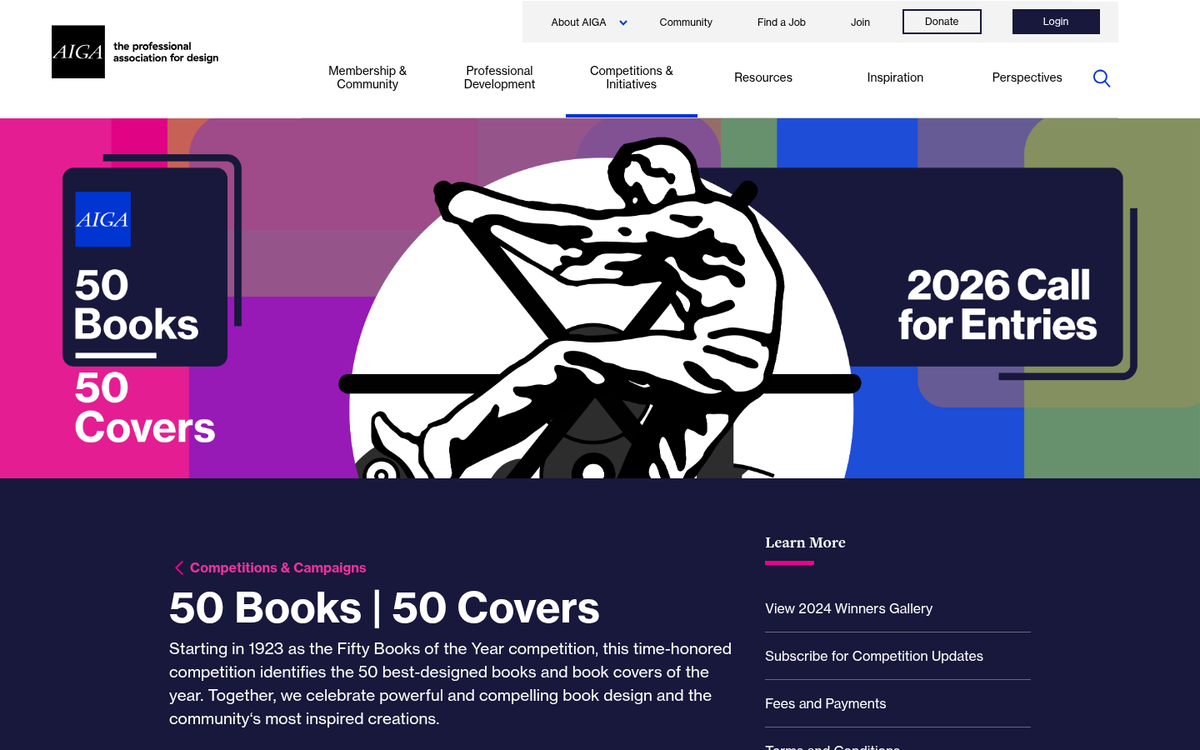
One contest format I like involves sharing a few details about the book - genre, protagonist, setting, general premise - without spoiling the story, and asking your audience to submit a mock cover or a guess at the title. The engagement you generate creates organic buzz, and the submissions themselves make for good social content.
If you want to go deeper, consider a puzzle or code-based campaign where clues reveal elements of the book over time. The closer you can get to an ARG (alternate reality game), the more invested your audience becomes before the book even drops.
8. Run Paid Advertising
Paid ads are worth including here, but not just for the obvious reason. Beyond reaching new readers directly, there's a more strategic use: running a modest volume of conversion-focused ads to keep your daily sales consistently above the average for your genre. This sustained above-average activity signals Amazon's algorithm to promote your book more aggressively in search and recommendations.
You don't need a sudden spike. You need slow, steady, above-average performance over several days.
Amazon Ads (formerly AMS) should be your first stop since they allow you to advertise directly within Amazon's ecosystem. Facebook and Instagram ads can work well for certain genres too, particularly fiction with strong visual hooks.
9. Host a Virtual Book Release Event

On launch day, host a live event - a YouTube or Instagram Live, a Zoom Q&A, a Discord session, or a TikTok Live. Field questions, talk about the book, connect with your audience in real time. By showing up personally on launch day, you're doing something most authors skip entirely, and your most engaged readers will remember it.
This kind of direct connection also tends to generate social shares, which extends your reach organically at exactly the moment you need it most.
10. Build a Referral Program

Books aren't the most obvious vehicle for a referral program, but adding some light gamification to your launch campaign can drive meaningful word-of-mouth. Platforms like SparkLoop or ReferralHero make it relatively simple to set up. Even small incentives - a bonus chapter, an exclusive Q&A, early access to the next book - can motivate readers to share.
It's remarkable what people will do for something as intangible as an early-access badge or a spot on a leaderboard. Once your book is live, make sure you know what to do next after you launch to keep that momentum going.
11. Promote Widely on Social Media
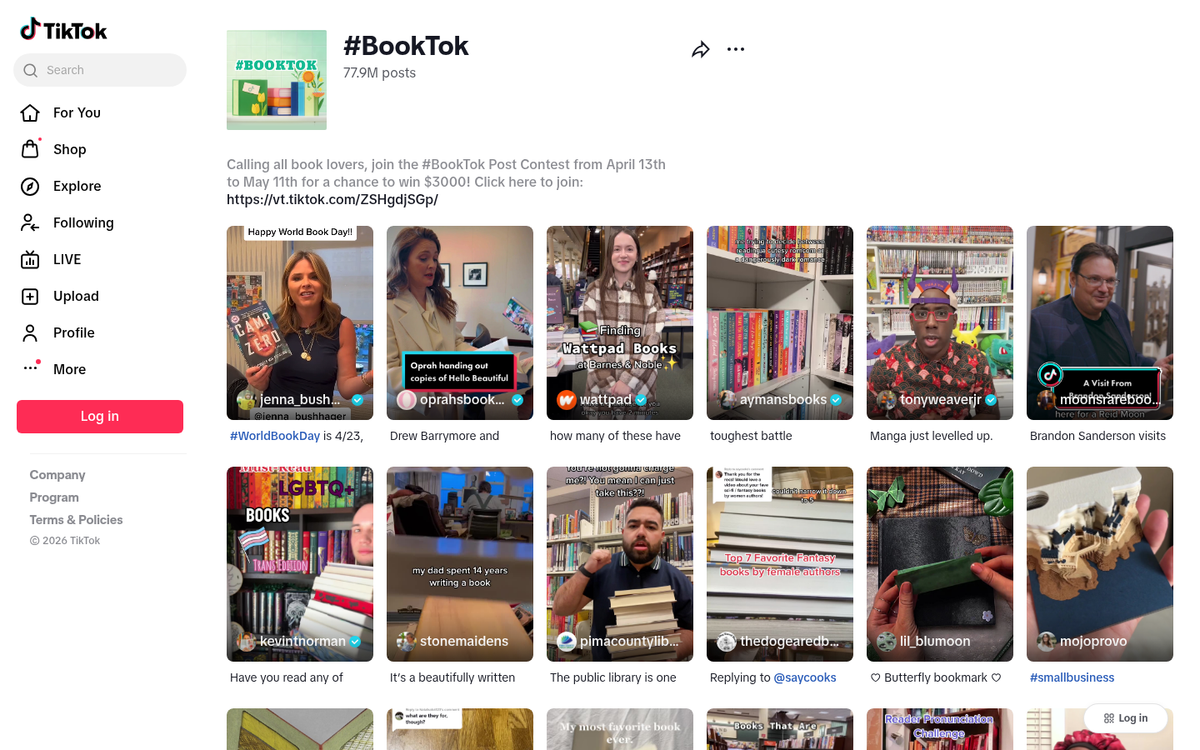
Social media remains essential, but the platforms that matter most have shifted. BookTok (TikTok's book community) is now one of the most powerful organic discovery channels for authors, capable of moving thousands of copies when a video connects. Short reading clips, "reasons to read" videos, and author personality content all perform well there.
Reddit is still valuable - an AMA or Q&A on a relevant subreddit can generate real interest. Instagram works well for visual content and behind-the-scenes material. X (formerly Twitter) has a smaller but still active writing and publishing community. Meet your audience where they already are.
12. Remind Buyers to Leave a Review

There's no direct way to message buyers through Amazon, but if you've captured them on your mailing list or can reach them through social channels, send a follow-up email a week or two after launch asking for a review. Keep it short and genuine.
Most satisfied readers simply forget to leave reviews unless prompted. A single email reminder, sent at the right moment, can meaningfully increase your review count and improve your book's long-term conversion rate.
13. Continue Promoting Through Your Site
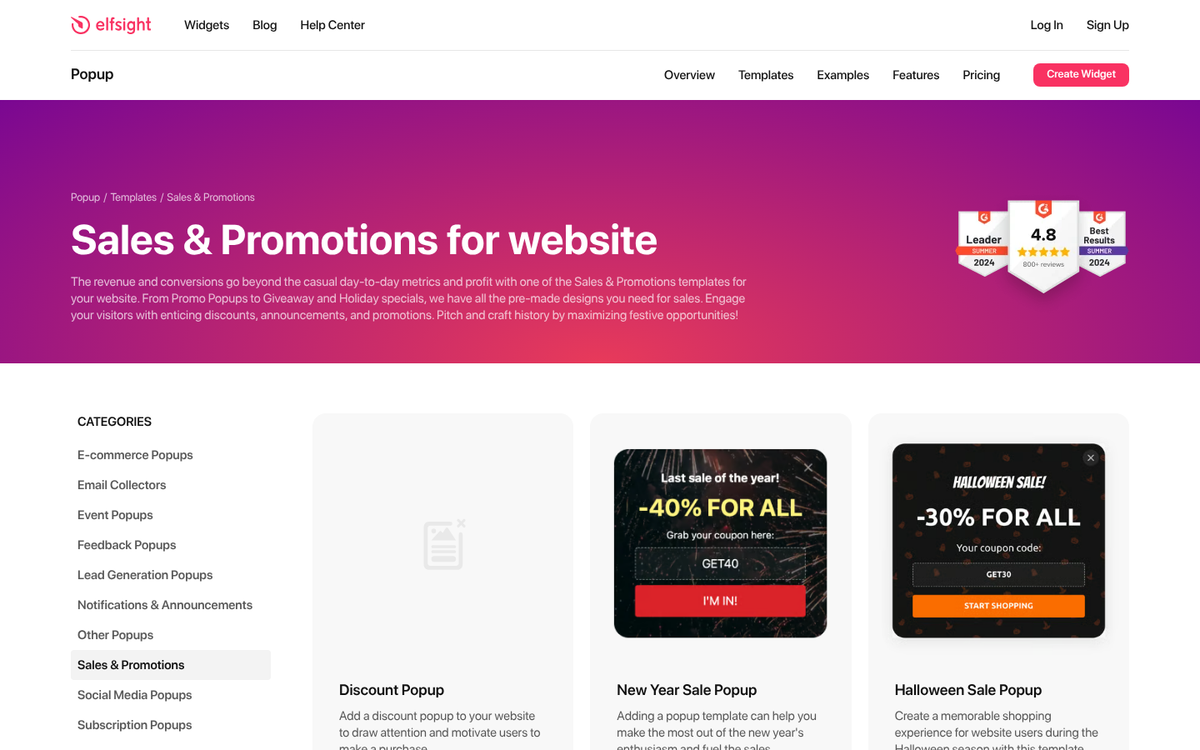
Your website should be doing ongoing work to promote your book even when you're not actively running a campaign. An exit-intent popup, a sticky header bar, or a slide-in widget can all keep your book visible to new visitors without being obnoxious. The key is restraint - pick one or two placements and make them count rather than layering every option on top of each other.
14. Use Book Promotion Sites
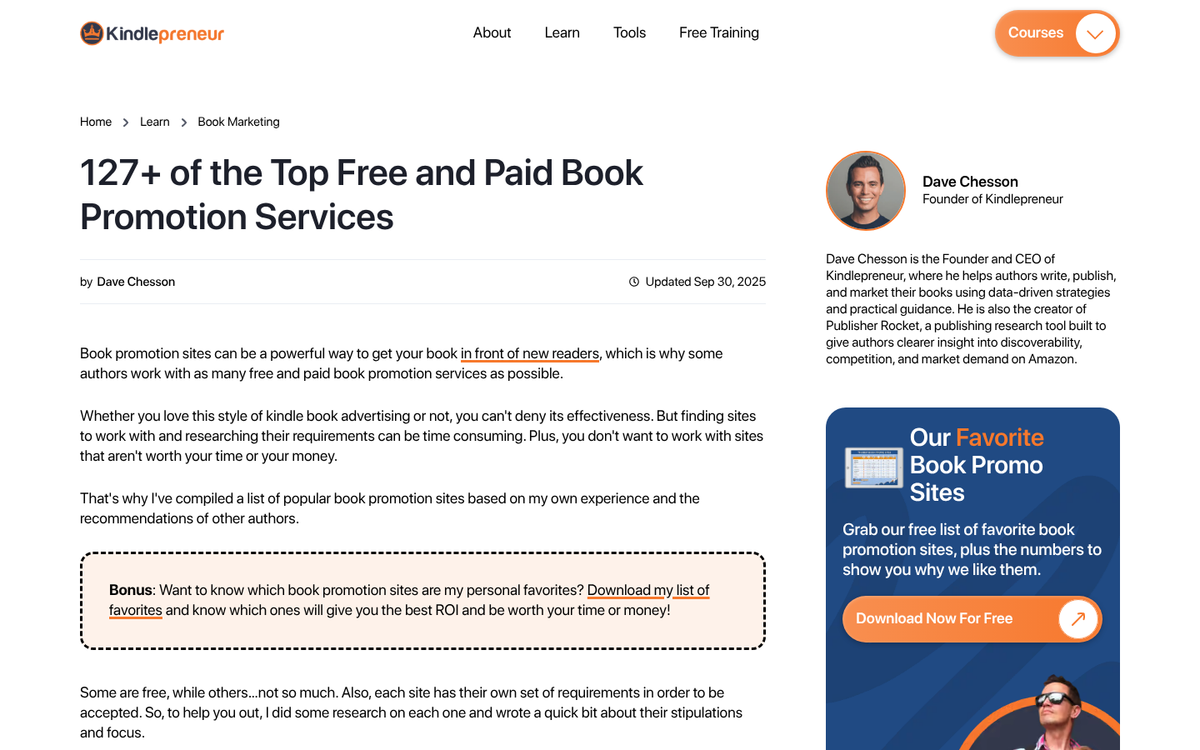
There are a number of book promotion networks worth exploring. These range from dedicated book broadcasting platforms to newsletter operators who sell advertising space to authors. Getting in front of an established newsletter audience can be genuinely effective, particularly for genre fiction and niche non-fiction.
The trade-offs are real: some charge listing fees, and most will use their own affiliate links for your book rather than yours. But the exposure can be worth it. If you're concerned about how those links might affect your standing, it's worth understanding whether Google penalizes sites that have affiliate links.
A regularly updated list of promotion sites is available at Kindlepreneur. Be selective - focus on sites that match your genre and have a reputation for quality rather than volume.
15. Track Everything and Refine for the Next One
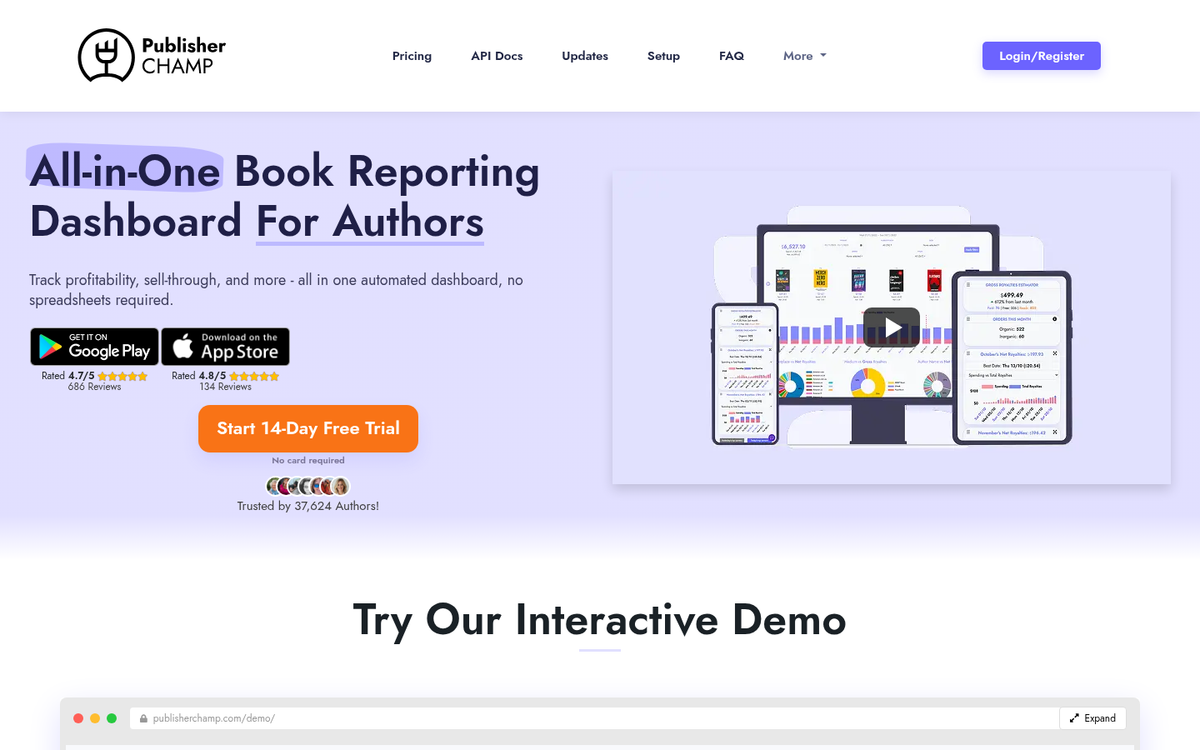
Most of these tactics are trackable. Monitor your conversion sources, watch how influencer mentions affect sales, and pay attention to which ad creative performs and which doesn't. All of that data is an investment in your next launch.
Publishing is a compounding process. Each book you release teaches you something about what works for your audience, your genre, and your promotion style. Apply those lessons, cut what didn't work, double down on what did, and your next launch will outperform this one.
The authors who build sustainable careers aren't necessarily the best writers in the room. They're the ones who treat each book as a step in a longer process and keep getting better at the whole thing.

1 response
Thoughtful replies only - we moderate for spam, AI slop, and off-topic rants.
great point! I wish I would have saw this before I published my book! Welp, i'll know better for next time!