Getting a new site off the ground is hard, but it's even harder before you make your first sale.
Up until that point, it's really a nerve-wracking guessing game. Until that first sale happens, you never know if you were wrong in choosing your niche. You second-guess yourself, you get demoralized, you might even start changing parts of your site in a desperate plea for attention.
That's why I'm stepping in. I'm going to give you a bunch of ideas and techniques for making your first sale, so at least you have proof of concept. If nothing else, you'll be able to gauge the potential success of your site based on how readily you're able to convert these ideas into reality.
Key Takeaways
- Send free samples to niche influencers early; 53% of established merchants cited word of mouth as their top year-one growth strategy.
- Prioritize free delivery, discounts, and reviews - the three biggest online purchase drivers - before spending money on paid ads.
- Run a contest using tools like Gleam to quickly build your email list, social following, and brand awareness simultaneously.
- Organic search converts at around 16%, making early SEO investment - especially long-tail, buying-intent keywords - highly valuable long-term.
- Set up retargeting pixels immediately; 75% of conversions happen within 24 hours, and cart abandonment averages 70% globally.
1. Free Samples
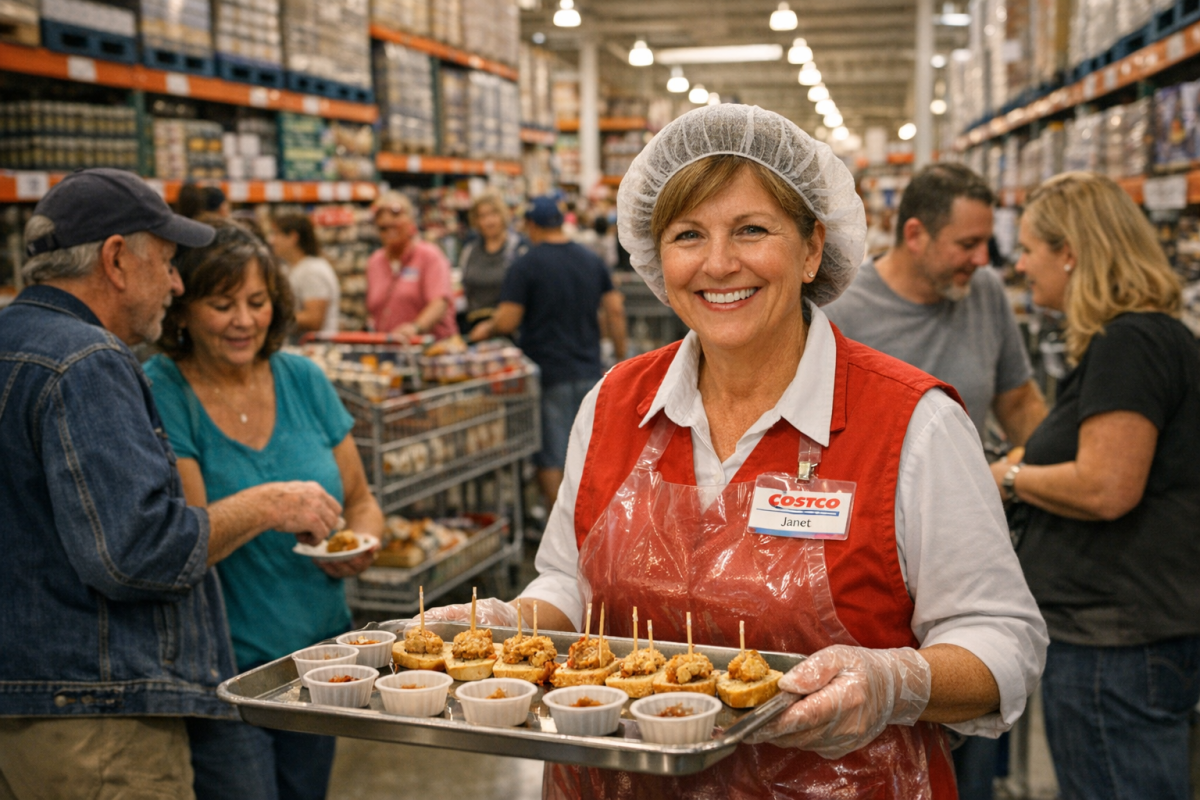
Ever been to a Sam's Club or Costco on a Saturday afternoon? These big box stores love to offer free samples, and for good reason. There's no guilt in trying something free, and if you like it, you might just buy it. You're already in a buying mood, so a positive experience can easily tip the scales. The store moves product it otherwise wouldn't have sold.
The way to do this online is to first build a list of influencers in your niche. This list will come in handy for several steps ahead, so it's worth the effort. Send out free trials or samples to those influencers when your site launches, and ask for honest opinions, testimonials, or even a mention in their content. If you're lucky, you'll get some positive press. If you're really lucky, a sale or two will follow.
Word of mouth remains one of the most powerful growth drivers out there. In a Shopify survey of established merchants, 53% cited word of mouth as their top year-one growth strategy. Getting a respected voice in your space to vouch for your product early on can kickstart exactly that.
2. Nail Your Offer Before You Spend a Dime on Ads
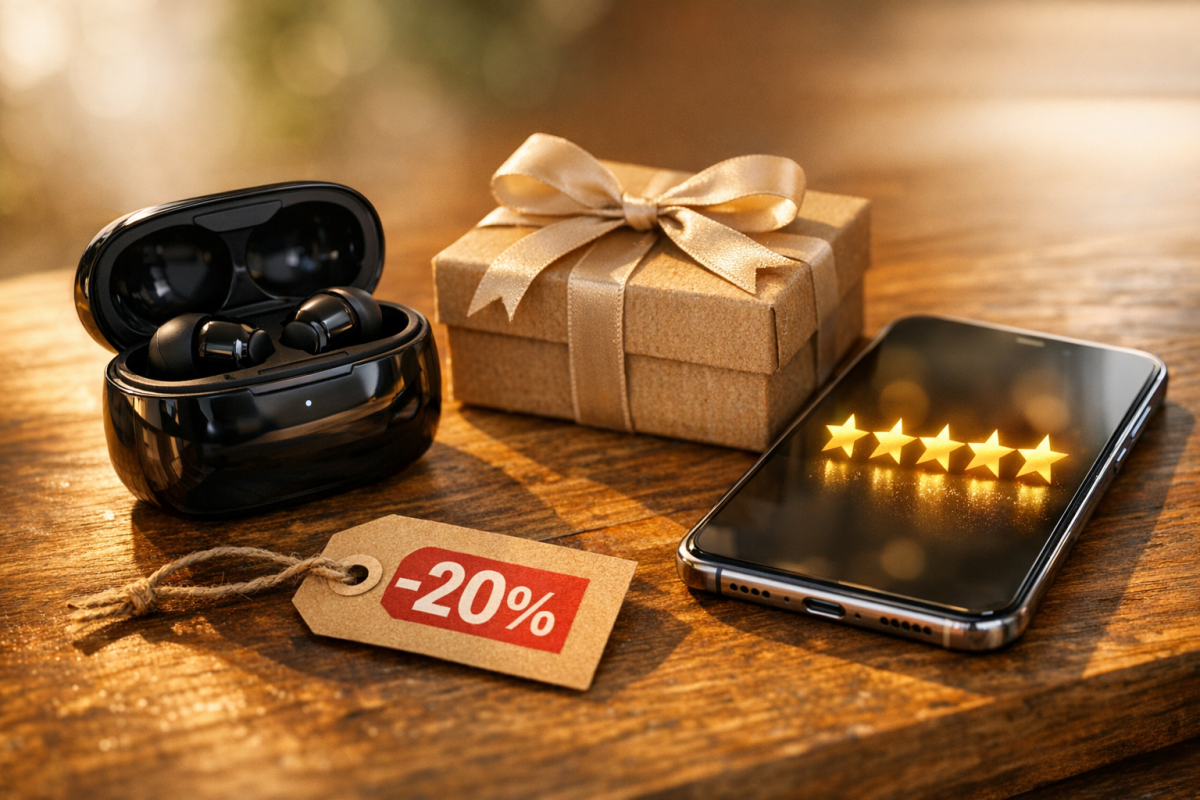
Before you even think about paid traffic, make sure your offer is compelling. According to DataReportal, the top three online purchase drivers are free delivery (50.5%), coupons or discounts (39.1%), and customer reviews (32.1%). If your new site is missing all three, you're fighting uphill.
Free shipping is often a dealbreaker. If your margins allow it, build it into your pricing. If they don't, consider offering it as a threshold incentive - "Free shipping on orders over $X" - which also has the added benefit of increasing average order value. Pair this with a launch discount and you've got a low-friction path to that first conversion.
Reviews are harder to get when you're brand new, but not impossible. If you sent out free samples to influencers or early customers, follow up and ask them to leave a review. Even two or three honest reviews on your product page can dramatically reduce hesitation for a first-time buyer. For more on how to get customers to leave reviews, it's worth studying strategies that work across multiple platforms.
3. Run an Introductory Contest
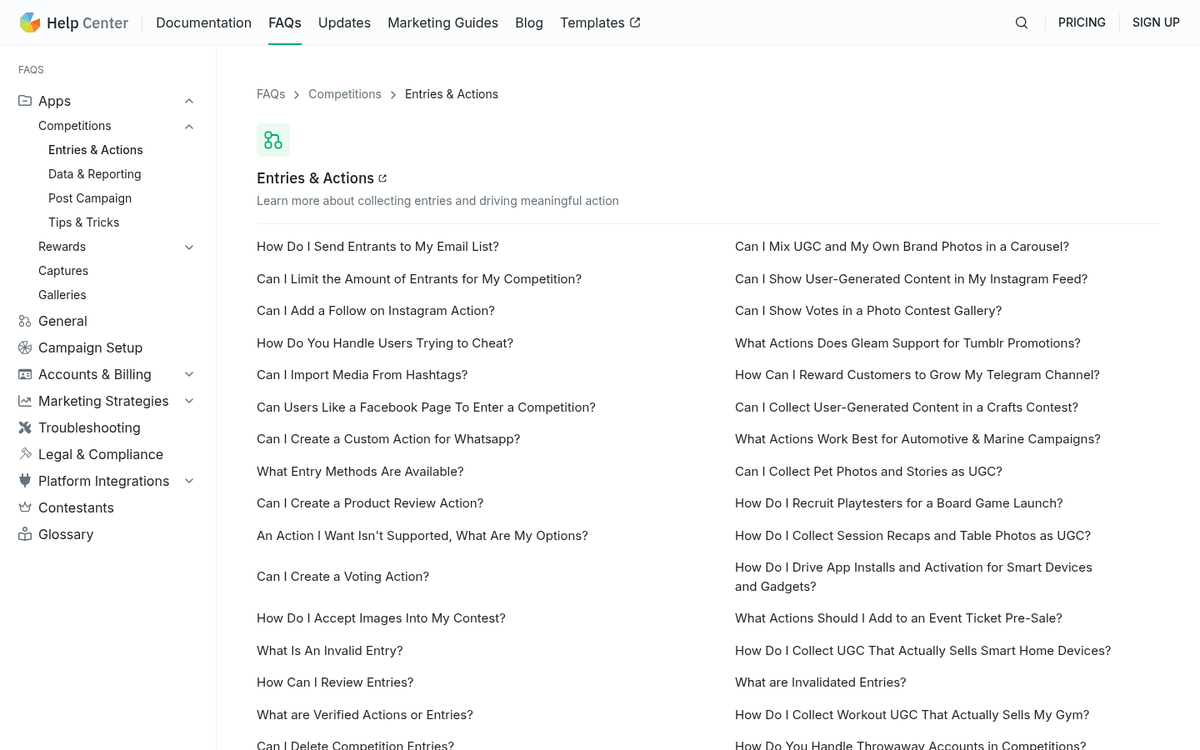
Contests are great for launching a new site because they can build hype quickly. Tools like Gleam or Vyper let you set up giveaways with multiple entry methods - following your social accounts, joining your email list, sharing a post, visiting a page, and more. Each action earns entries, like raffle tickets, so users can participate at whatever level they're comfortable with.
The beauty of this format is that every entry method does something useful for your business. Someone might only follow your Instagram and earn two entries. Someone else might go through the whole list and earn fifteen. Either way, you walk away with a bigger mailing list, more social followers, and broader awareness of your product - all before you've spent serious money on ads.
Combine your giveaway with a small paid push to amplify the reach. Even a modest budget behind a well-targeted post can dramatically accelerate how fast that initial audience grows. Not sure what to offer? Check out our list of cool prizes you can give away in a contest to get inspired.
4. Invest in SEO Early
It won't get you your first sale tomorrow, but organic search is the highest-converting channel available to you. Invesp, tracking data from over 300 websites, found that organic search leads all channels with a conversion rate of around 16% - far ahead of most paid channels. Building even a small foundation of optimized content in the early days of your site pays compounding dividends over time.
Focus on long-tail keywords with clear buying intent. Someone searching "best lightweight running shoes for flat feet under $100" is a lot closer to a purchase than someone searching "running shoes." Write content that answers real questions your target customers are already asking, and make sure your product pages are properly optimized too - not just your blog. Tools like Long Tail Pro can help you find those high-intent, low-competition keywords that are actually worth targeting when you're just starting out.
5. Use Paid Ads - But Target Carefully
Paid ads can work well for a new site, but they can also burn through your budget fast if you're not careful. PPC landing pages average a conversion rate of just 2.35%, though the top 10% of campaigns achieve 11.45% or higher. The difference almost always comes down to targeting and offer quality, not just ad spend.
In 2026, your main options are Google Search Ads, Meta (Facebook and Instagram), and TikTok depending on your audience. Meta remains strong for visual products and impulse buys, especially with lookalike audiences built from your existing customer or email list. Google Search Ads are better when you're targeting people who already know they want what you're selling. It's also worth understanding why Google Ads sometimes exceed your set daily budget so you're not caught off guard.
One important stat to keep in mind: 75% of all conversions happen within 24 hours of the initial visit. That means retargeting matters enormously. If someone visits your site and doesn't buy, a well-timed retargeting ad in the hours that follow is often what closes the deal. Using Facebook retargeting for traffic generation is one approach worth exploring. Set up your tracking pixel or tag early so you're not leaving that opportunity on the table - and if you're unsure about setup, learn whether you can use multiple conversion tracking pixels on a page.
Also worth noting: Baymard Institute's analysis found that cart abandonment averages 70.19% globally. An abandoned cart email sequence - ideally triggered within the first hour - is one of the easiest wins a new store can implement and directly addresses this. Make sure you also have the right shopping cart plugins in place to support a smooth checkout experience.
6. Make Content Worth Sharing
You can't manufacture virality, but you can create the conditions for it. Whether it's a short-form video on TikTok or Instagram Reels, a compelling behind-the-scenes look at how your product is made, or a genuinely funny or emotional piece of content - the goal is to create something people actually want to share.
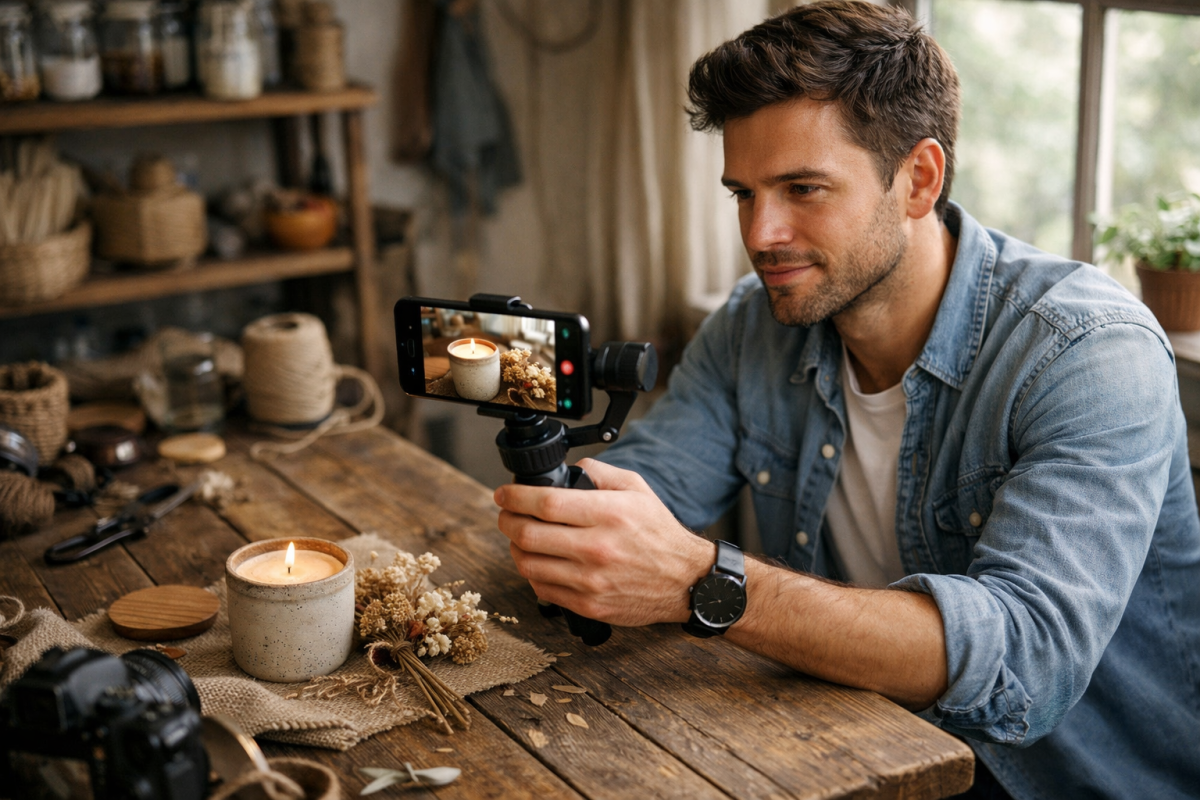
Dollar Shave Club's early videos are still the textbook example here. They were confident, clear, and entertaining. They didn't just explain the product - they made you feel something about it. You don't need a big production budget to pull this off. In 2026, some of the best-performing content is shot on a phone. What matters is authenticity and a clear point of view.
If video isn't your strong suit, that's fine. Find the format that fits your brand and your own strengths, and invest in doing it well. The goal is simply to create content that introduces your product to people who've never heard of you - and makes them curious enough to click. For inspiration on what great video content looks like, check out some of the best explainer video examples for marketing, or if you're ready to invest in ads, learn how to get a custom video made for YouTube ads.