Key Takeaways
- Long Tail Pro costs $37/month with no lifetime option, though a low-cost trial period reduces initial commitment risk.
- Core features include generating 400+ keyword variations from seed keywords and a proprietary Keyword Competitiveness (KC) score.
- LTP requires user-provided seed keywords to function; it's a research accelerator, not automated intelligence.
- AppSumo users rate Long Tail Pro just 2.32 out of 5, citing data accuracy and poor value versus competitors.
- Competing tools like Ahrefs and Semrush offer comparable difficulty metrics plus broader feature sets, making LTP harder to justify.
If you're running a site, you're going to encounter the phrase "keyword research" all over the place. While I'm not a fan of keyword density and keyword utilization strategies- even I can't deny the need for keyword research on a blog- it's what guides your choice of topics, it's what helps you find lower competition niches, and it's how you can scrape and claw out incremental benefits over your competitors.
And in 2026, keyword research has never been more tough - or more important. With AI-generated content flooding search results and Google continuing to change how it ranks pages, finding the right keywords to target is harder than ever. Tools like Long Tail Pro attempt to smooth along that process. But the question remains: is it still worth it?
Any time you're researching tools to help with keyword research, one name you're going to see is Long Tail Pro. Originally released in 2011 by Spencer Haws, LTP was sold in 2016 and later acquired in 2021 by a team of SEO pros- it has evolved from a desktop application into a cloud-based platform. However, like all marketing tools, one should be skeptical. Does a tool actually save you time and money? Or is it just a scam, designed to make you think you're getting value when you're just wasting time?
Where to Find Long Tail Pro
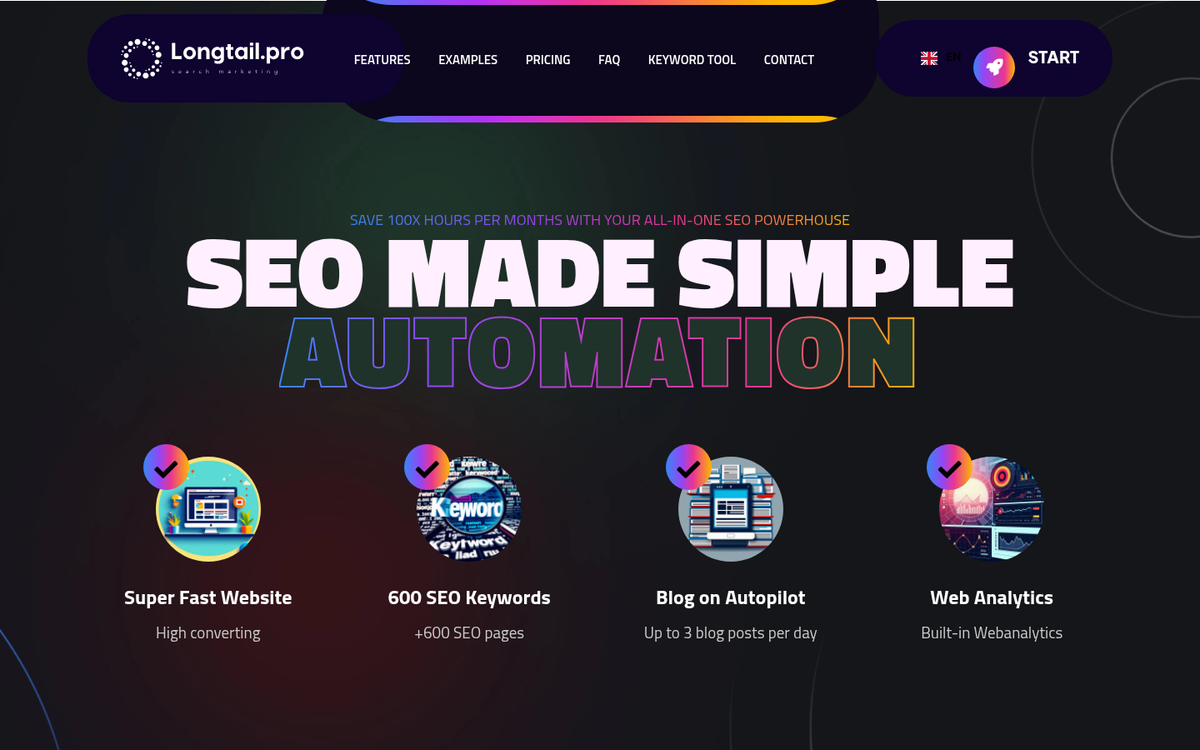
Long Tail Pro can be found at their website. As you might expect, most of the links you'll find online are affiliate links from marketers looking to make a quick dollar from other marketers.
Pricing starts at $37.00 per month, with a free trial available to get started. One G2 reviewer mentioned a trial period of $8 for 8 days, which gives you a low-risk way to review if the tool fits your workflow before committing to a subscription. There is no longer a one-time lifetime fee option, so standard subscription costs are something to factor into your budget.
The Features of Long Tail Pro
Looking at the Long Tail Pro platform, the core feature set centers around keyword discovery and competitive analysis. At the top, obviously enough, is keyword research. The application takes a seed keyword and can generate over 400 keyword variations from a single input. Not all of those variations are going to be worthwhile. But volume matters in the early stages of keyword research - the second step is always narrowing your list down.
The second feature is competitive analysis. When you plug in a seed keyword, Long Tail Pro scrapes the top search results and analyzes them, and it gives data on:
- Page meta information, including the URL, title, and meta description.
- Domain and page authority metrics pulled from third-party data sources.
- Backlink counts, domain age, and their proprietary Keyword Competitiveness (KC) score.
The Long Tail Pro Keyword Competitiveness (KC) score ranges from 0 to 100. A score in the upper range indicates very competitive territory dominated by authoritative sites. A lower score signals an opportunity where newer or smaller sites may be able to rank with quality content. Most basic targets for growing sites fall somewhere in the middle of that range.
KC is a per-keyword metric, which means one site might dominate one keyword while a closely related keyword remains wide open. That gap is your opportunity.
Additional features include real-time filtering by CPC, search volume, rank value, and competition level. You can also add notes to keywords inside the interface to flag promising targets, and you can export your data to a spreadsheet for more analysis outside the tool.
Keyword Research with Long Tail Pro in the Age of AI
To generate keywords in Long Tail Pro, you still need to have seed keywords. You need to input what is known as a seed keyword - a core term relevant to your site or industry - and let the tool expand from there.
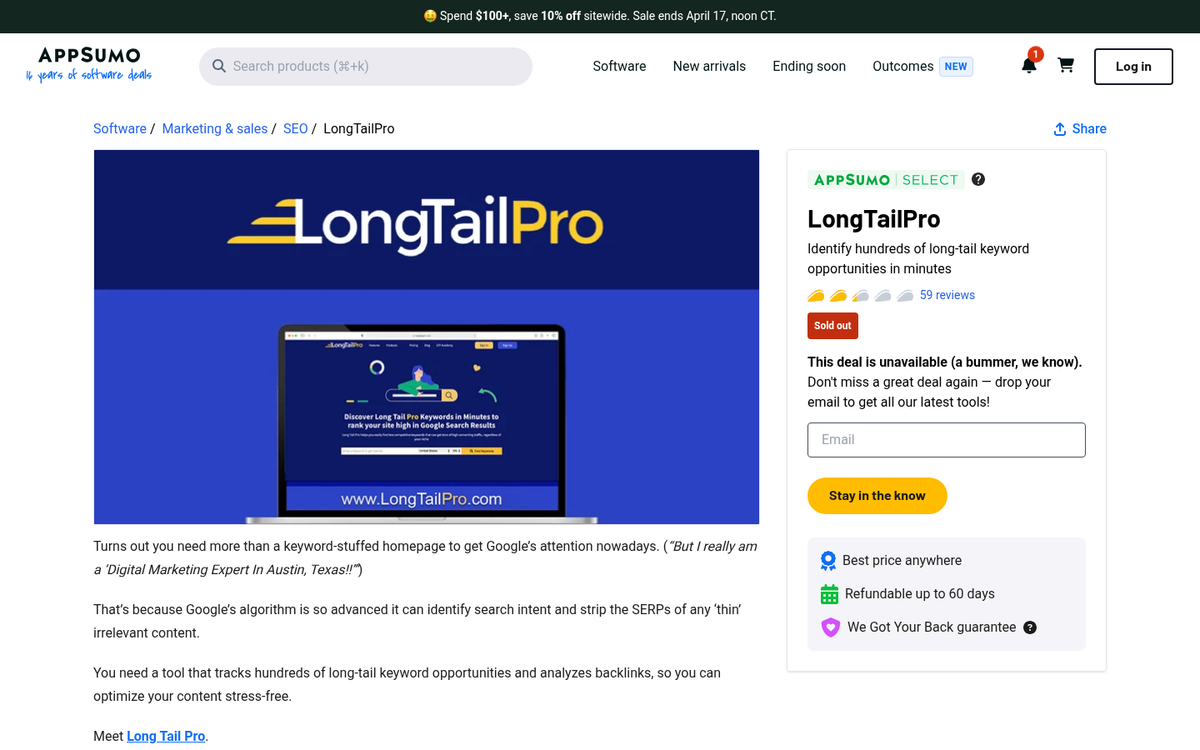
In 2026, this workflow remains helpful. But it's worth acknowledging the wider landscape. AI tools like ChatGPT, Gemini, and purpose-built SEO AI tools have added new ways to brainstorm and cluster keywords, sometimes at no cost. That said, Long Tail Pro's value is in combining keyword generation with competitive data in one location, instead of forcing you to jump between multiple tools.
While LTP is a capable suggestion engine, you still need to come in with foundational ideas before the tool can do its job- it's not automated intelligence - it's a structured research accelerator. If you were hoping something would automatically surface the best opportunities for your site with zero input, then you'll want to supplement it with other tools.
Competition Metrics and Their Limitations
Long Tail Pro's competitive research pulls from third-party data to calculate how tough it will be to rank for a given keyword. The KC score is their signature output from this process.
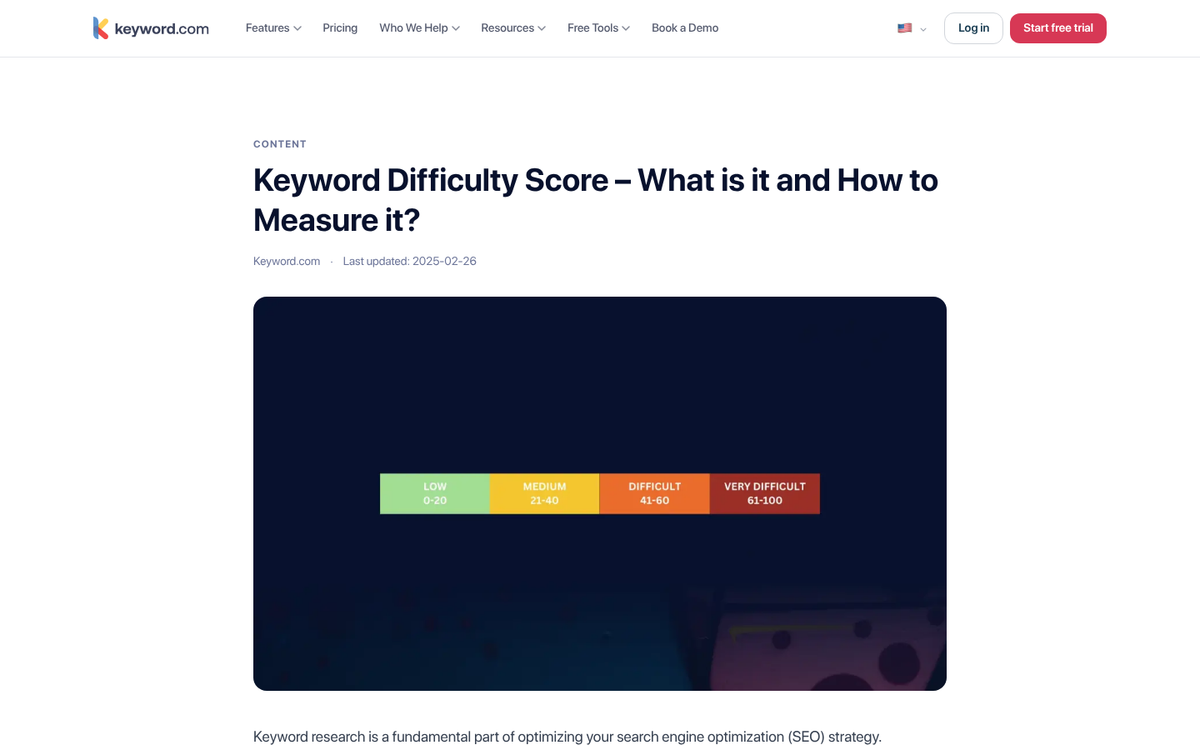
Moz, Ahrefs, and Semrush all give you comparable difficulty metrics as part of much wider toolsets. Semrush in particular has grown in popularity and has a number of features beyond keyword research. These tools for advanced content marketers cost more. But they give you substantially more data depth if your needs go beyond keyword discovery alone.
The honest limitation of any difficulty metric - like Long Tail Pro's KC score - is that it relies on available public data. Sites with thin backlink profiles or limited crawl data can produce misleading scores in either direction. Always treat any single difficulty score as one signal among many - not a definitive answer. Can blog posts rank without building links? Understanding backlink data limitations is worth exploring alongside any keyword tool you use.
What Users Are Actually Saying in 2026
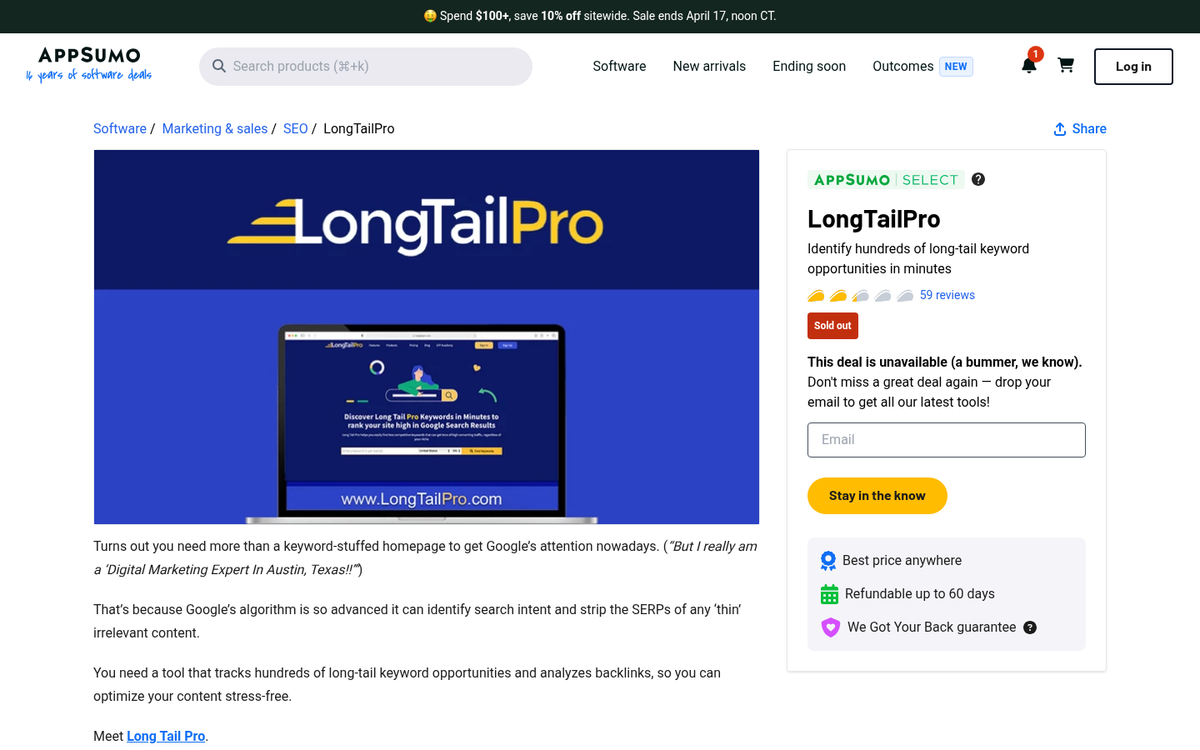
It's worth being transparent here. On AppSumo, Long Tail Pro holds a rating of 2.32 out of 5 based on 59 verified user reviews - which is especially low. Common criticisms include concerns about data accuracy, customer support responsiveness, and the value relative to competing tools that have matured.
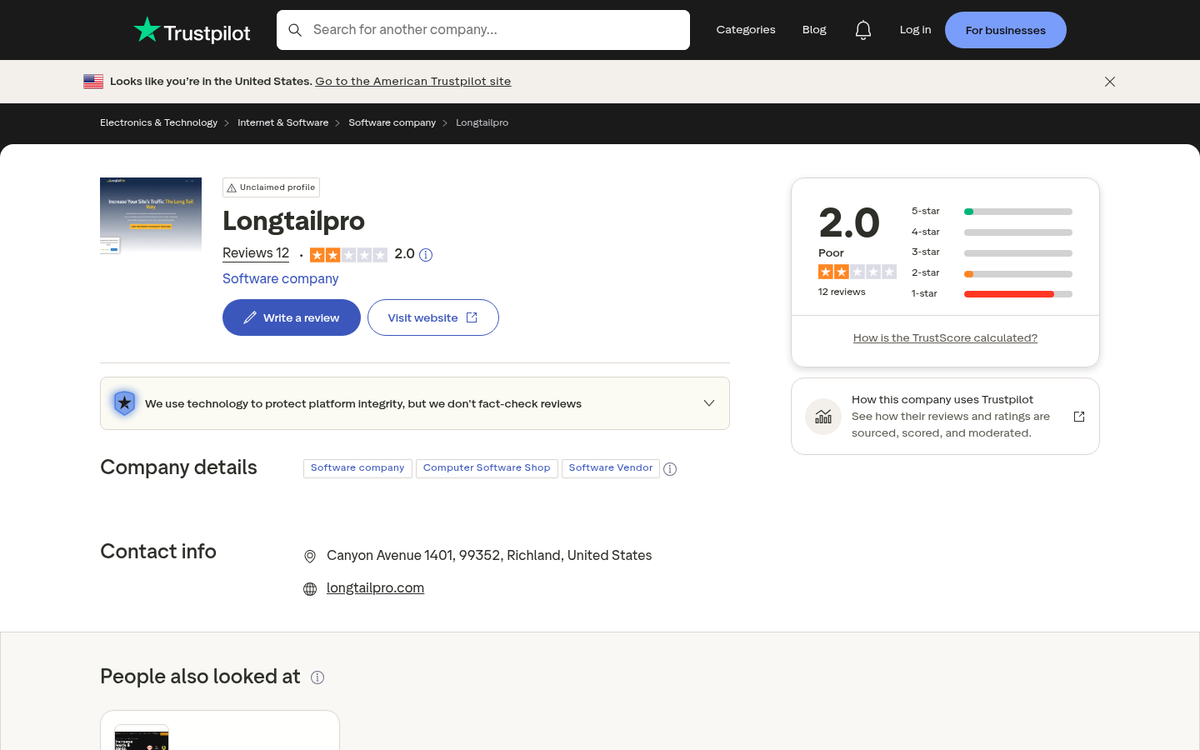
This doesn't make Long Tail Pro useless. But it does suggest that the tool might not be the dominant choice it once was. The SEO tool community in 2026 is crowded with strong competitors, and users have high expectations.
A Verdict
There's still something to like about Long Tail Pro, primarily in the fact that it consolidates keyword generation and competitive analysis into a single interface. For those just starting with keyword research who want a focused, reasonably easy tool, it has a lower learning curve than enterprise tools like Ahrefs or Semrush.
It's also safe to use from an SEO standpoint. You're not going to put your site at risk with a keyword research tool. The only way to harm your rankings is to incorrectly use the keywords in your content marketing strategy.
That said, the drawbacks are real. The AppSumo user rating of 2.32 out of 5 is hard to ignore. At $37 per month, you're paying a standard cost for a tool that generates up to 400 keywords per seed - a number that competing tools exceed. Free and low-cost alternatives- like AI-assisted keyword brainstorming, have also eaten into the value LTP once offered.
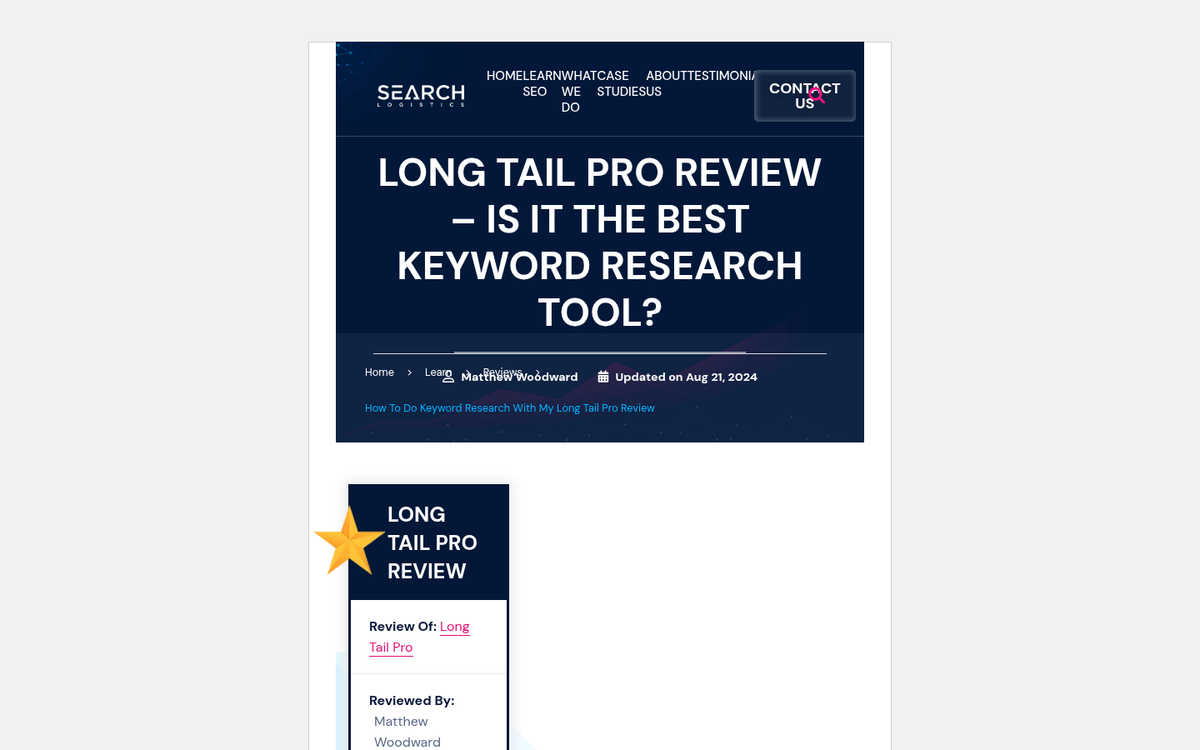
The trial period gives you a low-risk entry point. If you can take advantage of that window for a solid amount of research, export everything you generate, and then make a well-educated choice about whether to continue, that's the play. Consider pairing this with finding low-hanging fruit in your content strategy to get the most from your keyword data.
All in all, Long Tail Pro is a functional keyword research tool that has lost some ground relative to premium tools worth paying for and free AI-assisted alternatives. If you need a simple, dedicated keyword research interface and don't want to pay for a full SEO suite, it may serve you well. If you're already using a platform like Ahrefs, Semrush, or a well-configured AI tool for brainstorming, the extra expense is harder to justify.