





Let's start things off with a little education! These links all lead to specific guides on high-profile sites, all of which are designed to help you understand the art of the backlink. Read through these and you'll have a pro's knowledge on what backlinks are, how to build them, how to vet them, and what methods are risky to use. Some information will be redundant, of course, but that comes from any situation where more than one guide is trying to be the best.
- Backlinko's Definitive Guide to Link Building: One of the biggest and best guides to all things backlinks, this site and guide remain the number one reference you should always have on hand. If you haven't read it, don't even read the rest of this article. Note that Backlinko was acquired by Semrush in 2022, but the content remains excellent and regularly updated.
- Moz's Guide to Growing Popularity & Links: Part of the massive Moz beginner's guide to SEO, this chapter covers all things links and gives you a lot of insight into how Google views them. Moz continues to be one of the most trustworthy voices in the SEO industry, and this guide is kept reasonably current.
- Moz's Guide to Competitive Backlink Analysis: A detailed guide on how you can analyze the links floating around in your niche, to identify useful information such as what sites you can try to get links from, and what sites your competitors are getting links from. Still very relevant in 2026.
- Neil Patel's Guide to Link Building: Neil Patel has consolidated and updated much of his link building content on his own site after the Quicksprout era. This is a solid, regularly refreshed resource covering both foundational and advanced strategies.
- Ahrefs' Guide to Link Building: Ahrefs has become one of the most authoritative voices in SEO since this post was first written, and their link building guide is exceptionally thorough. If you're only going to read two guides on this list, make it this one and Backlinko's.
- Semrush's Link Building Guide: With Semrush now owning Backlinko and continuing to expand their content library, their own in-house link building guide has become increasingly polished and data-driven. Worth a read, especially for their coverage of modern link prospecting techniques.
- WordStream's Guide to Link Building: WordStream (now part of LocaliQ) covers a broad range of link building methods including many free techniques. A good supplementary read, particularly for those working with limited budgets.
- Search Engine Journal's Link Building Guide: SEJ has significantly expanded and updated their link building content in recent years. This is a comprehensive, up-to-date resource that covers everything from foundational concepts to 2025-era strategies, including the impact of AI-generated content on link earning.
- Moz's Guide to Identifying Link Spam: Understanding what constitutes link spam is just as important as knowing how to build good links. This guide helps you vet the sources of links coming to your site and decide what to disavow if needed.
- Ahrefs' Analysis of Tiered Link Building: Tiered link building remains a gray hat technique in 2026, and Ahrefs gives an honest, balanced look at the risks and realities of this approach. Read it with your eyes open and proceed with caution.
Key Takeaways
- Backlinko and Ahrefs are the two most essential link building guides; read these before anything else.
- Social platforms like LinkedIn, YouTube, Pinterest, and Reddit offer legitimate, valuable link building opportunities in 2026.
- Old-style directory submissions are largely dead; quality content platforms like HackerNoon, DEV Community, and Product Hunt now matter most.
- Emerging strategies like digital PR, broken link building, and converting unlinked mentions are among the most effective modern white hat techniques.
- Black hat link building methods carry significant Google penalty risks and are strongly discouraged throughout the article.
Social Networks for Valuable Links
Now let's move on to places where you can actually submit your links for some value. This first section focuses primarily on social networks - places where you can build an online presence and seed your content in a way that others can share and link to for additional value. The social landscape has shifted considerably since this post was first written, so consider this a fully updated list for 2026.
- LinkedIn: Still one of the best social platforms for link building, especially in B2B niches. LinkedIn's native article and newsletter features have matured considerably, and links placed in long-form posts and articles continue to drive real referral traffic. The platform's authority has only grown.
- Pinterest: Still highly effective for visual niches like DIY, home decor, food, and fashion. Pinterest links are dofollow from your profile and pins, which makes it more link-valuable than many other social platforms. Works especially well alongside infographic campaigns.
- Reddit: Reddit's importance has grown dramatically in recent years, partly because Google has been surfacing Reddit threads prominently in search results since their content licensing deal in 2024. Find the right subreddit, provide genuine value, and you can earn significant visibility. Spam is detected quickly and banned mercilessly, so play it straight.
- Threads: Meta's Twitter/X alternative launched in 2023 and has grown into a legitimate platform for content sharing and link distribution, particularly for lifestyle, tech, and marketing niches. Links in profiles are followed and the platform's growth trajectory makes it worth establishing a presence now.
- Instagram: Still popular for visual content, though link placement remains limited mostly to the bio and Stories (for accounts with sufficient following). More useful for brand building and referral traffic than direct link equity. If you're going to use it, commit to high-quality imagery and a consistent posting schedule.
- YouTube: Owned by Google, YouTube descriptions offer dofollow links and the platform itself is the second largest search engine in the world. Converting your blog content into video form and linking back to related posts in descriptions is one of the highest-ROI link building moves available in 2026.
- Medium: A clean, well-respected publishing platform that allows you to republish or create original content with links back to your main site. Medium posts rank in Google on their own, giving you a second shot at visibility for topics where your main site doesn't rank yet. Use canonical tags or original content to avoid duplicate content issues.
- Substack: Substack has exploded in popularity and now hosts some of the most-read newsletters and blogs on the web. Publishing here gives you access to a large built-in discovery network, and embedded links carry real referral traffic. Also a great place to build relationships with other writers who might link to you.
- Quora: Quora spaces and answers continue to rank well in Google, especially since the AI Overviews era has pushed more niche, human-expert content to the surface. Add genuinely helpful answers and link to deeper explanations on your own site. Links are nofollow but the referral traffic and brand exposure are real.
- Tumblr: Still alive and kicking in certain creative communities. If your niche overlaps with art, fandom, or alternative culture, Tumblr links can still circulate for years across dozens of subdomains. Niche, but worth knowing about.
High Quality Article Directories and Content Platforms
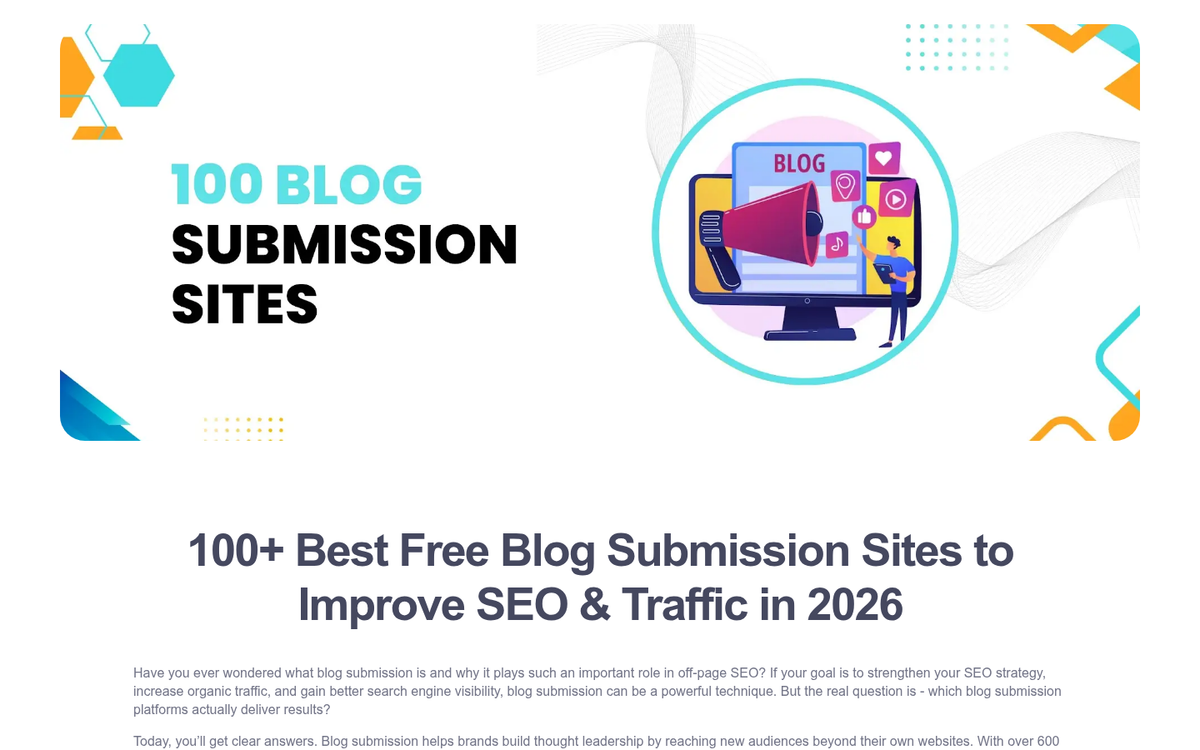
Directory submission as it existed in the early days of SEO is largely dead - most of the old-school directories were either penalized by Google or simply faded into irrelevance. However, there are still high-quality content platforms and curated communities where submitting your content provides genuine value. The goal here is quality over quantity, and these are the sites worth your time in 2026. If you're wondering whether directory submissions are worth the effort, the answer depends heavily on where you submit.
- GrowthHackers: Still active and still a solid community for marketers, growth professionals, and SaaS founders. If your content is focused on growth, marketing, or business strategy, this community will engage with it and share it.
- Indie Hackers: A thriving community for entrepreneurs, bootstrappers, and SaaS founders. Sharing case studies, growth stories, and data-backed posts here consistently earns engagement and links. One of the better content communities to have emerged in recent years.
- HackerNoon: A respected tech publishing platform that accepts contributor submissions across software, blockchain, AI, and startup topics. Getting published here earns you a link from a high-authority domain with a real, engaged readership.
- DZone: A content community for software developers and engineers. If your content is technical in nature - covering programming, DevOps, cloud infrastructure, or AI - this is one of the better places to syndicate or submit original content.
- Business Insider Contributors: Business Insider continues to accept expert contributor pieces in business, finance, and entrepreneurship. A link from here carries significant authority and can drive meaningful referral traffic.
- SelfGrowth: Still operating and still focused on personal development, business success, and lifestyle improvement. One of the more enduring niche directories. Worth a submission if your content fits the theme.
- Slashdot: Slashdot has been around since 1997 and while its heyday has passed, it remains a legitimate tech-focused community. If your content covers technology, open source, or tech policy, it still has an engaged audience that can drive traffic and secondary links.
- Product Hunt: If you're launching a tool, app, or any kind of product, Product Hunt is essential. A successful launch earns you a high-authority link, significant traffic, and exposure to an audience of early adopters who love to share and write about products they discover. You may also want to explore our list of app directories to submit your mobile app to for even broader reach.
- DEV Community: An open-source blogging platform for software developers. Publishing or cross-posting developer-focused content here earns you a link from a highly respected domain and puts your content in front of a passionate technical audience.
- Alltop: One of the few older blog directories that has maintained some level of legitimacy. It curates content from quality blogs and is still worth submitting to if you run a consistently updated site in a recognized niche. For more vetted options, see our list of free directory submission sites with high authority.
Miscellaneous Techniques
These are guides or sites for assorted techniques that don't really fall under any one category. They're generally quite good, and get you links from sources you wouldn't otherwise think to find them, but it can be very time-consuming trying to use all of them at once. Several of these have become even more powerful in the AI era of search, where original research, expert opinions, and human experience are more valued than ever.
- The Ahrefs Guide to Broken Link Building: Broken link building remains one of the most effective and sustainable white hat techniques available. Find broken links on authoritative pages in your niche, create content that replaces what was lost, and reach out to the site owner. Ahrefs' tools make the prospecting side of this significantly easier than it used to be.
- Help A Reporter Out (HARO) / Connectively: HARO rebranded to Connectively in 2023 before being shut down by Cision in early 2024. However, several strong alternatives have emerged, including Qwoted, SourceBottle, and Featured.com. The concept remains gold: connect with journalists and earn editorial links from high-authority publications by contributing expert quotes and insights.
- Converting Blog Posts to Podcasts: Podcasting has exploded since this post was first written. Converting blog content into podcast episodes earns you links from podcast directories like Apple Podcasts, Spotify, and iHeart, as well as from episode review posts and show notes roundups. It also dramatically expands your content's reach.
- Converting Blog Posts to Videos: YouTube has only grown in importance as a search engine and link source. Converting your best blog content into videos, with links in the description and pinned comments pointing back to your site, is one of the most ROI-positive content repurposing strategies available in 2026. Short-form clips on YouTube Shorts can further amplify reach.
- Converting Blog Posts to Slide Decks: SlideShare (now owned by Scribd) remains a legitimate platform for slide deck sharing, particularly in B2B and professional niches. LinkedIn also natively supports document posts that render like slide decks and can earn significant organic reach and link-backs.
- Answering Questions on Quora: Quora answers are ranking more prominently in Google than ever, particularly since Google's Helpful Content updates prioritized genuine human expertise. Write thorough, authoritative answers and link to deeper content on your blog. The referral traffic alone can justify the effort.
- Creating and Exploiting Roundup Posts: Expert roundups remain a reliable link earning strategy, though the format has evolved. In 2026, the best roundups feature unique insights from verified experts rather than generic quotes. Contributing to them earns you links; hosting them earns you relationships with other publishers who often link back.
- Writing Testimonials as Bait for Backlinks: This still works and is still completely white hat. When you use a tool or service and genuinely like it, reach out and offer a testimonial. Most companies will happily publish it with a link to your site. It takes five minutes and can earn you a link from a domain with real authority. If you're looking for inspiration, our list of the best completely free marketing tools is a good place to start finding products worth endorsing.
- Converting Unlinked Brand Mentions into Real Links: Set up alerts via Google Alerts or Ahrefs Alerts for your brand name, and whenever someone mentions you without linking, reach out and politely ask for the link. Conversion rates on this are high because the writer already thinks well enough of you to mention you - they just forgot the link.
- Digital PR for Link Building: Digital PR has emerged as one of the most powerful link building strategies of the mid-2020s. By creating genuinely newsworthy content - original research, data studies, compelling stories - and pitching it to journalists and editors, you earn editorial links from major publications. If you haven't added digital PR to your link building toolkit, 2026 is the year to start. Finding expired domains can also complement your broader link building efforts alongside digital PR.
Gray and Black Hat Methods (Not Recommended)
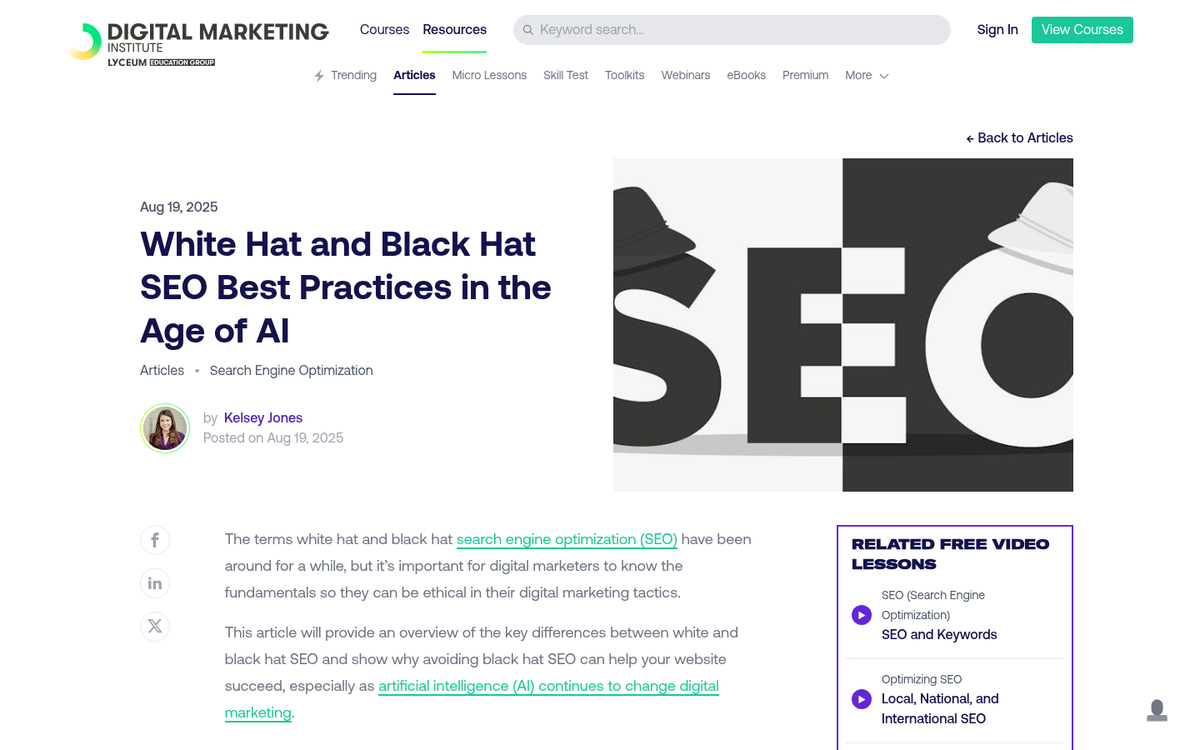
I'm saving these for last in hopes that you decide to avoid them, but I know some people just won't be convinced otherwise. Just remember: black hat methods have a good chance of
5 responses
Thoughtful replies only - we moderate for spam, AI slop, and off-topic rants.
Amazing article!
Thank you ♥
Thank you James for your excellent efforts for writing such a wonderful article. As a newbie, in blogging I felt pretty difficult to find links. I will try your way see how it goes. Once again - your work is awesome. Good luck
Mohammed Thousif
Thank you very much sir for this great idea to building backlinks
You're welcome, Sammy! We're glad you found the article helpful. Building high-quality backlinks takes time and consistency, but the results are definitely worth the effort. Make sure to work through the list strategically and focus on the sites most relevant to your niche for the best results. If you have any questions along the way, feel free to ask. Good luck with your link building journey! 😊