Key Takeaways
- Nonprofits should publish one to five blog posts weekly, covering updates, human interest stories, press releases, and emotional content.
- Google's Ad Grant offers eligible nonprofits up to $10,000 monthly in free search advertising credits-up to $120,000 annually.
- Organic traffic drives 44% of nonprofit website visits, making free strategies like SEO and content creation especially impactful.
- Reducing bounce rates and improving navigation are critical, as nonprofits average a 60-70% bounce rate versus a healthy 40%.
- Short-form vertical video on TikTok, Reels, and YouTube Shorts offers nonprofits strong organic reach without requiring large budgets.
Nonprofit Online Marketing: How to Drive More Traffic to Your Website in 2026
Nonprofits have some advantages over traditional businesses, but they also have some significant disadvantages, particularly when it comes to online marketing. Most notably, nonprofits usually don't have a lot of money to invest in their marketing. A traditional business can run paid advertising, measure the revenue generated, and reinvest accordingly - gradually scaling what works. Nonprofits don't have sales to measure so readily, and can't necessarily dedicate extra budget to marketing, so they end up more limited.
That said, the numbers are encouraging. According to M+R Benchmarks, organic traffic generates 44% of all nonprofit website visits, and HubSpot reports the top three nonprofit traffic sources are direct/email (22%), organic search (17%), and social media (16%). This means the strategies below - most of them free or low-cost - can have a real, measurable impact.
Nonprofits have three primary advantages they can leverage for online marketing.
- They tend to be very local. Most nonprofits, at least those that aren't national charitable organizations, tend to be local groups working for the benefit of relatively small communities.
- They tend to have very relevant, emotionally compelling topics, so they have the potential to make excellent content, which is the foundation of most web marketing. One good writer can make the difference between a mediocre or failed nonprofit and a very successful one.
- As nonprofit organizations, they are eligible for grants and donations that normal businesses either cannot access or have to work hard to replicate.
By leveraging these three points, along with modern web marketing techniques, it's surprisingly achievable to boost a nonprofit's visibility significantly. From there, it's just a matter of what you do to take advantage of that traffic.
Create More Content
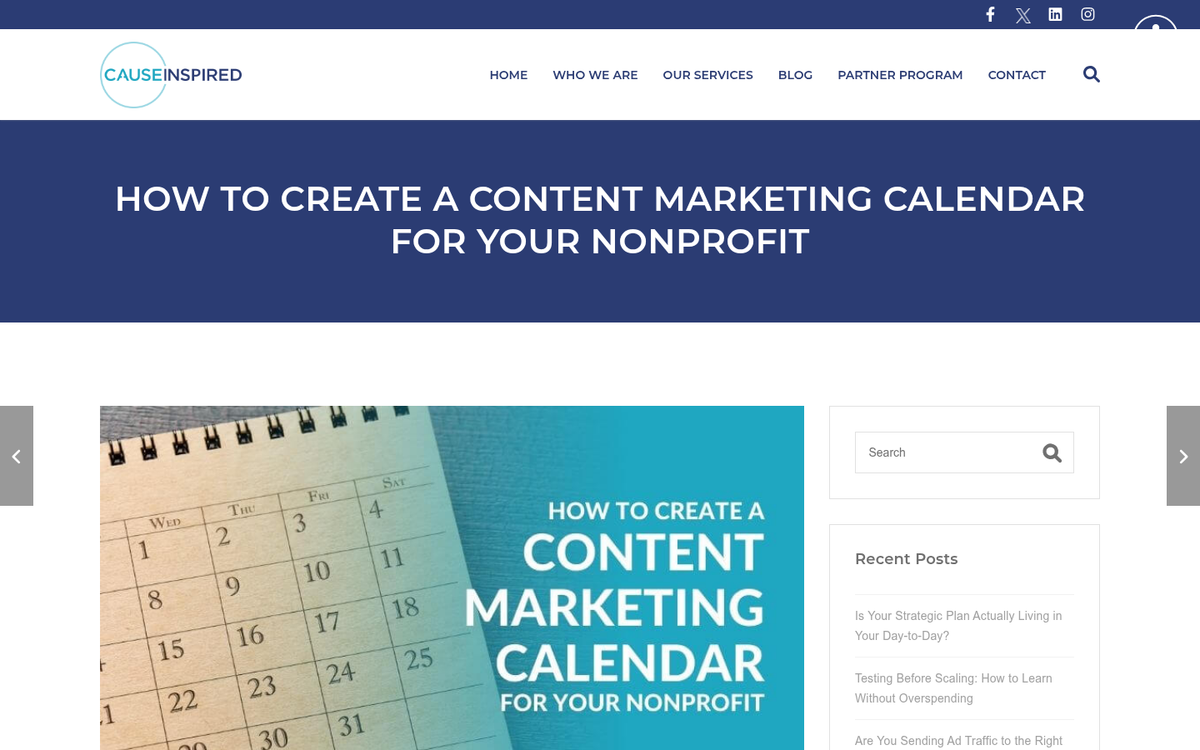
The number one thing any organization, nonprofit or not, needs to do to get more traffic online is create more content. You should be publishing at the absolute minimum one blog post per week. Ideally you will be publishing three to five per week, on a regular schedule. You can write them all at once if you want - just schedule them out and publish them when their time slot arrives. This gives you the flexibility to work in more timely posts without scrambling for ideas hours before you need to post.
What can you write about? Here are a bunch of ideas you can spin off.
- Updates about your organization's goals and your current projects.
- Updates about how your organization is working behind the scenes.
- Newsworthy stories optimized for search, written from your organization's perspective.
- Stories of human interest and interaction, such as personal stories from people you've helped or people in need of your help.
- Inspiring messages from members of your community, donors, and advocates.
- Press releases about your research, your field teams, or your upcoming events.
- Emotional content that strikes a chord with your audience and pulls at their heartstrings.
- Graphical content and infographics that show complicated statistics or hard-to-convey information about how your organization is making an impact.
- Short-form video content repurposed as blog posts - more on this below.
Improve Existing Content
If you've had a blog that was barely updated, or that was updated with on-the-fly writing that may or may not be valuable, you aren't frozen in time. You aren't forced to keep that content around as-is, nor are you stuck letting it sit and collect dust. With old content, you have three options.
First, you can keep it the way it is. If it's a timely news post from a year or more ago, don't worry about it - just leave it as is. This content likely won't hurt you, even if it's not doing much to help you immediately.
Second, you can remove it. Very rarely will you have content so problematic that removal is the best option. The main cases where this makes sense are when the content is clearly factually incorrect and potentially drawing a quality signal penalty from Google. Most of the time, poor content is just dead weight - it's not actively working against you.
Third, you can improve it. Expand descriptions, add paragraphs, correct outdated facts, add source links, and generally make the content more thorough and useful. You don't need to republish or draw attention to your edits - just make them, so your site as a whole reflects better quality. This is often called a "content refresh" and it's one of the most underrated tactics for recovering lost search rankings.
Optimize Content for Search Visibility

The basics of search engine optimization are more accessible than ever, but Google has also become far more sophisticated. You rarely need to obsess over specific keyword density - as long as you aren't stuffing the same phrase over and over, you're likely fine. Pick a topic and write about it thoroughly. Google's systems will understand the topic and surface your content for relevant searches, including synonyms and related queries.
What matters more in 2026 is demonstrating Experience, Expertise, Authoritativeness, and Trustworthiness - Google's E-E-A-T framework. For nonprofits, this means citing real data, linking to credible sources, and having real people associated with your content. Author bios, linked credentials, and real organizational transparency go a long way.
Your meta title and description still matter - these are what show up in Google search results, and customizing them helps signal relevance and improves click-through rates. Most website platforms like WordPress (with plugins like Yoast or Rank Math) or Squarespace make this easy to manage without any technical knowledge.
Also worth noting: page experience signals matter significantly now. According to Website Builder Expert, 25% of visitors abandon a site that takes more than four seconds to load. Run your site through Google's PageSpeed Insights and address any glaring performance issues - this alone can meaningfully improve both rankings and conversions.
Build a Social Media Presence
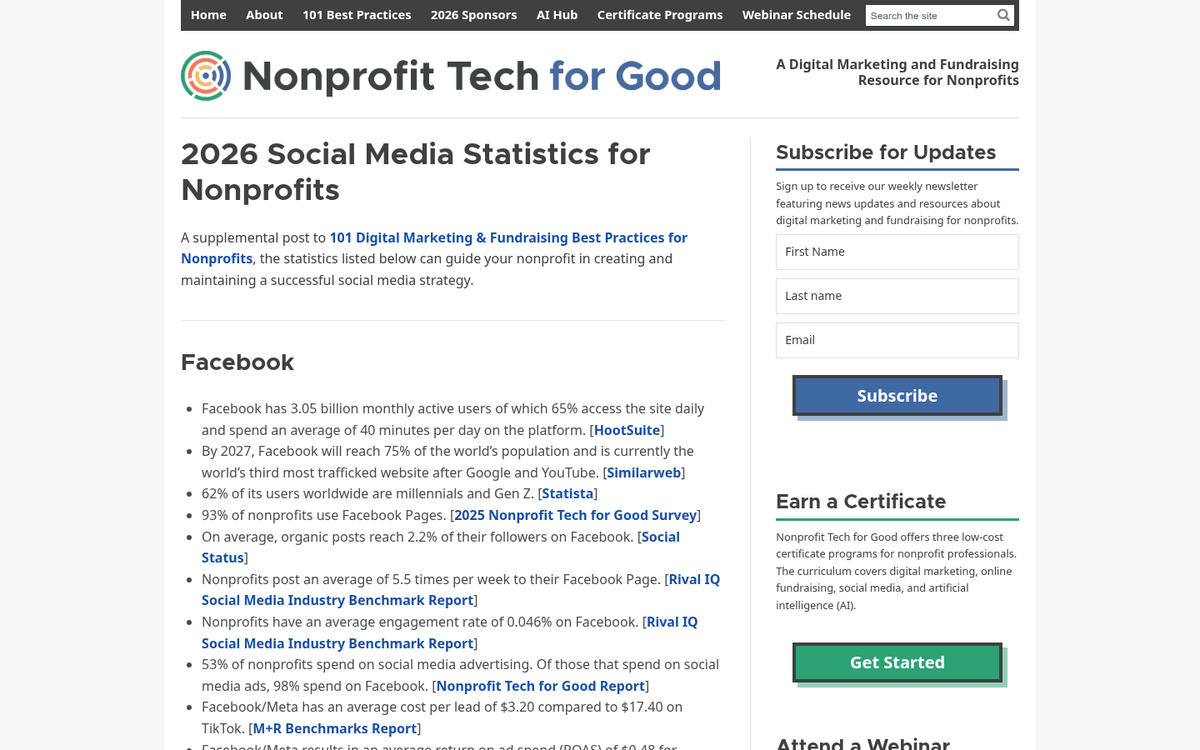
You should be active on social media, even if it's not a dedicated professional team managing your accounts. In 2026, the most valuable platforms for nonprofits are generally Facebook, Instagram, LinkedIn, and increasingly TikTok - depending on your audience.
Twitter (now rebranded as X) has seen significant shifts in both algorithm and audience behavior since Elon Musk's acquisition, and many nonprofits have found diminishing returns there. It's worth maintaining a presence but prioritizing the platforms where your actual audience is most engaged. If you're wondering whether Facebook or Twitter is better for sending traffic, the answer increasingly favors Facebook for most nonprofit audiences.
LinkedIn remains excellent for connecting with donors, corporate partners, and volunteers - especially if your nonprofit operates in a professional or advocacy space. Instagram is powerful for visual storytelling, which nonprofits are naturally well-positioned to do. Facebook still drives meaningful traffic, particularly for older demographics and event promotion.
The core principle remains the same: maintain an active presence. Post links to your blog content, share event announcements, highlight impact stories, and engage with your audience. You can also make WordPress automatically post to Twitter and Facebook to save time managing multiple platforms. Paid social ads can amplify your reach when budget allows - though be aware that Meta's return on ad spend for nonprofits averages around $0.50 per dollar, compared to $2.75 for search ads, per Double the Donation.
Make Use of Facebook and Instagram Events
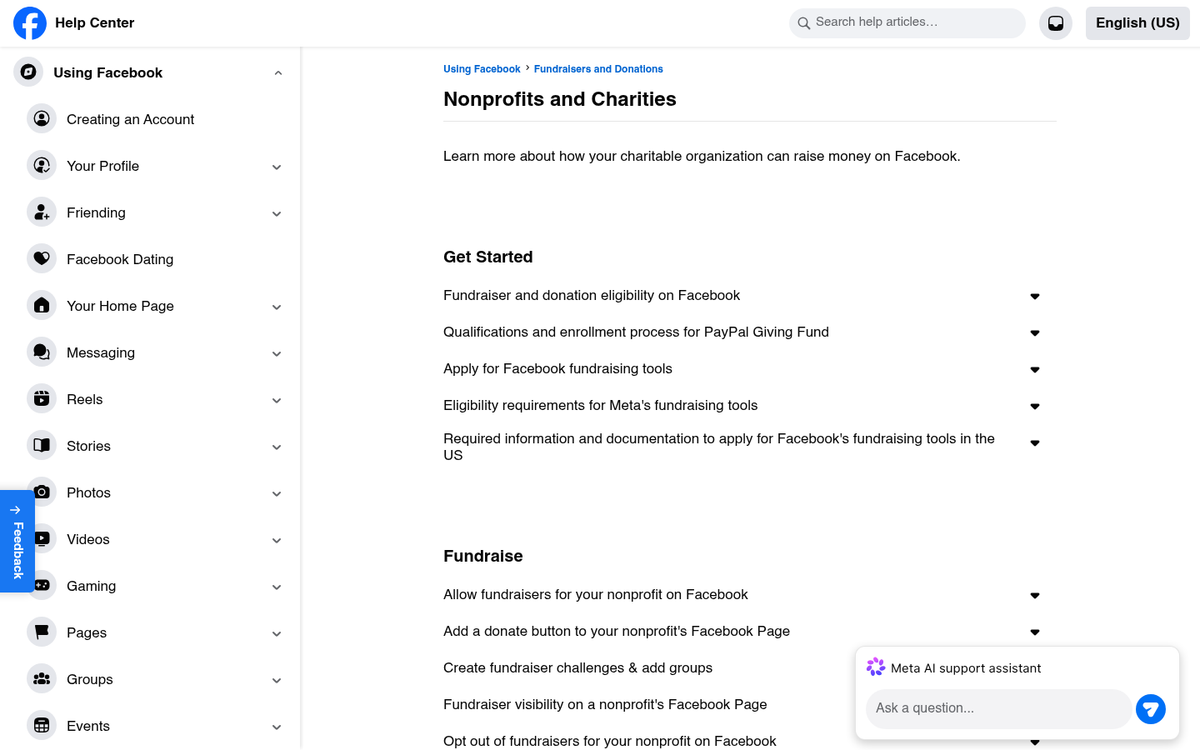
One of the best ways to broadcast an event and grow your following simultaneously is to combine the two. Facebook Events remain a strong tool for nonprofits - they include calendars, schedules, descriptions, images, and RSVP options that lower the social friction of saying yes.
In 2026, Instagram Events have also become a useful companion tool, particularly for reaching younger audiences. Create event pages on both platforms, keep them active with periodic updates as the date approaches, and cross-promote across your website and email list. Encourage board members, staff, and existing supporters to share the event pages to their own networks - organic word-of-mouth still outperforms paid promotion for community-focused events.
Build a Referral Program
A referral program is a way to get people to visit your site and become donors, or simply sign up for your mailing list. It takes some setup, but there are platforms and tools designed specifically for nonprofit referral campaigns that make this more approachable than it used to be.
The primary things you'll need to decide for a referral program are what action you want people to take, and what incentives you have to offer. Low-cost branded merchandise - stickers, tote bags, wristbands, shirts - works well as tiered rewards where the referrer earns better items the more people they bring in. Digital incentives like early access to event tickets or exclusive newsletters can work just as well at near-zero cost.
As for the goal, it might be donations (which requires stronger incentives), mailing list signups, event registrations, or volunteer applications. Match the incentive to the ask and you'll find a structure that works.
Apply for a Google Ad Grant
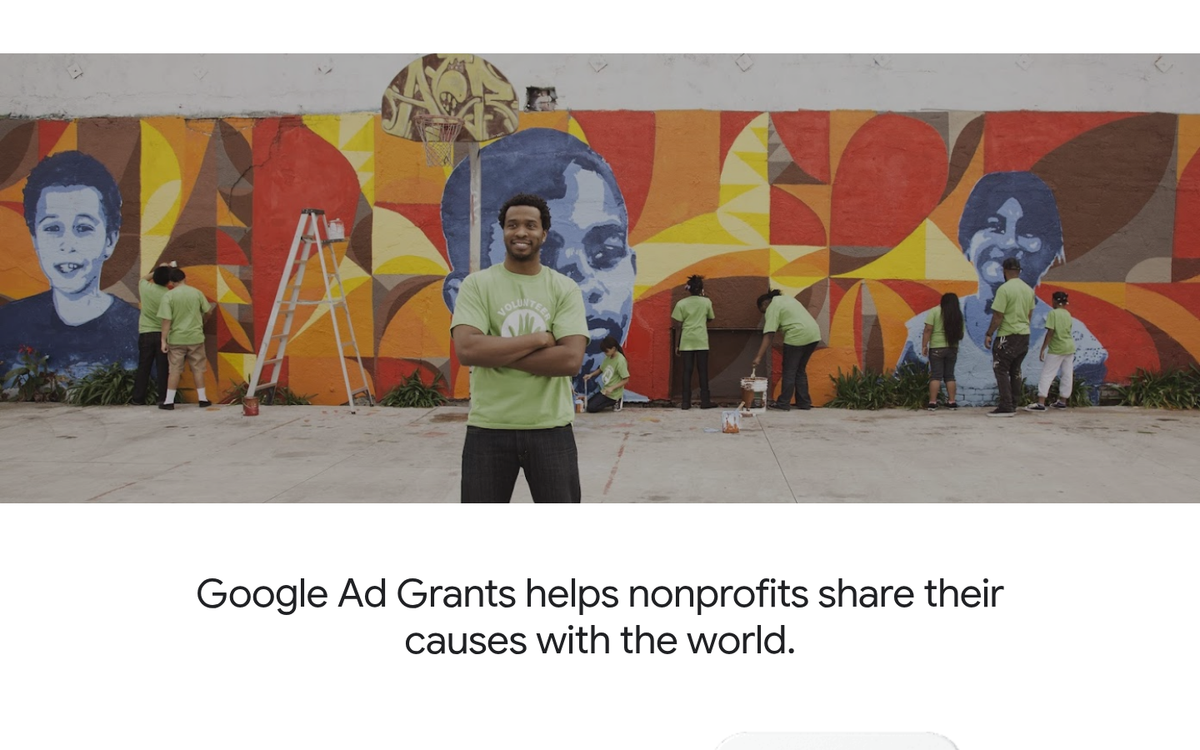
Google's nonprofit grant program remains one of the most powerful free tools available to eligible organizations. As of 2026, the Google Ad Grant provides up to $10,000 per month - not a one-time grant - in free Google Ads credit for qualifying nonprofits. That's up to $120,000 per year in search advertising at no cost.
The funds must be used within Google's advertising platform and come with some usage requirements to ensure meaningful spend - but for a nonprofit, this can be transformational. Given that search ads deliver strong returns for nonprofits (per Double the Donation), this grant is one of the highest-leverage opportunities available.
You can visit this page to learn more and apply. Eligibility requires being based in a supported country, holding valid charitable status, and maintaining a live website with substantial, quality content. Before applying, it's worth reviewing the key eligibility criteria to ensure your organization meets the necessary standards. Google for Nonprofits is the umbrella program through which you'll apply.
Partner with Broad Organizations
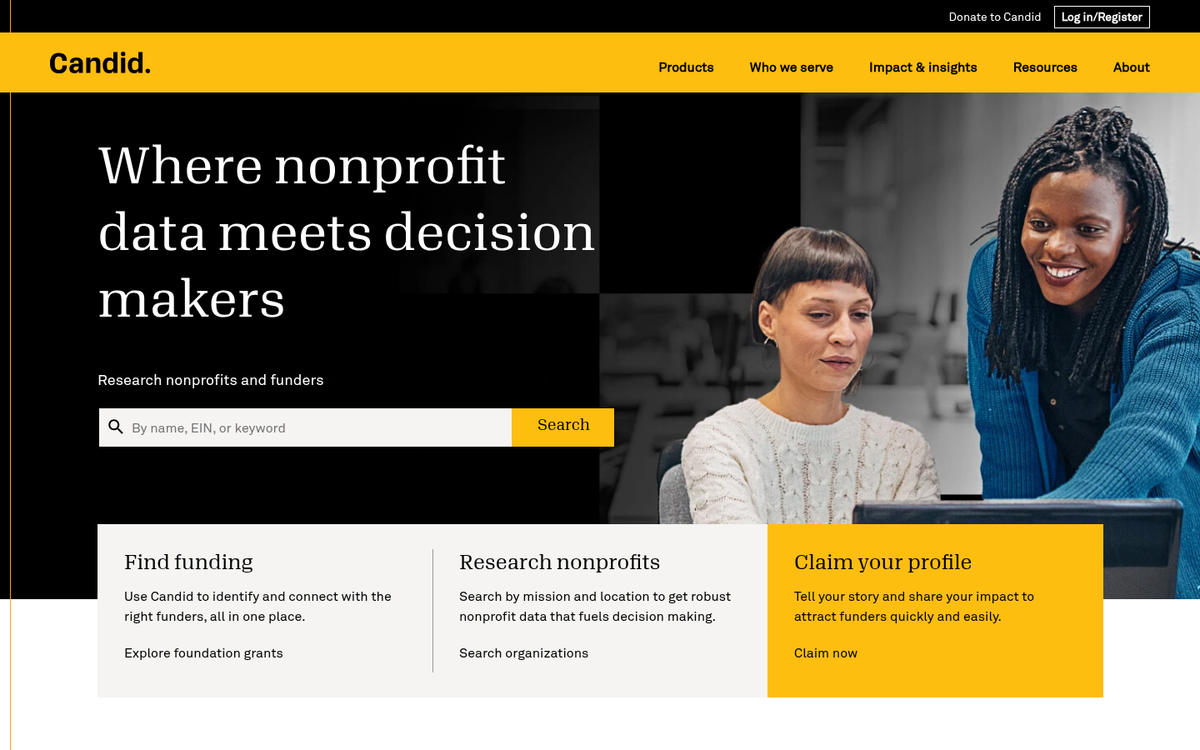
Another very important tactic for gaining more exposure online is to earn links from larger, well-established organizations. Sites like Network for Good, Candid (formerly GuideStar), and sector-specific advocacy networks produce a lot of content and carry significant domain authority. These high-quality inbound links are a luxury most businesses simply don't have access to. Your goal is to create content or resources compelling enough that these organizations want to reference or link to your work.
Getting an explicit mention or feature is even better, but even a contextual link within a related article helps your organic search visibility meaningfully. Any mention - from a local community organization, a regional foundation, a university partner, or a national advocacy group - adds credibility signals that Google takes seriously.
Include Simple URLs on Print Material
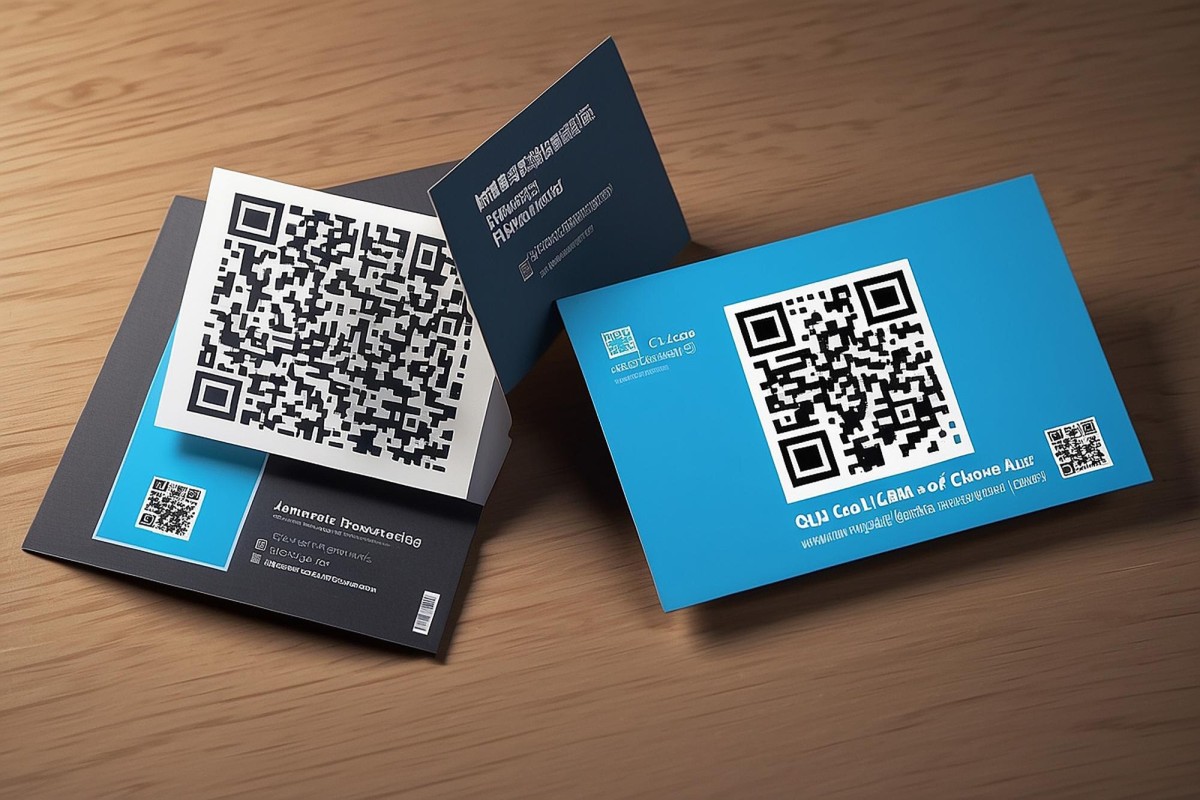
Don't forget that your web presence and your physical presence should reinforce each other. Include your website URL - or a simplified, memorable version of it - on all print materials: flyers, brochures, signage, business cards, and event programs. Include your key social media handles as well.
In 2026, QR codes are fully mainstream and expected. Include them on all print materials - they're easy to generate for free and dramatically reduce friction for mobile users who want to visit your site or social pages on the spot. Make sure wherever that QR code points is mobile-optimized and loads quickly.
Earn Links from Local Publications
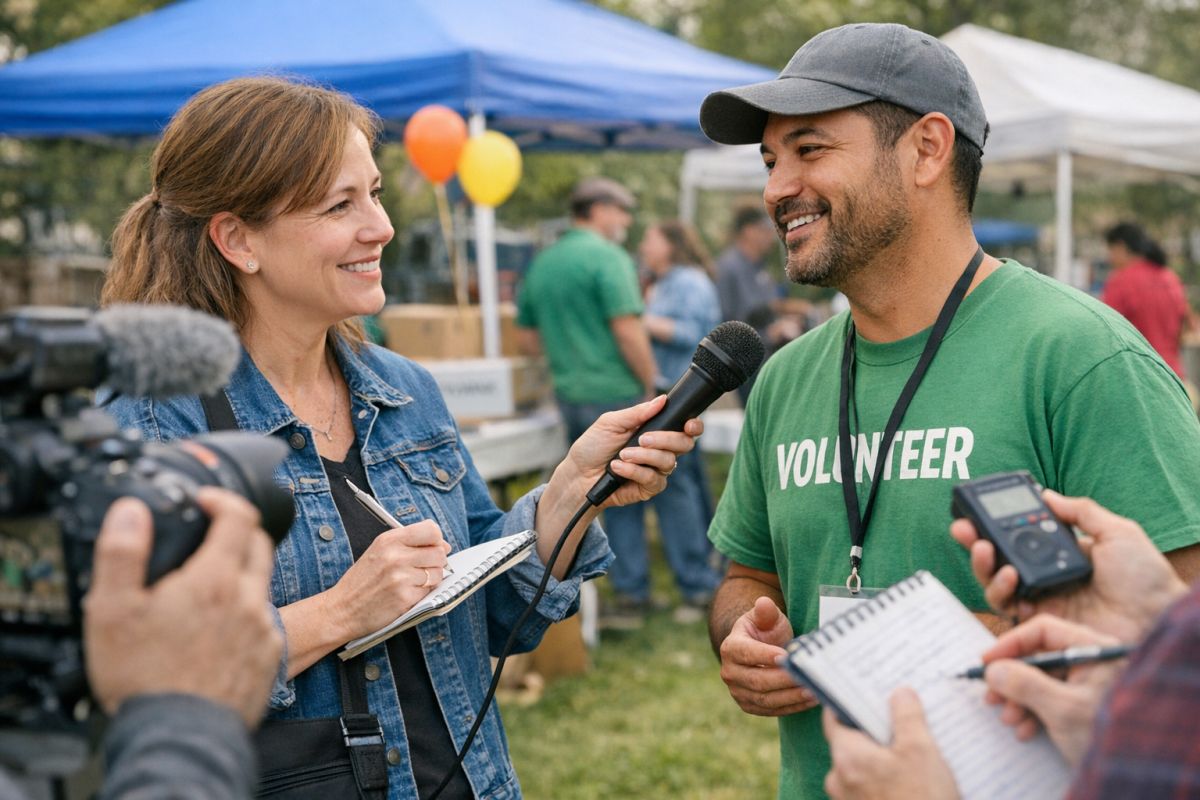
Local publications - newspapers, community blogs, regional digests, neighborhood newsletters - carry meaningful weight for local search visibility. When local users search for organizations or causes near them, Google surfaces results it associates with that geography. Links and mentions from local media help establish that local relevance.
Pitch your stories proactively. Local journalists and editors are often looking for human-interest angles, and nonprofits naturally generate them. A new program launch, a fundraising milestone, a community event, or a compelling beneficiary story are all legitimate news hooks. Don't wait to be discovered - reach out. If your organization publishes content regularly, getting your blog accepted by Google News can also help amplify your visibility with local media.
Reduce Your Bounce Rate
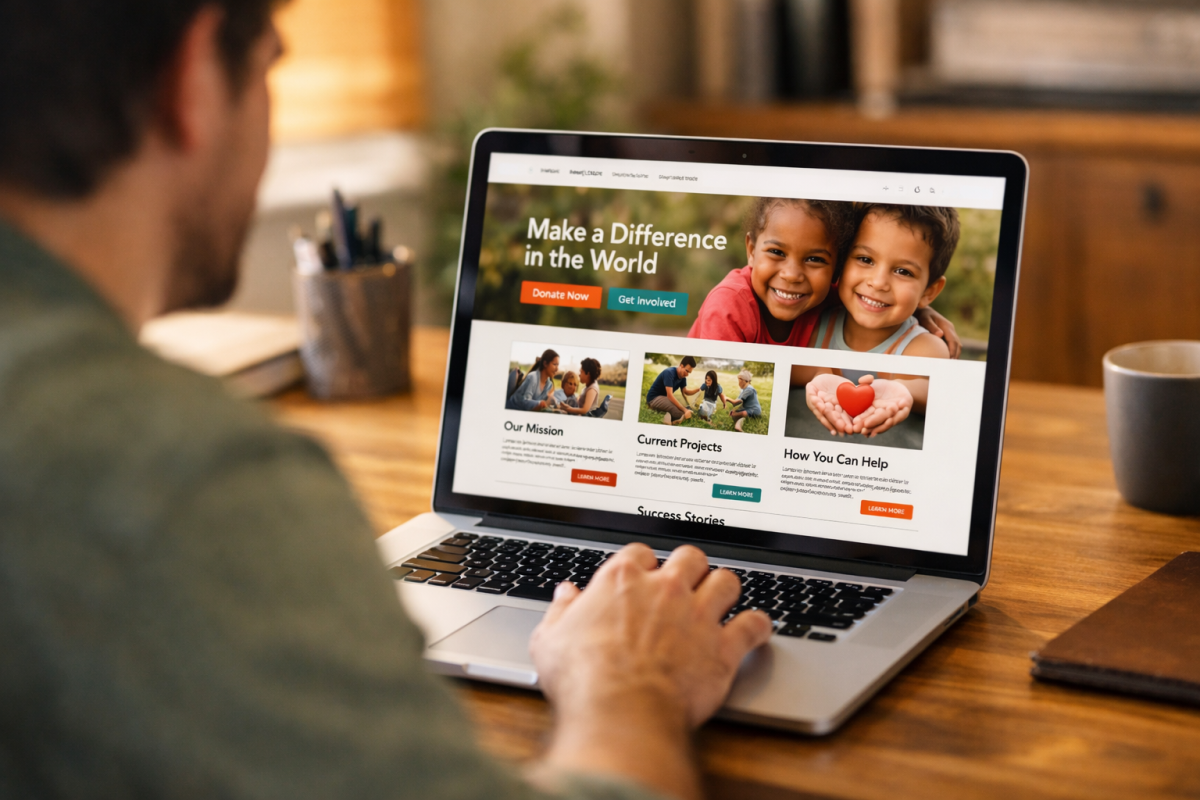
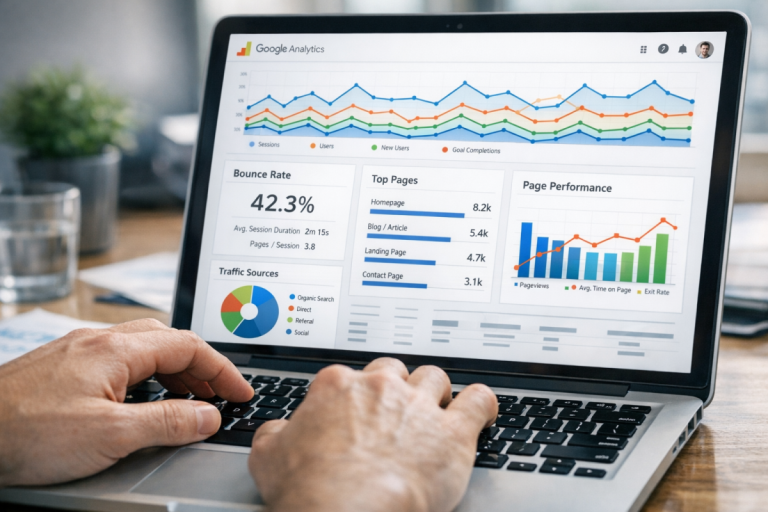
According to Impact SEO, nonprofits average a 60-70% bounce rate, while a healthy benchmark is 40% or below. A high bounce rate tells Google that visitors aren't finding what they expected - which can suppress your search rankings over time and waste whatever traffic you do earn.
Improving your bounce rate starts with matching your content to your visitors' intent. If someone clicks on a result about volunteering opportunities and lands on your generic homepage, they'll leave. Make sure your pages deliver clearly on what the title and meta description promised. Internal links, clear calls to action, and a clean, fast-loading layout all help keep visitors engaged long enough to explore further.
A NextAfter analysis of 155 nonprofits found the median organization had around 12,708 website sessions per month - meaning there's significant room to grow, but also significant room to convert the traffic you're already getting more effectively.
Optimize the User Experience
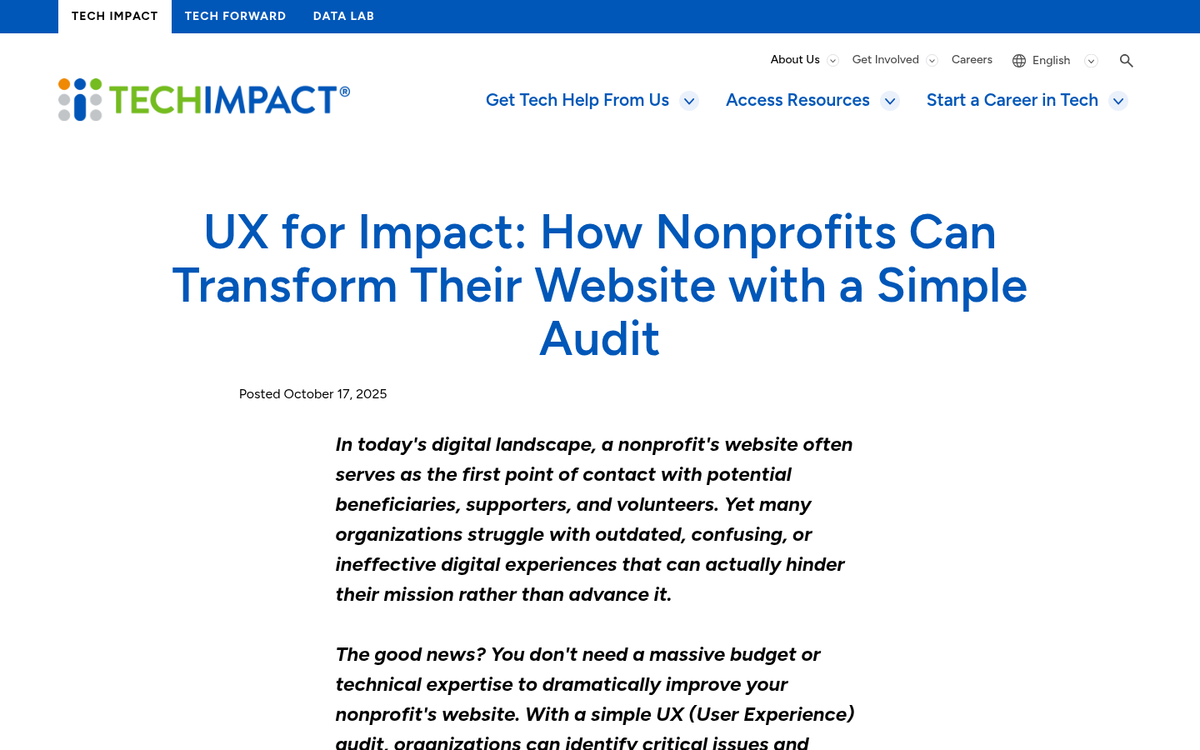
One problem common on nonprofit sites is treating the website like a file cabinet - burying information deeper and deeper in a nested folder structure. If a visitor on your homepage has to click through a category, a subcategory, a publication archive, a date filter, and then an article just to find what they need, most of them will give up before getting there.
The ideal user experience is surface-level and intuitive. Any page on your site should be reachable within 3 clicks from the homepage. This may require a design and navigation overhaul, but the payoff in reduced bounce rates, longer session times, and more conversions is well worth the effort.
Also: make sure your site works flawlessly on mobile. As of 2026, the majority of web traffic - including nonprofit traffic - comes from mobile devices. A site that looks great on desktop but breaks on a phone is losing a significant portion of its audience before they even read a word.
Produce and Share Videos
Video content has never been more accessible to produce or more rewarded by platforms. Your smartphone is more than capable of producing compelling footage. Free or low-cost editing tools like CapCut, DaVinci Resolve, or even built-in phone editors make post-production straightforward. If your budget allows, a videographer or local film student will often work at reduced rates for a nonprofit.
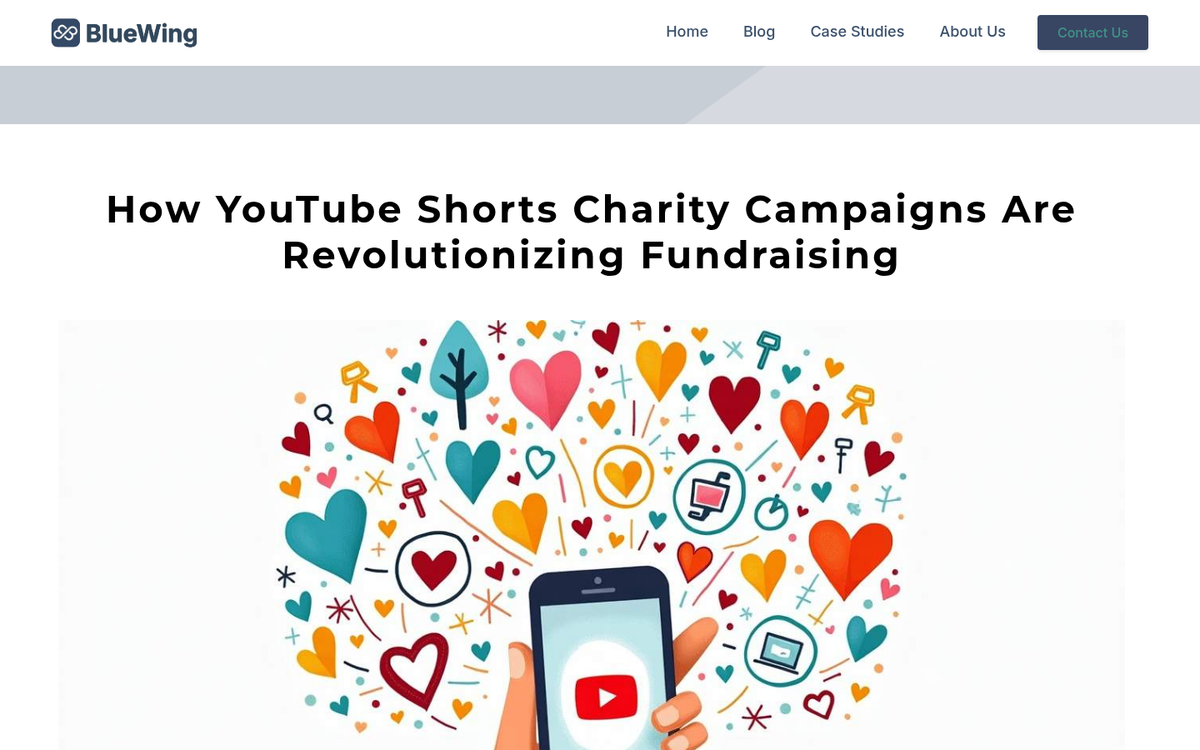
Upload videos natively to the platforms where you post - Facebook, Instagram, TikTok, and LinkedIn all prioritize native video over external links. YouTube remains valuable for longer-form content and for embedding on your website. Short-form vertical video (Reels, TikToks, YouTube Shorts) tends to reach new audiences organically in a way that almost no other content format does in 2026.
Focus on authentic storytelling: show the people you serve, the work being done, and the impact being made. Polished production helps, but genuine emotion and real stories consistently outperform slick but hollow content. If you want to expand your reach further, explore driving traffic from your YouTube videos or look into paid services to promote a YouTube video once you have content worth amplifying.