Key Takeaways
- New blogs take time to gain traction; consistent publishing and treating your blog like a business accelerates growth.
- In 2026, superficial or generic content has little value; originality, depth, and genuine human voice are essential competitive advantages.
- Demonstrating real credentials and E-E-A-T signals-including visible author bios-builds trust with both readers and search algorithms.
- Diversify traffic sources across search, email, and emerging platforms; relying on a single channel risks losing your entire audience.
- Actively network, guest post, and respond to feedback and analytics to continuously improve and expand your blog's reach.
When your blog is failing to bring in new users, you're doing something wrong. Run properly, your blog should grow on its own, and you can use advertising and other advanced methods to boost that growth.

We've written before about why your blog might not be gaining visitors and growing traffic. What follows is an extension on that piece; 25 more reasons your blog isn't getting enough traffic in 2026.
1. Your Site is Too New

Make no mistake; it takes time to build up an audience. You won't gather thousands of readers overnight. You need to pay your dues in terms of thankless work before it begins to pay dividends. In a crowded 2026 content landscape, this ramp-up period can be even longer than it was a few years ago.
2. You Don't Provide Actionable Advice
Most people looking for something to read have a specific objective in mind. They want to learn something, they want to find out how to do something, or they want to be entertained. If you're not providing some form of takeaway - something they can leave enriched by when they leave your blog - you're losing out. This is especially true now that AI-generated summaries in search results mean users won't even click unless they believe your content offers something genuinely useful and in-depth.
3. You're Trying to Get Traffic from the Wrong Sources

Some blogs thrive on social media. Others just don't have the right kind of audience to succeed there. In 2026, the social media landscape looks very different than it did even a few years ago. Platforms rise and fall - don't anchor your entire distribution strategy to a single channel. Diversify across search, email, YouTube, podcasts, newsletters, and emerging platforms to avoid being left behind if one dries up.
4. You're Neglecting Your Site
When you're blogging, it can often seem like nothing more than a casual hobby. You post when you feel like it, you don't hold to a schedule, and you do nothing to engage your readers, few as they are. Consistency is more important than ever. Search engines and audiences alike reward blogs that publish on a regular cadence. Treat it like a business, not a pastime.
5. You're Ignoring Your Competitors

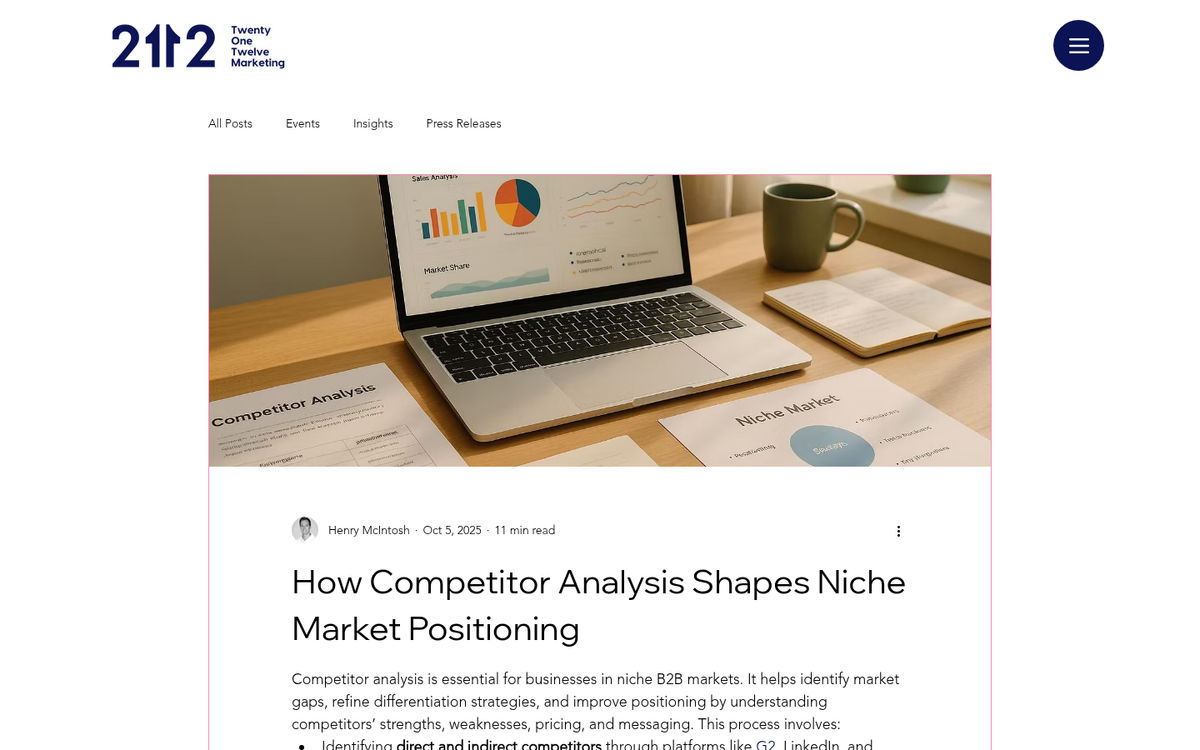
You might have a great blog, but what if you're blogging in a niche dominated by even better blogs? You're not going to gain much traffic, because there are better options already available. Study your competitors carefully - what are they covering, what gaps are they leaving, and how can you do it better or differently?
6. You're Ignoring Online Advice

Articles like this one give you plenty of advice, but if you're just reading it and not acting on it, it's doing you no good. Information without implementation is worthless. Pick two or three actionable items from any advice you consume and execute on them before moving on. For example, if you've read about making a living through blogging or generating steady traffic without SEO, those guides are only useful if you actually apply the strategies outlined.
7. You Don't Tell Users What to Do
It's one thing to have readers; it's another to have engaged readers who benefit your blog. Your readers need motivation and a clear goal to engage. If you don't ask them to comment, don't guide them to share, and don't ask them to sign up for your newsletter or follow you elsewhere, you're letting their potential go to waste. Clear calls to action are not optional.
8. You Have No Ethos
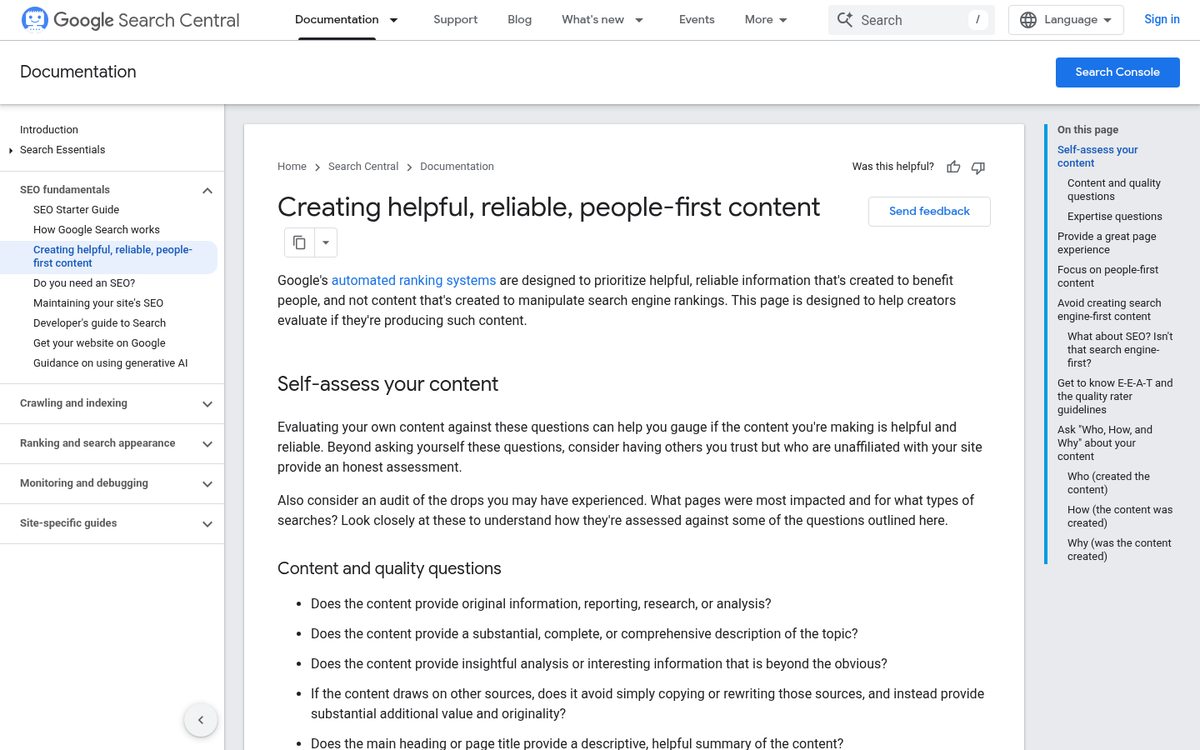
Ethos is one of Aristotle's branches of rhetoric, defined as the credibility and authority of the source. In 2026, this matters more than ever. Google's emphasis on Experience, Expertise, Authoritativeness, and Trustworthiness (E-E-A-T) means that demonstrating real credentials and lived experience is a ranking factor - not just a nice-to-have. If you lack ethos, why should anyone - human or algorithm - pay attention to you? Building entity authority is one of the most important steps you can take to ensure your site is seen as a cited source worth trusting.
9. You Have No Pathos
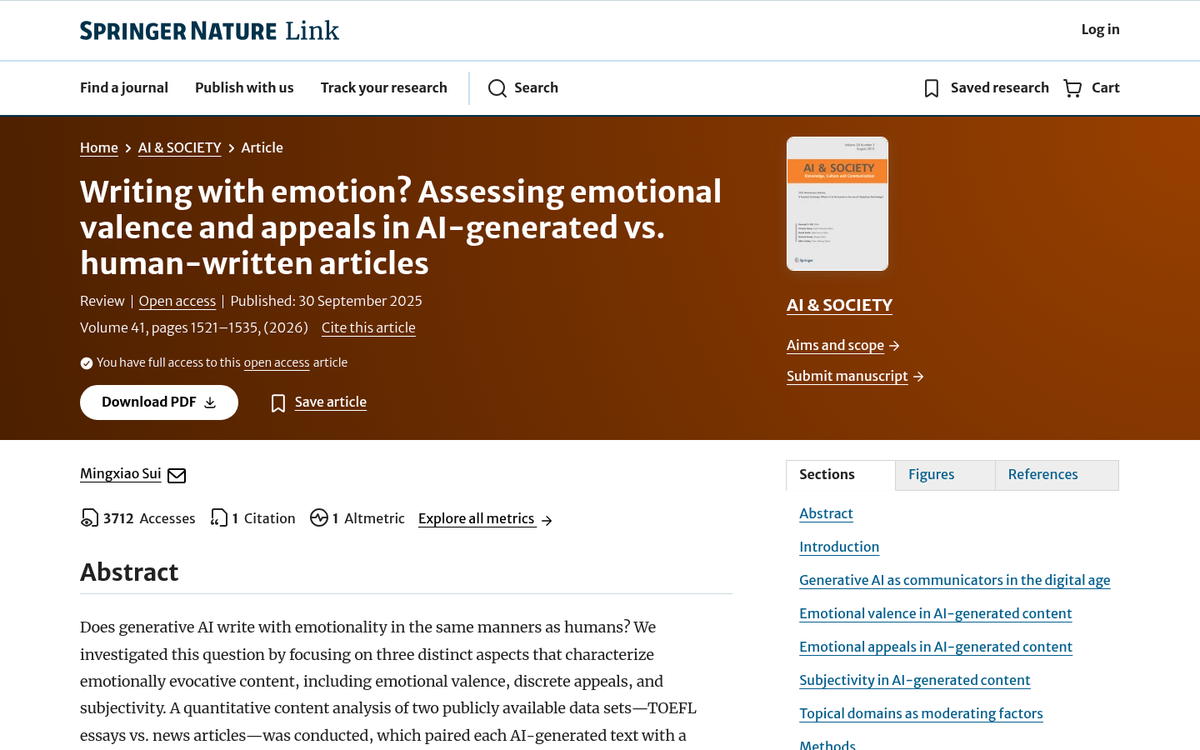
Pathos is the second of Aristotle's rhetoric styles - the vividness of your language, the emotional appeals you make, the sensory details you include, the motivation you provide. With so much AI-generated content flooding the web in 2026, writing that feels genuinely human and emotionally resonant is a serious competitive advantage. If your writing lacks pathos, you'll blend into the noise.
10. You're Not Mobile Accessible

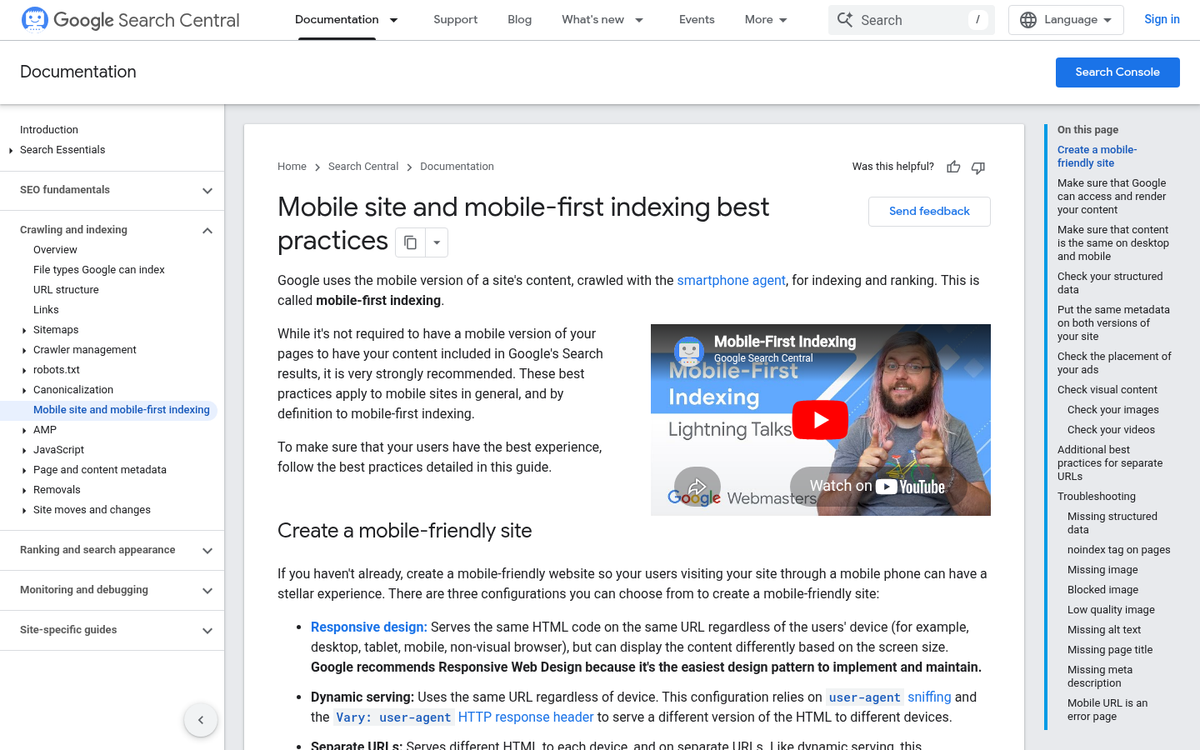
A massive proportion of web traffic comes through mobile devices. In 2026, mobile-first indexing is the standard, not the exception. If your blog isn't fully optimized for mobile - fast loading, readable fonts, easy navigation, no intrusive popups - you're actively being penalized in search rankings and losing readers the moment they arrive.
11. Your Content is Too Deep
You need a certain amount of depth to your content to avoid the superficial and thin labels. On the other hand, if you dig too deep, you're getting into obscure technical details and language that comparatively few people care about. Know your audience's level of expertise and write to meet them where they are. Consider checking your content for overlap and cannibalization to ensure your depth isn't creating redundant coverage across your site.
12. Your Content is Too Superficial
This is the opposite problem - your content only covers the absolute basics and there's nothing new or useful to be found. In a world where AI tools can generate a surface-level overview of any topic in seconds, superficial content has essentially zero value. Dig deep enough to find something unique to say, otherwise you're just adding to the noise. Understanding what makes content citation-ready can help you think about the depth and credibility your writing needs to stand out.
13. It's Hard to Locate Old Valuable Content
Your site's navigational structure and post archives should be accessible to the average user. If you have a significant backlog and it's hard to find a specific post, implement a custom site search, build out topic cluster pages, or create a well-organized resource library. Don't let good content go to waste buried in an archive. Consider using a heading structure analyzer to ensure your content is easy to navigate and properly organized for both users and search engines.
14. You Have No Visible Author

People read blogs because they want a feeling of personal, one-to-one information exchange. They want to know the information is coming from a real, qualified person. In 2026, this is also critical for E-E-A-T signals. Detailed author bios, professional credentials, profile photos, and links to social profiles or other published work all add legitimacy and build reader trust.
15. You Have Too Many Ads
You want to monetize your blog, so you implement an ad. It doesn't perform well enough, so you add another. Wrong approach. Too many ads - especially intrusive ones - will tank your user experience, increase your bounce rate, and hurt your search rankings. Google's ad experience guidelines have only gotten stricter. Monetize thoughtfully with help from the best ad networks for your blog.
16. Your Links Send People Away
You need to link out occasionally, but you can't send users away from your blog constantly and expect them to stick around of their own volition. Always make sure external links open in a new window or tab, and use internal linking strategically to keep readers exploring your own content longer.
17. You Lack Originality
What do you bring to the table that hasn't been done before, and better? This question has never been more important than in 2026, when AI can replicate generic content at scale. Your personal voice, lived experience, original research, unique perspective, and professional background are things no algorithm can replicate. Find what makes you irreplaceable and lean into it hard.
18. Your Language is Incorrect for Your Audience
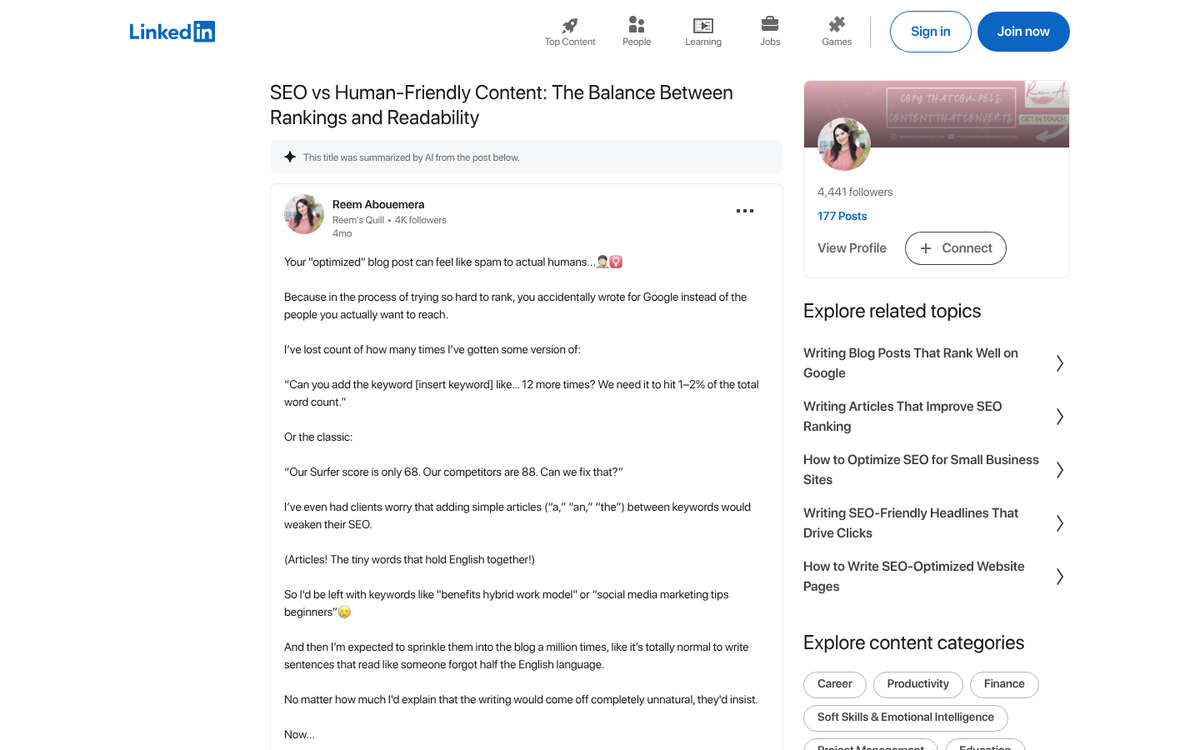
Some topics cater to a professional, formal audience. Others thrive with casual, conversational language. Make sure you understand who you're writing for and match your tone accordingly. Misaligned voice is one of the fastest ways to lose a reader in the first paragraph.
19. You're Not Moderating Comments

Neglecting your comments makes your blog look abandoned. A single spam comment slipping through can be highly detrimental to credibility. Moderate comments to remove spam and keep discussion constructive, but don't over-moderate and discourage genuine engagement. If you're looking for better tools, consider exploring ad-free alternatives to Disqus or reading a review of Spot.im for a faster, cleaner option.
20. You're Focusing on SEO Over Content

In other words, you're writing for search engines instead of people. With Google's continued evolution - including AI Overviews now appearing in search results - keyword-stuffed, thin content is not just ineffective, it's actively counterproductive. Write genuinely useful content for real people, and let smart on-page SEO support it, not lead it.
21. You Don't Have a Unique Domain

Hosting your blog on a free subdomain (think wordpress.com or blogspot.com) signals a lack of commitment and limits your ability to build brand authority. A custom domain costs very little annually and is non-negotiable if you're serious about growing your blog. Make sure your domain name is also distinct, memorable, and not easily confused with an established competitor.
22. You're Not Networking
As a blogger, you're part of a community. Comment on other blogs, collaborate with other creators, appear on podcasts, and build genuine relationships with people in your niche who can help amplify your work. In 2026, community-driven growth is one of the most reliable traffic channels available.
23. You're Not Participating on Other Blogs

Guest posts, expert roundups, and collaborative content all demonstrate that you're an active, knowledgeable member of your industry. Contributing value in other spaces drives referral traffic, builds backlinks, and raises your profile. Be part of the community and the community will pay you back.
24. You're Focusing on Quantity over Quality
You need a certain volume of content to succeed, but publishing mediocre content at high volume is one of the worst strategies you can pursue in 2026. Search engines have become increasingly effective at identifying and deprioritizing low-quality content. Fewer, better posts will almost always outperform a flood of thin ones.
25. You're Ignoring Feedback
Your readers, fellow bloggers, and even your analytics data are constantly telling you what's working and what isn't. Ignoring that feedback means repeating the same mistakes indefinitely. Listen actively, analyze your data honestly, and be willing to pivot. The bloggers who grow are the ones who treat feedback as a gift rather than a threat.