




This shift is already reshaping how websites get discovered. Organic click-through rates have dropped as AI-generated answers take up more space at the top of search results - average CTRs have fallen from 0.73% to 0.26% for query types, and roughly 60% of searches now trigger some form of AI-generated response. For website owners, that means the traditional "rank and they will come" strategy is losing ground fast.
But this isn't a reason to panic - it's a reason to adapt. Answer engines don't appear out of nowhere. They pull from existing content on the web, and the sites that get cited, quoted, and surfaced inside AI answers are the ones that have structured their content in a way these systems can understand and trust; it's the core idea behind Answer Engine Optimization (AEO): making your content the source an answer engine reaches for.
That's what this entry covers.
Quick Answer
An answer engine is a type of search tool that directly responds to user queries with specific answers rather than returning a list of links. Unlike traditional search engines, answer engines use AI, natural language processing, and knowledge bases to interpret questions and deliver precise, conversational responses. Examples include Wolfram Alpha, Perplexity AI, and AI-powered assistants like ChatGPT. They are increasingly shaping how people find information online, reducing the need to browse multiple websites.
How Answer Engines Differ From Traditional Search Engines
A traditional search engine takes your query and returns a list of links. You then click through to find what you need. The search engine itself does not tell you anything - it just points you in a direction.
An answer engine does something fundamentally different. Instead of showing you a list of pages to browse, it reads those pages for you and gives you a single, direct response. You get the answer right there, without needing to click anywhere.
To do this, answer engines pull from multiple sources at once and synthesize that content into one confident reply. The engine does the reading and summarizing on your behalf. The result feels more like an answer from a knowledgeable person than from a filing cabinet.
This changes things for the websites that the engine pulls from. In a traditional search model, a ranking meant traffic - users saw your link and visited your page. With answer engines, your content could be used to generate a response without the user ever landing on your site. The relationship between content and clicks is no longer one-to-one. This is closely tied to the rise of zero-click search, where users get what they need without visiting any external page.
That is a real change and it shapes how users and publishers need to think about the web. Users get faster answers. But they lose some exposure to the original context and nuance a full post may have. Publishers receive fewer direct visitors even when their content is doing the heavy lifting silently. If you rely on blog traffic, it is worth understanding how certain choices on your site can further affect your visitor numbers.
| Feature | Traditional Search Engine | Answer Engine |
|---|---|---|
| Output format | List of links | Direct, synthesized answer |
| Source visibility | Sources are prominently listed | Sources may be cited or hidden |
| User click behavior | Users visit source websites | Users may never leave the engine |
| Content role | Content earns traffic directly | Content informs the answer indirectly |
| Response confidence | Neutral - presents options | Assertive - presents a conclusion |
The table above captures the key difference between the two models. The two are built around different goals and different user expectations, so neither is better than the other in every situation.
Which Platforms Count as Answer Engines Today
There are more of these places than most site owners realise, and they're not the same. Some live inside search engines, some are standalone AI tools, and some run quietly in the background of a speaker.
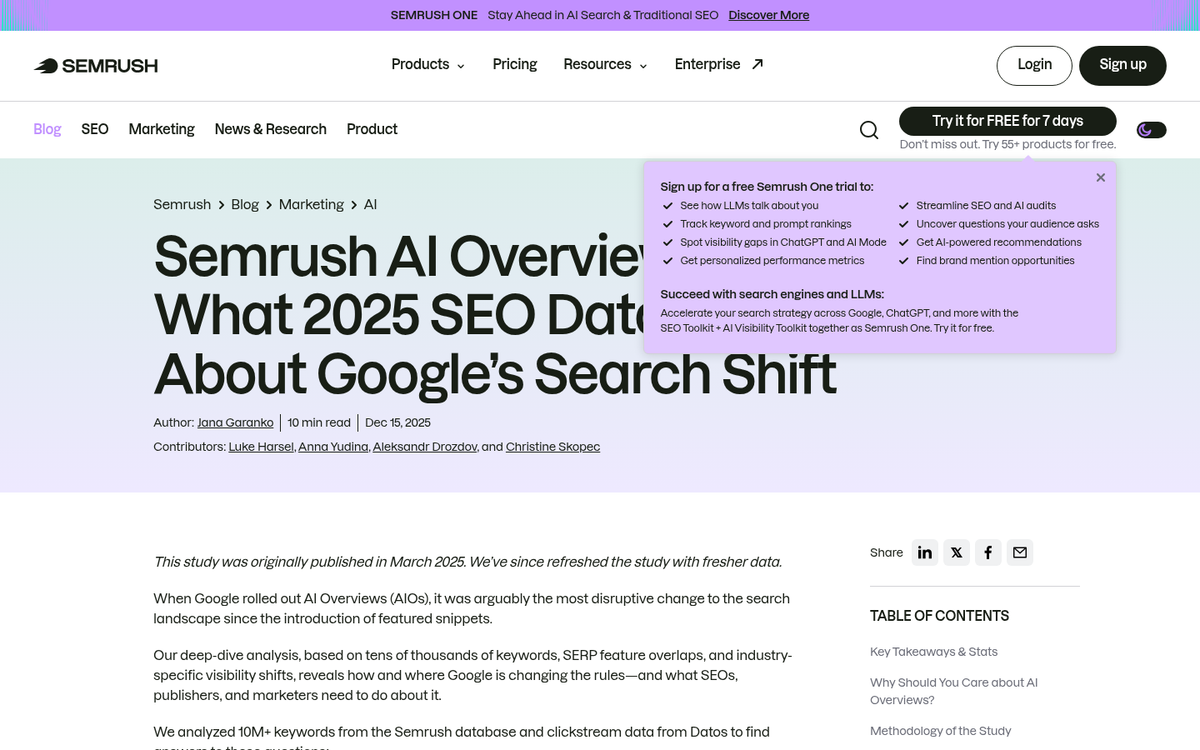
Google AI Overviews is probably the one with the most direct impact on your traffic - it sits at the very top of Google search results and answers the user's question before they can even think to click a link. Given how much traffic Google controls, it deserves your attention. Understanding how Google surfaces your site is a useful starting point.
ChatGPT is the most widely used standalone AI tool right now. People use it to ask questions that they might previously have Googled, and it pulls together answers from its training data without sending users anywhere. Perplexity works in a similar way but does pull from live web sources and sometimes cites pages. That citation piece is worth learning about because it means there's still a path to visibility there.
Bing Copilot is Microsoft's answer engine and it's built directly into Bing search and the Edge browser - it's easy to forget because Bing has a smaller audience than Google. But Copilot is integrated into Windows in a way that puts it in front of users.
Voice assistants like Siri and Alexa sit in a slightly different category. They're optimised to give you one single answer out loud, which makes them even less likely to send traffic to your website. They draw from sources like featured snippets, knowledge graphs, and trusted databases. Platforms like Steemit and Medium occupy a different space entirely, but understanding how various platforms distribute content helps frame where answer engines fit in.
| Platform | Parent Company | Answer Type |
|---|---|---|
| Google AI Overviews | Google (Alphabet) | Search-integrated summaries |
| ChatGPT | OpenAI | Conversational, knowledge-based answers |
| Perplexity | Perplexity AI | Live web-sourced answers with citations |
| Bing Copilot | Microsoft | Search-integrated AI responses |
| Siri | Apple | Voice-delivered single answers |
| Alexa | Amazon | Voice-delivered single answers |
Each platform pulls from different sources and serves users in different contexts. Knowing which ones your audience actually uses is a place to start thinking about where your content needs to be visible.
Why Your Website Traffic Is Taking a Hit
If your organic traffic has been dropping and you can't figure out why, your site probably isn't broken. The way people get information has changed at a structural level, and that change is showing up in your analytics.
SparkToro found that only 360 out of every 1,000 searches actually cause a click to a website. That means more than 60% of searches end without anyone visiting a page. Users got what they needed right there on the results screen, no click needed.
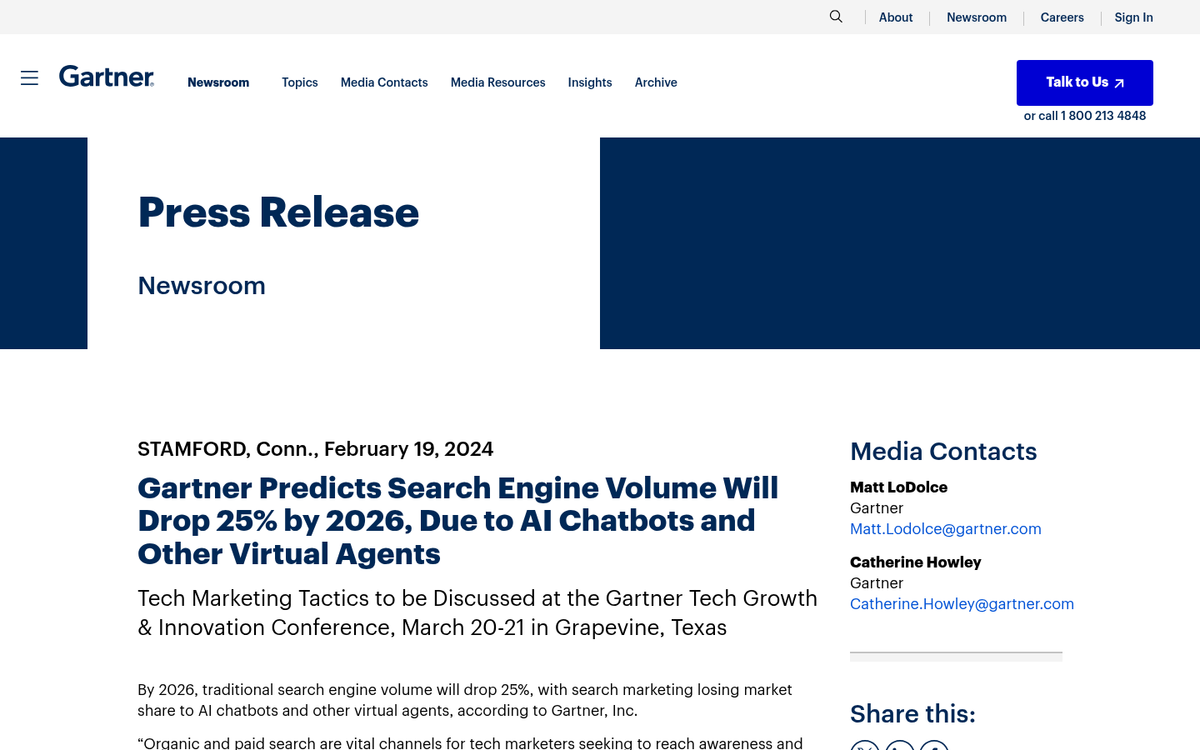
Gartner has predicted a 25% drop in search volume by 2026 as more people try AI-powered tools to get answers. It's not a small dip - it's an actual chunk of the traffic that websites have relied on for years. And it's already happening, not something to watch for later.
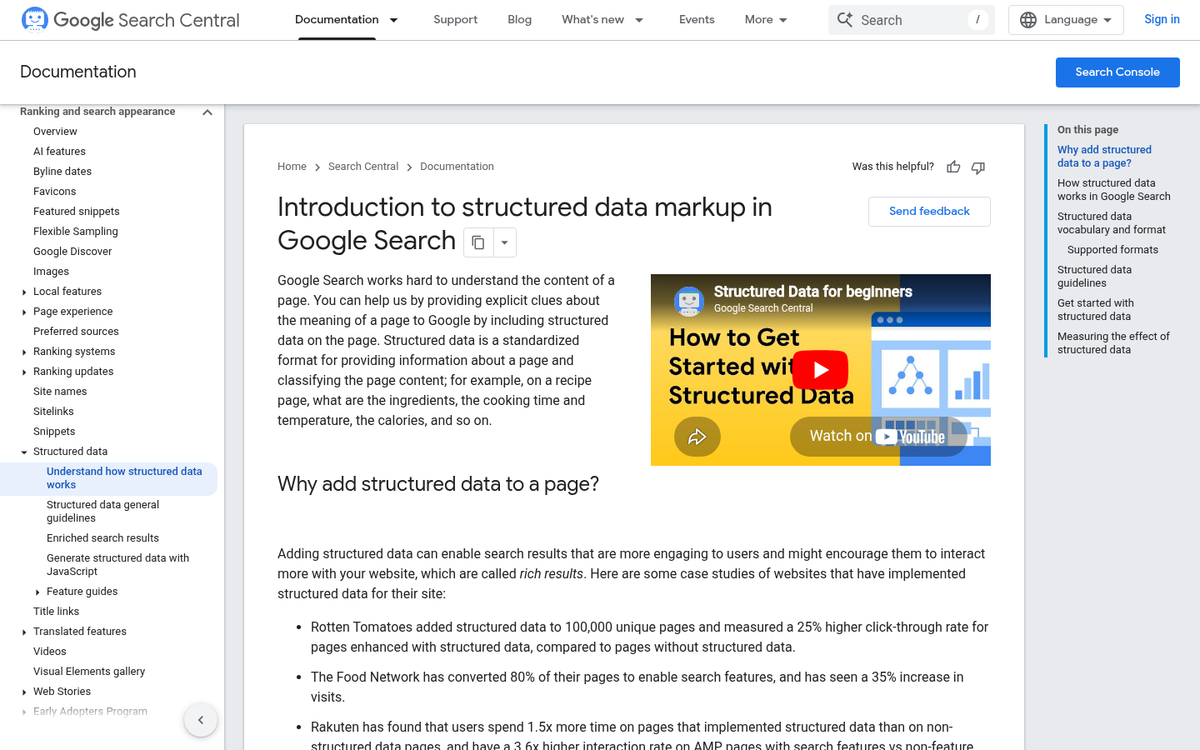
Click-through rates have been falling for a while. But the arrival of AI Overviews and conversational search has accelerated that trend. When an answer engine pulls a response from your content and shows it at the top of the page, the user has little reason to visit your site. You did the work, but someone else got the visit.
This matters differently depending on what your site does. A blog that earns revenue through ad impressions feels the pain fast. An e-commerce site selling products might see less impact on transactional searches, but still lose ground on the informational content that used to drive traffic into the funnel. If you rely on ad slots to monetize your blog, that shrinking click-through rate hits your bottom line directly.
The honest question to sit with: if users can get your answers without clicking through, what is your content doing for you? That's not a reason to stop creating content - it's a reason to think harder about what content still earns a click and what kind is now doing free labor for an answer engine. It's also worth considering how to stay motivated through these shifts rather than burning out chasing metrics that are moving against you.
The traffic drop in your dashboard isn't an isolated thing or a penalty - it's a direct result of how answer engines have changed the relationship between a search and a website visit.
How Answer Engines Decide What to Surface
Answer engines are not picking content at random. They are scanning for tells that signal a piece of content is honest, well-structured, and actually answers the question being asked.
One of the biggest tells is topical authority - it means an answer engine looks at whether your site has a strong, steady track record on a given subject. A site that has written one post about tax deductions is less likely to get cited than a site with a whole library of accurate content on personal finance. Depth and consistency across a topic carry weight here.
The format of your content matters just as much as the subject. Answer engines are attracted to content that gets straight to the point. If someone asks a question and your page takes three paragraphs to get to the answer, that works against you. Pages that state the answer early and then back it up with supporting detail are much easier for AI systems to extract and use.
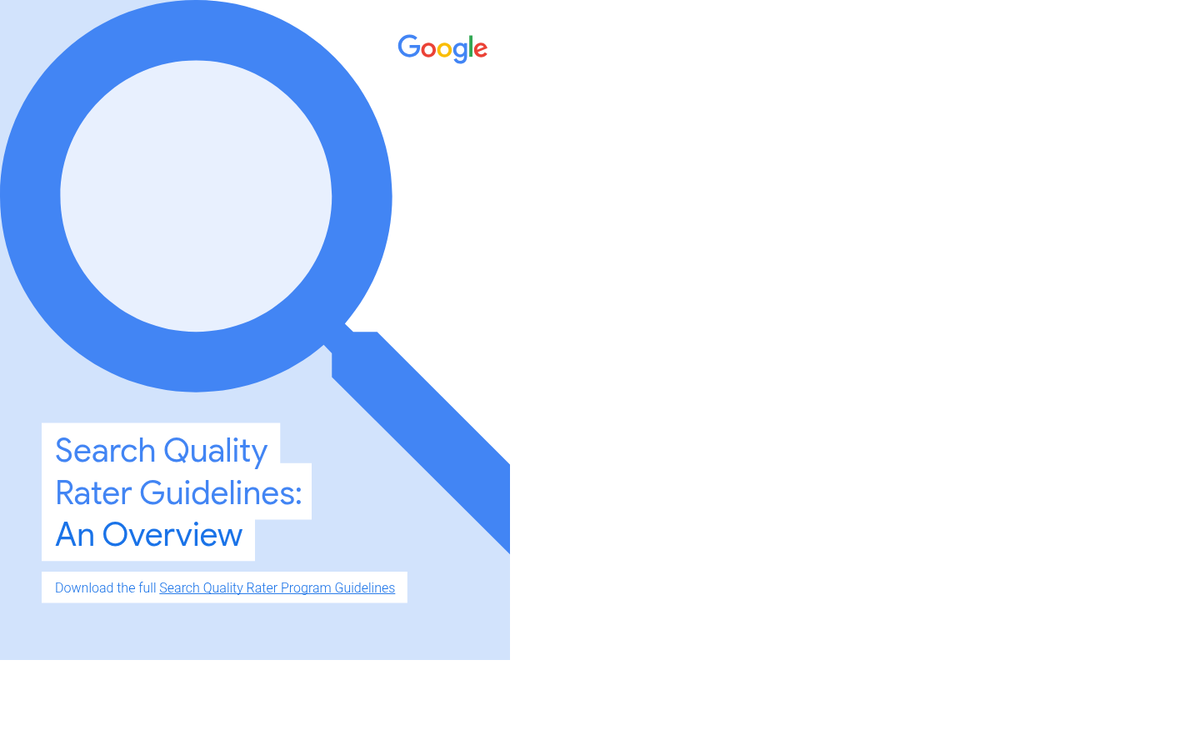
Structured data is another part of the challenge. When you use schema markup to label parts of your content - like FAQs, how-to steps, or definitions - you make it much easier for answer engines to know what each section is about. It's basically a way to speak the engine's language.
E-E-A-T signals also play a role. That stands for Experience, Expertise, Authoritativeness, and Trustworthiness. These are the same things Google uses to review content quality, and AI-powered answer engines work along similar lines. Author credentials, citations, accurate information, and a respected domain all help your content get treated as a reliable source. Keeping your content original is a key part of maintaining that trust.
Here is a helpful stat to keep in mind: 91.3% of AI Overview triggers are informational queries - this tells you what these systems are built to handle - questions, definitions, comparisons, and explanations. If your content is written to inform instead of just to sell, you are already lined up with what answer engines are looking for. Be thoughtful about how you use quoted material in posts meant to inform, as it can affect how your content ranks.
It also helps to remember how a question would be spoken out loud. Conversational, natural phrasing in your content matches the way people type or speak queries into AI tools. That alignment makes your content easier to match to a relevant question and more likely to get pulled into a response.
Optimizing Your Content to Get Cited by Answer Engines
Now that you know what answer engines look for, you can do something about it.
Start with question-and-answer formatting
Answer engines love content that mirrors the way people ask questions. If you write a heading as a question and then answer it directly in the next paragraph, you make it easy for an AI to pull your text as a response. Keep your answers tight - one to three sentences that get straight to the point, followed by any extra detail that can add value.
Definitions work well here too. If your page explains what something is in plain, easy language, it can become a strong candidate for an AI-generated answer.
Use structured data markup
Adding schema markup to your pages helps answer engines understand what your content is about. FAQ schema and How-To schema are two of the most helpful types to add. They don't guarantee a citation. But they do make your content easier to read at a machine level. That matters.
Build topical depth, not just individual pages
A single well-written page is helpful. But a cluster of related pages is better. Think about the questions that surround your main topic and build pages that address each one.
Aim to be one of the cited sources in AI Overviews
Google's AI Overviews can include as many as eight source links alongside a generated answer; it's eight places worth competing for. Pages that get cited tend to have direct answers near the top, strong page structure, and strong topical relevance to the query. A citation there puts your content in front of users who might not have clicked through from a traditional search result.
Audit what you already have
Before you create anything new, go back through your existing content with fresh eyes. Ask yourself if each page actually answers a question, if the answer is easy to find, and if the writing is clear enough for an AI to summarize. Small edits to existing pages will move the needle faster than writing something from scratch. If you use WordPress, it may also be worth checking whether reverting to an older writing style in Gutenberg makes your content easier to structure and scan.
Your Website Still Has a Seat at the Table
The good news is that answer engine optimization isn't a reinvention of the wheel - it grows out of the same principles that make content helpful: accuracy, structure, and genuine practicality. If your site already prioritizes those things, you're closer to AEO-ready. The helpful steps - tightening up your formatting, answering questions directly, strengthening your site's credibility signals - are extensions of content work, not replacements for it.
The sites that treat this change as an opportunity instead of a threat will be the ones answer engines return to. Start by auditing a handful of your strongest pages with this lens using our AEO readiness checklist: would an AI confidently pull an answer from this? If the honest answer is no, that's your next step. The earlier you start making those adjustments, the more ground you build before the landscape settles.
FAQs
What is an Answer Engine?
An answer engine reads web content and delivers a single, direct response to a user's query instead of returning a list of links. Unlike traditional search engines, it synthesizes information from multiple sources, meaning users often get their answer without ever clicking through to a website.
Why is my website traffic dropping?
Answer engines like Google AI Overviews display responses directly in search results, reducing the need for users to click through to websites. Over 60% of searches now end without a single click, and average click-through rates have fallen from 0.73% to 0.26%.
Which platforms are considered answer engines?
Major answer engines include Google AI Overviews, ChatGPT, Perplexity, Bing Copilot, Siri, and Alexa. Each platform sources and delivers answers differently, so visibility strategies may vary depending on which platforms your audience uses most.
How do answer engines decide what content to surface?
Answer engines prioritize content with topical authority, clear question-and-answer formatting, structured data markup, and strong E-E-A-T signals. Content that answers questions directly and concisely near the top of the page is far more likely to be cited.
How can I optimize my content for answer engines?
Use question-based headings with direct answers, add FAQ and How-To schema markup, build topical depth with content clusters, and audit existing pages for clarity. Accurate, well-structured content that genuinely answers questions is most likely to be cited by answer engines.