




Here is what that means in practice: answer engines like ChatGPT, Perplexity, and Google's AI Overviews do not just retrieve pages - they interpret them. When these systems scan your content to generate a response for a user, the clarity, structure, and specificity of your writing directly determine whether your site gets surfaced, cited, or ignored. In that sense, writing well-optimized content for AEO is a form of prompt engineering.
This matters because the rules have changed. Traditional SEO rewarded pages that ranked well in a list of blue links. Answer Engine Optimization is about earning the response - the direct answer a user gets without ever needing to click through. To do that, your content needs to communicate with accuracy, authority, and structure that AI can process and trust.
This glossary entry breaks down what prompt engineering means in the context of AEO, how the principles behind it apply to the content you publish on your site, and what you can start doing differently to make your pages work harder in an AI-driven search environment.
Quick Answer
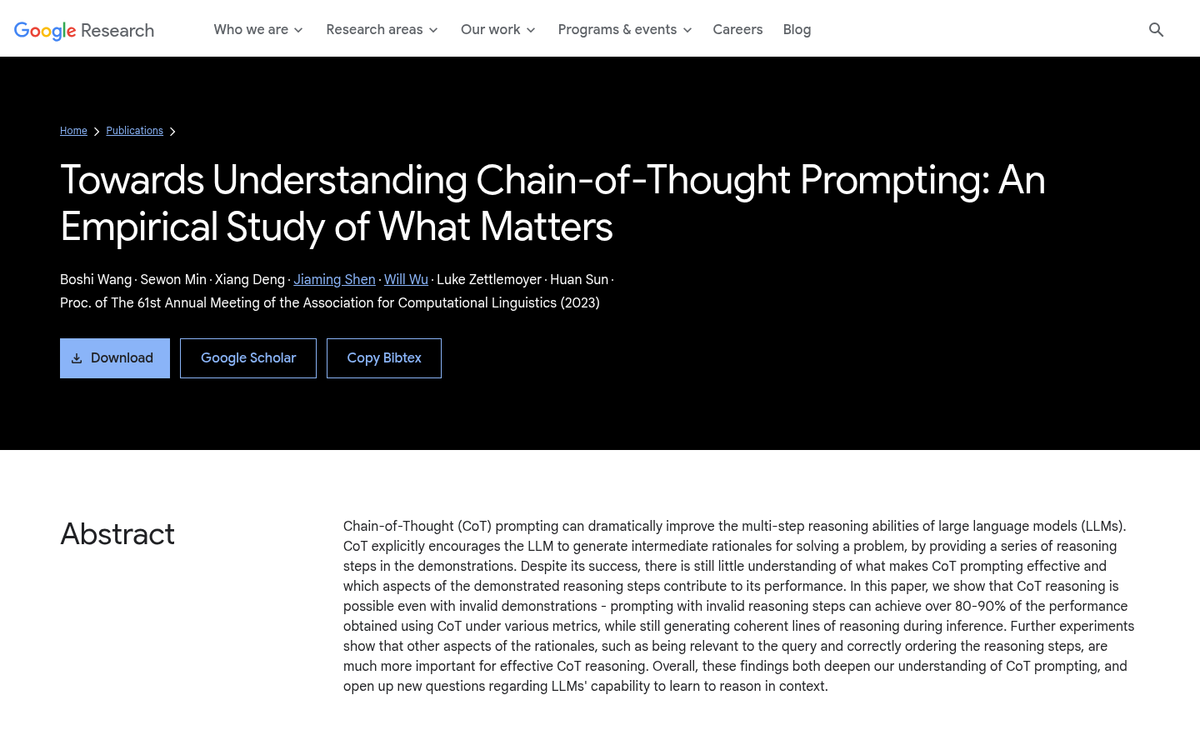
Prompt engineering is the practice of designing and refining inputs given to AI language models to achieve more accurate, relevant, and useful outputs. It involves crafting clear instructions, providing context, using examples, and structuring queries strategically. Effective prompt engineering can significantly improve AI performance without changing the underlying model. Techniques include zero-shot prompting, few-shot prompting, chain-of-thought reasoning, and role assignment. It's a critical skill for maximizing the utility of AI tools like ChatGPT, Claude, and similar systems.
How Prompt Engineering Shapes the Way AI Reads Your Content
Prompt engineering got its start around 2020, when OpenAI released GPT-3 and scientists began to see something interesting. The way you phrased a question to the model changed the answer dramatically. That discovery sparked a whole field of study around how to write better inputs to get better outputs.
Most think of prompt engineering as something that happens inside a chat window. You type a question, the AI responds, and you smooth out your wording until you get what you want. That same process is playing out across the web every time someone asks an answer engine a question.
They run something close to a structured prompt against everything they have indexed, then pull the most relevant, well-organized response to the surface. Your content is basically being evaluated the same way a prompt gets evaluated - by how well it anticipates the question and how directly it gets to the answer.
That is what people in the AEO space mean when they talk about "content as a prompt." The headings you write, the questions you answer, and the structure you use to put together a page are all tells. A heading like "What does prompt engineering mean for content writers?" works harder than a vague heading like "More on prompt engineering" because it mirrors the question a person would type. If you want to see how well your content holds up, our AEO readiness checklist is a good place to start.
You are also writing for a system that's trying to match your content to a user's intent. The closer your content comes to answering that intent in a direct and organized way, the more likely it is to get picked up.
That connection between structure and AI retrieval is the thread that runs through AEO. Once you understand how prompts work from the inside, it's much easier to see why the way you write a heading or frame a paragraph matters to whether your content gets surfaced at all.
The Main Types of Prompts (and What They Teach Us About Content)
There are a few core prompt types that engineers use to get better results from AI models, and each one has a direct parallel to how you should think about structuring your website content.
A zero-shot prompt gives the AI no examples at all - it just asks a question and expects the model to figure it out from scratch. This is how most users use AI tools, and it's also how answer engines treat your content when there's nothing concrete to work with. Thin pages with no context, no structure, and no point tend to produce weak outputs.
Few-shot prompting is where things get more helpful. The engineer gives the AI a handful of examples before asking the question. The examples act as a guide, and the model learns the expected format or tone from them. For your content, this maps directly to things like FAQs, worked examples, and comparison tables. When you give AI a structured pattern to follow, it produces much better answers.
Chain-of-thought prompting asks the AI to reason through a problem step by step instead of jumping straight to a conclusion. Content that mirrors this tends to perform well in AI-generated answers. How-to guides, numbered processes, or any page that walks through a choice in logical order are examples of this.
Role-based prompts assign the AI a persona, like "act as a financial advisor" or "respond as a customer support agent" - this shapes how the AI frames its answers. For website owners, this is a reminder that topical authority matters. A page written with genuine depth and a steady point of view reads as more credible to an AI than a generic overview.
| Prompt Type | How It Works | Content Equivalent |
|---|---|---|
| Zero-shot | No examples given; AI works from general knowledge | Unstructured pages with no supporting context |
| Few-shot | Gives the AI examples to follow | FAQs, comparison tables, worked examples |
| Chain-of-thought | Encourages step-by-step reasoning | How-to guides, numbered steps, logical walkthroughs |
| Role-based | Assigns a persona to shape the response | Expert-led content with a clear, consistent perspective |
The pattern here is consistent. Content that gives AI something structured to work with tends to get used, and content that doesn't tends to get passed over.
Why Poorly Structured Content Gets Ignored by Answer Engines
When you write a vague or confusing prompt, an AI tool gives you a vague or confusing response. The same thing goes with your website. When your content is disorganized or hard to parse, answer engines move past it very quickly.
Answer engines like Google's AI Overviews and Bing's AI-powered results are built to pull clean, direct answers from web pages. They are not built to dig through walls of text to find something helpful. If your content buries the point, the engine just finds someone else's page instead.
The structural pitfalls that hurt visibility
A lot of website owners write content that reads well to humans but tells nothing to an AI system. One of the biggest problems is writing that's too promotional. Sentences like "we are the best in the business" don't answer a question and they don't get cited. Answer engines want information, not sales language.
Another common problem is a lack of hierarchy. When a page has no subheadings or logical flow, a machine can't find what each section is about- it needs to be able to scan your structure and your content without extra effort. This same principle applies to things like how infinite scroll can hurt your blog rankings by making content harder for engines to navigate.
Vague language is another issue. Phrases like "a variety of solutions" or "we help businesses grow" are too abstract to match a user's search query. Specific, grounded language performs quite a bit better because it maps directly to how users ask questions.
| Common Pitfall | Why It Fails |
|---|---|
| Promotional language | Does not answer a question or provide usable information |
| No subheadings or structure | Makes it hard for an engine to identify what content covers |
| Vague phrasing | Does not match how users phrase real queries |
| Long, dense paragraphs | Harder to extract a direct answer from |
The competition for AI citations is growing fast. A large and growing share of businesses now integrate AI into their operations, which means more content is being optimized for these systems every day. If you're also thinking about scanning your WordPress posts for errors, that kind of quality control matters more than ever when machines are evaluating your content.
Today, every piece of content competes for the attention of machines that choose what to surface and what to skip.
Applying Prompt Engineering Logic to Your Website Copy
The difference between content that gets cited by AI and content that gets skipped is mostly a writing problem, and it's a fixable one- it starts with how you structure sentences and paragraphs.
One of the most helpful approaches is to write in a question-and-answer format. Instead of burying an answer inside a paragraph, lead with the question your reader is likely to type into a search bar or AI tool, then answer it directly in the next sentence- this mirrors the way prompts are written, which makes it much easier for answer engines to pull your content as a response.
Definitions matter more than you think. If your page covers an idea, name it and explain it in plain language within the first couple of sentences on that topic. AI systems look for self-contained explanations they can reference without needing the surrounding context to make sense of them.
Walk your reader through the reasoning and land on the point, because this is how people process information- it also happens to be the structure that answer engines find easiest to work with.
Write in direct, declarative sentences. Short, confident statements - like "Email marketing generates a higher return than paid ads for most small businesses" - are far more usable to AI than vague, hedged language. If your copy is full of phrases like "it could be argued" or "some believe," you are making it hard for any system to extract a usable answer.
68% of firms now train staff in prompt engineering skills. The way people use AI is becoming a professional standard, and content teams that apply this logic will write copy that works harder across every channel.
Format sub-topics well. Use descriptive subheadings that read like statements or questions instead of vague labels. "What does a content audit include?" is more helpful to an AI than "Our Process." Subheadings that carry meaning help answer engines understand what each section is actually about.
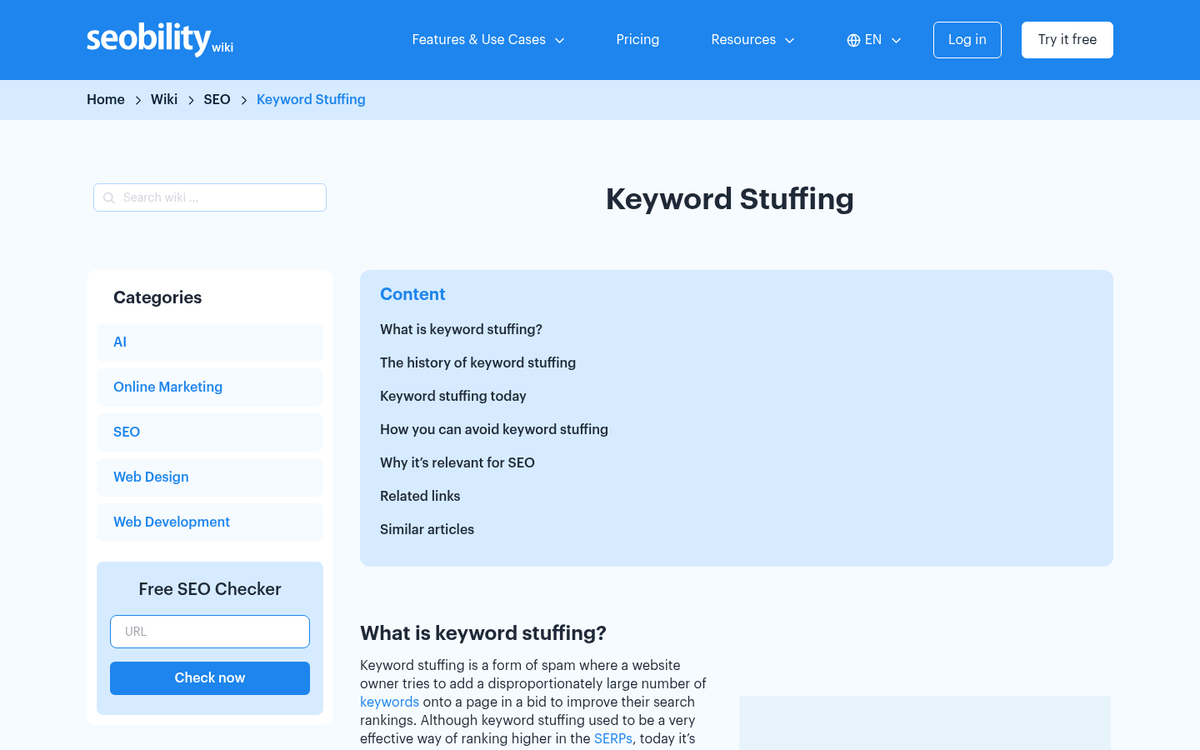
Every page on your site is a chance to answer something your audience is actively asking. Write to that question, define your terms, and trust that thinking carefully about how you write will do more for your visibility than any amount of keyword stuffing.
Tools and Workflows That Help You Write AI-Optimized Content
You don't need to be a developer to take advantage of prompt engineering principles. There are helpful tools available that let website managers test how AI interprets their content and find gaps without touching a single line of code.
Start with AI writing assistants like ChatGPT, Claude, or Gemini - not to generate content alone, but to test it. Paste your existing web copy into the conversation and ask the AI to summarize your page, answer a question based on it, or explain what your business does. If the response is vague or off-target, that's helpful feedback about how your content reads to an AI system.
Content auditing tools are worth looking at too. Tools like Surfer SEO, Clearscope, and MarketMuse analyze your pages against what AI and search engines expect to find. They flag things like thin content, missing topic coverage, and structure problems that make pages harder to process. These tools were built for SEO, but the overlap with AI readability is growing.
For prompt testing specifically, tools like PromptPerfect and Promptmetheus let you experiment with how to phrase questions and see how AI models respond - helpful if you want to know what input gets the most accurate output from an AI, and then work backwards to make your website copy match that pattern.
| Tool | Primary Use | Good For |
|---|---|---|
| ChatGPT / Claude | AI writing and testing | Testing how AI reads your existing copy |
| Surfer SEO | Content auditing | Identifying structure and coverage gaps |
| Clearscope | Content optimization | Topic depth and relevance scoring |
| PromptPerfect | Prompt testing | Refining how you phrase questions to AI |
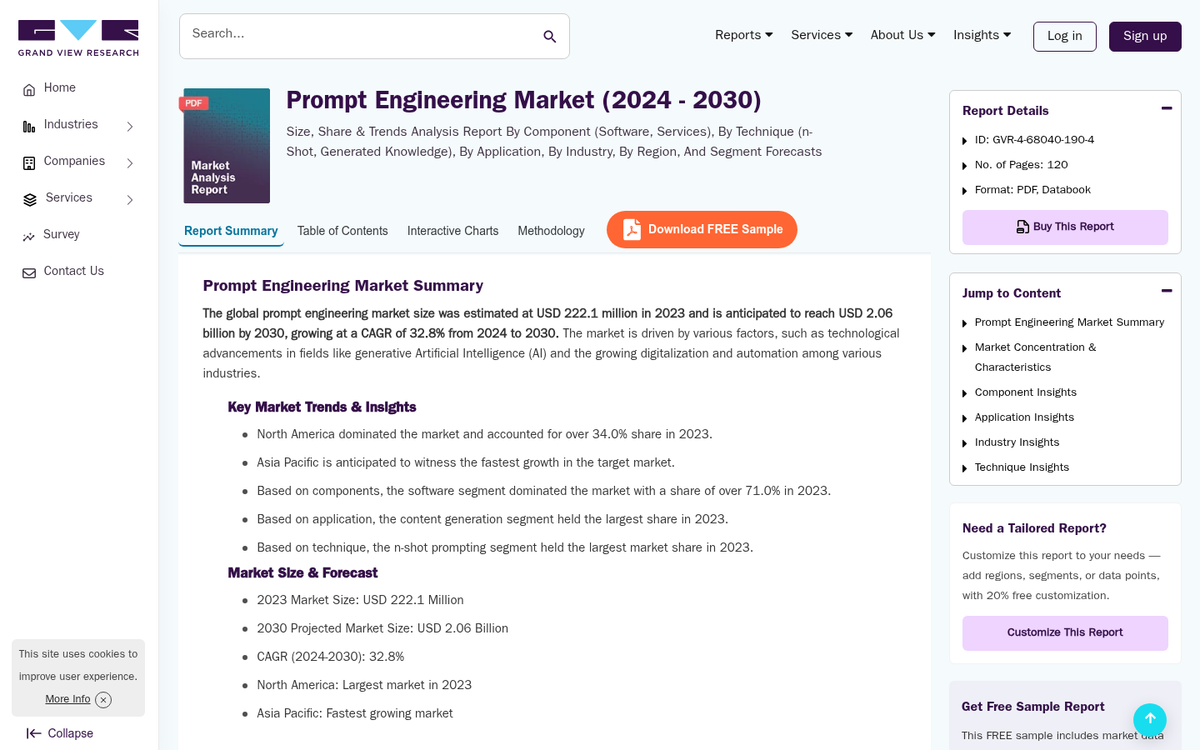
The wider market signals that this matters. The prompt engineering industry is expected to reach $2.06 billion by 2030, which means this is a growing professional field with investment behind it.
The most helpful workflow is to write your content, test it with an AI tool, read the output, and adjust based on what the AI missed or misread - it's a feedback loop you can run yourself with free tools and a bit of patience.
Start Thinking Like the AI You're Writing For
Everything covered here - formatting your content around question-and-answer logic, to tightening your copy so it functions as a quotable source, to tools that help you audit how AI models perceive your pages - points toward the same change in mindset.
A helpful place to start: pick one high-traffic page on your site this week and read it the way a language model might. Does it answer a question clearly and early? Is the structure logical enough to be parsed without visual cues? Could a sentence from that page stand alone as a helpful, accurate response? If the answer to any of these is no, you have a concrete starting point. If you're also looking to grow that traffic through distribution, learning how to use Buffer to increase your blog traffic is a practical next step.
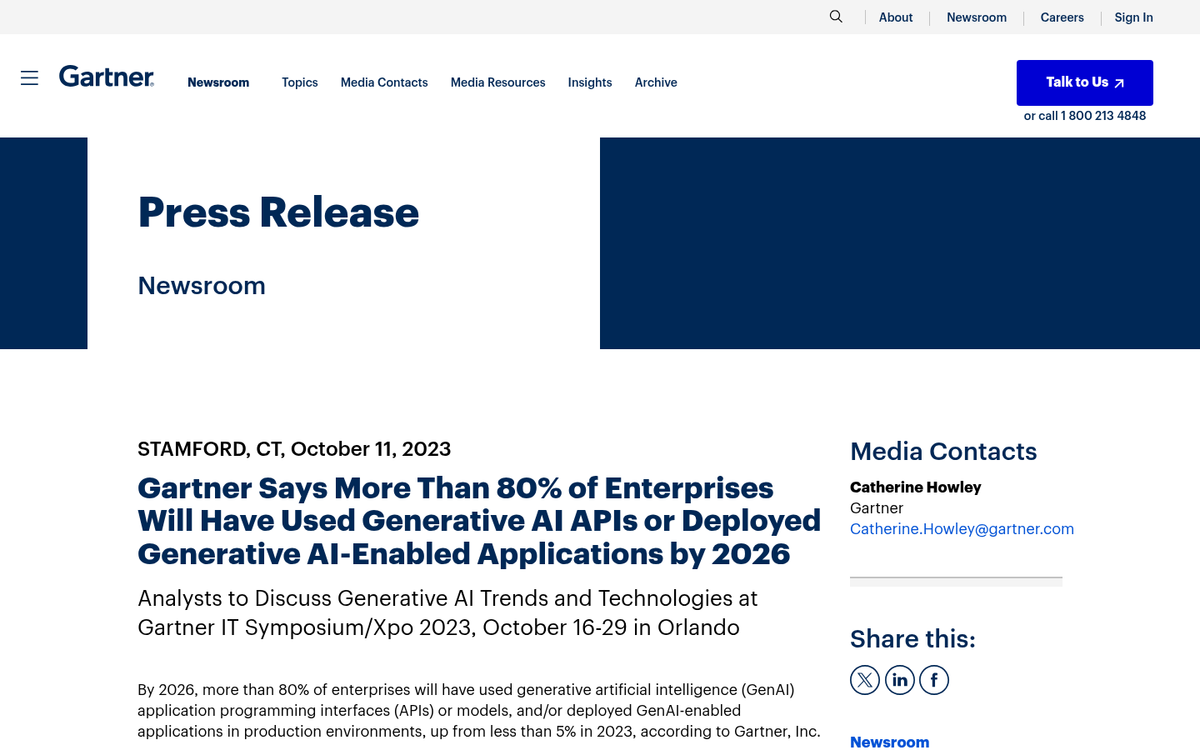
The urgency here is real. Gartner projects that more than 80% of enterprises will be running generative AI in production environments by 2026. The patterns being established now - which sources AI systems trust, cite, and return to - will not be easy to displace once they are set. Building that credibility is considerably easier than trying to reclaim it later.
FAQs
What is prompt engineering in the context of AEO?
Prompt engineering, applied to AEO, means structuring your website content so answer engines can easily interpret and cite it. The clarity, hierarchy, and specificity of your writing directly determine whether AI systems surface your pages in responses.
Why does content structure matter to answer engines?
Answer engines scan pages to extract direct, usable responses. Disorganized content without clear headings or logical flow forces engines to skip your page entirely and pull answers from a better-structured competitor instead.
How does few-shot prompting relate to website content?
Few-shot prompting gives AI structured examples to follow. The content equivalent is FAQs, comparison tables, and worked examples - formats that give answer engines a clear pattern to process and return as a response.
What writing mistakes hurt AI visibility the most?
Promotional language, vague phrasing, missing subheadings, and dense paragraphs are the biggest offenders. These formats prevent answer engines from extracting a clean, direct answer to match against a user's query.
Which tools help test AI readiness of your content?
Paste your copy into ChatGPT or Claude and ask it to summarize your page. If the output is vague or inaccurate, your content needs restructuring. Tools like Surfer SEO and Clearscope can also flag coverage and structure gaps.