





Key Takeaways
- Facebook doesn't explicitly ban affiliate links, but automated systems frequently reject ads promoting them due to quality concerns.
- Always verify your affiliate network's policies first - Amazon Associates prohibits direct paid ad links entirely.
- The landing page ("sandwich page") method is the current standard, enabling retargeting and improving conversion rates by up to 70%.
- Building a branded Facebook page blends organic content with paid promotion, but leaves you vulnerable to Meta's algorithm and policy changes.
- 82% of six-figure affiliate sites combine paid ads with organic SEO, making a real website the most scalable long-term setup.
Does Facebook Allow Affiliate Marketing Links in Ads?
Many marketers consider Facebook - or Meta, as the platform is now officially branded - to be one of the best pay-per-click advertising platforms available. And honestly, it's hard to argue with that. There are over three billion monthly active users on the platform, all of whom have contributed a mountain of personal data that makes for incredibly precise ad targeting. The sheer volume of users means ad costs remain relatively accessible across many demographics, with the average CPM across all industries sitting around $16.12 - though U.S.-based campaigns tend to run higher.
With the right campaign objective, you only pay when someone actually clicks through, which means you can rack up impressions without paying for every single eyeball. On paper, this sounds like a dream setup for affiliate marketing.
The catch? Only about 12% of affiliates actually use paid social as a primary traffic source. That tells you something. It's not that Facebook ads don't work for affiliate marketing - it's that getting them to work well takes more strategy than most people expect.
The question remains: does Facebook actually allow affiliate marketing links in ads? Can you run them without getting your account flagged or suspended?
What Meta's Ad Policies Actually Say
Meta maintains a detailed set of advertising policies, and if you comb through them looking for a line that explicitly bans affiliate links, you won't find one. Affiliate marketing as a practice isn't prohibited.
That said, the real-world experience of thousands of marketers tells a more nuanced story. Affiliate links frequently get ads rejected, accounts flagged, or domains blacklisted - not because of a blanket rule against affiliate marketing, but because of how those ads are structured, what they're promoting, and whether Meta's automated systems flag them as low-quality or deceptive experiences.
Meta is notoriously inconsistent with enforcement. Their automated review systems do the heavy lifting, and those systems are imperfect. An ad that gets through one week might be rejected the next. A domain that works fine for one advertiser might be flagged for another. This unpredictability is frustrating, but it's the reality of advertising on a platform at this scale.
The other major variable is your affiliate network's own policies. Amazon Associates, for example, explicitly prohibits including affiliate links in boosted posts or paid ads. However - and this is an important nuance - you can run paid Facebook ads to your own compliant landing page that contains Amazon affiliate links, as long as visitors are required to click at least twice before reaching Amazon. Direct linking straight to an Amazon product via a paid ad will get your Associates account closed.
Always check the terms of service for any affiliate network you're working with before you run a single ad. The Facebook side of things may be fine; it's often the affiliate network that shuts you down.
1: Just Go For It
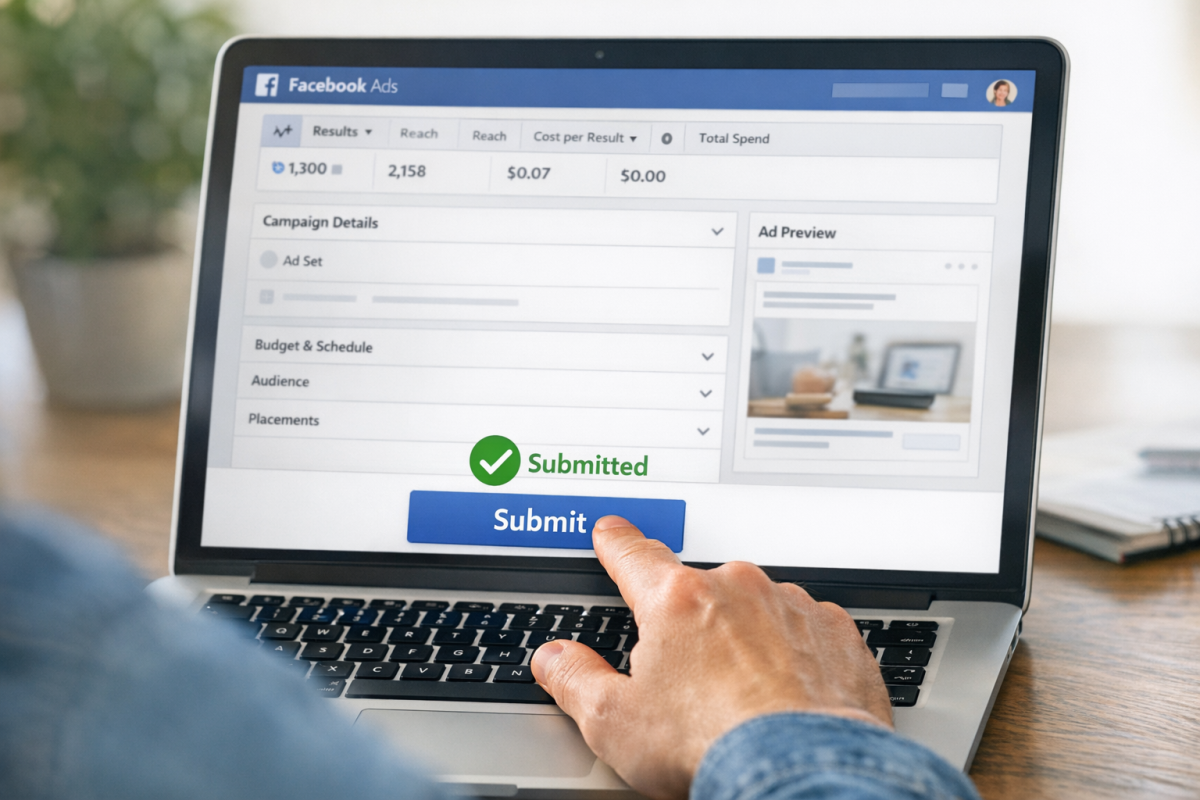
The most straightforward approach is to test it directly. Create your ad, write your copy, upload your creative, add your affiliate link, and submit it for review. Facebook won't necessarily ban your entire ads account for submitting an affiliate link - in most cases, the worst outcome is a rejected ad with a vague policy violation notice.
There are two important caveats here. First, if Facebook rejects a specific URL, that URL may effectively be blacklisted for future ads. You won't be able to reuse the same link, even in a new ad. Entire domains rarely get blacklisted, but specific pages and tracked URLs absolutely do.
Second - and this cannot be stressed enough - verify that your affiliate network allows direct paid traffic. Amazon Associates does not allow affiliate links in paid ads (with the two-click landing page exception noted above). Other networks vary. Check first, or risk losing the affiliate account you're trying to monetize.
For what it's worth, this method has one genuinely useful application: testing. Running small, targeted campaigns to different audiences can give you useful data on which products resonate, which audiences convert, and which angles are worth building out into a larger strategy. Just make sure you're running enough volume that your data is statistically meaningful - a handful of impressions tells you almost nothing.
2: The Landing Page (Sandwich Page) Method
This is the approach that holds up best in 2026, and it's the one most serious affiliate marketers using paid social have settled on.
Rather than sending Facebook ad traffic directly to an affiliate link, you send traffic to your own landing page first. That page exists for one purpose: getting the visitor to click through to your affiliate offer. This is sometimes called a "bridge page" or "sandwich page," and it's the structure that keeps you compliant with both Meta's ad policies and most affiliate network terms.
This approach also has a practical upside beyond just compliance. A well-optimized landing page gives you the opportunity to warm up cold traffic before they hit the affiliate offer. You can add context, build credibility, address objections, and make the click feel like the obvious next step. Retargeting is also much more powerful with this setup - you can retarget everyone who visited your landing page but didn't convert, and retargeting ads on Facebook have been shown to increase conversion rates by up to 70%.
You don't need anything elaborate. A clean, fast-loading page with a clear headline, a compelling reason to act, and a single call-to-action button is enough. Focus on landing page optimization - every percentage point of improvement in click-through rate goes straight to your bottom line.
The math here can work in your favor. If you're generating traffic at a reasonable CPM and your landing page converts well, the per-click economics of affiliate marketing through Facebook ads are viable - particularly in niches where affiliate commissions are meaningful.
3: The Facebook Page / Brand Presence Method
If you want to build something more sustainable than a campaign-by-campaign approach, creating a branded Facebook page around your niche is worth considering. This method blends organic content with paid promotion in a way that tends to sit more comfortably within Meta's policies.
The idea is straightforward: you build a page around a topic your target audience cares about, post genuinely useful content consistently, and weave in affiliate links naturally. You're not leading with the sale in every post - you're building an audience that trusts your recommendations, which makes those recommendations more likely to convert. If you're struggling with this, it's worth understanding why nobody is clicking your affiliate links and how to fix it.
Once you have a base of engaged followers, Meta's lookalike audience targeting becomes a powerful tool. You can use your existing audience as a seed to reach new people with similar interests and behaviors, bringing them into your ecosystem where they can follow your page and engage with your content.
From there, you can identify your highest-converting affiliate posts and put paid promotion behind them. You're amplifying what's already working, rather than guessing cold. Understanding how to convert paid website traffic effectively can make a significant difference here.
The downside of this method is real: you're entirely dependent on Meta's platform. Pages get restricted, ad accounts get suspended, and reach is always at the mercy of algorithm changes. If your entire operation lives inside Facebook, a single account action can bring it down overnight. This is why most experienced affiliates treat the Facebook presence as one channel, not the whole strategy - and look at other ways to share and distribute affiliate links across multiple platforms.
4: The Full Website Approach
The most resilient long-term setup combines a real website with Facebook ads as a traffic channel. You own the asset, you control the experience, and you're not one algorithm change away from losing everything.
The basic framework looks like this:
- Choose a niche and secure good web hosting.
- Build a site with a URL and branding that fits your niche.
- Populate it with genuinely useful, well-researched content.
- Optimize for SEO so you're building organic traffic alongside paid.
- Use Facebook ads to drive targeted traffic to your best-converting content and landing pages.
- Retarget visitors who didn't convert on their first visit.
This is the model that scales. According to Authority Hacker's 2024 research, 82% of affiliate websites earning six figures use both paid ads and organic/affiliate tactics together. The sites that rely exclusively on one or the other tend to plateau or become fragile over time.
Yes, this approach requires more upfront investment in time and money. But it also gives you compounding returns - SEO traffic that keeps arriving without ongoing ad spend, an audience you actually own, and a platform that isn't subject to Meta's policy whims.
Bottom Line

Affiliate marketing through Facebook ads in 2026 is absolutely possible, but it works best when you treat it as part of a broader strategy rather than a shortcut. Direct affiliate links in ads are unreliable and risky. The landing page method is the current standard for a reason - it keeps you compliant, gives you retargeting capability, and produces better conversion data.
If you're just getting started, a simple landing page plus a targeted Facebook campaign is a low-barrier way to test whether your niche and offer have legs. If you're ready to go deeper, building a real website and using Facebook ads as a traffic channel is the setup that actually scales.
The platform has changed a lot, but the fundamentals haven't: targeted traffic plus a compelling offer plus a well-optimized path to conversion equals results. Figure out which piece of that equation you're missing, and that's where to focus next.


9 responses
Thoughtful replies only - we moderate for spam, AI slop, and off-topic rants.
Kenny, I've started Affiliate marketing in the last 2 weeks, and in that time I have not stopped reading and watching, this is the best article I have read, great job buddy, simple, specific and completely relevant, just 1 question at the end of you seemed as if there is no real money to be made in it, is that right?
Why would you "just go for it", meaning, give $100 to Facebook to run your paid ad just to see if it's allowed 'this time'?
Great point, Mike! You're absolutely right that blindly throwing $100 at an ad to "test the waters" isn't the smartest approach. A better strategy would be to start with a much smaller budget - even $5-$10 - to check compliance before scaling up. Also, reviewing Facebook's current ad policies beforehand and using a landing page as a buffer rather than direct affiliate links can save you a lot of headaches (and money). Always test smart, not just fast!
i want to promote affiliate link of bluehost hosting plan with Facebook ad campaign ,if i put direct link of bluehost is ok or not.
Hey Avinash! Putting a direct Bluehost affiliate link in Facebook Ads is generally not recommended. Facebook tends to restrict or disapprove ads with direct affiliate links. A better approach is to send traffic to a landing page or blog post you own first, then redirect to your Bluehost affiliate link from there. This improves ad approval chances and also helps build trust with your audience before they click through!
I tried to put my affiliate link on Facebook but I don't have followers likes and veiws
Hey Malawy! Don't worry about followers when running Facebook Ads - you don't need them! Ads work independently of your page's organic following. The key is setting up a proper ad campaign targeting the right audience. Even a brand new page with zero followers can run successful ads. Focus on your targeting, ad creative, and budget instead. Keep learning and you'll get there! 💪
I tried to put my affiliate link on Facebook but I don't have followers likes and veiws .
Hey Malawy! That's actually totally normal when you're just starting out - everyone begins at zero! The good news is that with Facebook Ads, you don't need followers to get your affiliate links seen. Paid ads can put your offer in front of targeted audiences regardless of your page size. Focus on learning how to set up a simple ad campaign and start small with your budget. You've got this! 🙌