





Key Takeaways
- Google Ads allows Amazon affiliate links, but display URLs must match the destination domain - amzn.to shortlinks are not permitted.
- Bridge pages that simply redirect ad traffic to Amazon violate Google Ads policy unless they provide genuine, substantial original content.
- Amazon's Brand Referral Bonus gives sellers a 10% credit on sales from external traffic, making Google Ads more financially viable for sellers.
- Google Ads campaigns driving Amazon traffic average 203% RoAS, and seller adoption grew over 50% while Amazon PPC investment declined.
- Building your own content site provides first-party data, SEO traffic, and policy-compliant landing pages - stronger long-term than relying solely on ads.
Can You Use Google Ads to Promote Amazon Affiliate Links?
Amazon is, with good reason, one of the most powerful affiliate and seller platforms in the world today. The sheer scale, variety, and flexibility of the program makes it possible to earn money even on products you don't directly promote - thanks to Amazon's category-wide cookie attribution.
With the right conversion rate on the right product, you can make a meaningful return on investment from paid advertising. Google Ads remains one of the most effective PPC platforms available. So the question becomes: can you pay for Google Ads placement for Amazon affiliate links or product listings, drive sales, and actually turn a profit in 2026?
The short answer is yes - but the landscape has changed significantly, and there are now more compelling reasons to do it than ever before.
A Question of Access
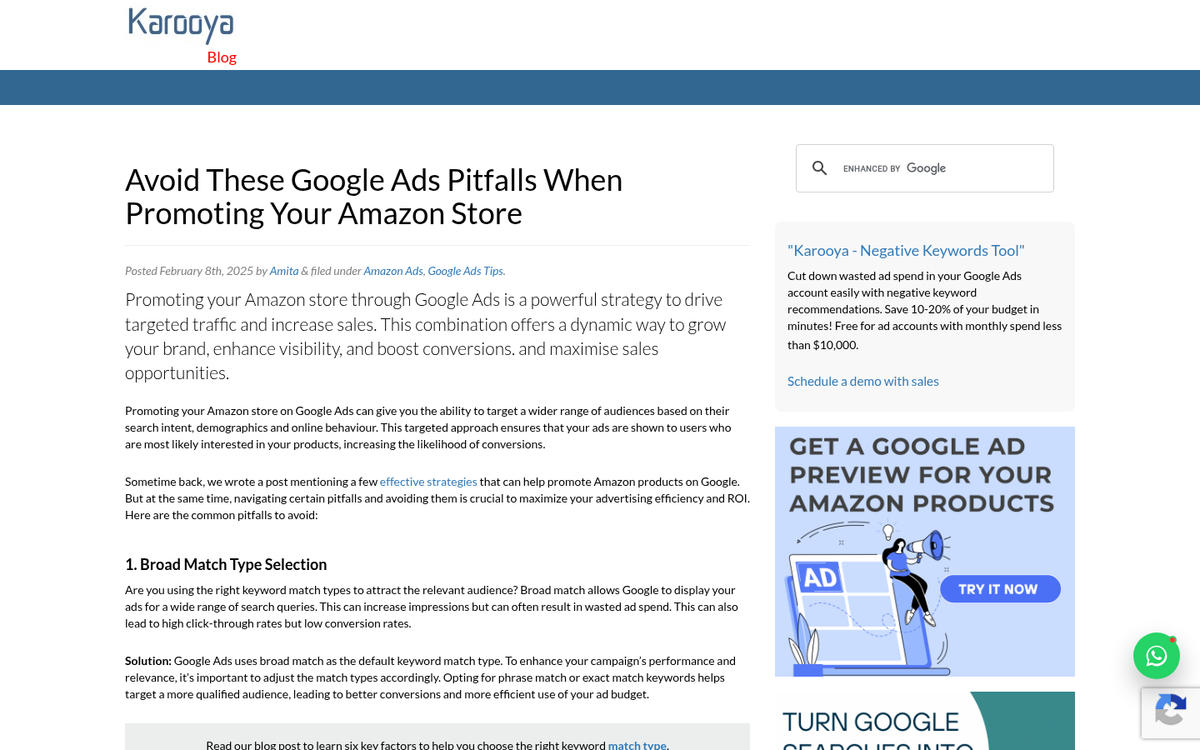
There are actually two distinct scenarios embedded in this question, and it's worth separating them clearly.
The first is promoting an Amazon product as an affiliate - you don't own or sell the product, you simply earn a commission when someone clicks your link and buys. The second is being an actual Amazon seller driving external traffic to your own product listing.
Both situations are governed by a layered set of rules: Google's advertising policies on one side, and Amazon's program policies on the other. Understanding where those rules intersect - and where they don't - is critical before spending a dollar on ads.
One persistent issue with both scenarios is the limitation on tracking data. Google Ads thrives on conversion signals. When you're sending traffic to Amazon, you generally can't install tracking pixels on Amazon product pages, which means your campaign optimization is flying partially blind. That said, as we'll cover below, Amazon has introduced tools that help close this gap for sellers.
Affiliate Links on Google Ads
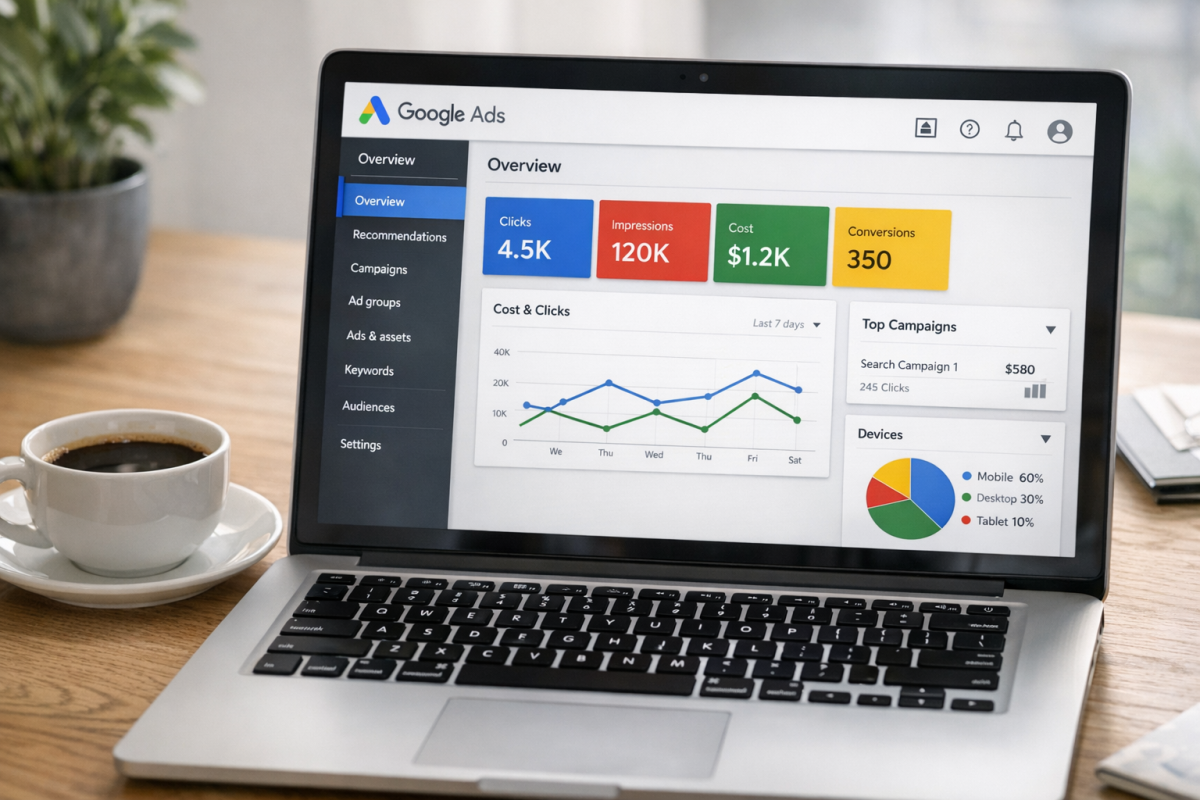
There's a lot of outdated information floating around the web and in Google's community forums about whether affiliate links are even allowed in Google Ads. Let's set the record straight for 2026.
Google Ads does not explicitly prohibit affiliate links. You can review the Google Ads policies here. There is no mention of the word "affiliate" in the prohibited or restricted content sections. However, two specific policies are very relevant:
- Misrepresentation. Your ad must accurately represent what the user will find when they click. Amazon, for the most part, handles this well - prices, product descriptions, and billing practices are transparent. This is rarely an issue when linking to a legitimate Amazon product page.
- Destination and display URL matching. The display URL in your ad must match the domain of the landing page. This means you cannot use Amazon shortlinks (amzn.to) in your ads - amzn.to and amazon.com are different domains. Your display URL must read as amazon.com if that's where the click lands.
Beyond those two, Google doesn't inherently block affiliate link promotion. You may also want to understand why affiliate links can be bad for SEO more broadly, as the friction tends to come from Amazon's own rules, not Google's.
Using Bridge or Doorway Pages
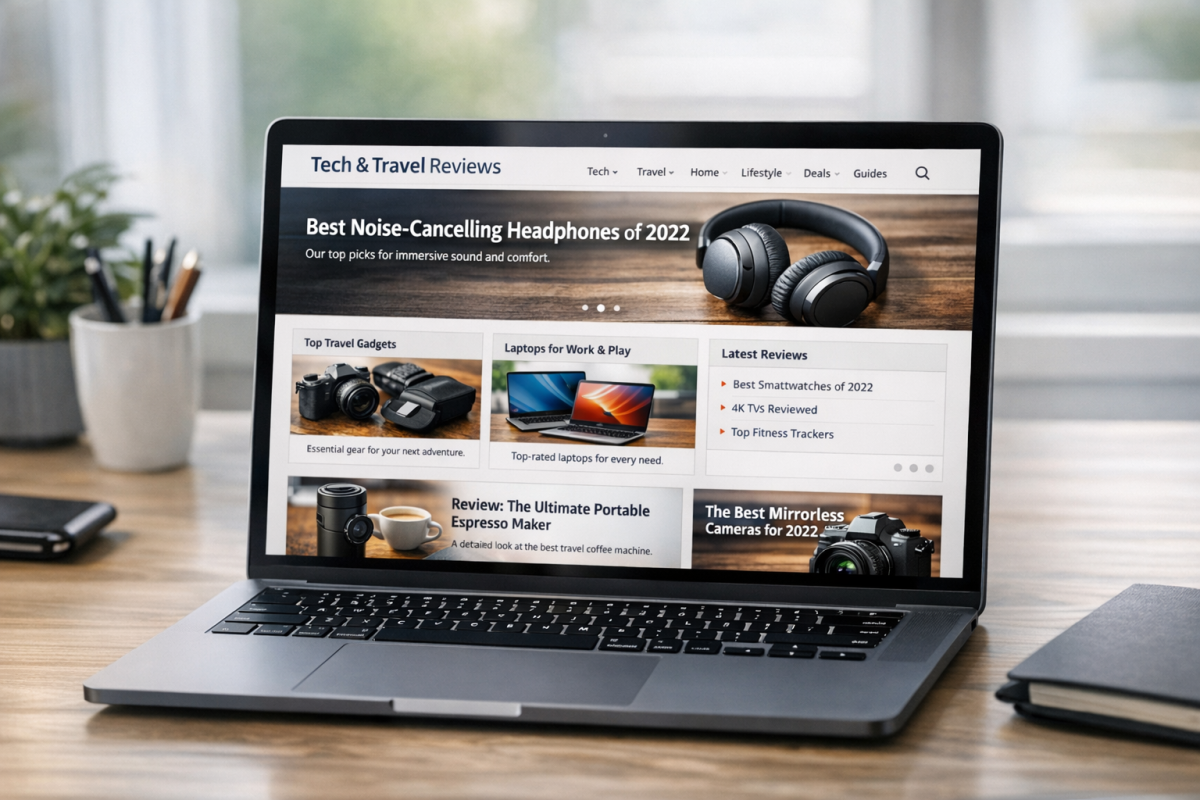
A common workaround people attempt is building a dedicated landing page on their own site - featuring product reviews, descriptions, and affiliate links to Amazon - and then running Google Ads to that page. The thinking is that it keeps your display URL clean while still funneling traffic to Amazon.
The problem is that Google classifies these as bridge, doorway, or gateway pages. A page that exists solely to receive ad traffic and redirect it elsewhere, with little original content of its own, violates Google Ads policy. This can result in ad disapproval or, in more serious cases, account suspension.
The exception is if your landing page provides genuine, substantial value - in-depth reviews, comparisons, original photography, buying guides, and so on. A thin one-page ad-to-Amazon funnel won't cut it. A well-developed affiliate content site that also runs paid traffic is a much stronger position to be in.
Amazon's Perspective
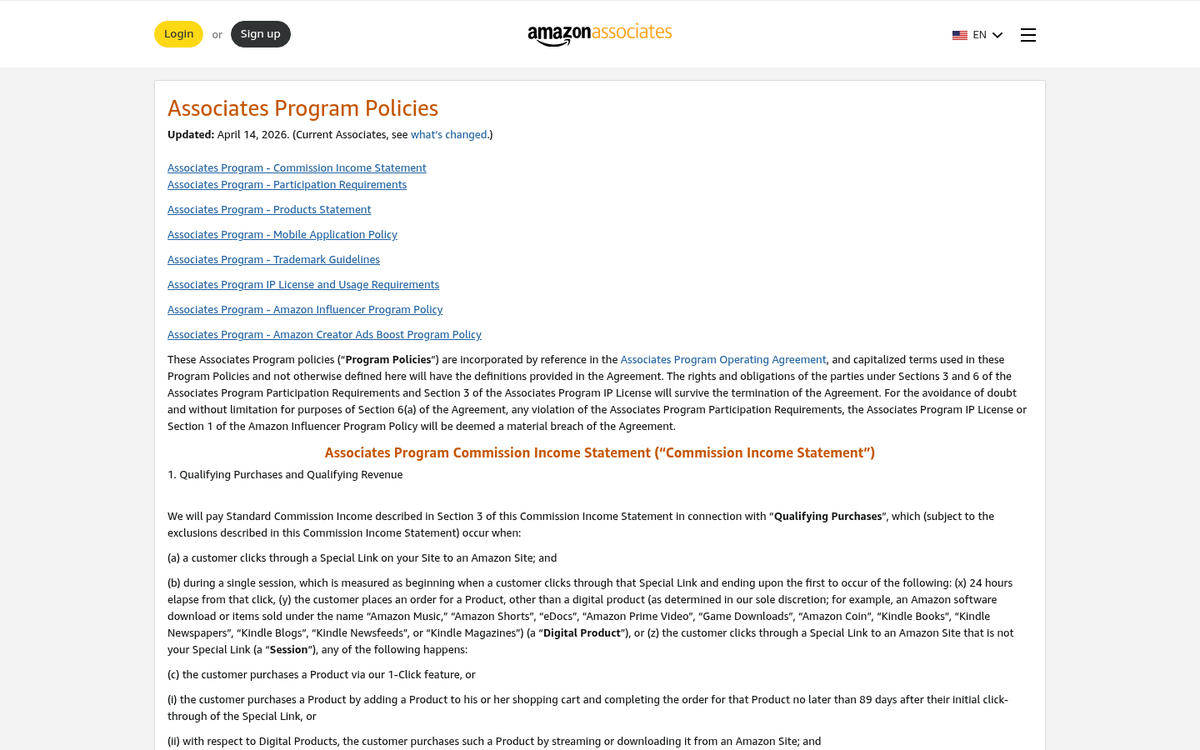
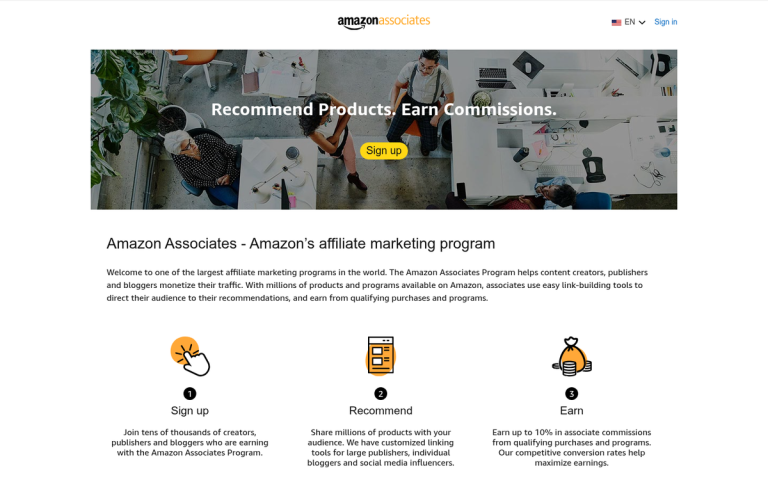
Amazon's Associates program policies have historically made paid advertising a gray area. Their concerns have centered around two issues: cloaked or redirected affiliate links, and competition with their own advertising.
On link cloaking: Amazon does not allow you to disguise or hard-redirect affiliate links. The user needs to know they're heading to Amazon. Soft references - mentioning in your ad copy or landing page that the product is on Amazon - are generally fine, but obscuring the destination is not.
On brand usage: Using Amazon's name, logo, or trademark in your ad copy or imagery without authorization is a violation of their policies and can result in both your Associates account and your Google Ads account being shut down. Don't reference Amazon by name in your ad headline or description unless you've confirmed it's permitted.
However, here's where things have genuinely changed for sellers. Amazon now actively encourages sellers to drive external traffic to their listings - and they've introduced a financial incentive to do exactly that.
The Brand Referral Bonus: A Game Changer for Sellers

If you are an Amazon seller (not just an affiliate), Amazon's Brand Referral Bonus program is something you need to know about. Introduced a few years ago and now well-established, this program gives sellers a 10% bonus credit on sales generated from external traffic sources, including Google Ads.
This credit is applied against your future referral fees, effectively reducing the cost of selling on Amazon when you're the one driving the traffic. For sellers in competitive categories, this alone can meaningfully shift the profitability math in favor of running Google Ads. If you're looking for additional ways to reduce expenses, there are strategies to successfully lower your Amazon FBA seller fees worth exploring as well.
To take advantage of this, you use Amazon Attribution - a free tool available to brand-registered sellers that generates trackable links you can use in your Google Ads campaigns. This also solves, at least partially, the tracking problem mentioned earlier. You won't get full pixel-level data, but you will get impression, click, and conversion data tied back to your campaigns.
Does the Math Actually Work in 2026?
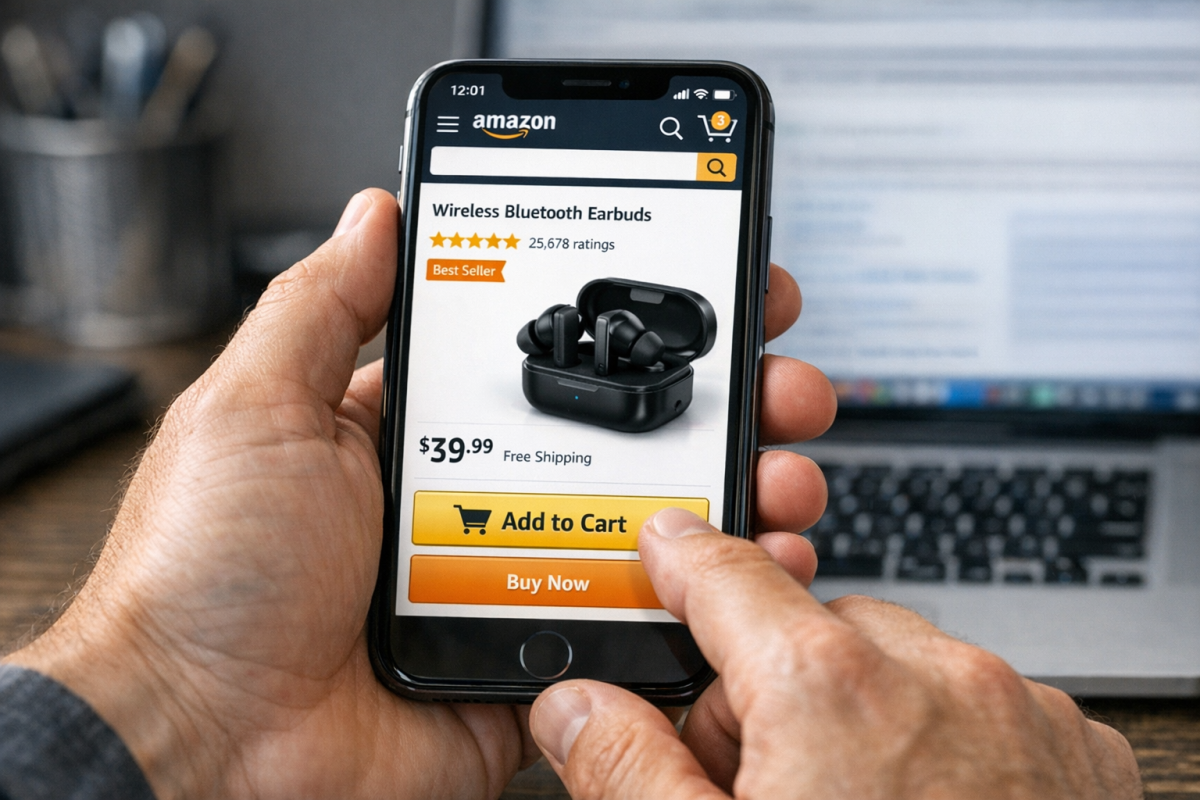
The data has gotten more encouraging. According to research from Jungle Scout and Ampd, Google Ads campaigns directing traffic to Amazon deliver an average return on ad spend (RoAS) of 203%. In high-intent categories like Health & Household, more than 10% of users served a Google-to-Amazon ad add at least one product to their cart - a meaningful engagement rate.
Jungle Scout's 2024 Amazon Advertising Report also found that while investment in Amazon's own PPC platform fell nearly 10% over two years, investment in paid search ads (i.e., Google Ads) grew more than 50% over the same period. Roughly 25% of Amazon sellers now use Google Ads to promote their products. This is no longer a fringe strategy - it's increasingly mainstream.
On cost, Google Ads CPCs for product-related keywords often run 15-30% cheaper than equivalent Amazon Sponsored Products placements, making it an attractive complement or alternative to Amazon's native ad system.
One more thing worth noting: over 70% of Amazon traffic is mobile. If you're running Google Ads to Amazon listings, mobile bid adjustments are not optional - they're essential. A campaign that ignores mobile is leaving the majority of the audience on the table.
The Verdict for Affiliate Links

Can you promote Amazon affiliate links through Google Ads? Yes.
Is it easy to profit from? Not always, but it's more viable than it used to be - particularly if you're running traffic to a content-rich site rather than a thin bridge page. The combination of a legitimate affiliate content site, compliant ad copy, accurate display URLs, and products with strong margins gives you the best shot at a positive return. Thin funnels and shortcut tactics remain a quick path to account suspensions on both sides.
The Verdict for Direct Sellers
If you're an actual Amazon seller, the case for using Google Ads has become meaningfully stronger. The Brand Referral Bonus reduces your effective selling fees on externally-driven sales. Amazon Attribution gives you real campaign data. And the competitive cost of Google Ads relative to Amazon PPC makes it an increasingly attractive channel.
The math still requires discipline. Every unconverted click costs money, and if your product margin is thin, your tolerance for low conversion rates is equally thin. But for sellers with healthy margins, a well-managed Google Ads campaign driving to an Amazon listing - with attribution set up properly - is a legitimate and growing strategy in 2026.
Better Solutions
Whether you're an affiliate or a seller, the strongest long-term position involves building your own website and content presence rather than depending entirely on Amazon's platform and Google's ad auction.
A well-developed site gives you first-party data, email list ownership, and SEO traffic that doesn't cost per click. It gives you landing pages that comply with Google's policies because they provide genuine value. It gives you a brand that exists independently of Amazon's terms, which can change at any time.
Use Google Ads as an amplifier for a strategy that already works organically - not as a substitute for one. Pair it with Amazon Attribution if you're a seller, stay current with both platforms' policies, and keep a close eye on your unit economics. Done right, it's a combination that's working for a growing number of Amazon businesses in 2026.

3 responses
Thoughtful replies only - we moderate for spam, AI slop, and off-topic rants.
Maybe I'm reading something wrong, but my link to the "Associates Program Policies" says specifically un Disqualified Purchases: "(c) any Product purchased by a customer who is referred to an Amazon Site through any advertisement that you purchased through participation in bidding or auctions on keywords, search terms, or other identifiers that include the word "amazon", or "kindle", or any other trademark of Amazon or its affiliates (see a non-exhaustive list of our trademarks here, or variations or misspellings of any of those words (e.g., "ammazon", "amaozn", and "kindel") (all, a "Prohibited Paid Search Placement"),"
So google adwords is not viable to promote amazon affiliate link. Again not cost effective to promote my own listed product in amazon. So what for is Google Ad Words for ?
I am searching the answers for the same purposes. I have read different opinions on this same discussion the article providing the right information as I have read. But last night I checked some sites those are running PPC Ads for Amazon Affiliate blog the sites also have the very high authority and also getting millions of google organic traffic. Then how are those sites advertising in google? Still, they are sending traffic via affiliate links to amazon and amazon also not have any issue with them. Anyone can help me to understand it what's going on?