





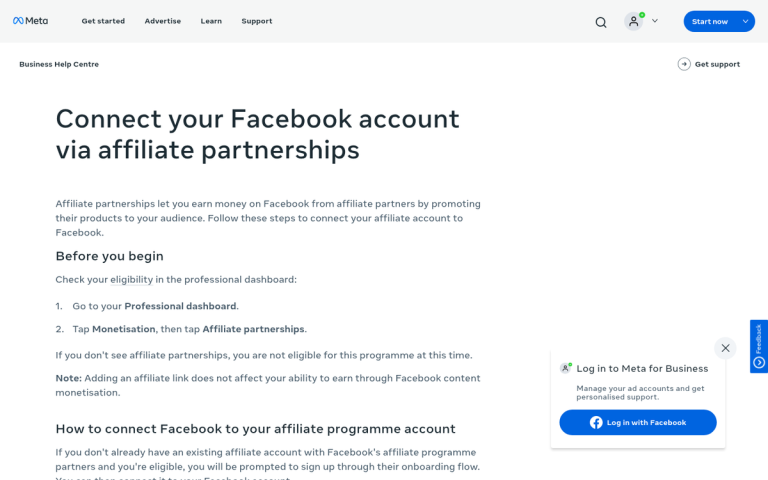
With affiliate marketing, your goal is to get people to buy something you post a link to. There's a lot of nuance to it, of course, but I'm not here to tell you about the basics of affiliate marketing. Today, we're discussing specific strategies you can use with social media, specifically Facebook, that can earn you some money via affiliate marketing.
What I've done below is grouped up similar strategies into sections, both so you can get multiple ideas about the same kinds of strategies and so that you can skip sections that don't apply to your situation.
Key Takeaways
- Organic Facebook reach has been throttled since 2016, making paid ads essential for meaningful audience growth beyond your existing network.
- Building an email list through Facebook is critical, as it's an audience you own outright, immune to algorithm changes or account suspensions.
- Video content dominates Facebook, with 87% of marketers reporting strong ROI; short-form Reels with captions are especially worth prioritizing.
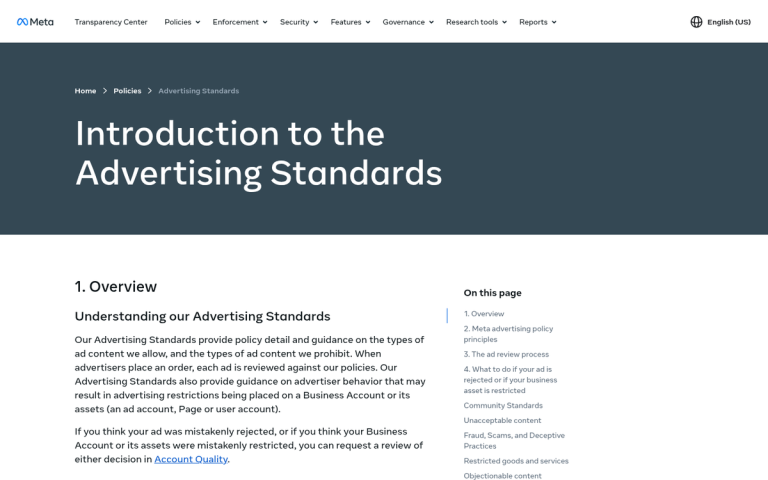
- Facebook's ad policies prohibit direct raw affiliate links in most ads, requiring a compliant, value-adding landing page in between.
- Precise interest targeting in Meta Ads Manager improves performance; even narrow audience segments can represent tens of thousands of potential buyers.
Promoting Directly on Facebook
This section is all about organic posting on Facebook. For ads, look for the last section. Organic posting can involve your personal account or your business page, but be aware of the limitations on both. Facebook throttled organic reach for Pages way back in 2016, and it hasn't recovered since - so while business pages are still the cleaner option for affiliate promotion, don't expect your posts to reach far without some paid backing. Personal profiles have more flexibility when it comes to joining groups and posting in community spaces, but come with their own restrictions.
1. Post an affiliate link directly on your personal feed. Occasionally, your feed will tolerate it, but neither your friends nor Facebook's algorithm will reward you if you're posting nothing but promotional links every day. Reach will drop, engagement will suffer, and it can damage real relationships. Use this sparingly and only when you genuinely have something worth sharing.
2. Encourage friends and family to share your link. Again, use this on rare occasions - around holidays or when a product is genuinely on sale. Monitor deals across platforms like Amazon and share them when the timing is right. A real deal shared authentically converts far better than a forced promotion.
3. Post an affiliate link on a page you've created for deals. One of the most common methods of using affiliate marketing on Facebook is a "Great Deals" style page. The challenge is standing out - without a focused niche, it's hard to build an audience and you'll face stiff competition. Start narrow, build authority in a specific category, then broaden your scope as you grow.
4. Post an affiliate link in Facebook groups you're a part of. Some Facebook groups are excellent places to share links. Others will delete your posts and remove you from the group entirely for advertising. Always check the group rules before posting, and when in doubt, share a link to your own content rather than a raw affiliate link.
5. Seek out new groups where you can share your link. When you have a focused product niche, search for Facebook groups centered around those products and join them. If the group is active, permits promotions, and isn't already saturated with other affiliate marketers, it can be a genuinely valuable channel.
6. Post testimonials with a link on non-branded pages. Find fan pages for products or brands - not the official brand pages themselves. Look for posts where people are already discussing the product and leave your review with an affiliate link. Be careful: this can come across as spammy and may get your comment removed or your account flagged.
7. Share image galleries of your favorite recommended products. Facebook still performs well with visual content. Image carousels and galleries are a great way to showcase multiple products at once, and you can elevate basic product images with design tools like Canva to make them feel more native to the platform.
8. Create and post video reviews of your product with a link in the description. Video continues to dominate on Facebook. According to Wyzowl, by 2021, 87% of marketers reported good ROI from video - up from just 33% back in 2015. Facebook Reels have also grown significantly as a discovery format, so short-form video is worth adding to your strategy. Videos autoplay without sound in most feeds, so make sure you're using captions or on-screen text to get your message across to viewers who aren't tapping to listen.
Promoting Your Website on Facebook
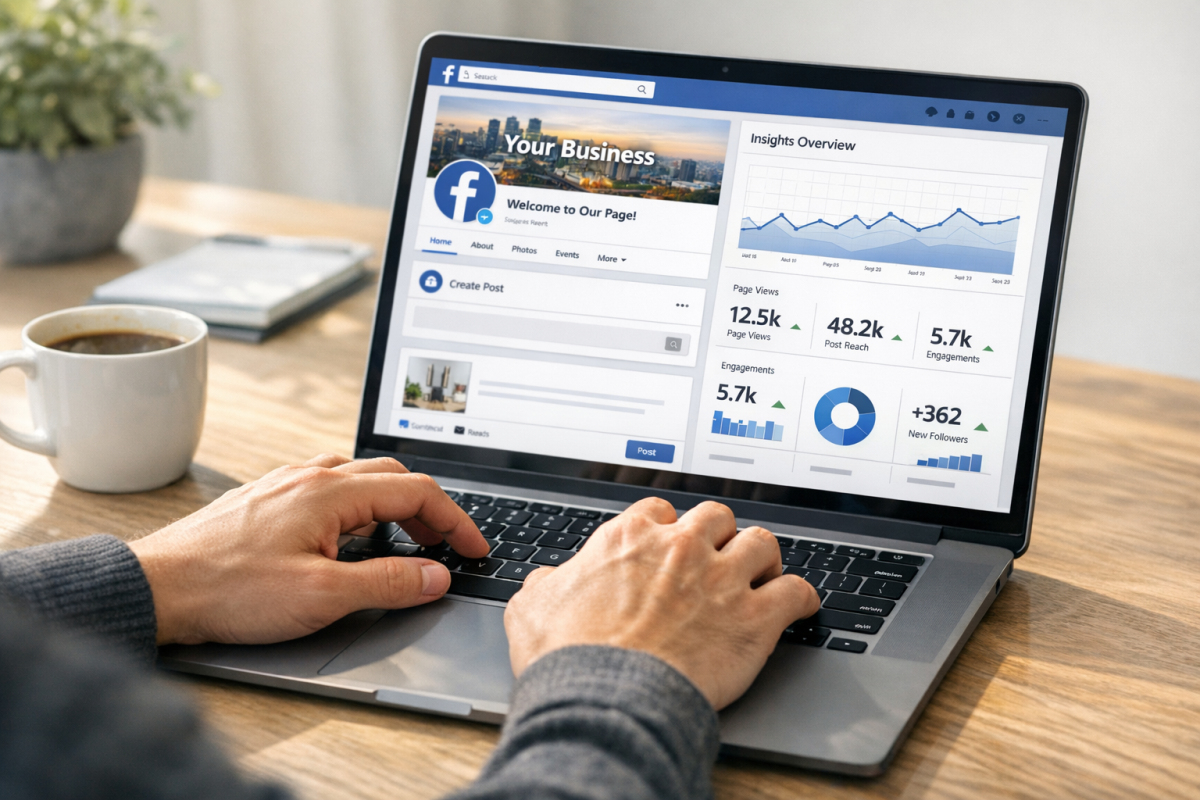
These techniques go beyond promoting just your affiliate link and assume you have a website of some kind set up. It can be as simple as a narrow niche microsite or as fully developed as an active blog - that's up to you. Either way, these methods are about promoting the website, which in turn promotes the links.
9. Promote your site in general via your personal news feed. Generally, your friends and family will be supportive of a creative endeavor or personal business, especially if it's gaining traction. Sharing it can bring some of them on board, and potentially get your content in front of their networks too. Friends aren't the highest-converting demographic, but they can provide a meaningful early boost.
10. Promote individual pieces of content using your personal feed. Rather than sharing your website in general, share specific pieces of content. This works especially well when someone in your network is already talking about a product - drop in a review you wrote that includes your affiliate link. It feels helpful rather than promotional.
11. Promote individual pieces of content using your business page. Business pages offer better targeting tools for reaching the right people, but organic reach is limited. You'll need a consistent content production habit to keep this working long term. Sharing specific articles or reviews rather than your homepage will always perform better.
12. Treat affiliate links as offers to encourage new users to follow you. When you spot a genuine sale or limited-time deal through your affiliate program, frame it as a time-sensitive offer to create urgency. You don't need to imply you negotiated the deal yourself - just communicate the value clearly and promptly. Check out these techniques to promote a sale on your website for more ideas.
13. Post a compelling free incentive to get people to click through to your site. Free incentives still work well. An ebook, a curated product guide, or access to a deals newsletter can all drive clicks. Make sure the perceived value of the incentive is high enough to justify the sign-up, and that your follow-up actually delivers on the promise.
14. Promote a deals-focused newsletter or email list as your primary CTA. RSS has largely faded from mainstream use, so rather than promoting a feed, focus your energy on building an email list around your deals content. Email remains one of the highest-ROI channels in affiliate marketing, and driving Facebook followers toward your list gives you an audience you actually own.
Networking with Influencers to Grow Your Website

Influencer marketing has matured considerably since affiliate marketing first found its footing on social media. Micro-influencers - those with smaller but highly engaged audiences - have become especially valuable partners for affiliate marketers, often outperforming much larger accounts on a cost-per-conversion basis. The more quality content you have on your site, the better positioned you'll be when reaching out to potential partners.
15. Find other affiliate marketers in related niches and reach out for a partnership. Cross-promotion works particularly well in lifestyle-adjacent niches like food, fitness, home, and parenting, where audiences naturally overlap. Look for creators whose content complements yours without competing directly, and propose a simple mutual share arrangement to start.
16. Use Facebook groups to find people who will follow your page. Those groups you identified earlier that don't allow direct advertising? They're still valuable. Network genuinely within those communities - answer questions, provide useful insights, and let your profile and page do the selling. Done right, members will seek out your content on their own and share it within the group organically.
17. Discuss a product on an influencer's page when they mention it. If someone with a large following posts about a product you've covered, jump in with a useful comment and link to your review or guide. The goal is to add genuine value - be one of the top comments worth reading, not a drive-by spam link.
18. Promote your content to high-profile influencers in hopes of a share. High-quality content - detailed reviews, comparison guides, how-to articles - is something bloggers and influencers in your niche may be happy to share if it serves their audience. Reach out personally, keep it brief, and lead with what's in it for their readers. You can also promote your content in groups and aggregators to expand your reach beyond direct influencer outreach.
Growing a Mailing List Via Facebook
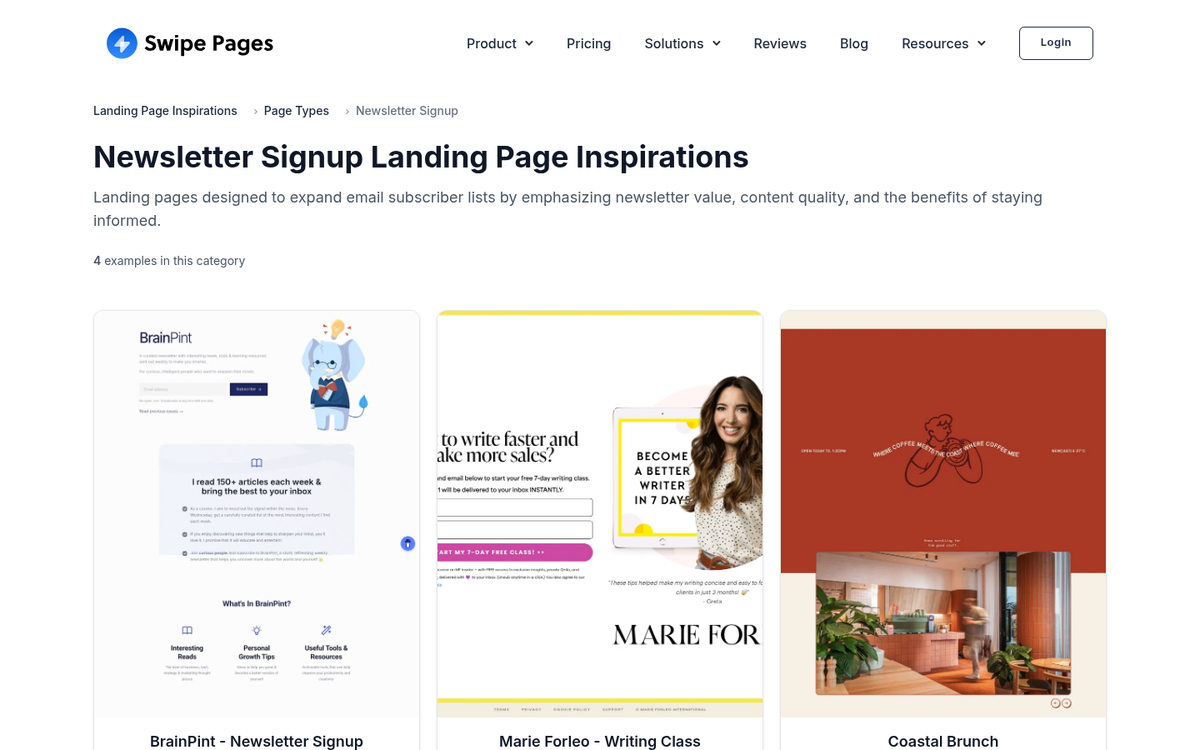
A mailing list remains one of the most valuable assets an affiliate marketer can build. Unlike your Facebook page or ad account, your email list is an audience you own outright - algorithm changes, platform policy shifts, or account suspensions can't take it away. Use Facebook as a funnel to grow that list, and use your list to bring people back to Facebook and your website in a continuous loop.
19. Use an existing mailing list to add people to your Facebook page. If you already have a list from another project or business, invite those subscribers to follow your Facebook page. Don't buy lists - they result in spam complaints, deliverability problems, and zero real engagement. Organic crossover from people who already trust you is far more valuable.
20. Post compelling links to optimized landing pages. In your organic Facebook feed, share links to landing pages specifically designed to capture email sign-ups. Keep affiliate links off these pages entirely - the sole focus should be communicating why someone should subscribe, with a clean and simple sign-up form.
21. Offer free content, like in-depth usage guides for products. A well-crafted free guide - a product comparison, a beginner's buying guide, or a curated "best of" list - makes for a strong sign-up incentive. Just make sure the content is genuinely useful, because a disappointed subscriber is unlikely to convert on your affiliate offers later.
Using Facebook Ads
If you're serious about affiliate marketing on Facebook, paid ads are where the real scale lives. With Meta reporting 3.48 billion daily active users across its family of apps as of mid-2025, and Facebook users alone spending an average of 58 minutes per day on the platform, the audience reach is unmatched. Organic strategies matter for building credibility and keeping costs down, but ads are what allow you to grow predictably and reach people outside your existing network.
22. Run feed ads targeting fans of the actual brand. Sidebar ads have become largely ineffective - most users tune them out or use ad blockers. Focus your budget on feed placements instead. Target people who follow specific brand pages or fan communities related to your product niche for higher relevance and better click-through rates.
23. Run news feed ads promoting your blog content. Promoting a helpful article or review through a paid post lets it look organic while reaching a highly targeted audience. Nail your targeting - interest stacking and behavioral filters inside Meta Ads Manager give you a lot of control here.
24. Run news feed ads promoting an incentivized offer. Any lead magnet or free offer you're running - a guide, a deals newsletter sign-up, a product comparison - can be amplified with a small ad budget. Even a modest spend can dramatically increase the number of people entering your funnel.
25. Run video ads to take advantage of Facebook's ongoing push for video content. Meta continues to heavily favor video content, particularly Reels-style short-form video. Given that 87% of marketers reported good video ROI as recently as 2021 - a figure that has only grown since - this is a format worth investing in if you haven't already. Keep videos short, front-load the value, and always include captions.
26. Run news feed ads promoting your item directly. Facebook's ad policies don't allow ads that link directly to raw affiliate URLs in most cases. At minimum, you'll need a landing page between the ad and the affiliate link. Make sure that landing page adds real value rather than just being a redirect, both for policy compliance and for conversion quality.
27. Target your existing followers with your best deals. Retargeting your existing audience with strong offers is one of the most cost-efficient moves in Facebook advertising. These people already know who you are, so conversion rates tend to be higher even when the commission on the deal is lower.
28. Run ads to promote a landing page for your mailing list. Driving paid traffic to a well-optimized email sign-up page is a long-term investment. You're paying to acquire an asset - a subscriber - that you can market to repeatedly across multiple channels without ongoing ad spend.
29. Run ads that directly result in an email sign-up. Meta's Lead Ads format lets users submit their email address without ever leaving Facebook. Removing the step of visiting a landing page reduces friction significantly and tends to improve sign-up rates. The trade-off is that the leads can be slightly lower intent, so make sure your follow-up sequence is strong.
30. Be very specific with product ads and associated interest targeting. The more precisely you define your audience, the better your ad spend will perform. A well-defined target might be women aged 28-40 in the US who follow specific cooking pages and have shown purchase intent for kitchen appliances. With over three billion people in Meta's ecosystem, even a narrow slice of that audience can represent tens of thousands of potential buyers.

3 responses
Thoughtful replies only - we moderate for spam, AI slop, and off-topic rants.
Is there anywhere that states using affiliate links in groups is ok with Amazon? I haven't been able to find anything but I've seen several people saying you are only supposed to post your link to your own pages.
Thanks for the brilliant content. Really appreciate the way you write it you covered all relevant points related to affiliate marketing. Especially the budget part.Need more content like this. Thanks 🙂
Hey Ayesha! So glad you found the article helpful! 😊 Budget planning is definitely one of the trickier aspects of affiliate marketing on Facebook, so we're happy that section resonated with you. We'll absolutely be publishing more content on affiliate marketing strategies, so stay tuned! Your feedback genuinely motivates us to keep creating useful content. Thanks for taking the time to comment! 🙌