Key Takeaways
- Calculate customer Lifetime Value (LTV) before running ads to determine whether your cost-per-click is actually profitable.
- Organize campaigns into tight, thematically coherent ad groups with highly relevant keywords to improve Quality Scores and performance.
- Continuously expand your negative keywords list to prevent irrelevant clicks from silently draining your budget.
- Build dedicated landing pages for each ad rather than using one generic page, as mismatched pages hurt conversion rates significantly.
- Invest in remarketing to re-engage users who showed interest but didn't convert on their first visit.
Running PPC Campaigns for Subscription Services in 2026
Running a PPC campaign is always tricky business. You're walking a razor's edge, where falling on one side means profitable advertising, and the other means a huge money sink. It's tricky to set up, tricky to test, and tricky to monitor in a way that you can use to optimize your results.
When it comes to selling a subscription service, it gets even harder to track and monitor appropriately. The reason is straightforward: subscriptions aren't a single fee, so you have to track more data and manage more numbers to have accurate ROI calculations. That's what I'll discuss first, because it's foundational to everything else.
It's worth noting that the paid search landscape has grown enormously. Global paid search advertising investment is expected to reach $218.3 billion in 2026, up from under $212 billion in 2025 (Statista). The competition is real, but so is the opportunity - on average, businesses earn $2 for every $1 spent on PPC according to Google's Economic Impact Report.
Subscription ROI
Here's a scenario for you. You're running a subscription service that costs the user $11 per month. You want to run some PPC ads, but when you set up targeting for your demographic, costs end up running you $25 per click. Do you run these ads?
How do you know what the answer is? The solution is something called Expected Lifetime Value (LTV). Calculating the lifetime value of a customer, and the average across all of your customers, allows you to determine whether advertising at a given cost per click is actually worthwhile.
Some customers are going to be dissatisfied and cancel after one month. The lifetime value of that customer is $11.
Some customers are going to use your service for a few months - maybe six - before they cancel. Maybe they outgrew it, maybe they wanted a change, maybe their business folded. Their average lifetime value might be around $66.
Some customers are going to be long-term, loyal users. If they've been subscribed for two years at $11 per month, their lifetime value is over $250 and still climbing.
How many customers fall into each category? That's what you need to find out to calculate the average lifetime value across your entire audience.
Actually calculating lifetime value is a straightforward process. Determine how many customers your service has and how long each has been subscribed. You already know the monthly cost, so you simply need to calculate the average number of months a user remains a customer.
In our hypothetical situation - $11 per month subscription, $25 per click - you need an average customer value of at least $25 just to break even. That's roughly 2.5 to 3 months of retention on average.
There are other details to factor in. Customers who cancel after one month drag down your average significantly. Can you differentiate them in your targeting, or do you simply need to account for them in your calculations?
Things get more complex when you have multiple pricing tiers. If your subscription service has a $5/mo plan, an $11/mo plan, and a $20/mo plan, you'll need to calculate a blended average that accounts for both purchase value and subscription length. You may also want to explore whether you can specifically target users more likely to select higher-tier plans - for example, running YouTube ads to get cheaper clicks while still reaching a relevant audience.
HubSpot's guide to LTV is a solid reference point, and while it doesn't focus exclusively on subscription models, it covers average purchase value and purchase frequency in ways that translate well to recurring billing.
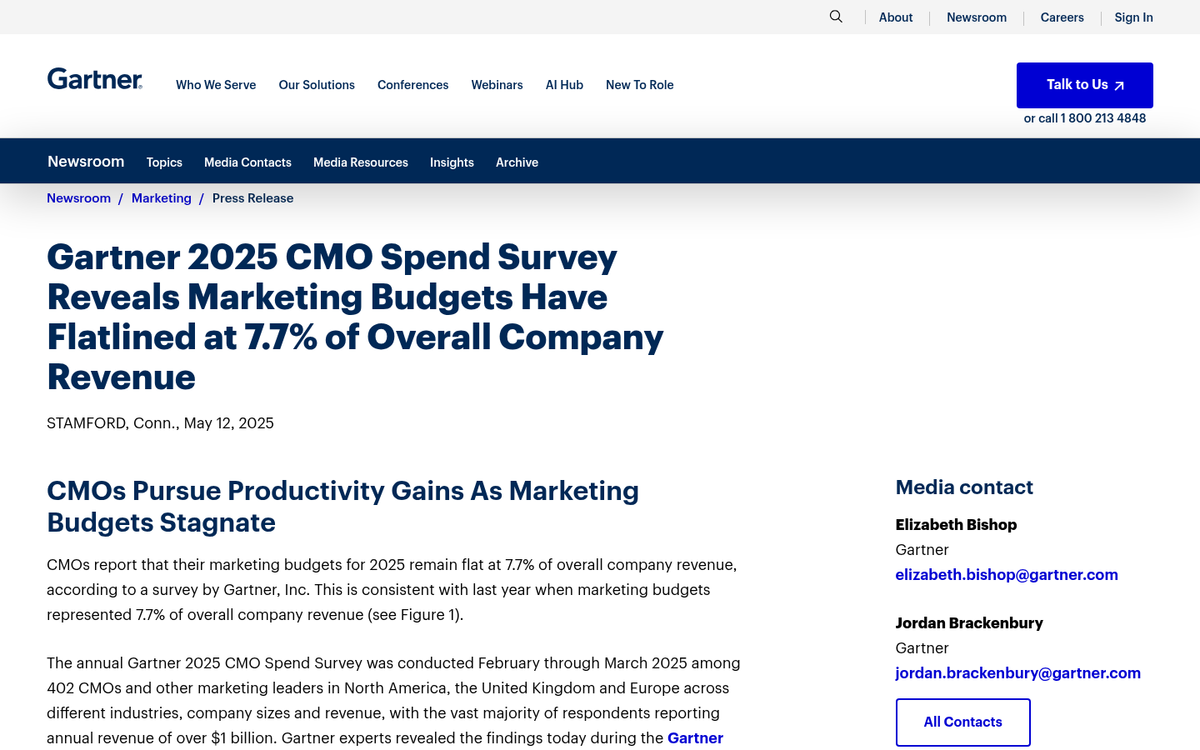
One more thing worth flagging here: 71% of CMOs report they lack sufficient budget to fully execute their marketing strategy (Gartner). That makes it even more critical to nail your LTV math before spending a dollar on ads. Wasted PPC spend on a subscription product isn't just a bad month - it's compounding losses. If you want to understand how to track the ROI of your pay per click traffic more precisely, it's worth building that process before you scale.
Only once you know the average value of your customers can you identify the point at which your PPC ads become profitable. From there, you need to optimize from every angle possible, which is what the rest of this post covers.
Optimizing Your PPC Campaigns
Optimizing a PPC campaign for a subscription service follows the same core principles as optimizing for a single-sale product. You have an expected customer value, you have a cost per click, and your job is to optimize click rates and conversion rates. Here's how to do it effectively in 2026.
Build a strong account structure from the start. It's very easy to lose track of organization as you scale up ads, and then you have a jungle where you should have a lawn. Ask yourself:
- How many keywords are you using in each ad group?
- How many individual ads are running in each ad group?
- How relevant are the keywords to each other and to the ads in each group?
Your ad groups should be tight, thematically coherent clusters of relevant keywords, with ads written to reflect that narrow context. For example, if you offer a content marketing subscription, you might have separate ad groups for content production, SEO writing, outreach, and content strategy - each with their own tailored ads.
Always keep campaigns organized. If a new keyword doesn't fit cleanly into an existing group, create a new group rather than forcing it in.
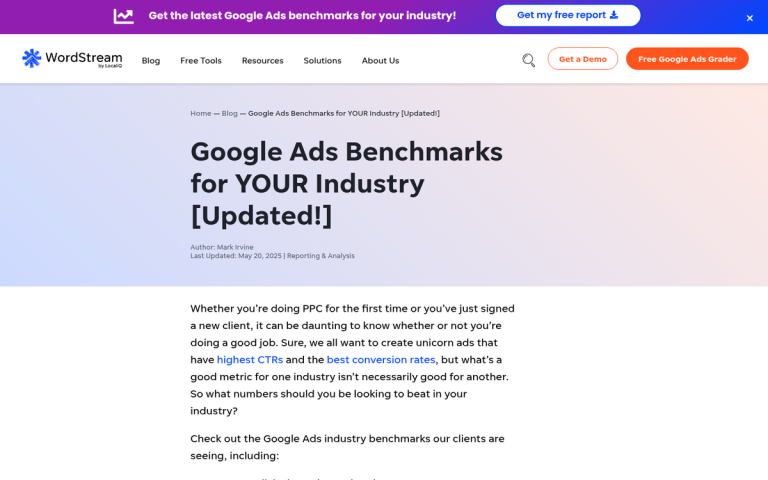
Identify and focus on high-performance keywords. Your ad groups may contain a dozen or more keywords, so periodically drill down to evaluate individual keyword performance. Look for high Quality Scores and strong click-through rates. Keep in mind that the average click-through rate for Google search ads sits around 3.17% - use that as a rough benchmark when evaluating your own campaigns.
Conversely, identify and cut keywords with poor performance. If a keyword has a dismal click rate and it's costing you money, drop it. If your research suggests it should be performing better, investigate other potential causes before giving up on it entirely.

Use a tiered bidding strategy. When you find a strong keyword, run ads targeting it across multiple match types simultaneously. They'll carry different costs and generate different results, giving you both broader coverage and clearer data on how that keyword performs in different contexts. This is especially useful as Google has continued shifting toward AI-driven Smart Bidding - tiered testing helps you feed the algorithm better data faster. If you're wondering how much it costs to hire a Google Ads expert to help manage this complexity, it's worth researching before scaling up.
Continuously grow your negative keywords list. Negative keywords are keywords you add to an ad to prevent it from showing for irrelevant searches. If you're selling only enterprise-tier subscription software, for example, you'd want to exclude terms like "free," "open source," or "student discount" to avoid paying for clicks that have essentially zero conversion potential. Maintaining a solid list of Google negative keywords is one of the most effective ways to protect your budget from irrelevant traffic.
Your negative keyword list should never be static. Review your search term reports regularly and add new exclusions as irrelevant query patterns emerge. A broad match keyword that brings in off-topic traffic is burning your budget silently.
Run your tests long enough to collect meaningful data. You need sufficient data before making decisions about any keyword. Generally, don't cut off a keyword that has been running for less than a week unless it's obviously a dud. A reasonable target is around 10 days of data, or enough volume to identify a reliable trend. Low-volume keywords will take longer - that's just the reality.
Diagnose underperforming keywords before cutting them. The three most common culprits are low bids, low search volume, and the wrong match type. If you're already using tiered matching, the third issue largely takes care of itself.
Low bids are easy to fix - gradually raise them until the keyword starts picking up impressions and clicks. Low search volume is something you'll need to validate through keyword research tools. If a keyword looks promising but isn't generating traffic, pause it and revisit. Don't be afraid to pause keywords that consistently underperform - you can always test them again later under different conditions. You may also want to look at how to optimize sponsored product ads on other platforms to diversify your paid traffic approach.
Ad Relevance and Remarketing
Make your ads and landing pages as relevant as possible. One of the most persistent and costly mistakes in PPC - even among large brands - is using a single generic landing page for every ad. In 2026, with conversion rates being scrutinized more closely than ever, this approach is leaving serious money on the table.
The average Google Ads conversion rate across all industries is now 7.52% - but that figure reflects well-optimized, highly targeted campaigns. If you're seeing significantly lower numbers, mismatched landing pages are often part of the problem.
Instead of five ads with a Quality Score of 7 pointing to one generic landing page, build five ads each with a Quality Score of 9 or higher, each pointing to a dedicated landing page that reinforces the specific message and intent of that ad. Following best practices for A/B testing your landing pages will help you identify which versions actually drive subscriptions.
Invest in remarketing. One of your most valuable audiences is people who have already shown interest but didn't convert on the first visit. They may not have had payment details on hand, wanted to consult a colleague, or simply got distracted. Without remarketing, you're relying on them to remember and return on their own - which most won't.
Remarketing lists let you re-engage these users with tailored follow-up ads. Given that market leaders convert new subscription users at rates 65% higher than average competitors (Cleeng), even incremental improvements in your remarketing approach can make a meaningful difference to your overall acquisition costs.
Take advantage of all available ad features and extensions. Google Ads has continued expanding its extension and asset options. In 2026, these include:
- Sitelink assets - sub-links that direct users to specific pages directly from the search result.
- Callout assets - short, non-clickable text highlights that emphasize key benefits or offers.
- Lead form assets - capture interest directly within the ad without requiring a landing page visit.
- Structured snippet assets - highlight specific features, plans, or service categories.
- Promotion assets - particularly useful for subscription services running limited-time discount offers.
These features improve your ad's visibility and click-through rate, often at no additional cost per click. Use as many relevant ones as your campaigns allow, and test variations to see what resonates with your audience.
Other ad platforms - Meta, LinkedIn, Microsoft Advertising - have their own equivalent features and continue to evolve. If your subscription product has a well-defined professional or demographic audience, it's worth testing these platforms alongside Google rather than treating paid search as your only channel.