





If you're interested in YouTube ads, you need video. The banner ads that appear over videos are negligible in impact; the real value comes from the pre-roll, mid-roll, skippable, and non-skippable video ads. Videos are what people come to engage with, and videos are what they're prepared to see.
It's worth understanding the core ad formats before diving in. Bumper ads cap out at 6 seconds, skippable in-stream ads allow viewers to skip after 5 seconds, and non-skippable ads run 15-20 seconds. Average cost per view for in-stream ads sits around $0.05, with a typical range of $0.01-$0.19, and overall YouTube advertising averages $0.10-$0.30 per view or impression. With 83% of businesses reporting a positive ROI from YouTube video ads, the platform remains one of the stronger paid channels available.
One important note for 2026: Google discontinued the ability to create new Video Action Campaigns in April 2025 and automatically upgraded remaining campaigns to Demand Gen by September 2025. If you're setting up campaigns now, you'll be working within the Demand Gen framework.
What happens if you want to advertise on YouTube but you don't have video content on hand? You have to come up with a solution, and "not using YouTube ads" isn't a valid one. Thankfully, there are several paths you can take.
Key Takeaways
- YouTube video ads outperform banner ads; key formats include bumper (6s), skippable, and non-skippable (15-20s) ads.
- DIY video creation suits tight budgets and simple formats, but production quality directly impacts ad performance.
- Freelancers offer flexible pricing; basic video ads start around $35-$100 on Fiverr, while custom productions can reach $4,500.
- Template-based tools like Canva and Animoto provide affordable, quick solutions for clean, on-brand simple ad formats.
- YouTube's partner agency list and full-scale production companies offer professional options ranging from moderate to $250,000+ budgets.
Do It Yourself
The first option is to make your own video for your YouTube ads. If you don't have video editing experience, there's a learning curve, but it's not insurmountable. The key is being realistic about what you can produce at your current skill level given the format constraints - a 6-second bumper ad, for example, is far more achievable as a DIY project than a 30-second animated explainer.
Here are some resources worth reading before you start:
- YouTube Ads For Beginners. HubSpot's guide to launching and optimizing a YouTube video ads campaign. It covers campaign structure, targeting, and format selection at a solid intermediate level.
- The Complete Guide to YouTube Ads for Marketers. Hootsuite's comprehensive breakdown of YouTube ad formats, bidding strategies, and creative best practices. Worth reading alongside the HubSpot article as the coverage isn't fully redundant.
Beyond reading, you'll want to get familiar with a video editor. CapCut, DaVinci Resolve, and Adobe Premiere Rush are popular options at various skill levels and price points. Plenty of tutorials exist for each on YouTube itself.
The DIY route works well if you have a very limited budget, only need simple ad formats like bumpers, or are willing to invest time in building the skill. It's less suitable if you're planning a heavy YouTube ad spend, because production quality will directly impact how your ads perform.
Hire a Freelancer
The second option is to hire a freelancer to handle production. Depending on scope, this can be surprisingly affordable.
- Fiverr. You can find basic short video ad production here for as little as $35-$100, with more polished or animated work ranging up to $500-$3,000 depending on the seller. Quality varies significantly, so vet reviews carefully before committing.
- Upwork. A larger, more professional freelancer marketplace with hourly rates typically running $30-$100+ per hour for video production work. You'll generally find more accountable, experienced talent here compared to Fiverr, and the platform makes it easier to manage ongoing projects.
- Freelancer.com. Post your project and let freelancers bid on it. Good for getting competitive pricing, though quality can be hit or miss depending on who bids.
You don't need one all-in-one freelancer. You can hire separately for scriptwriting, voiceover, and editing, then piece it together. Whether that saves money depends on the individuals involved, but it does give you more control over each component.
For context, if you want a custom-produced ad rather than a template approach, current production cost benchmarks look like this: kinetic typography runs $1,500-$2,500 with a 1-2 week turnaround; whiteboard animation runs $2,000-$3,500 over 2-3 weeks; and animated explainer videos come in at $2,500-$4,500 with a 3-4 week timeline.
Use a Template Video Service
The third option is to use a template-based video creation service. These platforms let you build a video ad by customizing pre-built templates with your own branding, copy, images, and footage. Think of it like Canva, but for video.
Here are some services worth looking at:
- Canva. Canva has significantly expanded its video editing capabilities and is now a legitimate option for simple video ads. If you're already using Canva for other marketing materials, the learning curve is minimal. Pro plans run around $15/month and remove the watermark.
- Animoto. Upload your own clips and images or use stock assets, customize a template, and export. A straightforward option for simple ads.
- Biteable. Similar template-based workflow with a library of stock assets. Paid plans are required for watermark-free exports.
- Filmora. A downloadable editor with a steeper learning curve but more creative flexibility. Better for those willing to invest a bit more time in production.
These tools are best suited for simple ad formats and tight budgets. Don't expect broadcast-quality output, but for a clean, on-brand bumper or skippable ad, they can absolutely get the job done. If you want to promote your video after it's finished, there are dedicated services worth exploring as well.
Use a YouTube Partner Advertising Agency
YouTube maintains a list of partner companies spanning a range of budgets and service levels. You can view their current list at YouTube's official resource page. These range from DIY app providers to full-service production companies that will take your concept and deliver a finished ad.
This is a solid middle-ground option if your budget is moderate and you want professional results without going all-in on a large production agency. The partner vetting process gives you some assurance of quality and YouTube-format familiarity, which matters - not every video production company understands the nuances of YouTube ad formats, Demand Gen campaign specs, or what makes a viewer stop before hitting skip.
Contract a Full-Scale Video Production Company
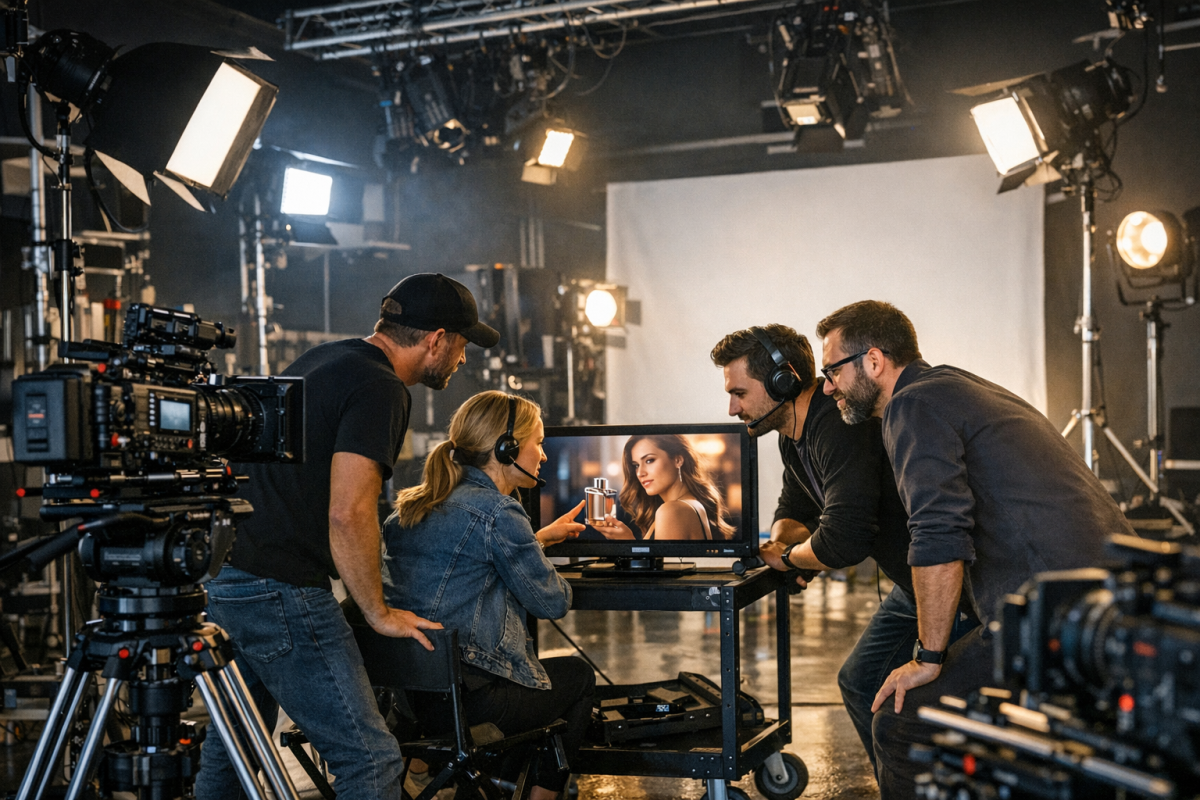
At the top end of the spectrum, full-scale video production companies handle everything from concept to final delivery. This is the tier used by major brands with serious ad budgets, and the pricing reflects that.
Clutch's video production agency directory lists thousands of firms, with project pricing ranging from $1,000 to well over $250,000 depending on scope and agency tier.
If you're considering this route, do your due diligence before signing anything. Here are key questions to ask before committing:
- Does the company use an in-house team or sub-contract freelancers? Some mid-tier agencies are effectively middlemen marking up freelancer work.
- Are they familiar with YouTube's current ad formats and Demand Gen campaign requirements? Television commercial production and YouTube ad production are not the same thing.
- Can you speak directly with past clients? A polished demo reel won't tell you what it's like to actually work with them.
- What does your concept realistically cost to produce at their level? A 15-second non-skippable ad shouldn't require their top-tier budget unless the concept genuinely demands it.
- Do they have experience in your industry? Vertical familiarity matters more than it might seem when it comes to tone, messaging, and audience expectations.
Shop around, ask hard questions, and don't commit to a contract until you're confident in both the company and the scope of work.

4 responses
Thoughtful replies only - we moderate for spam, AI slop, and off-topic rants.
Shared this with my team-lots of useful takeaways here.
That's great to hear, Daniel! Hope your team finds it helpful when planning out your next video ad campaign. If any questions come up as you start putting ideas into action, feel free to drop them in the comments-always happy to help clarify anything. Good luck with the project!
Bookmarked for future reference. Thanks for writing this.
Thanks for bookmarking it, Colton! I hope it comes in handy when you're ready to dive into creating your YouTube ads. If you have any questions when that time comes, feel free to drop them in the comments. Good luck with your campaigns!