Affiliate marketing is pretty tough. A lot of newcomers to the idea see the amount of work involved in setting up a website, and they ask themselves; can I do this without a website? After all, they save the expense of a domain name and web hosting. They don't need to set up a CMS and a bunch of plugins or what have you. They don't have to worry about security or building a web audience. All they have to do is replace all of the benefits a website brings to the table with alternative traffic sources.
The core of affiliate marketing is your affiliate link, and getting that link in front of as many potentially interested people as possible. A website helps you do this by having a lot of persistent content in one place, racking up SEO value and showing up in Google search results. It's also a stable base from which to work with other links, ads, social media, and a handful of other traffic sources. Without a website, you lack this base, so you will be working harder to promote your link in more places without the benefit of a home base to tie it all together.
For this reason, I will recommend that you put forth the effort to make a website for your affiliate business. However, I'm not going to belabor the point. You're reading this post because you want to try without a site, and by all means, go ahead. Just remember, you can always set up a site later and add it to the list.
What I'm going to do here, then, is list various techniques you'll want to explore and invest in so you can set up as much of a web presence as possible without a site. While you can get by using just one or two of them, you won't make much money, so I recommend you use as many as you can. Thankfully, a lot of them require minimal investment or are generally passive, and thus can build up over time.
Key Takeaways
- Social media drives roughly 20% of affiliate traffic, with Facebook, Instagram, and Pinterest being the most effective platforms.
- Building genuine community presence through forums, Reddit, and Discord can generate targeted traffic without any financial investment.
- Email marketing affiliates earn 66.4% more than those who don't use it, making list-building a high-value priority.
- Publishing long-form content on platforms like Medium or Amazon KDP can generate SEO visibility and embedded affiliate commissions without a website.
- Using multiple methods together-social media, email, video, and paid ads-produces significantly better results than relying on any single channel.
Option 1: Social Media
Social media is arguably the most powerful tool available to affiliate marketers who don't have a website. Around 67% of affiliates use social media channels to drive their earnings, and it's easy to see why. According to Authority Hacker, Facebook leads the pack with 75.8% of affiliate marketers using it, followed by Instagram (61.4%), Pinterest (42.2%), YouTube (36.9%), Twitter/X (31.1%), and TikTok (29.6%). Overall, social media accounts for roughly 20% of all affiliate traffic, with Instagram and TikTok in particular leading in product discovery.
The key to making social media work without a website is to build a genuine presence rather than spamming your affiliate links everywhere. Pick a niche and a platform or two where your target audience already hangs out. For our dog training example, Instagram and Facebook groups would be natural choices.
Here's how to approach each major platform:
- Facebook. Join and participate in relevant groups. Build a dedicated page around your niche. Facebook's advanced targeting options also make it a strong platform for paid promotion of your content and offers.
- Instagram. Post regularly around your niche with strong visuals. Use your bio link strategically - tools like Linktree let you house multiple affiliate links in one place since Instagram limits clickable links in posts. Stories and Reels are particularly effective for product recommendations.
- TikTok. Short-form video content continues to grow in influence for product discovery. If you're comfortable on camera, TikTok can drive significant traffic to your affiliate offers, particularly with younger audiences.
- Pinterest. Often overlooked, Pinterest drives an impressive 25% of all referral traffic to ecommerce sites via affiliate links. It functions more like a search engine than a social network, meaning your pins have long-term staying power - much like SEO for a website.
The drawback of relying on social media alone is platform dependency. Algorithm changes, account bans, or policy shifts can cut off your traffic overnight. That said, used strategically, social media is one of the most accessible and scalable options on this list.
Option 2: Comments and Communities
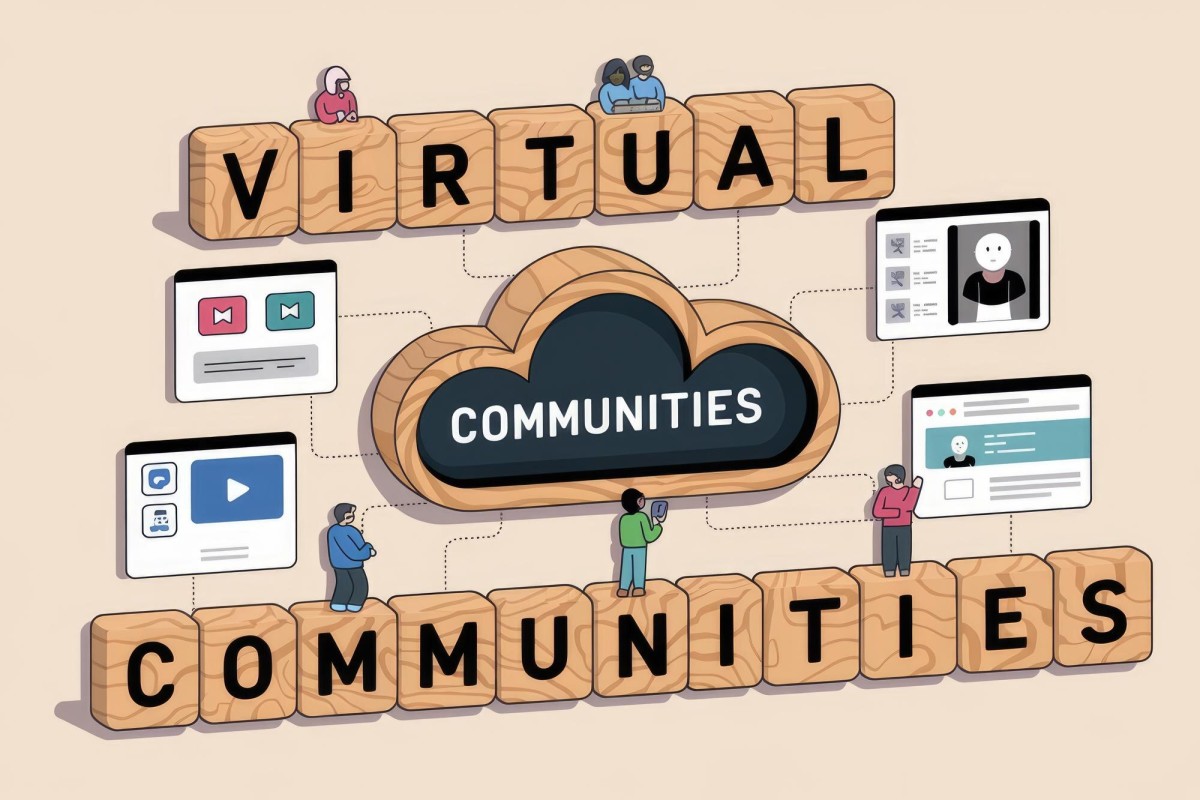
This option is all about establishing yourself in existing communities. It's simple, but tricky, because a lot of the techniques you'll be using overlap with those used by spammers and spambots. As a consequence, you need to be subtle and genuine.
What I'm talking about is leaving comments on blogs, participating in web forums, and engaging in niche communities like Reddit or Discord servers. This gives you access to a lot of targeted audiences, but you're limited by the amount of time you're willing to invest.
It works like this. You pick your affiliate product and identify communities where your target audience gathers. Using our dog training example, you'd look for:
- Blogs. Look for blogs with a decent readership in a dog-related niche. Engage genuinely in the comments rather than dropping links.
- Web forums and Reddit. Subreddits like r/dogs or r/puppy101 have large, active audiences. Contribute meaningfully before ever mentioning a product, and always follow community rules around self-promotion.
- Discord and Facebook groups. These communities can be highly engaged and niche-specific. Build a reputation as a helpful member first.
The promotion comes indirectly - through your profile, bio link, or forum signature where applicable. You're positioning yourself as an authority so that people seek out your recommendations. It's a slow burn, but it costs nothing but time.
Option 3: Books and Written Content

Another strong option is creating high-quality long-form content in your niche. For the dog training example, this could mean writing ebooks about training specific breeds - something like a guide to training a stubborn Husky versus a food-motivated Labrador. The content can be adapted across multiple titles, which is an advantage you don't have on a website where duplicate content would be penalized.
Note: any titles mentioned here are purely hypothetical examples.
Publish these on platforms like Amazon Kindle Direct Publishing (KDP). The books themselves can contain affiliate links embedded naturally throughout the content - relevant product recommendations, gear, courses, and so on. Just don't make them thin link fodder; the content needs to stand on its own merit to earn good reviews and rank well.
The second form of promotion is marketing the books themselves through the other methods on this list - social media, paid ads, and email. If you charge for your ebook, you can earn revenue from sales in addition to affiliate commissions, and you can even use Amazon's affiliate program to create affiliate links to your own books.
Option 4: Video

Video is one of the most compelling formats for affiliate marketing without a website. 75% of YouTubers who used affiliate marketing reported increased monthly revenue, and after watching a YouTube video containing affiliate links, 70% of consumers are inclined to make a purchase. Those are hard numbers to ignore.
For a niche like dog training, short instructional videos work extremely well - individual training lessons, breed-specific tips, or answers to common questions can attract a loyal audience over time.
There are two important practical considerations:
Length. YouTube content can vary widely, but for affiliate-driven content, concise and focused videos tend to perform best. That said, longer in-depth reviews and tutorials can also rank well in YouTube search, which functions as its own search engine.
Cost. Unlike written content, video requires more production investment - equipment, editing, and in a niche like dog training, probably a dog. However, smartphone cameras are now more than capable of producing quality content, which lowers the barrier significantly.
Your affiliate links go in the video description, and you can reference them verbally in the video itself. You're not limited to YouTube either - repurpose content to Facebook, Instagram Reels, and TikTok to extend your reach across platforms. If you want to grow your audience further, check out our ultimate guide to increasing views on YouTube and learn how driving traffic from YouTube videos can work for your affiliate strategy.
Option 5: Email Marketing
Email marketing is one of the most underutilized options for affiliate marketers who don't have a website, and the data makes a compelling case for it. Email marketing drives approximately 15% of affiliate sales, and affiliates who use email marketing earn 66.4% more than those who don't.
The challenge without a website is building your list. You can use a free landing page tool like Mailchimp, ConvertKit's free tier, or a similar platform to create a simple opt-in page without needing a full website. Promote that opt-in through your social media channels, YouTube channel, or ebooks.
Once you have a list, nurture it with genuinely useful content in your niche - tips, recommendations, and insights - with affiliate links woven in naturally. Email gives you a direct line to your audience that no algorithm can take away, which makes it one of the most stable long-term assets you can build without a website. Consider setting up a sales funnel email sequence to maximize the value of every subscriber you earn.
Option 6: Hubs and Content Platforms
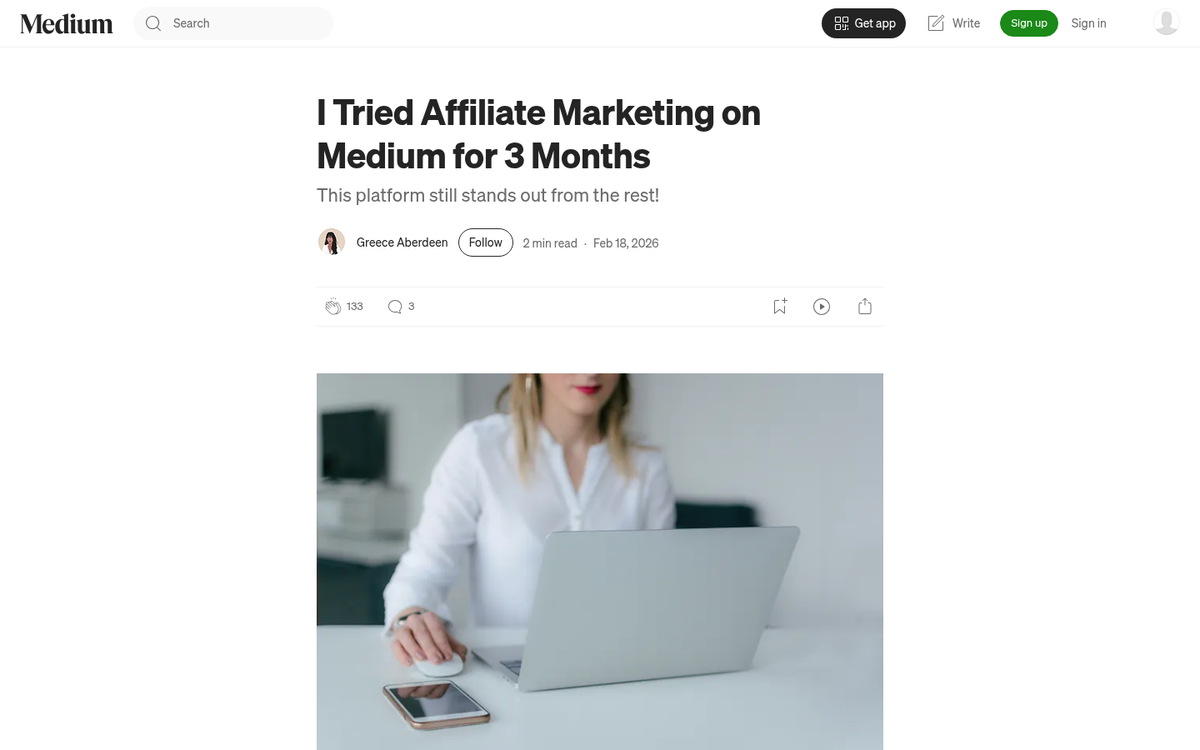
One way to create indexed, SEO-friendly content without a website is to publish on established content platforms. Medium is currently one of the best options for this - it has strong domain authority and your articles can rank in Google search results. HubPages is another platform that allows you to build topical authority in a niche, though it has declined somewhat in prominence compared to its peak years.
The approach mirrors what you'd do with a blog: create focused, high-quality content in your niche, include affiliate links where appropriate and permitted by the platform's policies, and build up a body of work over time. Always check each platform's rules around affiliate links before publishing, as policies vary.
Option 7: Paid Ads
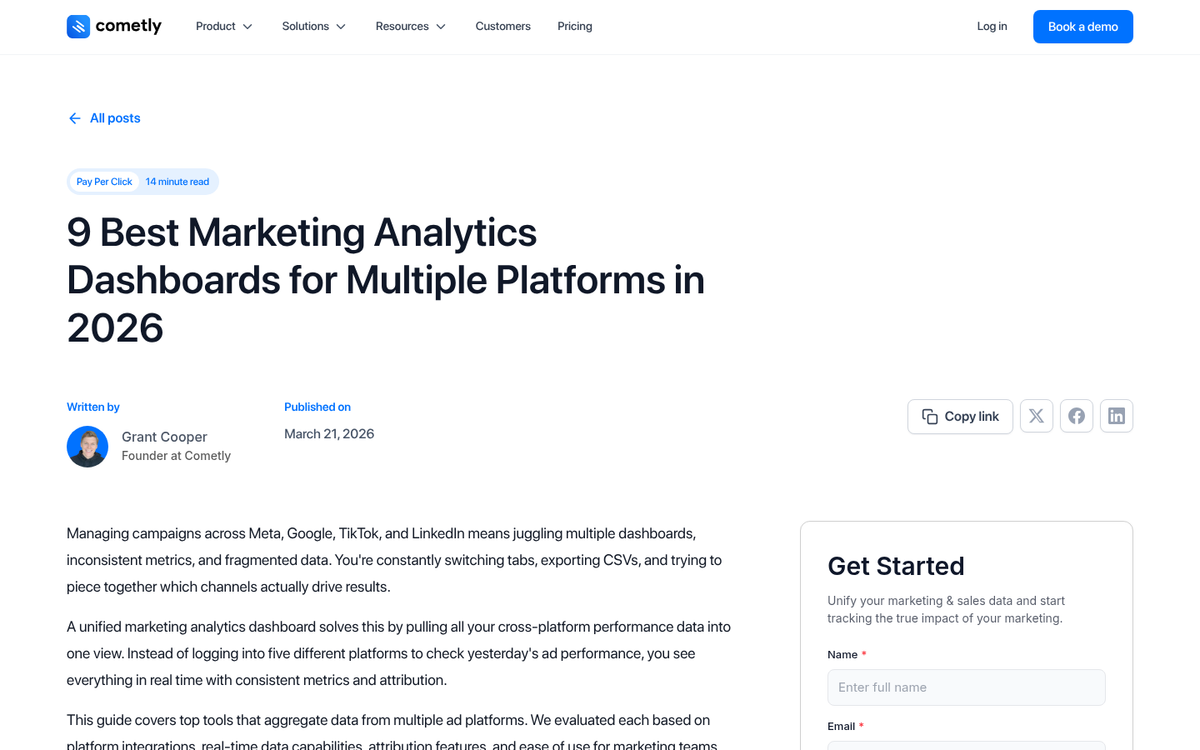
This final option has the potential to be very lucrative, but also carries real risk. All of the other options on this list take time but cost little. With paid ads, you're paying for exposure upfront, and you might not make that money back.
Paid ads come in many forms. The major options include:
- Facebook and Instagram Ads. Highly targeted and versatile. You can promote videos, lead magnets for your email list, or content on other platforms. Facebook's targeting capabilities remain among the best in the industry.
- TikTok Ads. An increasingly viable paid channel, particularly for products targeting younger demographics.
- Microsoft (Bing) Ads. Microsoft's ad network is notably more permissive than Google when it comes to affiliate links, making it a useful option for direct affiliate promotion.
- Google Ads. Google does not allow direct affiliate links in ads, so you'd need to point traffic toward your video, content platform article, or email opt-in page instead.
- Pinterest Ads. Given that Pinterest already drives strong organic affiliate traffic, its paid promotion options can amplify results in the right niches.
One important advantage worth keeping in mind: 50% of consumers complete a purchase within 24 hours of clicking an affiliate link. That means paid traffic, if well-targeted, can generate returns quickly rather than requiring months of organic buildup.
The downside remains the same regardless of platform - you're at the mercy of the affiliate's landing page to close the sale, since you have no intervening content to warm up the visitor.
Overall, every method above can be meaningfully improved by adding a website to the mix. It's entirely possible to make money using affiliate marketing without one, but you're genuinely making things harder for yourself. The strategies above work best when used in combination - social media builds your audience, email retains them, video builds trust, and paid ads accelerate the whole thing.