This is not a traffic problem in the traditional sense. It is a structural one. AI systems don't browse content the way humans do. They are not charmed by a strong headline or a smooth narrative arc. They are, at their core, pattern-recognition engines looking for content they can trust, parse, and repeat with confidence. When your writing does not match the patterns they are trained to find - like credible and citable - it gets skipped, not because it's bad, but because it's not legible to the system doing the reading.
That is where the concept of a citation-ready content block comes in - it's not a gimmick or a new layer of SEO tough language to stress about - it's a helpful, learnable way of structuring information so AI tools find the answer inside your content, extract it cleanly, and attribute it back to you. Think of it as the difference between burying a fact in a paragraph and presenting it in a way that tells you, unmistakably, here is the thing you want.
I'll break down what a citation-ready content block is, what makes one work, and how to start building them into the content you are already creating.
Key Takeaways
- Citation-ready content blocks are self-contained units that answer one question completely, without relying on surrounding text for context.
- Structured formats like comprehensive guides with data tables earn 67% citation rates, while opinion pieces earn only 18%.
- FAQ schema markup can increase citation rates by 89%; named author attribution can boost them by up to 133%.
- An estimated 73% of websites accidentally block AI crawlers, preventing even well-structured content from being cited.
- Only about 12% of paragraphs in typical business content qualify as citation-ready, largely due to vague answers and buried conclusions.
How AI Systems Decide What Content Gets Cited
When an AI tool like ChatGPT, Perplexity, or Google AI Overviews pulls information to answer a question, it isn't grabbing content at random. These systems scan available text and make quick judgments about which sources are worth referencing.
The main thing AI looks for is content that directly answers the question being asked. A page that dances around a topic without landing on an answer is easy to skip over. Structure matters too - content broken into logical sections is easier for AI to parse and pull from than a wall of text.
Authority signals also play a role. Things like steady publishing, factual accuracy, and how well a piece aligns with other trusted sources all factor in. The goal is writing in a way that makes it easy for AI to trust and use your content.
The differences in citation rates by content type are worth mentioning. Research from Presence AI found that well-structured, answer-focused content earns citations at a meaningfully higher rate than general or loosely formatted content. That gap isn't small.
| Content Type | Likelihood of AI Citation |
|---|---|
| Structured, answer-focused content | High |
| General informational content | Moderate |
| Loosely formatted or unfocused content | Low |
This matters because AI-generated answers are becoming a first stop for many users. If your content isn't being picked up by these tools, you're missing a visibility channel that's growing fast.
The good news is that the characteristics AI prefers aren't mysterious. They map closely to what makes content helpful to a human reader too - focused answers, logical structure, and credible information. That connection is what makes it possible to write content that performs well across audiences.
Defining a Citation-Ready Content Block
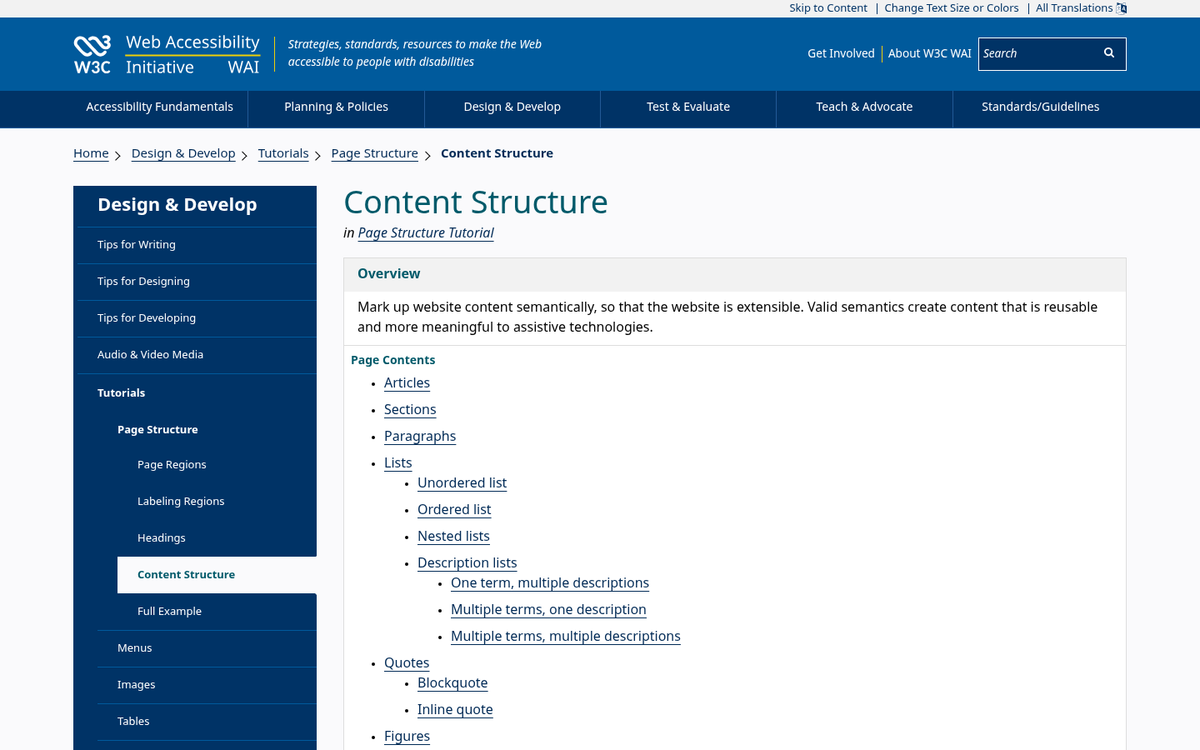
A citation-ready content block is a self-contained unit of content that answers one question enough for an AI to pull it and use it without needing anything else from your page. That last part matters quite a bit. The block has to stand on its own.
If an AI lifted that paragraph or section out of your page verbatim, would it still make sense? Would it still answer the question? If yes, you have a citation-ready block. If it only makes sense in the context of the paragraphs around it, it probably won't get cited.
Self-contained means the block does not borrow meaning from nearby text - it names the subject it's tackling, it answers the question directly, and it finishes the thought before the reader moves on. No loose ends, no references to "the above" or "as mentioned earlier."
Fragmented writing tends to fail this test. A page that spreads one answer across four short paragraphs with no structure gives an AI no obvious place to start or stop quoting. Vague paragraphs are just as problematic because they gesture at an answer without actually landing on one.
A well-built citation-ready block usually has three things working together: a focused question or topic it's tackling, a direct answer to that question, and enough context baked in so the answer makes sense on its own. If you're training someone to write for your blog, this structure is one of the first things worth teaching.
Otterly's 2026 research found that complete answers earn 8x more citations than partial ones. That gap is large enough to take seriously. Partial answers are almost invisible to AI systems looking for something quote-worthy.
You want to write content that can stand alone and deliver a confident answer to a question a reader may have. A citation-ready block can be two sentences or ten. Understanding how to make blogging work for you starts with mastering this kind of intentional, structured writing.
The Structural Patterns That Earn the Most Citations
Some content formats get cited far more than others, and the difference between them is worth mentioning. Presence AI data breaks it down in a way that makes the pattern hard to ignore.
| Content Format | Citation Rate |
|---|---|
| Comprehensive guides with data tables | 67% |
| Comparison matrices | 61% |
| FAQ content with schema | 58% |
| Opinion pieces | 18% |
The numbers tell you about what AI systems actually need from content. Comprehensive guides with data tables sit at the top because they do two things at once - they give structured, scannable data and they show the reasoning behind it. An AI pulling an answer for a user wants something it can verify and attribute, and a well-structured guide with data points is easy to work with.
Comparison matrices earn high citation rates for a similar reason. When two or more options are laid out side by side with defined attributes, ambiguity is removed. The AI doesn't have to interpret what you mean - it's all right there in a format that signals accuracy and completeness; it's the part worth sitting with: structured formats communicate trustworthiness before anyone reads a word.
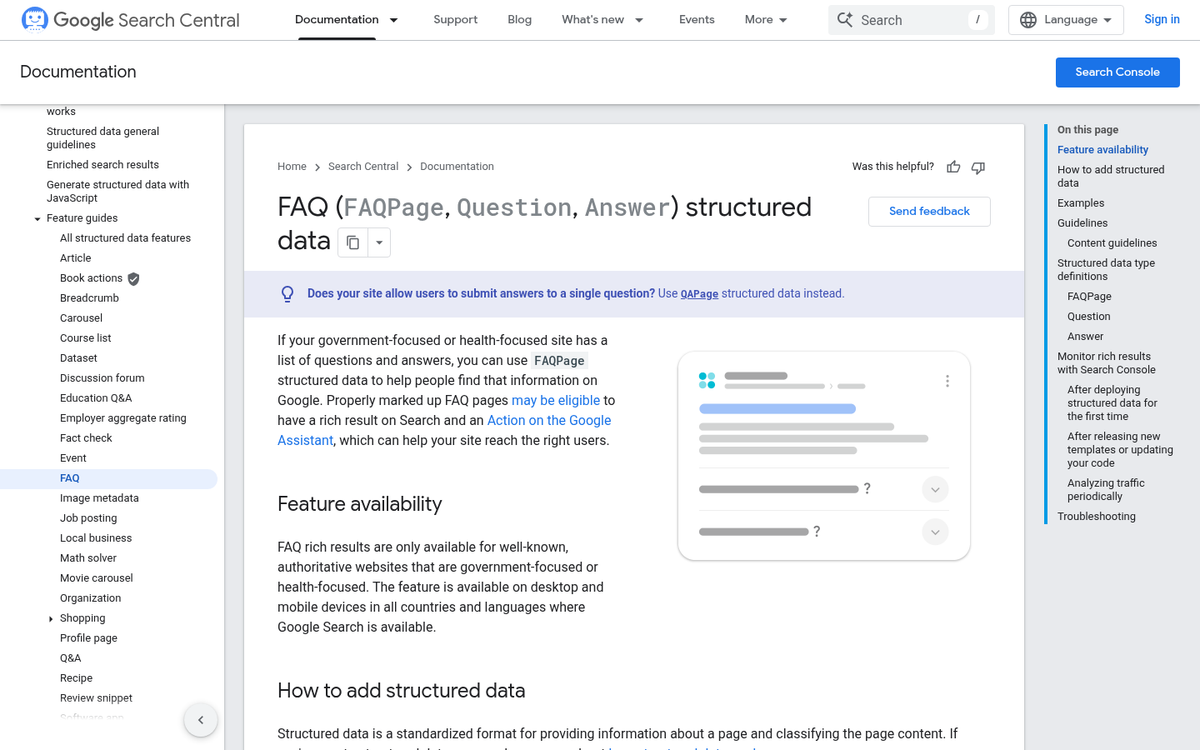
FAQ content with schema markup at 58% is a helpful data point because it shows how much technical signals matter alongside structure. The questions-and-answers format is already AI-friendly. But adding schema confirms the intent of the content in a way that plain prose can't.
Opinion pieces land at 18%, which isn't a shock. Personal takes are hard to verify and harder to attribute with confidence. An AI looking for a reliable answer to a user's question is unlikely to reach for content that's framed around one person's view without supporting data behind it. The format itself signals subjectivity, and that works against citability.
Schema Markup, Author Attribution, and the Technical Side
The structure of your content matters. But so does what's going on underneath it. Technical tells play a role in how frequently AI systems pull from a page, and websites are leaving points on the table without learning about it.
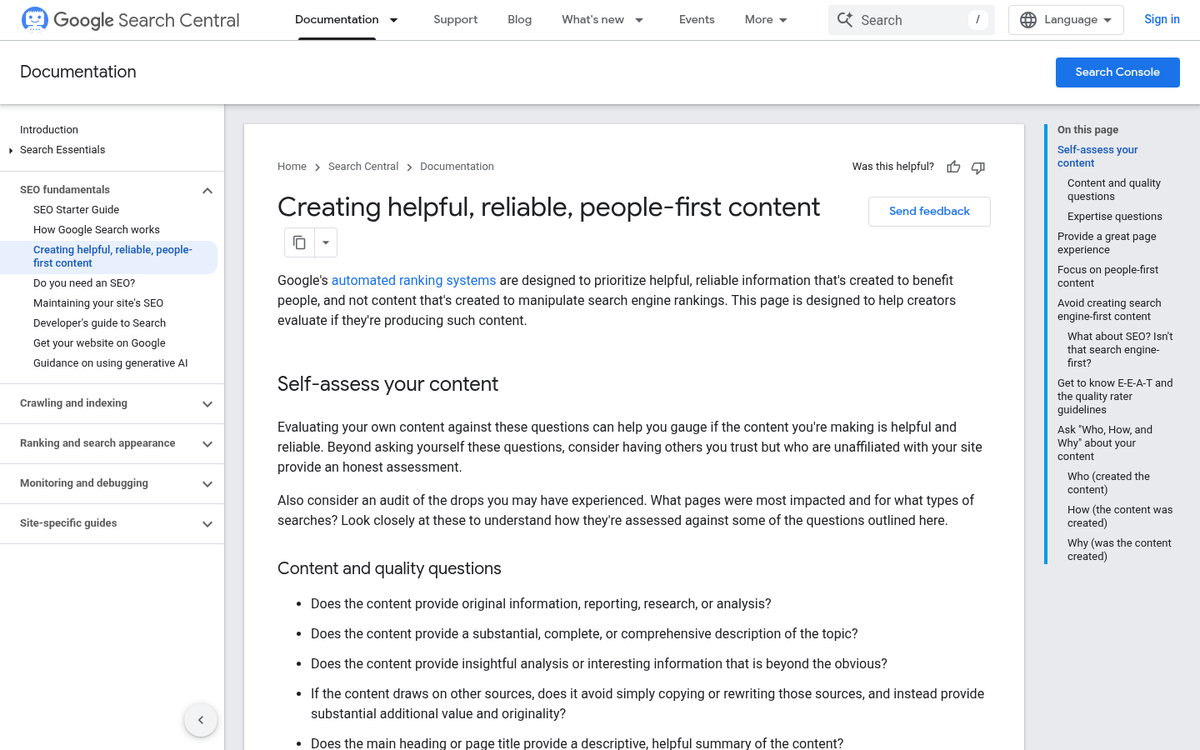
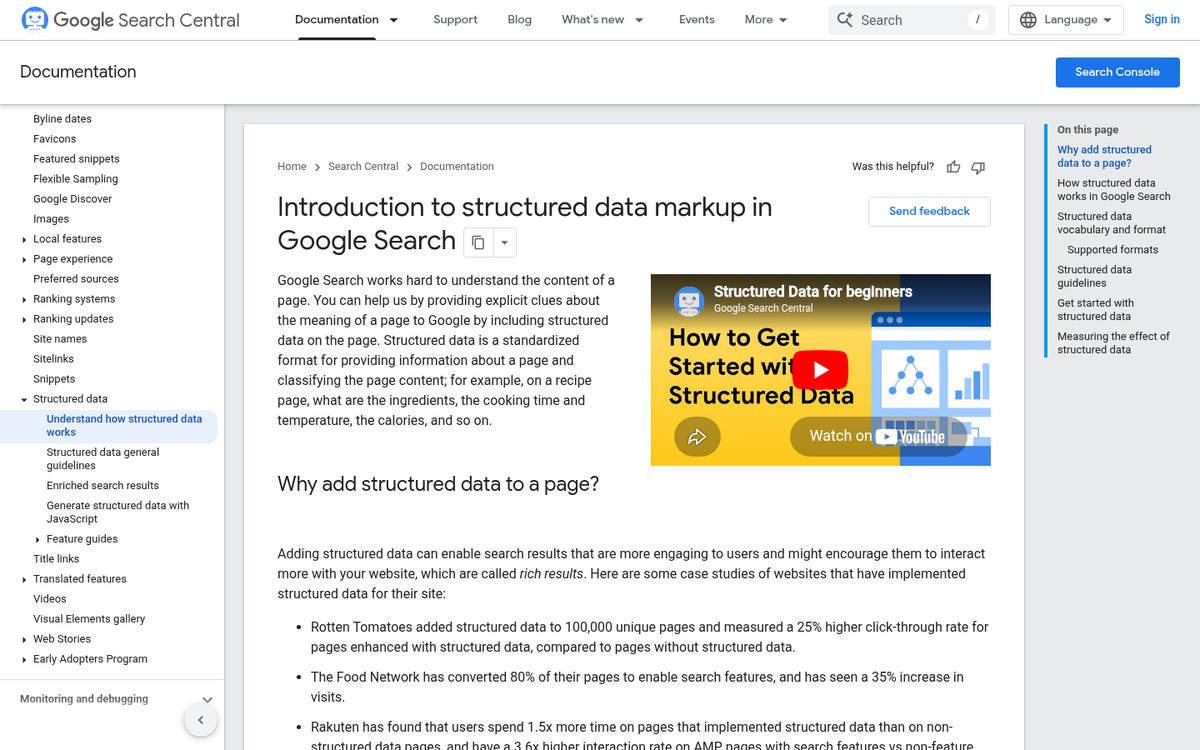
FAQ schema markup is one of the biggest wins available here. Pages that use it see citation rates lift by around 89% compared to pages without it; it's not a small difference - it tells AI crawlers where the questions and answers live, which makes your content much easier to extract and use.
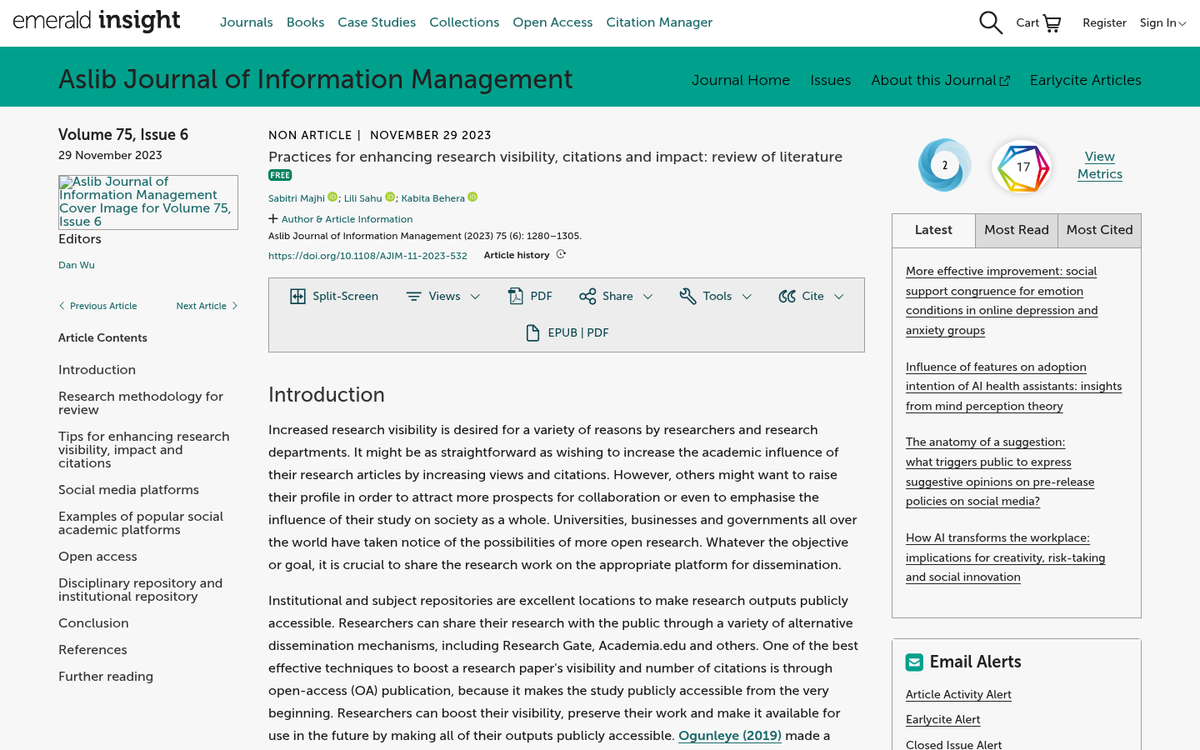
Author attribution is another factor worth taking seriously. Content that names an author and links to their credentials can add as much as 133% to citation rates. AI systems are built to favor content that comes from an identifiable, accountable source, so anonymous pages are at a disadvantage. Improving your blog's E-A-T score is one way to strengthen that credibility signal.
Then there's crawler accessibility, which is where sites quietly fall down. An estimated 73% of websites have settings that accidentally block AI crawlers from reading their content - it doesn't matter how well-structured your content is if the crawler can't get to it.
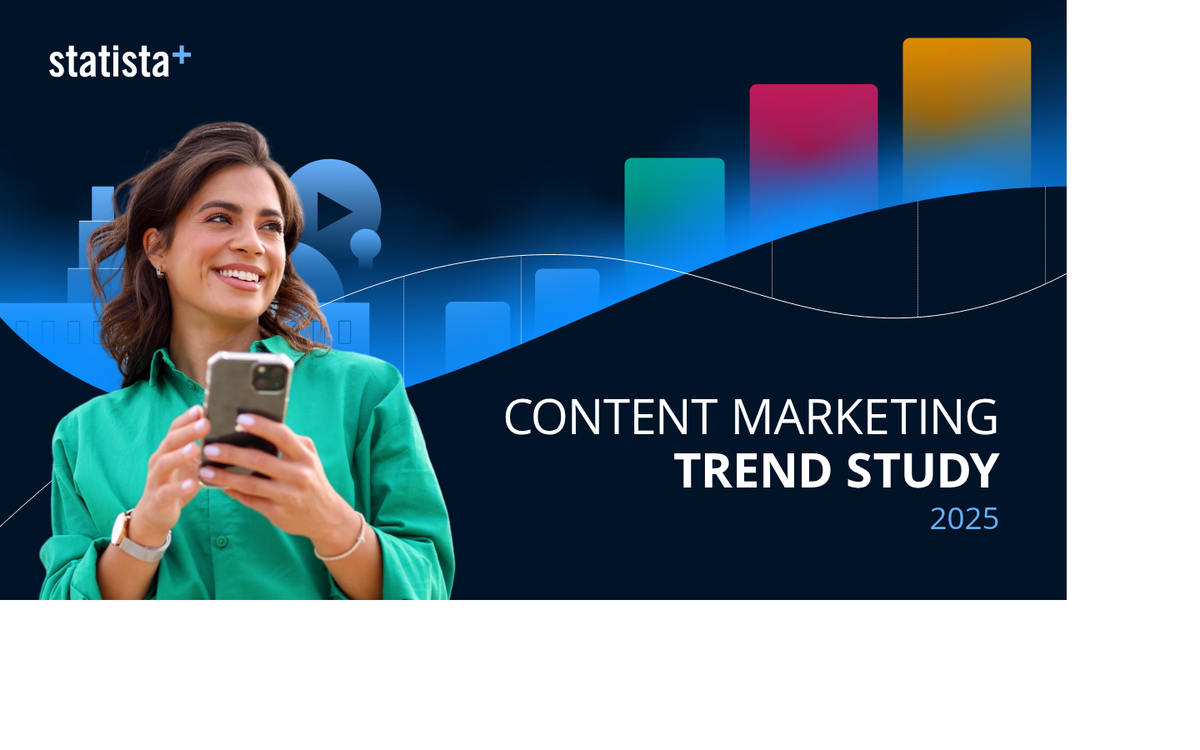
Data from AEO Content Grader puts this into perspective. When comparing HelpSquad and LiveChat, the gap in citation-readiness lines up directly with their technical scores.
| Brand | Citation-Ready Paragraphs | Technical Score |
|---|---|---|
| HelpSquad | 12% | Low |
| LiveChat | 38% | High |
LiveChat's stronger technical foundation directly supports a much higher rate of citation-ready content. But HelpSquad's technical setup is holding its content back despite its quality.
Content quality and technical setup have to work together. One without the other will limit how far your content can go in AI-generated replies.
What Weak Content Blocks Look Like and Why They Fail
Most content that fails to get cited doesn't fail because it's wrong - it fails because there's nothing in it worth quoting. Think about a generic 300-word intro paragraph that explains what a topic is in broad terms - what would an AI actually pull from that? There's no data, no defined answer, no claim. Just context.
Vague answers are one of the most common failure patterns. A block that says "there are many factors to take into account" gives a reader nothing to hold onto and gives an AI model even less. Citation-ready content makes a point that could actually be repeated to another person.
Buried conclusions are another problem. When the most helpful sentence in a block sits at the end of a long paragraph - after a few lines of setup - it's easy to miss. AI systems scan for usable answers, and if the payoff is hidden, the whole block gets passed over.
Missing authorship is a quieter failure. A block could be well-written and factually accurate. But if there's no named author, no credential, and no publication context attached to it, it has less weight as a source. That matters more than writers expect.
Walls of text are also a barrier to citation. Long unbroken paragraphs with no structure make it hard to extract a single clean point. A block needs to be scannable enough that one sentence can stand on its own.
One study found that only around 12% of paragraphs in common business content could be considered citation-ready - it's a low number. But it aligns well with what most content actually looks like in practice - lots of filler, not much substance. If you've ever wondered why your blog posts aren't showing up in Google, thin and uncitable content is often a core reason.
It can be helpful to read your own content and ask what a journalist or researcher would quote from it. Not the whole piece - just one sentence or one number. If nothing comes to mind immediately, that's a signal worth acting on. Even something as simple as reducing your blog's bounce rate often starts with making individual content blocks more substantive and useful.
How to Audit Your Existing Content for Citation Readiness
The good news is that you don't need to start from scratch. A lot of existing content is closer to citation-ready than it looks - it just needs a few targeted fixes to get there.
Start by pulling up a page and asking one direct question: does this content give a self-contained answer to something? If you have to read three paragraphs to get to the point, that's your first flag. AI systems and crawlers need the answer to be findable fast.
From there, work through the following checkpoints one at a time.
| What to Check | What to Look For | Quick Fix |
|---|---|---|
| Complete answers | Does the content answer a full question without vague language? | Rewrite loose statements as direct answers |
| Data presence | Are there statistics, figures, or sourced numbers? | Add a data table or cite a relevant study |
| Schema markup | Is FAQ, HowTo, or Article schema enabled on the page? | Add structured data through your CMS or manually |
| Author attribution | Is there a named author with a visible bio or credentials? | Add an author bio block to the page |
| Crawler access | Is the page blocked by robots.txt or login walls? | Check indexability in Google Search Console |
None of these fixes are large projects on their own. Adding a data table to a thin page or enabling FAQ schema can make a difference to how that content gets read and referenced.
Author attribution is one that people skip because they assume it's a formality - it isn't. It connects your content to a person with verifiable expertise, and that matters to crawlers and AI systems when they choose what to trust. Do WordPress Pages Tend to Rank Better Than Posts? is worth reading alongside this, since page structure also plays a role in how crawlers interpret authority.
Go through your highest-traffic pages first and run them against this table. Most pages are missing just one or two things - and those are the gaps worth closing.
Start Getting Cited - Not Just Read
The best place to start is smaller. Pick one page - best something that already gets traffic but hasn't been touched in a while - and run it through the audit framework. Look at the structure. Check for direct, quotable answers. Confirm your schema is in place. That single exercise will teach you more about citation readiness than any checklist, and it usually surfaces a few quick wins you can act on immediately. If your posts aren't appearing where you expect, it's worth understanding why blog posts sometimes don't show up in Google before diving deeper.
If you want that process handled for you - across every piece of content you publish - BlogPros was built for that. Our AI-hybrid process pairs machine efficiency with human editorial review, so every post is structured for citation, optimized for AEO and schema, and written for Google, ChatGPT, Perplexity, Gemini, and beyond. We do the technical heavy lifting so your content does the work it's supposed to: get found, get cited, and get results. Start your free month today - no contracts, no credit card, no commitment. Just content that's built for the way search works.