Key Takeaways
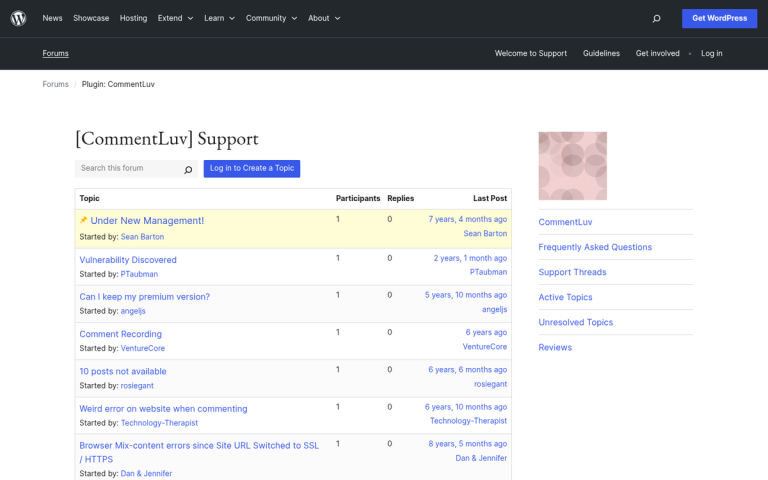
- CommentLuv has an unpatched SSRF security vulnerability (CVSS 6.5) with no known fix, making it effectively end-of-life.
- CommentLuv dropped to only 4,000 active installs by early 2024, reflecting its dramatically declining user base.
- Google's improved link spam detection has made chasing SEO value through blog comment links largely outdated.
- Disqus remains a solid default with 170,000+ active sites, though lazy loading is essential to protect page speed.
- Hyvor Talk, Remark42, and Webmentions are actively maintained alternatives worth considering over abandoned plugins.
If you've been running a WordPress blog for any length of time, you've probably asked yourself which comment system is actually worth using in 2026. The community has shifted dramatically over the past few years, and some of the plugins that once dominated this space have aged very poorly. Let's take an honest look at where things stand.
The question is still relevant: which comment plugin should you be using? But the answer has become quite a bit clearer, and spoiler alert - some of the old favorites are no longer worth recommending.
What is CommentLuv and How Does it Work?
CommentLuv is a WordPress comments plugin designed to improve the default commenting system - it can add an extra field that lets bloggers who comment on your site automatically surface a link to their most recent post and pull it via their blog URL without the commenter needing to do anything manually. The idea was to reward content creators for engaging with your blog and give them a small SEO benefit in return - a followed link back to their own content.
CommentLuv only works alongside the default WordPress comments system. It can't be used with Disqus, Facebook Comments, or any other third-party comment replacement; it's an important constraint when you're comparing options.
The premium version of CommentLuv historically came with extra spam filtering, follow/nofollow controls, anchor text customization via the KeywordLuv side plugin, Twitter integration, the GASP anti-spam tool, commenter analytics via Luvvers, and a deals plugin called Dealpon.
In practice, the story in 2026 is very different.
CommentLuv's biggest draw for users - and its biggest drawback - has always been the nature of the followed links it generates in comments. A followed link passes SEO value to whoever receives it. That made CommentLuv interesting to bloggers and, sadly, to spammers who wanted easy followed links from any site that had it installed. The plugin tried to help with this with moderation tools and spam controls. But the spam problem was always a cat-and-mouse game.
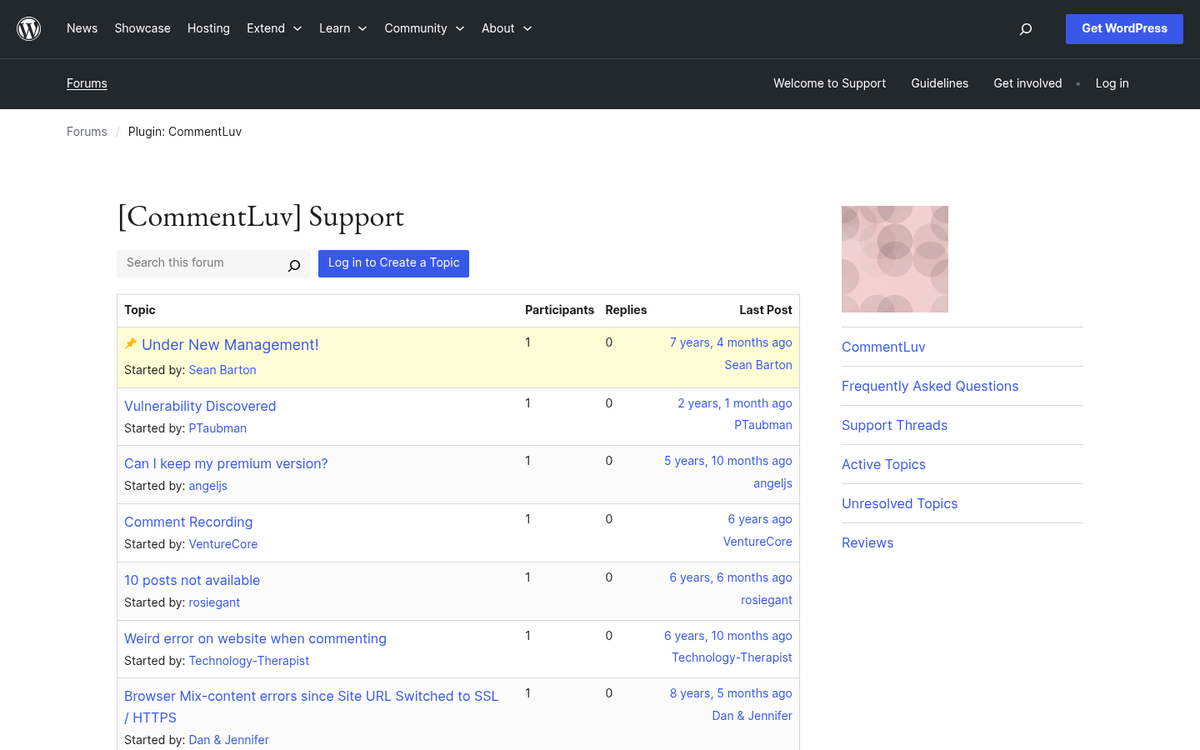
That problem hasn't gone away. What has changed is that CommentLuv is now basically abandoned software with an active security vulnerability and a dwindling user base.
- As of early 2024, CommentLuv had only 4,000 active installs on WordPress - a fraction of what it once had.
- A CommentLuv Unauthenticated Server-Side Request Forgery (SSRF) vulnerability was published on November 28, 2023, carrying a CVSS score of 6.5 (medium severity). As of the time of writing, there is no known fix.
- The plugin has seen little to no meaningful development in recent years.
Running software with an unpatched SSRF vulnerability on your WordPress site is not something we can recommend in good conscience. An SSRF vulnerability can allow an attacker to make your server send requests to internal or external resources it shouldn't have access to - potentially exposing sensitive data or enabling further attacks on your infrastructure. With no fix available and no active development, CommentLuv should be considered end-of-life for most practical purposes.
The SEO case for CommentLuv has also weakened considerably. Google's approach to link spam has grown more refined over the years, and the idea of earning actual SEO value through blog comment links is largely outdated. Google has become extremely good at recognizing and discounting low-quality comment links, and the danger of being associated with link spam patterns still exists if you run an open followed comments section without heavy moderation. If you're looking for alternatives, there are ad-free comment systems worth considering that are actively maintained.
Disqus and Other Comment Systems in 2026
Disqus remains one of the most widely used third-party comment platforms, with approximately 170,000+ websites actively using it as of recent data - it's a full replacement for the default WordPress comments system, which means it does have some trade-offs.
The most notable technical downside to Disqus is performance. Disqus makes over 70 HTTP requests per page load, which can meaningfully affect your Core Web Vitals scores - something that matters more in 2026 than it did when Disqus first rose to prominence. That said, lazy loading Disqus (so it only loads when the user scrolls to the comments section) largely mitigates this issue and it's now a standard implementation strategy.
Disqus replaces your default comment system entirely, which means users need a Disqus account or a connected social login to comment - this does cut back on comment volume for some sites. But it also cuts back on spam. The trade-off is usually worth it for most publishers.

Where Disqus genuinely excels is in community features - it functions as a distributed social layer across participating sites - users can follow each other, interact across different blogs, and build a commenter identity that travels with them. Comment threads can also be shared independently on social media, which is a genuine engagement benefit.
The honest downside to Disqus in 2026 is that comment culture itself has declined across the web. Many high-traffic blogs have moved away from comments entirely, or shifted community engagement to places like Reddit, Discord, or social media. The question of which comment plugin to use is increasingly secondary to the question of whether traditional blog comments serve your audience at all.
Other alternatives worth learning about in 2026 include:
- Hyvor Talk - A privacy-focused, fully featured comment platform that has gained significant traction as a Disqus alternative. It's fast, GDPR-compliant, and doesn't run ads in your comments section the way Disqus does on its free tier.
- Remark42 - A self-hosted, open-source comment system for developers who want full control over their data.
- Webmentions - An increasingly popular IndieWeb approach that surfaces mentions, replies, and reactions from across the web directly into your comment section. Particularly relevant if your audience is active on platforms like Mastodon or other federated networks.
- AI-assisted moderation tools - Many modern comment platforms now integrate machine learning moderation, making spam filtering and toxic comment detection significantly more effective than the rule-based systems of the CommentLuv era.
So Which Should You Use?
In 2026, the recommendation is straightforward. Do not install or continue running CommentLuv. The unpatched security vulnerability alone is disqualifying, and the plugin's development seems to have stalled. If you currently have it running, we'd strongly recommend deactivating it and auditing any links it has generated in your comments archive.
For most bloggers, Disqus remains a solid default - it's mature, widely recognized, and handles spam well. Just use lazy loading to protect your page speed, and know that the free tier includes ads in your comment section. If that's a concern, Hyvor Talk is worth the modest subscription cost.
If you're on a newer or more technically refined setup, looking at Webmentions or a self-hosted solution like Remark42 may better match where the open web is heading.

The bottom line: the days of chasing SEO value through blog comment links are over, and any plugin whose primary value proposition was that followed-link incentive has aged out of relevance. Focus on a comment system that's actively maintained, secure, and actually serves your readers - and moderate it regardless of which one you choose.
Personally, we're sticking with Disqus with lazy loading enabled, but keeping a close eye on Hyvor Talk as a longer-term alternative.