





Key Takeaways
- Clear, fast-loading design matters; pages taking over 5-7 seconds cause bounce rates to skyrocket and hurt Google rankings.
- Knowing your audience through analytics and social media helps you create content people actually want to read and comment on.
- Adding unique value-like going deeper than competitors-helps your content stand out even in saturated niches.
- Visual elements like screenshots, illustrations, and infographics give readers more to engage with and encourage sharing.
- Responding to meaningful comments encourages further discussion, and user-generated content can positively impact your search rankings.
As a blogger, it can often be pretty disheartening from day to day to grind away at content and see nothing tangible in return. Sure, you can look at analytics and see traffic numbers, you can run ads and get some money, you can sell products and earn sales. None of that's pretty as direct and as viscerally satisfying as a comment.
Blog comments are interesting. On the one hand, times they're barely even worth reading. They could be spam, or barely better than spam. Sometimes they're helpful commentary. But that's a rarity. So why do we feel so good when we get them?
Comments are a direct, immediate sign that people are reading our content and seeing enough value in it to respond. You get the opportunity to be introduced to readers of your blog and members of your community. Heck, you get to work on building that community, without the need to take it off-site to a forum, conversation group, or social network - it's your own little slice of society.
So how can you improve the opportunities for leaving comments on your blog? Let's talk about tips and tricks.
1: Make your Content Clear
Ever visited a site and seen an ad floating along the bottom, a row of ads along the side, a banner across the top, a pop-in the bottom corner, a full-screen overlay, and the content you wanted to see missing in action? I have, and remember, they're the worst.
The worst part about these kinds of sites is that they depend heavily on clickbait and on traffic from social networks. They get shared around because they're willing to pay for the exposure. They make money with no redeeming properties, recycled content, and aggressive pagination designed to maximize ad impressions.

Design matters more than most bloggers know. Sites overloaded with scripts and ad calls tend to load slowly, and bounce rates skyrocket when load times creep past 5-7 seconds. Ideally, you want your pages loading in 1-2 seconds. A high bounce rate - usually considered to be 70% or above - also tells Google that visitors aren't finding value in your content, which can hurt your rankings over time.
Google has long penalized sites that prioritize intrusive interstitials and ad clutter over user experience, and those policies have only been enforced more strictly. Build for your readers first, and the rest follows.
2: Make your Content Excellent
Sometimes I feel like I shouldn't need to say this. But there are still thousands of bloggers out there who just... write boring content every day. They sit down and they bang out the absolute bare minimum for a post, and they call it good, and they do this day after day after day. Their blog never grows, their business founders, and they wonder where it all went wrong. That is one bird that won't have fertile eggs, I'll tell you that much.
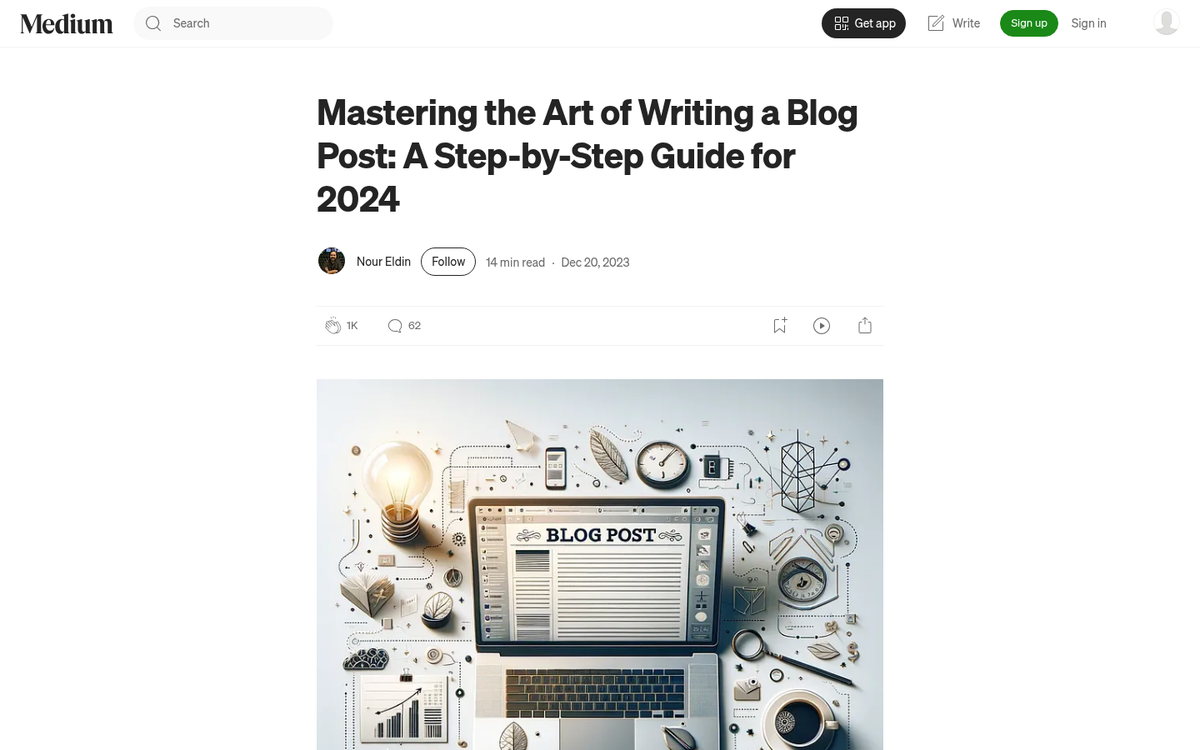
What it takes to make great content is not something I can explain in one sub-section of one blog focused on one small portion of running blogs. Instead, I'll point you to a handful of resources you can look into and figure it out yourself. Try these on for size:
- Our 20 Tips to Grow Your Blog Into an Authority Site
- How to Write Great Blog Content from Problogger
- Content Marketing Institute's resources on creating audience-focused content
- Backlinko's guides on writing content that earns links and engagement
Those should get you started with advice.
3: Know your Audience and Their Interests
It's one thing to write content, and it's another to write content that people want to read. I could write an insanely detailed guide, 45 pages long, about the absolute best fishing places in Eastern Montana, with the types of fish you could catch, the lures to use, the times of day to fish, and little hidey-holes you can take your boat out to each day. Would any of you want to read it? Maybe a couple of you. But this is a website focused on blogging and blog advice. Content about fishing has no place here. I'd be better off selling that content to a person who would find quite a bit more value out of it.

In order for me to get blog comments on my content, I need to know who you guys are and what content you like. I do this by watching social media to see the types of content you share, checking out referral traffic sources, seeing which pieces of content I publish get more traffic and which get less, and more. These techniques tell me about the people who read my content, and I'm able to extrapolate from there the types of content that would interest you.
People only comment when they have something to say. If I'm lucky, I'll reach a smaller segment of my audience. Otherwise it's just wasted blog space.
4: Include Some Kind of Unique Value
Part of creating content is making something that no one else has made before; it's pretty difficult given that there are approximately ten trillion writers blogging in your niche right now. At least, it can seem that way - it's even worse because you can write great content on a topic that just doesn't matter, and it's not going to get any interest because no one cares. So you'll have to find topics people care about but that others haven't already written about.
Or do you?

The primary technique I use to get around this conundrum is to create value with an "anything you can do I can do better" strategy.
Say I want to write a list of blog commenting plugins. Someone else writes the top five, I write the top ten. You write something that covers a topic at a superficial level, and I dig deeper into it. You write something professing one position, and I argue the opposite for the sake of argument. A perspective, a spin, sometimes that's all it takes.
5: Include Plenty of Visual Elements
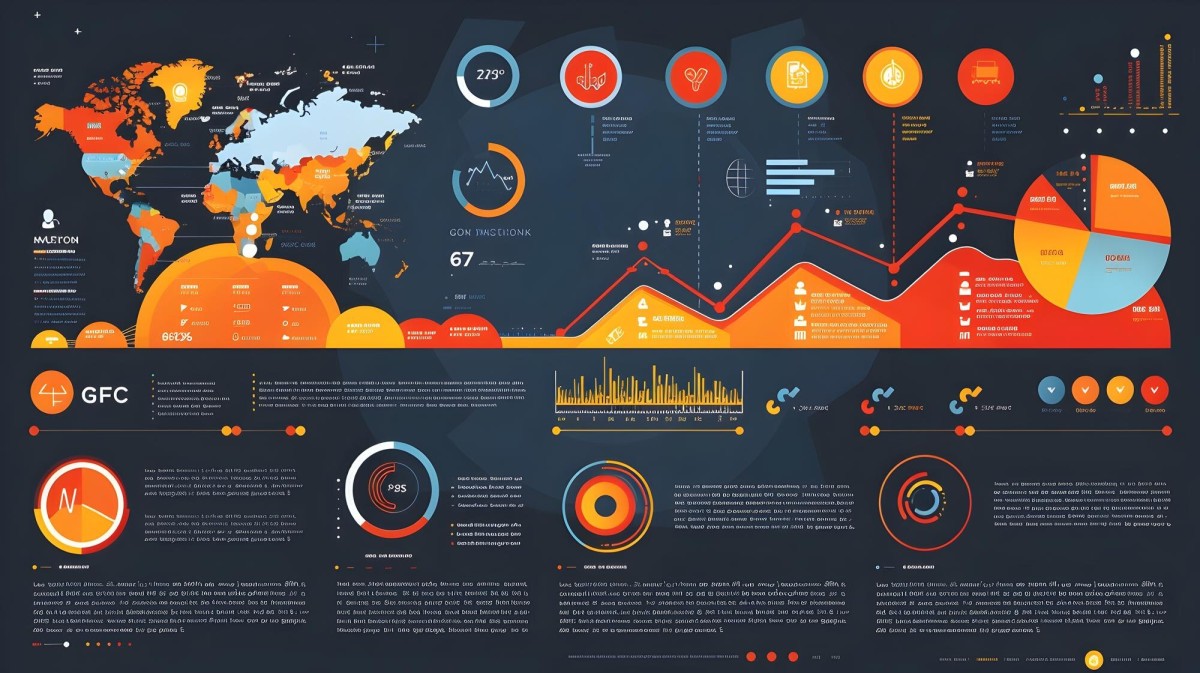
The internet is a visual medium, and providing interesting graphics gives readers something else to comment on.
You can go about this a few ways.
- Provide helpful screenshots to show a process in action, like when you're writing a tutorial. If one person describes how to set up an ad campaign, and you write a guide with screenshots showing exactly where each button is and what each form looks like, you remove a lot of possible ambiguity from the piece.
- Provide interesting illustrations of your point. Sometimes this might mean a chart or a graph, but other times it might be something a little more abstract. One thing you want to avoid, though, is going too cliché. How many blogs have written a post about links and used a picture of a chain in the post? My guess: all of them.
- Create small infographics for your data sets. You can get a lot of mileage out of an infographic. A good infographic can be commented on heavily and shared around the web. Just be aware that AI-generated visuals are everywhere now, so hand-crafted, data-rich infographics that offer something genuinely original stand out even more than they used to.
The point is, well-formatted text is better than word walls, and graphics within text is better than just text. Just don't get carried away and try to make your whole post into an image - it can't be parsed by search engines and you won't get any SEO value out of it.
6: Provide Data and Sources
This one isn't specifically about comments. But it can help with them. Or maybe hurt. Who knows!
The idea is that readers like data behind the opinions you present. When you make a statement, you want to back it up with a link to some data. If you harvested the data yourself, you should post a graph or table of that data, though you might want to anonymize some of it if it's sensitive business data.

I say it can help and it can hurt for a few reasons. For one, it lets readers make comments based on looking over the data instead of just trusting you. For another, the sources you link to can come in and comment on whether or not they agree with your conclusions based on their data. Otherwise, you're going to lose out on the comments from people who demand to know where the data is that backs up your claims. Let's say if you have the data, you can withhold it until comments asking for it appear, and then comment with the data to spur more conversation. If you have readers who care enough to ask, that can be a useful technique.
So, basically, provide your data. But whether or not you do it in the post or in the comments afterwards can depend on your audience and their history of asking or caring about that data.
7: Use a Good Comment System
Picking the right commenting system for your blog can go a long way towards encouraging comments. The native WordPress comments system is functional. But it can welcome spam, and the friction of entering your information manually puts some people off. Third-party options each have their own trade-offs worth thinking about.

Disqus remains one of the more widely recognized options, though it has attracted consistent criticism for injecting ads into comment sections on its free tier and for privacy problems related to data tracking. Some bloggers have moved away from it for those reasons. Facebook Comments lowered the barrier to entry for a long time given how many people have accounts. But with Facebook's declining dominance with younger audiences and standard SEO limitations, it's less compelling than it once was. Newer alternatives like Hyvor Talk and Commento have become pretty popular with privacy-conscious bloggers looking for cleaner, ad-free experiences. Some bloggers have even experimented with replacing traditional comment sections with community spaces or newsletter reply threads entirely.
There's no single right answer - the best system is the one that creates the least friction for your audience while keeping spam manageable on your end.
8: Ask Users to Leave a Response
You may notice that blogs often end on a question. "What's your favorite tip for getting more blog comments?" Or they might even have a full paragraph section at the end, labeled something like "Over to You" or "Your Turn." These are semi-transparent attempts to invite readers to leave a comment.
It's not entirely self-serving. Sometimes bloggers legitimately do want to hear from their audience, and telling them so can get a conversation going. The thing you'll have to watch for is when a blogger asks for a comment but then doesn't go and respond to worthwhile comments. Those cases are likely cases where they're just looking for the numbers more than the community.
9: Respond to User Engagement Whenever Appropriate
This is what I'm talking about. When a user comments, you can divide that comment up into one of a few categories. On one hand, you have spam comments, which you can just delete and not care about. Then you have comments from people who just say thanks for the post, which you can usually ignore because they're not opening up a conversation. The ones you want to engage with are the ones where people ask questions or add some fact or refutation to your post. These are openings for a discussion, which allow you to counter with other facts, add other opinions, or simply talk about the topic. More comments cause even more comments. In fact, user generated content can actually help your rankings when managed well.
So... what's a great way to welcome comments on your blog? Let me know in the comments.


2 responses
Thoughtful replies only - we moderate for spam, AI slop, and off-topic rants.
Great tips, Drew! Basically, just make quality, education content for people, not search engines, and engage with your readers any chance you get.
Good Info, How to find out daily visitors to a website?