





Key Takeaways
- OpenWeb, formerly Spot.im, has evolved from a simple comment platform into a full publisher monetization and community tool.
- AI moderation now handles spam and toxic content automatically, reducing manual workload significantly for publishers at scale.
- Early SEO problems are resolved via WP Sync, making comments crawlable by Google and viable for SEO-conscious publishers.
- OpenWeb's revenue share model embeds native ads in comment feeds, turning comment sections into potential revenue streams.
- The platform's cross-site social network drives return visits, but smaller blogs may not benefit enough to justify switching.
Do you have comments enabled for your blog? You should. Personally, I think they're great in every situation. Sure, they take a little maintenance. But what doesn't? Cutting them off entirely removes a channel of engagement, and engagement is too important to ignore. Blog comments can be some of the best social centers of your community.
If you have comments enabled, what system are you using for them? The default WordPress comments are a good choice in most cases - they're familiar, lightweight, and easy to moderate. Then again, maybe you want the greater functionality and off-site login features of Disqus. Or maybe not; Disqus has had some serious criticism over privacy problems, ad injection, and page bloat. Others use Facebook Comments, and that's fine too, though Facebook's declining relevance as a blogging platform has made this option feel increasingly dated. Facebook Comments can be picky, don't always match your blog design, and have long had problems with SEO.
There's one alternative worth talking about that you might not have considered recently - it's called OpenWeb - formerly known as Spot.im - and it has evolved since its early days.
From Spot.im to OpenWeb: What Changed
Spot.im was founded by Nadav Shoval and Ishay Green and launched in beta back in 2014 - it became pretty popular through the mid-2010s as a real-time, social-network-style comment platform built for publishers. In 2021, the company officially rebranded to OpenWeb, and it signals a wider ambition past comments - positioning itself as a full publisher monetization and community platform.
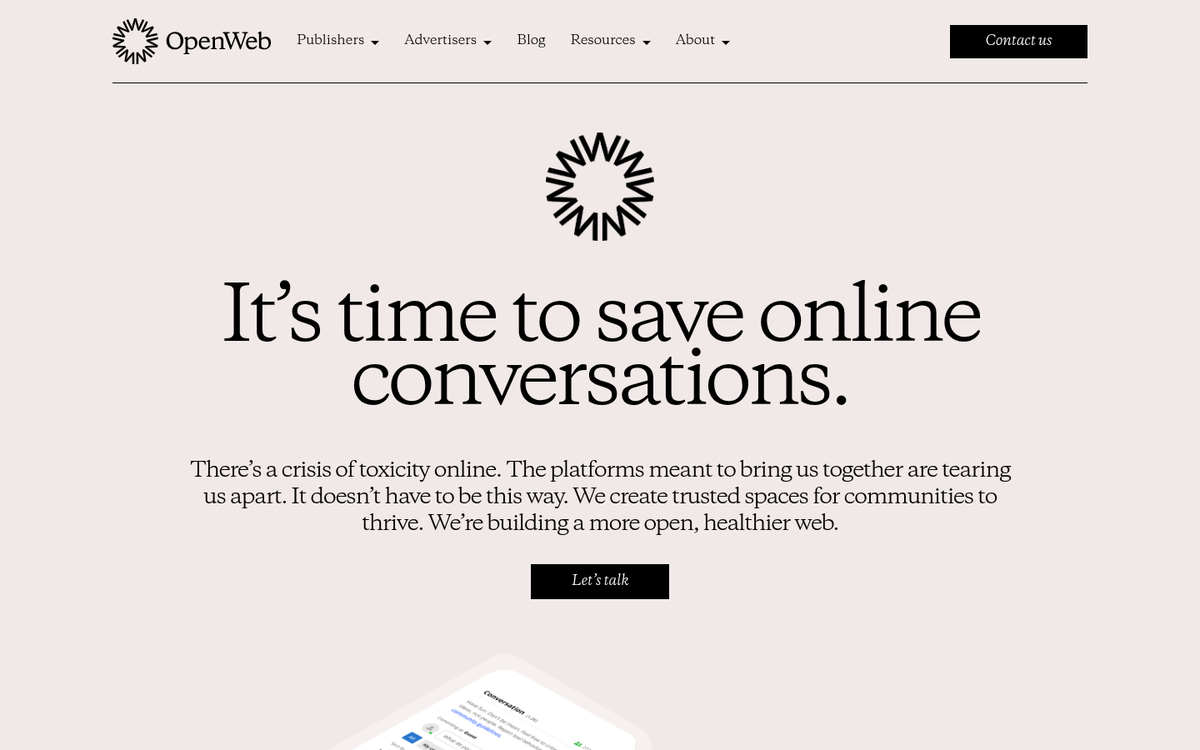
OpenWeb is not a startup in danger of disappearing overnight - it has raised hundreds of millions in funding, partnered with publishers, and grown to power communities across thousands of sites globally. If you evaluated Spot.im years ago and moved on, it's worth taking a fresh look at what OpenWeb has become.
How AI Has Changed the Comments Landscape
One of the biggest changes in the blog comments space since the mid-2010s has been the rise of AI-powered moderation and engagement tools. What used to require a dedicated community manager - filtering spam, flagging toxic comments, surfacing quality contributions - can now be handled largely through machine learning. OpenWeb leans heavily into this, using AI to detect and suppress toxic content in real time, cut back on moderation workload, and promote constructive conversations automatically.
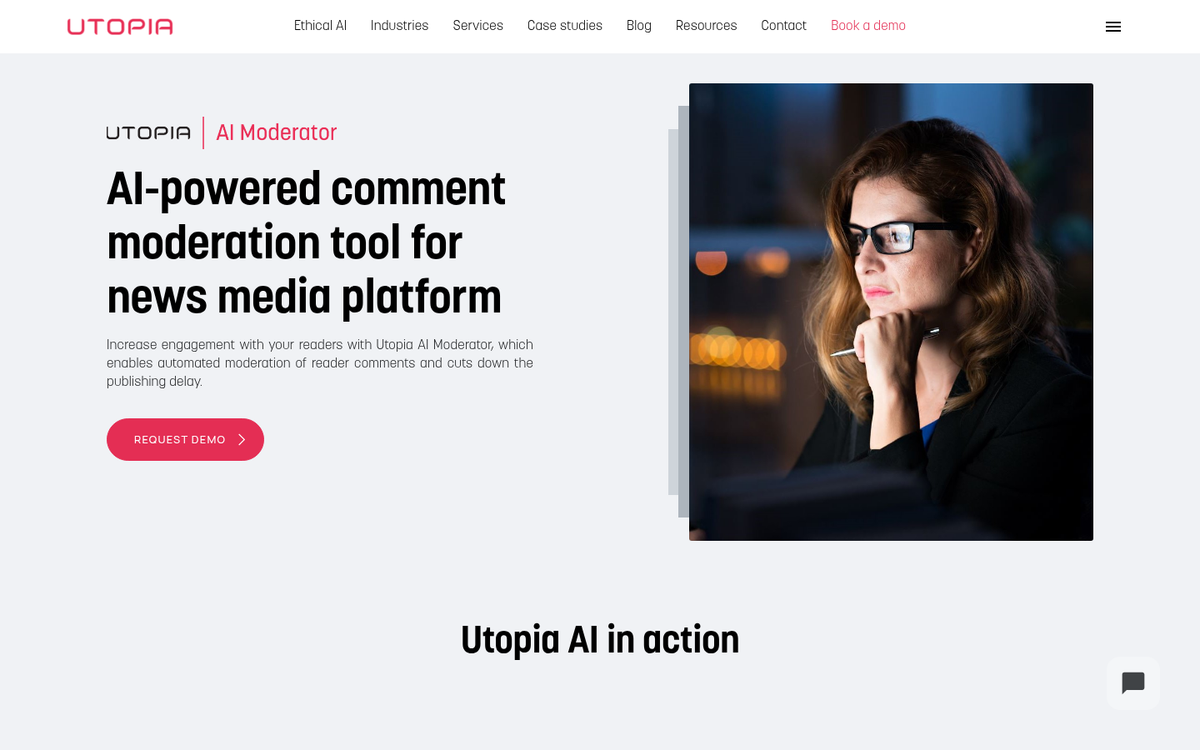
This is a genuine improvement over the manual moderation strategy that older comment systems required. AI moderation has become a near-necessity in 2026, and that's especially true for publishers at scale. If you don't have it, comment sections devolve quickly - and most site owners don't have the bandwidth to babysit them manually. Comments can also play a meaningful role in your blog's rankings and traffic, which makes keeping them healthy even more important.
Beyond moderation, AI has also changed how comment platforms drive engagement. OpenWeb uses behavioral data and AI-driven recommendations to surface relevant conversations to users across its publisher network, similar in spirit to how social platforms curate feeds - this cross-site social graph - where a user's activity on one publisher's site can surface content from another - remains one of OpenWeb's most distinctive features. If you're thinking more broadly about improving user engagement on your blog, comment strategy is just one piece of a larger puzzle.
What Makes OpenWeb Unique in 2026
The core value proposition that made Spot.im interesting back in 2015 has only grown stronger. Let's talk about what still sets it apart:
It acts as a cross-site social network. When a user registers, they create a global account, like Disqus. Any site they comment on is added to a personalized feed, and it gives them real-time updates and notifications across the entire OpenWeb publisher network - this drives return visits and deeper engagement across all participating sites.
Real-time conversation features remain a differentiator. The live typing indicators and instant-messenger-style interaction that defined Spot.im are still present, which turns what would otherwise be static comment threads into live conversations that keep users on the page longer.
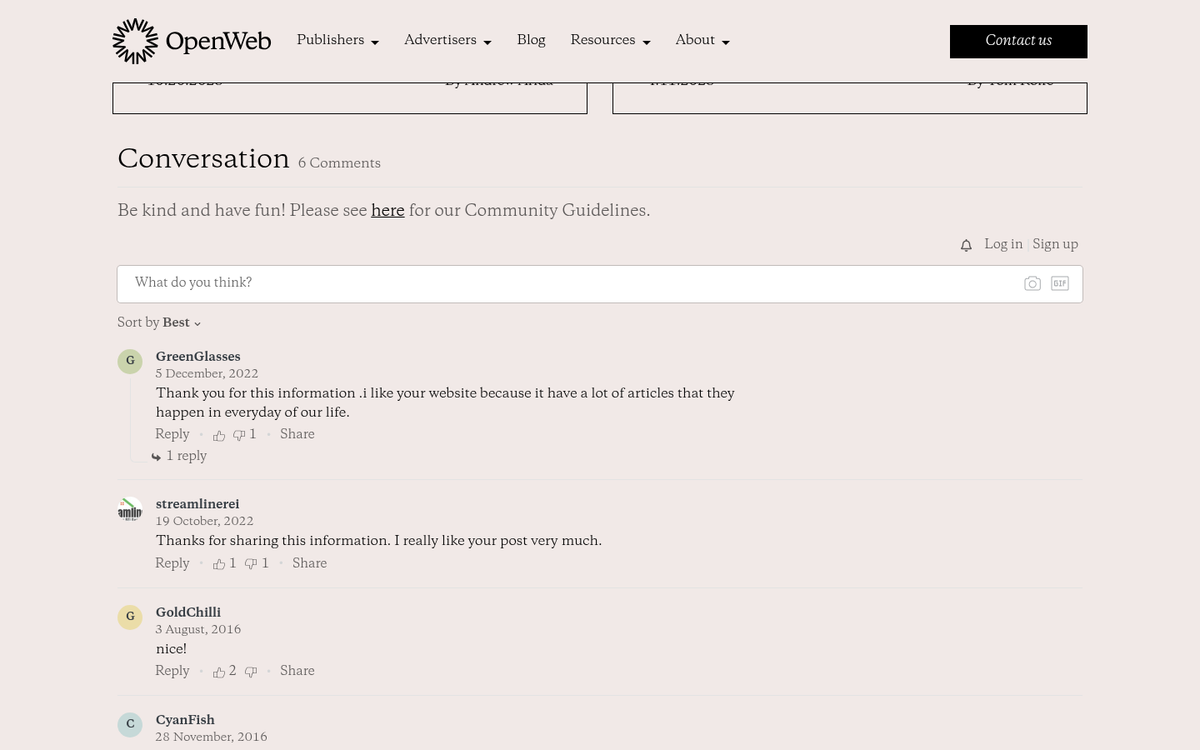
SEO compatibility - the platform's biggest weakness back in 2015 - has long since been resolved. Comments are synced to the WordPress database via WP Sync, which makes them crawlable by Google - this was a meaningful fix that unlocked the platform's viability for SEO-conscious publishers.
Monetization has matured. OpenWeb's revenue model now includes native advertising within the comment feed, with a publisher revenue share program in place - this turns your comment section from a cost center into a possible revenue stream - something almost no other comment platform has. Think of it as sponsored content embedded within community conversations, like sponsored Tweets or Facebook sponsored stories. But living directly on your site.
It's still fast. Load performance has historically been one of OpenWeb's strongest benefits over Disqus and Facebook Comments, and that remains true. In an era where Core Web Vitals directly affect search rankings, this matters more than ever.
Guest contributions are supported - it helps lower the barrier to engagement. Combined with AI moderation, the abuse risk that used to make open commenting feel reckless is more manageable.
What Does the Competitive Landscape Look Like Now?
In 2026, the comment platform space looks quite different than it did a decade ago. Disqus is still around but remains controversial because of its advertising practices and privacy implications under GDPR and CCPA. Facebook Comments has become increasingly niche as Facebook's role in content discovery has diminished. Many publishers have simply turned comments off entirely - a mistake, in my view, given how much engagement they can drive when managed correctly.
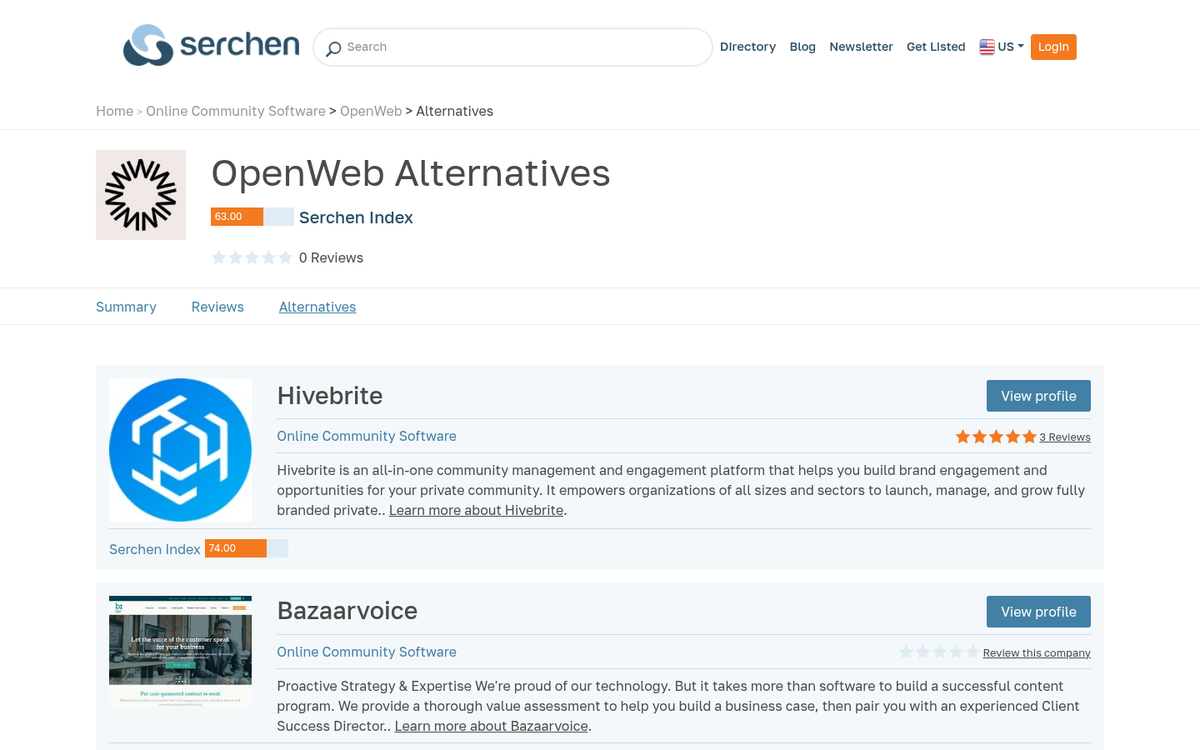
A newer wave of platforms has also emerged - like tools built specifically around AI-generated comment summaries, sentiment analysis dashboards, and community health scoring. OpenWeb sits at the more full-featured, business-leaning end of this spectrum. For smaller blogs, the native WordPress comment system or a lightweight alternative may still be enough. But for publishers serious about community building and monetization, OpenWeb is among the most capable options available.
Making Full Use of OpenWeb
Making use of OpenWeb is very much like encouraging any other form of on-site engagement. You need to be intentional about it to attract and retain commenters.
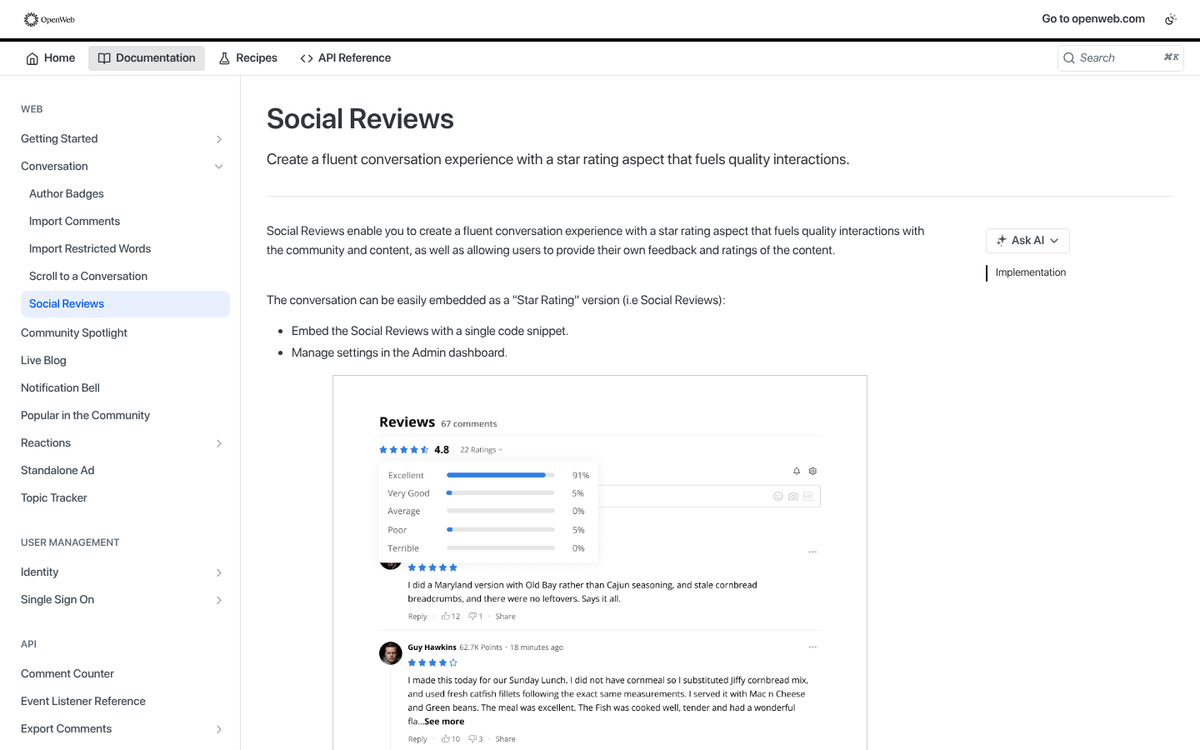
- Encourage engagement actively. That means asking questions in your content, creating pieces that spark genuine debate, and responding to comments yourself - especially early on. No comment platform, no matter how sophisticated, fixes a content strategy that doesn't invite conversation.
- Take a personal approach when you're small. When your site is small and you only have a few regular commenters, it's easier to get to know them by name. OpenWeb helps with this by surfacing top contributors with visual badges and influencer designations.
- Monitor your comments consistently. With OpenWeb's cross-site notifications, staying on top of your comment activity is much easier. You can respond quickly, which signals to your community that you're present and paying attention.
- As you grow, hire or designate a community manager. Make sure they understand your brand voice, know how to handle customer service queries, and have the authority to take action when needed.
- Write conversationally. The more approachable your content feels, the more likely readers are to engage. Formal, distant writing discourages comments - readers assume you won't respond anyway.
- Use internal links in both your content and your comments to keep people on your site. OpenWeb's site-wide news feed also helps here - activity on one post can surface other posts to active commenters, increasing time on site organically.
- Lean into AI moderation rather than fighting it. Let the platform do the heavy lifting on spam and toxicity filtering. Focus your manual attention on meaningful conversations that deserve a thoughtful reply.
You can also use OpenWeb's live chat functionality as a lightweight customer support channel - by enabling comments on a dedicated support post or help center page, you create a real-time support stream without needing a separate live chat tool. Users can also send private messages directly through the system, providing a way to manage sensitive issues without airing them publicly in the news feed.
Overall, if you've been running a barebones comment section or have comments disabled entirely, OpenWeb is worth a look in 2026. The SEO problems that held Spot.im back in its early days are long gone. AI moderation has removed most of the operational burden. And the revenue share monetization model gives you something tangible in return for hosting an active community - something the old comment platforms never offered. The main consideration now is simply whether your audience is large enough to benefit from the cross-site social network effect. If it is, there's very little reason not to make the switch.


2 responses
Thoughtful replies only - we moderate for spam, AI slop, and off-topic rants.
Hello james, I added this post link as a addition (under Spot.im heading) in my new blog post. I published a list of best comments system for both blogger and WordPress.
So why don't you guys use Spot.im on your website?