





Key Takeaways
- Backlinks provide zero SEO value until the pages containing them are indexed by Google.
- Before pursuing indexing, verify the linking site's relevance, authority, spam score, and robots.txt settings.
- Sharing the linking page on platforms like X, LinkedIn, and Reddit creates crawl signals that accelerate indexing.
- Building contextual links from already-indexed pages to the linking page creates a direct crawl path for Google.
- No tool or service can force Google to index low-quality or spammy pages, regardless of claims made.
How to Get Your Backlinks Indexed Faster in 2026
Backlinks make the world go round, at least in terms of search. As much as Google has tried to diversify its ranking signals over the years, links remain a core foundation of how the web works - from traffic to advertising to discovery to shopping. Thus, links still matter, no matter how many new signals Google layers on top.
If you've earned 100 backlinks from unique, high-quality domains, that's great - but what about the ones sitting on pages that haven't been indexed yet? You don't get any search value from those links until the pages containing them are indexed. According to data from Rapid URL Indexer, the average backlink takes anywhere from 4 to 14 days to get indexed, though many URLs do get picked up within 48 to 72 hours.
Note that this is distinct from getting your own content indexed. When you're focused on your own pages, you have plenty of tools at your disposal. Backlinks are different - they're not published on your site. You need to figure out how to get them indexed without having direct access to the originating site, so you can start claiming that value.
First Things First
Before you launch any campaign to get a backlink indexed, investigate it. Make sure the link is actually worth keeping around. Not all links are created equal, and some can be actively detrimental.
First, check to make sure the site is relevant to your content. If the link is out of context, on a spam site, or buried in an unorthodox location, you're running the risk of earning negative value from it. It's better to either contact the webmaster and request removal, or add it to a disavow list for Google Search Console.
Second, check the site's presence online. Run a site search using site:www.thatsite URL.com to see what pages are actually indexed. You need to confirm the site itself is indexed, and that its content is relevant to your niche. A link from a furniture blog that also publishes 200 posts about baseball isn't going to move the needle for your furniture store.
After that, check the authority and quality metrics of the site. Tools like Ahrefs, Moz, or Semrush can give you Domain Rating or Domain Authority figures. Per current data, sites with a Domain Rating below 20 index significantly slower, and sites flagged by Google's SpamBrain algorithm with a spam score above 30% are often under algorithmic filters, making indexing unlikely regardless of what you do. If the link is coming from a site like that, it may not be worth the effort - or worse, it could hurt you.
Make sure the link isn't coming from copied or stolen content. This won't hurt you directly, but it means the link carries very little value even if it does get indexed. If you want to improve indexing of your own content, that's a separate challenge worth addressing.
Finally, check the robots.txt file of the site hosting the link. You can use a robots.txt checker tool to see if they're disallowing crawling on those pages, because no indexing method in the world will help you if they are. That said, if you found the link through an analytics suite in the first place, there's a reasonable chance it's already crawlable.
Use Google Search Console's URL Inspection Tool
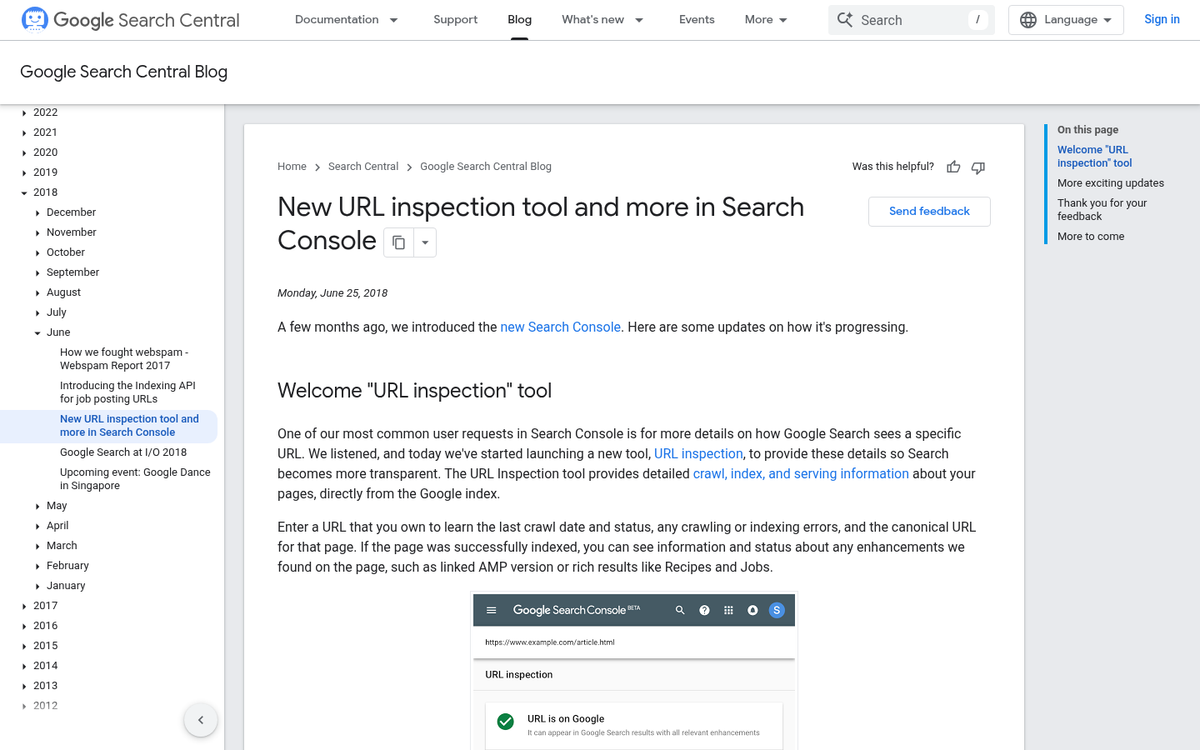
The old "Fetch as Google" tool is long gone. Its modern replacement is the URL Inspection Tool inside Google Search Console, and it's significantly more powerful. If you own the site that is doing the linking - say, a partner site or a second property you manage - you can use this tool to request indexing directly.
Simply paste the URL into the inspection bar at the top of Search Console, wait for it to check the live URL status, and then click "Request Indexing." Google will queue the page for crawling, which can result in indexing within hours to a few days.
The same limitations apply here as with the old method: you must be a verified owner of the property in Search Console. But if you do have that access, this is the most direct signal you can send to Google. If you want to monitor how that traffic actually shows up afterward, it helps to understand the direct traffic metric in Google Analytics and what it really means for your data.
Submit the URL via Google's Indexing Pathways
Google's standalone URL submission form has gone through several iterations and, as of 2026, the primary recommended pathway for indexing requests runs through Google Search Console's URL Inspection Tool for site owners, or through the general crawl discovery process for pages you don't own.
For pages you don't own, your best bet is creating strong crawl signals that lead Google's bots to the page naturally - which most of the other methods below address. Google has been explicit that they don't guarantee indexing of any submitted URL, and the same caveat applies in 2026: if the page doesn't meet quality thresholds, it won't be indexed, period. If you're starting from scratch, it helps to understand how to get a new website indexed on Google quickly before diving deeper into manual submission strategies.
Share It on Social and Content Platforms
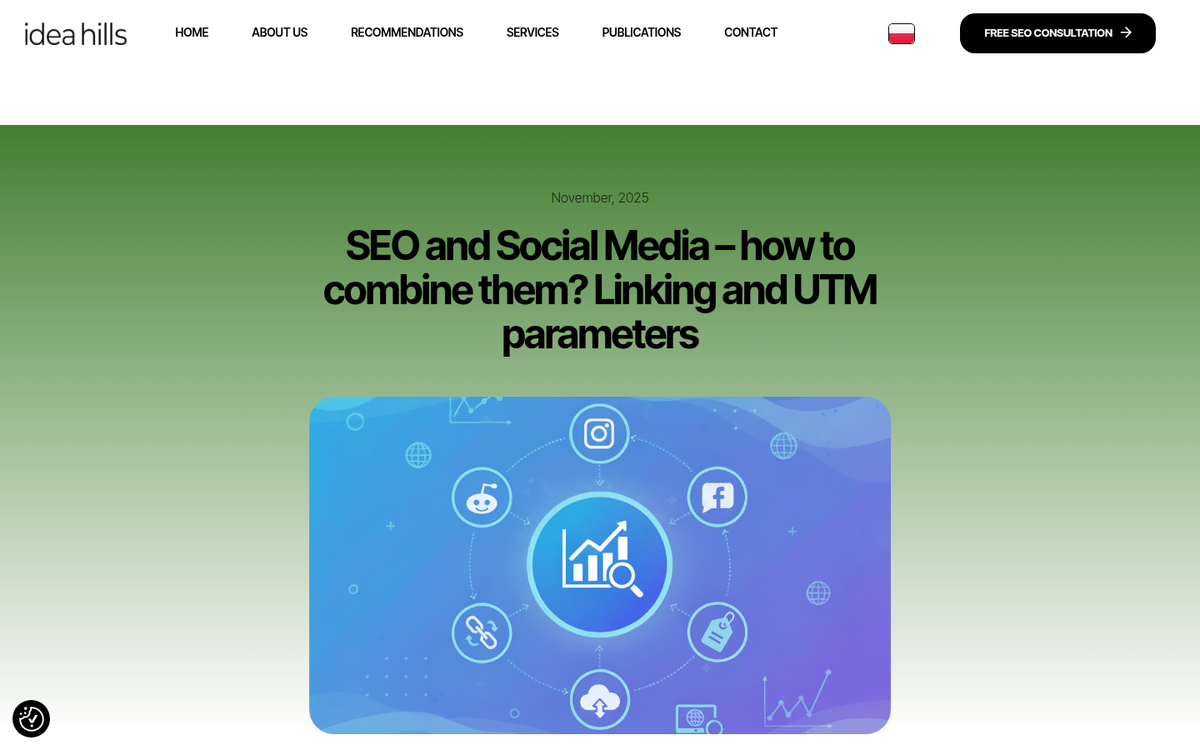
Sharing the URL of the page linking to you across social platforms remains one of the most effective organic indexing signals available. The reasoning is simple: Google crawls active, high-signal platforms frequently, and a link appearing in those environments creates a discoverable path.
X (formerly Twitter) is still monitored by Google, and sharing the URL of the page that links to you can trigger a crawl. Beyond indexing, sharing a link you didn't publish also helps your feed look like genuine curation rather than self-promotion, and it often gets the attention of the site owner - making future links more likely.
LinkedIn has become increasingly valuable for this in 2026, particularly for B2B niches. Posts with external links get solid crawl attention and can drive meaningful referral traffic to the linking page, boosting its own authority in the process.
Reddit remains a strong option when used correctly. Find the right subreddit and share the page as a genuine content recommendation. Since you're not linking directly to your own site, the risk of being flagged as a spammer is lower - just make sure the content actually fits the community. Reddit can also be a paid traffic option worth exploring alongside organic sharing.
Facebook page posts are still viable, though organic reach has continued to decline. It's worth doing but don't expect dramatic results on its own.
One platform worth noting in 2026: content shared in AI-indexed environments - things like publicly shared ChatGPT conversations, Perplexity citations, and similar platforms - is increasingly being picked up as crawlable content. It's an emerging signal worth watching, though not yet a reliable standalone method.
Avoid relying on blog comment spam or forum link-drops. These have been devalued for years, and at this point they're more likely to draw negative attention than provide any benefit.
Build Contextual Links to the Linking Page

One of the most reliable methods for getting a page indexed is making sure other indexed pages link to it - essentially, link your links. If you have a page on your own site or a partner site that can naturally reference the page linking to you, a contextual link from an already-indexed page creates a direct crawl path.
The key word here is natural. You're not engineering a reciprocal link exchange; you're simply pointing Google's crawlers toward a page that deserves to be found. Google follows links during crawl cycles, and a link from an indexed page to an unindexed one is often all it takes to get it picked up within a day or two.
If you do use reciprocal links, keep the same rules in mind that have always applied: the link back should not originate from the same page that links to you, the site needs to pass your quality checks, and you should never reciprocate every link that comes in. A handful of natural, mutual references between genuinely related sites is healthy. A systematic 1:1 trade across dozens of sites is a pattern Google's algorithms are very good at detecting in 2026 - not unlike the kind of manipulation that can get your site flagged, similar to how Web 2.0 link building evolved from a reliable tactic into a risky one over time.
Just Wait (Seriously)

This bears repeating because it's still true: Google is reasonably good at indexing valuable pages on its own. If the page linking to you is on a real, indexed site with decent authority, there's a strong chance that page will be indexed within a few days without you doing anything at all.
According to a survey of 113 SEO experts compiled by Editorial.Link, backlinks typically begin showing ranking impact within 2 to 4 weeks, with 6 weeks being the outer boundary in most cases. Indexing usually precedes that. Sites with a Domain Rating of 50 or higher rank new content 2.7x faster than lower-authority sites, per Ahrefs data, which means the links on those pages tend to get picked up faster as well.
If the site is low authority or new, indexing will take longer. If it's a high-spam-score domain, it may never be indexed regardless of your efforts. At a certain point, the most productive thing you can do is prioritize earning more high-quality links rather than chasing indexation of weak ones.
A Note on Paid Indexing Services

There are services out there - some old, some new - that claim to get your backlinks indexed quickly. The landscape in 2026 has matured somewhat, but the same caution applies as it always has.
Avoid any tool that works by mass-submitting your link to directories, blog comments, and forum spam. These tools haven't changed their fundamental approach, they've just gotten better at making the pitch sound legitimate. Pointing one of these at a site that is linking to you can get that site penalized for unnatural link patterns - and that penalty can travel back to you along the very link you were trying to value.
Services that work by creating clean discovery signals - think pinging, sitemap submissions, and similar Google-approved crawl triggers - are in a different category. Some of these are legitimate and can modestly accelerate indexing for pages that are otherwise ready to be indexed. Per data from 2index.ninja, professional indexing services operating within guidelines can achieve around 75% indexation of external links within 3 to 5 business days, which is meaningfully faster than doing nothing.
The honest reality though is this: no tool can force Google to index a page that doesn't meet its quality standards. If the linking page is thin, spammy, or on a deindexed domain, no service will change that outcome. Use indexing tools as an accelerant for quality links, not as a workaround for bad ones.

2 responses
Thoughtful replies only - we moderate for spam, AI slop, and off-topic rants.
Very Good Method Explaination
Thanks so much, Abhay! Really glad the explanation was clear and easy to follow. Getting backlinks indexed quickly can make a big difference in how fast your SEO efforts pay off. If you try out any of these methods, we'd love to hear how they work for you. Feel free to drop back with any questions!