





You've experienced remarketing, and you probably haven't even noticed if you don't know what you're looking for. The two most common examples are Amazon and Facebook.
On Amazon, when you browse various products while logged in, they're tracking your every move. When you show interest in a product, it sets a flag, and in a few days you can be almost guaranteed to get an email about deals on that specific product, or have it included in a "general" deals email that happens to be tailored to your interests. That's remarketing.
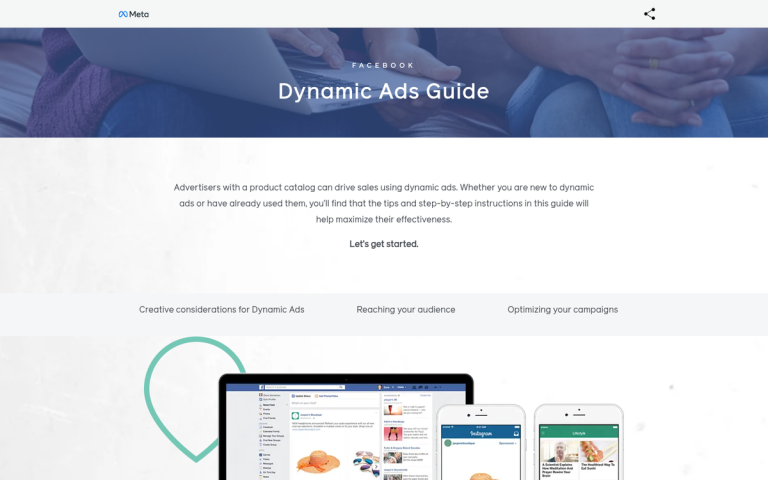
On Facebook, it works with other sites you visit that themselves advertise on Facebook. You visit Bob's Bait Shop, and within a few days you'll start seeing ads for Bob's Bait in your feed. You've unwittingly triggered Facebook's tracking mechanisms and added yourself to the List of People Who Have Visited Bob's Bait Shop But Who Haven't Made a Purchase. Since they know you were interested, they have a higher return on investment advertising to you than they do advertising to someone who may or may not know their store exists. In fact, Facebook remarketing ads get 3x more engagement than regular Facebook ads - so that extra spend is well justified.
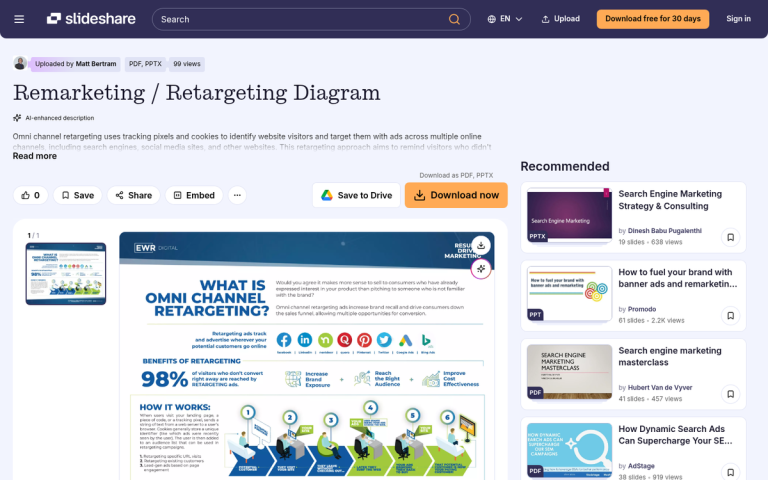
The numbers behind remarketing are striking. According to AdRoll, only 2% of shoppers convert on their first visit to an online store, which means the other 98% are leaving money on the table if you're not following up. Retargeted ads have a click-through rate of 0.7% - roughly 10x higher than regular display ads - and consumers who see retargeting ads are 70% more likely to convert. In B2C e-commerce specifically, the conversion rate for remarketed users is 236% higher than for cold audiences. The median conversion rate of retargeting campaigns sits at 3.8%, compared to just 1.5% for prospecting campaigns.
Key Takeaways
- Only 2% of shoppers convert on their first visit, making retargeting essential for recovering the remaining 98%.
- Retargeted ads get roughly 10x higher click-through rates than regular display ads, justifying the extra spend.
- Remove converted users from retargeting lists immediately; showing redundant ads wastes budget and annoys customers.
- Personalization improves results significantly - surfacing exact browsed products and adding discount codes drives more conversions.
- Combining behavioral data with geographic or demographic signals, as WatchFinder did, sharpens remarketing campaign effectiveness.
The Difference Between Remarketing and Retargeting
Technically, the two examples provided above are different processes. Many of us, myself included, are guilty of thinking of remarketing and retargeting as the same process. And, in broad strokes, they are. They're both the process of identifying people who have expressed interest in your brand, site, or product, and reaching out to them through advertising to get them back. Even Google gets it wrong.
Technically, retargeting is the Facebook example. Someone visits your site and triggers a cookie or pixel, and you make use of that data through display advertising on platforms like Facebook or through services like Google Ads. You build an audience out of people who have visited your site and you market towards them. It's called retargeting because you're targeting them again; generally these people were part of a broader general audience you were targeting with other ads, though that's not always the case.
Remarketing is the Amazon example, where they reach out to engage with you more directly. They aren't using passive ads, they're using direct, personalized emails. Shopping cart abandonment campaigns, where you track people who have added something to their cart and not carried through with the purchase, are another classic example.
Honestly, I don't see much of a point to making the distinction between the two. They're the same process, just sub-categories, and it's just pedantic to define them when you could be putting them into practice. I'll probably just continue using the terms interchangeably while citing various examples of both.
Speaking of examples, the list below is designed to give you various ideas on how to reach out to people who have expressed interest in your brand and convert them into paying customers.
1. Kelley Blue Book
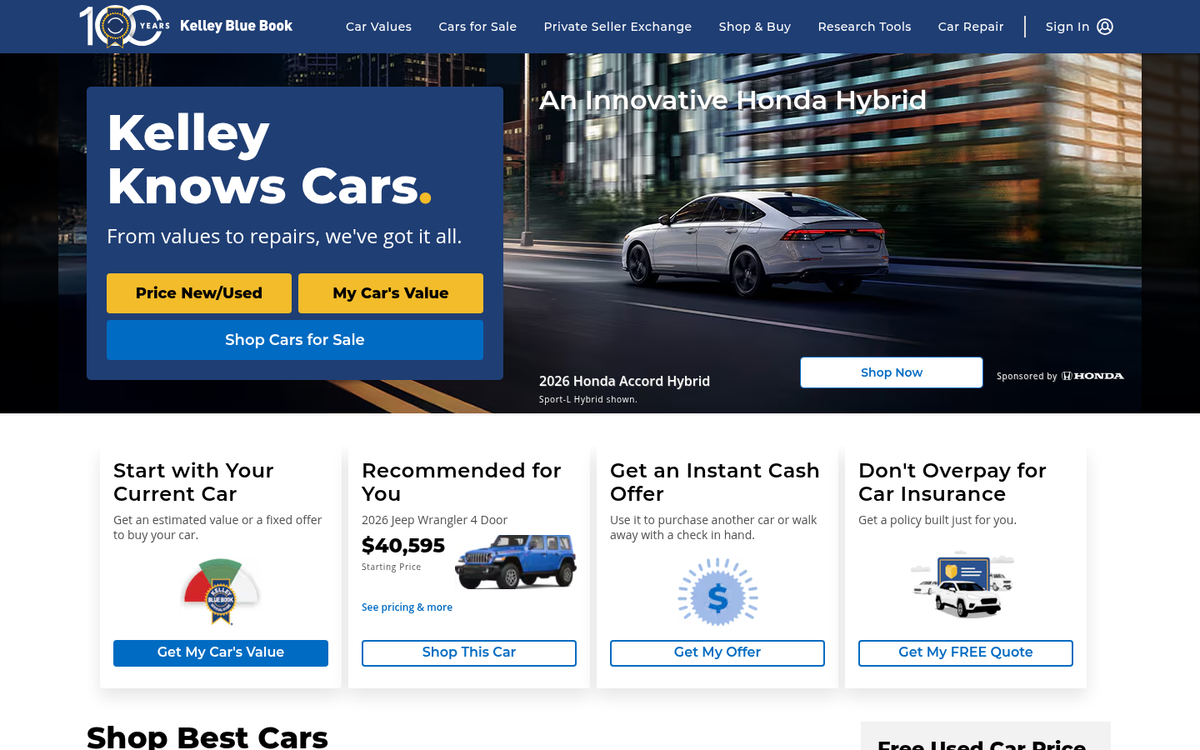
The KBB is a service that keeps track of the prices of various vehicles in various conditions, as an aid for those looking to purchase a new or used vehicle. When users visit the KBB site, they can browse categories of cars, specific vehicles within a category, and specific aspects of a vehicle to read about quality and reviews.
KBB harvests this data, and will run targeted ads on platforms like Facebook and across the web, promoting specific vehicles and features to users known to be interested in those specific topics.
2. Expedia
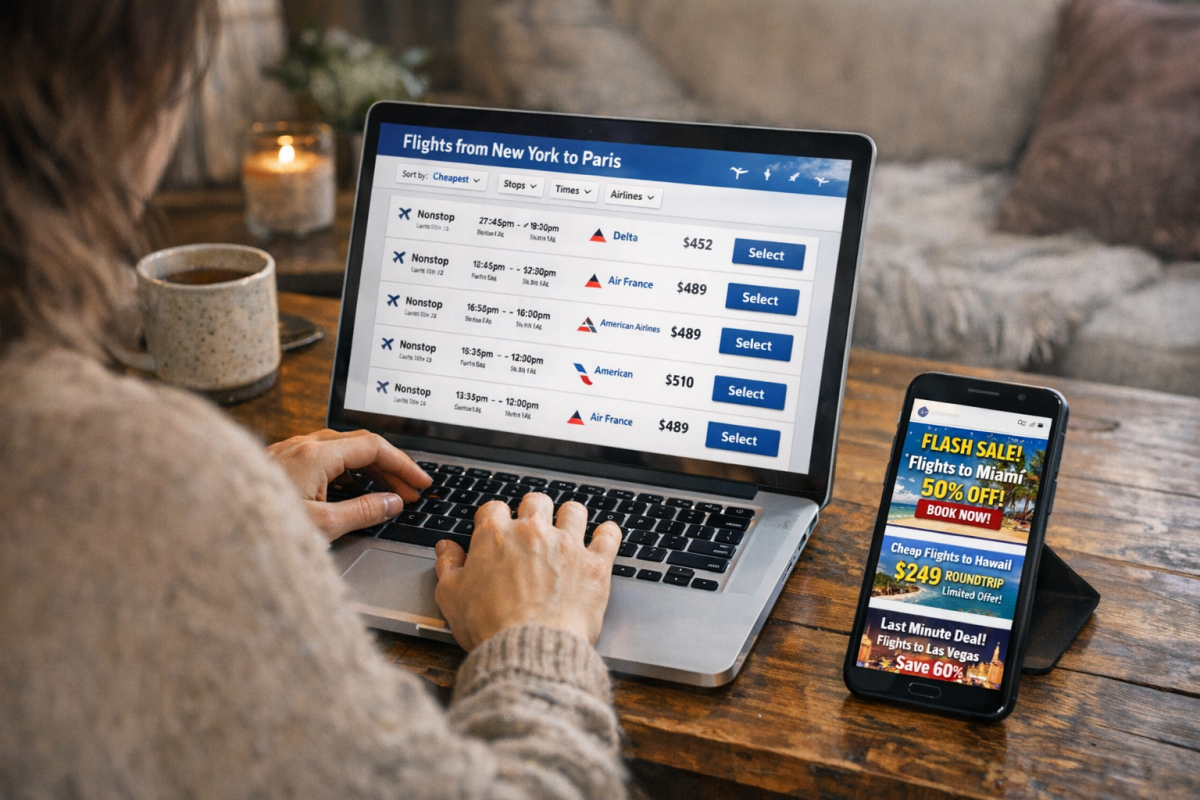
As one of many global travel agencies, Expedia wants to capture as much traffic as they can from people looking for travel accommodations. Whenever you check their site, they're recording information about your intent, including destination and time frame.
In particular, they like to retarget people looking for last-minute tickets, and will surface deals to those people across social and display networks. Do a little browsing and leave, and you're fairly likely to see deals to your intended destination show up in your feed within the week. Worth noting: there have been longstanding concerns about whether the "deals" shown are actually competitive prices or simply the same fares repackaged as urgency-driven offers, so always cross-reference before booking.
3. Hubspot
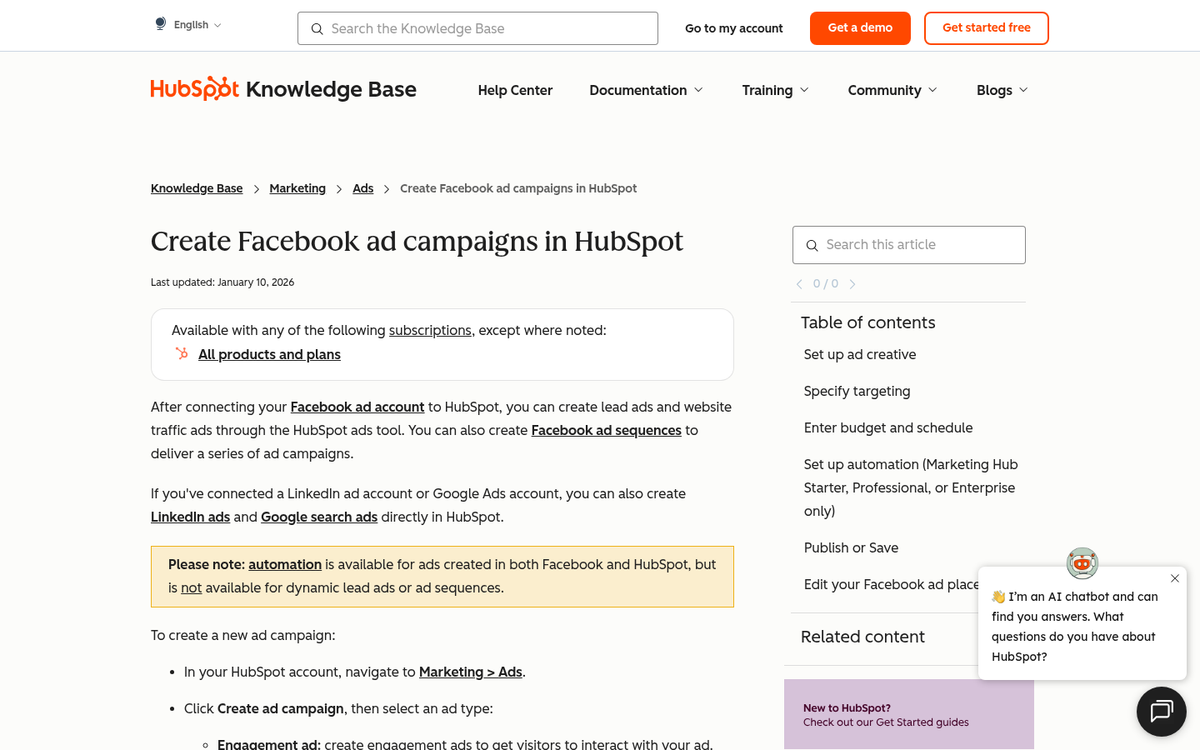
This remarketing ad reaches out on Facebook to users who have already expressed interest in Hubspot, and it assumes some baseline level of knowledge of their product. They're skipping the introduction and the logo in your face, and they're putting a value proposition front and center.
It's a smart approach - rather than spending budget re-explaining what they do to someone who already knows, they focus on why you should come back and convert. HubSpot are marketing folk through and through, and they wouldn't keep an ad format alive if it didn't work.
4. SpecSavers
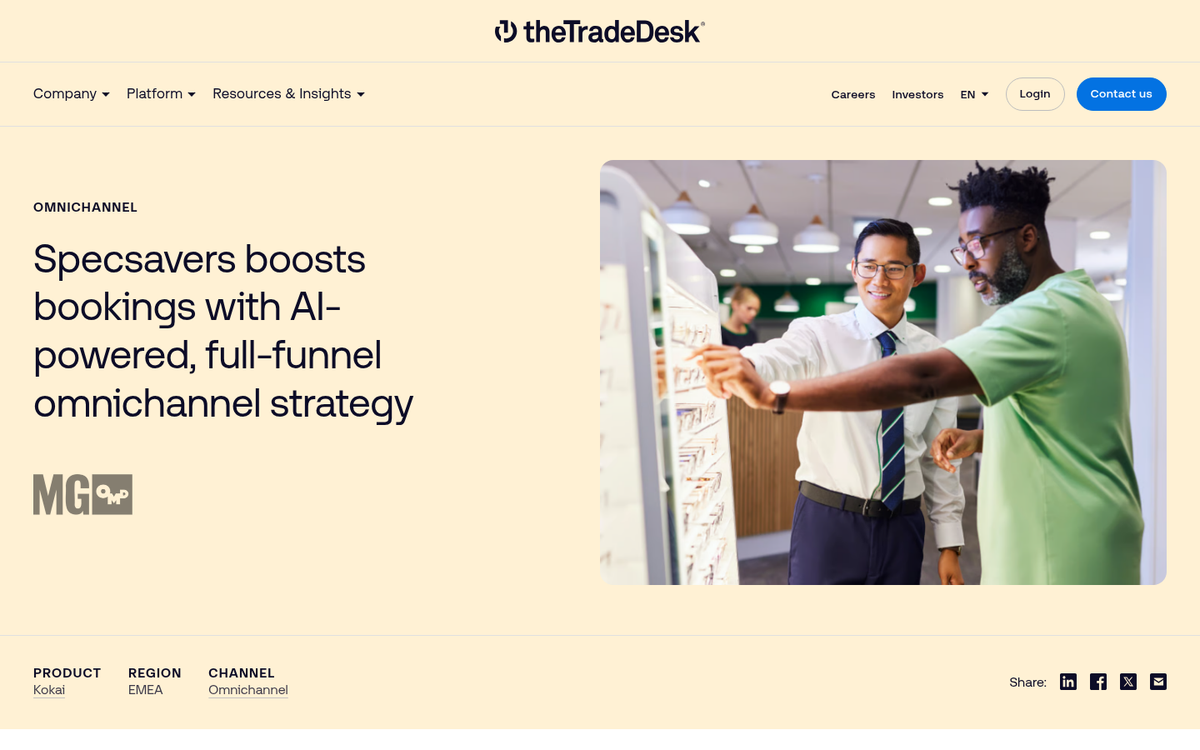
A company that does eye tests and sells glasses produces an ad targeted at people who are considering booking an eye test. It's a solid ad in concept, but the execution reveals a common internal disconnect. The user who experienced the ad called and booked an appointment - but the ad kept running anyway.
If you're going to use remarketing ads, make sure to actually remove converted users from the list, regardless of how they converted. You can add them to a separate post-conversion customer list if you like, but don't show them redundant ads. It's a waste of good budget and a minor but memorable annoyance for the customer.
5. Confused
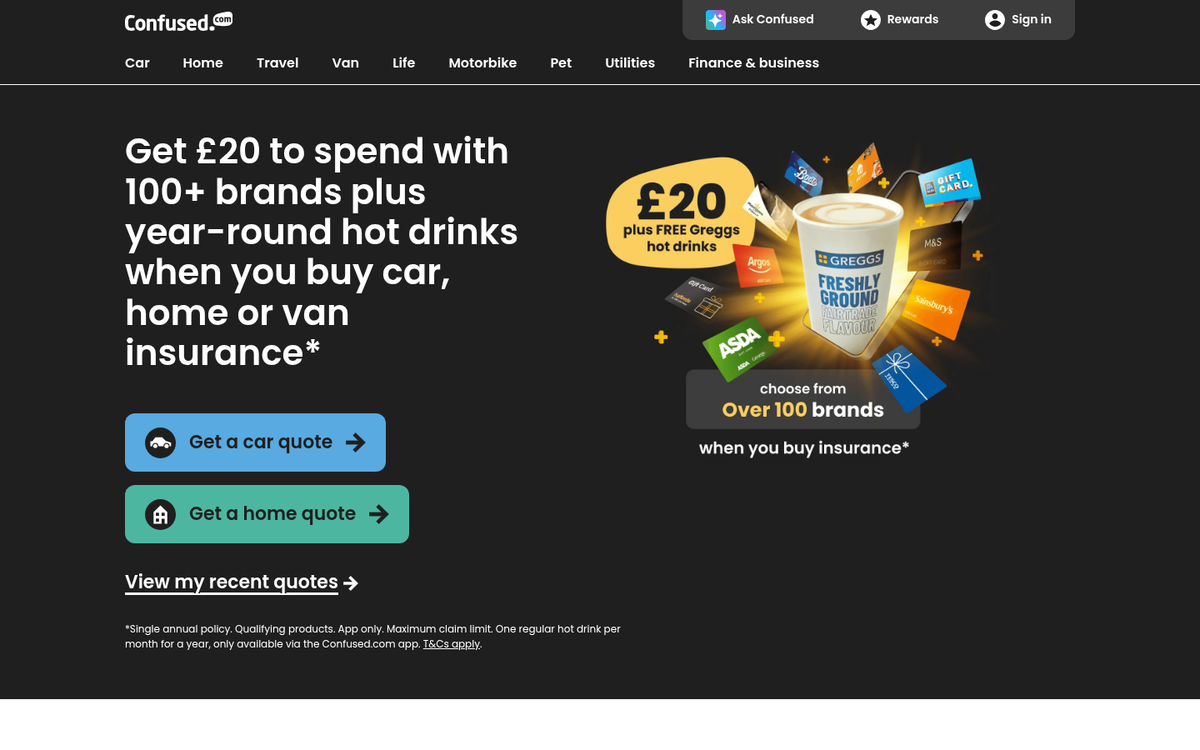
Confused.com is an auto insurance aggregator that contacts various insurance providers and helps you find the best deal for your vehicle and coverage needs. This ad is one example of their dynamic retargeting.
When you visit and enter your information to get quotes, they go out and retrieve them - even if you don't take the time to view them right away. The retargeted ad will then start appearing on other sites and social networks, showing your top quotes from their provider network. If one of them proves to be the best deal you've seen, it's just one click to go secure it.
6. Best Buy
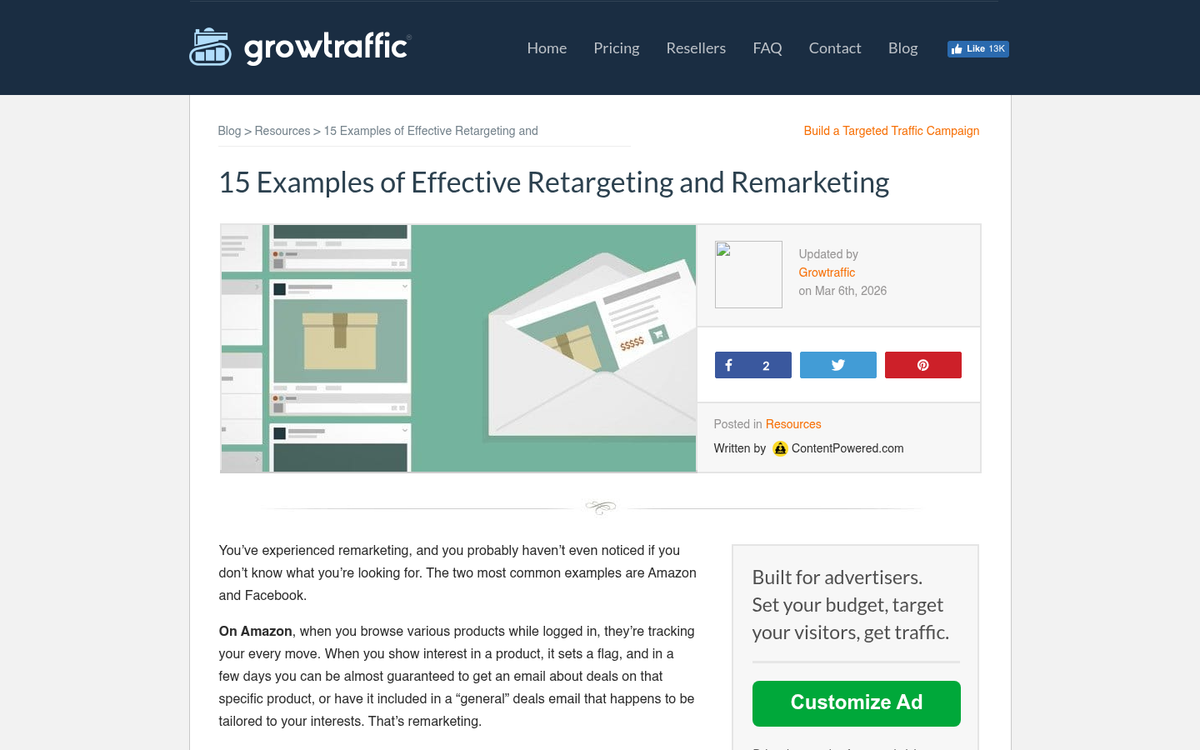
This ad is a very typical example of what a cart abandonment ad might look like. Browse Best Buy, find something you like, add it to your cart, and leave. You'll start to see reminder ads pop up for a period afterward, for as long as they think you might still be in the market.
It's not highly personalized, it doesn't trigger based on specific product categories or price thresholds, it's just a generic reminder that you were interested in something and it's still there waiting for you. Simple, but often effective - cart abandonment campaigns remain one of the highest-ROI forms of remarketing.
7. Best Buy #2
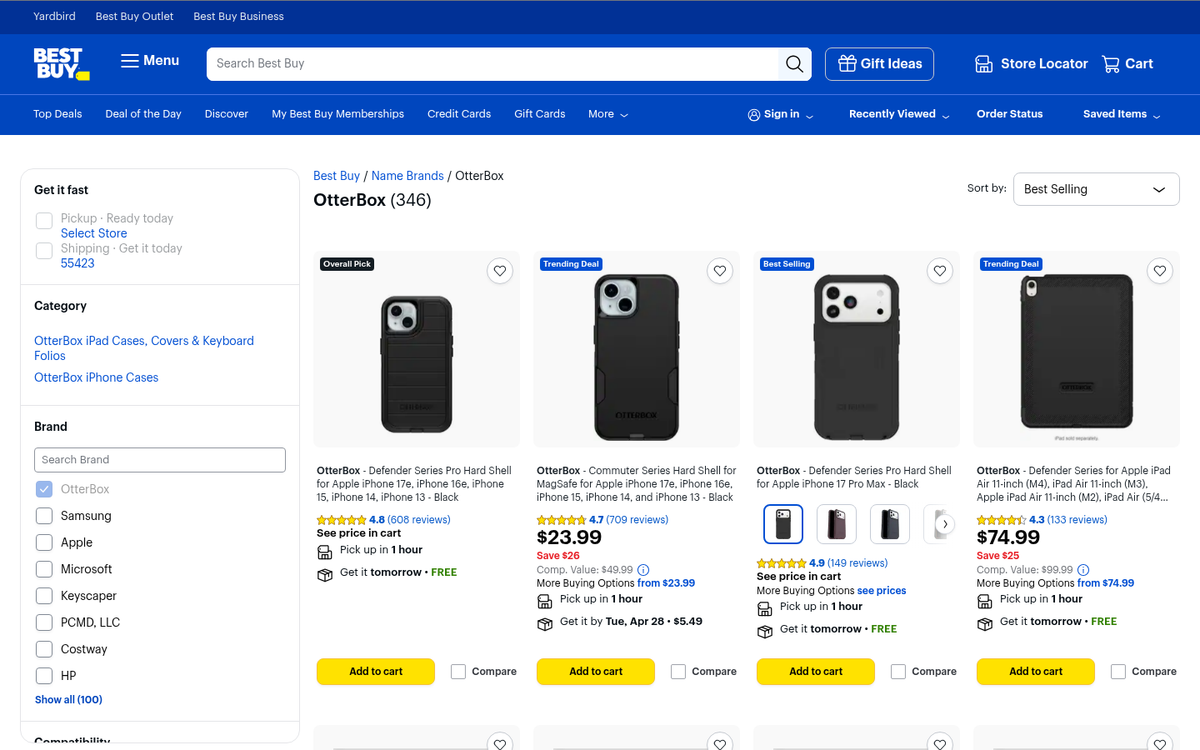
This is another example from the electronics retailer, and it's proof that remarketing doesn't have to stop when the user converts. In this scenario, the user bought a cell phone from the website, and with a new phone comes the natural desire to protect it.
OtterBox is a leading protective case brand, and Best Buy ran this ad to upsell the accessory to someone who just completed a purchase. It's a smart post-conversion sequence - the customer is already in a buying mindset, and a relevant add-on is an easy next step.
8. Ted Baker

This fashion retailer moves fast on abandoned carts. Put something in your cart and, within an hour, they'll send you an email reminding you that you left something behind.
If you haven't made the purchase within a day, they'll send a follow-up with your full cart contents laid out, so you can review and purchase directly from the email if you decide you want the item. It's a clean, well-timed sequence that puts minimal friction between the reminder and the conversion.
9. FatFace
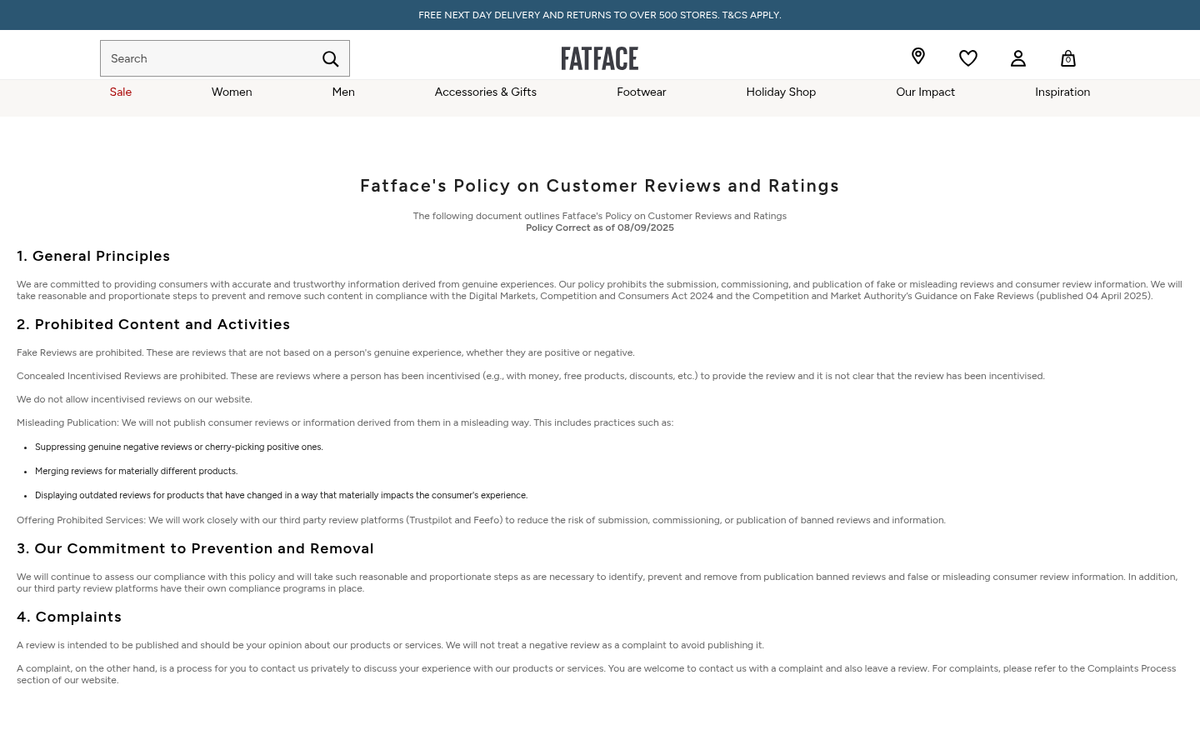
Another example of a remarketing email, this time from a brand that knows how important social proof is to the conversion process.
Rather than put the conversion action front and center, they front-load customer reviews. If you're on the fence about a purchase and uncertain about quality or fit, seeing positive reviews from real customers can be the nudge that tips you over into buying. It's a smart structure for any brand where trust is a purchase barrier.
10. Handy
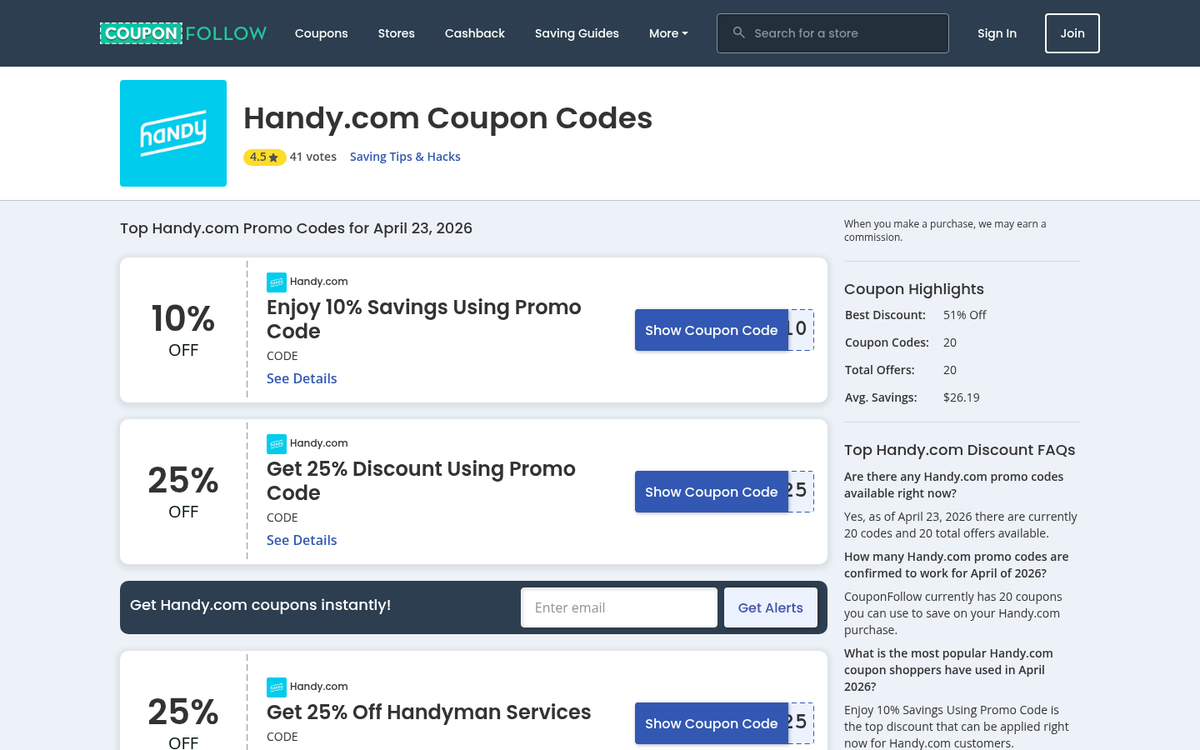
Handy is a home cleaning service that will send a cleaner to your home on demand. The graphic design of their ad is simple and clean - white tones leaning into the cleanliness theme - and the copy makes it clear this offer is aimed specifically at people who have visited but never booked.
It's explicitly for first-time customers, which makes the offer feel exclusive rather than generic. A strong first-time discount is a well-tested way to get fence-sitters off the fence, especially for a service category where the barrier is less about price and more about trust.
11. Altitude Sports
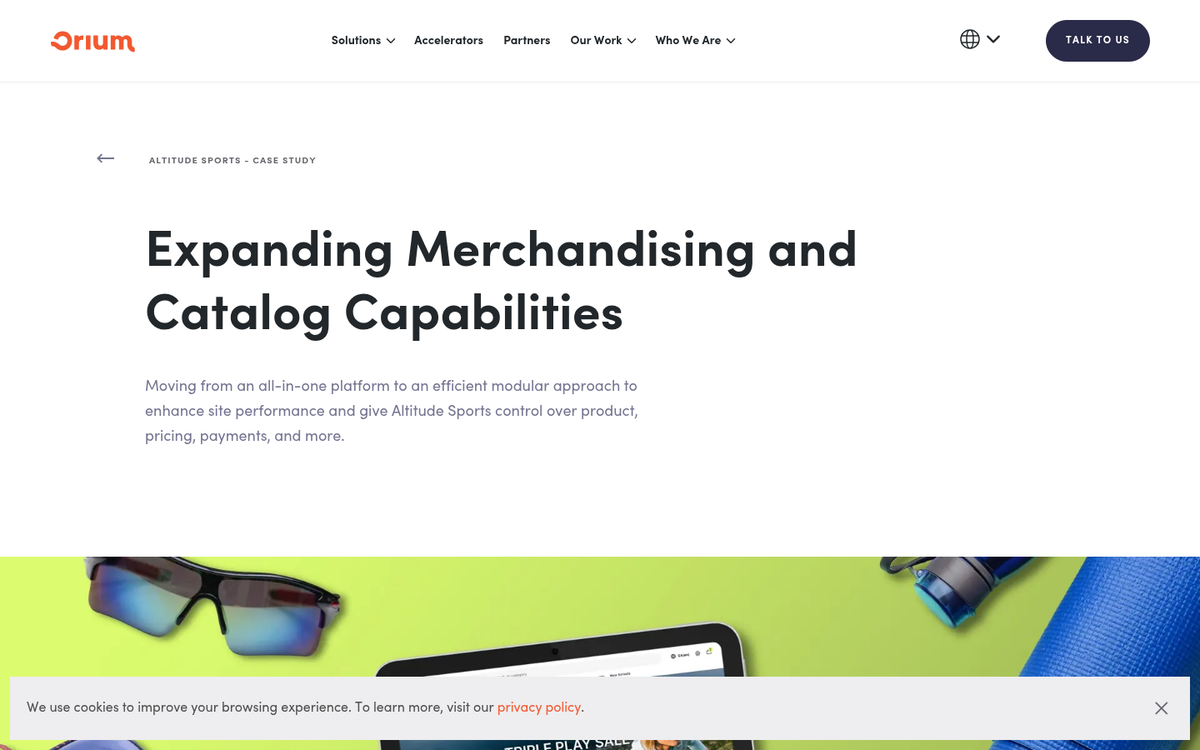
Altitude is a sporting goods retailer with a wide range of outdoor and active lifestyle products. This particular ad was targeted at someone known to be a frequent shoe shopper, and roughly half of the images used feature a specific style of boot the user had been browsing.
The ad has a couple of weaknesses: the product images are inconsistent in quality and the selection feels repetitive - essentially the same boot in three colorways, with filler to pad it out. That said, a simple reminder of a product someone already showed interest in is often all it takes to earn the conversion - a principle backed by research on retargeting ad effectiveness.
12. ShopBop

This online clothing retailer takes a similar approach to the sports ad above, but executes it more effectively. They use dynamic product selection to surface the exact items the viewer was browsing, rather than a generic category spread.
The product images are more uniform and visually consistent, and the ad includes a discount code - often the final push a window shopper needs to become an actual buyer. It's a cleaner, more personalized experience that's more likely to convert.
13. WatchFinder
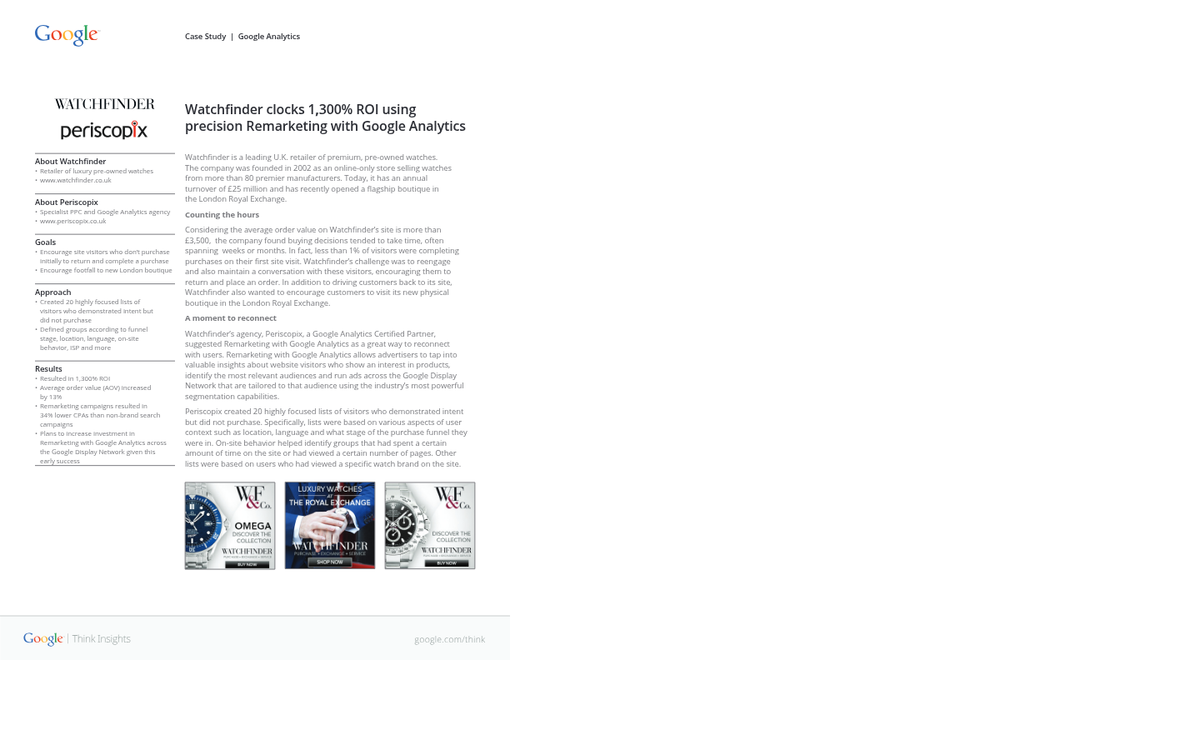
This British watch retailer built a series of remarketing ads and layered in both known purchase intent and geolocation data to reach highly specific audiences.
They identified that a significant portion of their site traffic was coming from the London financial district, so they developed creative tailored to that demographic - leaning into the aesthetic and aspiration of high-end timepieces for high-earning professionals. It's a good example of how combining behavioral data with demographic or geographic signals can sharpen a remarketing campaign considerably.
14. Amazon
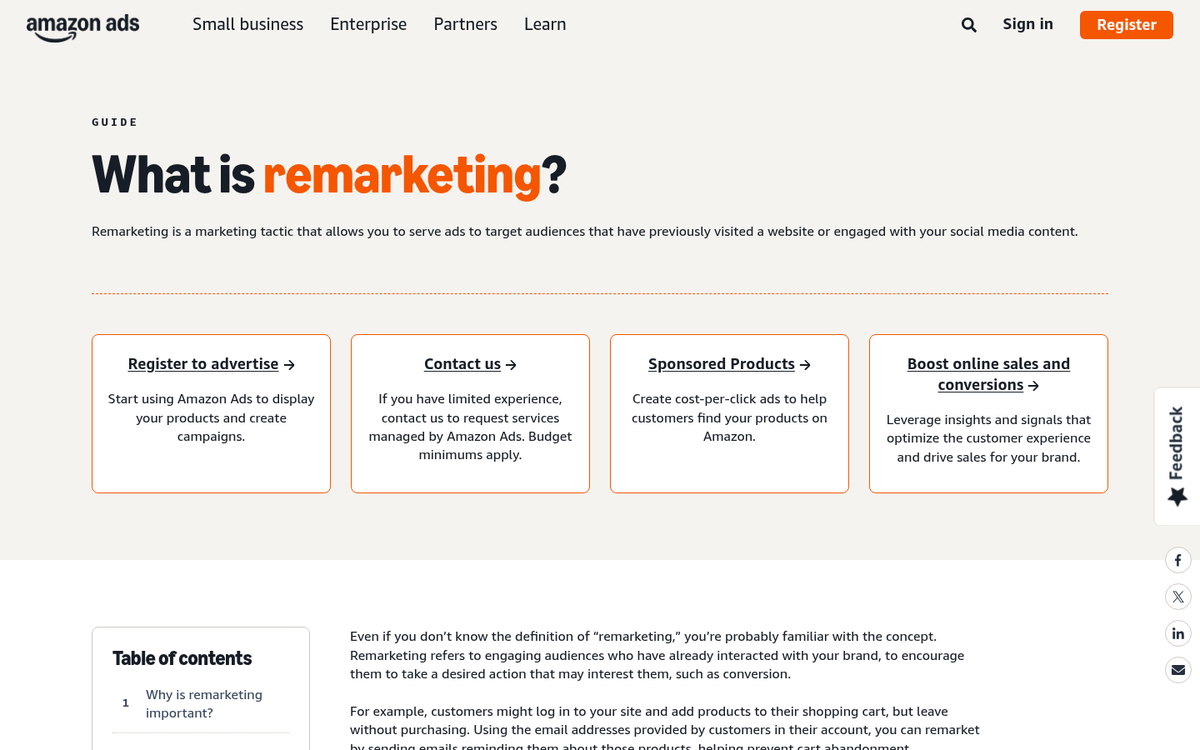
No screenshot needed here, because anyone with an Amazon account can simply check their email to see remarketing in action. Amazon is the gold standard - they track browsing, purchase history, and even time spent on product pages, and they use all of it to build remarketing sequences that are hard to ignore.
They'll remind you that a product you looked at is still available, that a deal is expiring, or that similar items are now on sale. Sometimes it even works, when it's something you genuinely wanted and you see a price you're happy with. Amazon understands better than almost anyone that the majority of purchase decisions don't happen on the first visit - and they've built their entire email and ad infrastructure around that reality. If you're looking to replicate this approach, building a successful Amazon affiliate site is one way to tap into that same ecosystem.
15. Freshdesk

Freshdesk is one of many options for a helpdesk and ticketing system for businesses. This ad doesn't have a lot of elements that make it feel distinctly like a remarketing piece - there's no personalization, no reference to what the user looked at, and the free trial offer is the same one available to anyone landing on their homepage cold.
What makes it a retargeting ad is purely the audience it's shown to: people who searched for a helpdesk solution, visited the Freshdesk site, and left without signing up. It's a reminder, albeit a generic one. It gets the job done, but there's a real opportunity here to do more - referencing the specific plan tier the user browsed, or adding a time-limited incentive, would make this significantly more effective. For example, the right landing page layout paired with a targeted message can dramatically improve results compared to sending retargeted visitors to a generic page.
1 response
Thoughtful replies only - we moderate for spam, AI slop, and off-topic rants.
Thank you for the succinct definition of retargeting on Facebook! Loved this post and included your definition in my recent blog on the fundamentals of writing Facebook retargeting ads.
- Monica @ ScriptDoll