When you're blogging for a long time, you end up encountering times when you have a great idea, only to find you wrote it a few months ago and forgot about it. After the third or fourth time that happens, you start to wonder just how many original ideas you have left before you're scraping the bottom of the barrel.
Yet, looking around, there are blogs that have been successful in running with daily or multiple-times-daily posts for years. Some cover current events - there's always something new happening. But what about those that focus more on evergreen topics? Those who cover a wide range of subjects and limit the amount of timely posts they make?
According to HubSpot, 16% of marketers say finding new content ideas is one of their top challenges. You're not alone. The good news is there are more tools and strategies available in 2026 than ever before. Here are some concrete things to do when you're getting low on post ideas.
Key Takeaways
- Reader comments are a goldmine-save longer questions to turn into dedicated, audience-driven blog posts.
- Updating old content is high-ROI; Orbit Media data shows refreshing posts can boost traffic by 106%.
- 66% of bloggers now use AI tools for ideation, but use them as a starting point, not a final product.
- Conducting original research or surveys generates citable, link-worthy content that stands out in your niche.
- Keeping a daily ideas file-10 ideas per day-can yield 175+ usable post ideas annually.
1. Look to Timely Events
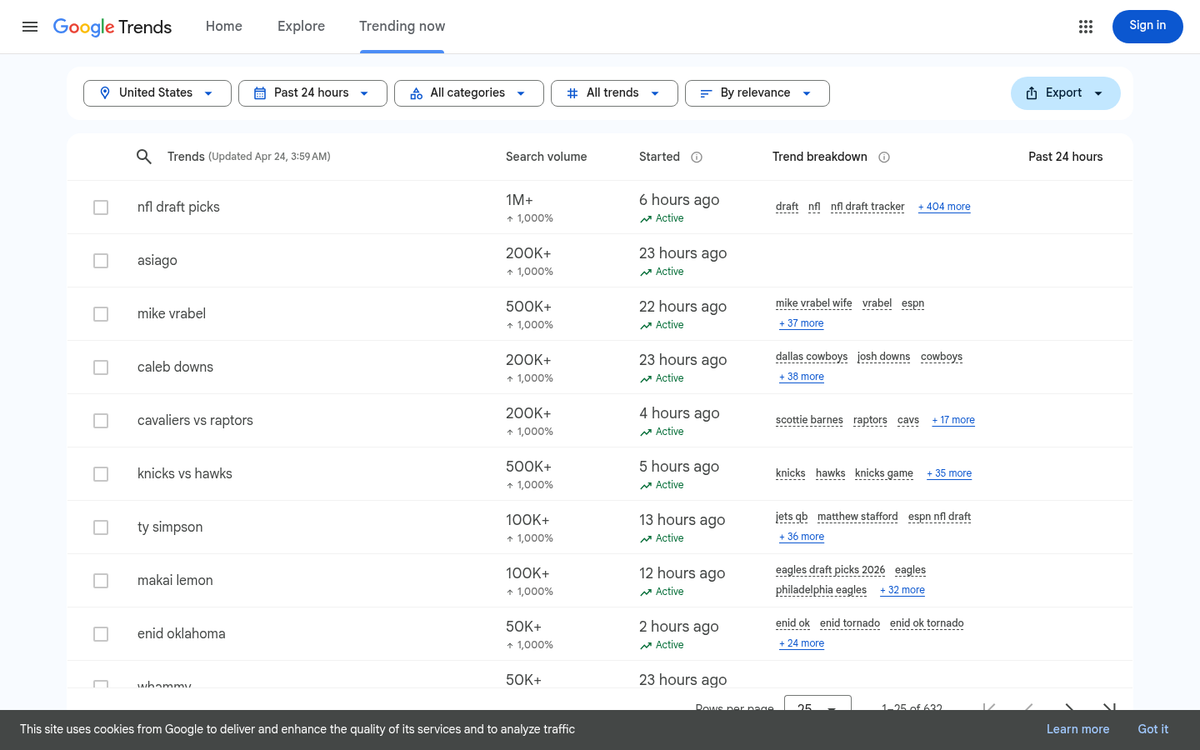
If you're always trying to write evergreen content, you'll eventually hit a wall where older posts go stale and there isn't enough new material to fill the gaps. This is where current events and timely content come into play.
Keep up with current events in a few ways. Watch other industry blogs, specifically those that cover breaking news and trends. See what they're writing about and how they're framing it. Follow news and trends platforms like Google News, Reddit's front page, or trending topics on LinkedIn and X (formerly Twitter). These can surface ideas before anyone in your niche has covered them. Also keep a close eye on your own social media mentions - your audience may be handing you ideas without realizing it.
2. Scan Recent Comments
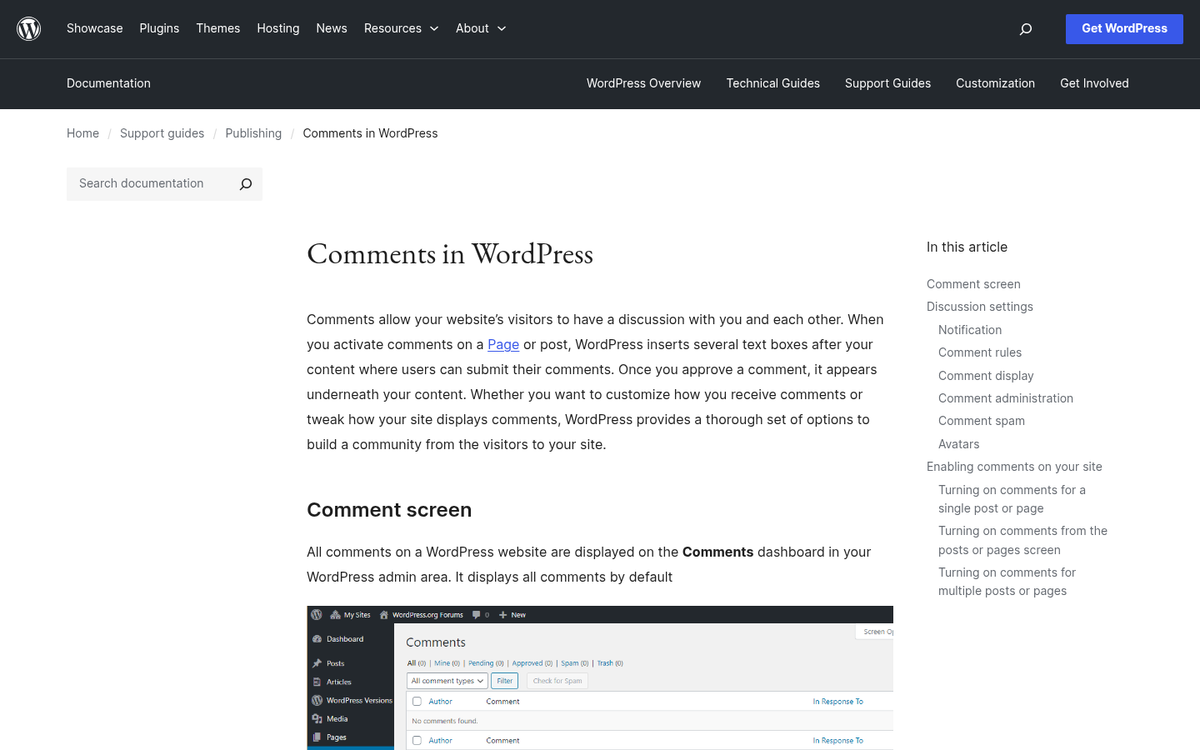
If you have a moderately active community commenting on your posts, chances are they ask questions when they have them. Short, basic questions you can answer in the comments. Longer, more involved questions you can edit into your main post. For the longest, most in-depth questions, save them and write dedicated blog posts on those topics later. Your readers are essentially telling you exactly what they want to read - listen to them. If you want to keep that conversation going, make sure you're using the best commenting plugin for your WordPress site.
3. Create Tutorials or Guides

People love a good guide, and the data backs this up. According to Orbit Media, 76% of bloggers publish how-to articles - it's the single most popular content format. Whether it's a tutorial for your own product, a tool your customers commonly use, or a process relevant to your industry, in-depth guides consistently perform well. The more specific you are, with clear steps and good visuals, the better.
4. Look to Social Media and Discussion Boards

Much like with comments, you can find people discussing your industry across social media and web forums throughout the internet. Anywhere people gather to talk about your niche is a place you might find your next post idea. Reddit in particular remains one of the best places for this - industry subreddits are goldmines for common questions, frustrations, debates, and emerging trends. LinkedIn conversations and niche Facebook groups can be equally valuable depending on your audience.
5. Revamp Old Content

Sometimes your old content is perfectly good - it just needs a fresh coat of paint. Give it that coat and let it shine. Other times, you have old posts that are mostly outdated but still cover a topic worth revisiting. Either way, updating old content is one of the highest-ROI moves a blogger can make. Orbit Media's data shows that 71% of bloggers regularly update old content, and refreshing older posts can boost traffic by as much as 106%.
In particular, look for old, popular posts that are no longer accurate. You might also want to review a list of outdated SEO techniques to avoid while you're at it. Write new, updated coverage on the same topic and add a note at the top of the old post directing readers to the refreshed version.
6. Curate Content or Create Weekly Roundups
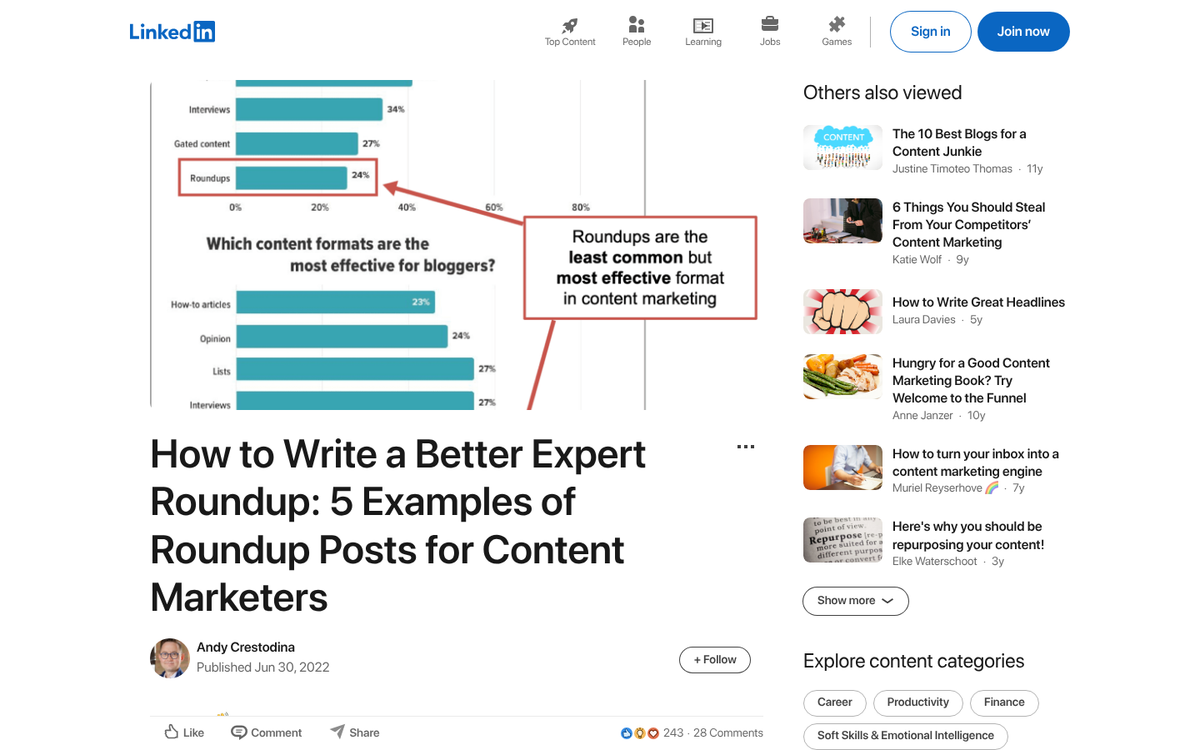
Sometimes the best post ideas aren't even your own. Monitor industry blogs and keep a roundup of the most interesting posts they publish each week. At the end of the week, write your own post detailing each one and why it caught your attention. It won't fill multiple slots every week, but it's one less post to stress over - and your audience often appreciates having someone cut through the noise for them.
7. Use AI to Generate and Expand Ideas

This one has changed dramatically in the past few years. According to Orbit Media, 66% of bloggers now use AI tools to help generate ideas, up from 43% in 2023 - and 54% use AI specifically for ideation. Tools like ChatGPT, Claude, and Perplexity can help you brainstorm angles on a topic, identify gaps in existing content, and suggest variations on ideas you already have. That said, use these tools as a starting point, not a finishing line. The best AI-assisted posts still carry your original voice, perspective, and expertise - and if you're worried about content quality, learn why shortcuts like spun content are still bad even when they pass detection tools.
8. Use Idea Generators and Keyword Tools

Beyond AI, there are purpose-built tools designed to help you come up with post ideas. Keyword research tools like Ahrefs, Semrush, and Google's own "People Also Ask" feature can surface questions your audience is actively searching for. AnswerThePublic remains a solid option for visualizing what people want to know around a given topic. Put in a keyword and let the data do the brainstorming for you.
9. Anything You Can Do...
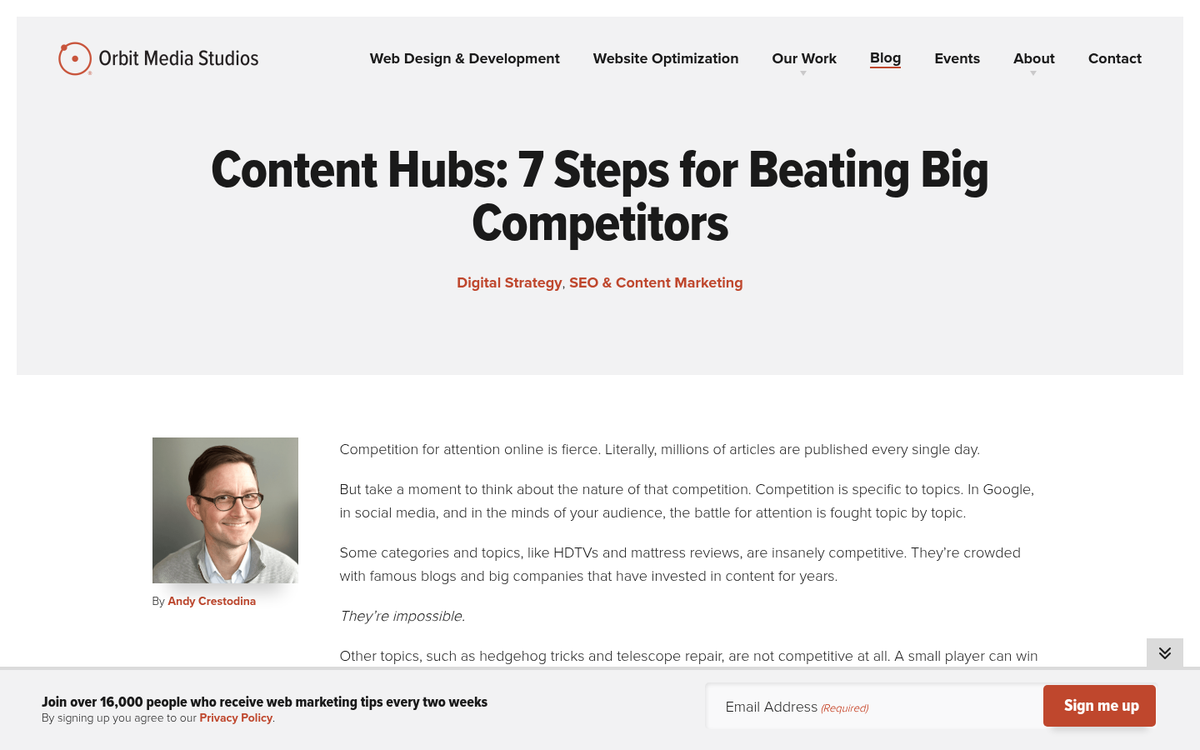
Ever heard the phrase, "Anything you can do, I can do better?" Take this philosophy and scan the blogs of your competition. Look for their most popular posts, then go ahead and do them one better. Do they have a top 10 list with some brief tool reviews? Write a top 15 list with more depth and original testing. Do they have a guide that glosses over a few important points? Fill in those gaps and write the definitive version. Don't copy content - take the idea and execute it better.
10. Conduct Original Research or Surveys
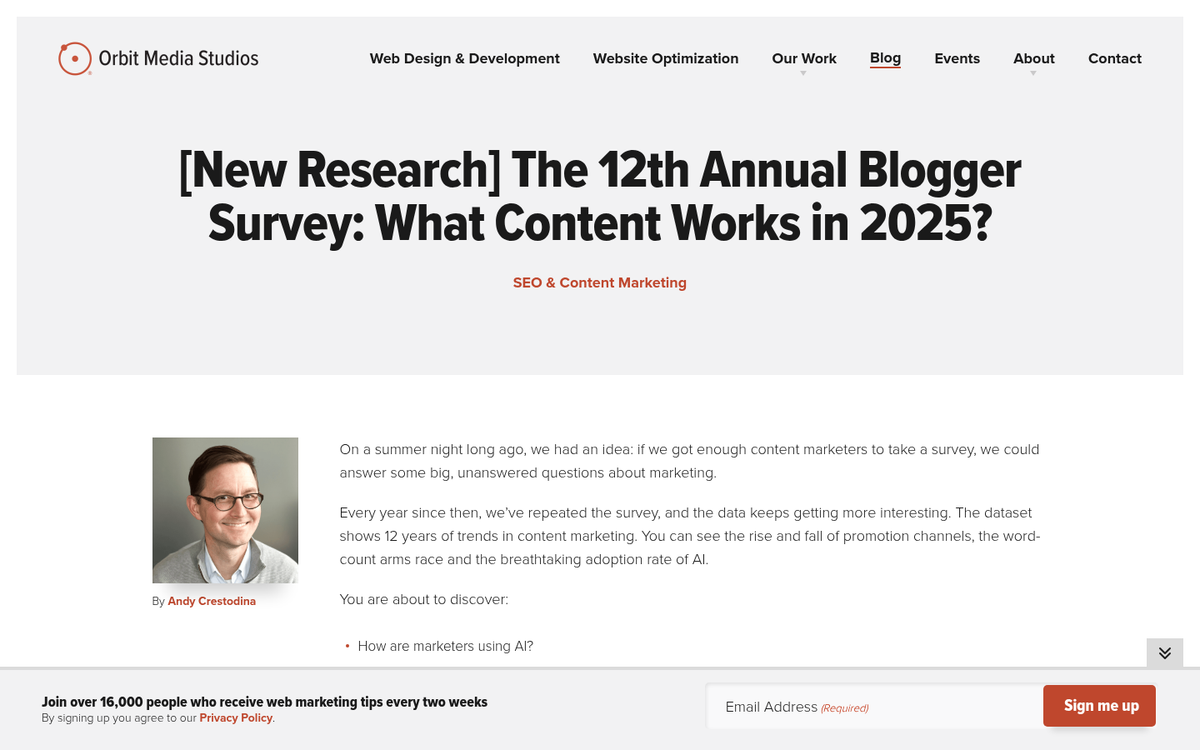
First-party data has become one of the most powerful content strategies in 2026. According to Orbit Media, 49% of bloggers published original research in the past 12 months. Even a simple survey of your audience, customers, or social followers can generate data that's genuinely new and citable - the kind of content that earns backlinks and gets shared. You don't need a massive sample size to produce something interesting and useful.
11. Interview Industry Veterans
Interviews are great for everyone involved. As the interviewer, you gain added authority - you must be worth something if industry experts are agreeing to talk to you. The interviewee benefits too - they must be worth listening to if people seek them out. Reach out directly to bloggers or creators you already have a relationship with, or try connecting with industry voices through platforms like Qwoted (which has largely replaced HARO in the media query space).
12. Keep an Ideas File

By practicing the habit of capturing ideas - even bad ones - you'll eventually start surfacing the good ones more reliably. Keep a notebook or a digital file close at hand at all times. Every day, write ten ideas in it. Don't judge them. Don't hold back because something seems too niche or too obvious. Just write them down. At 10 ideas a day, you'll have over 3,500 by the end of the year - and even if only 5% of them are genuinely good, that's still 175 potential posts.