Key Takeaways
- AI tools like ChatGPT and Claude can rapidly generate hundreds of long-tail topic ideas, which account for 70% of all search traffic.
- Google Autocomplete, People Also Ask, and Google Trends are free, underused tools for discovering real, high-intent search queries.
- Competitor research using Ahrefs, Semrush, or BuzzSumo reveals proven topics you can cover with greater depth and accuracy.
- Outdated ranking content presents a reliable opportunity-create updated, thorough versions and pitch links from sites referencing stale resources.
- Validate ideas before writing by checking search volume, keyword difficulty, and potentially running small paid search campaigns to confirm demand.
One of the hardest parts of managing a blog is keeping up with the flow of ideas. If you're publishing a few posts per week, you're pulling dozens of valid and interesting ideas every month. If you run multiple blogs in the same niche, you don't even have the luxury of reusing topics. The pressure is real and it compounds fast.
Of course, you need that content. Even the most thorough ideas document ends up drained if you're not constantly replenishing it. And with 96.55% of all pages receiving zero search traffic from Google (Ahrefs), it's not enough to just publish frequently - you have to publish smart. The good news is that 15% of Google searches have never been searched before, which means there are always fresh opportunities waiting to be found, if you know where to look.
The traditional strategy for uncovering those opportunities is keyword research, and while it has evolved, it remains as important as ever. What has changed is how Google interprets content. Modern Google understands semantic meaning and context, treating synonymous phrases as basically the same query; it's why pages can rank for terms they don't explicitly mention. Keyword research is less about exact match targeting and more about intent - and AI-powered tools have made that process dramatically faster and more accurate than it was just a few years ago.
With that said, let's get started with the most helpful methods available in 2026 for generating and validating blog content ideas.
Using AI Tools to Generate Ideas at Scale
AI assistants represent the biggest change in content ideation since keyword tools first emerged. Tools like ChatGPT, Claude, and Gemini have become legitimately useful brainstorming partners. You can describe your niche, your audience, your existing content, and your goals and receive hundreds of targeted topic ideas in seconds. Better still, you can iterate - asking for long-tail variations, question-based angles, listicle formats, or comparison posts with a follow-up prompt.
This matters because long-tail keywords account for 70% of all search traffic (Embryo Agency), and AI tools are very good at generating long-tail variations that you might never have thought of manually. Rather than replacing your keyword research workflow, you should think of AI as the first step that floods your pipeline with raw ideas, which you then validate with data.
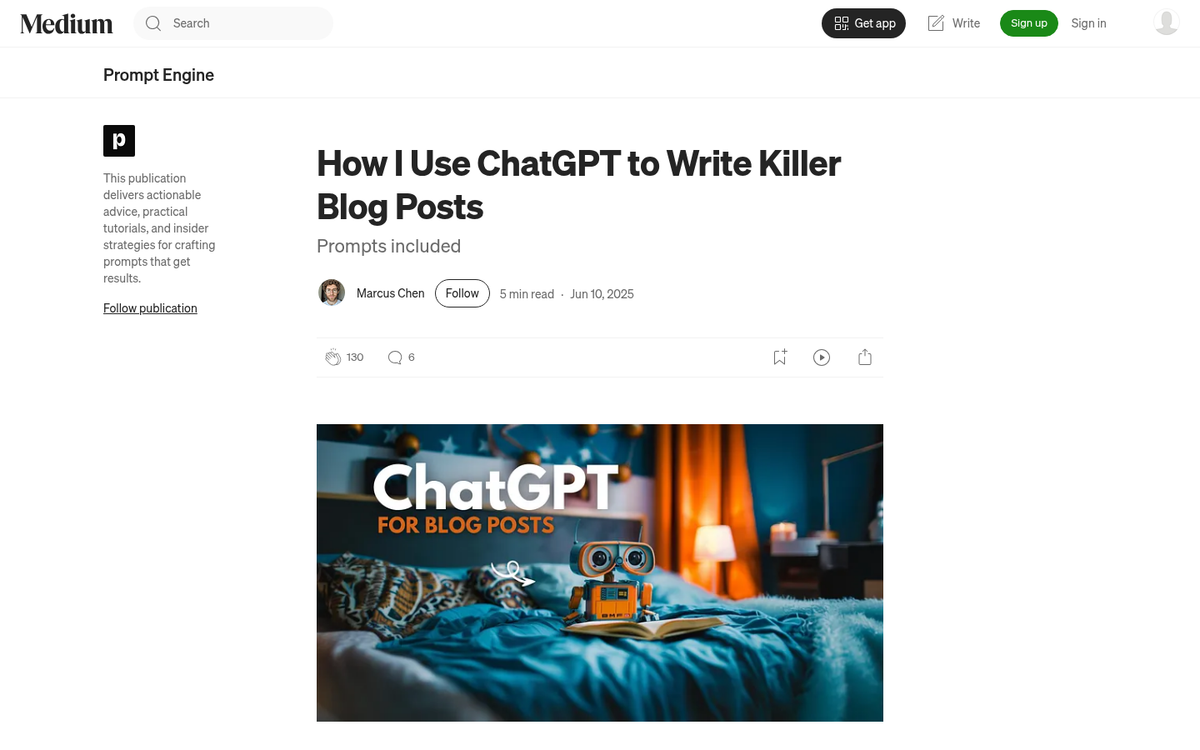
A few helpful prompting strategies worth trying:
- Ask your AI tool to generate 50 blog post ideas for a specific audience pain point in your niche.
- Ask it to turn a broad topic into 10 beginner, intermediate, and advanced post angles.
- Ask it to identify questions your target reader would ask before, during, and after a purchase decision.
- Ask it to suggest post formats - guides, comparisons, case studies, tutorials - for a topic you already have in mind.
It's also worth mentioning that blog posts with "Guide" in the title receive 3x more organic traffic (WPBeginner). AI tools help you find which of your ideas lend themselves to guide-style posts, which tend to outperform shorter, thinner content in search.
Using Google Suggestions and Related Tools
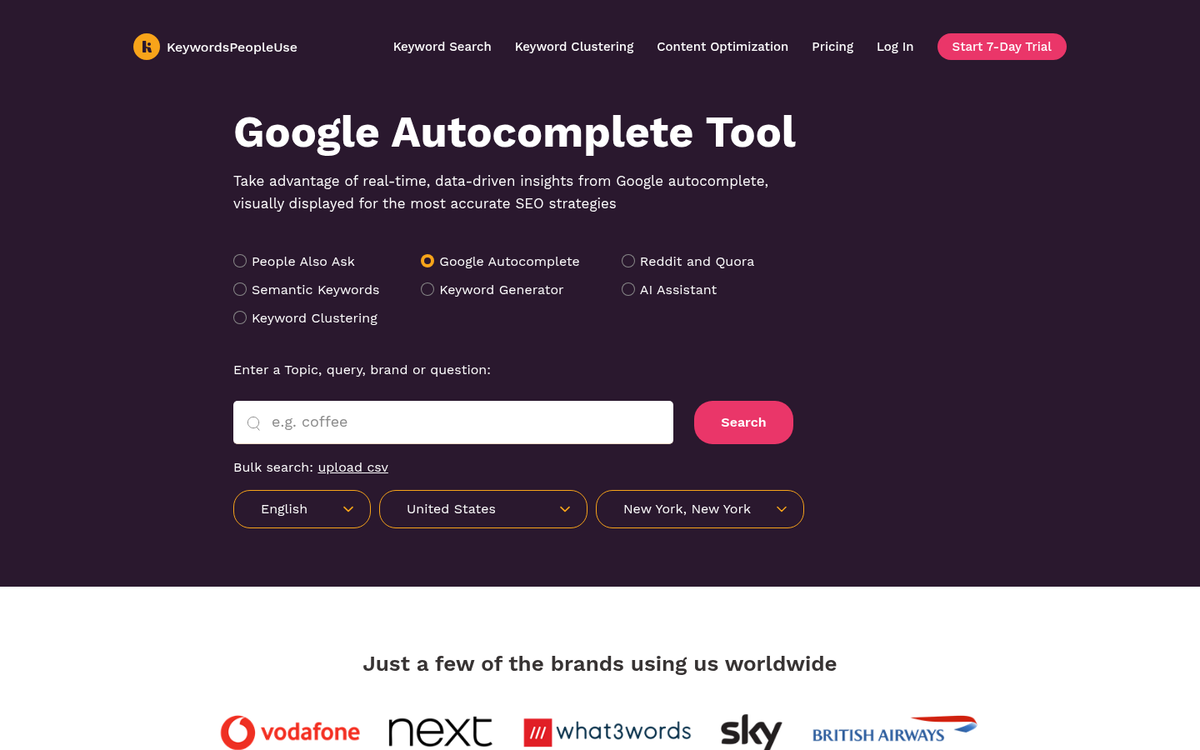
Google's autocomplete feature remains one of the most underrated idea-generation tools available - and it's free. Go to Google.com and start typing a keyword. The dropdown suggestions represent queries that real users are typing, which makes them inherently valuable. A few ways to extract more from this:
- Type your keyword and record the autocomplete suggestions.
- Convert it into a question: "how to <keyword>", "why does <keyword>", "what is <keyword>".
- Use the wildcard asterisk: "how to * <keyword>" to surface less obvious suggestions.
- Append each letter of the alphabet to your keyword to uncover a broader range of suggestions.
Doing this manually is time-consuming, which is why tools like Ubersuggest and Keyword Tool automate the process and let you export results in bulk. Both have kept pace with changes to Google's suggestion API and are solid options in 2026.
Answer The Public (now part of the Neil Patel ecosystem) continues to be helpful for generating question-based topic ideas - it maps your keyword into who, what, when, why, and how questions - all pulled from search behavior. The data export feature makes it easy to bring results into a spreadsheet for filtering.
Google Trends is worth revisiting for recognizing rising topics before they become saturated. The "Related queries" section - especially the "Rising" filter - can surface angles that are gaining traction before the competition catches on. This pairs well with AI brainstorming: find a trend in Google Trends, then use an AI tool to quickly generate post ideas around it.
Google's "People Also Ask" boxes and the related searches at the bottom of results pages are also goldmines that content creators still underuse. These align well with genuine user intent clusters and content ideas you can fill.
Competitive Research
You're not alone in your niche, and your competitors have already done a significant amount of research you can learn from. The goal isn't to copy their content - it's to know what's working for them, then do it better.

Several tools make this easier:
- Ahrefs remains the gold standard for backlink analysis and content gap research. Use the Top Pages report to see which of a competitor's posts drive the most organic traffic, then look for angles they haven't fully covered.
- Semrush has significantly expanded its content marketing toolkit and is particularly strong for identifying keyword gaps between your site and competitors. The Topic Research tool surfaces ideas with built-in volume and difficulty data.
- BuzzSumo is still one of the best tools for identifying what content earns the most social engagement in a given niche. High share counts often correlate with strong audience interest, even if the SEO metrics are modest.
- Moz continues to offer reliable domain authority metrics and link research, though its toolset is more narrowly focused compared to Ahrefs or Semrush.
Simply reading your competitors' blogs is also helpful. If you trust them to have done their research, you can treat their editorial calendar as a secondary idea source - and then cover the same topics with greater depth, more up-to-date information, and stronger structure.
Outdated Content as an Opportunity
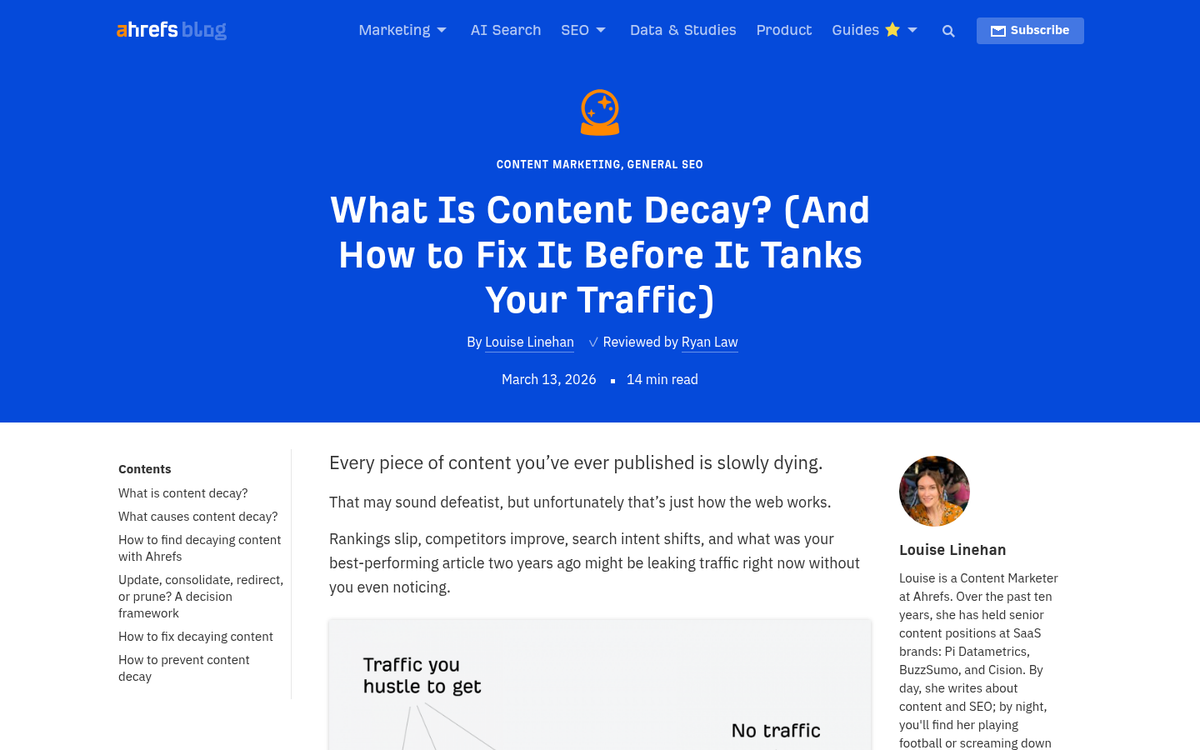
One of the most reliable content strategies is identifying posts that are ranking but are out of date, then creating a better, more current version. Given how fast things change - especially in any niche touched by technology, AI, health, or finance - there's no shortage of stale content holding onto rankings it doesn't deserve.
You'll find these opportunities by:
- Searching your target keywords and looking at publication or last-updated dates on ranking pages.
- Using Ahrefs' Content Explorer to filter for pages that haven't been updated in 12-24 months but still hold backlinks.
- Searching Google with the before: date operator to surface old content still appearing in results.
Once you've identified outdated content, create a more thorough, updated version and run a backlink outreach campaign. Sites linking to outdated content are usually receptive to swapping in a better resource - it improves their own site without requiring them to create anything new. You can also build free backlinks to your updated posts to help them gain traction faster.
Public Q&A and Community Research
Quora remains a helpful signal for identifying what genuine questions exist in your niche - including questions that haven't been thoroughly answered elsewhere. Look for three types of opportunities:

- Questions that have been asked but have no substantive answers.
- Questions with answers that are outdated or lack an external resource link.
- Questions with answers that have aged poorly - especially relevant in fast-moving niches like AI, software, or personal finance.
Reddit has become increasingly useful for content research, especially since Google's algorithm began surfacing Reddit threads more prominently in search results. Subreddits in your niche are essentially real-time focus groups. Recurring questions, frustrations, and debates are all content ideas waiting to be turned into posts.
Communities on Discord, Slack, and niche forums are also worth watching if they exist in your space. The more specific and technical the question being asked in a community, the higher the likelihood that it represents an underserved long-tail keyword opportunity.
Verifying Value Before You Write
Once you've built up a large list of ideas, you need a process for prioritizing them. Only 5.7% of newly published pages will rank in the top 10 within a year (Ahrefs), which goes to show why validating ideas before investing heavily in them matters.
Here's a helpful framework:
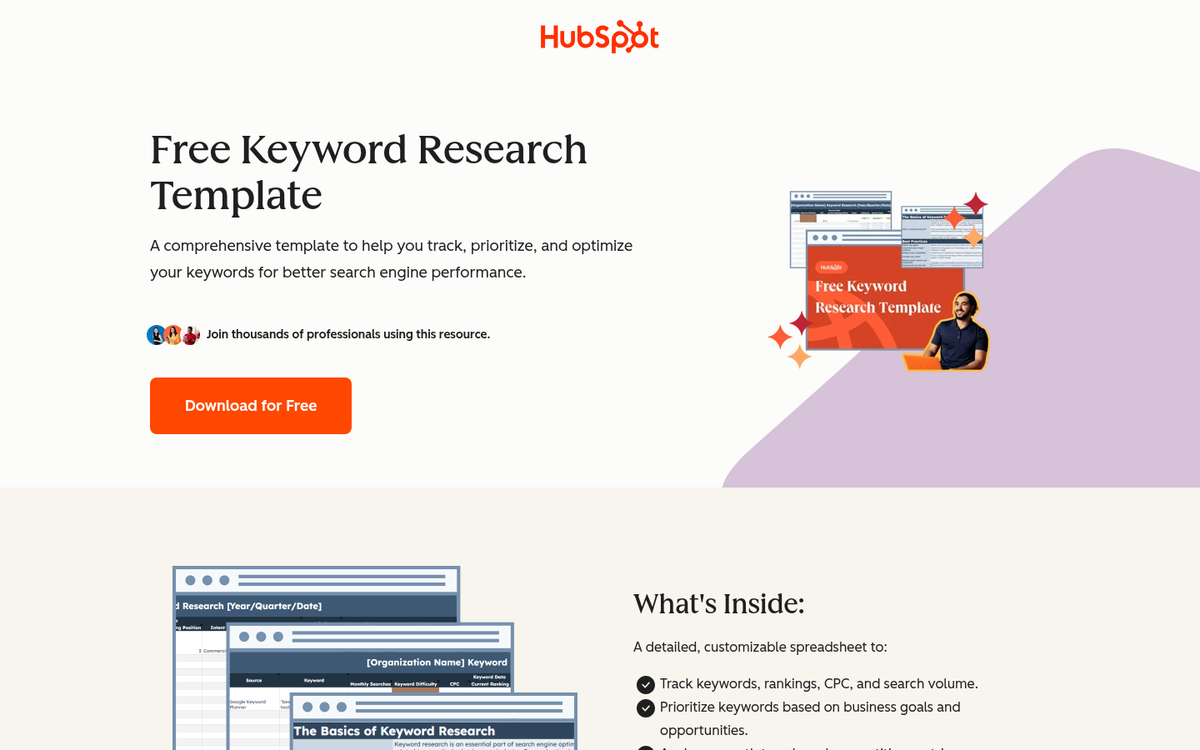
- Drop your ideas into a spreadsheet with columns for the target keyword, a draft title, existing competitor URLs, estimated search volume, and keyword difficulty.
- Use Ahrefs, Semrush, or Google Keyword Planner to pull monthly search volume and keyword difficulty scores. Prioritize topics with moderate-to-high volume and low-to-moderate difficulty, especially if your site is newer or has limited authority.
- Run a sanity check pass to remove duplicates, nonsense outputs, and topics that are too broad to address meaningfully in a single post. Break large topics into a series of focused posts.
- For your highest-priority ideas, consider running small paid search campaigns (Google Ads or Microsoft Ads) to test real-world click-through and conversion behavior before committing to a 2,000+ word post. A modest budget of $50-$100 per idea can tell you a lot about actual demand.
Remember that pages ranking in Google's top 10 average 1,447 words (Backlinko), and 27% of bloggers who always do keyword research report strong results compared to those who don't (WPBeginner). The data supports a research-first strategy - but the tools and methods available to execute that research have never been more powerful or accessible than they are right now.
Your ideas document should be a living resource. Flag ideas as used, note how each post performs over time, and revisit underperforming posts to update or expand them. In 2026, content maintenance is as important as content creation - Google increasingly rewards freshness, depth, and accuracy, especially in competitive niches.