Nothing is better than passive success. The goal of any website is to become more or less self-sufficient, with a profit attached. To earn such profits, you need traffic. Growing traffic can be hard work, but you can take some of that work and set it aside, by putting parts of your management and traffic generation on autopilot. Establish a system, set a foundation, and let everything grow for you.
Key Takeaways
- Building evergreen content creates long-term, returning visitors, while timely content only generates short-lived traffic spikes.
- Detailed tutorials with real screenshots, visuals, and firsthand experience outperform generic guides in Google rankings.
- Genuine participation in niche communities like Reddit and Discord builds trust and drives organic traffic over time.
- Consistent social media presence across fewer platforms, focused on providing value rather than selling, outperforms sporadic broadcasting.
- Strong SEO built around E-E-A-T, technical cleanliness, and depth delivers compounding, long-term passive traffic with minimal ongoing effort.
Build a Strong Base of Evergreen Content

Everything that comes after this point is going to be based in some way or another on having a good site with a lot of content. If your site is new, congratulations! You're in an excellent position to start off running. You can create a ton of content and have it prepared for launch, or schedule it weeks or months in advance using a content calendar.
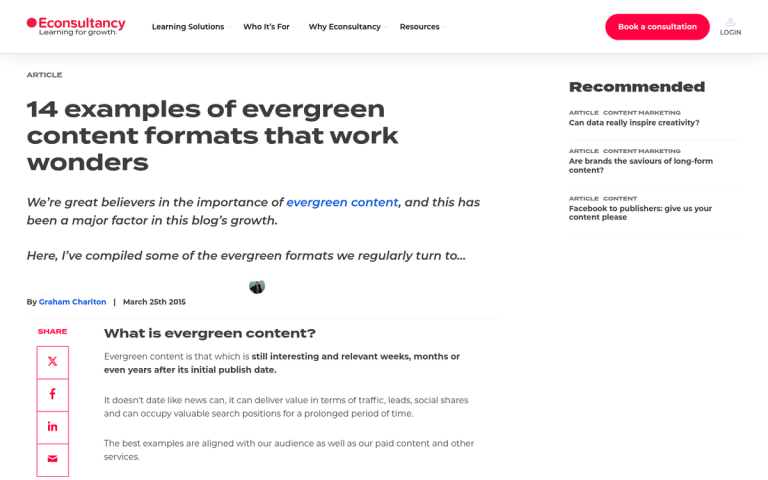
You're going to want a mix of both evergreen content and timely content. Timely content is what trends, what goes viral, and what attracts large volumes of new users to your site. Evergreen content is what keeps them around and keeps them coming back.
Think about it: how many people today want to know what the pre-release hype for the iPhone 14 was? Articles written about it aren't going to retain their value for long. However, a detailed guide on troubleshooting common iOS issues might stay relevant for years, since people are always wrestling with their devices regardless of the generation.
Build a solid base of evergreen content and you'll earn visitors who come back time and again for the resources you provide. In 2026, this matters more than ever. With AI-generated content flooding the web, Google's ranking systems increasingly reward depth, genuine usefulness, and content that demonstrates real experience and expertise. Thin, timely content gets buried. Evergreen content built on authentic knowledge is what continues to perform.
-
Write Detailed, Experience-Driven Tutorials

If you're trying to create something evergreen, tutorials and how-to guides remain among the most powerful formats available. A genuinely helpful tutorial is hard to supplant. The only thing that beats a great tutorial is an even better, more up-to-date one - which means your goal is to make yours as comprehensive and current as possible.
What makes a good tutorial in 2026? A few things have changed since the early days of blogging.
First, it still needs to be well-written and easy to follow. Clear, step-by-step text remains essential. Don't assume everyone can watch a video or load heavy media - some readers are on slow connections or mobile devices and need your written instructions to carry the full weight.
Second, visuals matter enormously. Screenshots, annotated images, and diagrams help readers follow along and make your content far more shareable. Tools like Canva or even AI image editors make it easier than ever to produce clean, professional visuals without a design background.
Third, consider a video component. YouTube and short-form video platforms like TikTok and Instagram Reels have changed how people consume tutorial content. A companion video - even a simple screen recording with voiceover - can dramatically expand your reach. That said, don't rely on video alone. Text and images should always anchor your tutorial, with video serving as a powerful supplement.
Fourth, and this is crucial in 2026: demonstrate real firsthand experience. Google's Helpful Content updates have made it clear that content written from genuine expertise and personal experience outperforms generic, surface-level guides. Show your work. Include your own screenshots, real results, and honest assessments. This is what separates content that ranks from content that gets buried.
-
Build Community Presence Strategically

Once you have a strong site foundation, it's time to bring it to the right audiences. The landscape has shifted considerably here. Google+ is long gone, and the days of pure blog comment marketing have faded. But the underlying principle - becoming a recognized, trusted voice in your niche - is more valuable than ever.
Today, the best places to build that presence are niche communities: Reddit subreddits, Facebook Groups, Discord servers, LinkedIn communities, and Quora. Find where your target audience actually spends time and show up there consistently.
Your purpose in these spaces is not to drop links and disappear. It's to genuinely contribute. Answer questions thoughtfully. Share insight rooted in real experience. Ask smart, non-obvious questions that spark discussion. Over time, people will seek out your profile, find your site, and share your content for you.
The old tactic of writing a blog post in response to a discussion and linking it in the comments still works - but only if it's clearly relevant and genuinely adds value. Communities have become much sharper at identifying self-promotion disguised as helpfulness. Be the real thing and the traffic will follow.
-
Build a Smart Social Media Presence
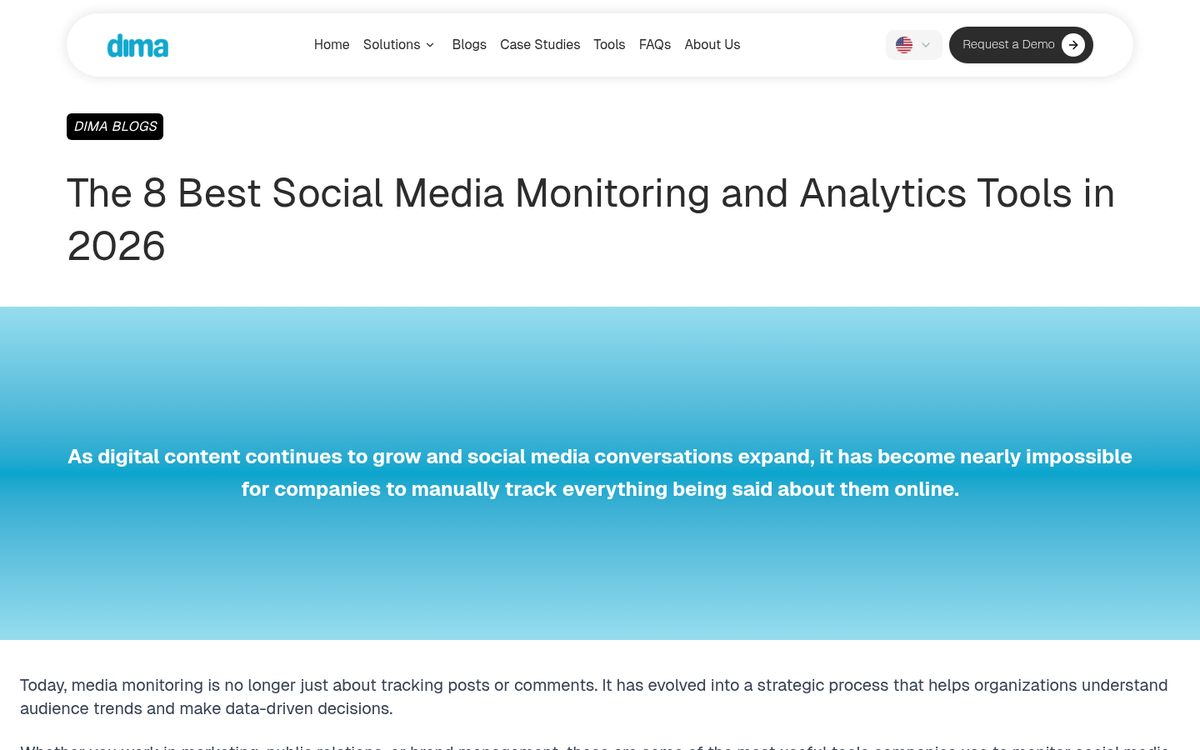
Social media in 2026 looks quite different from what it was even a few years ago. Twitter (now rebranded as X) has fragmented its audience significantly, and many creators and brands have diversified into alternatives like Threads, Bluesky, and LinkedIn depending on their niche. Facebook remains large but organic reach continues to decline. Meanwhile, short-form video on TikTok, Instagram Reels, and YouTube Shorts has become one of the most powerful organic traffic drivers available.
With all that in mind, the core principle remains the same: don't make everything about you and your sales pitch. A version of the old 10-4-1 rule still applies:
- The majority of your posts should provide value - curated content, useful insights, industry news, and genuinely interesting material that makes following you worthwhile regardless of whether someone ever buys anything.
- A healthy portion should be your own content, shared in a way that invites engagement rather than just broadcasting links. Ask questions. Share a behind-the-scenes moment. Highlight an interesting finding from a recent post.
- Keep direct sales messaging minimal. When you do pitch, make it count. Audiences - and platform algorithms - tune out accounts that constantly sell.
Whatever platforms you choose, consistency matters more than volume. Showing up regularly on two or three platforms beats sporadic bursts across every channel. And in 2026, building an email list remains one of the most durable and algorithm-proof traffic sources you can invest in alongside social media. If you're also wondering whether Facebook or Twitter is better for sending traffic, the answer depends heavily on your niche and content type.
-
Maintain Strong Search Visibility
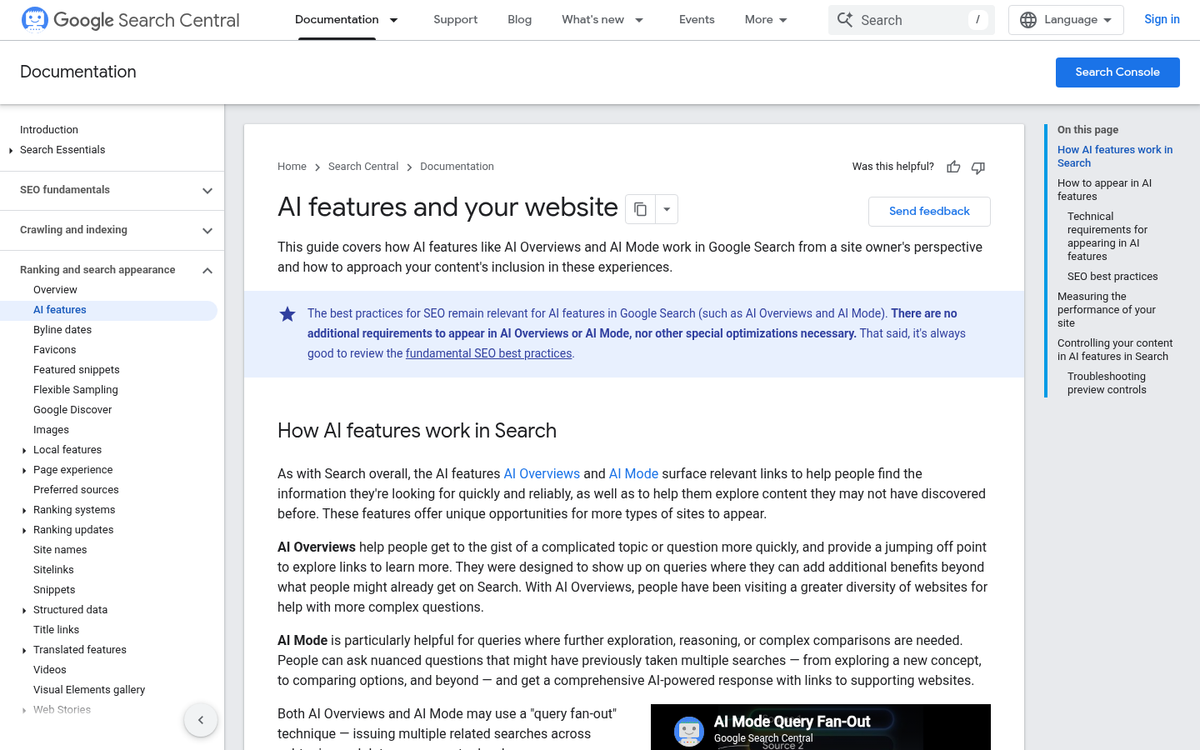
SEO remains one of the highest-return long-term traffic strategies available, but the game has changed substantially. Google's search results pages in 2026 feature AI Overviews prominently at the top of many queries, pulling summarized answers directly from the web. This has reduced click-through rates on some informational queries - but it has also increased the value of ranking for content that requires depth, nuance, and genuine expertise that an AI snippet can't fully replace. Programmatic SEO approaches have also been affected by this shift, making it worth understanding how AI Overviews are reshaping the landscape.
The fundamentals still apply:
- Use keywords naturally and intentionally. Target specific, well-defined topics rather than trying to rank for everything at once.
- Every page should have a unique, descriptive title tag and meta description. These still influence click-through rates even in a world of AI snippets.
- Your site needs to be technically clean - fast load times, mobile-friendly, properly structured, no broken crawl paths.
- Eliminate or consolidate thin and duplicate content, which has become a more significant ranking liability in recent algorithm updates. Even content that appears unique can hurt your rankings if it lacks real substance.
- Build content around Experience, Expertise, Authoritativeness, and Trustworthiness (E-E-A-T). Google has made clear that who is writing and why it matters to them is part of how quality is assessed. Author bios, first-person experience, and transparent sourcing all contribute.
Done well, SEO still feels almost effortless - a well-optimized page can bring in consistent, compounding traffic for years with minimal ongoing effort. That's the definition of passive growth, and it's worth every bit of the investment it takes to get right.