Bounce rate is caused by one of two things. Either the user was searching for something completely different and didn't find anything relevant on your page, or the user wasn't hooked by your content and left. The first might indicate an issue with keywords, but it's not that dangerous. The second is a problem that, when fixed, can massively increase the efficiency of your site. What can you include to make sure your posts have the maximum possible hook?
Key Takeaways
- Bounce rate drops when content hooks readers through novelty, emotional appeal, logical structure, and relevant entertainment.
- Visible contrast, like before-and-after comparisons, effectively grabs attention and demonstrates product or service value.
- Readers skim in F-shaped patterns, so bold key points, subheadings, and bullet lists improve engagement significantly.
- Present evidence visually using charts, graphs, and infographics rather than plain text and boring statistics.
- A faster site reduces bounce rate; a 0.1-second mobile speed improvement can lower bounce rate by 8.3%.
1. Something New and Interesting
It's a fact that the human brain requires the unknown. If you're surrounded by the familiar every day, you're going to grow bored, lose your attention span and otherwise find yourself unable to concentrate. Your web readers don't just want to avoid boredom; they need to.
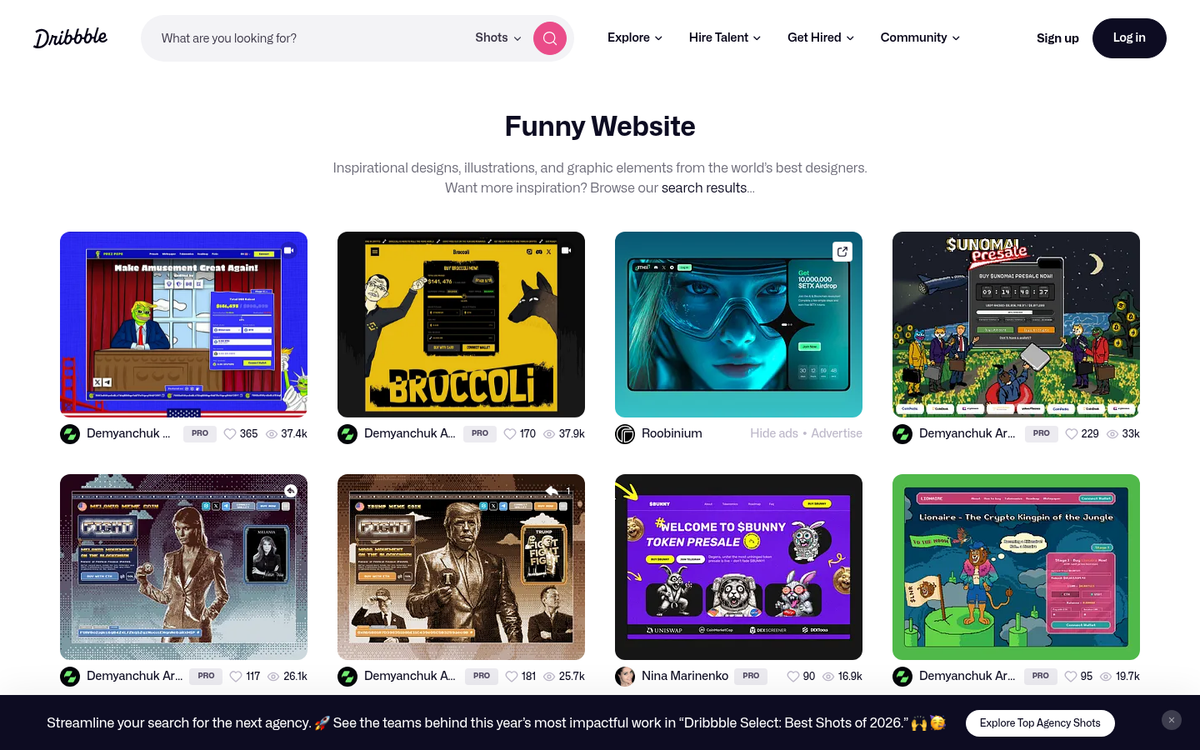
How does novelty, interest and attraction come about on a website? You have a number of options. You can use large, bold images. You can use creative formatting. You can create an innovative layout. You can use scripting and modern frameworks to create a dynamic page. Even just changing the tint of the background and adding an image to a post can make it many times more interesting.
There are benefits to consistency throughout a website, but there are just as many benefits to novelty. You shouldn't go out and change up the layout of every page, but you should at least focus on making each page as interesting as possible just to look at, even without reading the content.
2. A Visible Contrast
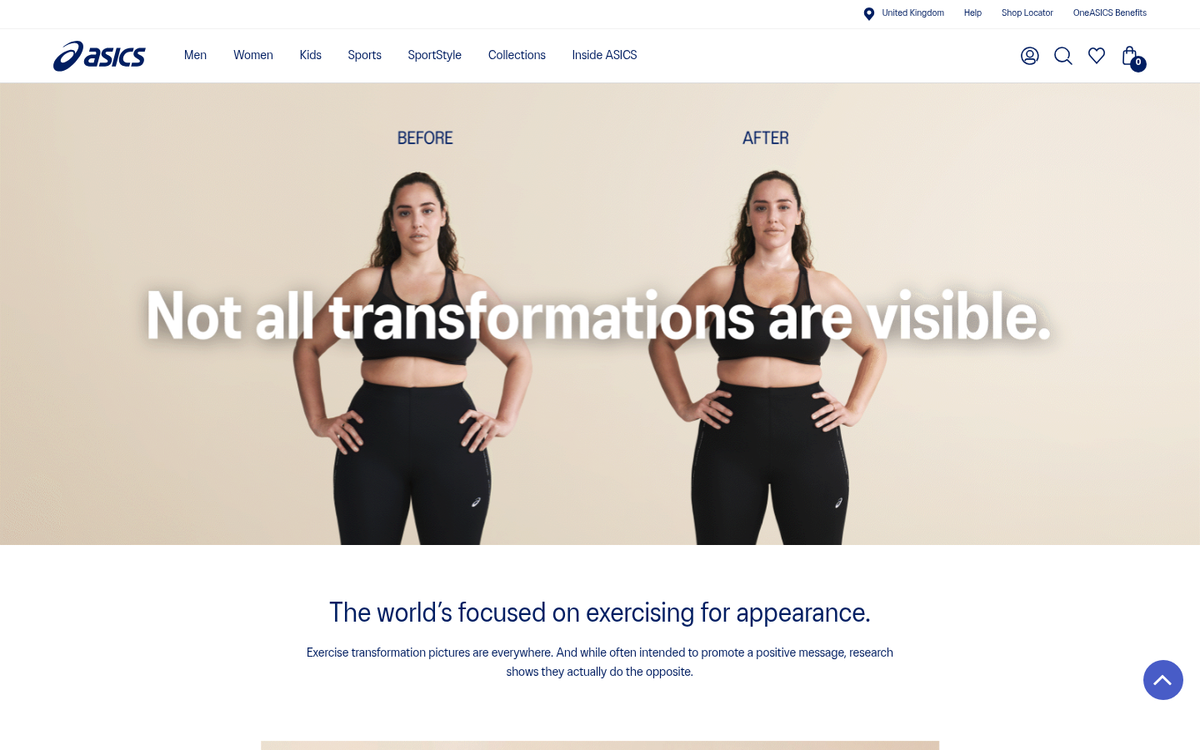
When you think of contrast in advertising, one of the most obvious examples is the fitness world. A bold, vibrant image showing the contrast between an obese body and a fit body, or a simple before and after comparison picture, is one of the most common and effective approaches. This is the idea of a visible contrast.
In any part of marketing, contrast is important, you just might not realize it. However, it's easy to put into practice whenever you're selling a product or service. Come up with a problem that's solved by the product. Create a comparison; the before and after using the product. It can be as physically obvious as an exercise machine, or it can be as subtle as an increased conversion rate from using marketing software.
To use this on your site, appeal to contrast. Hook the reader by showing them the before and after, the visible effects - even in the form of numbers and some creative typography - of your content, product or service.
3. An Emotional Appeal

Emotion comes in many forms. You can appeal to sorrow, fondness, or parenthood. You can appeal to curiosity or outrage. Emotion causes an immediate burst of attention and it makes your readers investigate more immediately. More importantly, that emotion lingers; they'll remember your content long after they've left the page.
Of course, putting emotional appeals into blog posts regularly is a difficult task. You can't focus on the negatives without driving users away. What you can do is include low-key emotional images in every piece you write. Images tell stories; use yours to accompany your blog posts and reinforce the tone of your message. If you need visuals, there are reliable websites to host your blog images for free that can help you get started.
4. A Logical Sequence

The concept of multitasking is something of a myth. While you can successfully manage doing several things at once, most of the time that means quickly alternating from one to the other without losing your overall grasp of both. At any given moment, you're focused on one thing - even if that one thing is "maintaining an overall grasp of several ongoing projects."
What's the point? The point is that human beings like to proceed through things logically. This means you need to present your content in a logical order. Start with a premise; a conclusion you hope to draw, a value proposition you hope to prove. Proceed from there to setting up the premise, presenting the evidence, drawing conclusions and driving them home. A logical progression through facts and consequences used to drive your point home.
5. Relevance and Entertainment

If you keep someone interested and entertained, they can have an infinite attention span. According to a Microsoft study, the average human attention span is just 8 seconds - one second less than a goldfish. Yet that's clearly not a hard ceiling on human focus. After all, if we all gave up everything after 8 seconds, we'd never finish meals and the television and movie industries wouldn't exist.
If you entertain your readers, or if you hook them with content relevant to their interests - something they find worth the time and effort of reading - they'll stick around. If you write well enough, a 100,000-word blog post would be easy as pie to market. If you don't, they'll never read past the introductory paragraph.
6. Formatting or Scanning
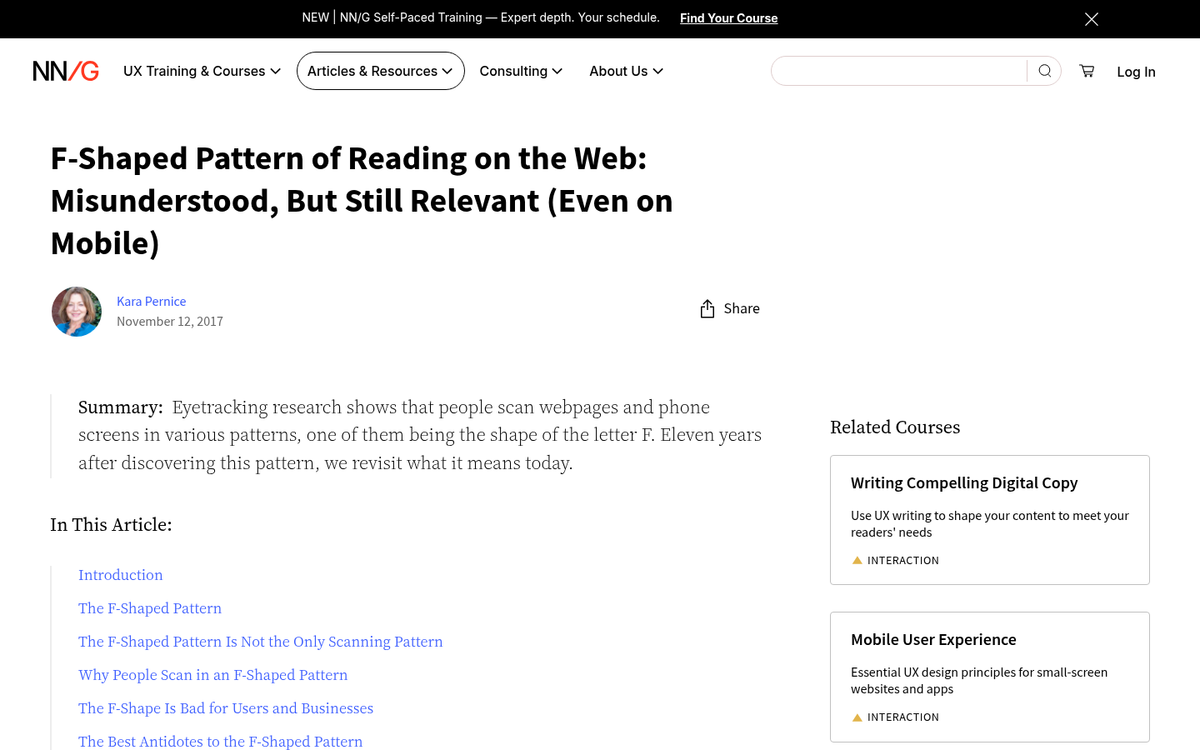
If you've ever looked into eye tracking studies, particularly for the web, you may have learned that readers don't actually read your blog posts word for word. They skim your site in an F-shaped pattern. They read a headline, forming the top bar of the F. They scan down the left side, forming the vertical. They scan across points that stick out or paragraphs that look interesting, forming crossbars.
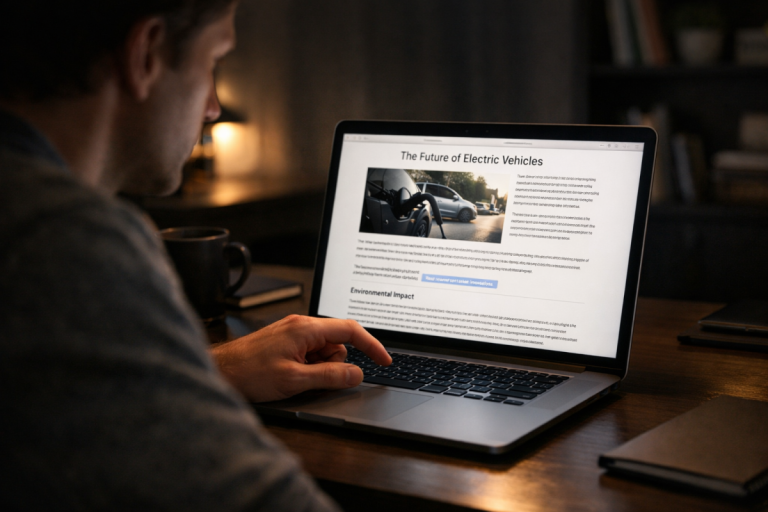
Take advantage of this. Use bulleted lists and short sentences to encourage skimming. Don't write long, overly complex statements. If a reader can't parse it in one pass, they won't try for a second. Bold key points. Use subheadings. Format your posts to make them as easy as possible to skim. If you're struggling with focus while writing, check out these tools to help you write distraction-free.
7. Visible, Concrete Evidence
You need to support your points with evidence to make a compelling blog post. This also gives you the advantage of a diverse incoming and outgoing link profile, when you're linking to authority sites for support.
On the web, you're not limited to blocks of text and boring statistics. Compile those statistics into charts and graphs. Compile those graphs into an infographic. Use bright colors and slick designs to present your evidence in a graphical way that draws the eye.
8. A Fast Site

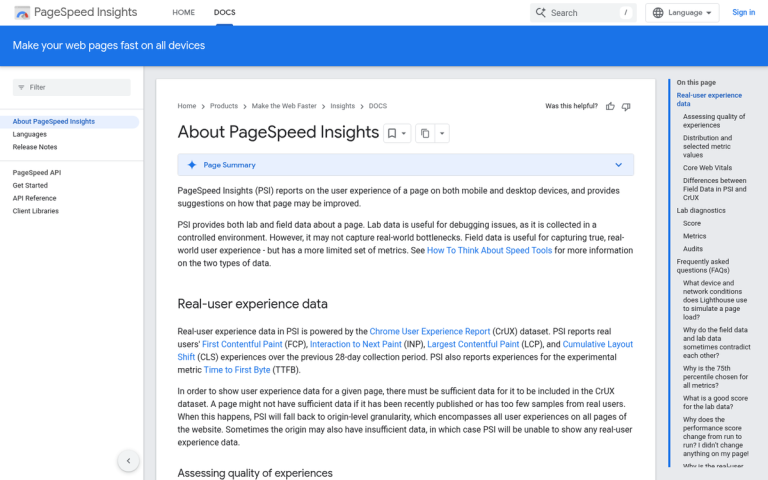
Okay, so having a fast site isn't going to grab your reader's attention on its own. Instead, it will help diminish the chances of a reader losing attention before they even begin. Research by Portent found that ecommerce sites with a 1-second load time convert 2.5x better than sites with a 4-second load time. A Deloitte report found that increasing mobile site speed by just 0.1 seconds improved bounce rate on information pages by 8.3%. And keep in mind that users form a first impression of your website in approximately 50 milliseconds - long before they've read a single word.
With mobile traffic now accounting for nearly 60% of all web traffic worldwide, speed matters more than ever. If your site keeps a mobile user waiting more than a couple of seconds, there's a strong chance they're gone for good. The average bounce rate already sits somewhere between 41% and 51% - a slow site will push you toward the worse end of that range fast.
Of course, there's an added bonus to getting this right: site speed is a confirmed ranking factor for Google, so a faster site helps your SEO as well.