A lot of what's talked about online is sudden. By this, I mean the sudden shining moments of a viral surge in traffic, or the sudden sharp decline in traffic and sales associated with a Google update. It seems like almost everything else is talking about the slow rise, the fight for growth that has characterized the last decade of online commerce.
What few people talk about - what few even think about, even - is the long, slow decline that is associated with something being very wrong, but the people in charge not knowing what it is. In fact, most articles I can find written about the topic are actually about how to sell your site before business drops so much that you can no longer make a profit.
There are many reasons why your sales might be declining, and many of them are perfectly fixable. You just need to figure out the cause first.
Key Takeaways
- Slow sales decline often stems from marketing becoming disconnected from audience trends, with 67% of misaligned businesses seeing drops within one quarter.
- Product longevity is a hidden sales killer - once your entire audience owns your product, growth requires new audiences, upgrades, or replacements.
- Outdated websites and poor mobile optimization consistently erode sales, as users associate neglected design with low product quality.
- Stale marketing campaigns and ignored algorithm changes quietly drain traffic and conversions without any single dramatic event signaling the problem.
- Sometimes entire industries decline due to shifting global trends - businesses must recognize obsolescence early and adapt before decline becomes irreversible.
Are You Keeping Up with Trends?
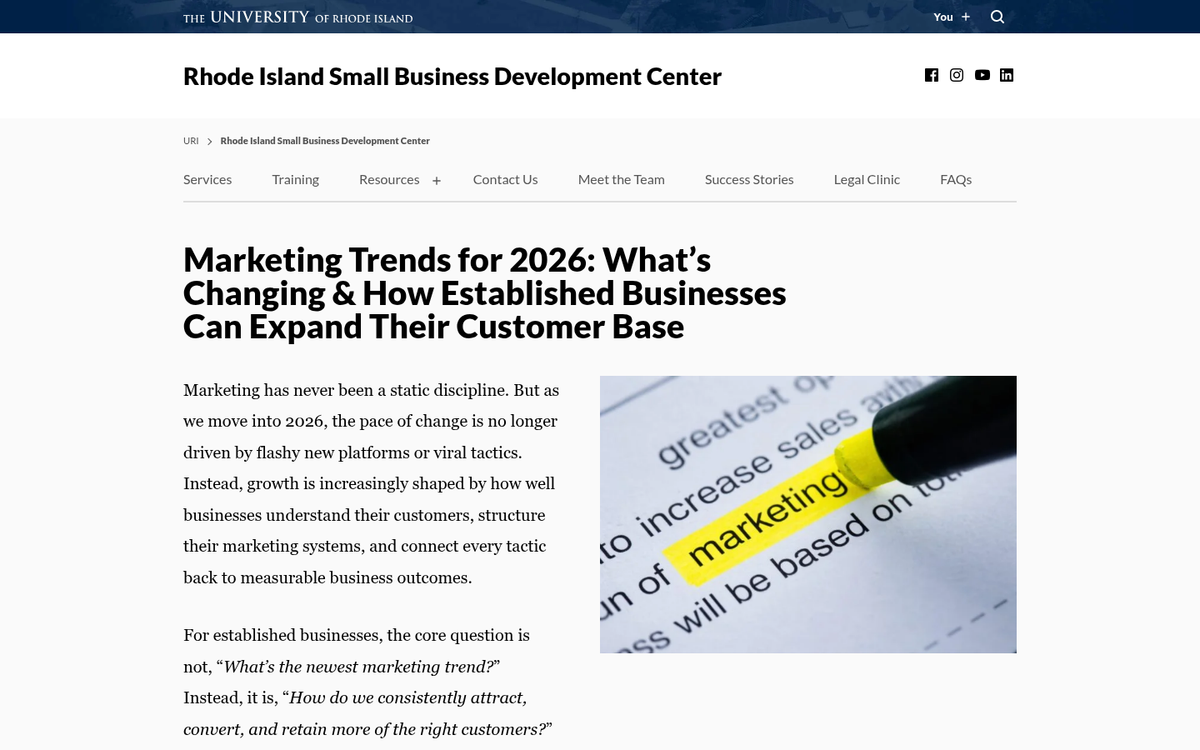
This one harks back to the days of stodgy corporate culture and insular focus group design meetings. You take ideas and run with them, developing tunnel vision along the way, until you have no real association with what the outside world actually wants. It's like that joke about corporations saying "this is what kids these days like, right?" and pushing something completely outside the realm of interesting or fun.
The thing is, this really happens every day. It means that it's more important than ever for businesses to keep up with trends, but more importantly, be actively interested and involved in those trends. You can't just look at what's trending and try to work it into your marketing; you need to figure out the greater context and what role you can play.
The increasing separation between a business's marketing and its audience is a leading cause of the slow decline in sales we all fear. Gartner's 2024 Marketing Strategy Survey backs this up, finding that 67% of businesses that changed their core marketing message without proper channel alignment experienced a sales decline within the first quarter alone.
Are Your Products Long-Lasting?

This is one we see in major industries around the world. PCs, MP3 players, smartphones; there's one thing they all have in common with their marketing, and that's a focus on the newest and greatest features. These devices always need to be adding something of value, because the moment they stop, sales suffer. Why?
The primary reason is simply the longevity of the product. If you have an audience of 1 million people with a need to buy your product, and you sell it to all 1 million of them, you have a problem. Either your product needs to break so you can sell replacements, you need to expand your audience so you have more people to buy, or you need to make a bigger and better version to sell upgrades. It's worth noting that even pricing pressures play a role here - NielsenIQ data shows that from 2021 to 2023, inflation drove CPG value sales up 13%, while volume sales actually declined 6%, meaning businesses were earning more per unit but reaching fewer customers overall.
Are Your Customers Growing Jaded?
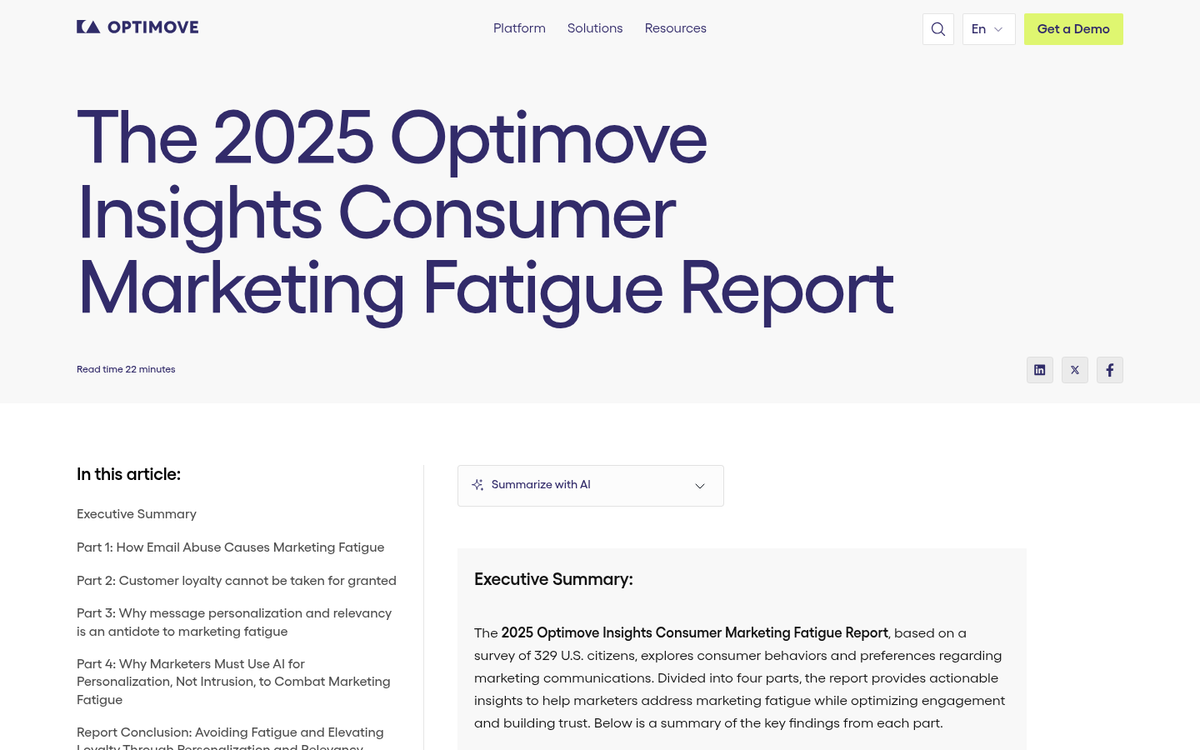
It's harder than ever to engage with your customers. There are only so many hours in a day for social interaction, and there are only so many avenues you can use to reach your customers. That's why a new marketing technique or new means of communication is so important; it's a new and unexplored way of reaching your audience.
When your customers are jaded and disinterested, it's harder to get them to care about the problem you're trying to solve. This leads to a steady decline in sales as more and more people either have that problem solved or sink further into the inability to care about it. McKinsey's 2024 Digital Marketing Report found that businesses experiencing marketing strategy misalignment see an average 15-30% decrease in sales performance - a reminder that staying genuinely connected to your audience isn't optional, it's survival.
Does Your Website Look Outdated?
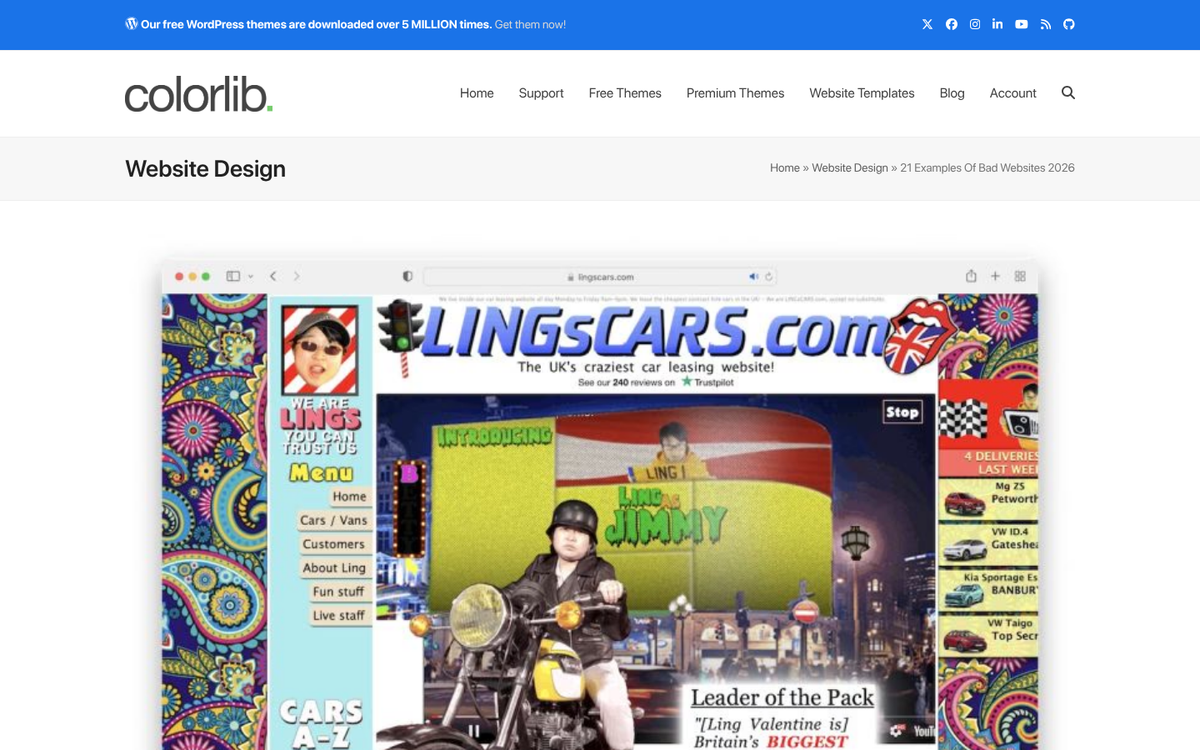
Design trends on the web move fast. What looked clean and modern five years ago can feel clunky and untrustworthy today. If your site hasn't been meaningfully updated in years, visitors will notice - and many will leave before ever seeing what you actually sell. The issue is that business owners often know in a vague sense that they need a website, but don't realize how much an outdated one is actively working against them.
You aren't keeping up with the way the world works, and it shows. If you can't be bothered to care about the quality of your website, what does that say about the quality of your products? A modern site should be fast, visually clean, easy to navigate, and built with the user experience as the primary concern - not an afterthought. If you're considering a refresh, it's worth understanding how much a custom blog or site redesign actually costs before diving in.
Are You Not Catering to Mobile Users?
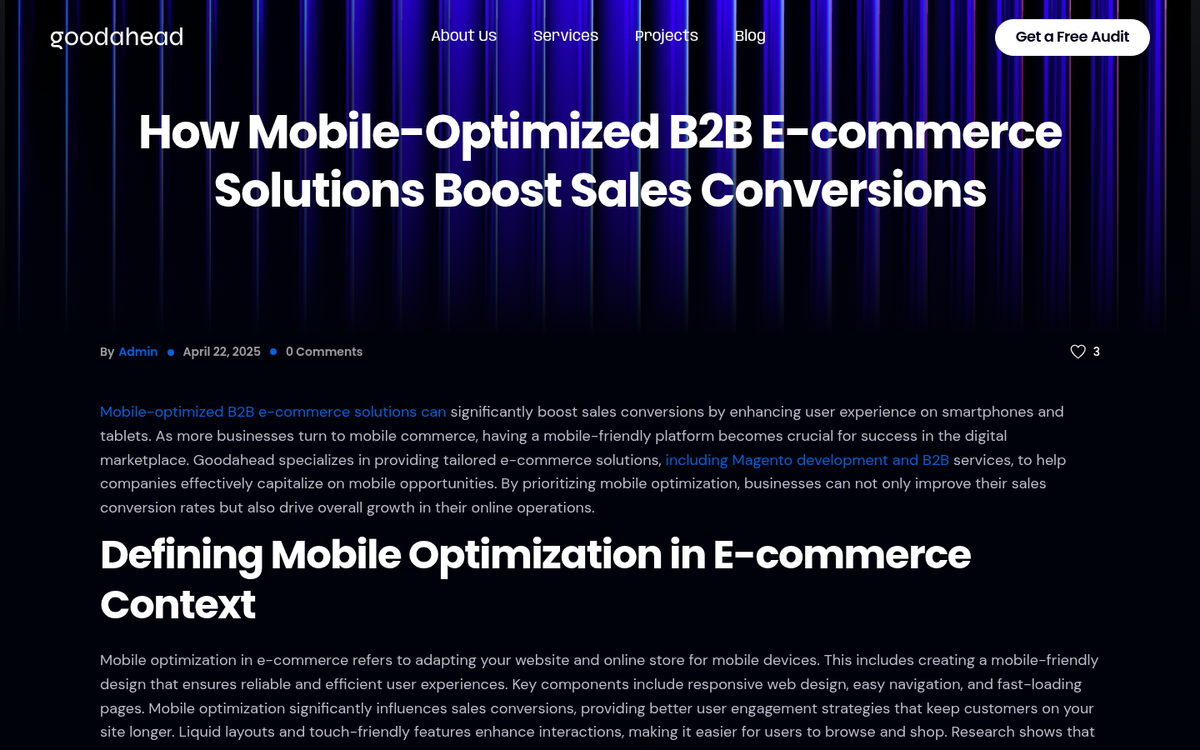
Mobile is no longer a trend - it's the default. The majority of web browsing now happens on smartphones, and businesses that haven't fully optimized for mobile are losing customers at every step of the funnel. This isn't just about having a site that technically loads on a phone; it's about delivering an experience that feels native and effortless on a small screen.
Think about it this way: if even a portion of your potential audience hits friction when trying to browse or buy on mobile, you're leaving real money on the table every single day. That friction compounds over time, quietly eroding your sales figures without a single dramatic event to point to.
A fully optimized mobile experience isn't optional anymore. It's the baseline expectation, and failing to meet it is one of the most consistent drivers of slow, steady sales decline. In fact, going mobile can even lower your advertising costs while helping you reach more buyers.
Is Your Marketing Campaign Stale?
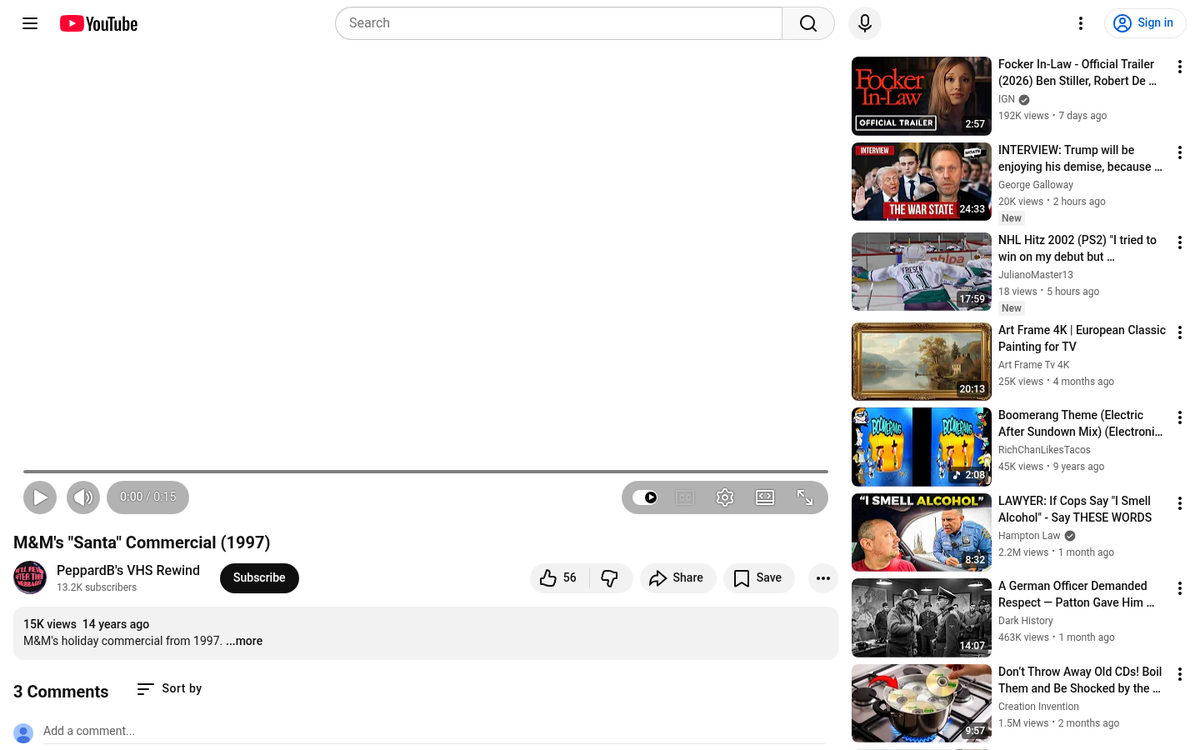
Some marketing campaigns stand the test of time - the M&Ms holiday commercials being a classic example, having aired every holiday season since 1996. But those are the exception, not the rule.
Most marketing campaigns get played out in a matter of months, sometimes even weeks. High-turnover marketing departments are pushing out new campaigns and new themes constantly. If you've been stuck on a single ad campaign for a long time, it's time to change things up. More importantly, make sure your new direction is grounded in data. McKinsey reports that organizations leveraging data effectively are five times more likely to accelerate decision-making and three times more likely to improve decision quality - yet only 23% of CEOs consistently incorporate data-driven insights into their strategic choices. That gap is where stale marketing takes root.
Are You Monitoring Algorithm Changes?
Search engine algorithm updates have always been a factor for online businesses, but the pace and complexity of those changes has increased significantly. A business that was ranking well two years ago and hasn't touched its SEO strategy since is almost certainly losing ground. Semrush's 2024 Search Rankings Study found that businesses actively monitoring algorithm changes maintain 45% more stable traffic patterns than those that don't.
This isn't about chasing every update in a panic. It's about having a consistent process for tracking your search performance, understanding what's changing, and adjusting accordingly. Slow traffic decline tied to algorithm drift is one of the most common - and most overlooked - causes of declining online sales.
Are Global Trends Leading Away From Your Industry?
Finally, sometimes it's just a case of your industry losing steam. Who still buys fax machines or pagers these days? With the accelerating shift toward AI-driven tools, automation, and digital-first services, entire categories of products and services are becoming obsolete faster than ever before.
If your product is something that's going out of style or has been succeeded by something with better functionality, you're going to have to come up with some way to modernize your business, or else you'll face declining sales at an increasing rate until you have nothing left. The businesses that survive these shifts are the ones that recognize the trend early and adapt - not the ones that wait until the decline is impossible to ignore. One approach is to explore services that can boost your conversion rate and sales as you pivot to stay relevant.