Your mailing list is one of the most potent sources of potential customers you have. It's valuable because it's full of people who were already interested enough in your business to want to receive your newsletter. It's potent because email remains one of the most effective communication channels available, even as social platforms come and go. It's also one of the very few sources of leads that isn't controlled by a third party - unlike Google traffic or your social media audience, nothing can interfere with your newsletter audience other than you.
With this amazing resource at hand, you have a huge list of opportunities. The question is how do you take those opportunities and convert them into customers?
According to Mailchimp's own data - pulled from billions of emails sent to lists of at least 1,000 subscribers - a good email marketing conversion rate typically falls between 2% and 5% across all industries, with an average click-through rate of around 2.66%. Those numbers might sound modest, but when you consider the ROI of email marketing has been measured at $42 for every $1 spent, even a small, well-managed list can drive serious revenue.
Key Takeaways
- Email marketing delivers $42 ROI per $1 spent, making your subscriber list one of your most valuable sales assets.
- Limit emails to one clear call-to-action; more choices cause decision paralysis and reduce overall click-through rates.
- Automated sequences like welcome flows and abandoned cart emails consistently outperform one-off broadcasts and work around the clock.
- Segment engaged subscribers and reward them with exclusive offers - they're your most likely candidates to convert into customers.
- Remove or re-engage inactive subscribers; a smaller, engaged list outperforms a large, disengaged one every time.
Grow Your List
The first step to leveraging your mailing list for profit is making sure that list is alive and well. You can use social media to draw in subscribers, passive opt-in prompts on your website, lead magnets, and other marketing channels. Keep in mind that you naturally lose a percentage of your list every year - people unsubscribe, change email addresses, or abandon inboxes. You need a steady influx of new subscribers just to keep pace with that atrophy, let alone grow.
Create Compelling Subject Lines
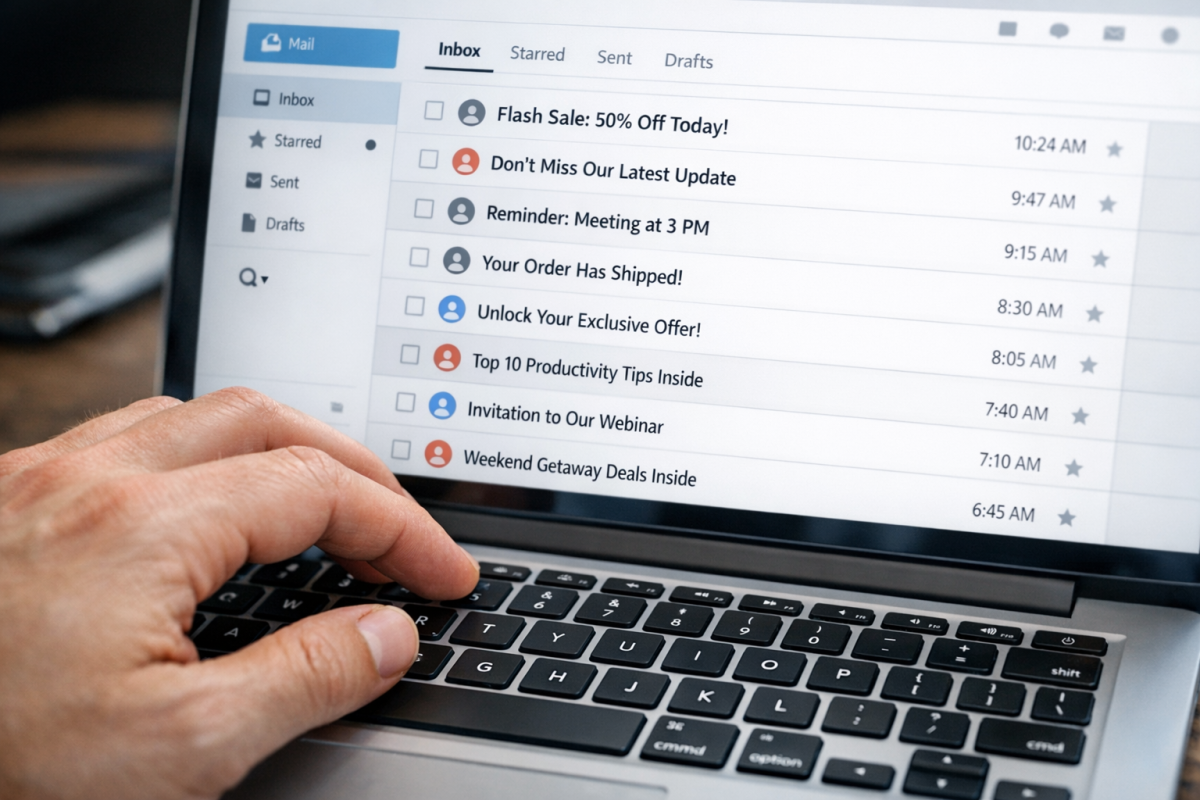
A lot can be said about subject lines. Keep them short - most email clients truncate subject lines aggressively, especially on mobile. Customize your sender information so you're not sending from a "do-not-reply" or "admin" address. That immediately signals automation and kills any sense of personal connection. Avoid hollow teaser tactics in the subject line itself; save the intrigue for the email body. The subject line's one job is to get the email opened.
Tease Content; Don't Spoil the Fun

While you shouldn't tease content in your subject line - you want to maximize open rates - you absolutely should tease value inside the email itself. Don't give away everything in the body. Give readers a compelling reason to click through to your site to get the full picture. A strong hook that withholds the conclusion will dramatically increase your click-through rate. Think of your email as a trailer, not the movie. For similar strategies, see how to maximize clicks to content on your website.
Limit Choice

Which performs better: an email with a single link to your best recent post, or an email with links to everything you've published in the last two weeks? The focused email wins almost every time. This comes down to the paradox of choice - a well-documented phenomenon where more options lead to fewer decisions being made. The more things you ask a reader to click, the less likely they are to click any of them. Give them one clear path forward and they're far more likely to take it.
Use the Reader's Name
There's one word virtually guaranteed to grab someone's attention - their own name. This is why it's worth collecting a first name along with an email address when someone subscribes. Personalizing your subject line or opening line with a subscriber's name is a small touch that makes a measurable difference in open and engagement rates. Most email platforms, including Mailchimp, make this straightforward with merge tags.
Avoid Spam Filters
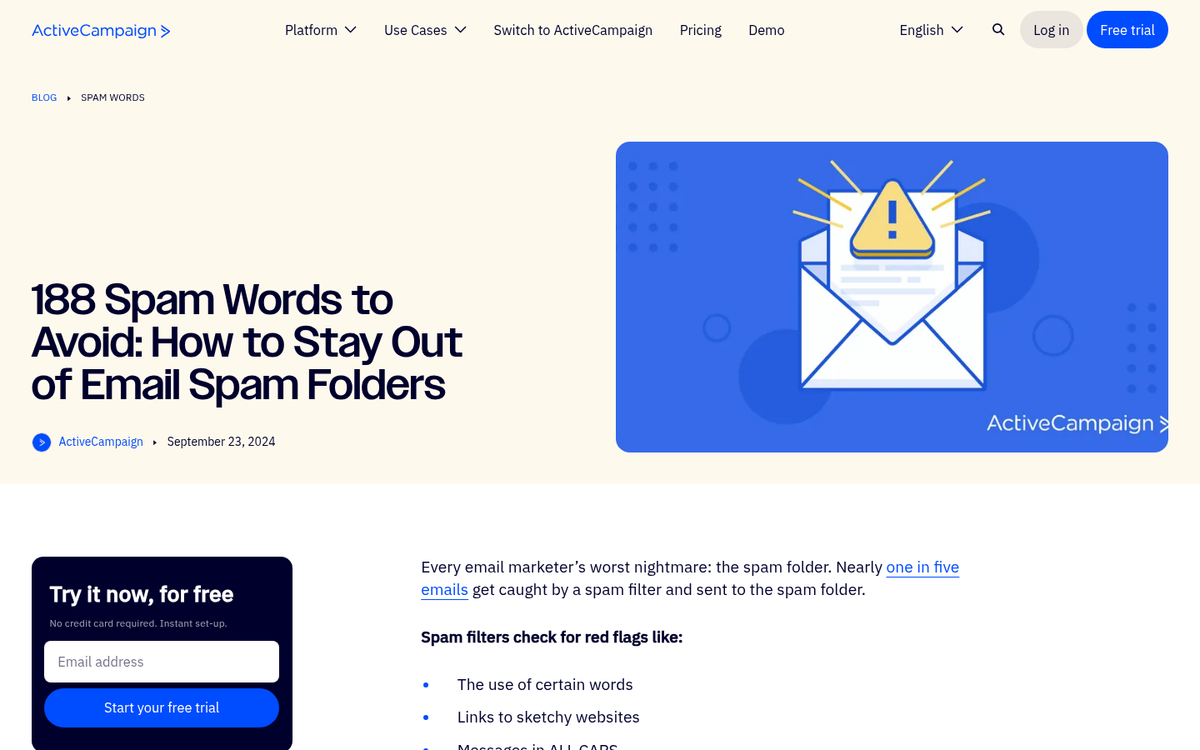
Spam filters in 2026 are smarter and more aggressive than ever, using AI-driven content analysis that goes well beyond simple keyword detection. That said, certain language still reliably triggers filters or damages sender reputation. Common culprits include:
- Bargain
- One time offer
- Guarantee
- Click here
- Free!!!
Beyond language, avoid sending emails that consist of one large linked image with little to no text. Filters can't parse image content for context and will often flag or block these messages outright. A healthy mix of text and imagery is always the safer play. Also keep your list clean - high bounce rates and spam complaints hurt your sender reputation with every major inbox provider. If you're still struggling to reach inboxes, it's worth checking whether your newsletter blasts are ending up in the spam box.
Use Limited Offers
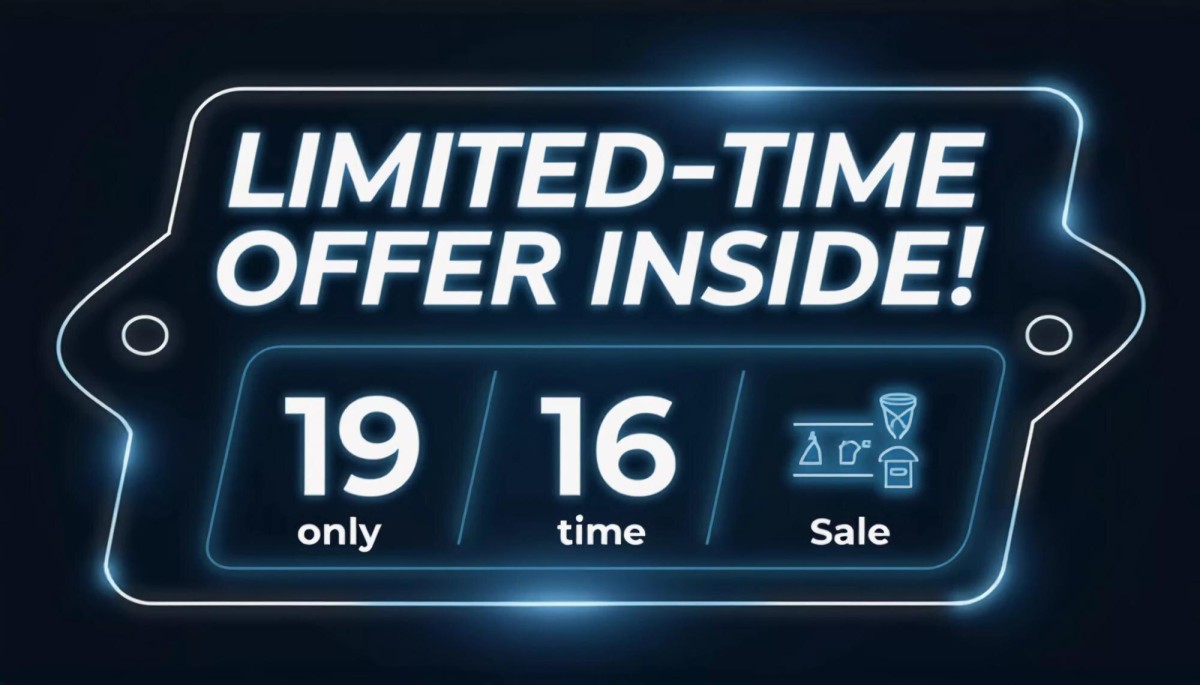
When encouraging subscribers to click through, you need to give them a reason to act now rather than later. Sometimes the promised value of your content is enough. But when you want to push toward a purchase, a time-limited discount or exclusive offer for subscribers works well. Make them feel like insiders getting access to something the general public doesn't. Just be mindful of the language you use so your offer actually lands in the inbox.
Lean Into Automated Flows
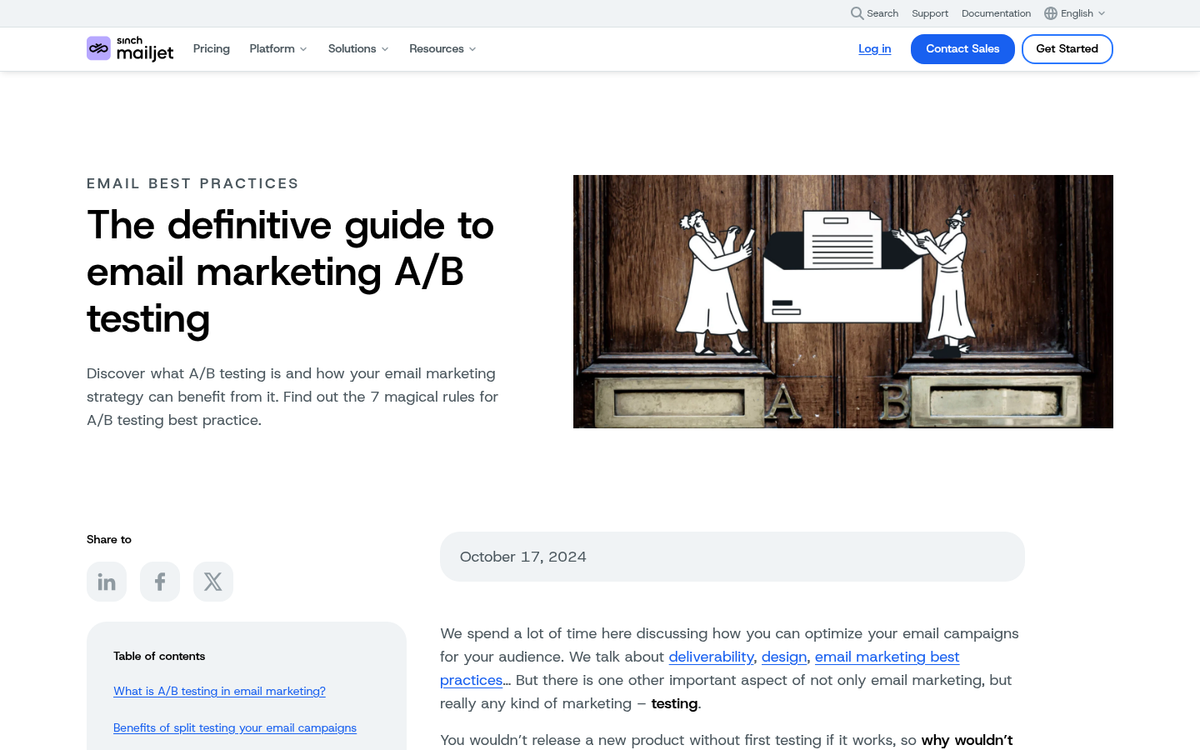
If you're only sending broadcast newsletters and ignoring automation, you're leaving significant money on the table. Automated email sequences - welcome series, abandoned cart flows, post-purchase follow-ups - consistently outperform one-off campaigns. Abandoned cart emails alone recover an average of 10-15% of lost purchases. Mailchimp and most modern email platforms make these flows relatively simple to set up, and once they're running, they work around the clock without ongoing effort. Automation is where email marketing really starts to compound.
Split Test Everything
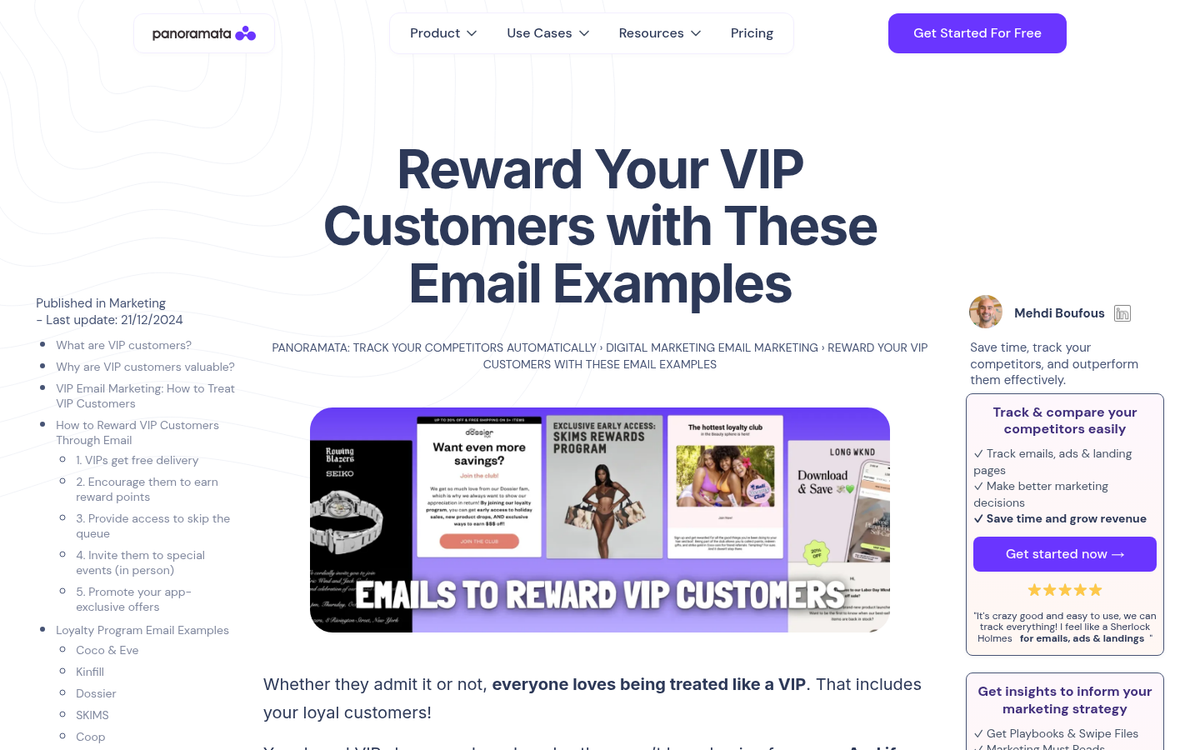
Are you running a newsletter test right now? If not, go start one. This post will be here when you come back.
Back? Good. Always be testing. Break your subscriber list into test groups and send variations of the same newsletter. What should you test?
- Send timing - both time of day and day of the week.
- Subject line wording and length.
- Different versions of the email body.
- CTA placement, color, and copy.
- Personalization versus no personalization.
If you're not testing, you're leaving optimization on the table. Even small improvements in open or click-through rates compound significantly over time across a large list.
Reward Frequent Engagement
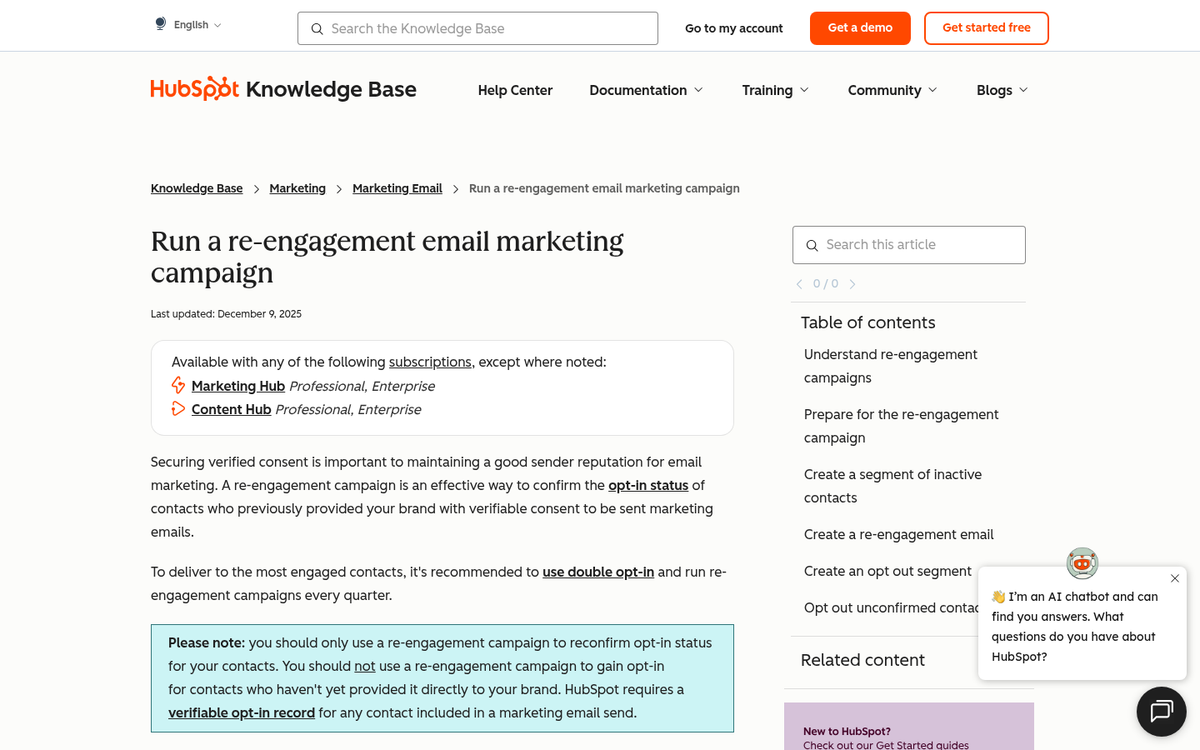
Segment your audience and track who's actually clicking. Build a sub-list of your most engaged subscribers - the ones who open frequently and click through regularly. Once someone crosses an engagement threshold, send them something special that the average subscriber doesn't get. A private discount, early access, or exclusive content. These people are already warm. They're your most likely candidates to convert into paying customers, and treating them accordingly pays off.
Re-Engage or Remove Lapsed Readers
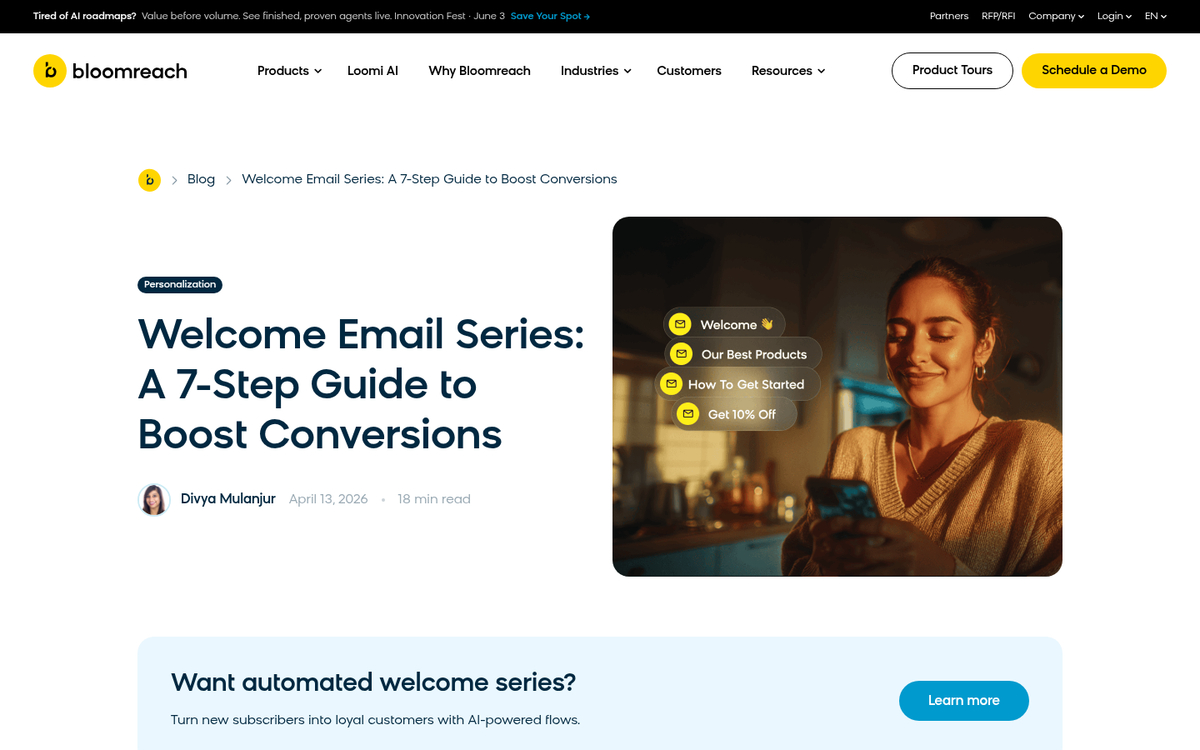
On the other end of the spectrum, you have subscribers who haven't opened an email in months. Keeping them on your list drags down your engagement metrics and can hurt your sender reputation over time. Before removing them, run a re-engagement campaign - a direct, honest message that acknowledges they've gone quiet and asks if they still want to hear from you. Offer something to sweeten the deal. If they don't respond, remove them. A smaller, engaged list will always outperform a bloated, disengaged one.
Prioritize New Subscribers
Every new subscriber should enter an automated welcome sequence - not just a single thank-you email. Space a series of messages out over their first few weeks. Introduce yourself. Explain what you do and how you can help them. Share your best content. Build trust before you ask for anything. By the time your welcome sequence wraps up, a well-nurtured new subscriber should feel like they already know you - and that familiarity is what drives conversion.