





Blog commenting is a double-edged sword. If you do it right, you can build a community and a relationship with another blog and pull their users into your circles. If you do it wrong, you can very quickly earn yourself a place on blacklists across the Internet and a firm label as a spammer. If you want to do it right, follow these instructions.
Key Takeaways
- Target blogs with audiences equal to or larger than yours, covering topics where you have genuine expertise.
- Comment links are mostly nofollow, so comment for relationships and referral traffic, not SEO link juice.
- Only comment when you have something valuable to add; generic "great post" comments can get you flagged as spam.
- Never drop your link without context; only include it when it directly and meaningfully relates to the discussion.
- Follow up on comment threads consistently to build authority, referral relationships, and a reputation in your niche.
Step 1: Identify Target Blogs

If you want to grow traffic to your own site through blog comments, you first need to identify the blogs you want to comment on. You are looking for a handful of blogs to follow. Ideally these blogs will meet several conditions.
- They cover topics you also cover and are interested in. Topics you are considered an expert on, or topics you can pass yourself off as an authority over.
- They have an audience roughly the same size as yours or larger. Blogs with a small audience have very little to offer you. That's not to say they can't be valuable, but they shouldn't be top priority.
- They should be as white hat as you are. You don't want a string of incoming links from blogs with a history of black hat practices, as that can come back to hurt you.
One good way to go about creating this list is to note down every blog you can find that might even be worth commenting on, and then divide them up into categories. Make a pile for small blogs, make a pile for blogs without comments, make a pile with blogs that are too far outside your niche, and generally narrow things down until you have a central list of blogs that can be potentially very high value and start there.
Step 2: Learn Blog Comment Rules and Etiquette

Some blogs have nearly completely unmoderated comment sections, where anything goes. Others have strict rules and will prune out or fail to approve comments that don't pass muster. Go through the rules for each blog you want to comment on regularly and make sure you know anything worth noting. Make notes of any important rules, but don't bother writing down every rule - you don't need to write down how every blog would prefer that you post with clean grammar and spelling, do you?
One thing worth understanding is the dofollow vs. nofollow distinction. Since 2005, Google has supported the rel="nofollow" tag specifically to combat comment spam, which means most blog comment links pass little to no direct SEO value. Google's John Mueller has also confirmed that comment links - even in the name field - won't hurt your SEO as long as they aren't spammy. The takeaway: don't comment for the links. Comment for the relationship, the referral traffic, and the visibility. Websites that incorporate thoughtful blog commenting into their broader strategy see an average 12% increase in referral traffic compared to those that don't - and that traffic comes from real readers, not link juice.
If you need to register for a platform like Disqus to create a universal commenter profile, do so now. This should include a link to your homepage or a strong landing page and a clear, professional photo.
Step 3: Watch for Comment Opportunities

Check each blog on your list and follow along as they update. Set up an RSS reader or use a tool like Feedly to aggregate all the blogs you follow and check it daily. Your goal is to be watching for opportunities to leave insightful, genuinely useful comments.
When in doubt, don't comment. No comment is better than one that says nothing more than "great post, thanks!" The reason for this is that so many people post those throwaway messages purely to get their profile link seen. It's transparent, it doesn't work, and it can get you flagged as a spammer.
Instead, save your comment energy for when you have something valuable to say. Respond to a specific point made in the post. Respectfully refute an argument and start a discussion. Add further clarification, a counterexample, or a relevant personal experience to the mix. Digital marketer Shane Barker attributed a 78% increase in organic traffic over six months largely to leaving thoughtful, targeted comments on high-authority blogs in his niche - proof that quality really does matter here.
Step 4: Don't Spam Your Link

This is important enough to dedicate an entire section to. Don't spam your link. Don't drop your URL into a comment with no context. Don't post it without genuine value attached. Ask yourself: does this link point to a post that directly responds to or meaningfully clarifies the topic being discussed? If not, leave it out.
Posting your link too often, or in the wrong context, will earn you a spam flag or get your comment removed entirely - and repeated offenses can get you permanently blocked from blogs you actually want to be a part of. If you're posting on platforms like Reddit, it's worth learning how to submit links without tripping a spam filter.
Step 5: Write Thoughtful Responses
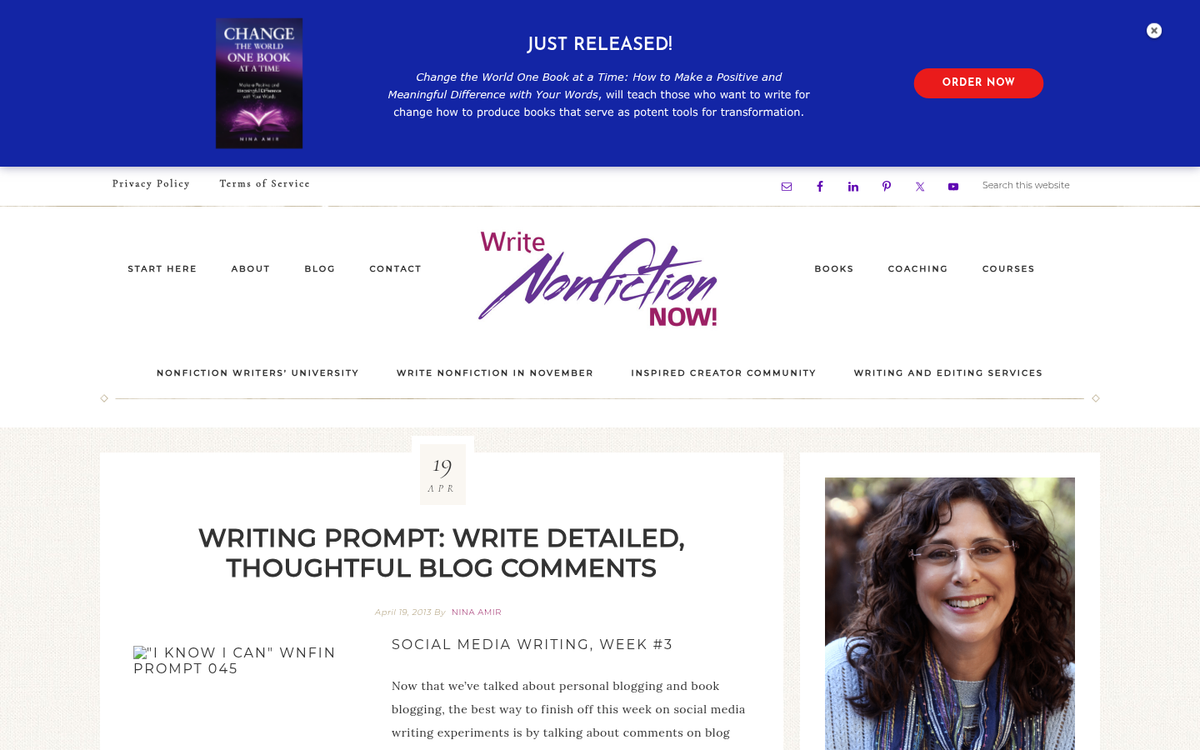
Each time you spot a comment opportunity, craft a response for that post. Aim for balance. Avoid writing anything longer than a paragraph or two - if you have more to say, save it and write a blog post about it instead. You can then comment on the original post again with a link to your follow-up piece, which gives you a natural, justified reason to include your link.
If you don't have quite that much to say but still have something valuable to contribute, just leave the thoughtful comment on its own. Don't shoehorn your link into the discussion where it doesn't belong. The comment itself is the value - the link is secondary.
Step 6: Follow Up on Comment Responses
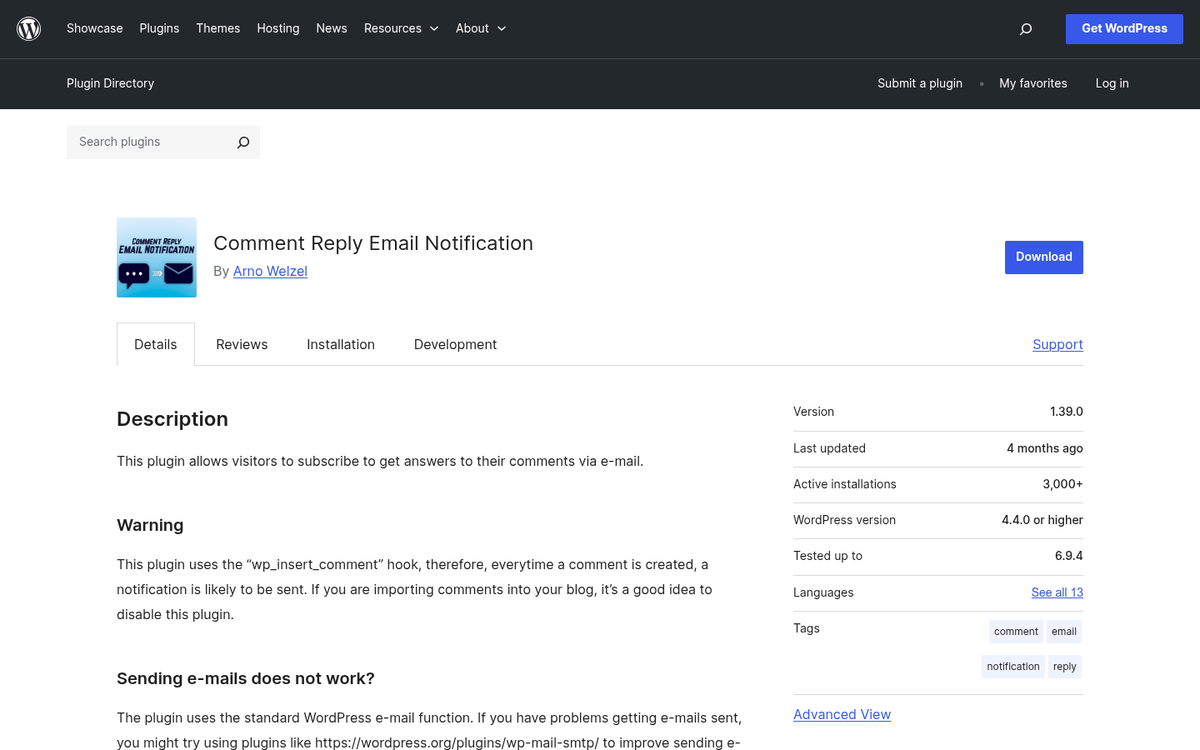
When you leave a comment, note the link to that specific comment and check back later. There's a chance the blogger responded with a thank you - in which case you can acknowledge it and move on. But there's also a chance they, or one of their readers, decided to continue the discussion. If that happens, you have a genuine opportunity to go deeper on the topic with both the blogger and their audience.
When a real discussion develops, linking to a relevant post of yours becomes natural rather than forced. Your goal in these cases is to steer the conversation organically toward something you've already written about, or to quickly write a new post and link it as further support for your position. This is the kind of engagement that builds real authority and long-term referral relationships.
Step 7: Repeat
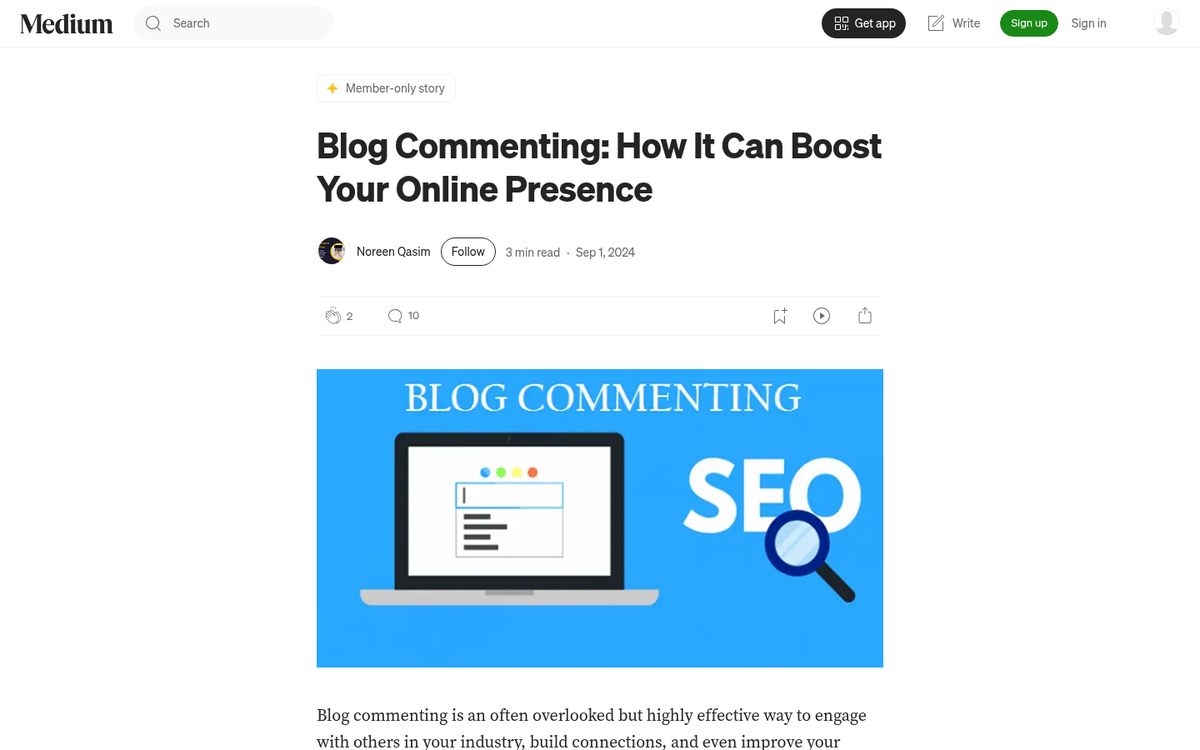
Repeat this process on an ongoing basis. By doing so consistently, you're accomplishing several things at once. First, you're building an online reputation as a knowledgeable and engaged voice in your niche. Second, you're driving steady referral traffic to your site from readers who genuinely find your comments useful. Third, you're avoiding a spam label by demonstrating you're in it for real conversation, not a quick link grab. Done right, blog commenting is a slow burn - but it's one that compounds over time.

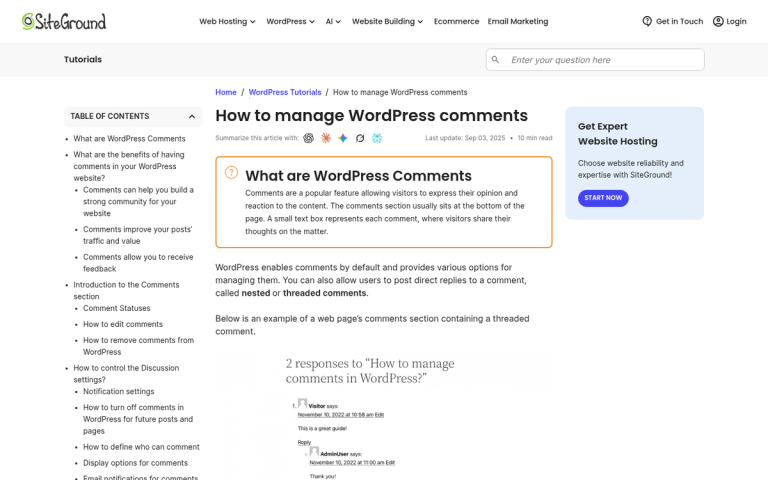

3 responses
Thoughtful replies only - we moderate for spam, AI slop, and off-topic rants.
Nice post and thanks for all the advice but still I have one confusion regarding spam. Sometimes it happens we write a great commenting and waiting for the response regarding that but in spite of any response they detect comment as spam. That moment was always annoying, what to do in such kind of situation.
Excellent Blog post and step by step guide. I have learned so much from your blog post. Thank you so much! But now it's very important to focus on keywords and Quality Content (unique). By the way, this blog is awesome for beginners and experts also.
Thank you so much, Sarah! We're really glad the guide was helpful for you. You've made a great point - keyword research and unique, quality content truly are the backbone of any solid SEO strategy. Without those elements, even the best commenting efforts won't go as far. Keep up the great work, and feel free to reach out if you ever have questions!