





Run a quick Google search on ways to increase traffic and you'll find dozens, if not hundreds, of methods listed across nearly as many blogs and websites. There are tips that work for brand new sites, tips that work when you're recovering from a penalty, tips that help revive a dead blog and tips to help the Fortune 500s grow even larger. There's something for everyone.
This article is not for everyone. The tips that follow specifically apply to growing a new website, from scratch or from a low ranking position. They will help you kick-start a new site into relevance, possibly faster than you can handle. Most will be free, or will be cheap and scalable.
Key Takeaways
- SEO takes 6-12 months to show ROI, so building a strong foundation-research, keywords, hosting-from day one is critical.
- Over 63% of web traffic comes from mobile devices, making mobile optimization a non-negotiable baseline requirement.
- Blog posts with video attract 70% more organic traffic; even simple embedded videos provide a meaningful competitive edge.
- Refreshing old content with updated stats and new sections is one of the fastest ways to recover or improve rankings.
- SEO drives over 1,000% more traffic than organic social media; social should supplement search strategy, not replace it.
Building a Foundation

These first tips work best if you haven't started to build your site yet, or if you're planning to launch a new site. A good foundation can let you hit the ground running, so to speak. Keep in mind that SEO campaigns typically take 6 to 12 months to achieve a positive return on investment, so the earlier you lay this groundwork, the better.
- 1. Do your research. Find a niche. If you're looking to blog for the cash, you're going to want to find a niche with a high number of monthly searches but manageable competition. If you're blogging for passion, you're going to want to find a niche that resonates with you. If your website is going to focus on a web store or corporate emphasis, you need to find something that ties in with your business. Remember that nearly 93% of global web traffic comes from Google Search, Google Images, and Google Maps, so orienting your strategy around search from day one is essential.
- 2. Invest in quality hosting and site speed. Invest in a well-coded site. Speed is not just a user experience issue - 40% of users will abandon a site that takes longer than 3 seconds to load. A fast, smooth, well-structured site puts you ahead of a significant percentage of websites out there. Speed remains one of the most potent search ranking factors that too many people still take for granted. Choosing a host optimized for speed can make a real difference from day one.
- 3. Create a keyword database. Once you have your niche, do a lot of keyword research. Look for primary keywords you can't hope to compete against the established blogs. Look for long-tail keywords, anything related to your niche, regardless of current coverage. Look for tertiary keywords, ways you might be able to expand your niche over time. This keyword document will help you brainstorm content ideas. Picking the right keywords is one of the most important steps you can take early on. Make sure to keep this up to date every few months.
- 4. Establish a content schedule right out of the gates. You don't necessarily need to publish a new blog post every day, but it doesn't hurt. You build a backlog of content quickly that way. Treat every post as an opportunity for incoming links and traffic. As long as you can keep up and support your content schedule, go for it.
- 5. Make sure you're fully optimized for mobile devices. As of early 2025, over 63% of all web traffic comes from mobile devices. This is no longer a nice-to-have - it is a baseline requirement. If you're advertising a local business, mobile optimization is even more critical. A site that performs poorly on mobile will lose rankings and visitors regardless of how strong the rest of your strategy is.
Creating the Best Content
These tips focus on the content you create for a blog. Some will apply for static content you create, such as product pages for whatever you may be selling. Most focus on blogging because, in the modern online world, blogging is essential for search ranking. Content marketing costs 62% less than traditional marketing while generating approximately three times as many leads, making it one of the highest-leverage investments a new site can make.
- 6. Focus on the basics. Your headline, your meta description, your subheadings, your formatting - it's all important. Establish a pattern for writing, or a guideline for the writers you hire. Allow for some flexibility, but make sure you have a minimum level of quality. The #1 organic result on Google carries an average click-through rate of 27.6%, compared to just 15.8% for the second position. That gap reinforces just how much the basics of on-page optimization matter.
- 7. Incorporate video into your content wherever it makes sense. Blog posts that include at least one video attract 70% more organic traffic than those without. You don't need a production studio - even simple screen recordings, explainers, or embedded YouTube videos can make a meaningful difference. A typical post should still aim for 1,000-2,000 words of quality written content, but adding video gives you a significant edge.
- 8. Find industry related blogs and respond to their content. If you're ever in need of ideas and a quick traffic boost, look for other industry blogs who aren't direct competitors. Find something in their recent posts you can respond to and write a response post. Link to their blog so they're notified, and post a comment on their post with your response. You can't do this too frequently, but it's a good shortcut to a boost in traffic.
- 9. Don't stress over keywords. Your keyword document isn't a bible. Treat it more as a source of potential inspiration. Ideally, you will be blogging frequently enough that you're going to cover most bases easily and constantly. You don't need to invest heavily in a single piece of optimized content when you can spend the same amount of effort creating a higher volume of posts at a strong but not perfectly optimized level. It's the 80/20 rule in effect.
Analysis and Iteration

These tips deal with monitoring your audience and how they behave. They also deal with how to find flaws in your site and fix them up. Skip ahead if you're already familiar with analytics and the concepts you need to apply.
- 10. Install and monitor analytics software. Google Analytics remains the standard, and when you're designing or redesigning a site, pair it with a heatmap tool. Analytics should never be removed, but can be supplemented with other suites. A heatmap is useful for extracting behavioral data about the user experience so you can optimize your navigation and reduce friction points that hurt conversions.
- 11. Avoid abandoning old posts; spruce them up instead. Content isn't dead once you post it. It's not like a flower you clip and put in a vase. It's more like a tree you plant. Nourish it, keep it up to date, and it can grow long after it's originally posted. Refreshing older posts with updated statistics, new sections, or embedded video is one of the fastest ways to recover or improve rankings without starting from scratch. Only the most trend-reliant content should be abandoned.
- 12. Identify popular content in your industry and do it one better. One of the most reliable ways to pull in traffic is to identify well-ranking resources in your industry, particularly slightly outdated ones, and produce a more thorough, more accurate, and better-presented version. This approach, sometimes called the Skyscraper Technique, works because it gives people a reason to link to your version instead.
Social Advertising
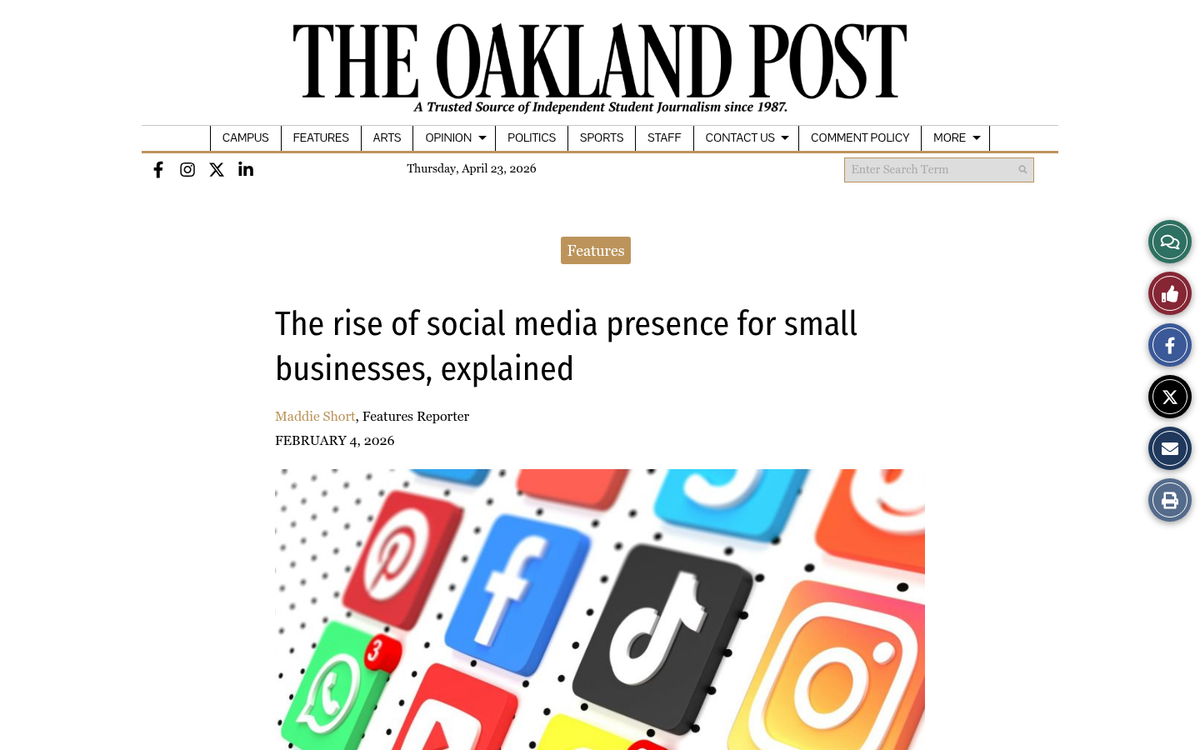
The most basic advertising you can do revolves around social media, and it's completely free. It's worth noting that SEO drives over 1,000% more traffic than organic social media, so social should be viewed as a supplement to your search strategy rather than a replacement for it. It's only when you get into PPC that you start to need a budget, and even then, you seldom need to spend more than a few dollars each day until you're certain you can turn a profit.
- 13. Share your posts on social media sites. It's simple and easy to establish a basic social media presence on the major networks. Use social scheduling tools such as Buffer or later alternatives to post your content across platforms when you publish it. While organic social alone won't drive the bulk of your traffic, it builds brand familiarity and can earn early shares that contribute to link building.
- 14. Make use of low-cost PPC advertising options. Paid social advertising can still be highly effective when used strategically. It's all about learning how to target the right audience. PPC can turn a modest daily budget into a growing newsletter list, a boost in traffic, or a set of early conversions that help you validate your niche before doubling down on content investment.
- 15. Guest post around your industry. Guest posting, done carefully, remains perfectly acceptable to the search engines. If you're going to guest post, put value above all else. A link is secondary, even tertiary to your purposes. Your goal is name recognition and genuine information value, not SEO ammunition. For added value, interview industry veterans. Interviews lend your site legitimacy and give you an easy source of authoritative, shareable content.

4 responses
Thoughtful replies only - we moderate for spam, AI slop, and off-topic rants.
Great Job ! i like it thanks for sharing ,i well also like to share it with my friends
web development company uae
This article was helful, thanks!
Great job. This article is helpful.
Thank you so much, Evans! We're really glad the article was helpful to you. Growing traffic for a new website can feel overwhelming at first, but with the right strategies in place, it definitely gets easier over time. If you ever have any questions or need clarification on any of the tips mentioned, feel free to ask. We're always happy to help! 😊