Key Takeaways
- Keyword stuffing has been penalized since 2011-2013; aim for roughly 1-1.5% keyword density with organic integration.
- Artificial link building tactics-exchanges, pyramids, and irrelevant links-violate Google's guidelines and risk manual penalties.
- Duplicate and spun content are actively filtered by Google's algorithms, which parse meaning, not just surface-level wording.
- Thin content pages that lack genuine user value are aggressively filtered out, especially as AI-generated content floods the web.
- Hidden text, link cloaking, and directory submissions remain black-hat techniques that can earn penalties with little or no benefit.
SEO Techniques That Can Hurt Your Site in 2026
SEO has existed nearly as long as the Internet itself, and certainly as long as search engines have been important. In that time, it has been a constant struggle between people who will do anything to get ahead and the search engines trying to keep the playing field level. Honest webmasters are caught in between, struggling to keep up with the fallout in ways they barely see.
Due to the nature of the Internet and SEO in general, once something is published, it tends to stay published - and with the power of SEO behind it, it tends to stay highly ranked. This means you can still find perfectly legitimate-looking articles promoting SEO techniques that haven't worked in years, some over a decade. Unless you know what's current, you might start implementing a strategy that will actively hurt your site. To help you navigate this, here's a list of techniques that are either no longer beneficial, actively harmful, or dangerously easy to get wrong.
Guest Blogging

Guest blogging is one of those "tricky to do properly" techniques. By itself, guest blogging isn't inherently bad. It builds your authority and gets your name in front of audiences far larger than your own. The problem arises when you start blasting every blog you can find with guest post requests, with the sole intention of dropping a link back to your site. That crosses into spam territory fast, and Google is very good at recognizing link-motivated guest posting at scale. If you're unsure whether allowing guest bloggers on your website is worth it, it's a question worth thinking through carefully.
Keyword Anchor Text
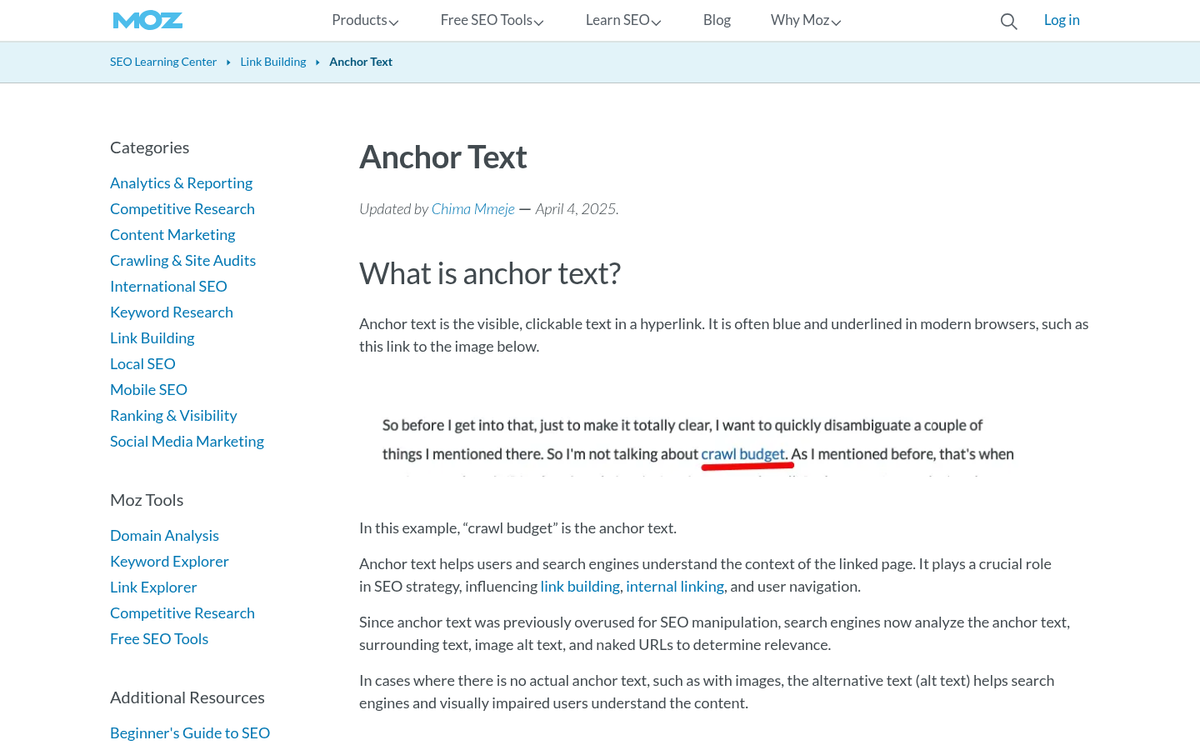
Also known as rich anchors, using your exact SEO keywords in link anchor text - especially in off-site links - can trigger red flags. It's perfectly fine for some keywords to appear in anchors occasionally, but when every link pointing to your site uses the same keyword-rich anchor text, it looks unnatural. It signals to Google that those links were paid for or artificially arranged, which can lead to penalties. Vary your anchor text and keep it contextually relevant. If you're building links, make sure you know how to get backlinks from relevant websites the right way to avoid raising red flags.
Keyword Stuffing
Keyword stuffing has been actively penalized since Google's algorithm updates in 2011, 2012, and 2013, yet it still shows up in bad SEO advice today. The old school thinking of targeting a keyword density of 3-5% is long dead. In 2026, the accepted approach is organic integration, with your main keyword appearing roughly 3-5 times across a 1,500-2,500 word piece, and secondary keywords appearing 1-3 times. That works out to approximately 1-1.5% density. This applies to your body content, titles, meta descriptions, and especially the meta keywords field, which has been completely ignored by Google for well over a decade. If you want to learn more about picking the right keywords for SEO, it's worth understanding how keyword placement and context matter far more than raw density. You can also monitor your keyword rankings to see how these changes affect your performance over time.
Hidden Text

Hidden text has legitimate uses - jQuery dropdowns, accessible labels, FAQ accordions - but using it to stuff keywords into a page that users never actually see is a black hat technique Google has penalized for years. The logic of "Google can read it even if users can't" is both outdated and risky. When in doubt, avoid it completely. If content is worth ranking for, it's worth showing to your readers.
Directories and Syndication
Submitting your site or content to article directories is essentially worthless in 2026. Google has long since mapped out every major directory and treats links from them as low-quality at best, manipulative at worst. Because directory submission exists purely to generate links rather than genuine traffic or editorial endorsement, Google treats it as an artificial link building tactic. At best, it does nothing. At worst, it contributes to a pattern that earns your site a manual penalty.
Syndication is a related trap that feeds directly into another problem:
Duplicate Content
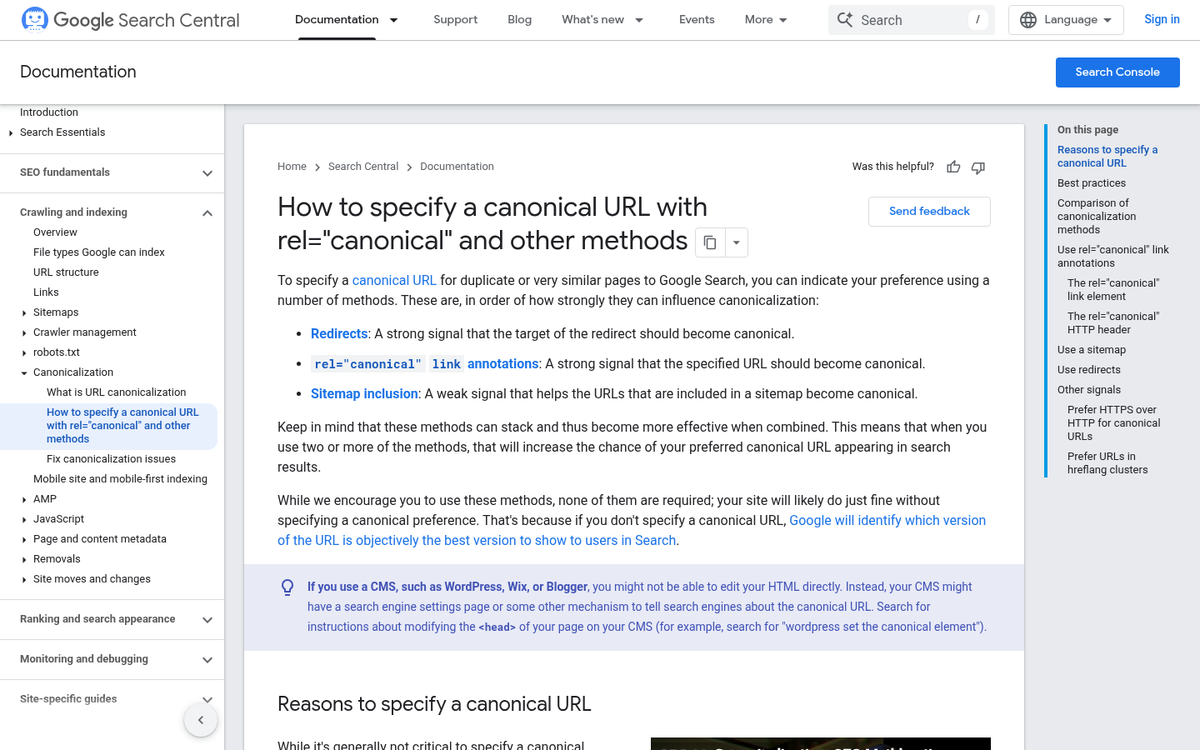
Publishing the same content in more than one place - whether you control both locations or not - remains a serious issue. Google's Panda update made this painfully clear when it first rolled out, and the algorithm has only gotten sharper since. Duplicate content includes everything from copying too much of a manufacturer's product description, to republishing your own articles across multiple domains, to syndicating content without proper canonical tags. If you syndicate, use the rel="canonical" tag correctly so Google knows which version is the original.
Link Exchanges
The name alone should tell you everything. Link exchanges - "I'll link to you if you link to me" - are a textbook artificial link building scheme. Google's guidelines are clear: links should exist because someone found your content genuinely valuable, not because of a transaction or arrangement. Any link building that doesn't pass that basic test is a liability. Build content worth linking to, earn those links naturally, and only once you have a solid understanding of Google's guidelines should you explore more advanced link acquisition strategies.
Thin Content

Thin content is any page that exists to occupy space rather than genuinely help a reader. A page with one short paragraph, a page that's essentially a glorified list of links, or a page clearly built around ad revenue rather than user value - these are exactly what Google's Panda and Hummingbird updates were designed to filter out. In 2026, with AI-generated content flooding the web, Google has become even more aggressive about rewarding depth, expertise, and genuine usefulness. Condense low-value pages, consolidate thin content into stronger pieces, and make every page earn its place.
Link Cloaking
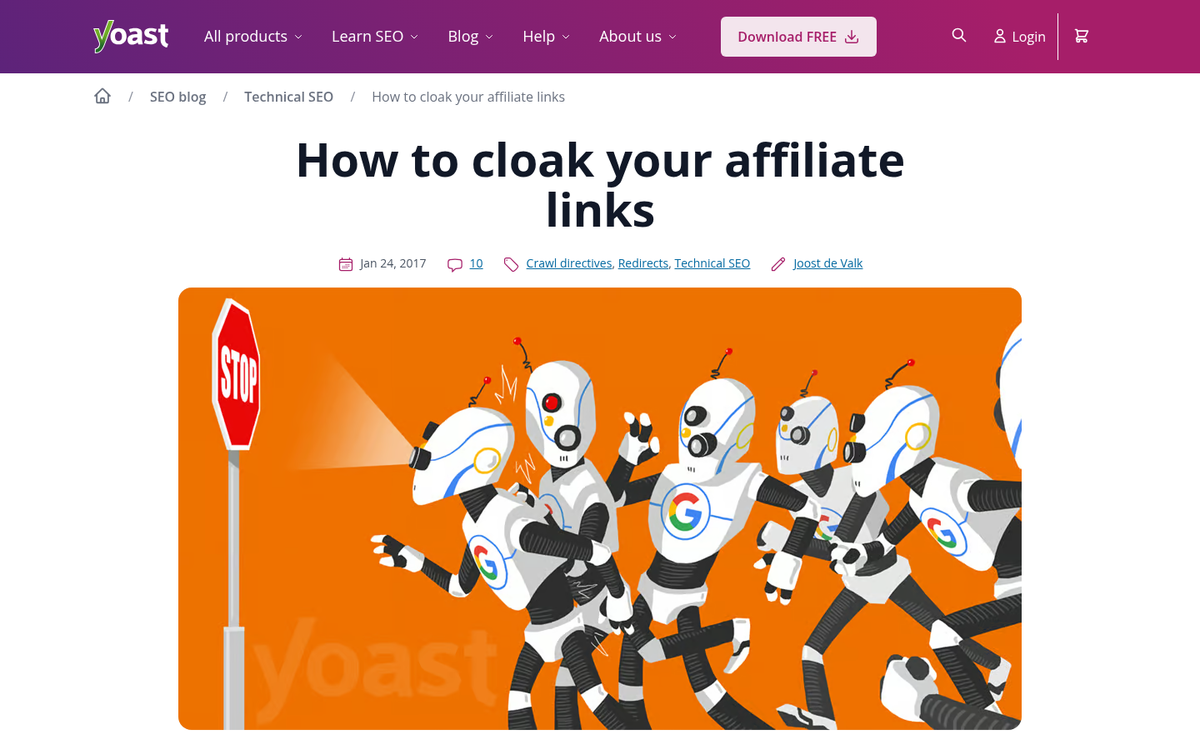
If a link tells a user they're going to www.example.com but the click actually routes them through a redirect to a monetized landing page, that's cloaking. It violates user trust and disrupts the experience Google is trying to protect. Be transparent about redirects, use them sparingly, and never use them to deceive either users or search engine crawlers. What you show Google should be what you show your visitors.
Link Pyramids
The link pyramid scheme involves building tiers of low-quality sites that link to slightly better sites, which in turn link to your site - all designed to launder link equity upward so the links pointing at you look legitimate. This has never been a safe strategy, and Google's ability to detect unnatural link patterns has only improved with time. Getting caught in a link pyramid scheme can result in a manual action against your entire site. The risk-to-reward ratio is simply not worth it, especially when there are legitimate ways to build links that won't put your site at risk.
Irrelevant Links
Chasing links from high-authority domains regardless of topical relevance is another tactic that looks better on paper than it performs in reality. A link to your bicycle repair blog from a commercial fishing website sends confusing signals to Google and offers zero value to the fishing site's audience. Google's algorithms are sophisticated enough to evaluate topical relevance as part of link quality assessment. Relevance matters - prioritize links from sites that are actually related to your niche.
Spun Content

Consider these two sentences:
- Spinning content is when you take one sentence and make another with the same meaning.
- Spinning content is what happens when a person adjusts the wording of a sentence to create another with similar meaning.
They mean the same thing, and Google knows it. Content spinning - taking existing articles and systematically rewording them to pass as new - has been ineffective for years because Google parses meaning and semantics, not just surface-level wording. In 2026, this is even more relevant as AI writing tools have made spun and low-originality content easier to produce than ever. Google's Helpful Content system and spam detection are specifically tuned to catch it. Original thinking and genuine expertise are what earn rankings now - there are no shortcuts.