Paid traffic works differently than organic web traffic. It comes with its own set of advantages and trade-offs, but the goal remains the same regardless of how visitors arrive: convert that traffic into paying customers.
Key Takeaways
- Paid traffic gives you control over timing, landing pages, and audience targeting-advantages organic traffic simply cannot match.
- Avoid low-quality traffic sources; bots and click farms waste budget and never convert into real customers.
- Send paid traffic to dedicated landing pages, not homepages-77% of advertisers make this costly mistake.
- Match landing page messaging and visuals to the ad creative; consistency reassures visitors and improves conversions significantly.
- Continuous A/B testing of headlines, CTAs, and offers is essential-brands that test relentlessly consistently outperform competitors.
The Benefits of Paid Traffic

There are a few clear benefits of paid traffic over organic traffic.
- You control the flow. When you want traffic, you open your wallet and turn it on. When you spot problems, you pause the campaign immediately so you're not burning budget while you fix things.
- You control the landing page. Organic traffic can land on virtually any page on your site. With paid traffic, you decide exactly where visitors arrive - a page you've built and optimized specifically for conversions.
- You know the source. Whether you're running Google Ads, Meta campaigns, or TikTok ads, you know exactly where your traffic is coming from. That lets you tailor the experience - custom messaging, platform-specific offers, and audience-matched creative - right from the first click.
Of course, these benefits come at a cost. Paid traffic requires real budget, and if you're not careful about where you're buying it, you can burn through money fast with nothing to show for it.
Different Kinds of Paid Traffic
Paid traffic comes in a number of forms, and the quality varies enormously depending on the source. Some channels will drive highly qualified visitors who are ready to buy. Others will pad your analytics with numbers that look impressive but convert to absolutely nothing.
The low-quality end of the spectrum still exists. Shady sellers offering hundreds of thousands of hits for a few dollars are still out there, and the traffic is still worthless - bots, click farms, or completely untargeted visitors with zero purchase intent. Avoid them entirely.
On the legitimate end, your options have actually expanded significantly since the early days of PPC. In 2026, the major paid traffic channels worth your attention include:
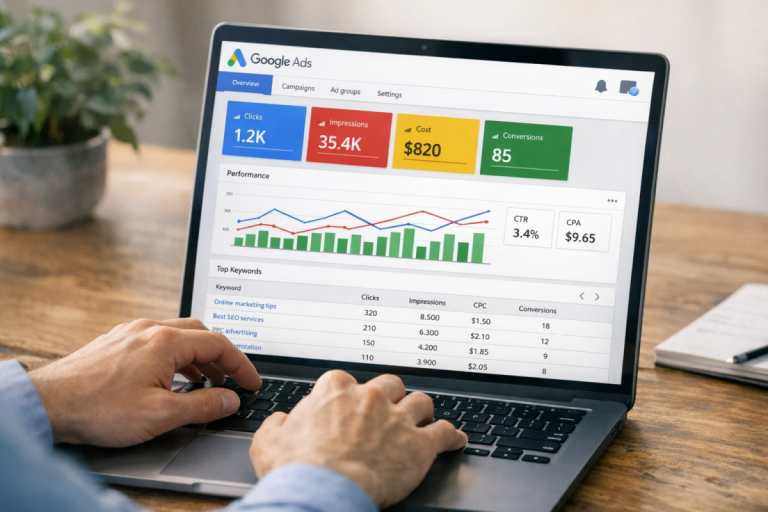
- Google Ads - Still one of the most powerful options for capturing high-intent search traffic. People searching for what you sell are often ready to buy.
- Meta Ads (Facebook and Instagram) - Demographic and interest-based targeting remains strong, and the platform's AI-driven campaign tools have become increasingly effective at finding buyers.
- TikTok Ads - A major player now, particularly for younger demographics and impulse-driven purchases. Short-form video creative performs extremely well here.
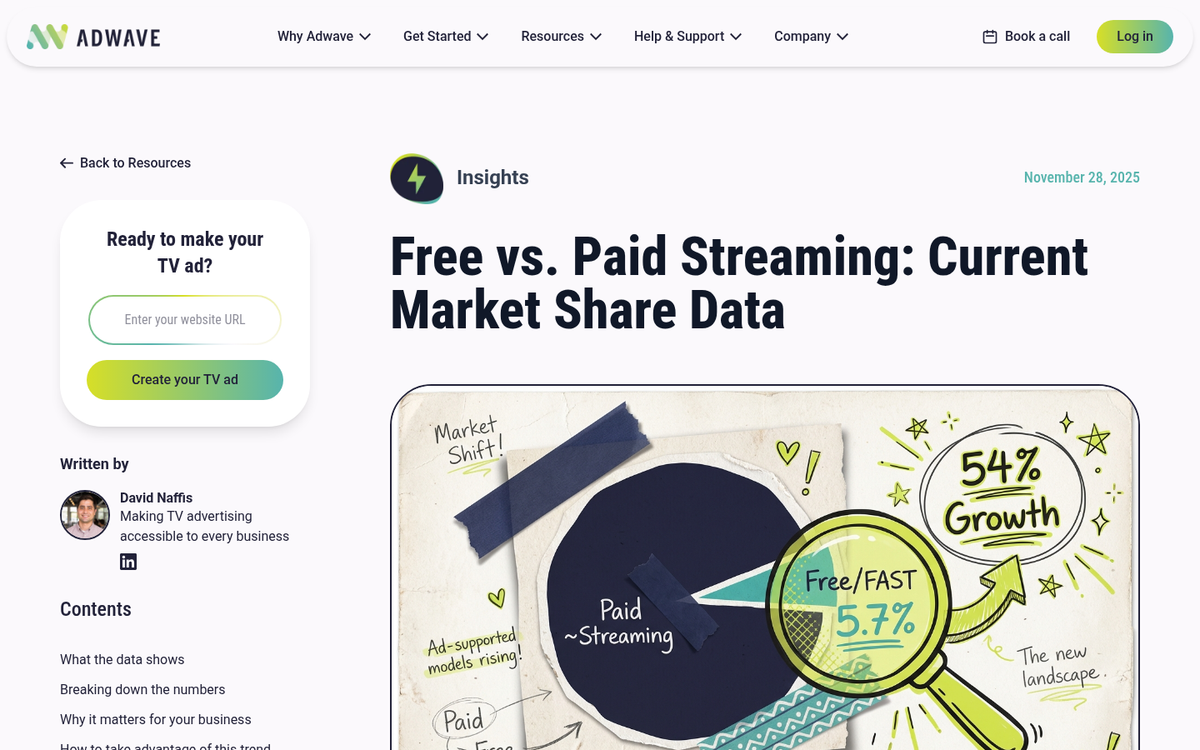
- YouTube Ads - Worth noting that YouTube ads convert at around 14% on average, significantly higher than standard display ads, which sit closer to 1.4%.
- Programmatic Display - Display ads now reach across more than 2 million websites and 650,000 apps, making them useful for retargeting and brand awareness campaigns.
The better targeted the traffic, the more likely visitors are to convert. There's no single best platform - you need to figure out where your audience actually spends time and meet them there. Targeting crafters and DIY enthusiasts? Pinterest and TikTok will outperform almost anything else. Selling B2B software? LinkedIn and Google search are likely your best bets.
Converting Paid Traffic
With paid traffic, you're working with a lot of known variables. You know roughly how many people will visit. You know which page they'll land on. You know where they came from. And with modern platform targeting, you often have a solid picture of who they are. Use all of that to your advantage.
Keep in mind that the average bounce rate for landing pages sits between 60-80%, and a surprising 77% of paid traffic still gets sent to homepages rather than dedicated landing pages. Don't make that mistake.
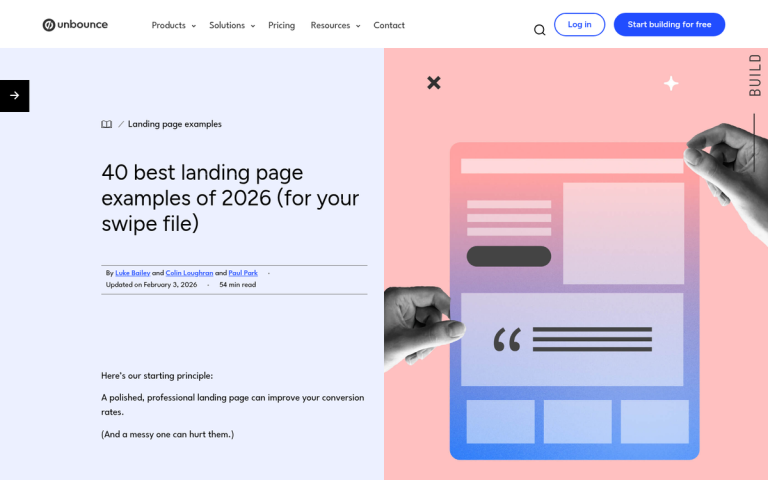
Start by building a proper landing page. Not your homepage - a focused, purpose-built page designed around one specific action. A strong landing page typically includes clear branding, a concise value proposition, social proof, and a simple conversion element. If you're running video creative, an embedded video that mirrors the ad can dramatically improve engagement. There are plenty of free landing page templates to help you get started quickly.
Keep your landing page consistent with the ad that brought visitors there. If someone clicks a Meta ad promising a free trial, the landing page should immediately reinforce that offer. Visual consistency matters too - matching colors, tone, and branding give visitors the passive reassurance that they're in the right place.
Be clear and accurate with your copy. Test different amounts of information. Some audiences want every detail before committing; others want to get to the point fast. The only way to know what works for your audience is to test it.
Limit visitors to one primary action. If the goal is an email opt-in, don't distract with product links or navigation menus. You can include more than one CTA button on the page - one above the fold, one further down - but they should both drive the same conversion. If you want to improve results, learning how to increase opt-in rates on your squeeze pages can make a significant difference. Multiple buttons, one goal.
Boost Social Validation
Social validation remains one of the most powerful conversion tools available, and it's worth building into your landing page in layers.
Platform-native social proof is the most immediate form. If your Meta ads show engagement - likes, comments, shares - that visibility can carry over and reinforce trust before someone even clicks. On-page, embedding live review feeds or showing real-time purchase notifications can serve a similar function.
Testimonials are still a staple, and they still work. Collect feedback from satisfied customers and feature the best of it prominently. Video testimonials have become increasingly effective - short, authentic clips outperform polished written quotes in most tests right now.
Influencer and creator validation has grown considerably as a category. This isn't just about celebrity endorsements anymore. Micro-influencers with highly engaged niche audiences often deliver stronger conversion signals than major names, particularly when the product fits naturally into their content.
Logo and partner validation still carries weight, especially in B2B contexts. If recognizable brands use your product or service, showing their logos on your landing page does a lot of the credibility work for you. If you're also wondering how share counters display on your content, that context can help you understand how social signals appear to visitors.
Testing
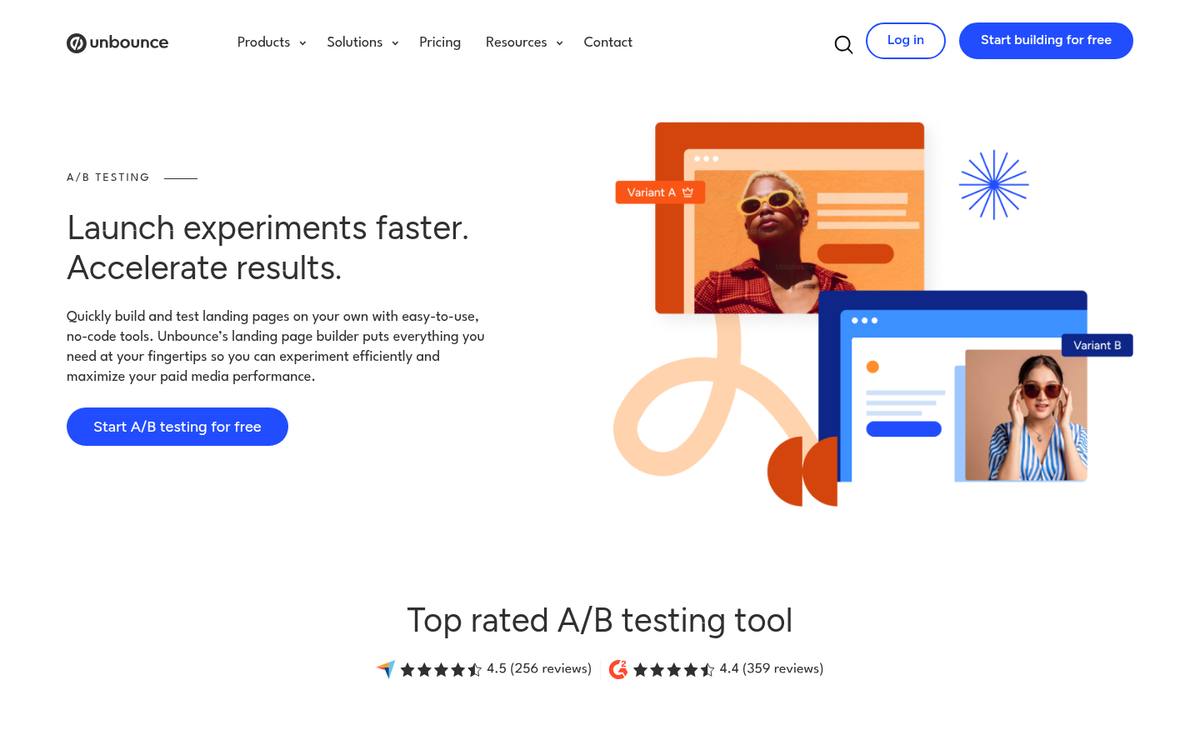
None of this matters without testing. Every element of your landing page - the headline, the CTA copy, the hero image, the form length, the offer itself - is a variable worth examining. Run two versions, split your traffic evenly between them, and measure which converts better.
When a change clearly improves performance, roll it out and start testing the next variable. Modern paid platforms have made this easier than ever, with built-in A/B testing tools and AI-driven optimization that can accelerate the process. Use them, but don't outsource your thinking entirely to the algorithm - understanding why something works makes you a better marketer.
The goal is continuous improvement. You'll never hit 100% conversion, but the brands that test relentlessly are the ones that pull ahead.