




AEO is the practice of structuring and presenting your content so AI-driven answer engines can find it and use it to respond to user queries - ideally citing or surfacing your site in the process.
Whether you're just hearing the term for the first time or looking to sharpen your existing strategy, you'll find helpful definitions and context here so you can move forward.
Quick Answer
Answer Engine Optimization (AEO) is the practice of optimizing content so it appears as direct answers in AI-powered tools like ChatGPT, Perplexity, Google's AI Overviews, and voice assistants. Unlike traditional SEO, which targets search rankings, AEO focuses on structured, concise, authoritative content that answer engines can extract and present directly to users. Key tactics include using clear question-and-answer formats, structured data markup, building topical authority, and earning citations from trusted sources. As AI-driven search grows, AEO is becoming essential for maintaining visibility when users skip traditional search results entirely.
What Answer Engine Optimization (AEO) Actually Means
AEO is the practice of structuring and presenting your content so AI-powered answer engines can read it, trust it, and pull from it. Those answer engines include tools like ChatGPT, Google AI Overviews, and Perplexity - places that generate direct replies instead of handing users a list of links to browse through.
You want to be the source the AI uses to construct its answer - not to get a user to click through to your page.
That distinction matters more than it may appear. Traditional SEO is built around earning a visible position in search results so users visit your site. AEO works differently because the user may never visit your site at all - the AI reads your content, extracts what it needs, and delivers that information directly to the user.
To get there, your content has to do a few things well - it needs to be easy for an AI to interpret, which means writing in a way that's structured and direct. It also needs to come across as credible and authoritative so the AI is more likely to trust it as a reliable source.
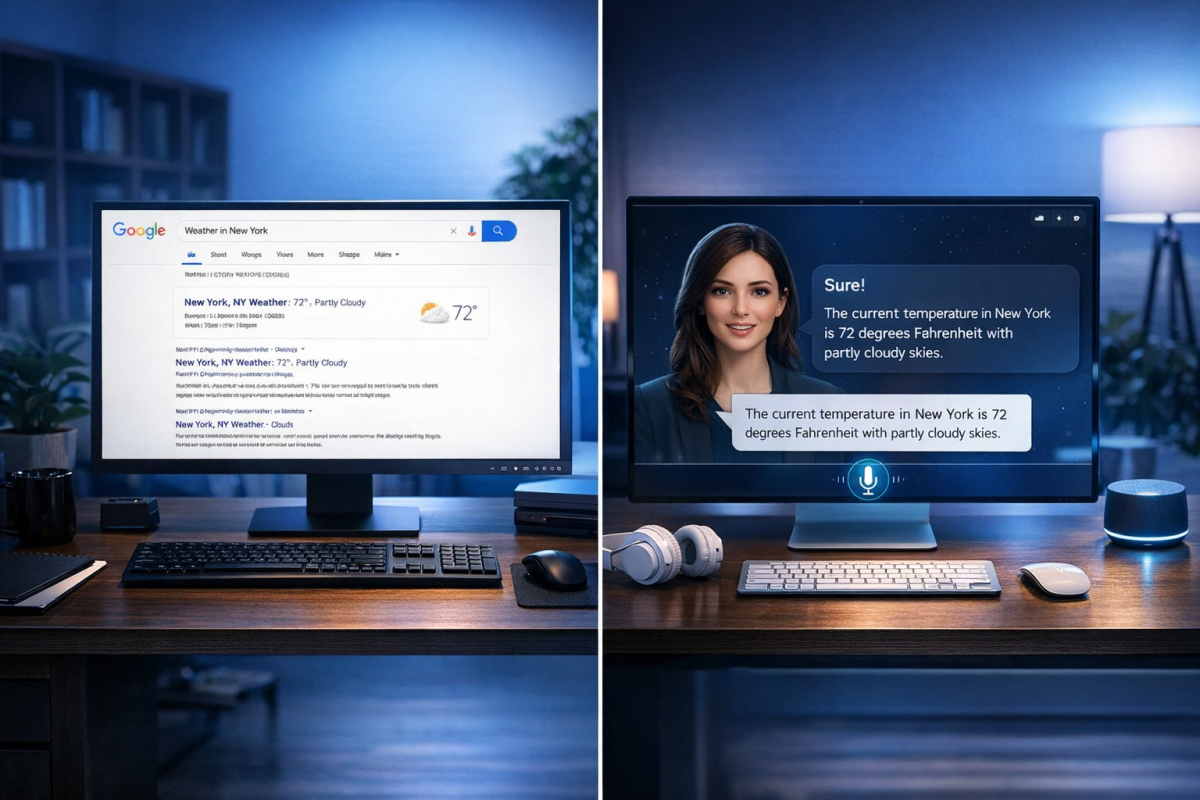
AEO is not about gaming an algorithm in the traditional sense - it's about presenting information in a way that an AI system can confidently use to answer a question on your behalf.
Think of it less like competing for a ranking and more like becoming a reference that an AI engine returns to because your content answers questions well. The engines themselves are doing the selecting, and they favor content that's accurate, well-organized, and helpful to the person asking. This is closely related to the broader trend of zero-click search, where users get answers without ever leaving the results page.
AEO sits alongside traditional SEO instead of replacing it. But it asks something different from your content strategy. That difference is the best place to start.
How AEO Differs From Traditional SEO
SEO and AEO share the same starting point - a user has a question - but they part ways almost immediately after that. SEO is built to get your content ranked on a results page so a user clicks through to your site. AEO is built to get your content selected as the answer, usually without a click happening at all.
That distinction matters more than it sounds. ChatGPT now handles over 10 billion queries a month and around 30% of them are commercial in nature. That is a giant pool of users researching products and services who never land on a search results page at all.
The success metrics are different too. With SEO, you track rankings, click-through rates and traffic. With AEO, the goal is to be the source an AI cites or reads aloud - which means trust and authority carry more weight than page position.

| Dimension | Traditional SEO | AEO |
|---|---|---|
| Primary goal | Rank high on a results page | Be selected as the direct answer |
| Success metric | Clicks and traffic | Citations and answer inclusion |
| Content format | Long-form, keyword-rich pages | Clear, structured, question-led content |
| Target platform | Google, Bing search results | AI tools like ChatGPT, Perplexity, Gemini |
Content format is where the key difference shows up. SEO tends to reward depth and keyword density across longer pages. AEO rewards content that answers a question directly and is easy for an AI to pull from and attribute.
It is worth thinking about which one you are actually optimizing for right now. Getting clicks is not the same as building the credibility that makes an AI engine treat your content as a reliable source. If you are focused on improving your overall ranking signals, those efforts can also strengthen the trust factors that AEO depends on.
The Types of Queries AEO Is Built to Target
Answer engines are designed to resolve a specific kind of search - the kind where someone wants a direct answer, not a list of links to browse. These searches come in a few shapes, and understanding them helps you see where AEO fits into your content strategy.
Definitional queries are the most straightforward. Someone types "what is a fixed-rate mortgage" or "what does DNS stand for" and they want one clean sentence in return. How-to questions are just as common - "how do I cancel my subscription" or "how do I fix a leaking tap" - and these tend to pull from content that comes in plain language.
Comparison queries are worth mentioning. When someone searches "difference between LLC and sole trader" or "WordPress vs Squarespace", AI tools try to pull a balanced answer from a single reliable source. If your content frames two options clearly and fairly, it can become a strong candidate to get cited. You can see this kind of structured comparison in action with guides that break down Squarespace as a blogging platform.
Conversational prompts are the newest category to grow. These are full questions typed in natural language - "what's the best way to store fresh herbs" or "is it worth getting travel insurance for a short trip". People type these into ChatGPT, Perplexity and Google's AI Overview the same way they'd ask a knowledgeable friend. Content built around travel-focused topics is a good example of where conversational queries land most naturally.

This matters for your website because around 42% of Google searches now trigger an AI-generated answer at the top of the page. That is a giant slice of possible visitors who may get what they need without ever clicking through to a site.
A plumber's customers may think "why does my boiler keep switching off". A software company's users may think "how do I export data from my account". These are the queries your content needs to answer with accuracy and confidence - because those are the ones answer engines are built to resolve.
What Makes Content Get Cited by AI Answer Engines
AI answer engines don't pull from sources at random. They favor pages that make the answer easy to find, easy to trust, and easy to verify. Getting that right can depend on a handful of content decisions that are well within any site owner's control.
The single biggest factor is answer placement. If your direct response to a question is buried three scrolls deep, AI engines will probably pass your page over. Put the core answer in the first paragraph or two, then use the rest of the page to expand on it.
Structured formatting matters just as much. Pages that use headings, short paragraphs, and logical flow give AI systems a much easier time extracting the right information. Schema markup helps too - it tells machines what a page is about in a language they read well.
Topical authority is another factor that shapes citation likelihood. A site that covers a subject in depth across multiple pages tends to get more trust from AI engines than one with a single standalone post - it's a matter of building a track record on a topic instead of taking a single shot at visibility.
Source credibility factors in as well. AI engines are more likely to cite pages that link to reliable references and are themselves linked to by credible sites. To put that in perspective, just three domains - Wikipedia, Reddit, and TechRadar - currently account for 22% of all AI citations. That tells you something about how much weight authority and reach carry in this space.
Here are the content attributes worth focusing on as a site owner.
- Place a direct, plain-language answer near the top of the page
- Use descriptive headings that match how questions are phrased
- Add schema markup relevant to your content type
- Build out related content to signal depth on a topic
- Link to credible external sources and earn links from them in return
- Keep your factual claims accurate and up to date
Common Missteps That Hurt Your AEO Visibility
Many site owners believe that strong SEO performance will carry over into AEO visibility- it won't, at least not automatically. The two overlap in some ways. But AEO rewards a very different content structure.
One survey by Acquia and Researchscape found that awareness of AI-driven search is high. But execution is limited. Most know this space matters. Fewer are doing anything about it correctly.
The most common mistake is burying the answer. Many pages open with a long introduction before getting to the point, and AI answer engines are not patient readers. They pull from wherever the clearest answer lives, so if your answer is three paragraphs deep, it may get skipped in favor of a page that leads with it.
Writing for keyword density instead of question resolution is another trap. A page stuffed with variations of a phrase does not help an AI engine understand what the answer actually is. You want to resolve a question directly- not to repeat a term enough times to rank.
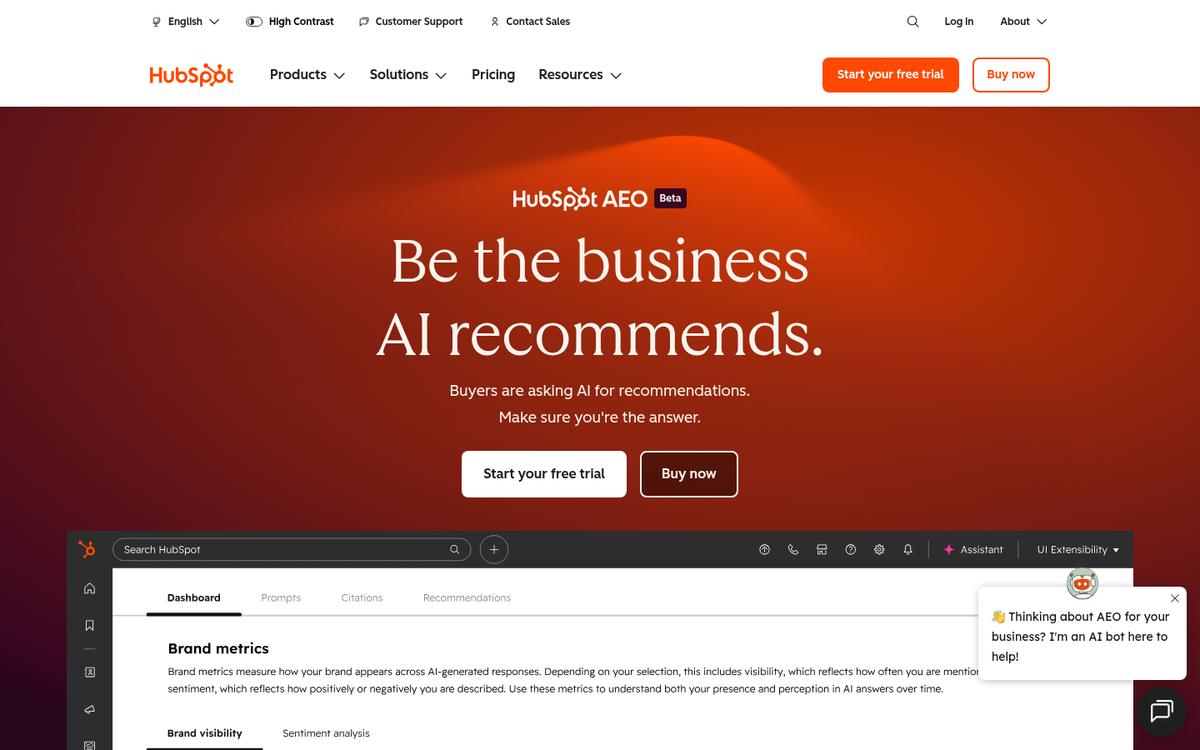
Missing structured data is a quieter problem that does damage. Schema markup helps AI systems understand the context of your content - what type of page it is, what the subject is, and how the information is organized. If you don't have it- even well-written content can be harder for answer engines to parse and trust.
It is also worth thinking past Google. ChatGPT, Perplexity, Microsoft Copilot, and other AI tools all pull from different sources with different logic. If your optimization strategy only accounts for Google's AI Overviews, you are leaving visibility on the table.
A quick mental audit covers three questions: does your content answer the question in the first one or two sentences, does it use structured data, and is it written to resolve something or just to rank for something? Those three questions will tell you quite a bit about where your content currently stands. If you're unsure how your overall content quality measures up, it helps to review ways to improve your blog's E-A-T score as a starting point.
How to Measure Whether Your AEO Efforts Are Working
AEO is harder to measure than SEO, and that's worth saying first. When an AI engine cites your content, it doesn't always send the user to your site. Data from Profound shows that ChatGPT referral traffic dropped 52% since mid-2024 - even as the number of citations went up. So more visibility doesn't automatically mean more clicks.
This means you'll have to look at different tells than you're used to. Traditional traffic metrics won't tell the full story on their own.
One of the most helpful tells to watch is branded search volume. When users see your brand name in an AI-generated answer, some of them will go to Google and search. A steady rise in branded searches can be a sign that your content is in front of new audiences through answer engines.
Direct traffic patterns are worth watching too. Users who see your brand cited in an AI response may type your URL directly into a browser instead of clicking a link - it's an indirect signal. But it's one that moves when your AEO visibility helps.
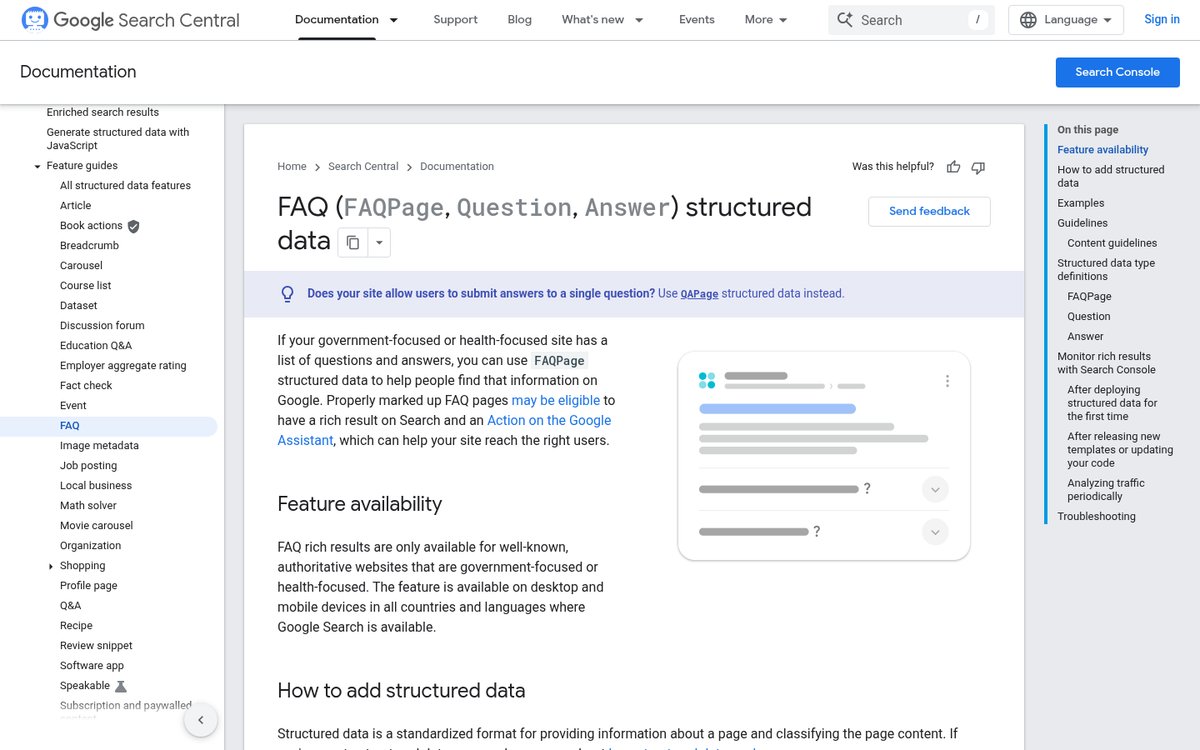
For more direct tracking, tools like Profound are built to monitor AI citations across places like ChatGPT and Perplexity. They give you an idea about how your brand appears in AI-generated replies and how that changes over time. Share of voice - how you appear compared to competitors in answer engine results - is a metric worth tracking in this space.
The definition of success is changing. A page that gets cited repeatedly in AI answers but sees flat organic traffic isn't necessarily failing - it may be doing what you want: putting your brand in front of people at the moment they're asking a question you can answer. Understanding how Google surfaces your site in traditional search can also inform how you think about visibility across answer engines.
Set up an easy tracking schedule that covers branded search volume, direct traffic, and at least one citation watching tool. You may also want to review tools that help you grow blog traffic as a complement to your AEO efforts. Then give it time before drawing conclusions.
Start Optimizing for Answers, Not Just Rankings
Pull up one of your highest-traffic pages and ask yourself: does this page have a self-contained answer to the question it targets? If the answer is buried in the third paragraph or padded with filler, tighten it up. Then check if you have FAQ schema in place. Those two steps alone - direct-answer structure and markup - can meaningfully improve how answer engines read and cite your content. If you're also running ads on those pages, reviewing your highest earning AdSense layouts alongside your AEO improvements can maximize the value of that traffic.
FAQs
What is Answer Engine Optimization (AEO)?
AEO is the practice of structuring content so AI-powered answer engines like ChatGPT, Perplexity, and Google AI Overviews can read, trust, and pull from it to answer user queries directly.
How does AEO differ from traditional SEO?
SEO aims to rank content so users click through to your site. AEO aims to get your content selected as the direct answer by an AI engine, often without any click occurring at all.
What types of queries does AEO target?
AEO targets definitional queries, how-to questions, comparison searches, and conversational prompts - essentially any search where a user wants a direct answer rather than a list of links to browse.
What makes AI answer engines more likely to cite content?
AI engines favor content with answers placed early, clear structured formatting, schema markup, strong topical authority, and links to credible external sources. Accurate, up-to-date factual claims also improve citation likelihood.
How can you measure whether AEO efforts are working?
Track branded search volume, direct traffic patterns, and use citation-monitoring tools like Profound. Traditional traffic metrics alone won't capture AEO visibility, since AI citations don't always result in direct clicks to your site.