Outbrain, Taboola, and Zemanta are three advertising networks built around a relatively straightforward but clever business model. I guarantee you've seen their ads before, but you may not have recognized them for what they are.
Just about every website these days has an in-site content discovery engine running. For a WordPress site, this is typically something like a related posts plugin that creates boxes in a sidebar, mid-content, or beneath an article. These boxes are filled dynamically each page load, containing a selection of other posts on your site, showing the headline and thumbnail of each post in an attempt to keep people browsing. After all, the longer people spend on the site, the more likely they are to become interested in one of your calls to action, and the more likely they are to become a subscriber or customer.
Native Advertising takes that "related posts" box and makes those links go to other sites entirely. They look like they would be content on your site, but when the user clicks through, they find themselves on a different domain altogether.
A lot has changed in this space since these platforms first launched. Zemanta was acquired by Outbrain back in 2017, the proposed Outbrain-Taboola merger famously fell apart, and the entire native advertising landscape has matured significantly. Let's break down where each platform stands today.
Key Takeaways
- Outbrain wins overall due to strict quality control, 10 billion daily recommendations, and stronger conversion rates than Taboola.
- Taboola is more accessible for publishers and advertisers but suffers from spammier placements, higher bounce rates, and lower conversions.
- Zemanta was acquired by Outbrain in 2017 and now functions as a programmatic DSP, no longer competing directly with Outbrain or Taboola.
- Native advertising effectiveness is declining as users grow more sophisticated, adblockers improve, and "native ad blindness" spreads industry-wide.
- Taboola's premium Top 30 network charges around $0.75 CPC but can match or outperform Outbrain's conversion quality at greater scale.
Outbrain
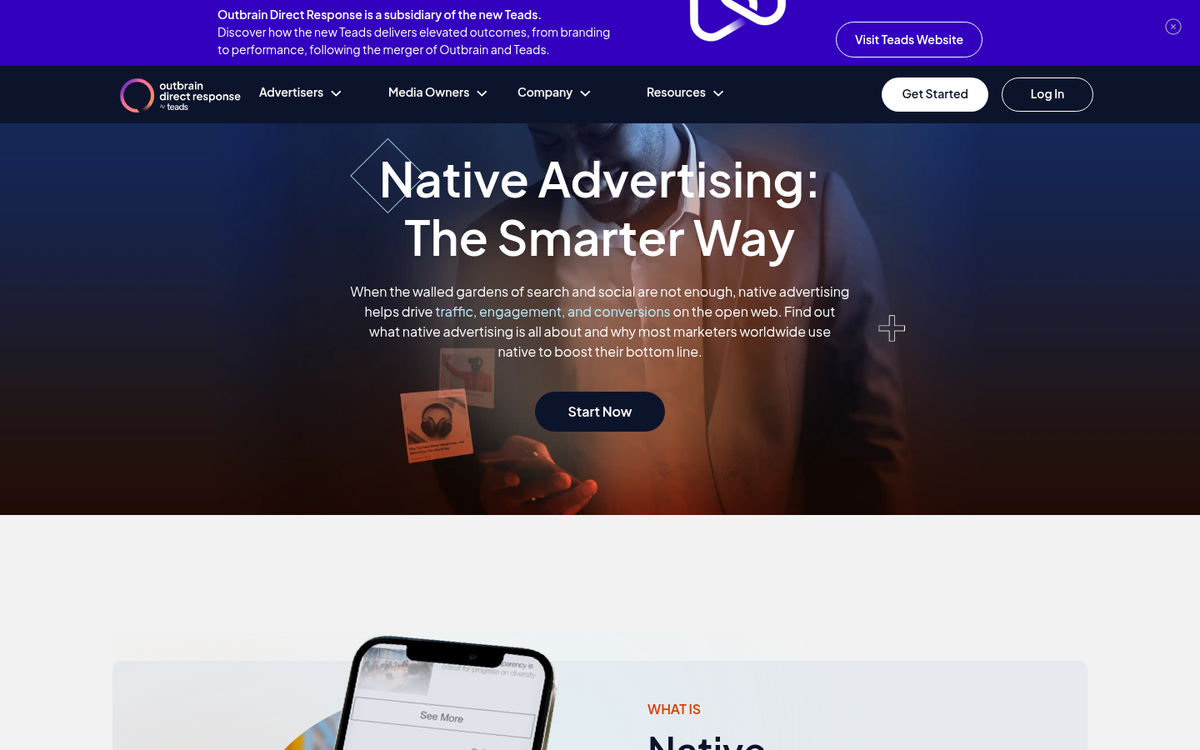
Outbrain is one of the older native advertising platforms and has maintained a significant share of the market. They're used by large brands across virtually every major industry, and by 2020 were delivering an average of 10 billion recommendations daily for over 20,000 advertisers. Their promoted articles have appeared on more than 108,000 websites, which gives you a sense of the scale they're operating at.
As a publisher, Outbrain still tends to favor larger sites, with their top-tier offerings requiring substantial monthly traffic. As an advertiser, the barrier to entry is lower - you simply need to be able to fund your campaigns.
On a technical level, Outbrain maintains strict content policies. They don't allow: adult content, misleading financial services, gambling, weapons, illegal drugs, tobacco, supplements with unsubstantiated claims, hate speech, scams, and malware - among others. They've historically been willing to absorb short-term revenue losses to maintain quality; back in 2012 they famously cut low-quality links even while acknowledging it would cost them roughly 25% of their revenue at the time.
Approximately 75% of Outbrain's revenue is paid back to the publisher displaying the links, which explains why quality publishers are willing to run their widget in the first place.
The average cost per click on Outbrain hovers around $0.25-$0.35, though this can vary significantly depending on niche and competition. Targeting options remain relatively broad compared to platforms like Google or Meta, though Outbrain has made improvements to its targeting capabilities over the years with interest-based and contextual options.
Outbrain's biggest strength is still its quality control. Spam sites, thin affiliate microsites, and pure clickbait operations are generally weeded out, which keeps the overall network cleaner than most alternatives.
Taboola
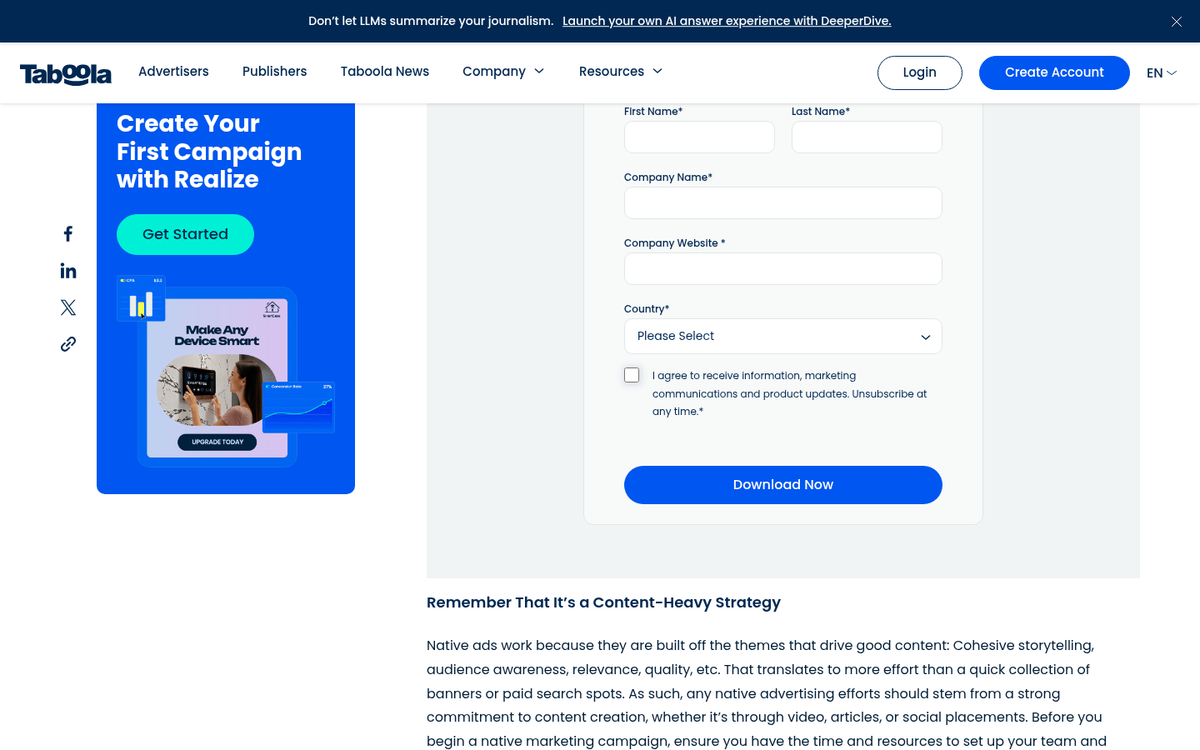
Taboola has been Outbrain's primary competitor for well over a decade now. The two companies actually agreed to merge in 2019, but that deal was called off in 2020 - so they remain separate, competing platforms. Taboola went public via SPAC in 2021 and has continued expanding its publisher relationships aggressively.
Taboola is much easier to get into as a publisher, with traffic requirements significantly lower than Outbrain's top tier. This opens them up to mid-sized sites that couldn't qualify for Outbrain's network, though meaningful scale is still required.
Taboola is also more permissive about content categories. They still prohibit copyright infringement, deceptive or malicious content, illegal content, hate speech, and pornography. However, they maintain a restricted but allowed category that includes alcohol, gambling, political content, certain financial products, weight loss, supplements, and e-cigarettes - all subject to additional scrutiny and pre-approval. Think of it like Facebook's ad approval process for sensitive categories: allowed, but you're going to get looked at more carefully.
The cost per click on Taboola is around $0.25-$0.35, comparable to Outbrain. However, Taboola offers a premium tier focused on their top 30 publisher sites, where CPC climbs to approximately $0.75. If your content performs well in premium placements, this can deliver meaningfully better traffic quality than their standard network. To get the most out of your spend, it's worth learning how to keep your click costs as low as possible.
Taboola's network does skew toward a spammier aesthetic in places, which results in higher bounce rates and lower conversion rates compared to other ad networks, particularly on lower-tier placements. That said, their reach is enormous, and for the right campaign it can absolutely deliver results.
Zemanta
Zemanta is a different beast today than it was when this post was first written. Outbrain acquired Zemanta in July 2017, and since then Zemanta has been repositioned as a programmatic native advertising platform rather than a standalone content discovery network competing directly with Outbrain and Taboola.
In its current form, Zemanta functions more as a demand-side platform (DSP) with a native advertising focus. It offers direct access to over 35 networks and exchanges specifically tailored for native advertising, making it a useful tool for advertisers who want to manage native campaigns across multiple networks from a single dashboard rather than going platform by platform. You can see examples of native ads in action across popular websites to get a better sense of what these placements look like.
This repositioning changes how you should think about Zemanta. It's no longer really a third-place competitor to Outbrain and Taboola - it's more of a programmatic layer that can complement or sit alongside those platforms depending on your needs. For sophisticated advertisers running native at scale, it can be a useful addition. For smaller advertisers looking for a simple entry point into native advertising, the top media buying platforms may be a better starting point than jumping straight into a DSP like Zemanta.
Winner: Outbrain
Zemanta, in its current DSP form, isn't really competing in the same lane as Outbrain and Taboola anymore. If you're a sophisticated media buyer looking for programmatic native reach across multiple exchanges, it deserves a look. If you're a small or mid-sized advertiser just getting started with native, it's probably not where you begin.
Of the two main competitors, Taboola comes in second for many of the same reasons it always has. It's more accessible, more permissive on content, and easier to get campaigns running quickly. The trade-off is a spammier presentation in places, higher bounce rates, and generally lower conversion quality on standard placements. That said, Taboola's premium Top 30 network changes the math considerably - if you're willing to pay the higher CPC and your content is a genuine fit, you can compete with or even outperform Outbrain on conversion quality while still benefiting from Taboola's scale.
Outbrain remains the gold standard for native advertising quality. The combination of strict publisher requirements, aggressive quality control, and massive daily reach - 10 billion recommendations per day across 108,000+ sites - makes it the default recommendation for advertisers who can meet their requirements and budget. Conversion rates tend to be stronger than Taboola's standard network, though the traffic volume equation depends heavily on your niche and budget.
The Problem with Native Advertising in 2026
The core issues with native advertising haven't gone away - if anything, they've intensified.
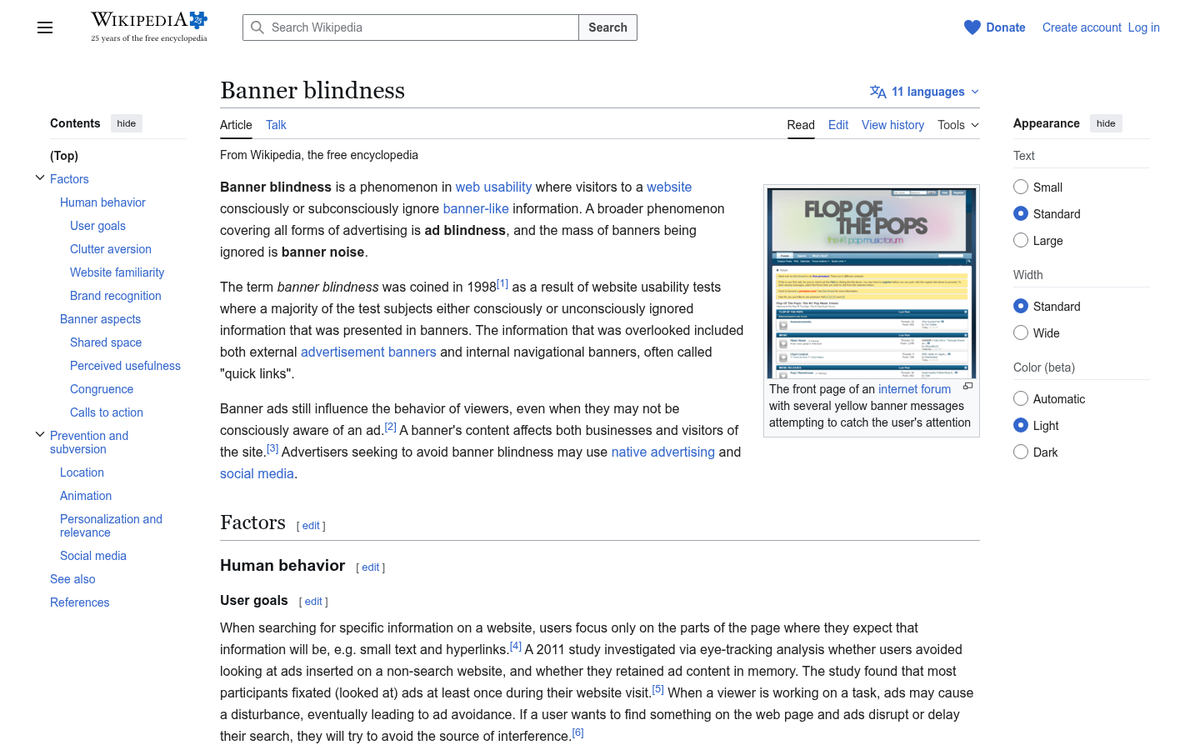
The first problem is that the more common native advertising becomes, the less effective it tends to be. Native ads worked brilliantly in the early days because users genuinely couldn't tell the difference between a related post widget and a paid placement. That gap has closed considerably. Modern users are more sophisticated, adblockers have improved at catching native placements, and even users who don't use adblockers have developed a kind of native ad blindness similar to the banner blindness that killed display advertising's golden era.
The second problem is that native advertising is still a minor betrayal of expectations. When someone clicks what looks like a related post, they expect to stay on the same site. When they don't, the immediate reaction is often to close the tab. Outbrain suffers from this less than others because of their quality standards, but no native platform is fully immune. Bounce rates across native advertising have trended upward industry-wide.
A third problem that has grown in importance is brand safety. As native ads have proliferated across lower-quality publishers, the risk of your ad appearing next to dubious or outright harmful content has increased. Both Outbrain and Taboola have invested in brand safety tools, but it remains an active concern for advertisers, particularly larger brands.
The honest truth is that the best-performing native advertising is often a direct relationship with a curated network of relevant sites - negotiating placements individually, ensuring contextual fit, and building something that looks genuinely editorial rather than algorithmically generated. You lose the convenience of a unified dashboard and cross-network reach, but you gain authenticity and typically better conversion metrics.
At the end of the day, you still have to test these networks yourself and see how they perform for your specific content and audience. Outbrain is the starting point if you can meet their requirements and budget. Taboola is a solid alternative with a lower barrier to entry, especially if you're willing to explore their premium placements. And Zemanta, in its current programmatic form, is worth a look if you're running native at scale and want consolidated cross-network management.