




Voice Search Optimization is a distinction that matters more than it might seem. When someone types a search query they might write "best CRM software small business." When they ask a voice assistant the same question they say something like "What's the best CRM software for a small business?" These are fundamentally different inputs, and the AI systems behind voice assistants - whether that's Siri, Google Assistant, Alexa, or others - are optimized to handle the latter. With over 8.4 billion voice-enabled devices in use globally, the audience for voice search is no longer a niche segment - it's the mainstream.
Voice search is one of the clearest expressions of how answer engines work: a user asks a question, an AI processes it, and a single answer is returned. There's no page two. There's no scrolling through results. Your content either makes the cut or it doesn't.
What follows breaks down what Voice Search Optimization actually means, why it matters as part of any modern content strategy, and the steps you can take to make your site more visible in a world where AI is increasingly the first stop between a question and an answer.
Quick Answer
Voice search optimization involves tailoring your content to match how people speak naturally. Focus on conversational, long-tail keywords and question-based phrases (who, what, where, when, why, how). Structure content to directly answer common questions, as voice assistants often pull from featured snippets. Ensure your site is mobile-friendly and loads quickly. Include local SEO elements since many voice searches are location-based. Use structured data markup to help search engines understand your content. Writing at a clear, accessible reading level also improves your chances of being selected as a voice search result.
How Voice Search Differs From Typed Search
When someone types a search query they like to strip it down to the bare minimum. A person looking for a nearby restaurant might type "Italian food near me" because typing full sentences takes time and effort. But when that same person uses voice search they say something quite a bit closer to how they actually think - "What's a good Italian restaurant close to me right now?" That small difference in input gives you a very different query for search engines to manage.
Typed searches are short and keyword-heavy. Voice searches are longer, more conversational, and usually framed as a question or a thought - this matters because the intent behind each format is slightly different too. Typed queries tend to be exploratory. But voice queries are more direct - users want a fast, usable answer they can act on immediately.
AI answer engines pick up on this pattern and look for content that gets to the point fast. If you're trying to drive more traffic to your blog, tools like Tailwind tribes can help surface your content to the right audience.
| Typed Query | Voice Query |
|---|---|
| best running shoes 2024 | What are the best running shoes to buy right now? |
| weather New York | What's the weather like in New York today? |
| headache remedies | How do I get rid of a headache without medication? |
| dog training tips | How do I stop my dog from barking at strangers? |
Voice answers also have a very different format from a standard search results page. When a voice assistant reads an answer aloud, it pulls from a single source and delivers one response - not ten blue links. One study found that these spoken answers average around 29 words, which is remarkably quick.
That is a tight target, and it comes from the nature of spoken delivery itself. A long answer read aloud is harder to follow than one on a screen. The entire system - from how questions are asked to how answers get delivered - works differently the second a voice is involved. Getting social share buttons on your posts can also help boost visibility across platforms.
Why AI Answer Engines Prioritize Voice-Friendly Content
AI systems like Google Assistant and Siri don't search the entire web in time to find an answer. They pull from a small pool of trusted pages, and the top three results account for over 80% of the answers these systems actually read out loud; it's a narrow window, and it matters quite a bit for how you think about your content.
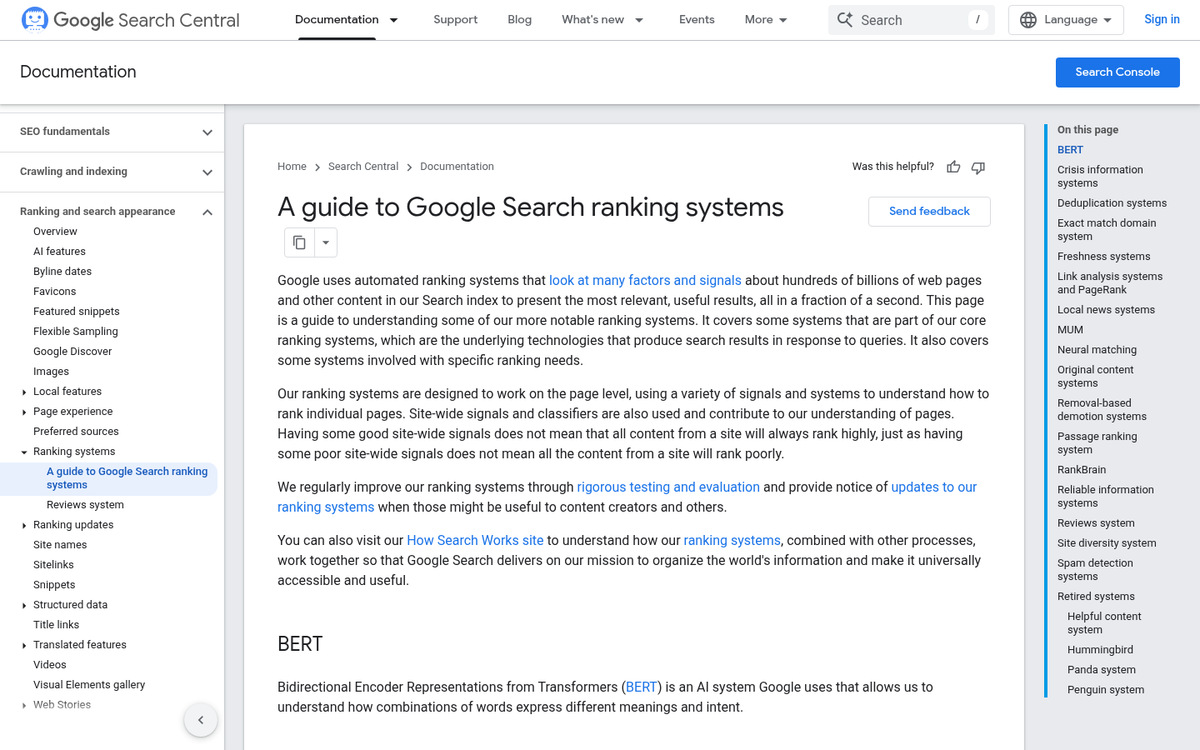
What makes a page trustworthy to an AI can depend on a few things. Page authority plays a big part, and so does HTTPS - pages without a protected connection are less likely to get picked. Load speed is another factor because a slow page signals poor maintenance to a crawler even before it reads a single word.
Structured content is where things get interesting. AI systems are built to scan pages fast and pull out a direct answer. When your content is organized with headings and short focused paragraphs, it's much easier for an engine to find what it needs and trust that your page answers the question well.
This is where voice optimization and answer engine optimization (AEO) start to blend together. The same page that earns a featured snippet in a typed search is usually the same page that gets read aloud in a voice search result. You're not chasing two separate goals here.

Think about what "trustworthy" actually means to an algorithm. Trust, from a machine's point of view, is a combination of tells - inbound links from respected sites, steady technical health, content that matches the intent of common questions, and fast reliable delivery to the user. Good writing and nice design don't factor in.
Pages that earn that trust share a few things in common. They answer questions directly and early in the content instead of building up slowly to a conclusion. They stay on topic without padding. And they are maintained well enough that technical tells don't work against them.
A well-structured page on a trusted domain gives the engine something to stand behind, and that confidence is what gets your content spoken out loud to a user instead of a competitor's.
The Role of Structured Data and Page Format
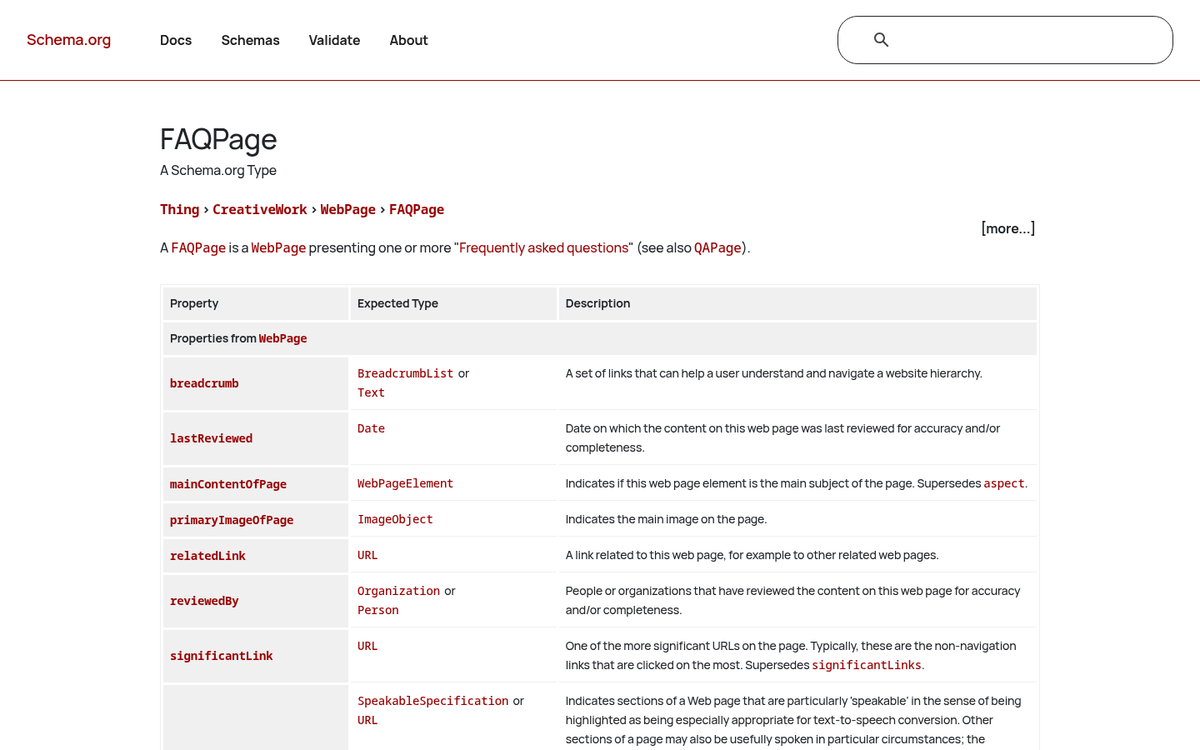
Schema markup is one of the most helpful tools you have for voice search - it gives AI engines a label system for your content, so they can find what a block of text actually is - an answer, a product, a review, a FAQ item. If you don't have it, a search engine has to guess at the meaning of your content instead of read it.
FAQ schema is worth mentioning here. When you mark up a question-and-answer section with the right schema, you make it much easier for an AI to pull a clean, direct answer from your page. That directness is what voice replies depend on.
Beyond schema, the way you physically format a page matters just as much. Short paragraphs, descriptive headers, and written answer blocks all help an AI engine scan your content and extract the right information fast. Good formatting does the heavy lifting for the engine and for your reader too.
When a page is well-organized with logical headers and tight paragraphs, readers find it easier to read and trust - a genuine double benefit.

Page depth and load speed also play a role. One study found that pages ranking for voice search average around 2,312 words in length and load roughly 52% faster than average pages. Voice-optimized pages are content-rich and technically lean at the same time.
Long-form content can still load faster if images are compressed, code is clean, and hosting is reliable. If you're looking for ways to speed things up, free CDNs can help your WordPress blog load significantly faster. Speed is mostly a technical problem to solve once and then maintain.
The depth side of the equation is about intent. A page that covers a topic - with supporting context, related questions, and well-organized sections - gives AI engines more material to work with. More material means more opportunities to match your content to a voice query. One effective tactic is to combine older posts into new comprehensive resources that give a topic fuller coverage.
The right format combines these elements into one coherent page. Schema markup tells the engine what things are, headers and short paragraphs make content easy to scan, and page speed makes everything accessible. None of these elements work as well in isolation as they do together.
Optimizing for Local and Conversational Voice Queries
A large share of voice searches have local intent - more than 58% of consumers have used voice search to find information about a local business. It's a significant slice of possible traffic, and it's worth making sure your site is positioned as well as possible to capture it.
When someone asks their phone "where can I get a coffee near me," search engines pull from whatever location signals they can find. Your NAP data - name, address, and phone number - needs to be consistent across your website, Google Business Profile, and any directories where your business is listed. Even small differences like "St." versus "Street" can create uncertainty for search engines trying to match your business to a local query.
Location pages also help quite a bit here. If your business serves multiple areas, a dedicated page for each location gives search engines something concrete to work with. A voice result can more easily surface a page that says "We serve customers in Austin, TX" than pull that context from a generic homepage.
Writing Content That Sounds Like Real Speech
Voice queries are longer and more conversational than typed searches. Someone typing might enter "plumber Chicago," but the same person using voice search might say "who is a good plumber near me in Chicago that's available on weekends." Your content should account for that difference.
Think about the questions your customers ask and write content that answers them in plain, natural language. A FAQ section works well for this because it lets you structure content around full questions instead of keyword fragments. You want to align with the way people talk - not the way they type. If you're also looking to acquire new sponsors for your website, well-structured conversational content can strengthen your pitch by demonstrating engaged, targeted traffic.
The table below shows some examples of how conversational voice queries compare to the content that tends to get picked up as a response.
| Voice Query Example | Optimized Content Response Format |
|---|---|
| What time does [business] open on Sundays? | FAQ entry with direct hours listed by day |
| Is there a dentist near me accepting new patients? | Location page with availability and contact info |
| How much does it cost to hire a dog trainer? | Pricing page with plain-language cost breakdown |
| What's the best way to unclog a drain at home? | Step-by-step guide written in conversational tone |
Each response format matches the intent behind the question. A vague paragraph won't satisfy a "how much" question. But a clean and direct answer has a much better chance of being read aloud by a voice assistant.
Common Mistakes That Hurt Your Voice Search Visibility
A lot of site owners spend time improving their content quality and still see disappointing results. The problem is usually the structure around the content- not the content itself. That distinction matters quite a bit.
One thing that gets ignored more than it should is HTTPS. Over 70% of voice search results come from pages with a protected connection, so if your site still runs on HTTP, you're working against yourself before anyone even reads a word- it's a technical fix, but the results are worth it.
Content that's too vague is another stumbling block. Voice assistants need to extract a direct, self-contained answer from your page, and if your writing dances around the point without landing on one, the AI has nothing helpful to pull. You want to answer the question in full within a sentence or two, then expand from there.

The opposite problem is as damaging. If your answer is buried inside a long, dense paragraph, the AI still won't find it. Write for a person who needs the answer - not settling in to read. Front-load the answer, then add the context.
Skipping structured markup is a missed opportunity that site owners don't know they're missing. Schema markup helps search engines understand what your content is about, and that feeds directly into voice results. You don't need to mark up everything. But FAQ schema and how-to schema are worth the effort for pages where voice traffic would be helpful.
Mobile performance is easy to deprioritize when you're focused on content. But most voice searches happen on mobile devices. A page that loads slowly or shows poorly on a phone is less likely to be selected as a voice result, regardless of how well-written it is. PageSpeed Insights is a free tool worth running on your most important pages.
The common thread here is that none of these are content quality failures. Your writing can be accurate, helpful, and well-researched, and you can still lose ground to a competitor whose page loads faster and uses cleaner structure. A quick technical check on your top-performing pages can show if any of these gaps are holding them back.
Make Your Website the Answer, Not Just a Result
The encouraging news is that you don't need to rebuild your site from scratch. Some of the most impactful wins come from small, deliberate changes to content you've already published - tightening a definition, adding a FAQ block, or making sure your business facts are consistent across every platform. Those adjustments, viewed through an Answer Engine Optimization mindset, can meaningfully improve how voice assistants interpret and surface your pages.
A helpful place to start is to audit your highest-traffic pages for voice-readiness. Think about whether each page answers a question, loads fast on mobile, and speaks in the natural language your audience actually uses. That single exercise will surface more opportunities - and give you a focused, manageable roadmap for the work ahead.
FAQs
How does voice search differ from typed search queries?
Voice searches are longer and conversational, often framed as full questions, while typed searches are short and keyword-heavy. For example, someone might type "Italian food near me" but ask aloud "What's a good Italian restaurant close to me right now?"
Why do AI assistants only return one voice search answer?
Voice assistants deliver spoken responses, making multiple results impractical. They pull from a small pool of trusted pages, with the top three organic results accounting for over 80% of answers read aloud.
What is schema markup and why does it matter?
Schema markup labels your content so AI engines can identify what it is-an answer, FAQ, or product. FAQ schema in particular helps voice assistants extract clean, direct answers from your page more reliably.
How important is local optimization for voice search?
Very important-over 58% of consumers have used voice search to find local business information. Consistent NAP data (name, address, phone) across your website, Google Business Profile, and directories is essential for appearing in local voice results.
What common technical mistakes hurt voice search visibility?
Running on HTTP instead of HTTPS, slow mobile load speeds, and skipping structured markup are the biggest technical mistakes. Over 70% of voice search results come from HTTPS-secured pages, and most voice searches happen on mobile devices.