Key Takeaways
- Retaining existing clients is far cheaper than acquiring new ones, making client satisfaction a core business priority.
- Proactive communication - sharing updates, flagging issues early, and meeting deadlines - builds trust and reduces client anxiety.
- Rank clients by value and profitability; deprioritize or drop low-return, high-stress clients who drain your time and energy.
- Overdeliver slightly, welcome feedback, and show genuine appreciation to strengthen loyalty beyond transactional relationships.
- Every client relationship is unique - know when standard rules apply and when the situation demands flexible, thoughtful judgment.
Bringing in new customers is just one part of a robust business. It's both easier and cheaper to sell to users who have already bought from you before - they know you, they trust you, and they have experience with you. In fact, it costs five times as much to attract a new customer than to keep an existing one. The caveat, of course, is that you have to keep them happy. According to Harris Interactive, after poor customer service, 89% of consumers switched to a competitor - and 68% of customers leave brands simply due to poor treatment. How can you keep your clients happy?
1. Try to always say yes.
Clients don't like being told no, and they like even less when they're told their ideas are wrong or unworkable. Try to accommodate them the best you can, while working to stay within practical and ethical boundaries. Frame limitations as redirections rather than rejections.
2. Document everything.
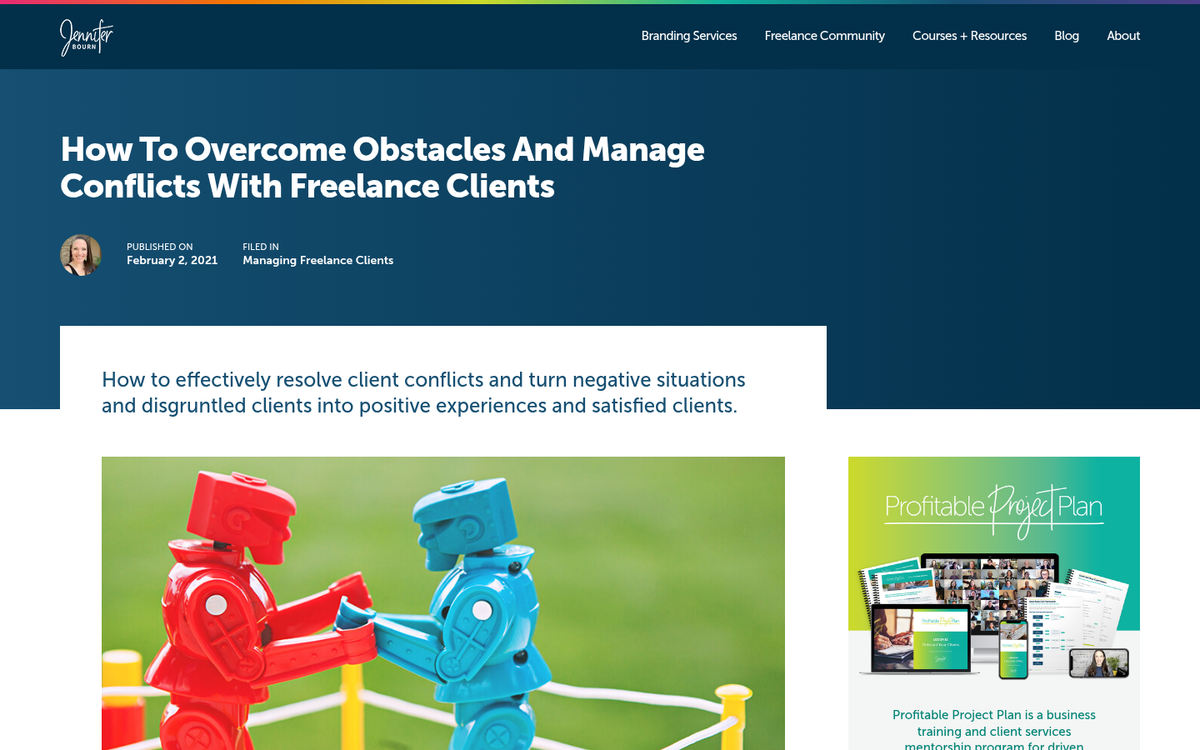
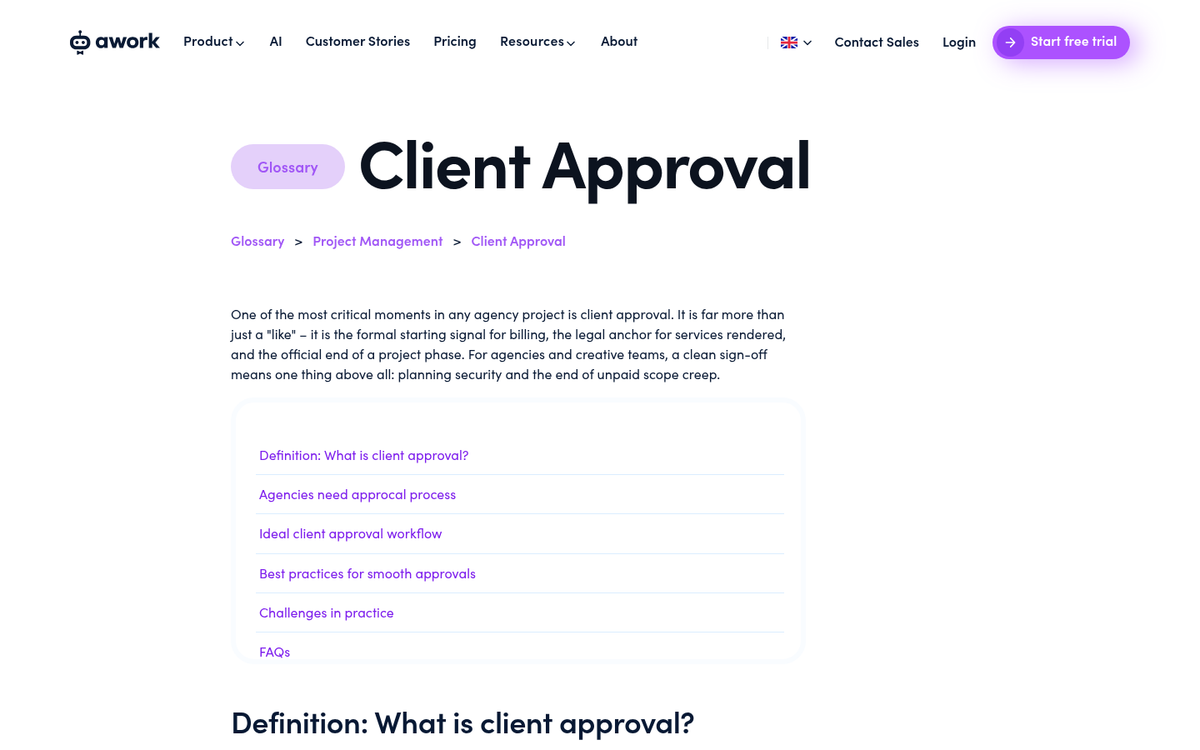
You might not always have a client looking over your shoulder asking questions, but you should always be prepared to answer any questions they might have, complete with documentation and rationale. Use shared project management tools like Notion, ClickUp, or Basecamp to keep everything transparent and accessible.
3. Bring up issues proactively.

Don't wait for the client to wonder where their project is to explain you ran into an issue; bring up problems as soon as possible, explain the options, get feedback if necessary, and make sure to over-estimate the scale. That way, when it takes less time and money to solve, your clients will be doubly pleased.
4. Don't be late.

If you're ever going to be late, tell the client as early as possible. Issues aren't typically scheduled, but keeping your clients informed at every stage builds trust and reduces anxiety on their end.
5. Adapt to changing times.
Client businesses tend to stick with what works, even if the definition of "what works" has changed significantly. Keep your services current - whether that means staying on top of AI-driven marketing, algorithm updates, or emerging platforms - and make sure your clients understand why evolution matters for their results.
6. Rank your clients.

Typically, you can file your clients into three categories. You have your high-value clients: those who generate strong profits, are easy to work with, and provide recurring business. You have your mid-range clients, who may be more demanding or whose profit margins are thinner. Then you have your low-priority clients - those whose time cost consistently outweighs their return.
7. Know when to drop your low-priority clients.

If a difficult, low-return client is eating up time that could be spent on a high-value account, it may be time to end the relationship professionally. At the very least, deprioritise them and redirect your energy where it counts most.
8. Schedule your communication windows.

You should be reachable, but on your terms. Define your communication hours clearly upfront and stick to them. Whether you're communicating via email, Slack, or a client portal, avoid the habit of responding instantly at all hours - it sets an unsustainable expectation and burns you out fast.
9. Never work for free.

This includes spending excessive time going above and beyond without compensation. If you don't value your time, neither will your clients. They may even begin to question the worth of your services - if it were truly valuable, surely you'd charge accordingly. Set clear boundaries and scope agreements from the start.
10. Fire stressful clients.
Drop clients who abuse you, harass you, or escalate at the slightest inconvenience. Losing that revenue can sting short-term, but chronic stress bleeds into every other client relationship. When you're constantly overwhelmed, your communication suffers and your error rate climbs. Protect your capacity.
11. Overdeliver - but just a little.

Deliver more than the client pays for, but only by a meaningful margin. Giving 110% is a solid benchmark. The danger comes when that becomes your new baseline and you're routinely giving 150-200% for the same rate. Keep the extras genuinely special, not an expected standard. If your client ever disputes payment, it helps to know what you can do if an affiliate doesn't pay you.
12. Avoid open-ended offers.

Skip the vague "let me know if there's anything else I can do." It's too passive and leaves both parties underwhelmed. Instead, come to your client with specific, considered suggestions for what could come next. It shows initiative and gives them something concrete to respond to.
13. Maintain quality customer service - consistently.

The old "customer is always right" model has largely given way to a more balanced approach: the customer deserves to be heard and respected, even when they're wrong. According to the Harvard Business Review, 48% of customers who had a negative experience told 10 or more others. Your reputation travels fast - make sure it's working in your favour. Can your business survive on word of mouth alone if your reputation takes a hit?
14. Watch your competition.
Monitor the kind of client experience your competitors are offering and aim to do it better. It doesn't always have to be dramatic - sometimes a faster response time or a cleaner reporting dashboard is enough to set you apart. You can also gain an edge by snooping on competitors to see what's working for them. Make yourself the obvious choice.
15. Take responsibility.

Even if it's a client mistake, if it's something you can own without lasting damage to your business, go ahead and own it. Clients remember how you handled problems far longer than they remember the problems themselves.
16. Vulnerability is humanising.

Admit when you don't know something, and commit to finding out. If a client asks a genuinely tough question and you don't have the answer ready, say so - and then actually follow up. It builds more trust than bluffing ever could.
17. Deliver on time, as promised.

Deadlines are deadlines. If you promise delivery on Tuesday, deliver on Tuesday. You can offer expedited turnaround as a premium service, but don't let standard delivery become a moveable feast. Consistency here is one of the easiest wins available to you.
18. Thank your clients.
A genuine thank-you - whether that's a handwritten note, a personal email, or a small gesture - goes a long way. Most business relationships are transactional. Standing out as someone who actually appreciates the partnership is memorable.
19. Keep clients updated on project progress.

Depending on the project timeline, regular check-ins help clients feel informed and reassured, especially when things are going smoothly. Don't make them chase you for updates. A brief weekly summary or milestone notification can make a big difference.
20. Be extra social.
If you see a client in person, take a moment to connect genuinely. For your top-tier clients, consider sending cards, small gifts, or personalised messages around meaningful occasions. These small investments in the relationship pay dividends in loyalty.
21. Follow up.
Reach out to clients you haven't heard from in a while. A simple, non-pushy check-in can re-open a conversation with someone who's sitting on a project they just hadn't prioritised yet. According to a Nielsen Global Survey, 92% of consumers trust recommendations from people they know - being present keeps you front of mind.
22. Ask real questions.

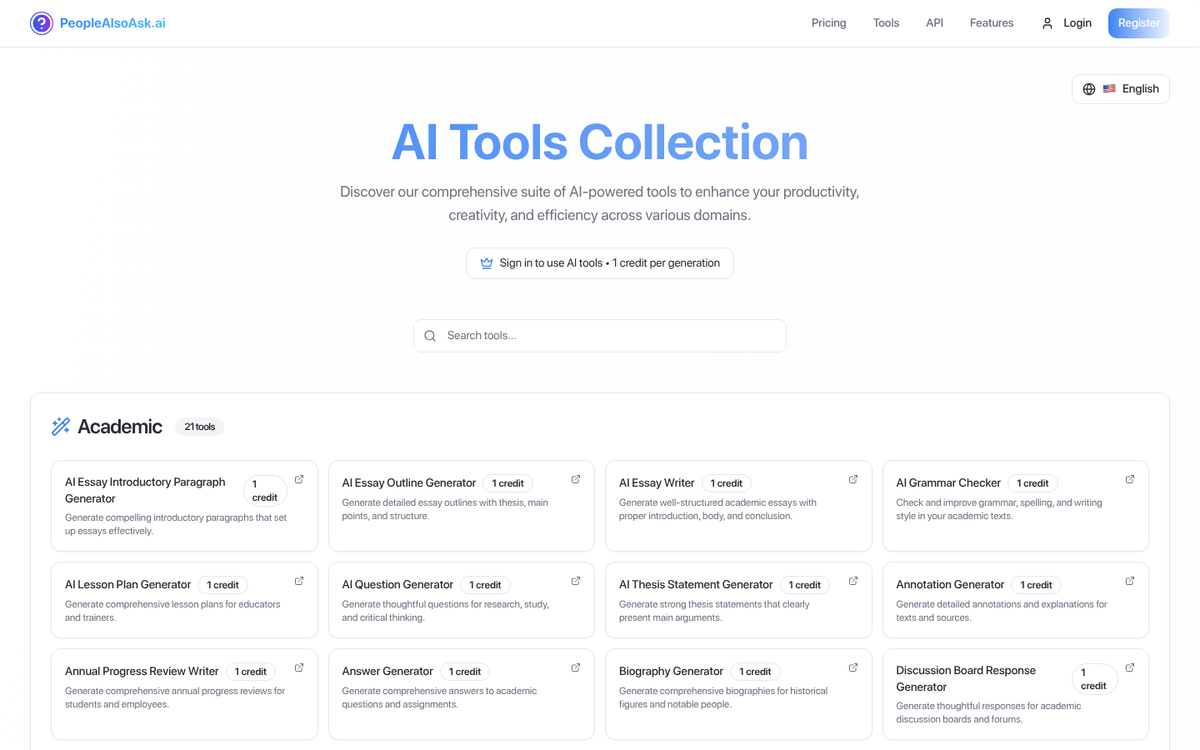
Get to know your clients well enough to understand their business challenges from their perspective. The more context you have, the better positioned you are to anticipate needs before they become pain points - and that's when you become indispensable. Using tools like a People Also Ask outline generator can help you discover the real questions your audience is asking.
23. Maintain a list of trusted partner businesses.
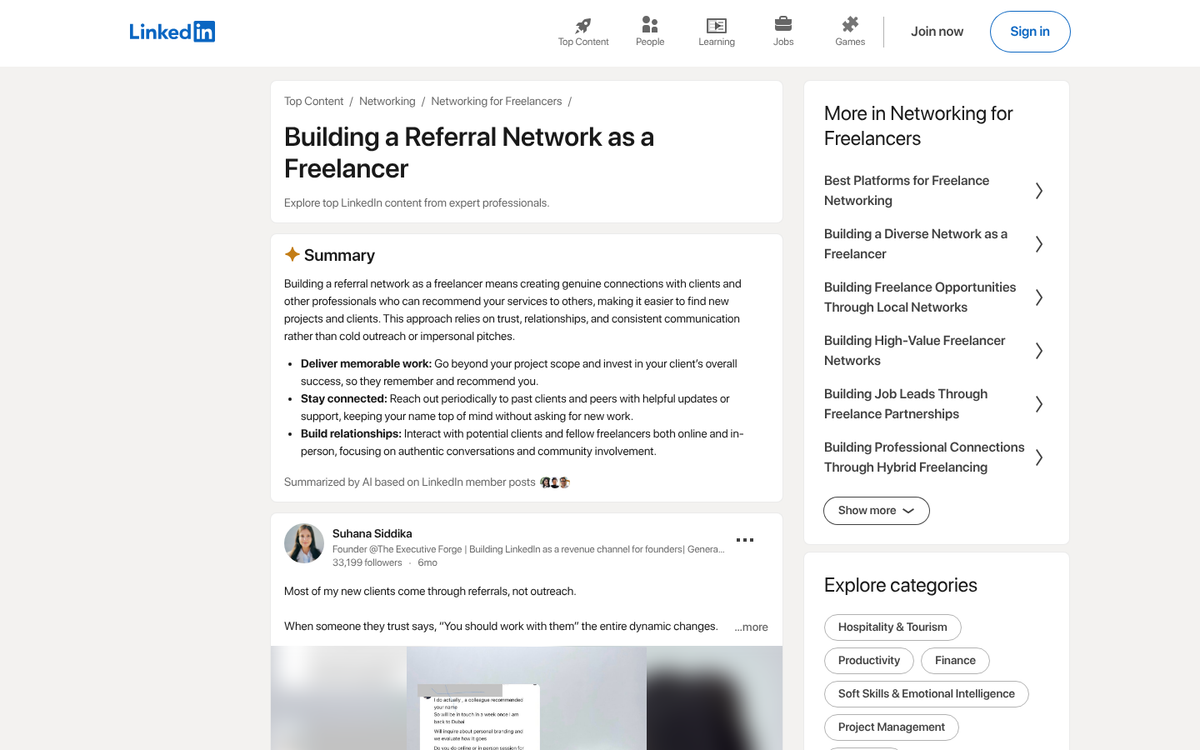
If a client has a need you can't meet, having a curated referral you can confidently pass along shows you're invested in their success beyond your own scope of work. Better still, make the introduction directly - it transforms a referral into a genuine value-add.
24. Avoid putting words in their mouths.

Anticipating needs is smart. Implementing solutions they didn't ask for and then billing them is not. Always propose before you execute. It keeps clients in control and prevents resentment.
25. Welcome feedback.
Give your most engaged clients the opportunity to offer genuine criticism and suggestions. Even if you don't act on every idea, the invitation itself shows respect for their perspective and makes them feel like a true partner rather than just a payer.
26. Become a brand advocate.

Tying into tip 23: if a client provides a service that another client could genuinely benefit from, make that connection. Cross-referrals strengthen your whole network and position you as a connector, not just a vendor.
27. Show off your work.

Be willing to share past work and, wherever possible, make it a condition that you can showcase current work too. A strong portfolio demonstrates credibility, deters low-quality requests, and gives prospective clients something concrete to evaluate.
28. Keep records.

Verbal agreements, especially around fees and deliverables, are essentially unenforceable. Everything substantive needs to be in writing. Frame this to clients as protection for both parties - because it genuinely is.
29. Show loyalty.

If you're working with a client and their direct competitor approaches you for the same type of work, think carefully before accepting. You're not obligated to decline, but in some cases the damage to trust and the existing relationship isn't worth the additional revenue.
30. Be willing to break these rules.
Every client relationship is different. Know when the playbook applies and when the situation calls for something different. Rigid rule-following is just another way of stopping thinking - and your best clients will always notice when you're actually thinking.