





Key Takeaways
- Choose niches with higher Amazon commission rates like Games (20%) or Luxury Beauty (10%) to maximize long-term earnings.
- Use simple text links instead of product widgets, as savvy shoppers often recognize and bypass obvious affiliate storefronts.
- Aim for 1-2 affiliate links per content section; over-stuffing links risks Google penalties that can devastate your traffic.
- You earn commission on everything a user buys within 24 hours of clicking your link, not just the linked product.
- A mailing list helps drive timely traffic, which is especially valuable given Amazon's tight 24-hour cookie window.
Pick the Right Niche

In some cases, you've already settled on a niche and you're trying to monetize an existing blog. Unfortunately, this is going to be significantly harder than starting a new site specifically to monetize a certain niche. It's not impossible - in fact, you gain a nice boost from an existing audience - but you'll find that your product choice may be more narrow than you want.
Some of the best Amazon affiliate sites focus entirely on physical products. More importantly, it's difficult to get a primarily digital, information-focused blog to successfully sell physical products. It's all about knowing your niche and your audience; if you're selling information, don't try to sell coasters too.
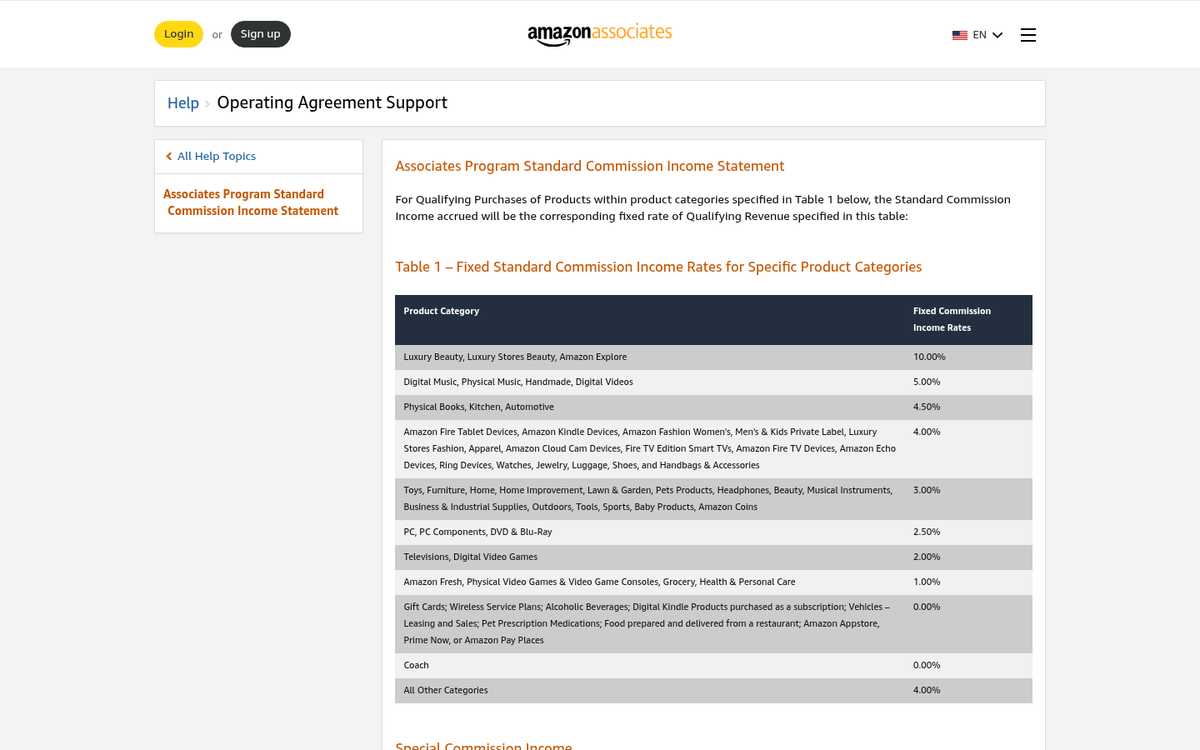
That said, niche selection in 2026 also means paying close attention to commission rates. Amazon's rates vary wildly by category - Amazon Games pays a generous 20%, Luxury Beauty and Handmade products come in at 10%, and Amazon Haul sits at 7%. On the other end, Televisions pay just 2% and Grocery drops to 1%. If you're building a new site from scratch, factoring in commission rates from day one can make a significant difference in your long-term earnings.
Use Basic Text Links
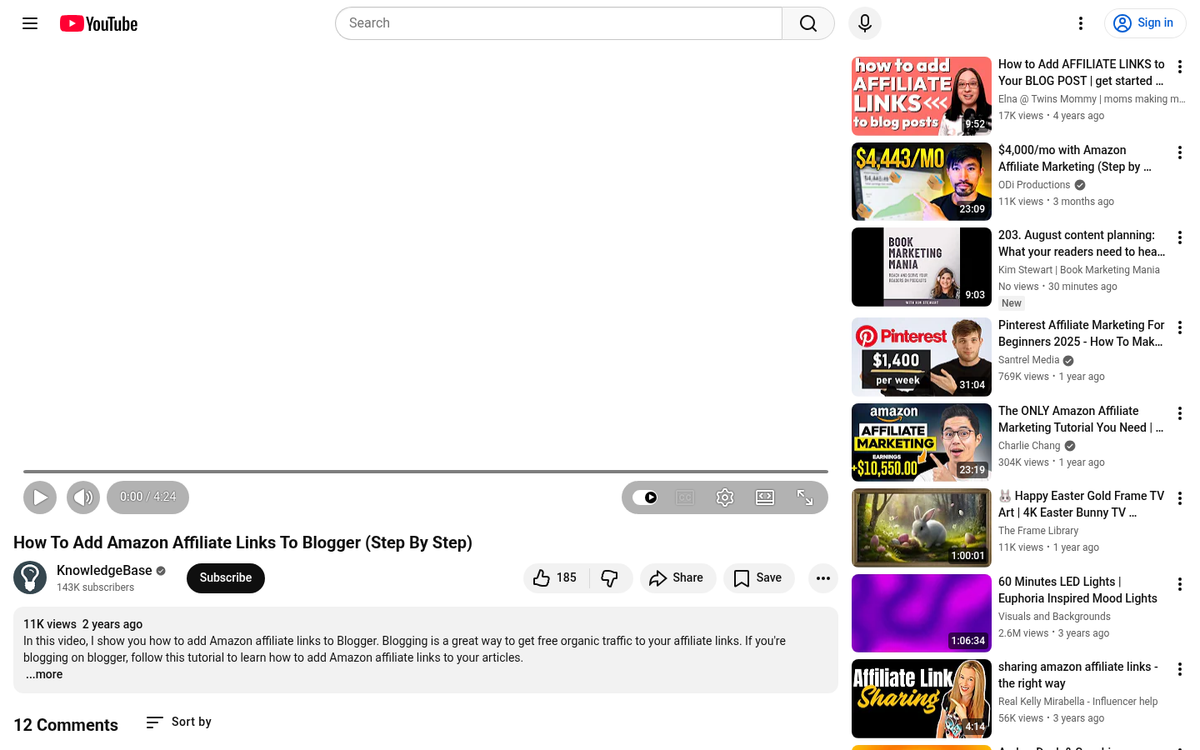
Amazon offers a variety of link formats, including dynamic product boxes that pull live pricing directly from their site. The problem is, most savvy shoppers immediately recognize those widgets as affiliate storefronts and will often bypass them entirely, heading straight to Amazon on their own.
Text links, on the other hand, are much easier to integrate naturally into a blog post and don't scream "affiliate link" at your readers. You obviously need an affiliate disclosure on the page - that's non-negotiable - but you don't need a flashing banner next to every link to drive people away. Clean, contextual text links embedded in helpful content consistently outperform flashy widgets. If you're wondering why nobody is clicking your affiliate links, switching to simple text links is often the first place to start.
Link Product Images
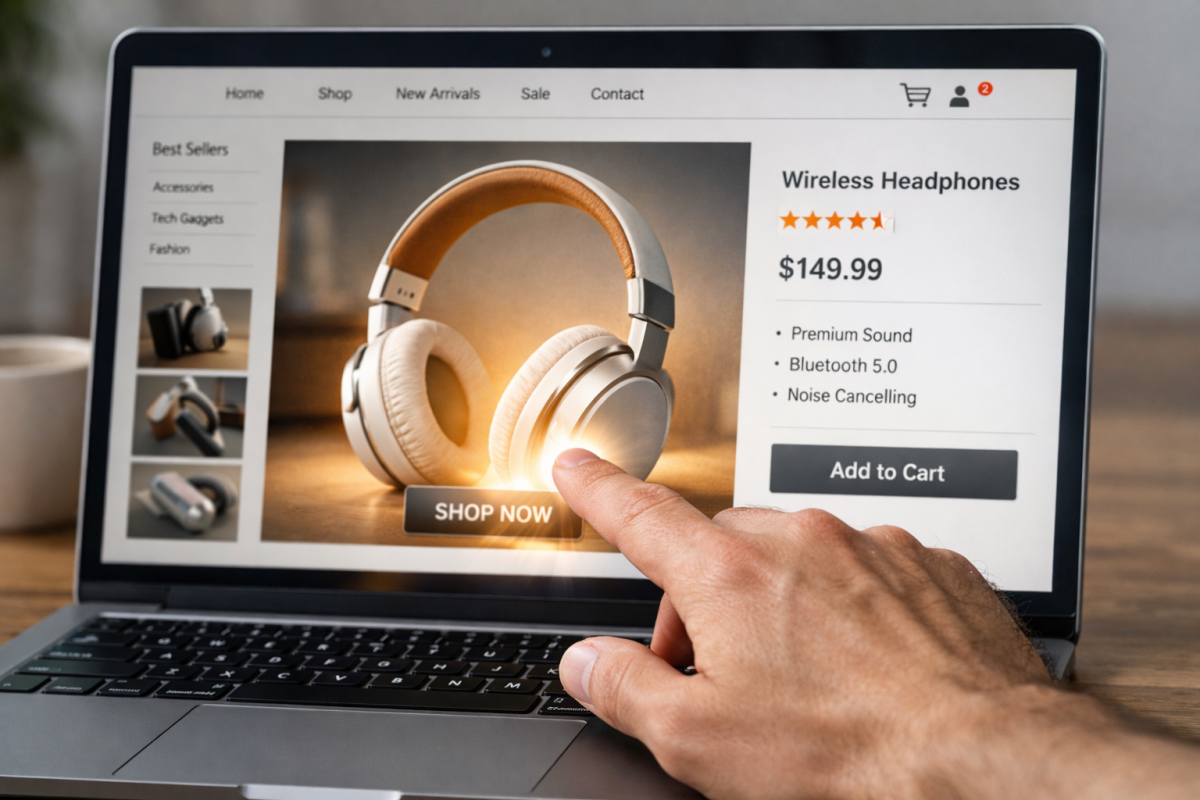
This one is a no-brainer, and if you're not already doing it, you're leaving money on the table. Whenever you post a picture of a product you're recommending, make that image a clickable affiliate link to the product page. All too often, I still see sites that link images to the image file itself, which does absolutely nothing for the reader. They aren't on your site to download product photos - they're there to learn and potentially buy.
Link Often, but Not Too Often
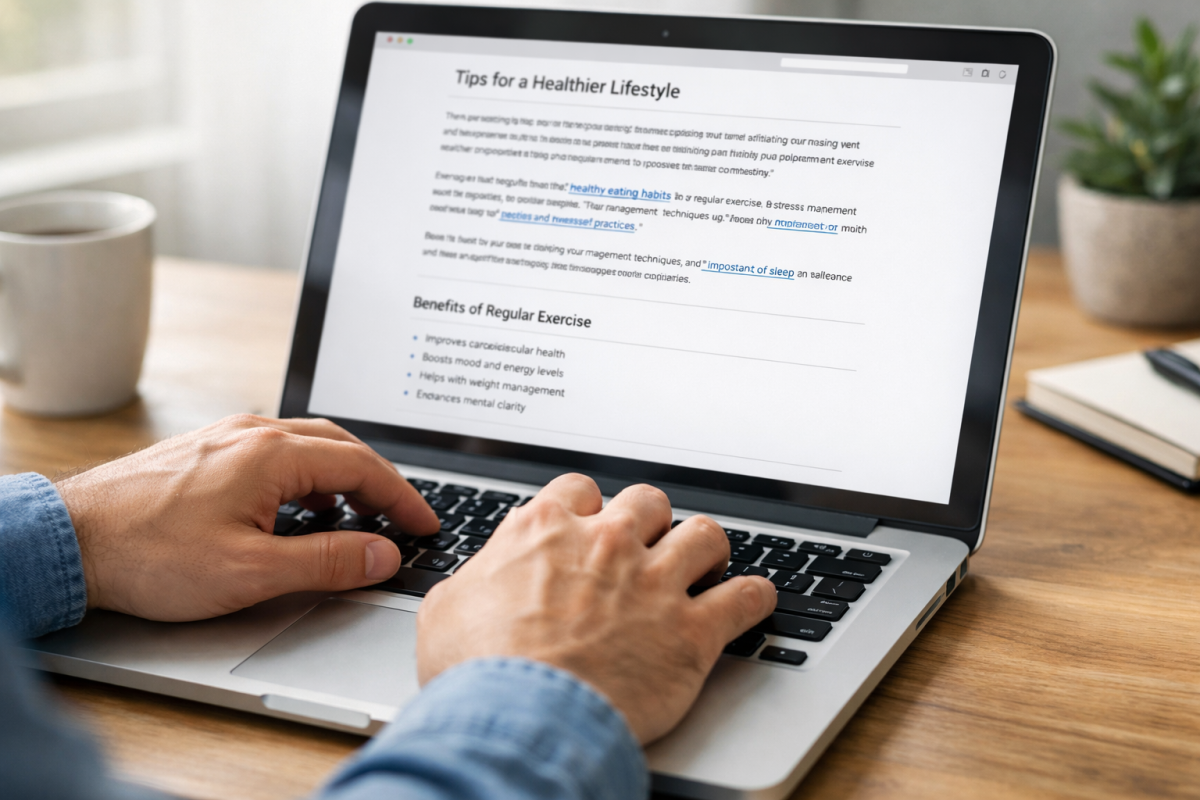
It's a good idea to include multiple Amazon affiliate links throughout a piece, particularly in comparison posts or product usage guides. This gives readers multiple opportunities to click through rather than having to hunt for a link themselves.
A reasonable rule of thumb: aim for 1-2 links per visible section of content. As users scroll, they should always have a link within reach, whether it's in the text, attached to an image, or in a summary box.
That said, don't go overboard. Stuffing 30+ links into a thin comparison table is a red flag for Google and can result in a manual penalty that devastates your traffic. Keep it natural, keep it relevant, and make sure every link adds genuine value to the reader. If you're unsure how Google views this practice, it's worth understanding whether Google penalizes sites for having affiliate links before you start scaling up.
Monitor and Review Products
As you're starting out, take a scattershot approach - write general overviews and roundups across a range of products in your niche, and monitor which ones perform best. Which posts drive the most traffic? Which convert?
Once you've identified your top performers, double down with more content. Write detailed product reviews, usage guides, comparison posts, and how-to tutorials. Every piece of content is another entry point for a reader who might just become a buyer.
Also worth monitoring: Amazon's commission rate changes. Rates dropped significantly back in April 2020 - Furniture and Home Improvement fell from 8% to 3%, and Grocery collapsed from 5% to 1%. The average commission across the platform now sits around 3.14%. Keeping tabs on these shifts lets you strategically pivot your content toward higher-earning categories before a rate cut quietly kills your income.
Build a Mailing List
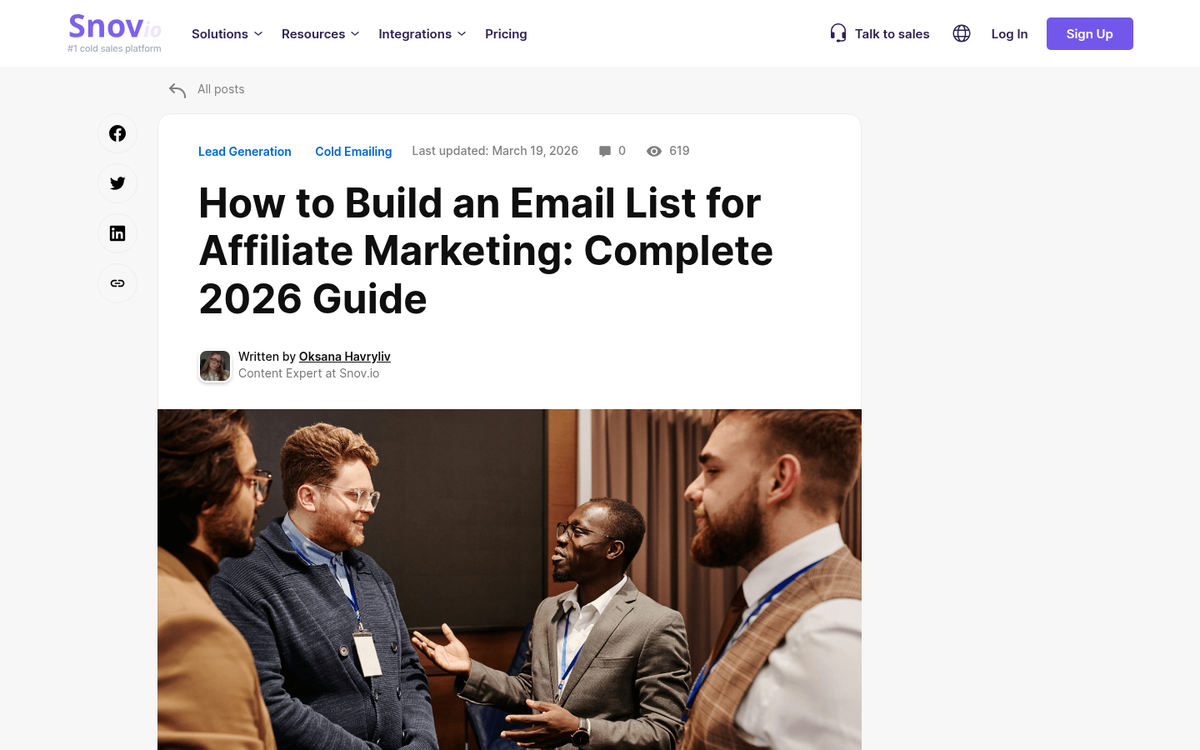
You don't need to send out a daily newsletter, but a mailing list remains one of the most underutilized assets in affiliate marketing. Here's a simple process that still works well in 2026:
- Compile your expertise into a free ebook or buyer's guide relevant to your niche.
- Deliver it free to anyone who opts into your mailing list.
- Use that list to send a monthly digest of new content, product recommendations, and useful updates.
- Alert subscribers to notable price drops or limited-time deals - especially useful given that Amazon's cookie window is only 24 hours, so timely outreach matters.
- Push harder during peak shopping seasons like Black Friday, Prime Day, and the holiday run-up, when conversion rates are naturally higher.
Understand Amazon's Commission Structure

Amazon's commission structure is flat-rate by category - gone are the days of a tiered performance scale that rewarded you for selling more volume in a single month. What you see is what you get, and rates are set per product category regardless of how much you sell.
This makes category selection more strategic than ever. Focus your content on higher-commission categories where it makes sense: Amazon Games (20%), Luxury Beauty and Handmade (10%), and Amazon Haul (7%) are currently among the top earners. If your niche naturally aligns with these, lean into them.
One newer opportunity worth exploring is Amazon's Creator Connections program, which allows influencers and content creators to earn up to 3x the standard commission rate on specific sponsored products. If you have a growing audience on social media or YouTube alongside your blog, this is worth looking into as a meaningful income multiplier.
Also keep in mind: Amazon pays on a 60-day cycle with a $10 minimum threshold for direct deposit, so factor that delay into your cash flow expectations when you're starting out.
Send Referrals
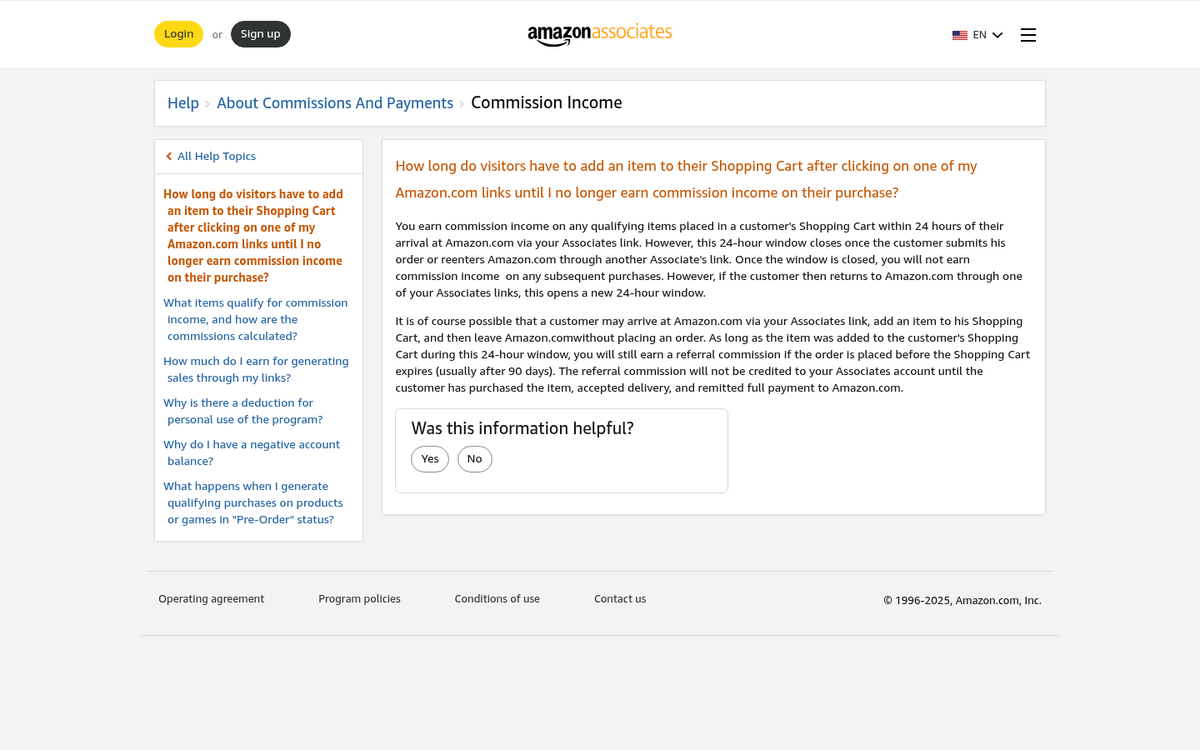
Here's one of the best-kept secrets of the Amazon Associates program: you earn a commission on anything a user buys during their session after clicking your affiliate link - not just the product you linked to. If someone clicks your link to a lawnmower and ends up ordering a kitchen appliance and a stack of books, you earn commission on all of it.
The referral cookie lasts 24 hours from the click, which is a relatively tight window - so driving timely, high-intent traffic matters. However, if a user adds an item to their cart during that 24-hour window, the referral credit extends to 90 days, giving you a much larger runway on items they're still considering. This makes cart-add behavior extremely valuable, which is another reason why compelling, well-timed content and email outreach can have an outsized impact on your commissions.

2 responses
Thoughtful replies only - we moderate for spam, AI slop, and off-topic rants.
Exactly what I was looking for! I hope this works 🙂
Hey Kenny,
Fantastic advice for all Amazon affiliates. Most people don't want to focus on making the most of the traffic they have. They just want to pump out content and build links.
You could not believe how many websites have bad Amazon links. Out of stock items, moved items, unavailable items, items that now have poor reviews. The list goes on and on. We actually find that most websites have between 5%-15% of their links bringing down their conversion rates and the bigger your site gets the harder it is to keep track of!
Such a simple thing to fix but people just let these links rot! It's madness I tell you. Madness.