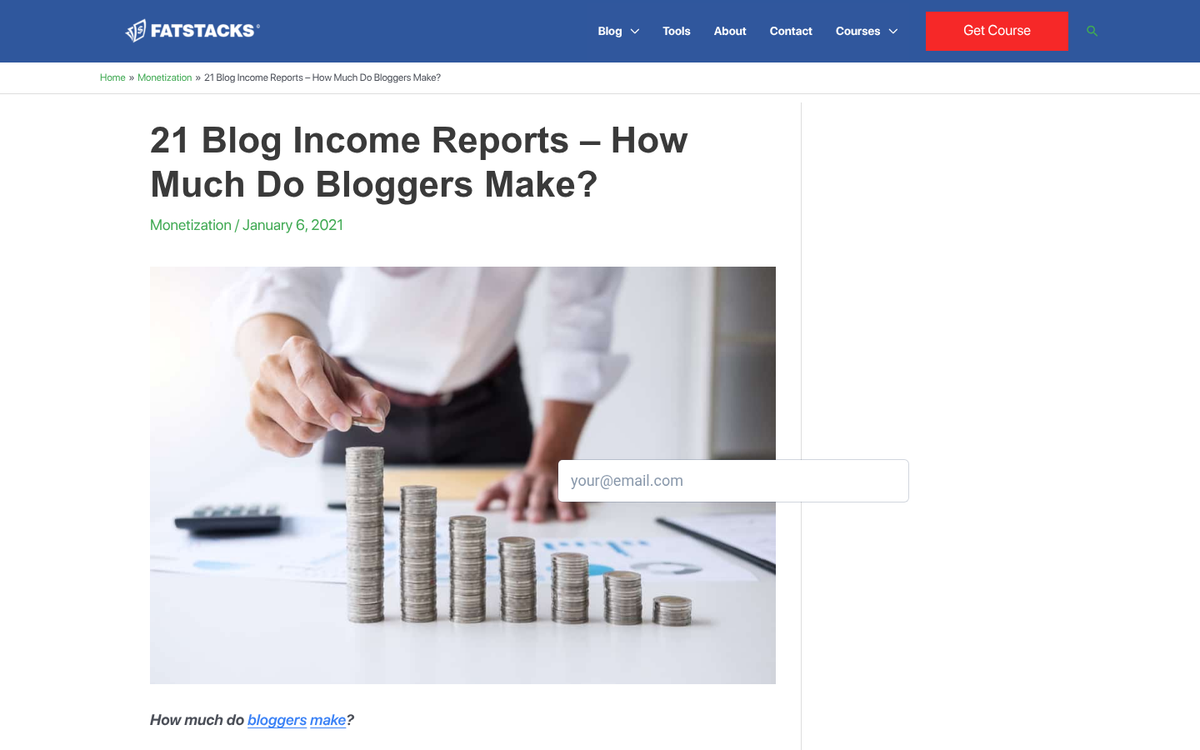
To some people, making a grand a month from a blog seems like a remote and unattainable goal. For some, it was a milestone passed years ago. The reality, as of 2026, is that only 14% of bloggers earn any income at all from their blogs - and among those who do monetize, just 7% reach $1,000 or more per month. That said, it's an achievable milestone with the right approach, and the general process remains consistent.
- Find a usable niche.
- Create a site and populate it with ongoing content.
- Monetize the site with a lucrative method of choice.
- Boost traffic and income through a combination of paid and organic marketing.
Many bloggers have adopted a sort of 80/20 philosophy with their blogs; once it becomes more effort to grow a site than it does to create a new one, they'll set up another site and start anew. Keep in mind that reaching the $1,000/month mark typically requires 40-80 published posts at minimum, and recent data suggests that sustained income at this level now often demands 300 or more posts. On average, it takes around 22 months before a blog starts generating meaningful income, though roughly 30% of bloggers do see some earnings within the first six months.
Key Takeaways
- Only 14% of bloggers earn any income; just 7% reach $1,000/month, typically requiring 300+ posts and ~22 months.
- Affiliate links and display ads form the primary income mix, with 25,000-30,000 monthly pageviews needed to reliably hit $1,000.
- Reinvesting profits into PPC advertising through Google or Meta can strategically accelerate traffic and revenue growth.
- Digital products like templates, mini-courses, and printables offer a low-cost income stream beyond ads and affiliates.
- Building a portfolio of multiple niche blogs, each earning modestly, can combine into a comfortable total income.
Make Sure Your Blog is In Good Standing

If you're making your blog from scratch right now, it will be a while before you manage anywhere near your $1,000 monthly goal, but you have one benefit: a clean slate. If you're trying to boost an older blog into a higher monetary tier, the first thing you need to do is make sure you're in good standing.
As the owner of the site, you should know if it has a past history with Google penalties, but it's occasionally the case where you purchased a site and don't know its complete history. You have a few ways to check your search rank and history. Using Google Search Console for the site, dig back into the history and look for any steep traffic drops. Were they later fixed? You can also check for any manual actions or penalties that are listed in the Search Console dashboard.
You can also perform a basic Google search for your brand name or your site name. If your site isn't the top-ranking result, you may have an issue to address before you focus on growth.
Establish a Content Calendar

When it's time to kick into high gear, you need to plan ahead. How often do you want to post every week? Some successful blogs only post 1-3 times per week, while others post more frequently. Both approaches are valid; they just require that you stick with them consistently.
If you have a relatively small audience, it's a good idea to start at a manageable pace and work your way up. On the other hand, if you have readers clamoring for more, daily posts may be worth the effort. Just remember that reaching the volume of content needed to hit $1,000/month requires a long-term commitment - this isn't a short-game strategy.
The goal is to create a calendar of content and stick to it. If you're going to post three times per week on Monday, Wednesday, and Friday, do it. If you're feeling particularly inspired one day, don't write and publish three articles at once; schedule them out. That way, on bad days where writer's block strikes, you don't have to scramble to pump something out.
You can, of course, outsource your writing. Just be careful to ensure the content you receive matches the tone of your blog, and be aware that maintaining quality outsourced content can be expensive.
Start Using Affiliate Links

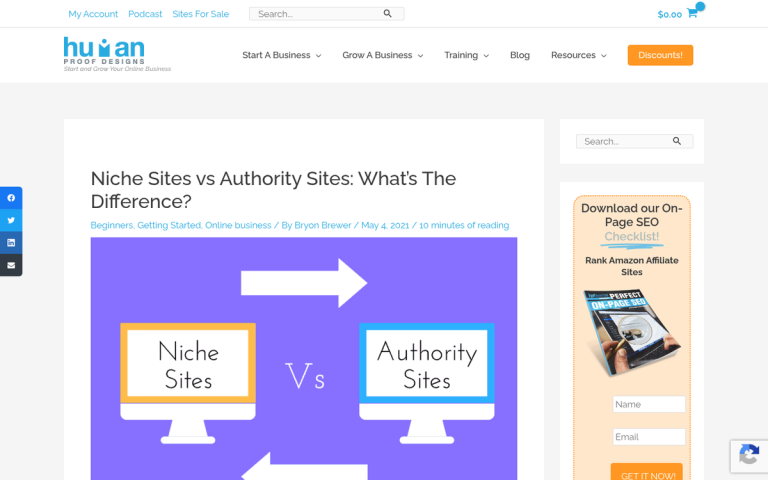
One of the primary ways you can make money from a niche blog is to set up accounts with affiliate programs and start using their links. These earn you money when people click through and convert, at various rates depending on the niche, competition, and other factors. They're also infinitely scalable, so as your traffic grows, so too will your profits.
In practical terms, bloggers in the $1,000/month tier typically see a monetization mix of roughly 60% affiliates and 40% display ads, with affiliate links contributing anywhere from $80 to $130 per month in early stages. At around 25,000-30,000 monthly pageviews, combined affiliate and ad revenue can reliably push past the $1,000 mark.
There's a lot to learn about affiliate marketing, and it's an ever-changing landscape. Always be genuine with your recommendations and never do anything that would jeopardize your enrollment in affiliate programs, such as buying bot traffic to simulate fake clicks.
Add Display Advertising

Display ads are a natural complement to affiliate links and shouldn't be overlooked. With ad networks typically paying $5-$10 per 1,000 pageviews, display ads alone won't get you to $1,000/month quickly, but they form a reliable base layer of income that scales as your traffic grows. Networks like Mediavine (requiring 50,000 monthly sessions) and Raptive offer significantly better rates than Google AdSense for blogs that qualify, so graduating to a premium ad network should be a goal as your traffic increases.
Reinvest in PPC and Paid Promotion
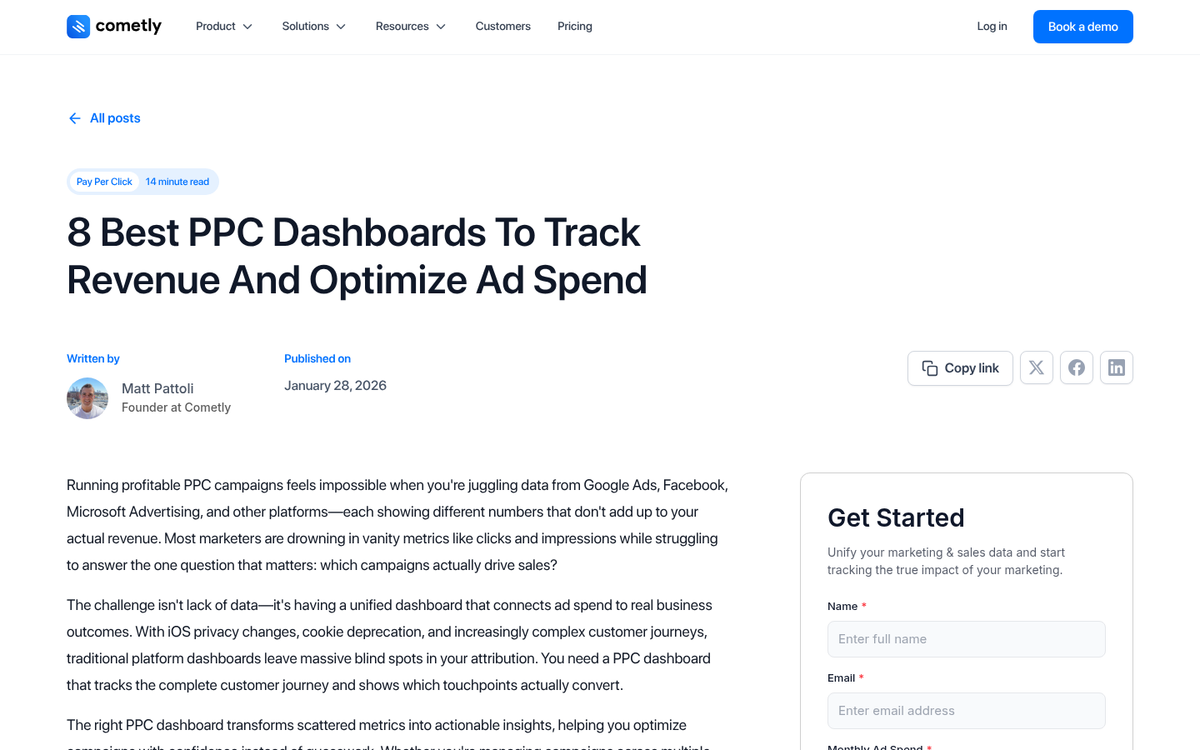
Some portion of your profits should be reinvested into advertising to drive more traffic to your blog. PPC through Google or Meta (Facebook/Instagram) is typically the most effective route, though you should approach paid traffic strategically and ensure your monetization is strong enough to justify the spend.
As with affiliate marketing, there's a lot to know about PPC before you dig in. You need to understand your audience, know who to target, and be aware of what content resonates with them. Testing small budgets before scaling is always advisable.
Compile Information and Sell Digital Products
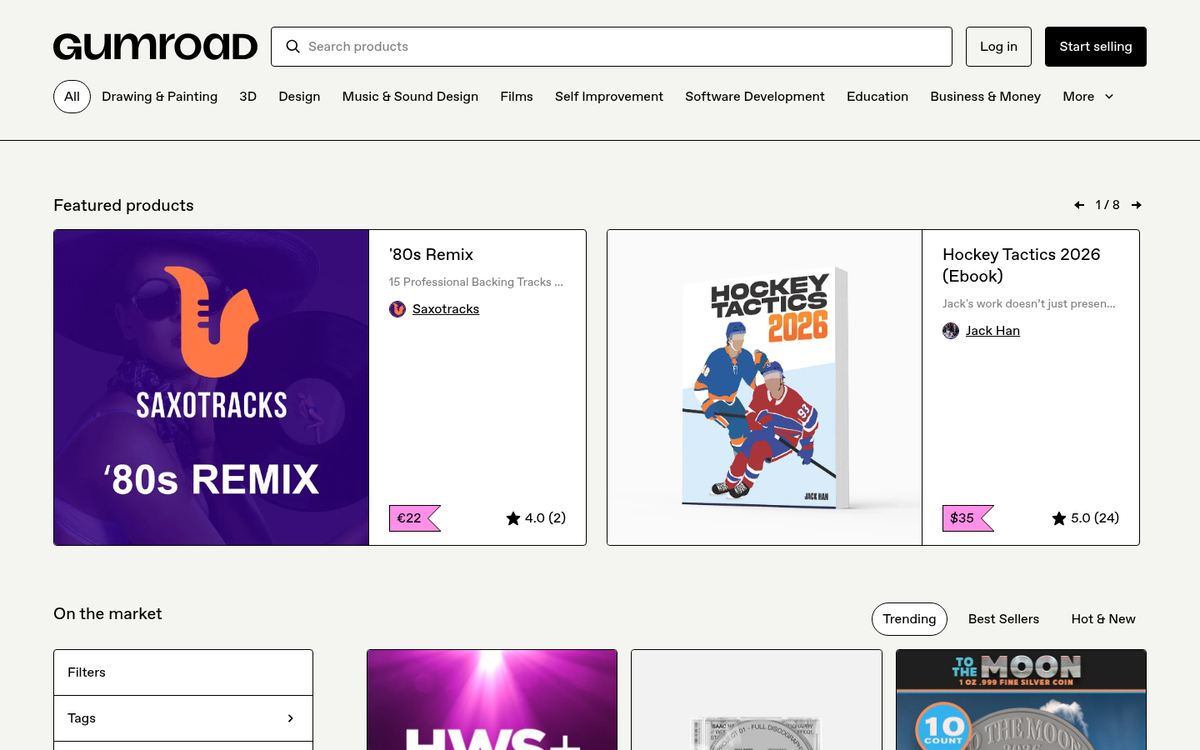
If you want to make money in a way that isn't entirely reliant on affiliate links or ad revenue, digital products are an excellent option. You're already publishing regular content in a specific niche - why not compile and expand that content into focused guides, templates, or downloadable resources? People will gladly pay for a well-packaged resource, and your production costs are minimal.
Ebooks remain a viable format, but in 2026 the broader category of digital products - including Notion templates, spreadsheets, mini-courses, and printables - has become equally popular and often easier to sell at higher price points. You can find a huge list of free ebook templates to help you get started, and there are also free landing page templates to help you promote what you create. Platforms like Gumroad, Lemon Squeezy, and Stan Store make it straightforward to sell digital products directly to your audience.
Optional: Develop a Course or Membership

For bloggers with established authority in their niche, online courses and memberships represent one of the highest-leverage income streams available. Rather than selling a one-time product, a membership or subscription model creates recurring monthly revenue that compounds over time. Platforms like Teachable, Kajabi, and Patreon make this accessible even for solo bloggers without a technical background.
This isn't the right move for everyone, especially early on, but it's worth having on your roadmap once you've built a loyal audience.
Reach a Holding Pattern and Do it All Again
This was mentioned at the start, but it's worth repeating. At some point, you might find that growing your current site further requires disproportionate time and money. At that point, it can be smarter to maintain your existing content schedule and launch a new site in a different niche. With a small portfolio of blogs each earning a few hundred to a few thousand dollars per month, a very comfortable income is entirely achievable.
Niche selection matters more than ever in 2026. According to RankIQ data, food blogs lead all niches with a median monthly income of $9,169 - a strong reminder that the right niche can dramatically accelerate your path to $1,000/month and well beyond.