Key Takeaways
- Businesses that blog get 55% more visitors, 434% more indexed pages, and 97% more inbound links than non-blogging competitors.
- Blogging generates 3x more leads than paid advertising, with small businesses experiencing 126% more lead growth.
- Blog posts fuel social media by providing shareable content, including repurposable short-form video across multiple platforms.
- Businesses prioritizing blogging are 13x more likely to see positive ROI, but results require patience-some blogs take over a year.
- Consistency, clear goals, defined voice, and active content promotion are essential for blogging success.
"Your business needs a blog if you ever want to compete online." Ever heard that one before? I have. It's common business advice from anyone selling internet marketing services, web design, freelance writing, or anything else that benefits from your business having a blog. Of course a blog manager will want you to have a blog - it means you're more likely to pay them for their services.
They're not wrong, though - it's because there are proven, measurable benefits to having a website with a blog and it can be done with a pretty minimal amount of effort. You don't need a giant staff of writers or endless hours learning the ins and outs of blogging yourself. Outsourcing is always an option - and in 2026, you have more tools at your disposal than ever before.
The first will be the benefits you can expect to pull in from having a blog, assuming you run it right. The second will be ways to make your life running a blog easier, whether through education, AI-assisted tools, automation, or outsourcing. Let's get started!
Blogging Drives Traffic
The number one benefit of blogging is that it drives traffic to your site. People want to know something. They search the internet for a resource that will inform them. They find a website, read, learn, and move on. Later they want to know something else and they find the same brand with another helpful resource. Now they recognize that brand and are more likely to buy from it because it's delivered value.
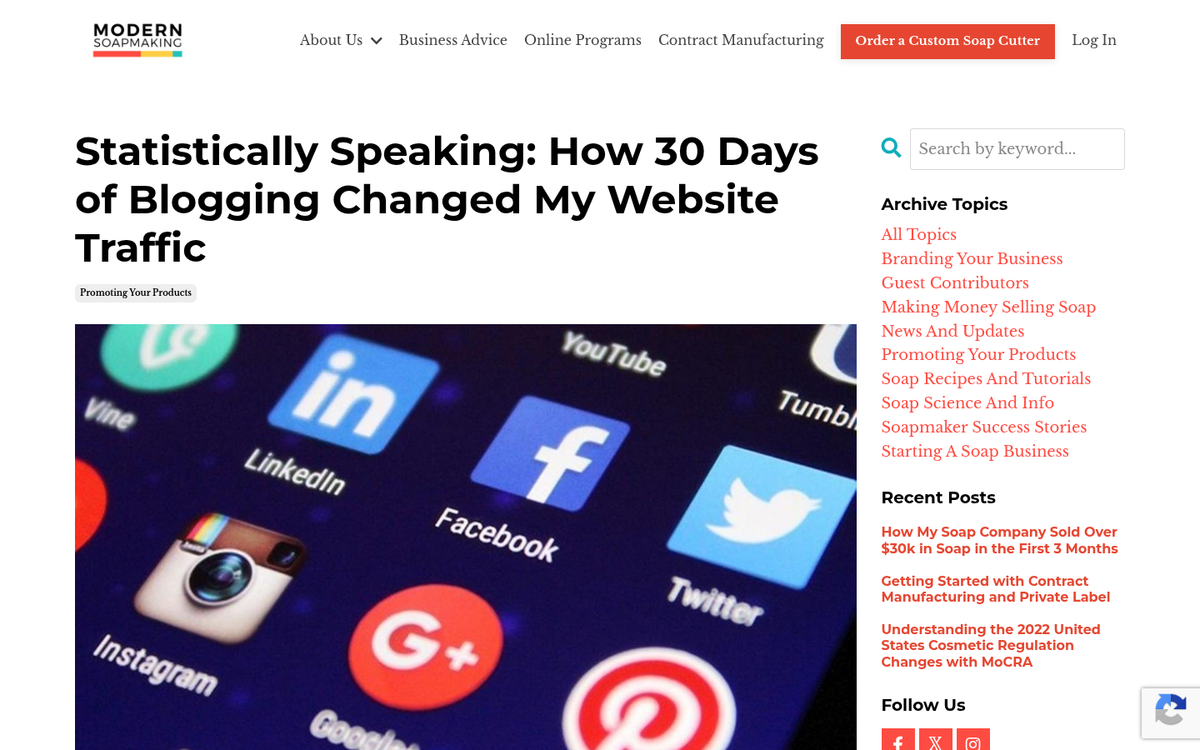
You want to be that brand. You want to give people the content that educates and makes them aware of who you are. The data supports this strongly: businesses that blog get 55% more website visitors than businesses that don't, and websites with active blogs have 434% more indexed pages and 97% more inbound links than the ones without (OptinMonster). It's a game of numbers - more helpful content equals more exposure equals more leads, buyers, and fans.
The volume matters too. Companies publishing 16 or more blog posts per month receive nearly 3.5x more traffic and 4.5x more leads than the ones publishing zero to four posts per month (HubSpot) - it's not a small edge, it's a different league. To keep up that pace without wasting resources, learn how to do content marketing without wasting time and money.
Blogging Fuels Social Media
Blog posts are some of the most widely shared content around social media. Informational content gets passed around amongst those who need or like that information. Content featuring interesting data, original research, or strong visuals gets shared within industries and with general audiences. That's why well-designed data visualizations and infographics remain highly circulated - even when the underlying information isn't flashy. Tools like Canva make this easier than ever to produce without any design experience.
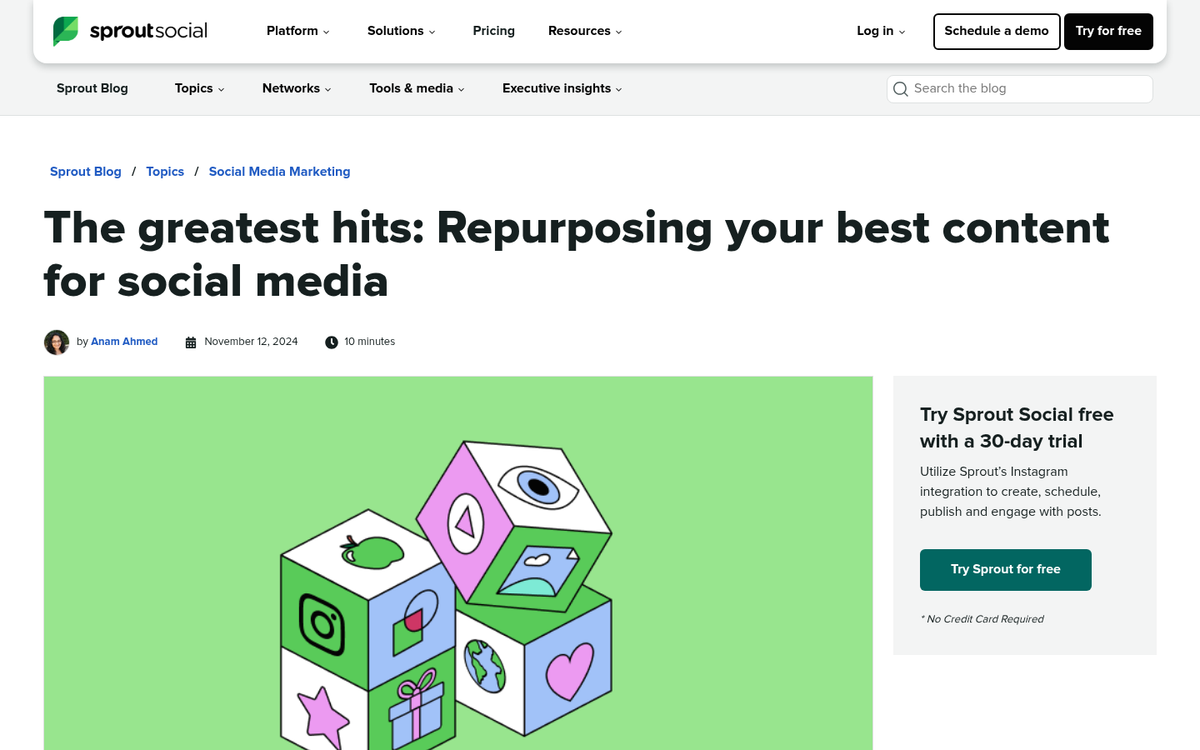
In 2026, short-form video content derived from blog posts - think quick LinkedIn clips, Instagram Reels, or YouTube Shorts - has become one of the most effective ways to repurpose written content and extend its reach. A single blog post can now fuel a week's worth of social content across multiple platforms.
Blogging is one part of a strong internet presence, and social media is another giant part. Social media drives some of the best customer interactions you'll ever have. But without a blog, you don't have much fuel to keep a social profile active and meaningful. If you want to maximize that reach, there are many proven ways to get more social shares on every post you publish.
Blogging Provides Education
You might not think education matters, or you might think other blogs have it covered. But you're underestimating how much people value opinions and information from businesses they trust. People will read dozens of positive reviews about a product. But if one trusted source says otherwise, it can outweigh them all.

Providing information and education makes you a brand people trust. They will treat what you say as credible - even when it leans toward your own products, as long as you've been honest and helpful with them before. If you want to see how this works in practice, check out these examples of corporate blogs and what you can learn from them.
Education also matters for post-sale support. A blog full of helpful, accurate information means most customers can self-serve their way to answers instead of submitting returns, calling support, or leaving negative reviews - it's money saved and reputation protected. This is also why the depth and length of your articles can make a real difference in how well you serve your audience.
Blogging is Natural Lead Generation
Blogging, done right, is built to draw the types of people most likely to be interested in buying what you have to sell. You find out who they are, what they need, and how your product solves their problems. You blog about those problems and solutions so they find you when they go searching. They see the value and they convert - or at least enter your funnel.

The data here is striking. Small businesses that blog experience 126% more lead growth, and B2B businesses with blogs generate 67% more leads than the ones without. Even more compelling: inbound content marketing generates 3x as many leads as paid advertising (Oberlo), at a fraction of the cost.
This isn't a replacement for paid advertising on TV, radio, print, or online platforms - it's an exceptional complement - a landing point for those who saw your ad but weren't quite ready to buy. Think of it as the convincing middle step between awareness and conversion.
Blogging Establishes Authority
Who are you more likely to trust: a person who always has a helpful answer, or a person who can't be bothered? That's what a well-run blog does for your brand. You give people information and help, for free. Those people become appreciative and they associate your business with competence and generosity.

Blogging also builds your reputation as an authority with other businesses and influencers in your industry. They can see that you know your stuff and may be more willing to collaborate, share your content with their audiences, refer to you, or partner on something bigger.
In the age of AI-generated content flooding the internet, genuine expertise and original perspective have become more valuable - not less. Google's ranking systems have increasingly prioritized Experience, Expertise, Authoritativeness, and Trustworthiness (E-E-A-T) - meaning blogs backed by human knowledge and original information are pulling further ahead of generic, templated content. Understanding what drives a blog's growth can help you focus on the right signals from the start.
Blogging Brings Feedback and Inspiration
Blogging is not a one-way street like most advertising - it lets you engage with your readers and customers, both current and potential. You get direct feedback on your content, your products, and your brand positioning.

Your readers are a non-stop source of inspiration and market research. You can solicit ideas or feedback easily, and you can even float possible product ideas to gauge interest before investing in development. Monitoring comments, shares, and engagement patterns can reveal pain points that open up entirely new product or service opportunities.
Blogging Keeps You In Touch With Your Audience
Blogging is a great way to stay in touch with your audience and the evolving opinions they hold. You can see issues before they become trouble, and you can capitalize on patterns before they'd normally reach you through slower channels.
You can also use your blog to invite readers to take advantage of sales or events - online and in-store - in ways that benefit everyone. Announcements, product launches, press releases, hype-building content - it's cheaper and faster through a blog than through traditional offline means.

That's enough about the benefits of blogging for now.
Let's take a step further. You're now convinced you need a blog. But you have no idea where to start. This is by no means a complete guide - what it will do is give you a place to start. I'm assuming you're going to at least work with a web developer to manage the blog design, so I won't get into web hosting or domain names. If you already have a website, you have those bases covered.
Success Tip: Start with a Goal
The first thing you need for your blog is a goal. What are you trying to accomplish? Are you raising awareness for a cause your business champions? Trying to sell a product or number of products? Providing a service in a competitive space? These are all questions worth answering before you write a single word. Here are some goals to consider:

- Expressing your brand identity through humor, lifestyle, visual artistry, or another form of expression.
- Building a mailing list you can use to communicate with interested customers.
- Building credibility and boosting awareness with a broader audience.
- Becoming a thought leader in your industry - someone other businesses look to for guidance and insight.
- Gaining a source of data to analyze, so you can learn more about your audience, your industry, and ongoing trends.
And, of course, there's always the ultimate goal: making a profit. The ROI case for blogging is strong - businesses that prioritize blogging are 13x more likely to see a positive ROI (HubSpot), and small businesses are 23% more likely than average to see ROI from their blog posts (HubSpot State of Marketing Report, 2026).
Success Tip: Determine a Voice and Tone

Once you have a goal, figure out how to present yourself in a way that best accomplishes it - it will depend on voice and tone. Voice is the particular way you communicate in your blog posts; tone is how you use that voice to get across your ideas. Are you casual or formal? Informative or personal? Authoritative or conversational? This will depend on your business type and the brand you're building. A children's clothing brand shouldn't sound like a Wall Street analyst, and an investment platform shouldn't write like it's addressing kindergarteners.
Success Tip: Decide on a Writer
This is one of your biggest decisions, and in 2026 you have more options than ever before.
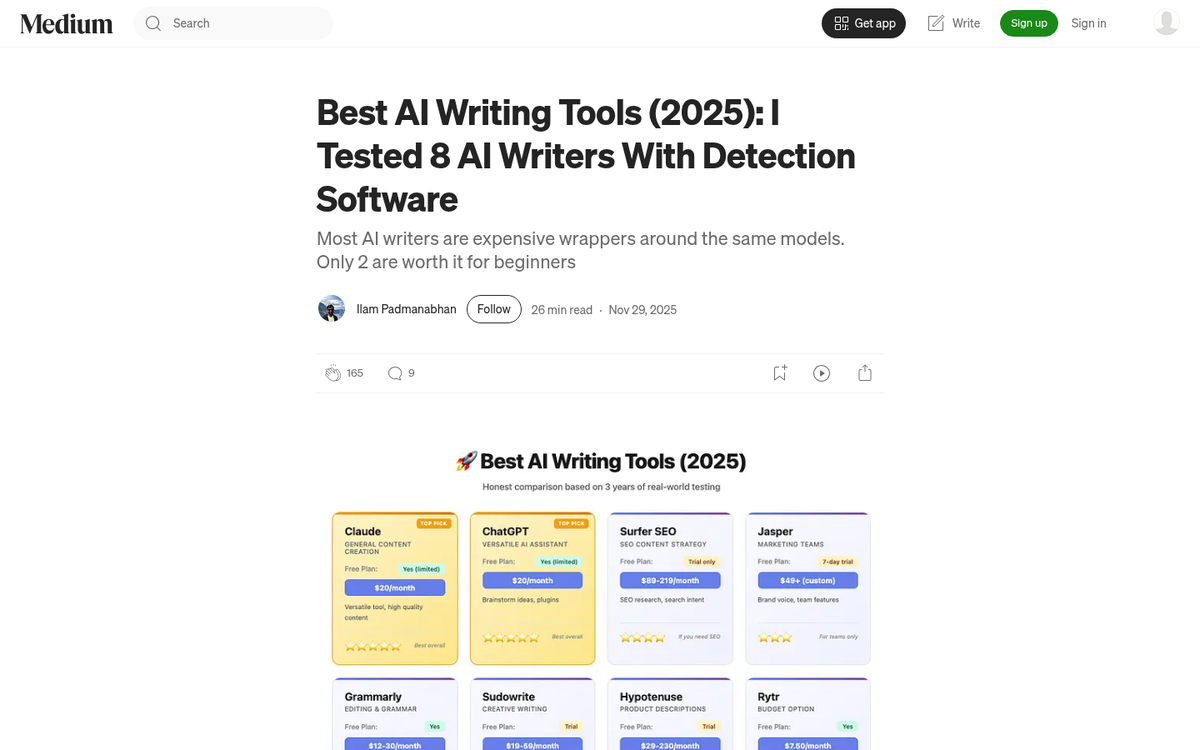
- Do it yourself. The most time-consuming option, and quality depends entirely on your own writing ability. It's the cheapest in terms of money, but the most expensive in terms of your time.
- Use AI writing tools as a starting point. Tools like ChatGPT, Claude, Gemini, and others have made it faster and cheaper to produce first drafts, outlines, and content frameworks. However, AI-generated content that isn't reviewed, fact-checked, and given a human editorial layer tends to be generic and can hurt your E-E-A-T signals with search engines. Use AI as a tool, not a replacement for human judgment.
- Use content platforms or freelance marketplaces. Sites like Writer Access or platforms like Upwork can connect you with experienced writers. Quality varies widely, so vet carefully. You often get what you pay for.
- Hire a dedicated freelancer or team of freelancers. This gets you better quality because these writers likely have industry experience or the research skills to replicate it. They're more willing to adapt to your brand voice because you're paying them to do so. Hiring a freelancer is typically more expensive than content platforms, but the quality difference is real.
- Hire an in-house content team. The most expensive option, but it produces the highest quality and most brand-consistent content. Worth it if your budget supports it and content is central to your marketing strategy.
You can also hire a full-service content marketing agency that handles everything - writing, SEO, social distribution, analytics, and strategy - which takes quite a bit off your plate. But it comes at a premium that not every small business can sustain.
Success Tip: Monitor Feedback and Analytics

Analytics are essential for understanding what content is working and what isn't. Tools like Google Analytics 4, Search Console, and platform dashboards tell you who is reading your content, what's driving engagement, and - most importantly - what's actually converting. Every piece of data you collect can inform your content strategy going forward. Smart, data-driven decisions are how you push your returns upward over time.
Success Tip: Don't Forget Marketing
Blogging means quite a bit more than writing and publishing content. This is where businesses fail - they write and write and go nowhere - because you'll have to actively promote, share, and market your blog just as you would your business itself. It's very much not an "if you build it they will come" situation. You need to distribute your content through email newsletters, social media, repurposing into other formats, and wherever else your audience spends time.
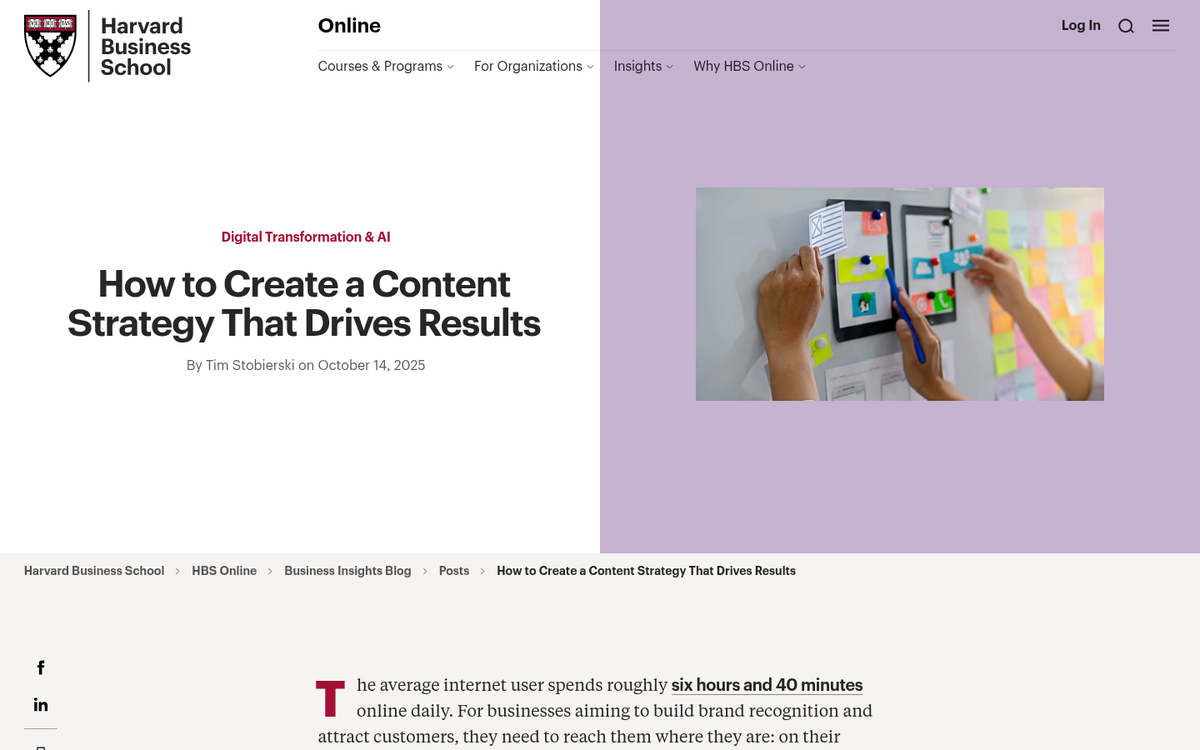
Above all, blogging takes time. The number one mistake novice bloggers make is quitting too soon. Building authority and search ranking takes patience - some blogs take a year or more before they gain traction. The businesses that play the long game are the ones that win.
Success Tip: Brainstorm Content Ideas
Even if you only post twice a week, that's over 100 articles per year. If you tried to sit down and generate 100 - or 200, or 300 - blog post ideas on the spot, could you do it? Most can't - that's why you use tools and systems. AI tools are legitimately helpful here for brainstorming topic clusters, identifying keyword gaps, and generating content calendars. Pair that with feedback from your customers, watching industry conversations, and reviewing your analytics, and you'll never run dry.
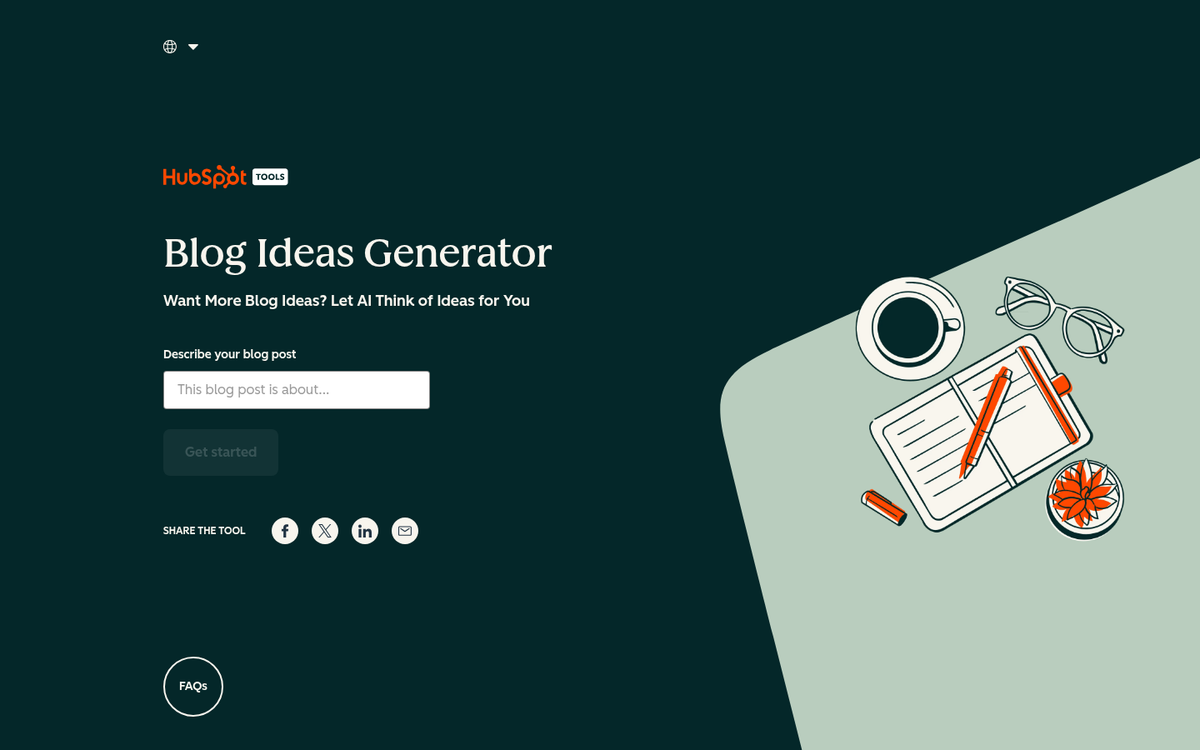
We've written a post on coming up with content ideas specifically - inspiration is all around you, you just need to know where to look and how to put the pieces together.
Success Tip: Post as a Human
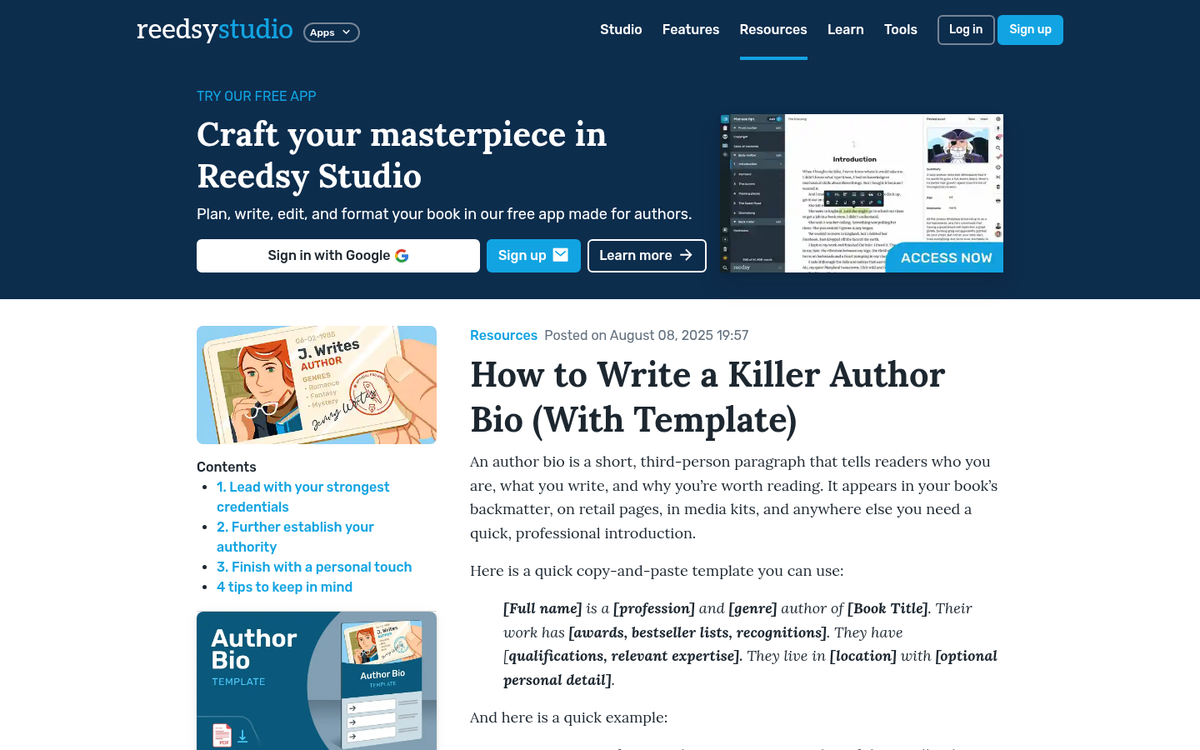
This tip has only become more important in 2026. No matter who - or what - is helping create your content, make sure it's being published with a human identity behind it. Nobody wants to see "Posted by Admin." Readers want to see author pictures and bios, attributions, personality, and perspective. In an era where AI-generated content is everywhere, genuine human voice is a differentiator. It doesn't matter if you buy content and put your name on it - you've earned that right. Just make sure there's a person attached to it, so other humans can connect with and trust your brand.
Success Tip: Be Consistent
Decide how often you want to post, and follow it. Start with something sustainable - once or twice a week is a good starting point. Post well-researched, substantive articles of an appropriate length for the topic, right on schedule. If you post Monday and Thursday, post every Monday and Thursday. Don't post three times one week and once the next. Consistency is essential for building an audience, training search engines to crawl your site regularly, and keeping yourself accountable to your goals.

There's far more to blogging than everything covered here - it's why entire blogs are dedicated to the craft of blogging itself. But this is enough to get you pointed in the right direction and moving with purpose.