Key Takeaways
- 96.55% of pages get zero organic traffic; consistent promotion through email, social media, and communities is essential for growth.
- Superficial, AI-generated content is now nearly invisible; original data, expert opinion, and unique perspectives are required to stand out.
- Blogs must focus on a single narrow topic to build topical authority and rank well under Google's E-E-A-T guidelines.
- Post only as often as you can sustain consistently; one exceptional weekly post outperforms multiple mediocre ones.
- Poor site performance, bad design, and weak SEO - including low AI discoverability - are major mechanical barriers to blog growth.
Once, I decided to count the number of stars in the sky. I was young and had the patience of an especially lively puppy, so I didn't get very far. My conclusion was that there were at LEAST 15 stars up there. While true, it was a large understatement.
If you tried to count the number of blogs out there - even if you were limiting yourself to your own target niche, you'd experience a similar phenomenon. There are, conservatively speaking, way too many blogs on the web. They matter for every business, so every business has one or another. And with AI content generation now making it cheaper and faster than ever to spin up a blog, the volume has exploded even more.
There are only so many readers in the world. Of the entire population of the planet, only a percentage of them speak your language. Of those, only a percent of them are interested at all in your topic. Of those, only a percent of them are out looking for new content. Of those, only a percentage of them are in a position to be reached by your marketing. There's only 24 hours in a day, and only a few of them are spent looking at online content for any given person. You're working with a small subsection of a subsection of the attention of a subsection.
All this is an elaborate and roundabout way of saying that you'll have to work to gain an audience, and you'll have to make your best effort to get everything right, lest you lose your audience and your opportunity.
The numbers are sobering. According to Ahrefs, 96.55% of pages get zero organic traffic from Google. Orbit Media's 2024 Annual Blogger Survey found that 53% of bloggers have a hard time drawing visitors from search engines, and an estimated 80% of blogs fail within 18 months. These aren't reasons to give up - they're reasons to do things differently than the majority.
There are a number of reasons why your blog might not be growing as fast as you would like. Some of them are easy, like measurement errors that make your growth seem slower than it is. Some are personal, like having much higher ideals for growth than are actually realistic. Many are mechanical; problems you can diagnose and fix to see an improvement in growth rate indefinitely. I've tried to limit my selected reasons to these problems, so you have helpful advice and steps you can take to improve immediately upon finishing this post.
1. Your Promotion Engine is Idling
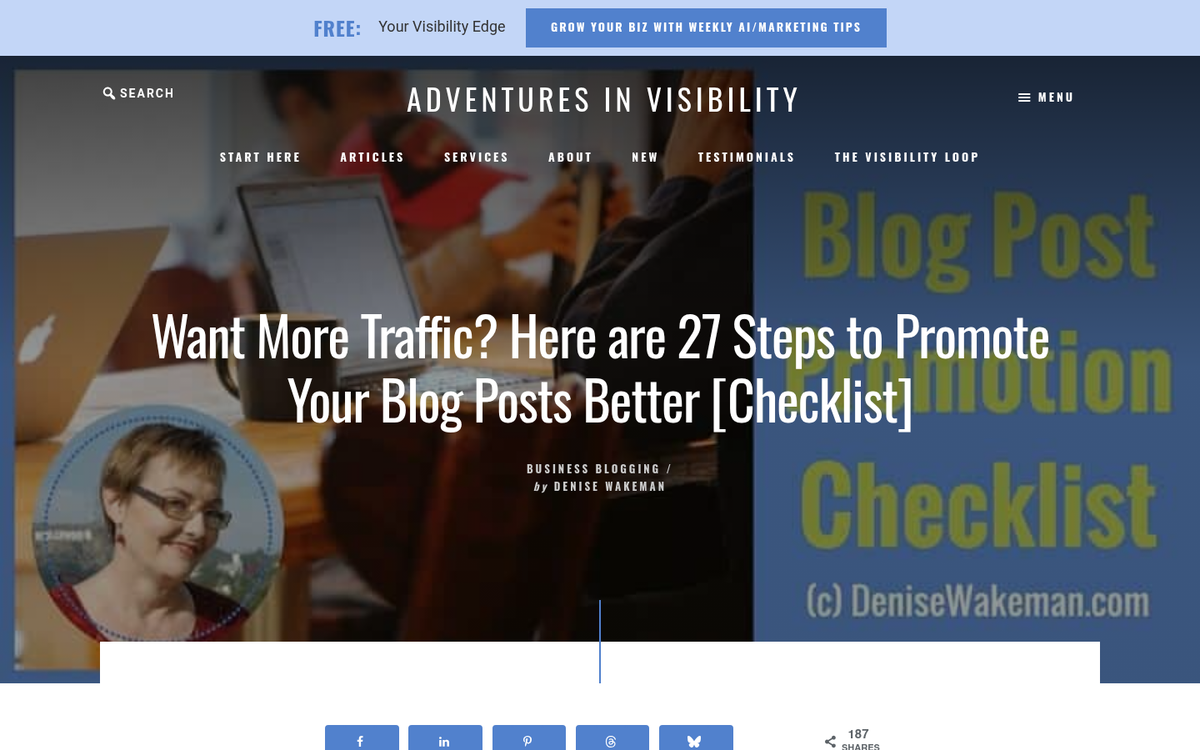
Blogs need promotion. The better and more consistent your promotion, the faster your growth. Promotion comes in a number of forms, so I made a checklist of what you should be doing.
- Email your mailing list with new content in a weekly digest, including at least one piece of content not published publicly, as incentive for users to join the list.
- Share your post on social media, ideally several times with different snippets, across the span of a few days or a week. Short-form video platforms like TikTok, Instagram Reels, and YouTube Shorts are now powerful drivers of blog traffic if you can summarize your post compellingly in under 60 seconds.
- Tag, mention, or email any influencer you mention or link to in your post.
- Share with any specific communities, groups, or forums that discuss the topic you covered in detail - including LinkedIn groups, Reddit threads, Discord servers, and niche Slack communities.
- Optimize for AI-driven discovery. In 2026, a growing percentage of search traffic is being filtered through AI tools like ChatGPT, Google's AI Overviews, and Perplexity. Structuring your content clearly with well-labeled headings, direct answers, and authoritative sourcing improves your chances of being cited or surfaced by these tools.
You can also run your best content through paid ads, though businesses tend to reserve their ads for high-converting landing pages instead of blog posts - which is fine, it's your choice.
You can also think about syndicating some of your content, though that's a tough issue. Syndication has to be done right and in moderation for it to have a net positive effect on your site instead of someone else's.
2. You're Not Repurposing Great Content
Sometimes one singular piece of content will hit the right topic at the right time, and it will go viral. Viral posts are high in volume but short-lived in nature, and we always wish we could extend that value. The fact is, you can. You just need to take the best performing content you've created and repurpose it.
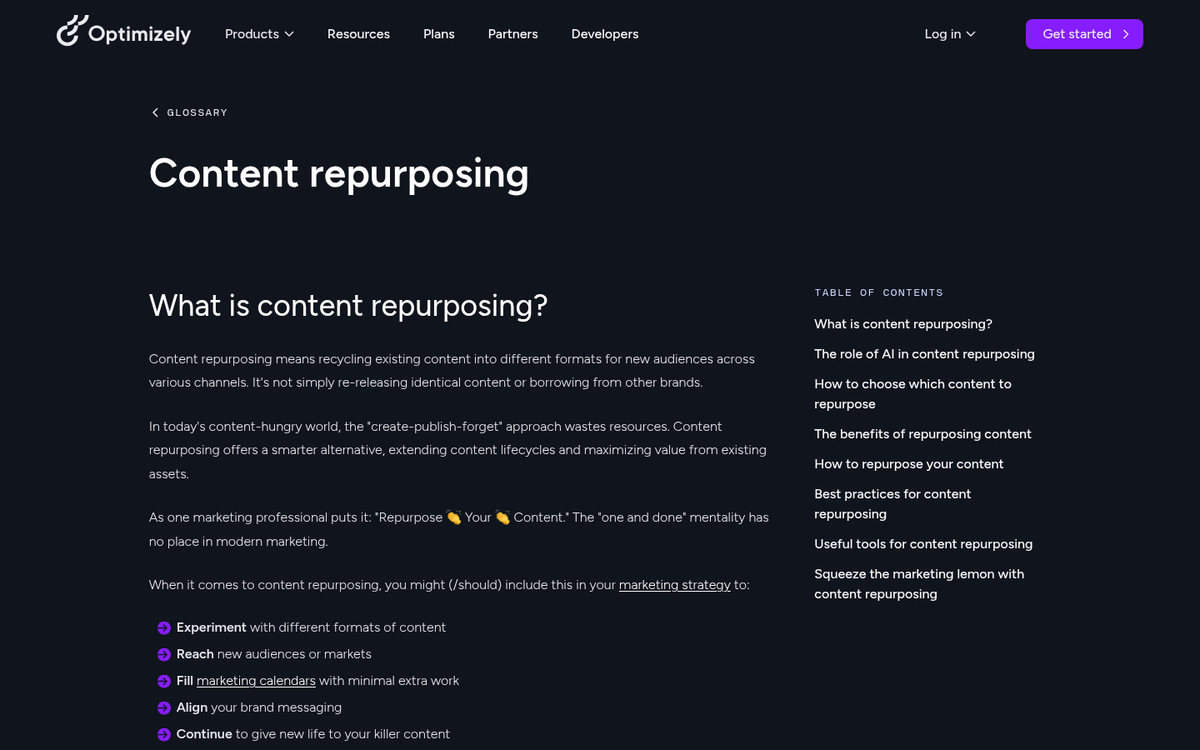
Here are some ideas:
- Convert a blog post into an ebook by doubling or tripling the length of the content with added value, then sell it or use it as a lead magnet.
- Convert a blog post into a short-form video for YouTube Shorts, TikTok, or Instagram Reels - one of the most effective distribution channels in 2026.
- Convert a blog post into a YouTube video with animated graphics, or an audio podcast for people to listen to on the go.
- Convert informational content into instructional content in the form of a webinar, DIY course, or paid group consulting session.
- Convert a larger overview-style post into a table of contents for individual drill-down posts about each individual sub-topic of the main post.
- Use AI tools to help with repurposing at scale - summarizing long posts into social captions, generating video scripts, or creating email sequences - but always review and edit the output for accuracy and your brand voice.
One single piece of content doesn't have to remain one single piece of content. It can be repurposed, split up, or embellished to create more value for more people and to bring in a wider audience. It's a bit less work to expand upon an existing piece of content than it is to come up with a completely new one.
3. You're Not Focused on a Single Topic
Blogs need focus. Very, very few sites online are generalist sites. Even a site like Reddit isn't a single site covering a large number of topics; it's a network of thousands of sub-sites covering more focused topics.
There are two reasons for the focus requirement. The first is your audience. When someone is looking for advice on cars, they want to read it on a site that focuses on cars. When you go to a doctor, you want that doctor to have studied medicine. Right? You don't want a doctor who only has a general studies degree.

The second reason is search optimization. Google's algorithms - now heavily informed by AI systems - have become increasingly refined at evaluating topical authority. A site that comprehensively covers a subject area is rewarded far more than one that dabbles in everything. Google's concept of E-E-A-T (Experience, Expertise, Authoritativeness, and Trustworthiness) makes topical depth more important than ever.
If you want to rank with drill-down posts, you'll have to be hyper-focused on a single narrow topic - this way, when someone searches for information about that topic, they can find you. Broad, vague posts don't rank. Specific ones do.
4. Your Blog is Focused on You
Yes, I know businesses use blogs as marketing tools. I know they're designed for you to promote yourself. However, anyone can do that self-promotion. Anyone can say "I have X product, you should buy it." That's not the job of a blog - that's the job of ads and commercials. The blog is not meant to answer the question of what you have for sale; it's meant to answer the question of why a user should buy from you.
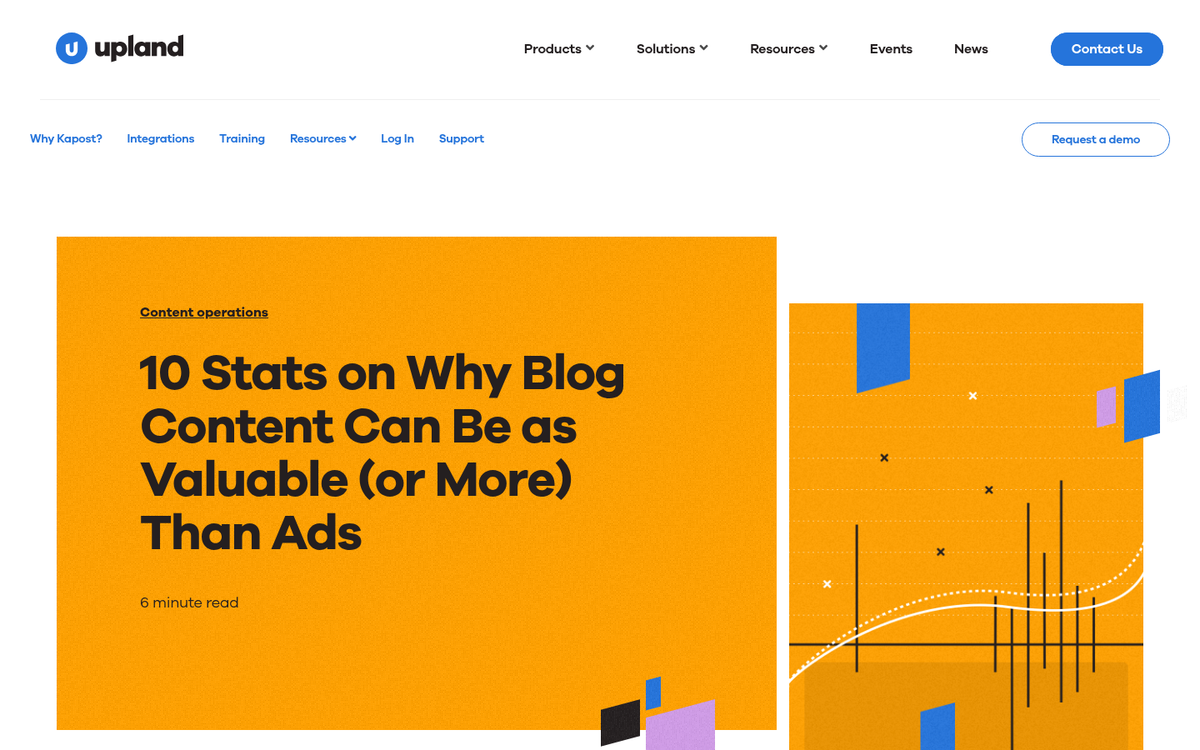
Nine times out of ten, the reason a user buys from company A over company B is because A did a better job of proving that they're honest and they know their stuff. They do this by having a blog that gives information with a minimum of sales talk. Users come to your blog to find solutions to their problems and data for their own purposes. If you give them that, you prove yourself an honest brand, and they'll be more inclined to research what your product is, or to buy it when they see it.
This matters even more today. With AI tools now capable of answering basic questions instantly, users who click through to a blog are specifically looking for depth, nuance, and human perspective - not a thinly veiled sales pitch. Give them what they came for.
5. You're Not Part of the Community
Industries have established gurus, authorities, and sites that everyone references. There are a number of them in marketing, just to give you an example - Ahrefs, HubSpot, Moz, Search Engine Journal, and more. You'll see that sites in the niche network with each other. They link to each other, they interview each other, and they guest post with each other.

You need to make yourself part of the community. You need to respect those with more experience than you. You need to link to them as references and learn from them. You need to mention them and link to them to get their attention. You need to socialize with them on social media and in communities, so you too can be one of them eventually.
In 2026, this also means showing up in spaces where your industry's conversations are happening in real time - LinkedIn, relevant subreddits, niche newsletters, podcasts, and industry Discord or Slack communities. Visibility in these spaces builds the reputation that earns backlinks, shares, and long-term audience loyalty.
6. You're Not Building Your Own Community
One thing that helps blogs grow is cultivating their own communities. You don't want to just be an outsider tapping into the wider industry conversation. You want to have your own site community or brand following - this could mean a newsletter with a loyal readership, a dedicated Discord server, an active LinkedIn following, or a YouTube channel that drives viewers back to your blog.

Facebook Groups have become less dominant than they once were, but they still work in some niches. What matters more is finding where your audience actually spends time and showing up there. You want to own an audience directly, instead of renting attention from platforms that can change their algorithms overnight.
If you have enough active members, a community forum or subreddit works pretty well - but only if you legitimately have the volume to sustain it. A ghost town forum does more harm than good to your brand credibility.
7. Your Content is Superficial
I see this quite a bit with small business blogs that want to get into a niche but don't have the resources to dig deep into their industry. And in 2026, this problem has become dramatically worse. AI content generation tools have flooded the web with thin, recycled, surface-level posts that cover familiar ground without adding anything new. The result is that superficial content is now basically invisible - to readers and to Google.
According to Zippia, bad content is the top factor destroying blog credibility, cited by nearly 24% of respondents - ahead of bad design and fake social media followers. Readers can tell when they're reading filler, and so can search engines.

The antidote is original information: proprietary data, firsthand experience, genuine expert opinion, or a perspective that simply doesn't exist anywhere else - it's what earns links, shares, and the trust that turns a first-time reader into a regular. If you can't produce that in-house, invest in a writer or subject matter expert who can. Quantity without quality is now worse than publishing nothing at all. And if you have old posts that are dragging your site down, deleting bad blog post content can actually increase your traffic.
On a related note: Orbit Media found that bloggers who use 7 or more images per post are 2.3x more likely to report strong results. Visual content isn't decoration - it's an actual part of what makes a blog post worth reading and sharing.
8. You're Not Consistently Active
There's a lot of debate about how often you should post to a blog. Setting that aside, I can boil it down to one single rule of thumb.
Post as often as you can support on a consistent basis.
What that means is that you should never set an editorial schedule that relies on more content than you can reliably publish. If you can only count on publishing one well-researched blog post per week, start there and do it well. In the current environment, one exceptional post per week beats five mediocre ones every time.
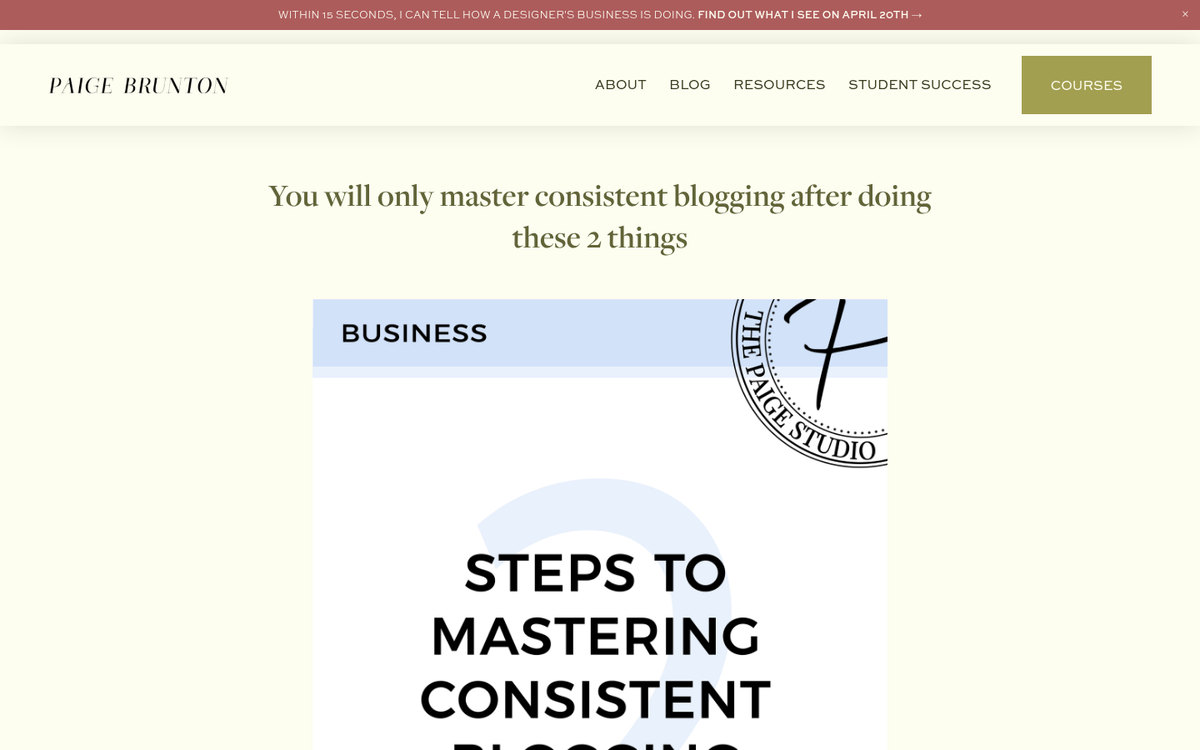
Additionally, don't fall into the trap of thinking a couple of productive weeks means you can bump up your schedule. If you don't have at least a month's worth of backlog, preferably more, you don't have enough content production to support increasing your publication speed.
One more thing worth mentioning: consistency now extends beyond publishing. Regularly updating old posts with fresh data, corrected information, and new insights has become one of the most effective growth strategies available. A well-maintained archive signals to readers and Google that your site is a living, trustworthy resource - not an abandoned one. If you stop blogging consistently, your rankings could drop as a result.
9. Your Site Sucks, Mechanically
A modern site should have a standard of design and performance. You need to have a responsive design, so you're visible to mobile and desktop users with equal validity. You need to have a clear navigation structure that doesn't make it impossible to find what a user could be looking for. You need to cut back on the number of ads and pop-ups on the site, so they aren't plastered everywhere.
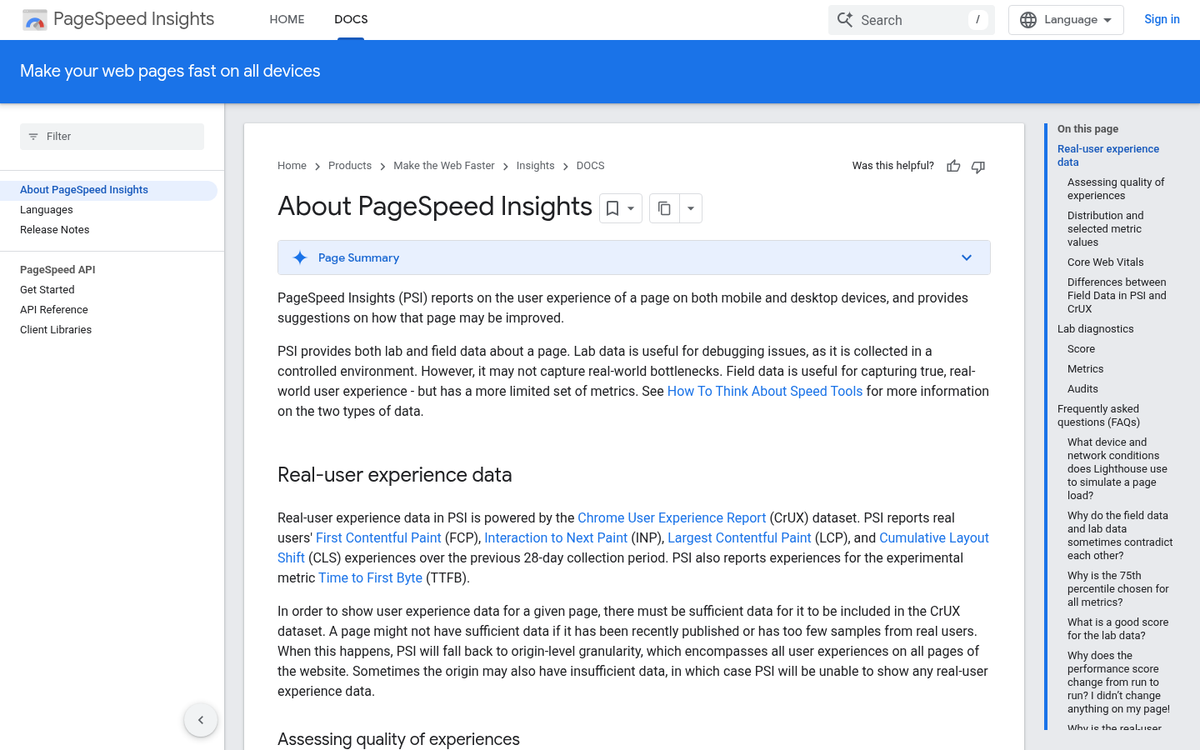
Page speed is no longer optional. Google's Core Web Vitals have been a ranking factor for years, and in 2026, users are less patient than ever. Run regular audits using tools like Google Search Console or PageSpeed Insights and fix what they flag.
Bad design remains one of the top credibility killers for blogs - second only to bad content, according to Zippia, with 21.35% of respondents citing it as a big trust-breaker. Your site doesn't need to be flashy. But it does need to look clean, load fast, and work on every device.
10. You're Invisible to Search - And to AI
There are a number of different reasons why you might not be showing up in search results. The biggest are algorithmic penalties, thin content, poor technical SEO, and a lack of credible backlinks. Remember: per Ahrefs, only 5.7% of pages will crack the top 10 search results within a year of publication. The competition is steep, and getting steeper.

AI-powered tools like Google's AI Overviews, ChatGPT, Perplexity, and others are now a primary way users discover and consume information. If your content isn't structured, isn't authoritative, and isn't backed up by credible sources, it won't be surfaced by these tools either.
Check for code or server-related errors, diagnose possible penalties, build your E-E-A-T signals, and structure your content so human readers and AI systems can find and trust it. The blogs that grow going forward will be the ones that treat search visibility and AI discoverability as two sides of the same coin.