Key Takeaways
- Creating great content is the bare minimum; advanced promotion strategies are essential to cut through today's crowded, AI-saturated digital landscape.
- Repurposing content into videos, carousels, podcasts, and infographics dramatically expands reach across multiple platforms and discovery engines.
- Email outreach consistently outperforms social tagging, with Campaign Monitor data showing six times more clicks from email than tweets.
- LinkedIn carousels generate 11.2 times more impressions than text posts, making them one of the highest-ROI promotion formats available.
- Authentic engagement-responding to comments, joining live conversations, and building peer partnerships-differentiates human-driven content from AI-generated noise.
One of the things we marketers say consistently is that the route to success online these days is through content. Write content and the rewards are yours for the taking. People will find it and find you, through organic search. You'll gain social prominence. Your business will grow and you'll rake in the profits.
The reality is, it's a bit harder than that. The content community has exploded to a scale that was unimaginable even a few years ago. With AI tools now capable of making thousands of articles per day, the volume of content competing for attention is staggering. Tons of blog posts languish with no attention basically because of the crush of information on all sides. Even social places filter aggressively; the average user would be overwhelmed if algorithms didn't curate most of what gets shown to them.
These days, creating awesome content is the absolute bare minimum you can do; anything less is shooting yourself in the foot. You need top-tier promotion methods, and it's what I want to give you here.
1. Ask Experts for Quotations

Every industry has experts and experts love to promote themselves in various ways. One way you can use for promotion is to ask an influencer for their opinion on your new content. You get a high quality recommendation and they get a bit more reputation. Try to hit up multiple influencers, because not all of them will respond to your request for a comment. With AI-generated content flooding the web, a genuine human expert quote has never been more helpful as a trust signal.
2. Vary the Posts you Share
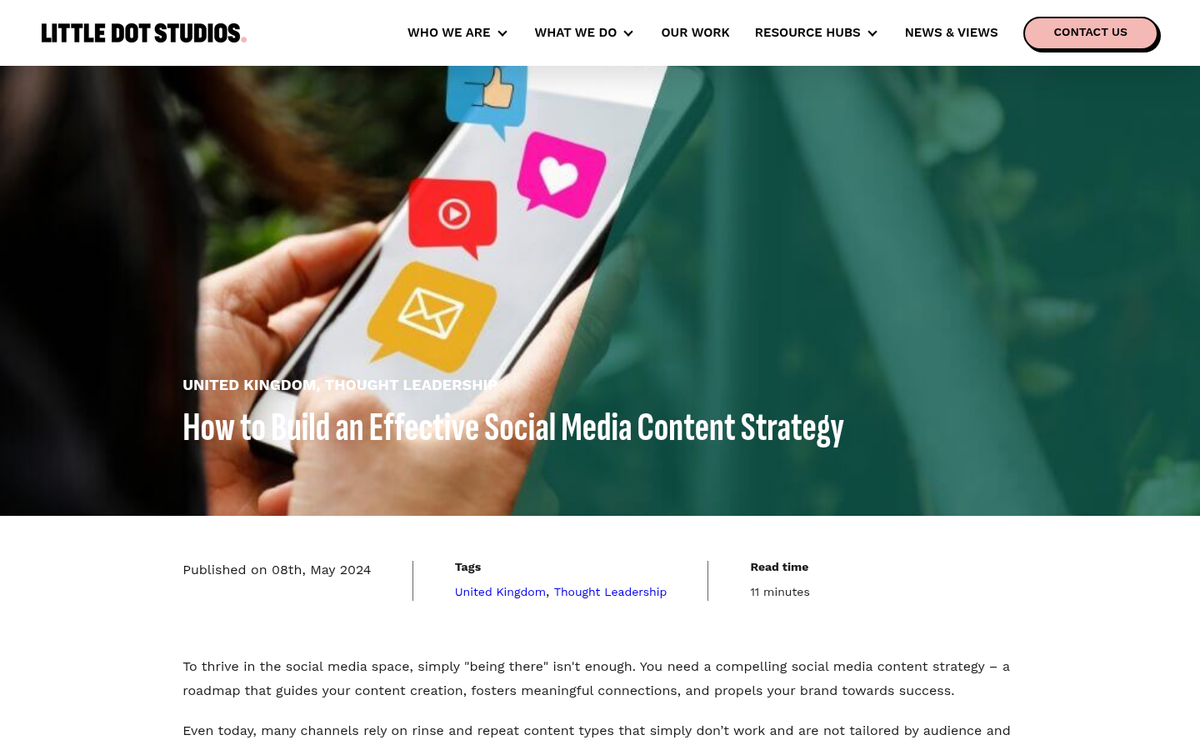
Each time you post your link on a social network, you have the chance to write a post to go along with it. These posts should vary each time you share one link and each time you share a different link. Avoid the same old formula every time. Experiment with comedy, factual quotes, curiosity-driven hooks and other variations. Measure what works best. According to SEMrush, businesses that maintain a steady voice and visual identity achieve 33% higher brand recall, so while your copy can vary, keep your visual identity and tone steady.
3. Mention or Tag Sources
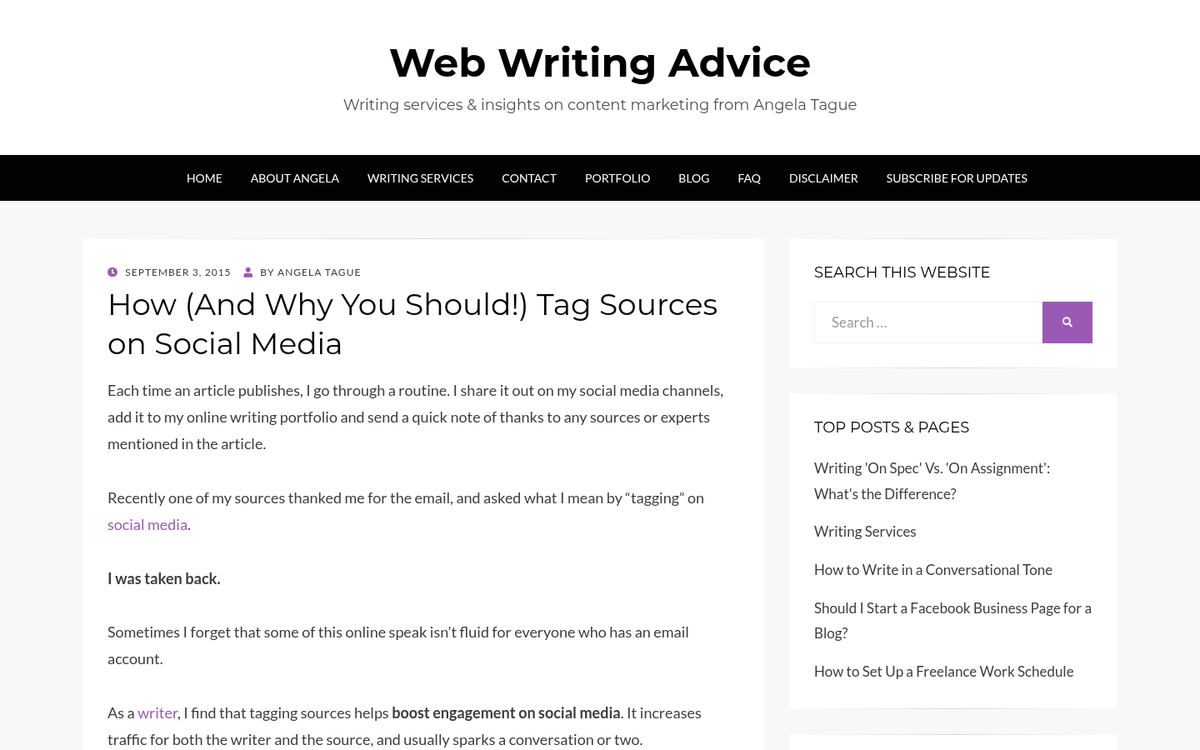
Every post relies on data from some source or another. If you're using outside sources, you're linking to them in your content almost every time. When you link to those sources and publish the post, gain exposure by mentioning those sources in your social posts. You can tag them on Facebook, @mention them on X (formerly Twitter), or tag them on LinkedIn. Pick the platform that source uses the most and where their audience is most active.
4. Contact Sources Directly
This is an extension of the previous method and it works best for sources that are occasionally active on social media but are more active in their own spheres. Instead of mentioning them publicly - or in addition to doing so - send them an email. According to Campaign Monitor, you're six times more likely to get a click from an email campaign than a tweet, so direct communication has a higher chance of getting their attention than a social tag alone.
5. DM Users on X or LinkedIn Who Share Similar Stories
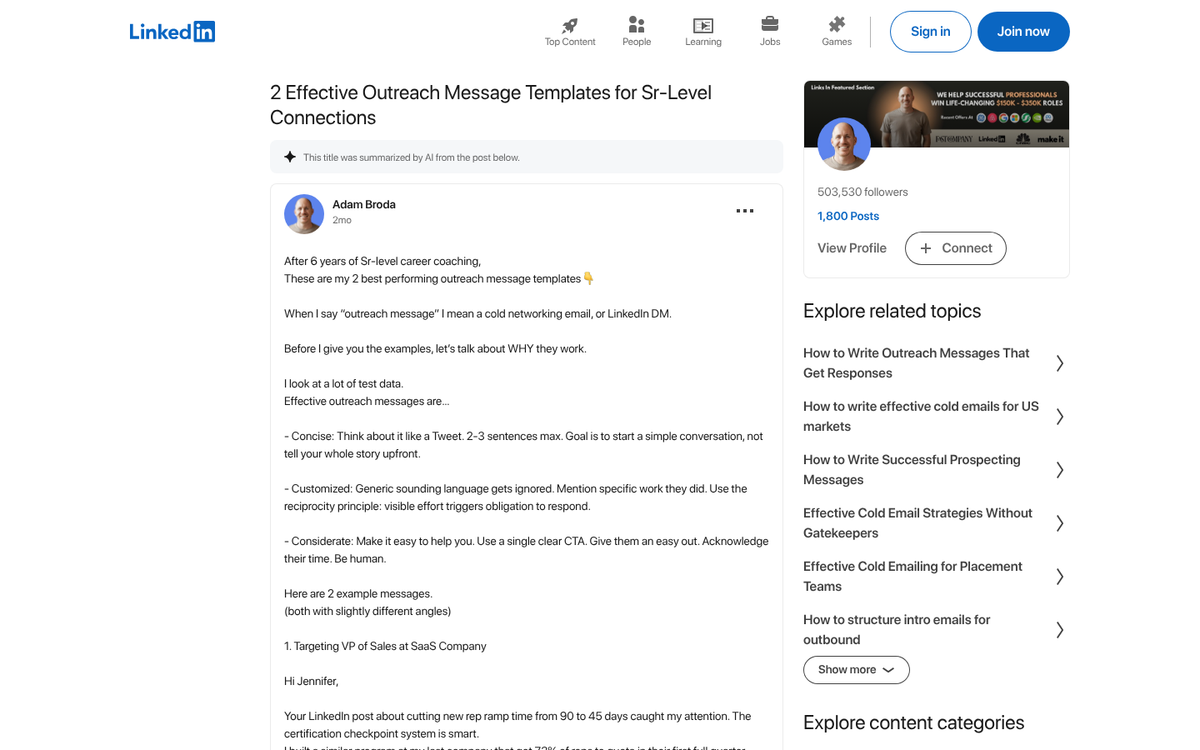
Use social listening tools or platform searches to find users - preferably those with a large audience - who are talking about the topic you covered in the post you're trying to promote. Do a quick audit to make sure they're someone you're willing to associate with publicly and if they pass muster, send them a direct message asking for a comment or promotion of your post. LinkedIn DMs in particular tend to have strong response rates in professional niches, so don't overlook that platform - learn how to syndicate your blog posts to LinkedIn for traffic in favor of X alone.
6. Pin a Top Post on Facebook or X
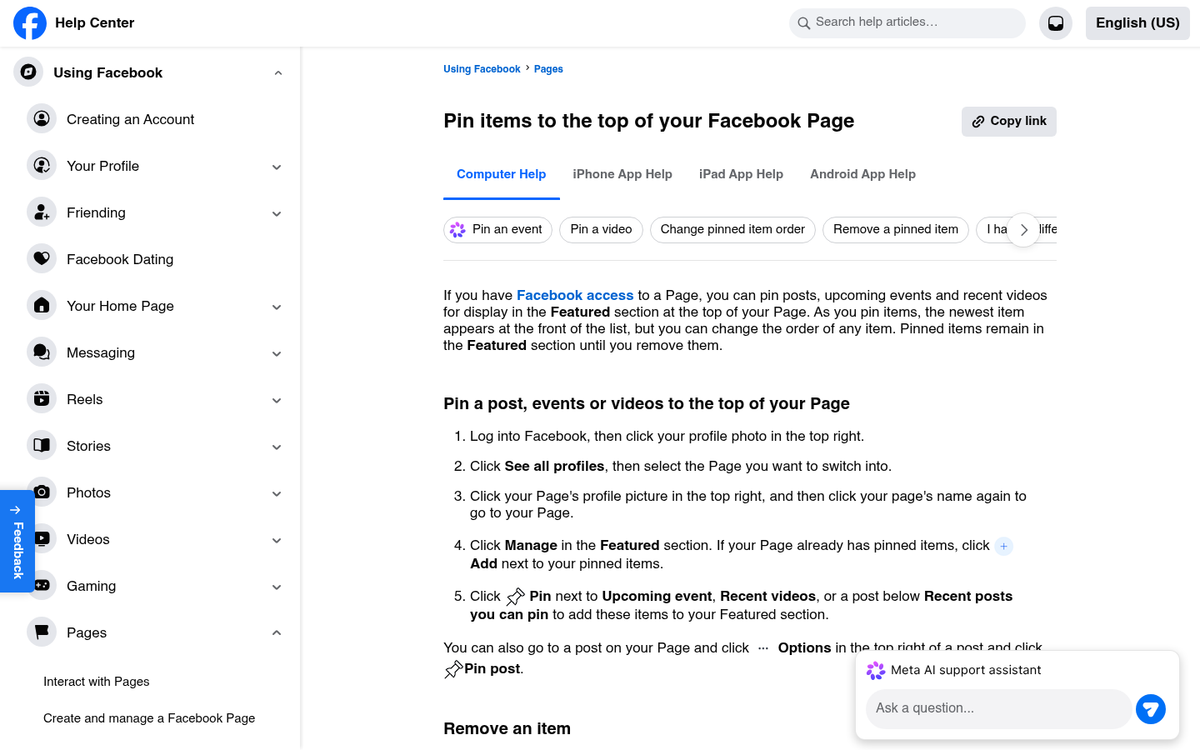
Both Facebook and X allow you to pin a post to the top of your profile, so anyone visiting sees it above everything else. You should always have something helpful pinned when you're actively promoting it, though you don't necessarily want to rotate it every time you publish a new piece of content. Use it sparingly so it retains impact when you do use it.
7. Use Carousels on LinkedIn for Massive Reach
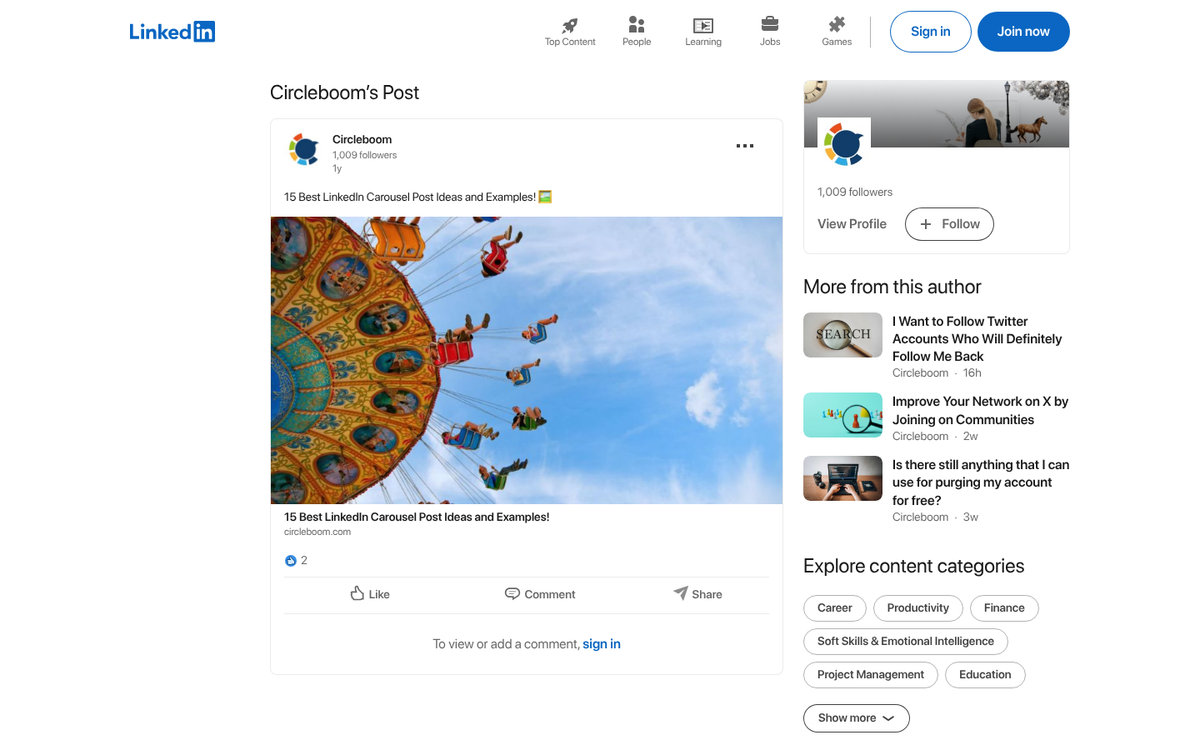
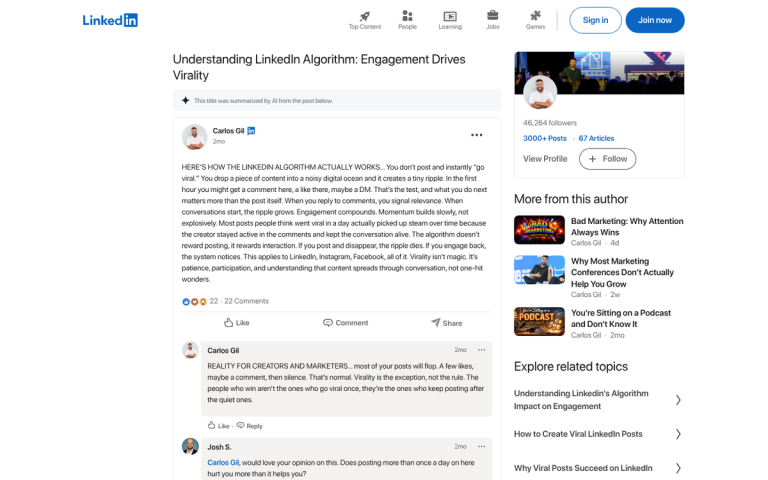
LinkedIn carousels drive 11.2 times more impressions than text-only updates, which makes them one of the highest-performing formats available on any platform right now. Take your blog post and break it down into a series of punchy, visually engaging slides. Include a call to action on the final slide pointing back to the full post. It's one of the most underutilized content promotion techniques for B2B marketers in particular.
8. Post the Content Several Times

Each piece of content you create can be posted a few times on each social network you use. Different networks have different ideal frequencies, so learn them and get used to them. In general, X will allow you to post a few times throughout a few weeks. But Facebook and LinkedIn support fewer reposts before audiences tune out. Always vary the framing and copy with each reshare, and consider using Zapier to automate parts of your blog post promotion.
9. Use a Variety of Relevant Hashtags

Each time you're posting your content, attach relevant hashtags. Keep one consistent with your branding. But vary the others to tap into different conversations, topics and communities. Instagram allows as many as 30 hashtags per post, which gives you maximum reach there. On LinkedIn and X, hashtags are more targeted and limited - usually three to five performs best on those platforms.
10. Link Your New Content in Highly Performing Old Posts
Social promotion doesn't have to be direct. Identify the content you have that's still the most shared and viewed - on social media and in organic search. Add a link to your new content within that older, high-traffic content. When new users find the popular post they'll be exposed to your newer content as well - this works especially well for evergreen blog posts that continue to rank on Google. internal linking strategies like this help distribute page authority and improve the visibility of newer content across your entire site.
11. Prioritize Visual Content Across All Platforms
HubSpot reports that 80% of marketers now prioritize visual content in their social media strategies and it's easy to see why. Static text posts underperform compared to posts with strong visuals. Create strong graphics, quote cards, data visualizations, or short-form video clips to accompany every piece of content you promote - this applies across Instagram, Facebook, LinkedIn, X and TikTok alike. If you're looking for more ways to boost visibility, check out these 50 ways to get more social shares on your blog posts.
12. Respond to Comments on Social Media
This one shouldn't need to be on an advanced techniques list. But it's here because so few businesses actually follow through on it. Comments are the social feature of social networks and you'll have to hold conversations if you want to seem personable and build your reputation. With AI-generated content increasingly flooding feeds, authentic human interaction in comment sections is more of a differentiator than ever. In fact, comments can improve your blog post rankings and traffic as well, making engagement a strategy worth prioritizing across all platforms.
13. Share the Post in LinkedIn Groups
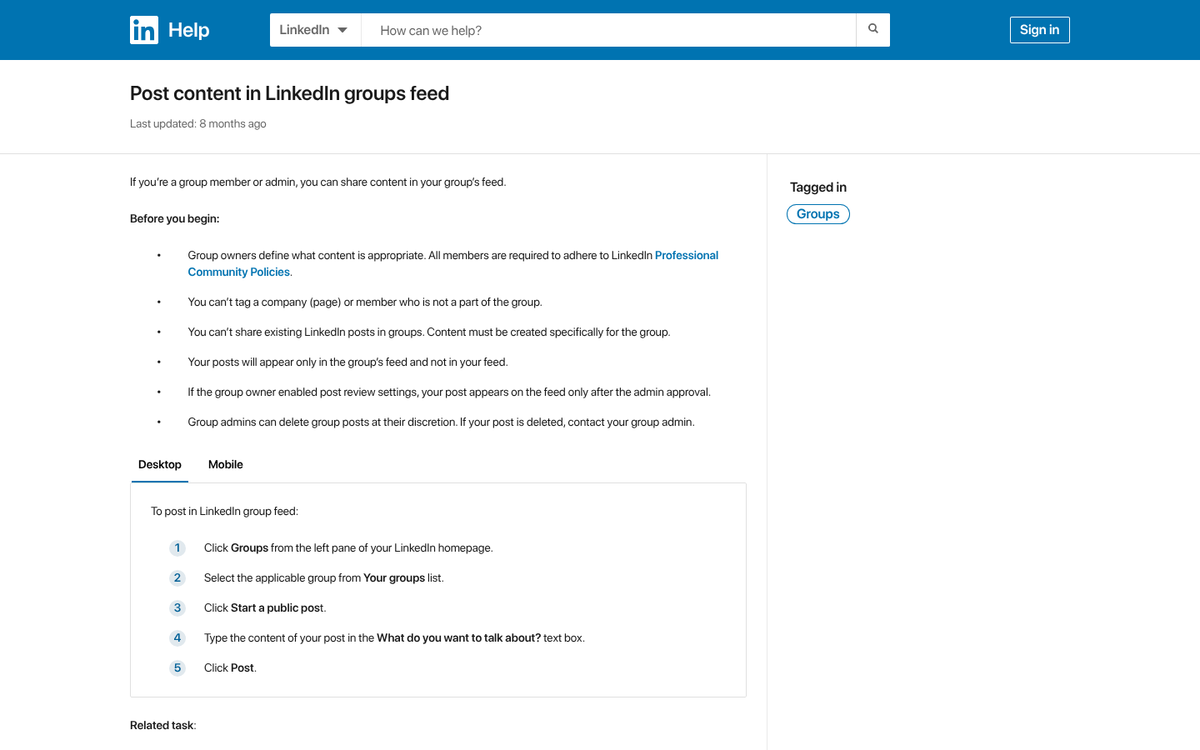
This is a tough tip because you can't simply join a group and dump your link. You need to be an active participant in the group first, so members know you and trust you, before you start promoting yourself. Thankfully, once you're part of a group, it remains open to you as long as you remain active in it. LinkedIn Groups have seen a resurgence in activity and that's especially the case in professional and B2B niches.
14. Send the Link to Roundup Bloggers and Newsletter Curators
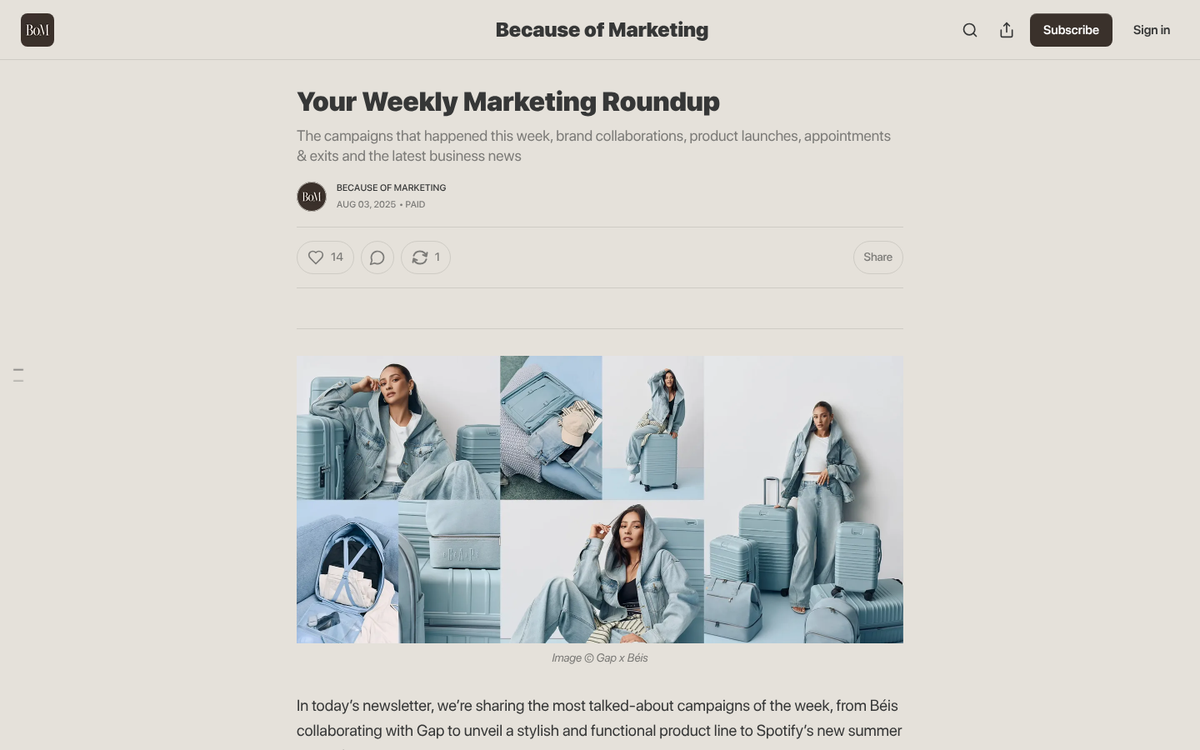
Virtually every niche has bloggers and newsletter writers who publish regular roundups of the best content in a given week or month. You'll never make the list if you're not on their radar, so reach out directly with your link. Email newsletters in particular have grown enormously in prominence since the mid-2020s, with platforms like Substack and Beehiiv hosting large, loyal audiences. Getting featured in the right content curation platform can drive more targeted traffic than most social posts.
15. Convert the Content into a Short-Form Video
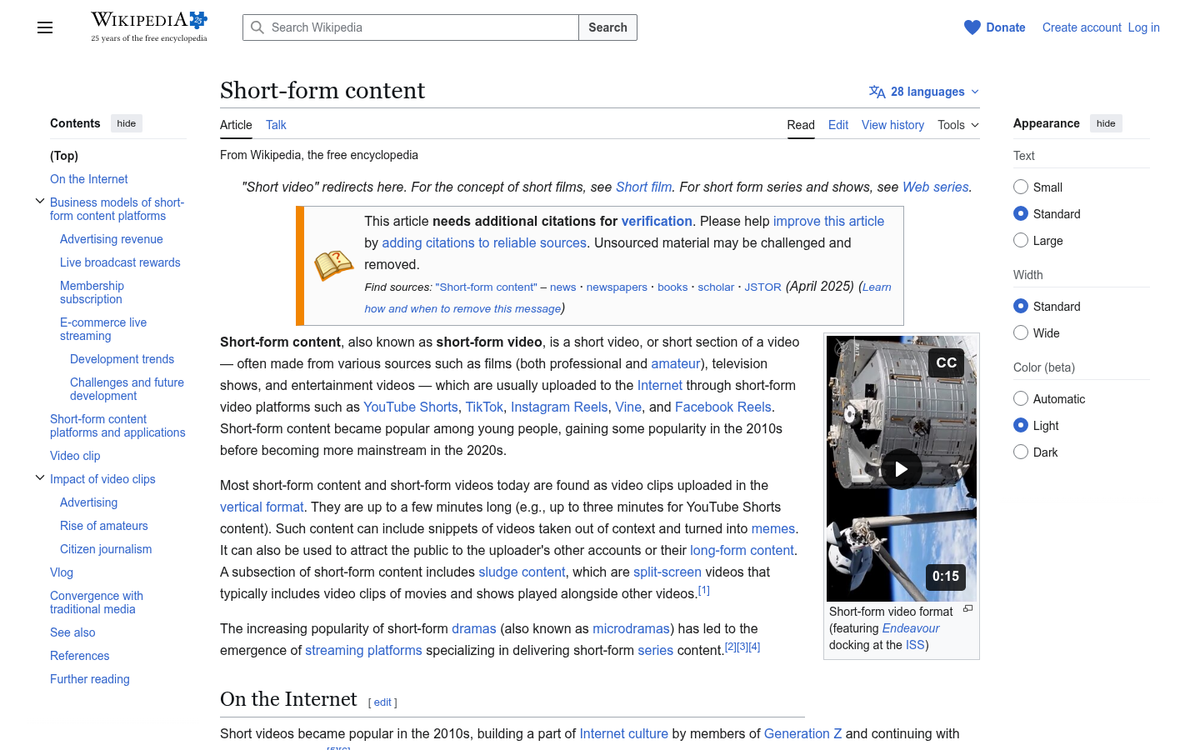
Short-form video is currently the dominant content format across nearly every platform. Convert your blog post into a 60-90 second video for TikTok, Instagram Reels and YouTube Shorts. These platforms have massive built-in discovery engines that can expose your content to audiences who would never have found it through search or social alone. If you're consistent, this is one of the fastest ways to build an audience in 2026.
16. Convert the Content into a LinkedIn Carousel or Slide Deck
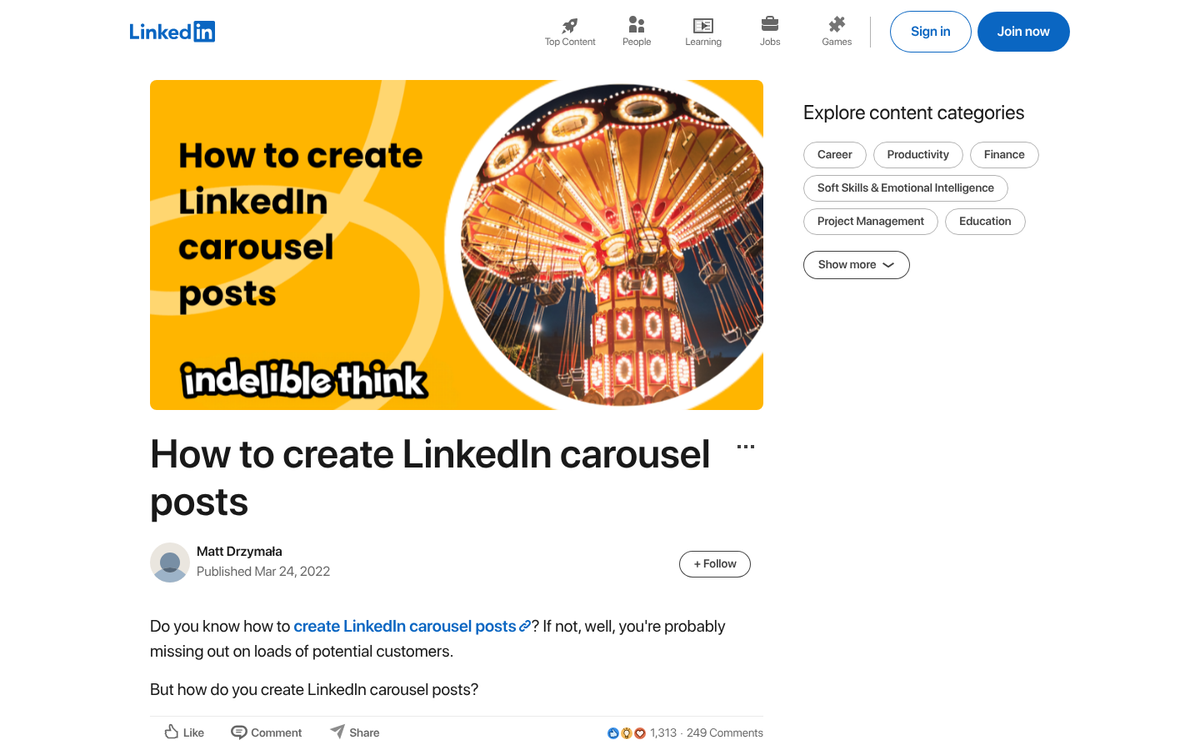
With SlideShare having declined in relevance, LinkedIn's native document and carousel posts have taken over as the preferred format for slide-based content. Format your post as a series of clean, informative slides and upload it natively to LinkedIn. Include a link to the full post in your caption. Given that carousels generate 11.2 times more impressions than text posts on the platform, this is one of the highest-ROI repurposing moves you can make.
17. Convert the Content into a Podcast Episode
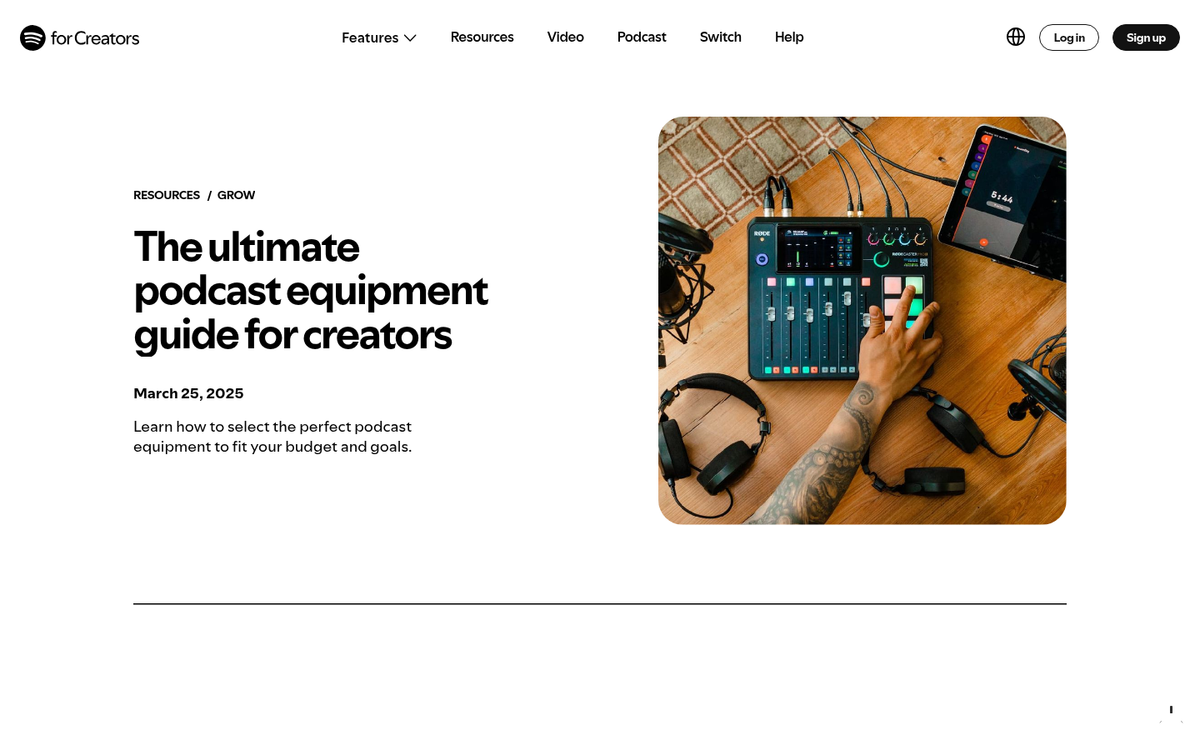
Podcasting continues to grow, with widespread listenership at an all-time high in 2026. You can do a 1:1 spoken version of your blog post, you can use it as the foundation for an interview with an expert in the space, or reference it in an existing episode with a link in the show notes. Submitting to Apple Podcasts, Spotify and YouTube (which now heavily indexes podcast content) gives you extra discovery surfaces beyond your existing audience. If you're looking to make the most of that traffic, check out these ways to convert your blog post traffic into sales.
18. Convert the Content into an Infographic

Infographics remain a reliable strategy for gaining traffic and backlinks and they give you access to visual-first platforms like Pinterest and data journalism blogs and industry aggregators. An infographic can be circulated like a brand new post on social media and you can always link back to the original post in the accompanying caption or landing page.
19. Host a Webinar or Live Session Around the Topic
Webinars and live streams are powerful for creating authority within your niche. Hosting a live session - whether on LinkedIn Live, YouTube Live, or a platform like Zoom - signals that you know your subject well enough to talk about it in real time. Attendees are highly engaged and far more likely to share and reference your content afterward. Record it and repurpose the recording as additional content afterward.
20. Expand the Content into an eBook or Lead Magnet
Content with enough depth can be expanded into an ebook or downloadable guide - this transforms the promotion of your original post into hype for a lead magnet. You can contact everyone who engaged with the original post and inform them of the new resource, which you can give away in exchange for email sign-ups - growing your list in the process.
21. Act Like You're Revealing Secrets
This one is all about the attitude. If you present your post in a way that suggests you're revealing closely kept industry secrets, you can get attention from people who are on the fringes of the industry and need those secrets to succeed - this works even if the information isn't secret at all - framing and positioning are everything.
22. Create Your Own Top Lists and Roundups

Remember how I said every industry has roundup newsletters and blogs? Why not take up that mantle yourself? Become a content aggregator and monitor your industry. Create weekly roundups of the best content circulating that week and include your own posts within the mix. Make it legitimately helpful and you'll build an audience that relies on you as a trusted curator.
23. Build an Email List and Use It Consistently

Email remains one of the highest-converting channels available. Campaign Monitor data shows you're six times more likely to get a click from an email than from a tweet. If you're not building an email list and using it to promote every piece of content, you're leaving enormous value on the table. Additionally, resending your campaign email with a different subject line to non-openers can increase your total opens by 20-30% and it gives each piece of content a second life with minimal effort.
24. Post in Select Subreddits

Reddit remains a powerful but fickle platform. Identify relevant subreddits that would legitimately benefit from your post topic and share it with a descriptive title and context. Reddit threads also have a strong tendency to rank in Google search results and it gives your content an extra organic discovery channel.
25. Pay for Additional Social Exposure
Paid promotion is always an option and in 2026's crowded organic landscape it's increasingly a necessary one. Facebook ads, LinkedIn Sponsored Content and TikTok ads are all viable depending on your audience. Make sure you have a call to action and a way to measure ROI before spending. Native advertising platforms like Outbrain and Taboola can also distribute your content alongside editorial content across publishers, though these work best when you have something concrete to convert visitors toward.
26. Add Your Content to Themed Pinterest Boards
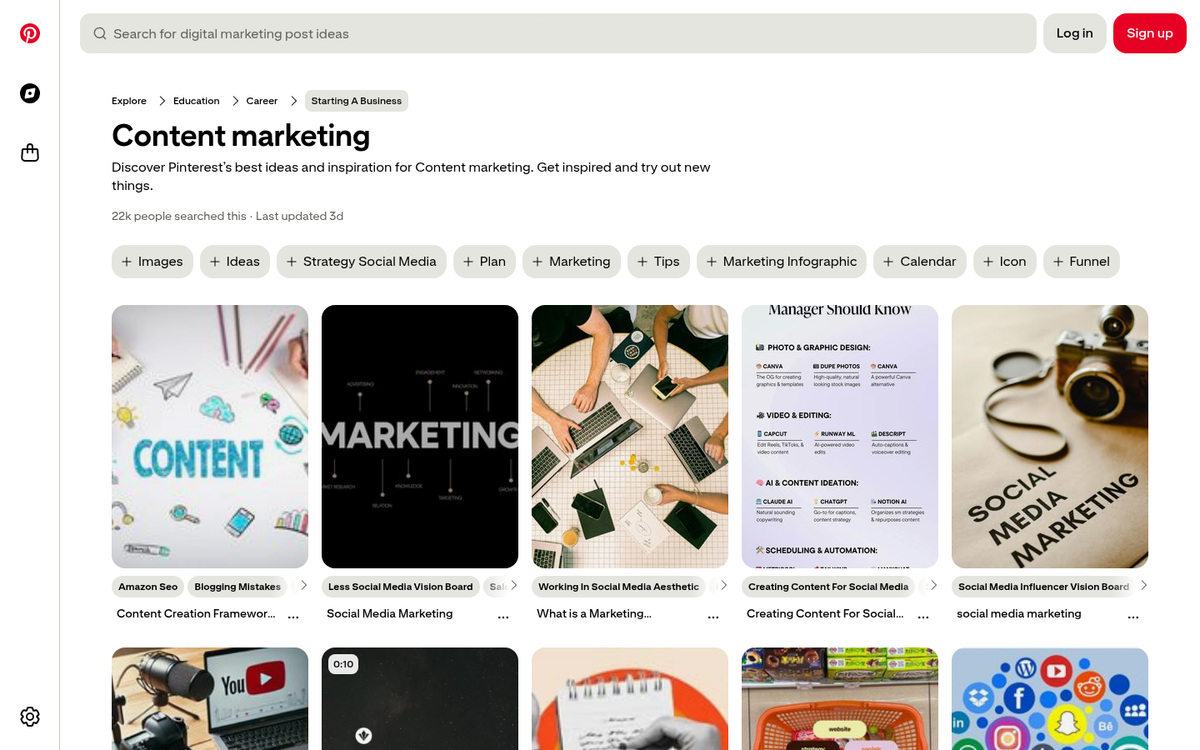
Create multiple pin variations for each piece of content, post them to relevant boards and use keyword-rich descriptions to maximize discoverability. Pinterest is especially helpful for lifestyle, food, design, finance and marketing content.
27. Talk Cross-Promotion with Peers in Your Space

You don't always need to target influencers with your outreach. Find businesses and creators at a similar level to you and strike up genuine partnerships for shared promotion. Co-authored posts, newsletter swaps and joint social posts are all fair game. Globally, 65.7% of people are active on social media and use nearly seven platforms per month, which means a peer with a different primary platform than yours can introduce you to an entirely new segment of your shared audience.
28. Identify Similar Broken Links and Notify Site Owners
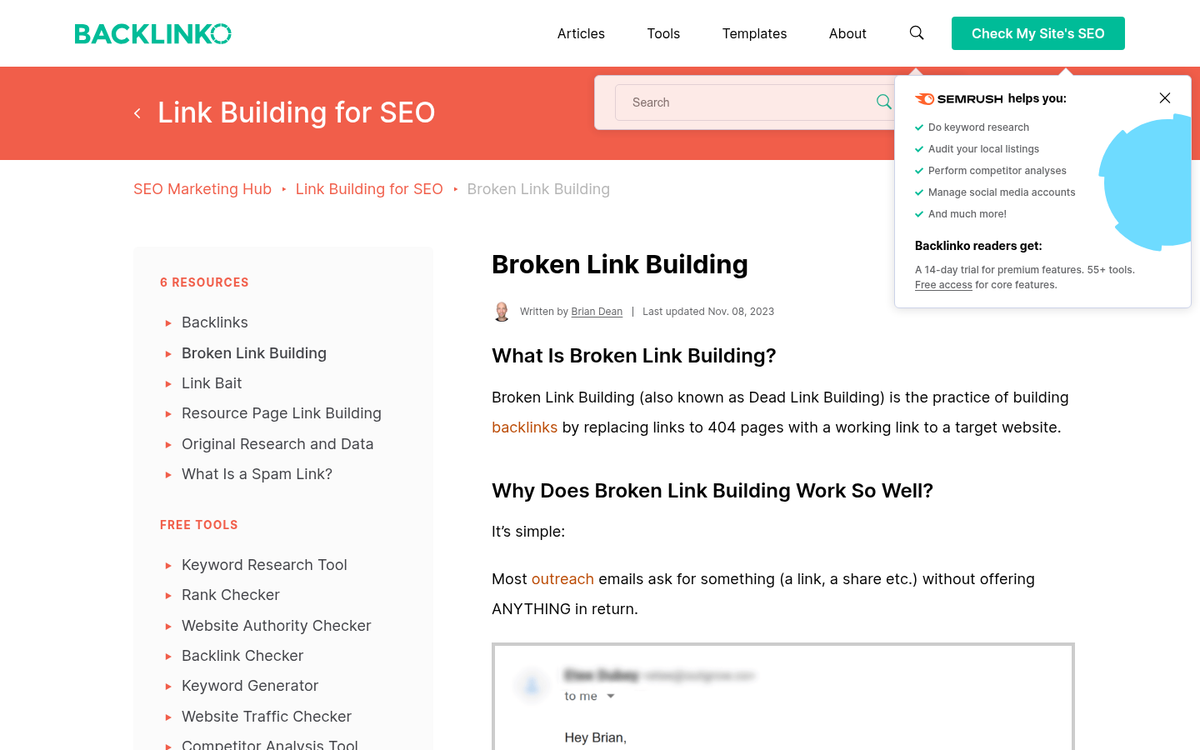
This technique combines broken link building with content promotion outreach. Find sites that link to outdated or dead content covering your topic, notify the site owner of the broken link and offer your post as a replacement - it's a legitimately helpful gesture that results in a quality backlink and a new relationship with someone already interested in your subject area. You can also use a tool to scan for bad external links on your own site to keep your content in good shape.
29. Submit to Content Curators and Aggregators
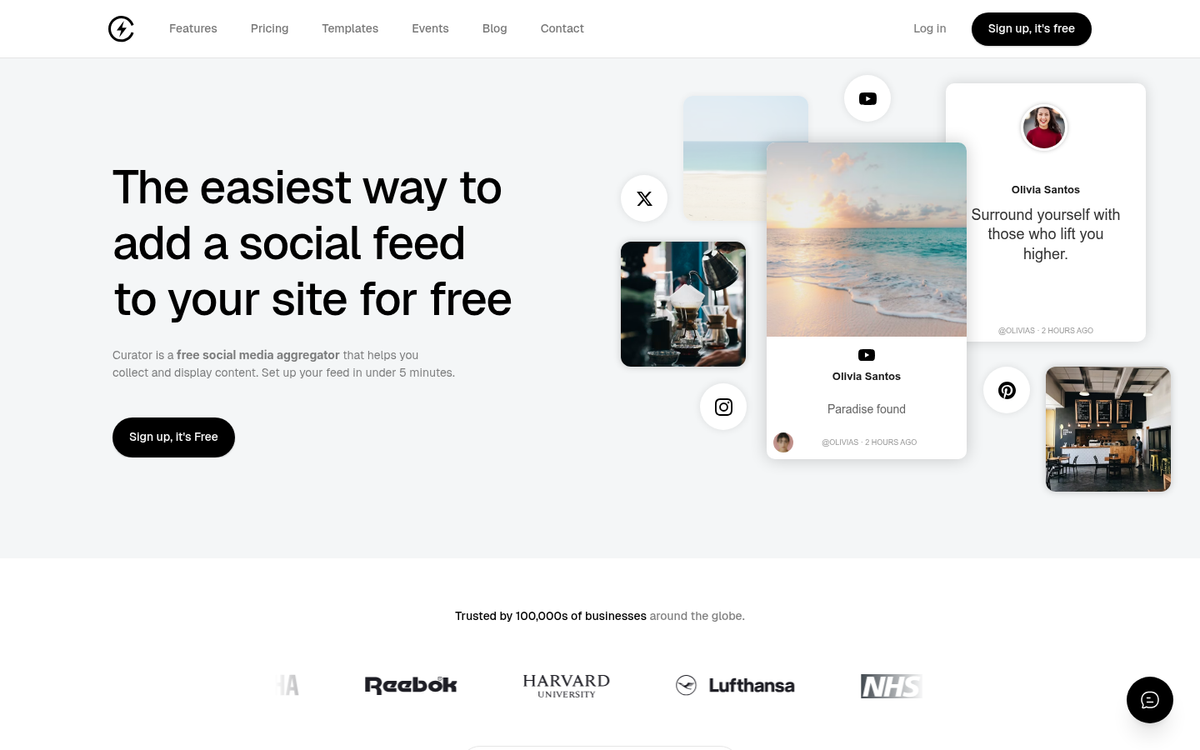
Curators and aggregators remain active across niches, from industry newsletters to community-driven platforms. Submitting your content to relevant curators gets it in front of audiences that are already primed to care about your topic. You want to become the content that trusted curators reach for when they need to fill their feeds with quality material.
30. Promote via Cover Photos and Profile Banners
Change your cover photos on Facebook, LinkedIn and X to visually reference your most important latest content, with a call to action pointing to a pinned post or link - it functions as a free, always-visible billboard for anyone who visits your profile during your promotional push.
31. Use Social Listening to Insert Your Link Into Live Conversations
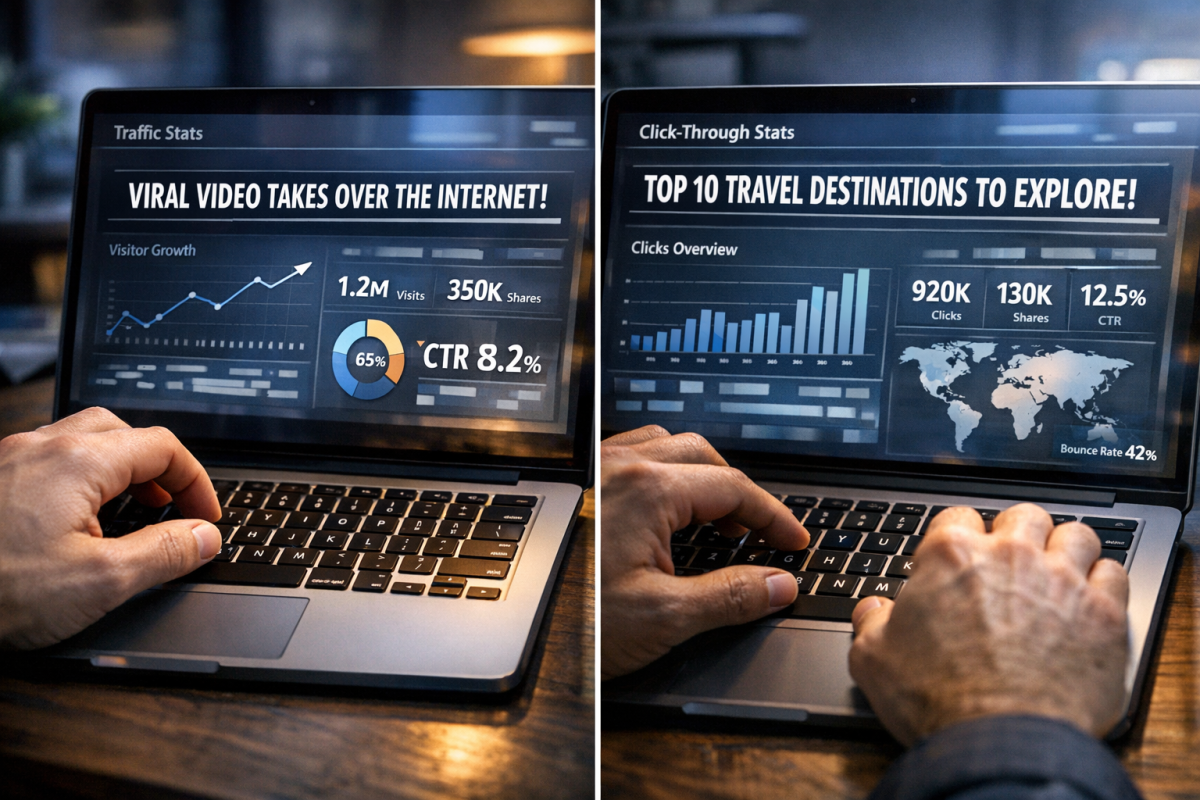
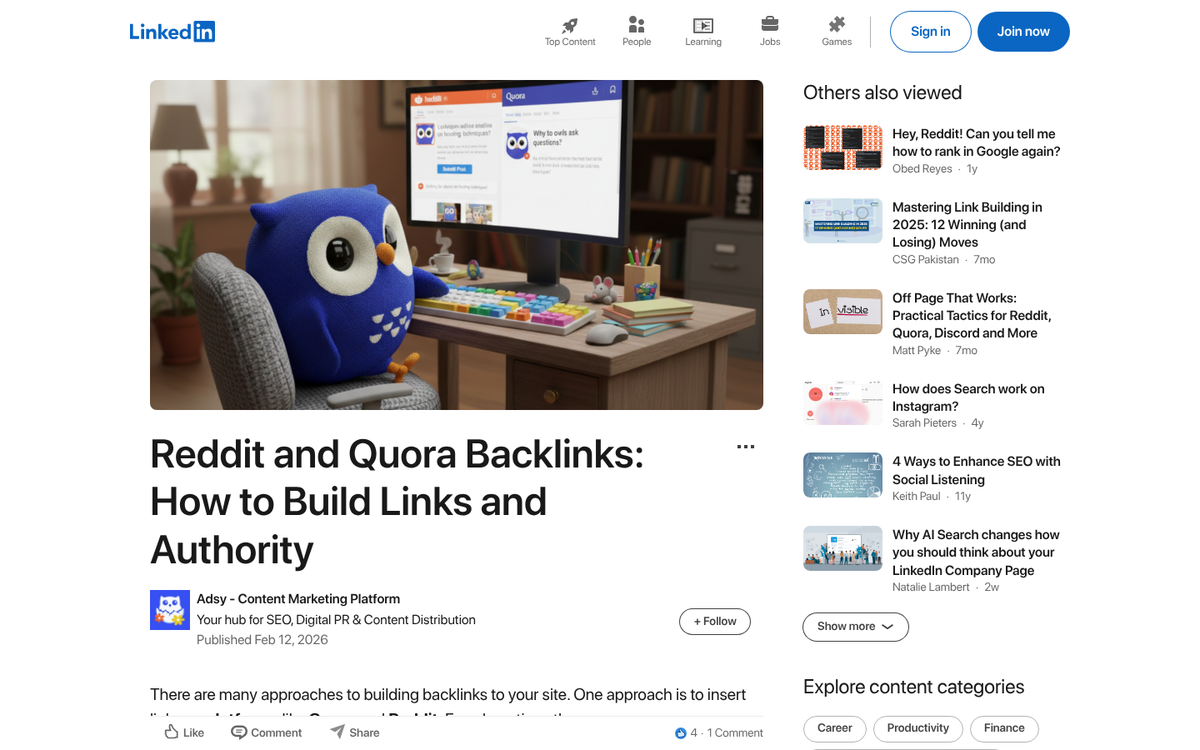
Your post is likely a relevant answer to questions being asked across forums, social platforms and community spaces. Use social listening tools to monitor for discussions around your topic, then join the conversation and share your link as a genuine resource - this works especially well on Reddit, Quora, LinkedIn posts and X threads. Do it only when it can legitimately add value - otherwise it reads as spam.
32. Experiment with Variations on the Post Title
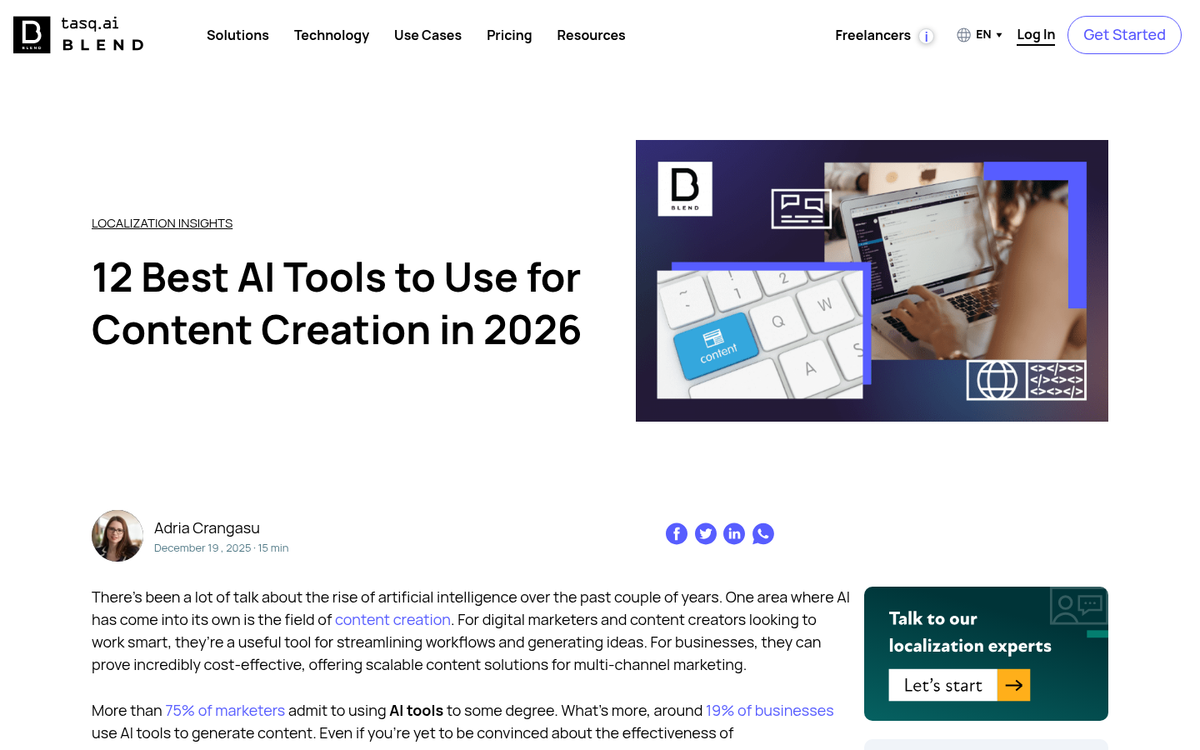
Every time you share your post, you can change the headline in the social copy. Test authoritative versus conversational and curiosity-driven versus data-led and factual. Track which framing drives the most clicks and engagement, then use those findings to inform how you write titles for future content as well.
33. Leverage AI Tools to Scale Your Promotion - Strategically

In 2026, AI writing and scheduling tools can help you rapidly generate post variations, repurpose content across formats and maintain a steady publishing cadence across multiple platforms without burning out. What matters is using AI to improve your strategy - not replace your authentic voice. Audiences have grown skilled at detecting hollow, AI-generated content, so use these tools to enhance your thinking - not substitute for it.
34. Create a Positive Feedback Loop
When a post is doing well, post about how well it's doing. Share the milestone, the reaction, or a surprising comment you received. It's a form of meta-promotion that gets another touchpoint out there without looking like a raw self-promotional push. Social proof works.