Key Takeaways
- Mommy blogging is highly saturated; roughly 90% of new bloggers quit within their first year, making persistence a key advantage.
- Choose a monetization strategy early-display ads, affiliate marketing, selling products, or digital products like ebooks and courses.
- Profitability takes time; realistic expectations are essential, as success can take several years of consistent effort.
- WordPress is the recommended platform, with hosting costs as low as $47 per year, making startup overhead minimal.
- Networking through other blogs, Facebook Groups, and social media is critical for building an early audience.
Blogging has two major powerhouses worth knowing about. One is the marketing blogger niche, the bloggers who analyze the patterns, who set the stage, who push forward and look at the unknown every day.
The other is the mommy blogger niche. These are the bloggers who put the advice into practice, because for them it's a matter of life and finances. Many marketers can just go get jobs in other forms of marketing, or use their blogs as a means to an end. Mommy bloggers are in it for the love of blogging, for the desire to support their families and to share their lives with others.
Sometimes the mommy blog gets a bit of a bad rap and it's understandable - it's easy to read half a blogging tips article and put those tips into practice the best way you can. Maybe you're not doing it as a marketer would. But when your blog is majorly successful, does it matter?
Starting a new mommy blog is tough business, because it's frankly a very saturated industry. The desire to work from home, build flexible income and share a personal story has caused a massive wave of bloggers entering the space over the past decade. To start one now you'll have to get ahead of the game and you'll have to stand out from the rest - it's worth mentioning that approximately 90% of new bloggers quit within their first year - which is discouraging and means that basically sticking with it puts you well ahead of the majority.
Unfortunately, that means you can't just start up a blog and run it half-cocked in hopes that you'll be successful like those others you read and admire. Maybe lightning will strike. But odds are a bit higher that you'll have to put in the elbow grease to even have a chance.
1. Set Reasonable Expectations
The first thing you need to do is be realistic about what you want from it, what you want to offer and what gives you satisfaction. You see modern mommy blogs doing everything. They do some affiliate marketing, they run their own Etsy store, they give you consulting or advice courses, they give you coupons to promote this or that service - it just goes on and on.
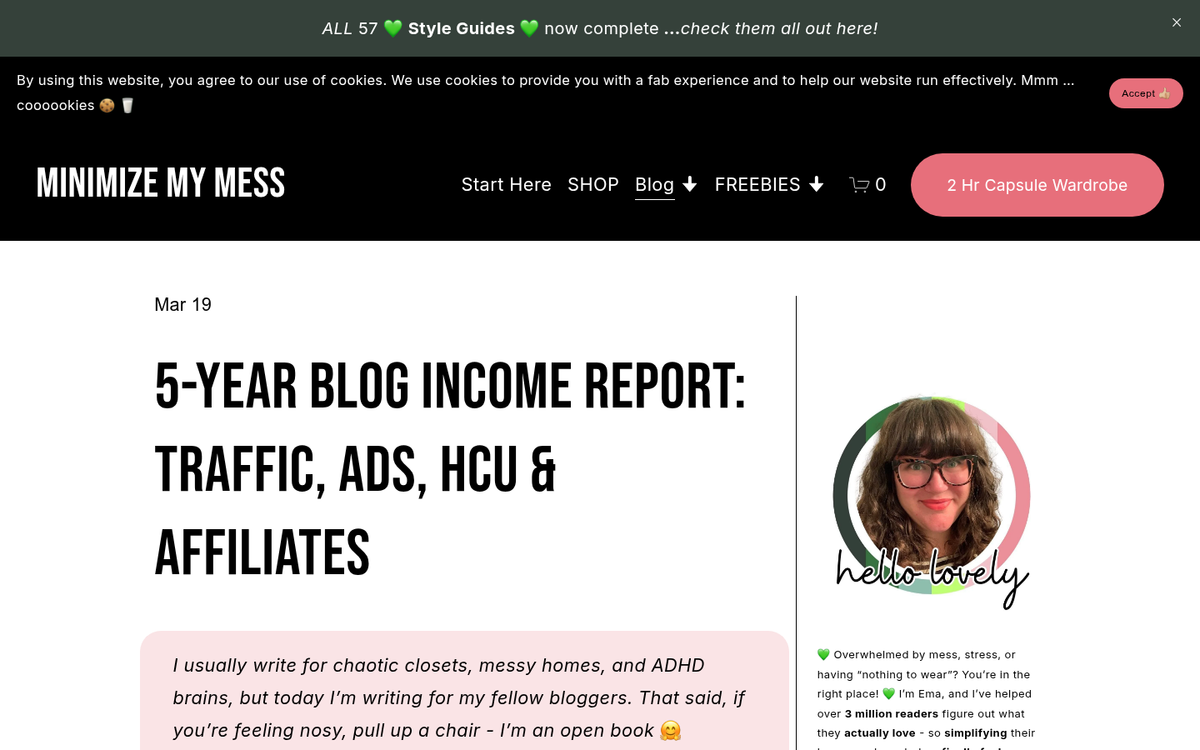
What matters is knowing that these sites have had years and, in some cases, decades to build to this point. Unless you're already an expert and a teacher, you aren't going to go into it giving courses to teach others how to succeed. You can promote affiliate links. But you need the authority of "why should I trust this person" before you can get anywhere with them.
It's important to understand that it may take half a year, a full year, or a few years to build up your site to the point where it will be profitable. The bloggers at Thriving Home Blog, just to give you an example, started in 2011 and now each earn the equivalent of roughly $40/hour while working about 10 hours per week - but that result took years of steady effort to achieve. If you quit your job hoping to immediately run a successful blog, you might quickly find that to be a mistake.
2. Start with WordPress
There are a number of different blogging platforms out there and many of them are free, so "a system you have to set up on hosting you pay for with a domain name you also pay for" is a hard sell when I just told you that you probably won't be making money for a long time yet. Still, hosting is cheap - some packages run as low as $47 per year, bringing your overhead to under $4 per month - domains are inexpensive and WordPress itself is free. WordPress gives you an enormous number of possible tools and themes to expand your site functionality, so it's basically not worth thinking about other platforms.
What plugins should you get? Here's a list of plugins we recommend and here's another list of premium plugins that are usually worth the money. If you want to mimic an existing site, you can also find out what plugins they're using and copy their setup.
3. Pick a Good Domain Name
Your domain name will be your branding, the name you go by and it will increasingly define you as you grow and build upon that brand. You need to choose something that goes well with the angle you want to go after with your blogging career.
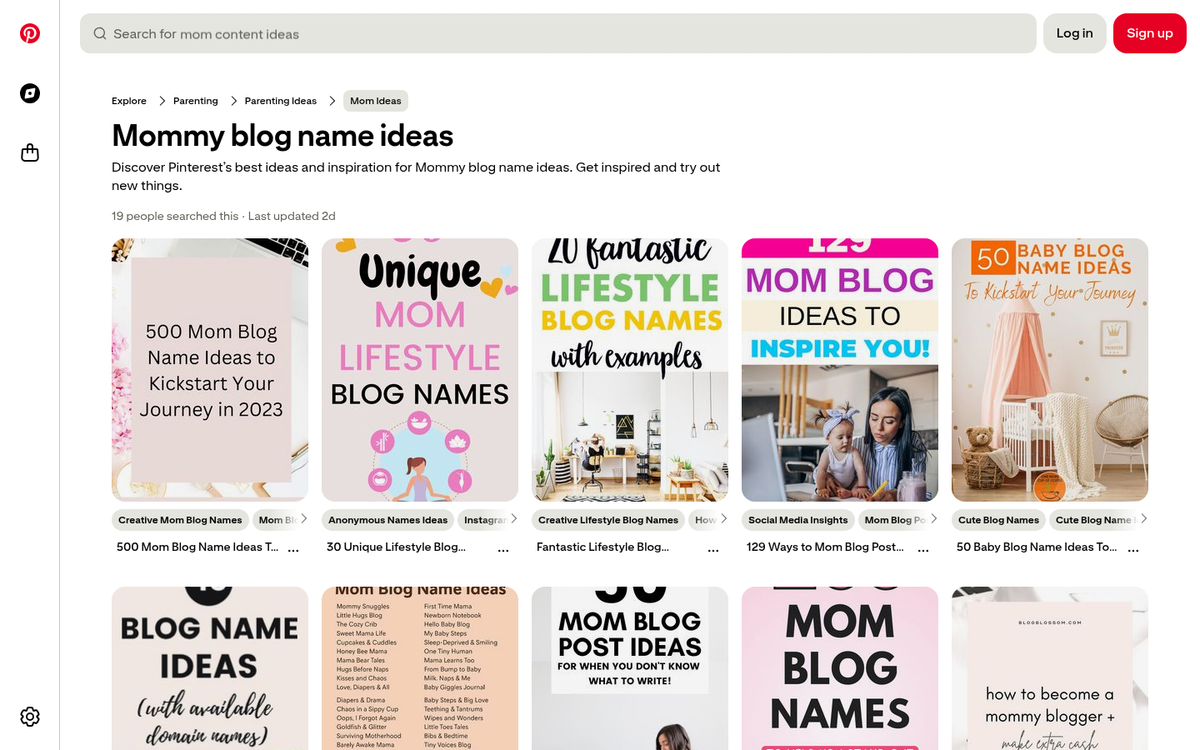
Some mommy blogs define themselves by their starting point, others by what they're trying to achieve and others by a sub-niche. You have Motherly, you have Scary Mommy, you have Rockin' Mama, you even have StartAMomBlog. Keeping the mom niche in your name isn't even strictly necessary, though if you're targeting a motherly audience, it's a place to start.
4. Do Some Reading
Before you dive into blogging, you need to do some basic reading. You wouldn't start a carpentry project by picking up a bandsaw and you wouldn't start a knitting project without learning patterns, so why start a blog if you don't know how blogging works?

Here are some recommendations for places you can start your learning:
- This easy guide to the blogging basics from Blogging Basics 101
- This list of things the author wishes they knew before getting started from CodeInWP
- Neil Patel's guide on how to start a blog
- The rest of the site you're currently reading, of course
The internet is full of information, so long as you know how to sort through it. I'd recommend sticking to content from big names and content published in the last year or two. The older the content, the more likely there are to be inaccuracies, so be careful on that front.
5. Generate Ideas
Before you put pen to paper, you'll have to figure out what, specifically, you want your angle to be. What makes you different from every other mommy blogger out there? Do you have particular interests, knowledge, history, or a day job that you can use for a unique perspective? You have a voice, though you might not know how to write with it just yet. That will come with practice.
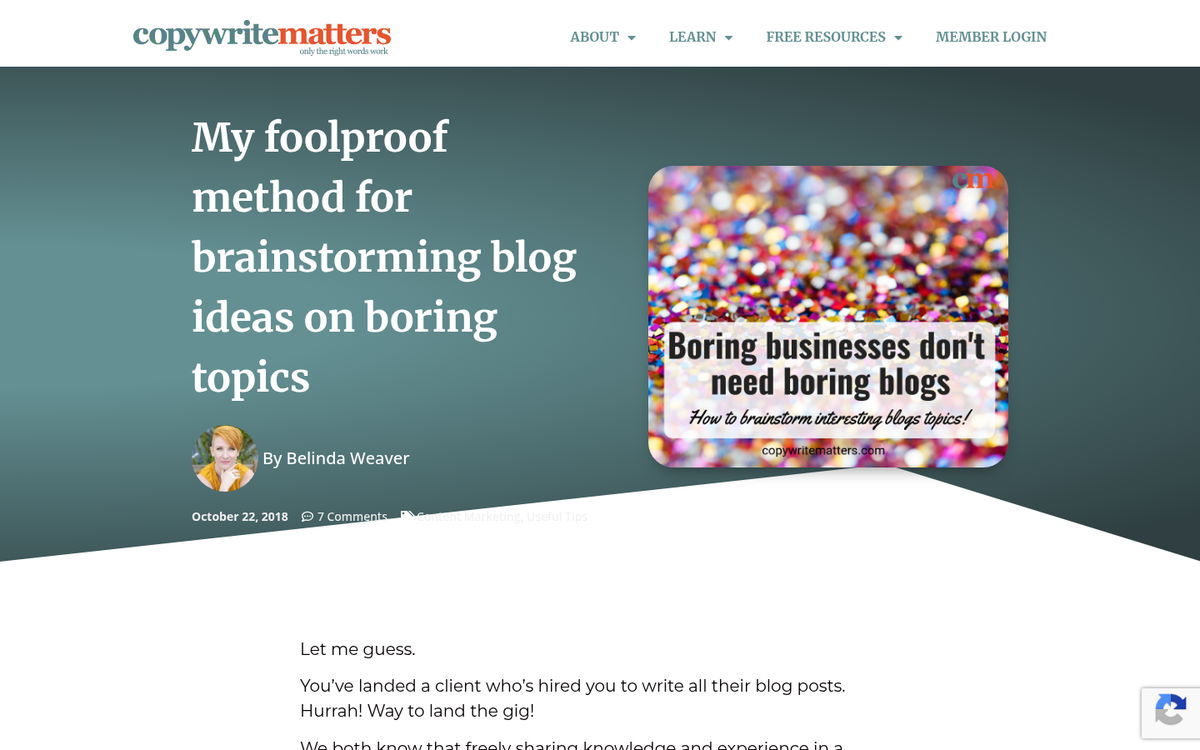
Brainstorm ideas for possible blog posts. What can you write about and what perspective can you bring to it? Not all your ideas need to be winners; you're just brainstorming. Just jot down topics, ideas, doodles, whatever comes to mind. Look for patterns and perspectives that run through them and drill down to find your niche.
The two keys to coming up with successful topics are finding ideas that you enjoy and that others can enjoy as well.
6. Pick a Monetization Strategy
How do you want to make money? Running a blog is easy. But making money is a bit harder.

Different styles of monetization require a different strategy, so it's important to know what your end goal is while you're still in the early stages.
- Display advertising. These ads are easy to set up, but won't give you much in returns until you have a sizable audience. It's worth knowing that the difference between ad networks is significant - one blogger earned around $100 from Google AdSense during a 38,000-session month, while the same traffic on Mediavine earned between $550 and $750. Starting with AdSense and graduating to a premium network like Mediavine or Raptive (formerly AdThrive) as you grow is a common and smart path.
- Affiliate marketing. If you can think of products you use that you would recommend - anything from baking ingredients to gardening tools - you can link to them on Amazon or through other affiliate programs alongside a blog post to make some money.
- Selling products. If you craft, knit, or otherwise produce anything, you can sell via an Etsy shop, eBay storefront, or even a personal store operated with WordPress plugins. It's more work, since you have to handle production, shipping, inventory, and all the rest, but it can be very rewarding.
- Selling education. Digital products like ebooks and courses can be surprisingly lucrative even at modest price points. A simple ebook priced at under $18 has been known to generate close to $5,000 in sales, and a $47 course can gross over $3,700 in under two months - all from a blog with a loyal, engaged audience.
You're not limited to just one, of course. But it's a good idea to choose one to work towards and then expand outwards later as the occasion arises. For a broader look at your options, see our complete list of blog monetization techniques.
7. Start Writing Posts
The hardest part of blogging is writing something on a schedule. I find that it helps to write posts distraction-free on one day and schedule them out for a few weeks, to build a buffer.

Write posts - as many as a dozen - before you publish the first one. Get started on the right foot and you'll be able to keep blogging consistently and hit the ground running.
8. Spice Up Posts with Images and Links

Before you publish your posts, you want to spice them up. Every post should have a few links to other blogs and other posts, content that helps your readers understand what you're talking about. A few images will also be helpful, though you don't need to get carried away with them. Just remember that you either need to produce the images yourself or you'll have to get them from a legal source: image copyright is a real issue.
9. Do Basic Keyword Research
Keyword research is something of a trap - it's important to capturing a wider audience. But too many bloggers do the keyword research before they write, writing about topics that they don't care about and producing mediocre content that goes nowhere.
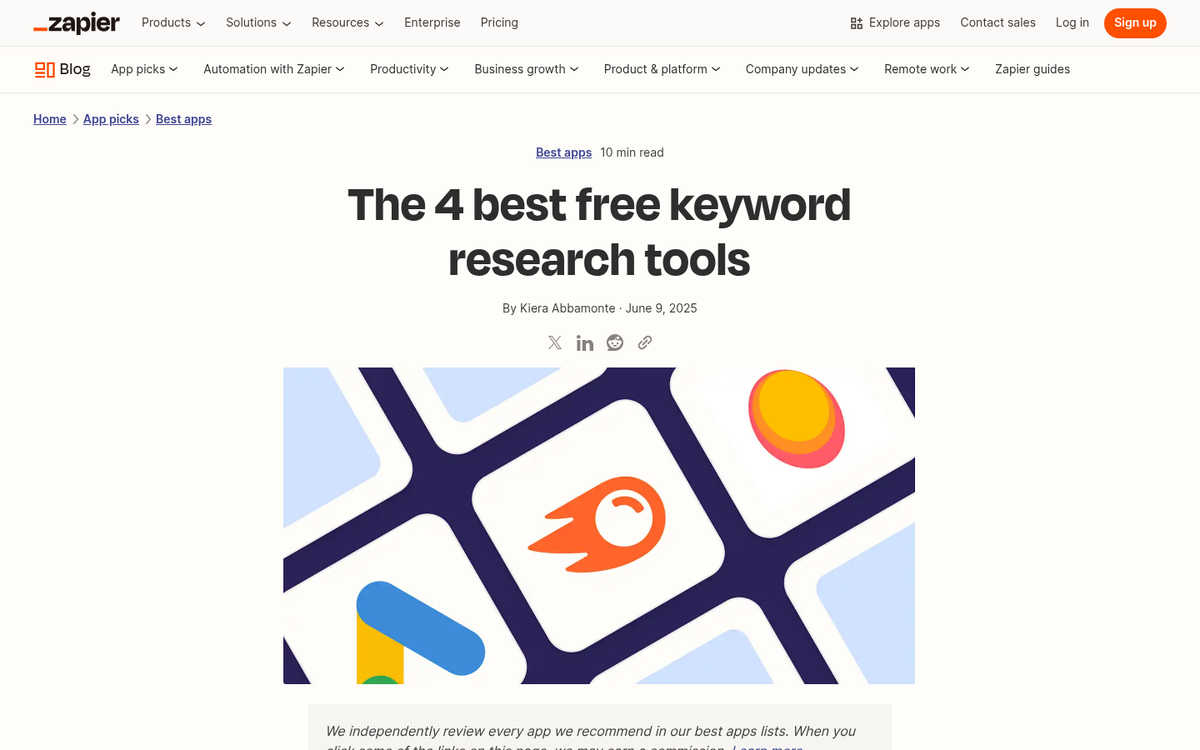
By writing your content first, you can do some research to figure out what keywords can work and you can make a few edits to include them in a natural way. Of course, it helps to know how modern keyword research - and modern Google search - actually work.
10. Publish Your First Post
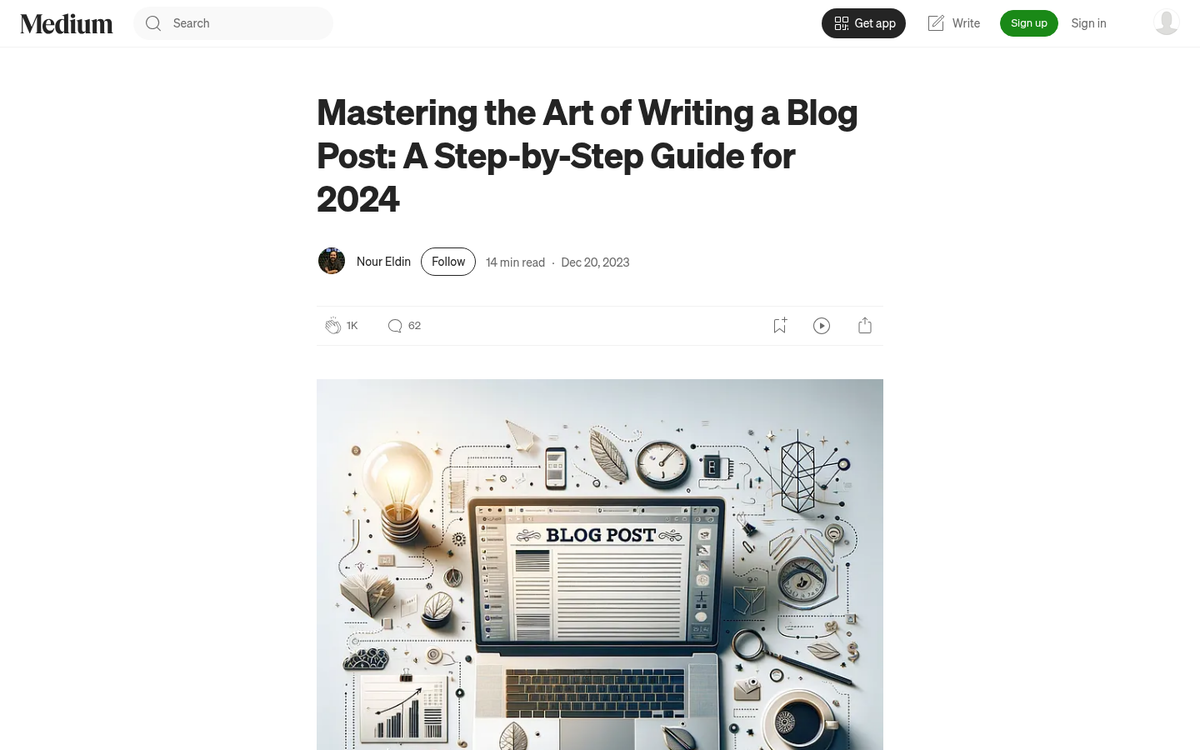
Once you have posts written, you can publish your first post on your new blog. Don't stress too much about it: no one is going to go back and read it after a few weeks have passed anyway. Still, it's not a terrible idea to publish 6+ posts in the first week or so, to give Google and your potential readers at least a handful of content to explore when they first show up. If you're wondering why your blog posts aren't showing up in Google, it often just takes time for new content to get indexed.
11. Schedule Plenty of Posts in Advance
At this point you'll have to settle on a schedule. Personally, I like weekly posts. One post per week, when the post is of a sufficient length and quality level, works quite well.
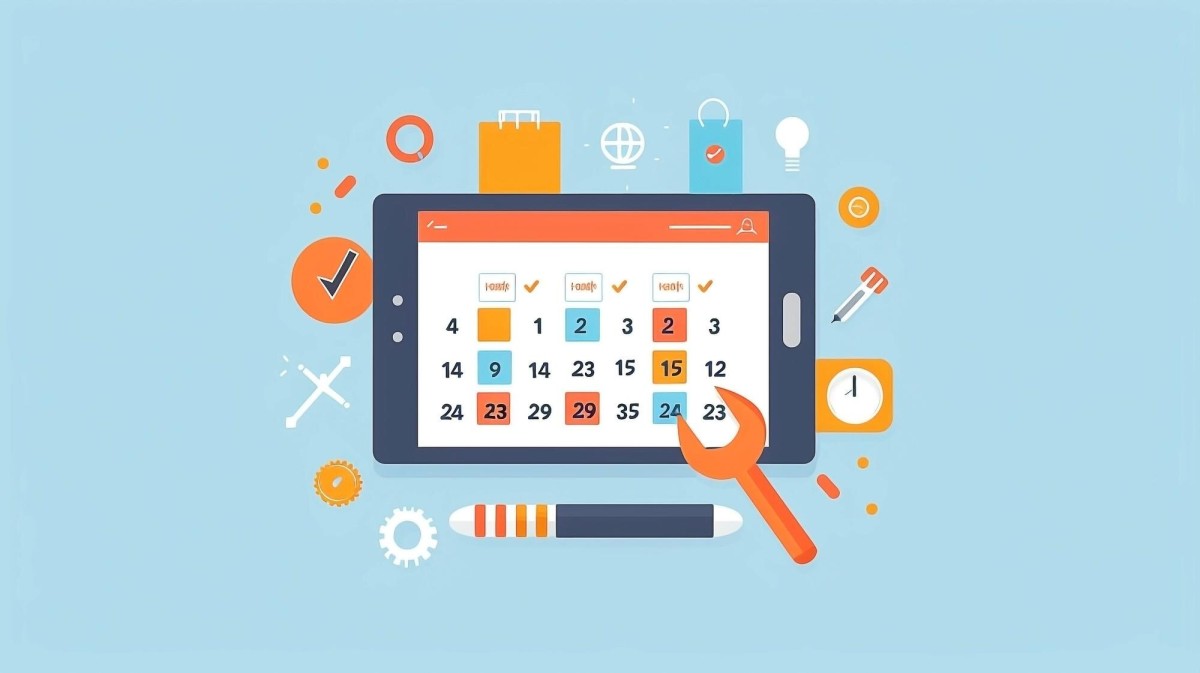
Trying to write one post every weekday is a very quick path to burnout and far too many bloggers take that path and end up crashing and burning. Fewer posts means you aren't capturing the full value of a dedicated audience. Two weeks is enough time for readers to forget who you are.
12. Start Engaging with Other Bloggers
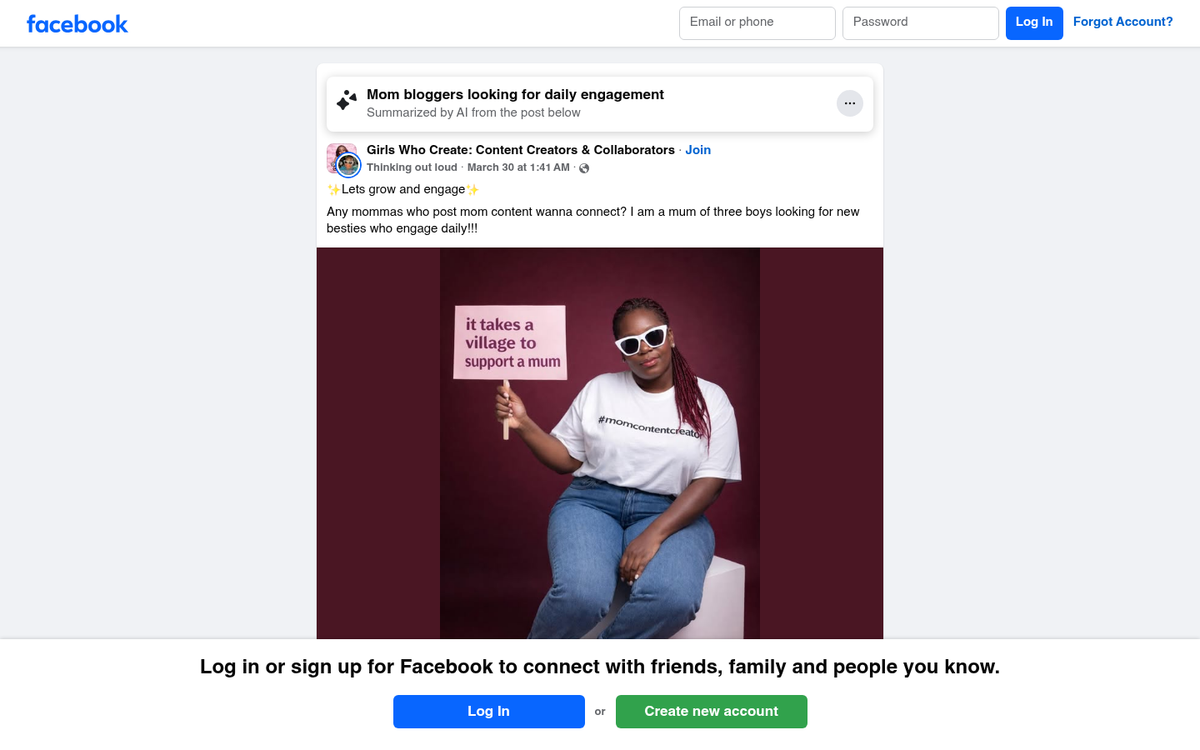
The key to building an early community is actually to network. Thankfully, the mommy blogger network is usually pretty nice, open and accustomed to building a community. Pick a few great mommy blogs and start reading them. Read them to learn their styles, their topics, their perspectives and how they connect with their audience. Most importantly, leave comments! Most comment systems let you put your website in a profile field, so do that. But don't make it the front and center ingredient of your engagement.
13. Join Mommy Blogging Groups
Facebook Groups can be a great place to build an audience, make friends, network and ultimately build a successful site. Beyond Facebook, communities on Reddit and even niche Discord servers have become increasingly active spaces where bloggers share tips, swap feedback and support each other.
Here's a handy guide on how to find and use Facebook groups to grow a new blog. Some of the tips aren't strictly applicable to a new mommy blog, but many of them can be adapted.
14. Start a Few Social Profiles

One important ingredient that puts a mommy blog above others is the ability to be casual and social. You don't have a corporate brand to uphold, you can just be yourself. Social profiles - a Facebook page, an Instagram account, a Pinterest presence, or a short-form video channel on TikTok or YouTube - give you access to that audience and, better yet, bring that audience to you. Short-form video in particular has become one of the fastest ways to drive traffic to a new blog, so it's worth experimenting with even if it feels outside your comfort zone.
15. Keep At It

At the end of the day, the number one trait you'll need to build a successful, monetized blog is persistence. With roughly 90% of new bloggers calling it quits within the first year, simply refusing to give up is one of the most valuable advantages you can have. If you're struggling to stay motivated, learning how to keep yourself from getting bored while blogging can make a real difference. Keep at it, every week, until you're either dead broke or you succeed. Given how cheap it is to run a blog - less than $4 a month in some cases - the latter should happen first.