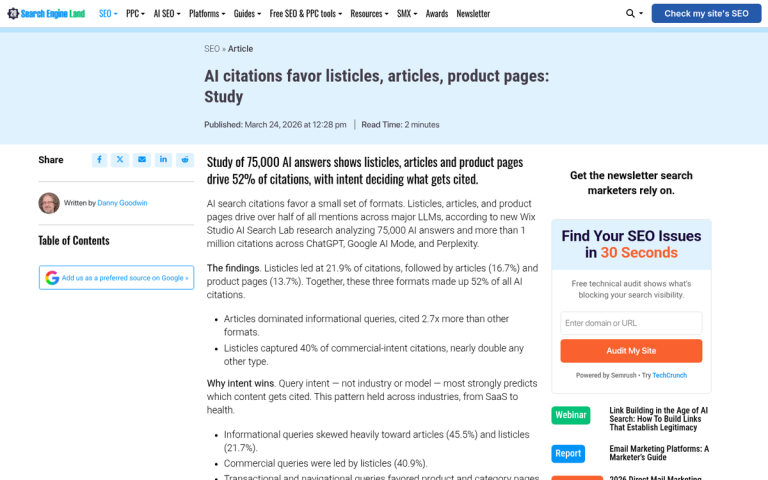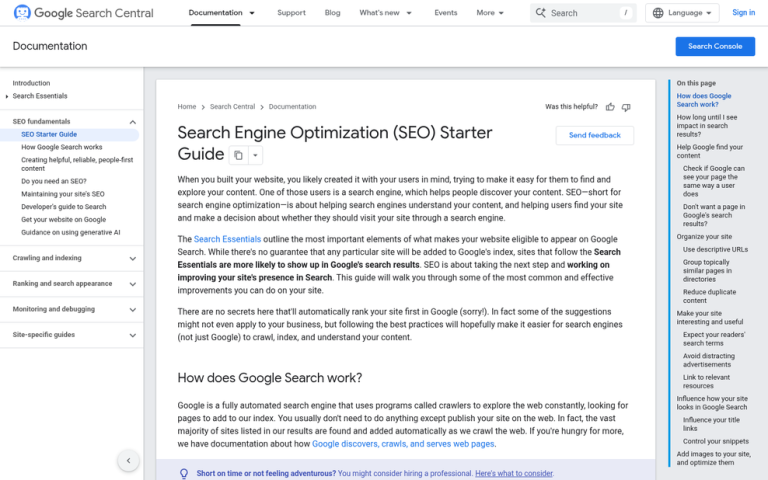
Here's the part that should get your attention: research suggests that only around 30% of brands maintain consistent visibility across repeated AI responses to the same query. Ask Grok the same question twice and the businesses it surfaces can vary. That volatility doesn't show up in any ranking report you're currently running - it means a portion of your possible audience may be seeing AI-generated answers that never once mention your brand, and you'd have no idea.
Tracking your presence on Grok is going to need a different mindset and a different toolkit - it's less about keyword positions and more about how Grok interprets authority, relevance, and trustworthiness when it decides whose voice to amplify. The good news is that this is measurable, and there are concrete steps you can take to improve what you find.
I'll talk about how to do that - starting with the visibility signals that actually matter on Grok, moving into what metrics to track and which tools help you track them, and finishing with how to turn those plans into action that improves your presence over time.
Key Takeaways
- Only 30% of brands maintain consistent visibility across repeated Grok responses to the same query, making traditional ranking reports insufficient.
- Grok uses citation rate, mention consistency, and share of voice - not keyword rankings - as the key performance metrics to track.
- Dedicated tools like Rankability, Rankscale AI, and AIclicks.io are built specifically for tracking brand presence on AI platforms like Grok.
- Targeted content updates - refreshed schema, added reviews, and updated comparison tables - helped one brand grow Grok visibility from 22% to 64% in six weeks.
- GEO success requires ongoing consistency across your site and third-party platforms, with meaningful visibility gains typically appearing over three to six months.
Why Grok Measures Brand Visibility Differently Than Google
Google gives you a ranked list of ten blue links and your job is to climb that list. Grok doesn't work that way at all. When a user asks Grok a question, it generates a conversational response - and your brand either appears in that response or it doesn't.
That binary nature changes how you have to measure performance. There's no position two or position seven to chase. You're either in the answer or you're not, and that's a fundamentally different measurement problem.
This is where the concept of citation rate can become helpful. Citation rate tracks how frequently Grok references your brand across a set of relevant queries. If you run a cybersecurity company and Grok answers fifty questions about data protection tools, citation rate tells you how many of the answers named you.
Share of voice works alongside citation rate to give you a competitive picture - it looks at how your brand gets cited compared to others in your category. You may have a decent citation rate in isolation, but a low share of voice if three competitors are being cited twice as much.
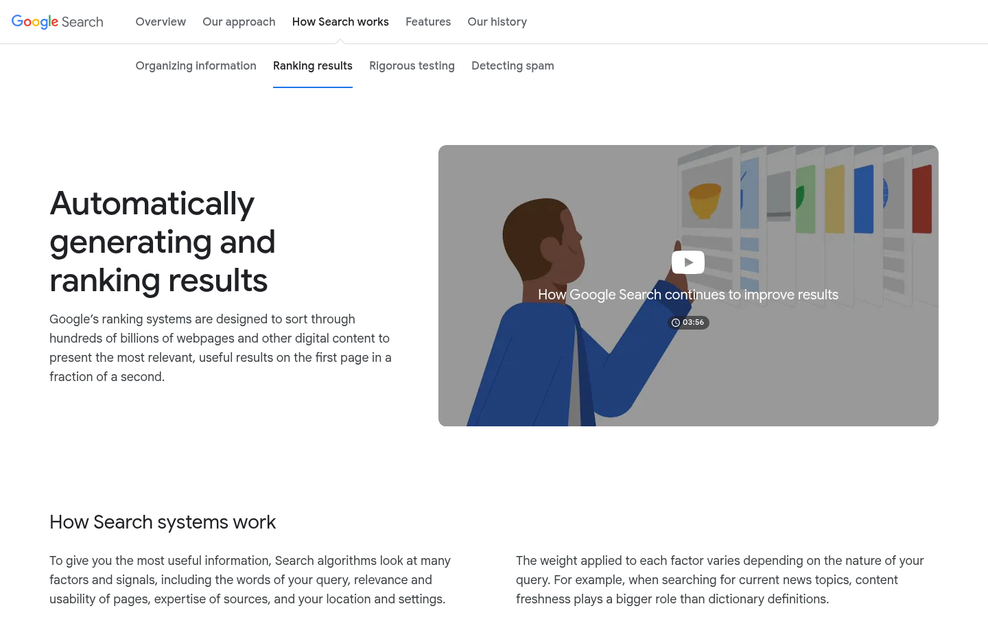
The part that trips up many marketers is that your Google Search Console data tells you about clicks, impressions, and keyword rankings - none of which maps to what Grok is doing. Search Console has no visibility into AI-generated replies, so it can't tell you if Grok is mentioning your brand or skipping over it entirely.
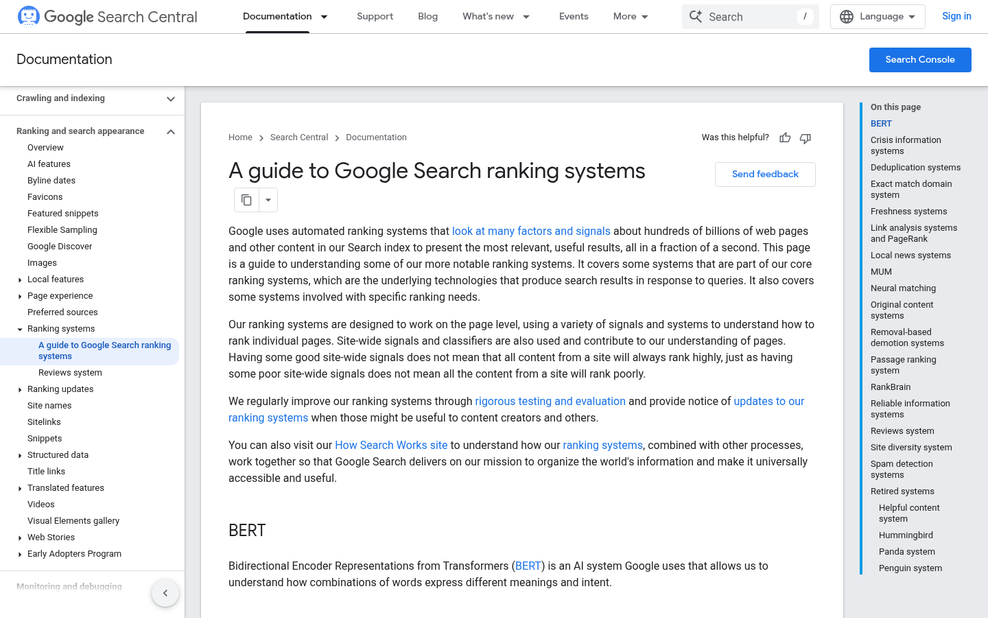
The two platforms pull from different signals for different jobs. Google ranks pages based on links, relevance, and authority. Grok synthesizes information to construct an answer, which means it weights source credibility, content clarity, and topical consistency in its own way.
To track your Grok performance, you need a separate framework built around AI metrics instead of repurposed SEO data.
The Metrics That Actually Matter for Grok Performance
Three numbers deserve most of your attention: citation rate, mention consistency, and share of voice - and each one tells you something different about how Grok perceives your brand, and together they give you a reliable picture of where you stand.
Citation rate tracks how frequently Grok references your brand, content, or website when it answers relevant questions - the most direct signal of visibility. A low citation rate means Grok is not drawing on your content as a source, regardless of how well you rank on traditional search engines.
Mention consistency is about stability over time - it's worth checking if your brand appears across a number of related queries or only in response to a narrow set of questions. Inconsistent mentions can mean your authority is thin in certain topic areas, which is something you can work to fix.
Share of voice measures how much of the conversation belongs to you compared to competitors. If Grok mentions five businesses in response to a category-level question, you want to know whether yours is one of them and where it appears in the response.
One data point worth knowing: citation volumes between AI platforms can vary by as much as 615 times between platforms like Grok and Claude for the same brand. That range shows how volatile AI visibility is and why platform-specific tracking matters.
| Metric | What It Measures | Why It Matters | How Often to Check |
|---|---|---|---|
| Citation Rate | How frequently Grok references your brand | Direct measure of AI visibility | Weekly |
| Mention Consistency | How stable your mentions are across queries | Reveals gaps in topical authority | Bi-weekly |
| Share of Voice | Your presence relative to competitors | Shows competitive position in AI responses | Monthly |
Tools Built to Track Your Presence on Grok
A handful of dedicated tools have built Grok tracking into their core features, which saves you from trying to patch together data from tools that weren't designed for AI search at all.
Rankability is one of the more established options, with plans starting at $149 per month and higher tiers at $249 and $449. It tracks how your brand and content appear across AI platforms like Grok, and the higher plans add more frequent data pulls and deeper reporting. Rankscale AI takes a different approach with a credit-based model starting from around €20 per month, which works if your tracking needs are lighter or more project-based instead of ongoing.
AIclicks.io is worth a look too. A documented case with an e-commerce client showed Grok visibility grow from 22% to 64% over six weeks of active use, which gives you a concrete sense of what this tracking can surface and act on.
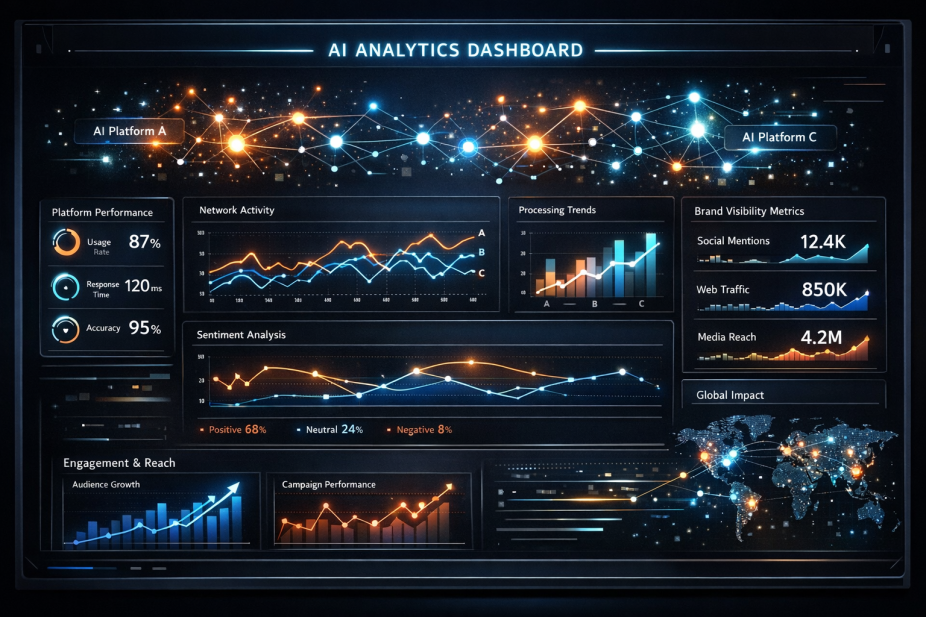
Here is how these three tools compare across the factors that matter most to get started.
| Tool | Pricing | Tracking Frequency | Key Features |
|---|---|---|---|
| Rankability | From $149/month | Regular scheduled pulls | Multi-platform AI tracking, tiered reporting depth |
| Rankscale AI | From €20/month (credit-based) | On-demand or scheduled | Flexible credit model, AI visibility scoring |
| AIclicks.io | Contact for pricing | Ongoing monitoring | Grok citation tracking, visibility growth reporting |
None of these tools do the work for you. But they give you reliable data to work with instead of guessing. Once you know where your numbers stand, you have something to act on.
Content and Schema Changes That Lift Grok Citation Rates
Knowing your numbers is only helpful if you know what to change. Certain content and structural updates have a measurable effect on how Grok pulls from your pages.
One e-commerce brand went from appearing in 22% of relevant Grok replies to 64% in just six weeks. They did three things: added customer reviews to product pages, refreshed their structured data schema, and updated their comparison tables with the latest figures. No site overhaul - just targeted changes to what AI models actually scan for.
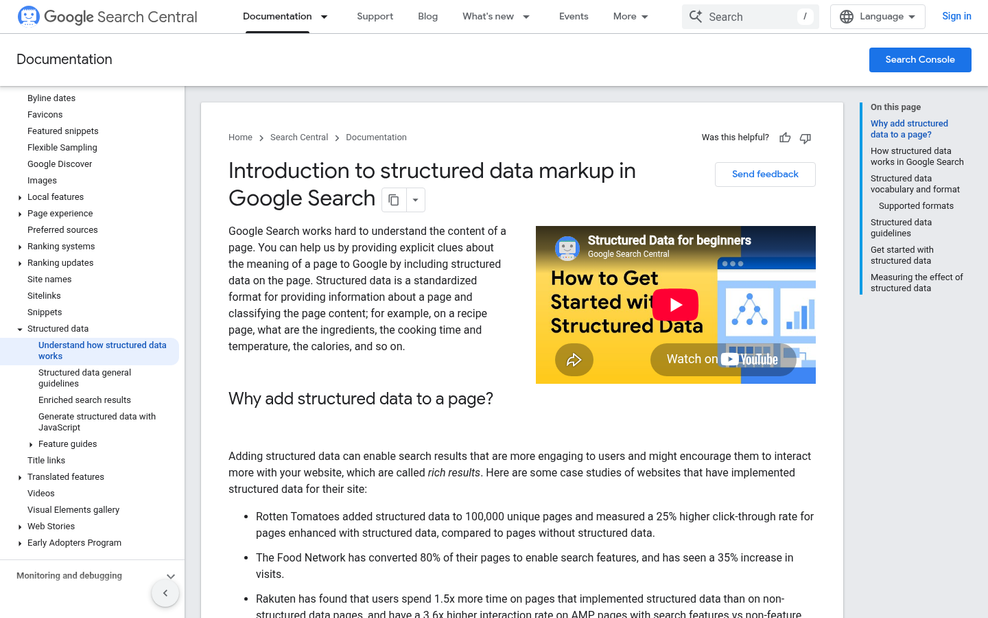
Grok doesn't rank pages the way a search engine does - it looks for content that reads as credible, well-structured, and up to date. It's why schema markup matters - it tells the model what your content is about and gives it confidence to cite you. If your schema is outdated or missing required fields, Grok may pass over your page even when your content is relevant.
Fresh content signals matter too. Pages that haven't been touched in months can look stale to an AI pulling live context. Even small updates - a revised stat, a new data point, a refreshed FAQ - can signal that your content is worth referencing.
This explains why some businesses with strong Google rankings still get ignored by Grok. Traditional SEO rewards things like backlink volume and keyword density. Grok responds better to pages that feel authoritative and direct, with sourcing and structured answers. Those are different priorities, and the difference between them is where businesses lose ground.
| Change Type | Why It Helps Grok Citations |
|---|---|
| Updated schema markup | Helps Grok interpret and trust your content faster |
| Added user reviews | Signals real-world credibility and depth |
| Refreshed comparison tables | Gives AI structured data it can lift directly |
| Cited external sources | Adds authoritative weight to your claims |
Building a GEO Strategy That Keeps Grok Visibility Stable
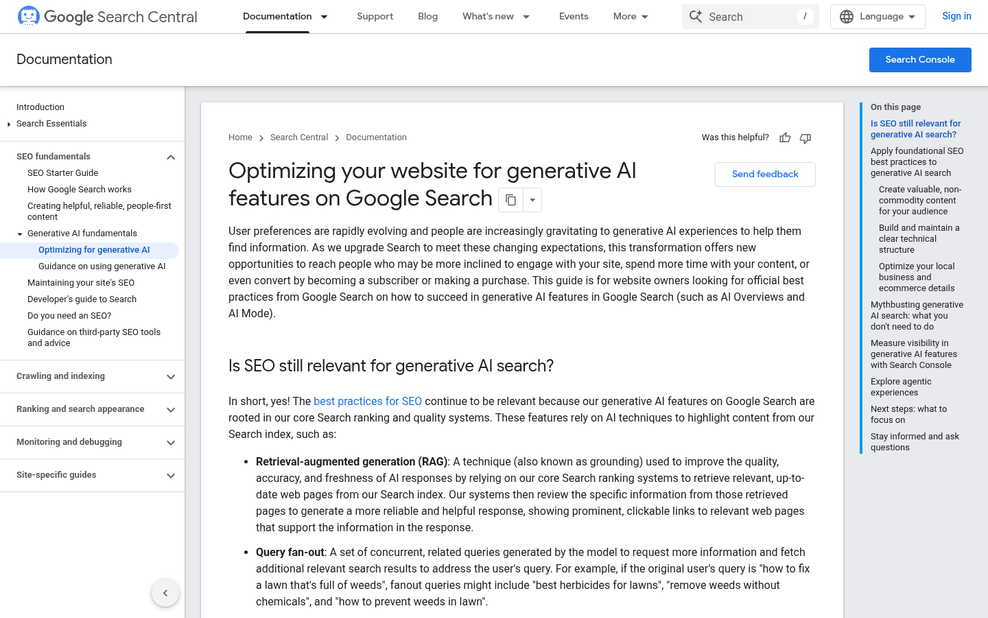
GEO, or Generative Engine Optimization, is the practice of making your content readable and credible enough for AI tools like Grok to pull from it. In practice, that means staying consistent across platforms so Grok sees your brand as a reliable source no matter where it looks.
Brands that put effort into GEO report referral traffic lifts in the range of 30 to 40 percent from AI-driven sources. That number goes with something worth mentioning - this is not a small return for what is basically a documentation and consistency effort.
The key word in this is consistency. Grok does not reward a single well-optimized page; it rewards a pattern of credible, well-structured content across your site and across the web. Your presence on third-party platforms, review sites, and news sources all feed into that picture.
How Often to Check In
A monthly audit is a basic starting point for most businesses. You are looking at citation frequency, the accuracy of what Grok says about you, and whether your structured data is still valid. Meaningful visibility gains tend to show up on a three-to-six month timeline, so patience is part of the plan.
Here is a short checklist of tracking habits worth repeating on a monthly basis.
- Run fresh Grok prompts related to your brand and core topics and log what comes up.
- Check that your schema markup is still valid using Google's Rich Results Test or a structured data validator.
- Review your external mentions and update any outdated information on third-party platforms.
- Compare citation language against your own content to catch any drift in how Grok describes you.
- Note any pages that lost or gained citation activity since your last audit.
The biggest mistake businesses make is treating this as a project with a finish line. Grok's training and retrieval patterns change over time, and your content environment changes too. It is a continuous process, not a one-time fix.
Your Grok Tracking Routine Starts With One Query
Grok visibility is different from traditional SEO in that it rewards consistency and recency over raw authority. The businesses earning citations in AI replies aren't always the largest or most established - they're the ones with well-structured content, up-to-date information and a point of view that Grok can confidently surface. The tools and habits covered here are designed so you can build that presence, steadily and without guessing.

Remember that your standing in Grok's replies will change as your content evolves, as competitors update their own material and as Grok itself is refined. That fluidity isn't a problem - it's an opportunity. Treat your AI performance as a living metric - not a one-time check. Build the habit of watching, adjust based on what you find and let each small improvement compound over time. The momentum is yours to create.