Getting cited by Perplexity AI is not about chasing another algorithm update or stuffing your content with new signals in hopes of gaming a system. It is about how Perplexity actually selects sources to cite in its replies - and then writing content that legitimately deserves to be one of them. There is a difference between ranking and being cited. Ranking gets you a position on a results page. Being cited means an AI engine reads your content, trusts it, pulls from it, and sends a reader directly to you as a source worth looking at more.
The structural and editorial choices that earn citations from Perplexity are learnable and different from what traditional SEO has rewarded. Some of them will feel familiar. Others are going to need a change in how you gather information, attribute claims, and show authority within the body of your content - not just in your metadata or backlink profile.
What follows is a helpful overview of how to structure blog content so Perplexity's citation algorithm recognizes it, trusts it, and uses it. If you have already been creating clear, well-researched content, you are closer. You likely just need to surface that quality more.
Key Takeaways
- Perplexity cites sources to answer questions rather than ranking pages, making content structure and relevance more important than traditional SEO signals.
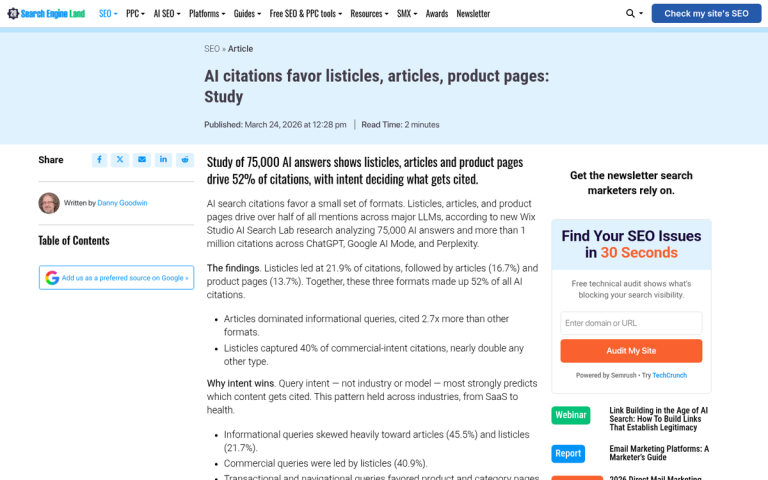
- Listicles earn the highest citation share at 21.9% because discrete, scannable content units are easier for AI to extract cleanly.
- Content published within the last 30 days receives citations at an 82% rate, making regular updates and substantive refreshes essential.
- Including year-specific language like "2026" in titles, headings, and opening paragraphs can increase Perplexity citation rates by around 30%.
- Reddit's 46.7% citation share signals that Perplexity favors direct, specific answers with minimal filler and external source attribution.
Why Perplexity Citations Work Differently Than Google Rankings
Google ranks pages. Perplexity cites sources to answer questions. That distinction sounds small. But it changes almost everything about how you should write.
When Google evaluates a page, it weighs hundreds of signals to choose where you land in a list of results. Perplexity does something different - it reads your content, extracts the most helpful parts, and then decides whether to credit you as a cited source in a synthesized answer. Getting cited means your content was clear enough and structured well enough that an AI could pull meaning from it with confidence.
The things that drive Perplexity citations break down roughly like this: content relevance accounts for about 30%, visual placement for about 20%, domain authority for about 15%, content freshness for about 15%, source diversity for about 10%, and structured data for about 10%. Those numbers are worth sitting with for a bit.
Content relevance being the top factor makes sense. Perplexity is looking for content that directly answers what was asked, so tight topical focus matters more than broad coverage. Freshness also carries more weight here than writers expect, because Perplexity frequently works with questions about latest events, recent developments, and up-to-date information.

The interesting one is visual placement. For a traditional search engine, this might relate to where content sits on a page. For an AI citation system, it relates to how your content is organized in a way the model can parse and prioritize. Perplexity tends to pull from content that uses hierarchy, like headings and structured blocks, because that structure signals where the important information lives - it's less about being readable to humans and more about being readable to a machine that skims fast.
Domain authority still factors in. But at 15% it carries less weight than SEO-trained writers assume. A newer site with well-structured, relevant content can compete in a way that would be much harder in traditional search.
This matters because content strategies built for Google rankings don't translate well here. Keyword density, internal linking structures, and meta descriptions do very little to change whether Perplexity picks your content as a citation. The logic is fundamentally different, and the sooner you treat it that way, the easier the rest of it will become.
Structured data at 10% is also worth mentioning early, because it can make your content more compatible with the formats Perplexity gravitates toward - learn more about how structured data works and how it signals meaning to automated systems.
The Content Formats Perplexity Cites Most in 2026
Wix published data in March 2026 showing that listicles earned a 21.9% citation share on Perplexity, with standard articles at 16.7% and product pages at 13.7%. Those numbers are worth sitting with for a bit because they tell you something concrete about what the algorithm is actually pulling from.
| Content Type | Citation Share | Key Structural Trait |
|---|---|---|
| Listicles | 21.9% | Discrete, scannable data points |
| Articles | 16.7% | Depth and topical authority |
| Product Pages | 13.7% | Structured specs and comparisons |
Listicles lead by a known margin, and the reason probably goes deeper than the format being easy to skim. Each list item functions as a self-contained unit of information, which makes it much easier for an AI model to extract and attribute a point without losing context. That discreteness is doing structural work.
All three formats share the same pattern, and each one organizes information into retrievable chunks instead of letting it flow through long, unbroken prose. Product pages do it with specs and comparisons, articles do it with well-defined subtopics, and listicles do it most literally of all.
That is not a coincidence. Perplexity builds its answers by pulling fragments of content that can stand alone in a sentence or two. If your information is buried inside a dense paragraph with no entry point, it can become harder to lift cleanly. The formats that win citations are the ones that make extraction easy. Understanding what makes a citation-ready content block is a useful starting point for structuring any of these formats.
That said, depth still matters. Articles holding 16.7% of citations shows that topical authority through long-form content is not being passed over. The algorithm is not grabbing the shortest answer it can find.
The structural goal is to build content where individual ideas are easy to find and pull out, regardless of format. That applies to articles, guides, comparison pages, and yes, listicles too.
How to Use Headings and Visual Placement to Get Noticed by the Algorithm
Perplexity's algorithm doesn't read a page the way a person does. A human skims, jumps around, and picks up on context through intuition. An AI crawler moves through a page more literally, using structural tells to know what each section is about and how important it is.
Heading hierarchy matters more than most people know. Your H2s are topic boundaries that tell the crawler "this section covers this specific thing." H3s break those topics into subtopics. When you use them consistently and accurately, you make it much easier for the algorithm to pull the right content for the right query.
Visual placement is also a factor. Research into Perplexity's ranking puts on-page structure at roughly 20% of what determines citation likelihood. Where your best information sits on the page legitimately can affect whether it gets picked up.
Put Your Best Content Near the Top
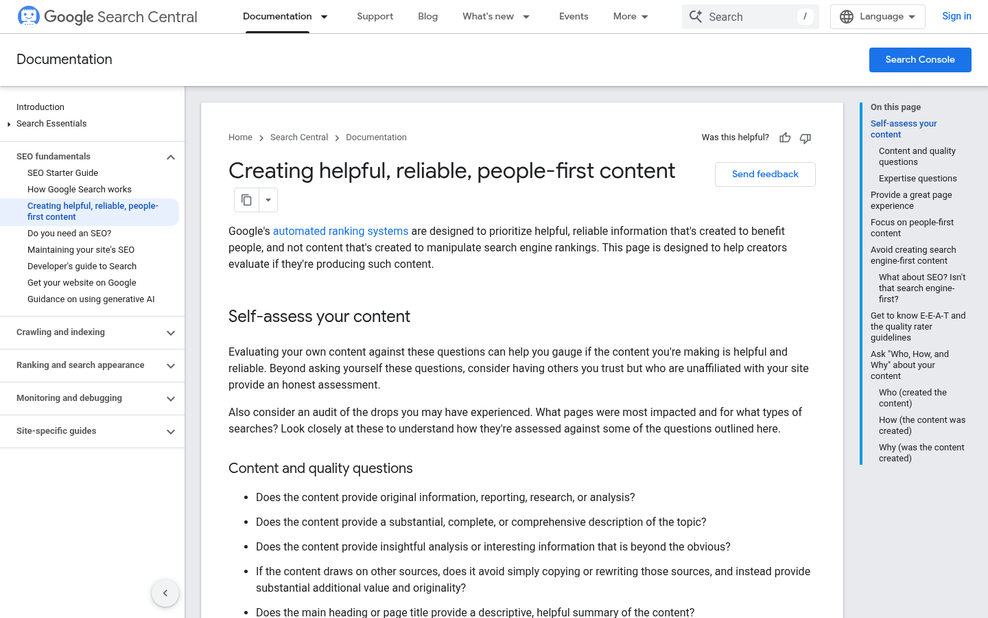
AI crawlers do weight earlier content more heavily, so if your most citable information is sitting below a few paragraphs of background, it might not get the attention it deserves.
You want to get to the point fast and let the structure carry everything below it.
White Space and Short Paragraphs Are Functional
White space creates visual separation that helps the algorithm distinguish between ideas. Short paragraphs signal discrete points instead of one long, tangled argument.
Bullet points help here as well, but only when the items are legitimately parallel. A bullet list that could just as easily be two sentences is worth converting back into prose.
A Simple Heading Structure to Work From
| Heading Level | What It Should Signal | How Often to Use It |
|---|---|---|
| H1 | The overall topic of the page | Once per page |
| H2 | A major subtopic or section boundary | Every 300-400 words |
| H3 | A specific point within that subtopic | As needed within H2 sections |
Getting this structure right is less about perfection and more about consistency. A page that follows a logical hierarchy throughout is far easier for an AI to parse than one that uses headings decoratively or skips levels.
Freshness Signals and the 30-Day Citation Window
One 2026 analysis found that Perplexity cited content published within the last 30 days at an 82% rate. That is not a small difference between fresh and older content - it's a near-total preference for recency.
The reason this happens is fairly simple. Perplexity is an answer engine - not a search engine - it tries to give users accurate, up-to-date replies, so it gravitates toward sources that signal they reflect the world as it currently is. An older post - even a well-written one - carries a built-in credibility risk for that job.
This changes how you should think about your editorial calendar. A steady stream of new content is one way to stay inside that 30-day window. But updating and republishing existing posts is a legitimate strategy - and for blogs, actually the better use.
There's an important distinction to make here, though. A published date change on a post without any content changes does very little. A cosmetic refresh won't move the needle.
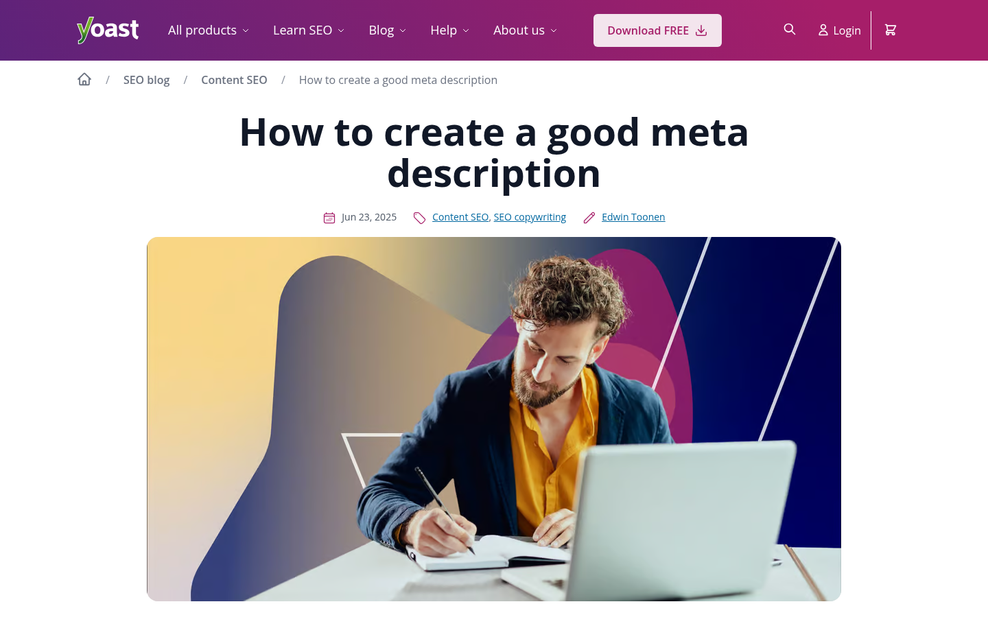
A genuine content update looks different - it means adding new data, removing outdated claims, rewriting sections that no longer reflect how things work, and expanding areas that were previously too thin to be helpful.
To choose which posts in your archive deserve that attention, look for a few things. Check for posts that already rank or get traffic but haven't been touched in six months or more. Look for posts on topics where the community has shifted since you wrote them. Think about which posts sit in a topical area where Perplexity is actively generating answers - those are the ones where an update could earn a citation.
| Update Type | What It Involves | Freshness Signal Strength |
|---|---|---|
| Date change only | No content changes made | Weak - often ignored |
| Minor edits | Small wording fixes, formatting tweaks | Low |
| Substantive refresh | New data, rewritten sections, expanded content | Strong |
Including Dates and Year-Specific Language to Boost Citation Rates
One finding that keeps coming up in content research is that including a year like "2026" in your titles and headings can lift Perplexity citation rates by around 30%; it's an actual difference and it seems like something worth understanding instead of just copying.
Part of this is about matching query language. When someone asks Perplexity a question they frequently include a year - "best tools for X in 2026" or "how to do Y in 2026." The algorithm looks for sources that match that same framing because it signals the content was written to answer that exact question - it's not purely a freshness signal; it's also a relevance signal.
Where you place year language matters. Your title is the highest-priority location for these. Then work it into at least one H2 heading and the opening paragraph. A meta description that includes the year also helps Perplexity match your content to time-stamped queries, and each of these locations reinforces the same message: this content was written for right now.
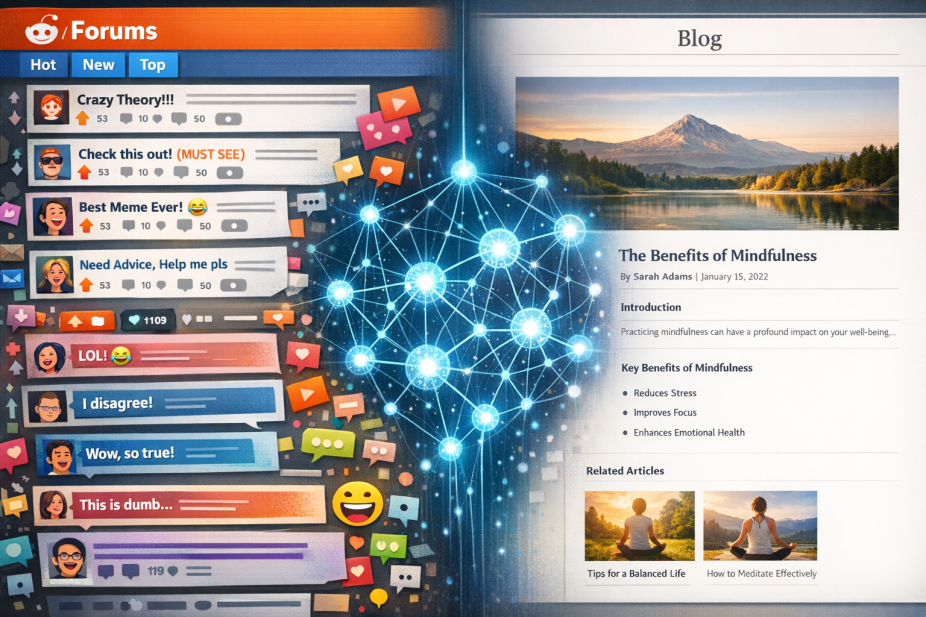
There's a difference between strategic placement and lazy repetition though. Dropping "2026" into every other sentence doesn't help anyone and it makes your content harder to read. You want to place year language where it fits the context of the sentence. If you're also thinking about tools that help you craft better titles, many of them support year-based framing as well.
Here is a quick comparison of placements that work versus ones that don't.
| Placement | Works Well | Doesn't Work |
|---|---|---|
| Title | "How to Structure Blog Content for Perplexity in 2026" | "2026 Blog Content 2026 Perplexity Guide 2026" |
| H2 Heading | "The Citation Signals That Matter in 2026" | "2026 Signals for 2026 Citation in 2026" |
| Opening Paragraph | "In 2026, Perplexity's algorithm weighs freshness more heavily than before." | "This 2026 article about 2026 content in 2026 will help you." |
| Meta Description | "A practical guide to getting cited by Perplexity in 2026." | "2026 tips 2026 guide 2026 Perplexity 2026 citations." |
The right strategy is to write a sentence that already should have a time reference and then put the year there. If the sentence reads fine without a year, you probably don't need to force one in.
Year language is a positioning tool - it tells the reader and the algorithm that your content belongs to this moment in time, which is what a citation-hungry query needs to find. This same principle applies when thinking about how often you publish content, since recency and consistency both factor into how algorithms perceive your site's relevance.
What Reddit's 46.7% Citation Share Tells You About Source Signals
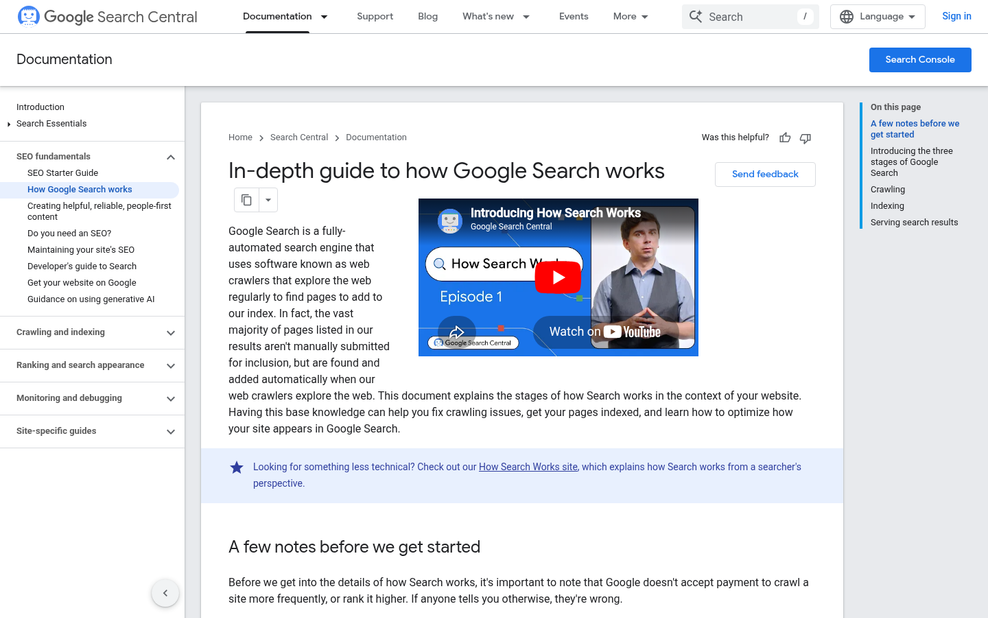
Nearly half of all top Perplexity citations come from Reddit. That number is jarring, and it's worth sitting with for a bit before drawing any conclusions.
The instinct is to rush over and start posting on Reddit. But that's not the point. What that 46.7% figure tells you is what Perplexity's algorithm actually responds to. Reddit threads are full of direct answers, personal experience, and genuine disagreement. They're messy, specific, and human - it's what the algorithm is pulling toward.
Reddit content works because it skips the filler. Someone asks a question and three people answer it from three different angles without preamble. Your blog can learn from that structure even if it reads nothing like a forum thread.
Think about where your own posts pad things out. Long lead-ins before the answer, vague paragraphs that add length without adding information - these are the patterns that put you at a disadvantage against community-generated content. The fix is to put the substantive answer closer to the question and trim the space between them.
Source Diversity as a Ranking Factor
Source diversity accounts for roughly 10% of Perplexity's citation weighting. The algorithm looks at whether you cite external sources within your own content and uses that as a trust signal. A post that references published data, links to original research, or acknowledges another perspective reads as more credible than one that presents everything as self-contained opinion.
This doesn't mean you need a bibliography at the end of every post - it means that when you make a factual claim, linking to the source that backs it up does work for you. It connects your content to a wider web of verified information, which is how Perplexity evaluates trustworthiness. If you're wondering whether those outbound links should be nofollowed, it's worth understanding how nofollow affects external links in blog posts before deciding.
The Reddit lesson and the source diversity signal point to the same underlying principle. Perplexity prefers content that engages with multiple voices and perspectives instead of a single author's take delivered in isolation. A solo blogger can compete with a platform that large by writing in a way that acknowledges difficulty, cites data, and gives direct answers without burying them in context.
You don't need Reddit's scale. You need Reddit's specificity, and that's something any well-structured post can carry.
Structuring for the Algorithm Without Losing Your Voice
The best next step is an easy one: pick one existing post and run it through what you've learned. Check if the heading hierarchy guides a reader from large to small. Look for a place to add or refresh a FAQ section with questions people are actually asking - a People Also Ask outline generator can help surface the right ones. If you've made actual content updates recently, make sure that the publish date aligns with that - that the changes are enough to justify it. Then watch how the post performs over the following weeks.
Good writing and structure have never been in conflict. A well-organized post that answers a question directly, stays current, and respects the reader's time is what humans and citation engines are looking for in 2026. You already know how to write. Now you have a framework to make that writing visible to the systems picking what gets cited - and that's a helpful thing to have.